
Chimi Lhakhang Bhutan: Fertility Temple History, Route & Timings

Priya Mehta
February 18, 2026
Complete Chimi Lhakhang guide covering history of Drukpa Kunley, fertility blessing rituals, best time to visit, and how to reach from Punakha.
Introduction: Bhutan's Most Distinctive Spiritual Landmark
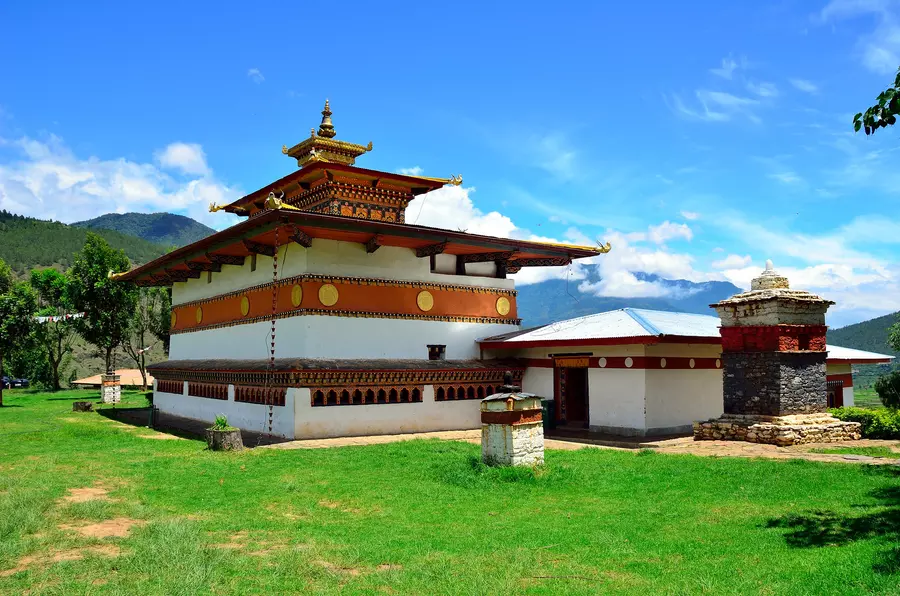
Chimi Lhakhang is one of Bhutan's most talked-about temples because it combines deep religious symbolism with an unusual cultural narrative linked to fertility blessings and the legacy of Lama Drukpa Kunley, often called the Divine Madman. Travelers searching for this site usually want historical context, ritual clarity, and practical route guidance from Punakha or Thimphu.
The temple is more than a curiosity point. It is an active sacred destination that reflects Bhutan's layered spiritual traditions and local social memory. Visiting with context and respect is essential.
About Chimi Lhakhang: Location and Setting
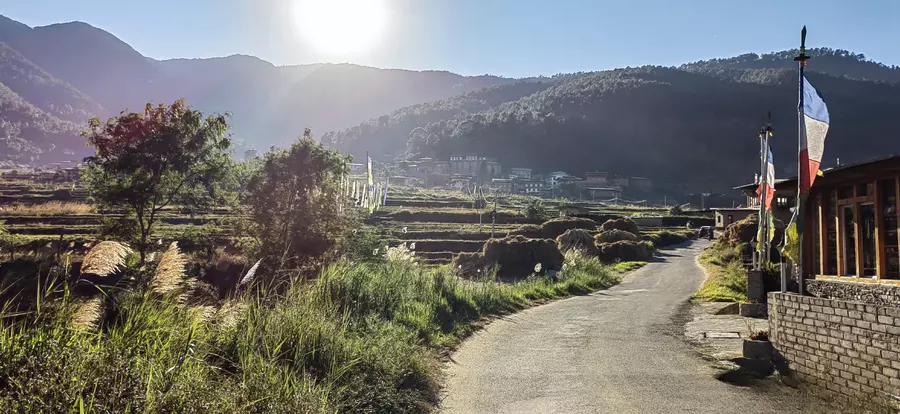
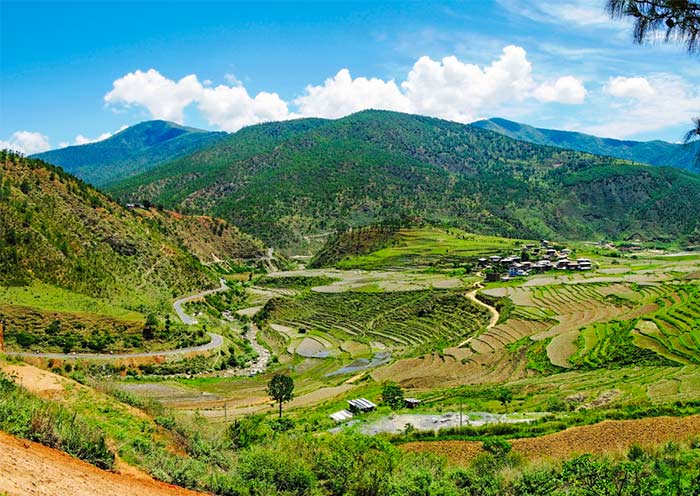
Chimi Lhakhang is located in the Punakha region and is typically reached through a short countryside approach walk from road-access points. The route itself is part of the experience, passing through fields and village landscapes that prepare visitors for a calmer temple environment.
| Temple Aspect | Visitor Relevance |
|---|---|
| Punakha valley setting | Easy inclusion in Bhutan cultural circuits |
| Short walking approach | Adds pilgrimage feel to visit |
| Active sacred role | Requires respectful behavior and attire |
| Distinct symbolic traditions | Strong cultural learning opportunity |
The Legend of the Divine Madman
Lama Drukpa Kunley is central to Chimi Lhakhang's identity. He is remembered in Bhutanese tradition for unconventional teaching style and symbolic methods that challenged rigid social behavior while conveying spiritual messages. Modern visitors often misunderstand this as novelty, but locally it is treated as meaningful religious history.
Understanding the legend helps you interpret temple symbolism, wall motifs, and fertility-linked ritual practices respectfully rather than superficially.
Fertility Blessing Traditions
Chimi Lhakhang is widely visited by couples seeking fertility blessings. Rituals are conducted within a devotional framework and are approached with sincerity by local communities and international pilgrims alike.
- Blessing requests are part of active temple practice
- Offerings and prayers are performed respectfully
- Ritual symbolism has cultural and spiritual context
- Visitors should avoid mocking or trivializing sacred elements
Even if you are visiting as a cultural traveler, observe temple etiquette and follow local guidance closely.
Best Time to Visit Chimi Lhakhang
Bhutan travel windows are generally shaped by weather and festival cycles. Chimi Lhakhang is most comfortable in stable weather periods when countryside walks are easier.
- Spring and autumn: pleasant weather and clearer route conditions
- Morning visits: calmer atmosphere and softer light
- Festival windows: richer cultural context but higher visitor flow
How to Reach from Punakha and Thimphu
Most travelers approach Chimi Lhakhang via Punakha routes, with Thimphu connections through standard Bhutan overland travel plans. The final section usually includes a short walk, so comfortable footwear is recommended.
- Road route to base access point
- Short village/field approach on foot
- Keep weather buffer for rural path conditions
If you are planning a wider spiritual circuit, pair with Punakha Bhutan and Tiger’s Nest route references.
Cultural Significance in Bhutanese Society
Chimi Lhakhang is important because it reflects how Bhutanese spirituality integrates ritual, social life, and symbolic teaching. The temple's continuing relevance shows that traditional practices remain active in contemporary Bhutan, not frozen as tourist performance.
Visitors who approach with cultural curiosity and sensitivity usually find this to be one of Bhutan's most memorable and thought-provoking sacred experiences.
Nearby Attractions for a Full-Day Circuit
This route combination gives strong balance of history, spirituality, and architecture.
Visitor Tips and Etiquette
- Dress modestly and keep shoulders/knees appropriately covered.
- Ask before photographing people or ritual items.
- Maintain silence in prayer-focused zones.
- Follow local guide instructions on ritual protocol.
- Avoid reducing sacred symbols to casual photo props.
Final Take
Chimi Lhakhang is one of Bhutan's most culturally layered spiritual sites. It offers meaningful insight into local belief systems, symbolic teaching traditions, and living devotional practice. Visit with respect, patience, and context, and the experience becomes far more than a tourist stop.
For cultural travelers, this temple is often a defining highlight of the Punakha region.
How to Understand Chimi Lhakhang Beyond Surface Symbolism
Many first-time visitors approach Chimi Lhakhang with curiosity about fertility symbolism, but the site has deeper theological and cultural context. Drukpa Kunley’s teachings are embedded in Bhutanese spiritual narrative as transformative, unconventional, and socially reflective. The temple should be interpreted through this lens rather than reduced to a visual curiosity.
A respectful visit means listening to local explanations, observing ritual behavior quietly, and accepting symbolic elements as sacred within local religious worldviews. Cultural literacy enhances the experience far more than quick photo-based tourism.
Approach Walk and On-Ground Experience
The final walk to Chimi Lhakhang through village-agricultural settings is part of the pilgrimage feel. Move slowly, stay on marked paths, and avoid intrusive behavior around homes and fields. The approach is often as memorable as the temple itself because it grounds the visit in local daily life rather than isolated monument viewing.
- Wear comfortable footwear for field-path conditions.
- Carry light weather layer and water.
- Avoid loud group behavior in village stretches.
- Respect local privacy while photographing surroundings.
Ritual Participation and Visitor Etiquette
If you are present during blessing rituals, follow guide or temple instructions exactly. Do not improvise gestures or interrupt active devotees. Keep your posture and tone respectful, and avoid treating ritual objects as entertainment props. Visitors who follow local etiquette are often welcomed with deeper context and warmer interaction.
Integrating Chimi Lhakhang into a Bhutan Cultural Circuit
Chimi Lhakhang fits best into Punakha-centered itineraries with one or two additional sacred-heritage stops. Avoid overloading one day with too many dzongs and temples; spiritual travel benefits from slower pacing. A well-balanced day includes travel buffer, temple time, and reflective pause.
| Circuit Style | Recommended Use |
|---|---|
| Punakha half-day | Chimi + one nearby heritage site |
| Full-day spiritual route | Chimi + major dzong + valley stop |
| Multi-day Bhutan plan | Integrate with Thimphu and Paro temples |
Final Note for Cultural Travelers
Chimi Lhakhang is most rewarding when approached with humility, context, and time. It represents living spirituality, not staged heritage. Travelers who engage respectfully often leave with a richer understanding of Bhutan’s spiritual diversity and cultural nuance.
Cultural Sensitivity Checklist for Chimi Lhakhang
Chimi Lhakhang is frequently photographed and discussed, but cultural sensitivity remains essential for meaningful engagement. Visitors should avoid treating sacred symbols as novelty content and instead approach them through local religious interpretation. Listen first, ask respectfully, and follow temple guidance on movement, offerings, and ritual spaces.
Dress standards, voice control, and photography restraint are part of respectful participation. If unsure, observe local devotees and match behavior accordingly. Guides can explain symbolic context in ways that prevent misunderstanding, especially around fertility rituals and Drukpa Kunley narratives.
One powerful way to improve your visit is to spend time in silence after the formal walkthrough. This pause helps convert curiosity into understanding and allows the spiritual atmosphere to be felt more deeply. For many travelers, that moment defines the experience more than any photograph.
When approached with humility and context, Chimi Lhakhang becomes one of Bhutan’s most profound cultural encounters, not just one of its most unusual temples.
Reflection and Pilgrimage Mindset
Chimi Lhakhang is best approached with pilgrimage mindset even if you are not a formal pilgrim. The short walk, village landscape, and temple ritual sequence all invite slower attention. Travelers who pause, listen, and observe respectfully usually report deeper connection than those who treat the stop as a novelty checkpoint.
One helpful practice is to end your visit with a few minutes of still reflection rather than immediate departure. This allows cultural understanding to settle and transforms the experience from sightseeing to meaningful memory.
Respectful pacing is the difference between collecting photos and gaining insight.
How to Make the Visit Meaningful
Chimi Lhakhang is best experienced through attention, not speed. Read local explanations, observe ritual flow, and avoid reducing sacred symbols to novelty framing. The temple rewards respectful curiosity. Even brief conversations with guides or local caretakers can radically improve your understanding of Drukpa Kunley’s spiritual legacy and why this place remains so important to Bhutanese communities.
A meaningful visit ends with reflection: what did the symbolism communicate, how did the ritual structure feel, and what assumptions changed after seeing the temple context directly? This reflective step turns travel memory into cultural learning.
Closing Note for Spiritual Travelers
Chimi Lhakhang is not only a destination but a lesson in cultural humility. Visit with attention, respect, and enough time to absorb the spiritual atmosphere.
If you want to carry the experience beyond the temple visit, note your reflections and compare them later with other Bhutan sacred sites. This comparative practice helps reveal how diverse Bhutanese spiritual expressions can be while still sharing core values of respect, compassion, and ritual discipline. Chimi Lhakhang often becomes a reference point for understanding this diversity.
Return visits in different seasons can offer fresh cultural perspective and deeper appreciation.
Respectful travel keeps sacred places meaningful for everyone.
Slow pacing, silence, and humility improve the temple experience significantly.
Location
Frequently Asked Questions
Q1.Where is Chimi Lhakhang located?
Q2.What is the best time to visit Chimi Lhakhang?
Q3.How far is Chimi Lhakhang from Punakha?
Q4.Is there an entry fee for Chimi Lhakhang?
Q5.Why is Chimi Lhakhang famous?
Q6.Who was the Divine Madman?
Q7.What is the fertility blessing ritual?
Q8.Is photography allowed inside Chimi Lhakhang?
Recommended For You
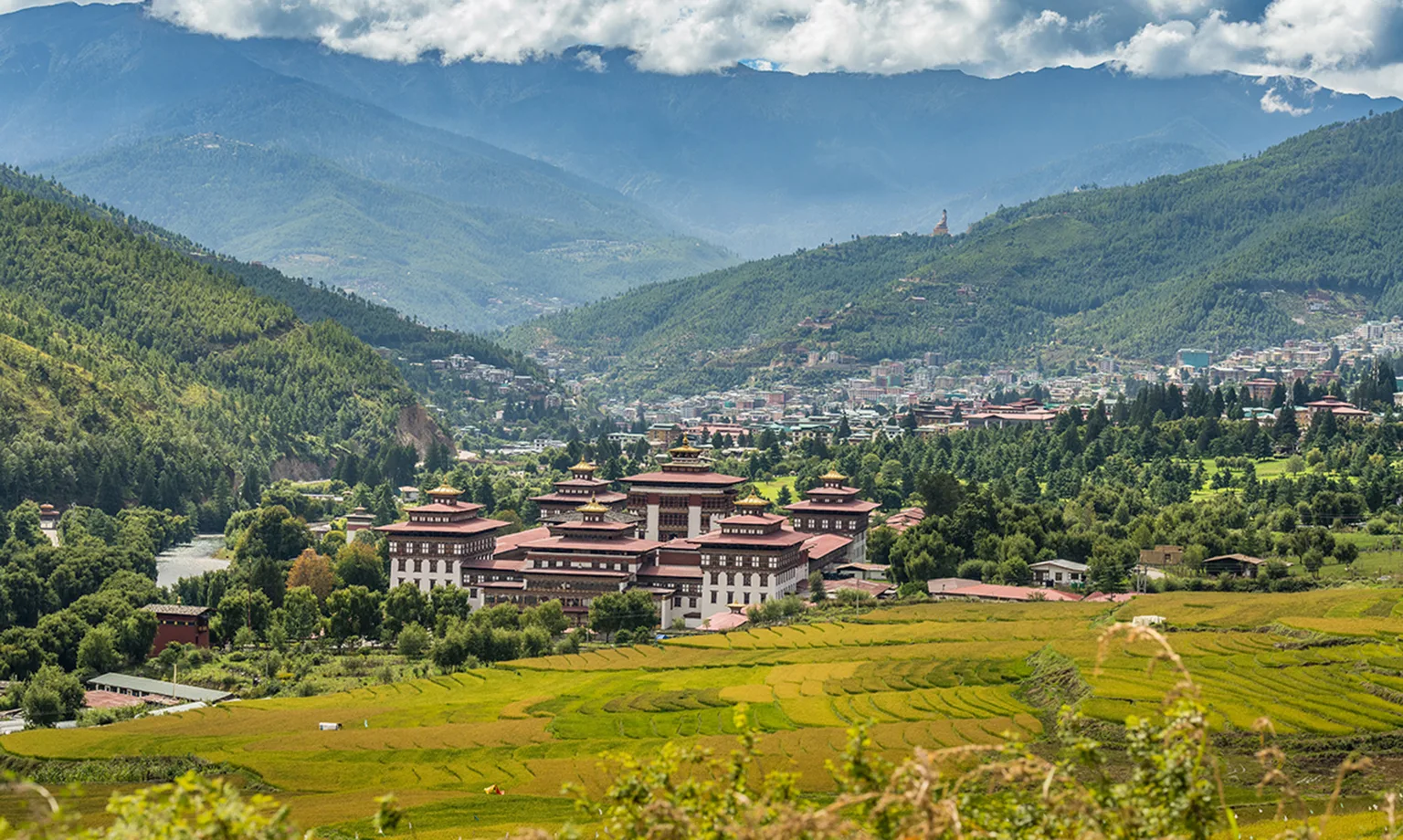
Bhutan Villages: Cultural Routes and Travel Tips
Explore Bhutan villages with route-aware planning, cultural sensitivity, and practical tips for meaningful slow-travel experiences.
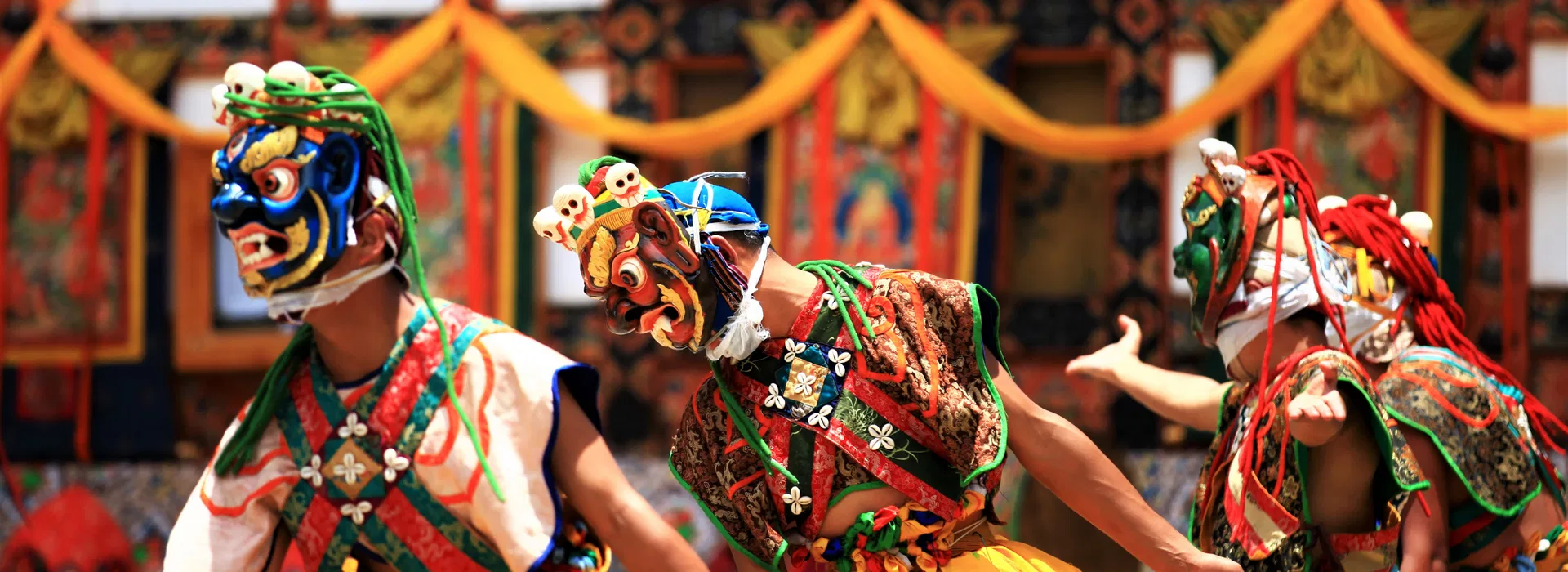
Bhutan Festivals: Tsechu Dates, Monasteries & Cultural Experiences
Experience Bhutan's vibrant festivals: Tsechu, Paro, Thimphu & Punakha celebrations. Complete guide to dates, masked dances, Cham performances & cultural experiences.
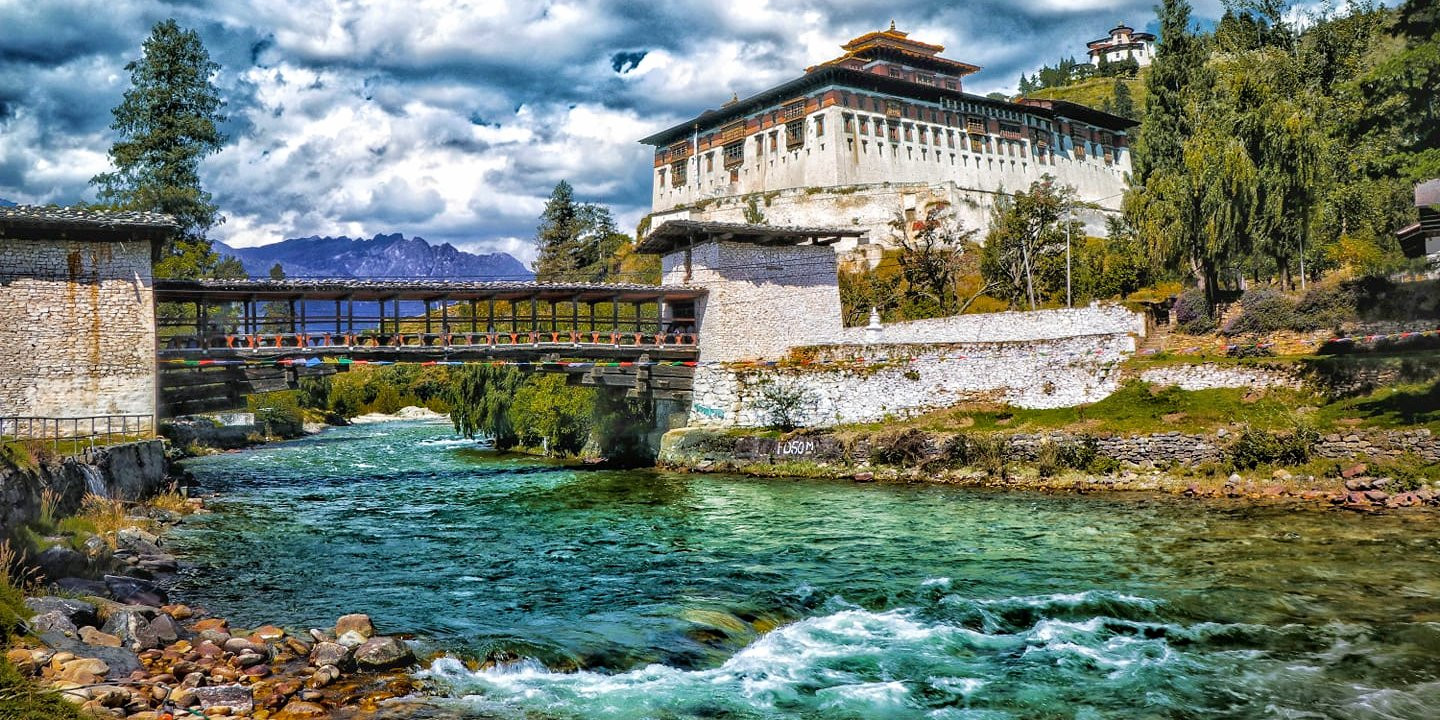
Rinpoche Dzong Bhutan: Fortress History, Architecture & Visit Information
Explore Rinpung Dzong Bhutan with location details, architectural highlights, spiritual significance, and the best time to visit Paro Valley.
Never Miss an Adventure
Get the latest trekking guides, travel tips, and exclusive offers delivered straight to your inbox.
