
Tashichho Dzong Thimphu: History, Timings & Visitor Details

Rahul Garg
February 20, 2026
Plan your visit to Tashichho Dzong in Thimphu with history, architecture, timings, dress code, access tips, and practical guidance for respectful entry.
Introduction: Fortress of Glorious Religion in Thimphu
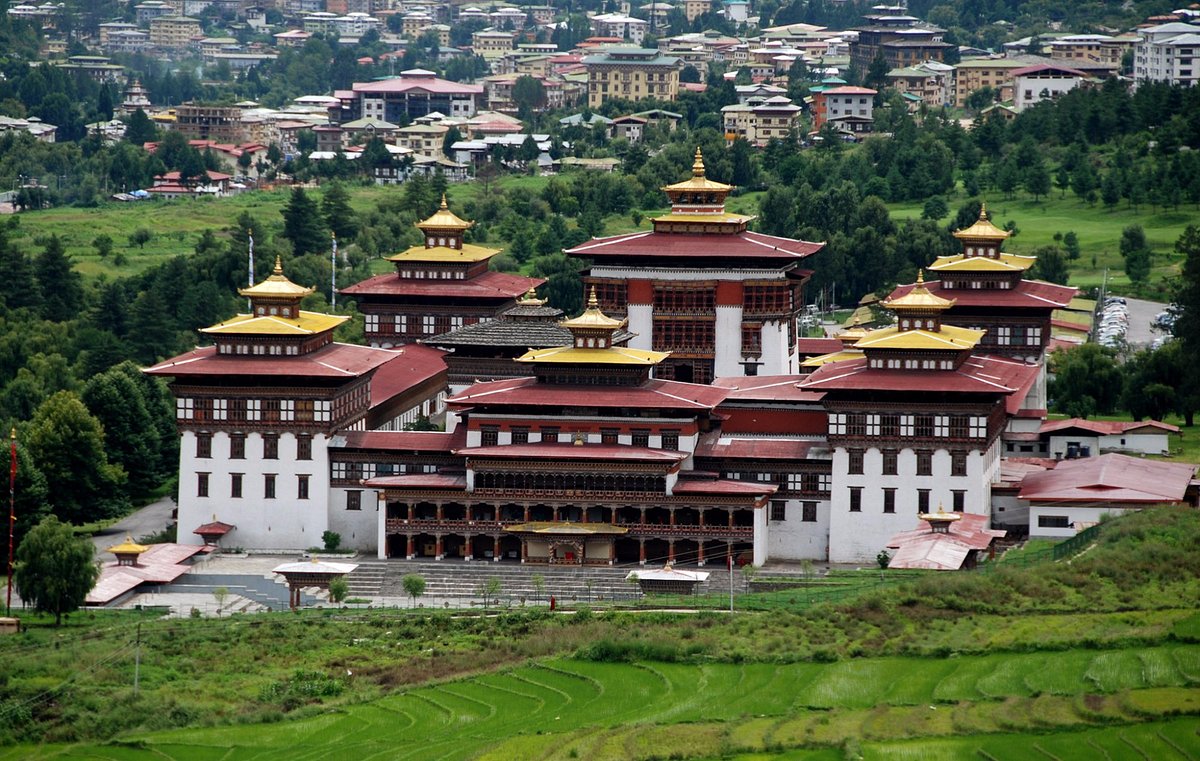
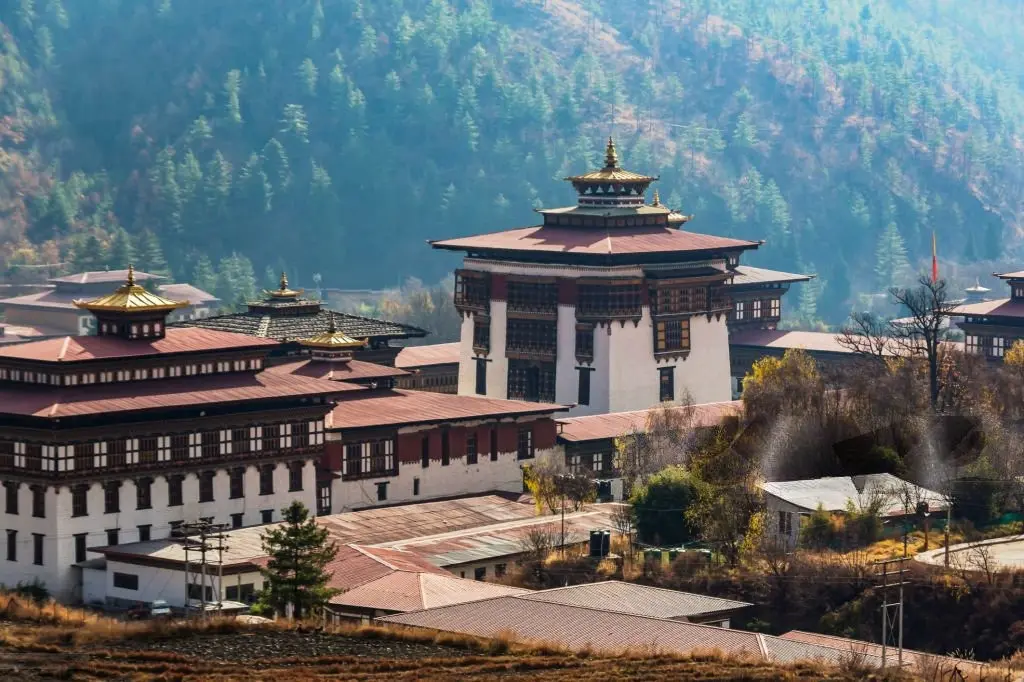
Tashichho Dzong is one of the most important landmarks in Bhutan and a central symbol of Thimphu. Often translated as the Fortress of the Glorious Religion, it is both an administrative and spiritual center, reflecting Bhutan’s dual system where governance and monastic tradition remain closely linked. Visitors are usually struck first by its visual scale: whitewashed walls, red bands, ornate timber work, and a highly disciplined layout against the Wang Chhu valley backdrop.
Unlike many monuments that function only as museums, Tashichho Dzong remains active. It houses offices of the King and state administration, and it also serves as a seasonal seat of the central monastic body. This living character is what makes the site culturally significant. A visit here is not only about architecture. It is a window into how Bhutan balances continuity and modern governance. If you are planning a wider trip, combine it with Thimphu travel guide, Punakha Dzong, and best time to visit Bhutan.
History and Significance of Tashichho Dzong
The site history is layered. Early religious fort structures in the Thimphu region are associated with the 13th century. The present institutional identity of Tashichho Dzong, however, is strongly linked to 17th-century Bhutan under Zhabdrung Ngawang Namgyal, who consolidated political and religious authority. Over time, the complex faced damage from fire and earthquakes, followed by reconstruction phases that attempted to preserve Bhutanese design principles.
One of the most important modern interventions came during the reign of the Third King, Jigme Dorji Wangchuck, when major restoration and expansion aligned the dzong with national governance needs. Despite practical modernization, the structure retained core architectural grammar: massive inward-sloping walls, timber joinery, painted motifs, courtyards, and sacred spaces embedded within administrative zones.
Today, Tashichho Dzong is significant for three reasons. First, it is a national seat of power. Second, it remains tied to monastic life and ceremonial functions. Third, it is an anchor of Bhutanese identity, where visual heritage is not isolated from state functioning but integrated into it.
Architecture and Layout: What to Notice
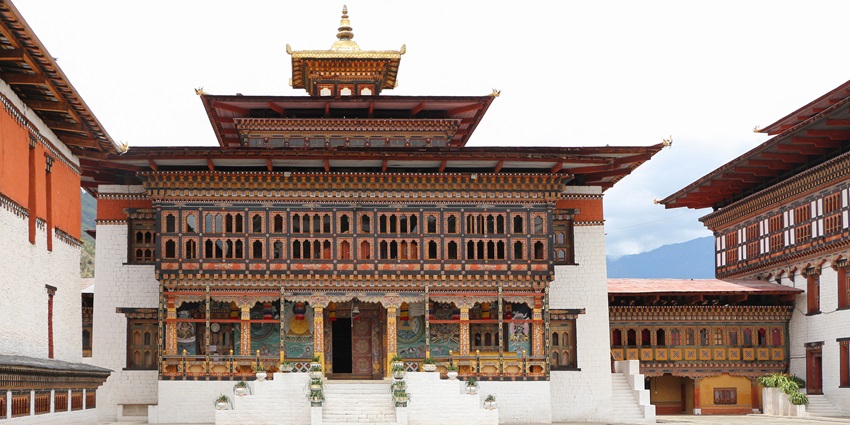
Tashichho Dzong follows classical Bhutanese dzong architecture, where defensive form, spiritual symbolism, and civic function overlap. The building composition uses broad walls, controlled entrances, elevated towers, and hierarchical courtyards. Decorative details are concentrated in windows, cornices, doors, and interior religious chambers.
Architectural Highlights
| Element | Details | Why It Matters |
|---|---|---|
| White fortress walls | Massive, clean-lined, inward sloping | Defines classic dzong massing and authority |
| Red and gold detailing | Monastic color coding and roof ornamentation | Signals spiritual hierarchy and symbolism |
| Timber craftsmanship | Intricate carved windows and beams | Represents Bhutanese artisan heritage |
| Central tower and courtyards | Spatial organization around sacred/civic zones | Supports ceremonial and administrative flow |
Photography from outside courtyards and designated zones can be excellent, especially in softer morning and evening light. Respect all signage and official guidance for restricted areas.
Government and Monastic Role of the Dzong
Tashichho Dzong is unusual for visitors because it is not a disconnected historic monument. It is a functioning institution. Important government offices, ceremonial halls, and key administrative functions are tied to this complex. At the same time, it serves the central monastic body during specific parts of the year, with the Je Khenpo and monastic community linked to ritual and religious administration.
This dual role reflects Bhutan’s governance culture, where modern policy systems coexist with inherited spiritual frameworks. For travelers, that means visiting etiquette is more important than at a typical tourist attraction. Behave as a guest in an active institutional space, not as a visitor in a static museum.
During major events and festivals, access patterns may shift. Confirm local schedules before planning a detailed visit window.
Visiting Information: Timings, Entry, and Dress Code
Practical information can change seasonally and by government protocol. Always reconfirm with your local guide or hotel desk before arrival.
Visitor Essentials
| Item | Typical Guidance | Visitor Tip |
|---|---|---|
| Opening hours | Generally daytime access windows | Aim for late afternoon when many tours run |
| Entry fee | May apply by visitor category and permit rules | Carry ID and tour documentation |
| Dress code | Modest and respectful attire required | Avoid shorts, sleeveless tops, and loud styles |
| Photography | Restricted in some interior sacred areas | Ask before shooting inside structures |
Dress Code Basics
- Shoulders and knees should be covered.
- Smart, clean clothing is preferred.
- Remove hats in sensitive spaces when advised.
- Maintain quiet behavior in prayer and ceremonial zones.
These norms are not cosmetic rules. They support respectful access to a space that is still religiously and nationally active.
Best Time to Visit Tashichho Dzong
Spring (March to May) and autumn (September to November) are usually the most comfortable periods for Thimphu sightseeing. You get clearer skies, moderate temperatures, and better walking conditions. Autumn can be especially rewarding when festival periods align, though crowd levels rise.
Monsoon months are greener but can bring rain interruptions. Winter can be cold, yet clear days still make visits feasible. Choose timing based on your wider Bhutan route and festival interest, not only weather.
How to Reach Tashichho Dzong from Thimphu City
Tashichho Dzong is within the Thimphu urban area and generally easy to reach from common hotel zones and city landmarks.
Access Overview
- From central Thimphu: Short taxi ride in normal traffic.
- On foot: Possible from nearby areas depending on your stay location.
- Private car: Convenient if combining multiple Thimphu attractions in one day.
If you are arriving from Paro, plan your Thimphu day to include this site during official visiting windows. Drivers and local guides can help sequence stops around timing constraints and ceremonies.
Suggested Visit Plan (Half Day)
| Time Block | Plan | Notes |
|---|---|---|
| Late morning | Thimphu city walk and lunch | Keep time buffer for permits/access checks |
| Afternoon | Tashichho Dzong visit | Respect photography restrictions |
| Evening | Riverside or market area | Good end to a heritage-focused day |
Travel Tips for a Smooth Dzong Visit
- Carry passport/permit documents if traveling on a guided route.
- Dress conservatively from the start to avoid entry delays.
- Do not assume all inner spaces are open daily.
- Keep voice levels low and avoid crowding ceremonial areas.
- Plan a 1-2 hour window minimum, longer if you enjoy architecture.
Tashichho Dzong is best understood as a living national institution. Approach it with patience and respect, and the visit becomes far more meaningful than a quick photo stop.
Final Take
Tashichho Dzong Bhutan is essential for anyone trying to understand Thimphu beyond standard sightseeing. Its architecture, political significance, and monastic role make it one of the most complete cultural experiences in Bhutan’s capital. Visit with context, follow etiquette carefully, and pair it with nearby heritage stops for a strong Thimphu day plan.
Visitor Experience: What to Expect On-Site
A Tashichho Dzong visit feels different from a conventional tourist monument. Security discipline, ceremonial order, and quiet movement define the experience. You may see visitors enter in scheduled windows, pause at key courtyards, and then move through selected sections under guidance. This flow keeps both administrative and religious activity protected.
Do not plan a rushed 20-minute stop. A complete visit usually needs at least one hour, and architecture-focused travelers may spend longer. If you arrive during formal events, parts of the complex may be inaccessible. Treat such changes as normal for a living institution rather than a disruption.
What Makes the Experience Memorable
- Scale and precision of Bhutanese dzong construction
- Clean visual geometry of walls, towers, and courtyards
- Rare coexistence of state and monastic functions in one complex
- Contextual understanding of Bhutanese governance culture
How to Combine Tashichho Dzong with Nearby Thimphu Stops
For travelers with one day in Thimphu, combining nearby landmarks improves route efficiency. Keep the dzong as the anchor and add one museum or cultural stop plus one market or riverside segment. This gives historical depth and local-life context in a single itinerary.
| Trip Style | Suggested Combination | Total Time |
|---|---|---|
| Half-day heritage | Tashichho Dzong + city center walk | 3 to 4 hours |
| Full-day cultural | Dzong + museum + market + viewpoint | 6 to 8 hours |
| Festival period | Dzong-focused with flexible backup slots | Variable by event schedule |
Ask your guide to sequence visits around opening windows and ceremonial timing. This reduces waiting and avoids denied-entry segments.
Etiquette Checklist for Cultural Respect
Bhutanese heritage sites reward respectful behavior. The following etiquette standards are simple but important:
- Enter quietly and avoid blocking pathways.
- Follow footwear and attire guidance exactly where indicated.
- Avoid touching murals, woodwork, and sacred objects.
- Do not photograph in restricted interiors.
- Keep phones silent in prayer-sensitive zones.
Travelers who follow these basics usually receive a smoother and more meaningful on-site experience.
Planning Tips for International Visitors
If this is your first Bhutan trip, integrate Tashichho Dzong after one lighter day in Thimphu to adjust to altitude and travel pace. Carry layered clothing since mornings and evenings can be cool. Keep photocopies or digital backups of travel documents ready if your guide asks for verification during regulated site movement.
Many travelers pair Tashichho with broader Bhutan heritage circuits including Punakha and Paro. If you are on a short itinerary, prioritize quality over quantity: a deeper visit at two sites is usually better than five rushed stops.
Travelers extending their trip toward central Bhutan often add Trongsa Dzong to compare regional dzong architecture and understand how administrative fortresses evolved across different valleys.
Location
Frequently Asked Questions
Q1.What are Tashichho Dzong timings?
Q2.What is the entry fee for Tashichho Dzong?
Q3.Is there a dress code for Tashichho Dzong?
Q4.What is Tashichho Dzong famous for?
Q5.Who built Tashichho Dzong?
Q6.What does Tashichho Dzong mean?
Q7.How to reach Tashichho Dzong from Thimphu center?
Q8.Is photography allowed inside Tashichho Dzong?
Recommended For You
Trongsa Dzong Bhutan: The Fortress of Ancestral Glory
Explore Trongsa Dzong, the largest fortress-monastery in Bhutan and ancestral home of the royal family. Discover history, architecture, visiting guide & festival dates.
Rinpoche Dzong Bhutan: Fortress History, Architecture & Visit Information
Explore Rinpung Dzong Bhutan with location details, architectural highlights, spiritual significance, and the best time to visit Paro Valley.
Things to Do in Paro Bhutan: Culture, Monasteries & Trekking Routes
Plan things to do in Paro Bhutan with Tiger’s Nest trek, Paro Dzong, Chele La Pass, temples, and practical 2-3 day itinerary guidance.
Never Miss an Adventure
Get the latest trekking guides, travel tips, and exclusive offers delivered straight to your inbox.
