
Rinpoche Dzong Bhutan: Fortress History, Architecture & Visit Information

Priya Mehta
February 18, 2026
Explore Rinpung Dzong Bhutan with location details, architectural highlights, spiritual significance, and the best time to visit Paro Valley.
Rinpung Dzong Bhutan: Complete Fortress and Monastery Guide
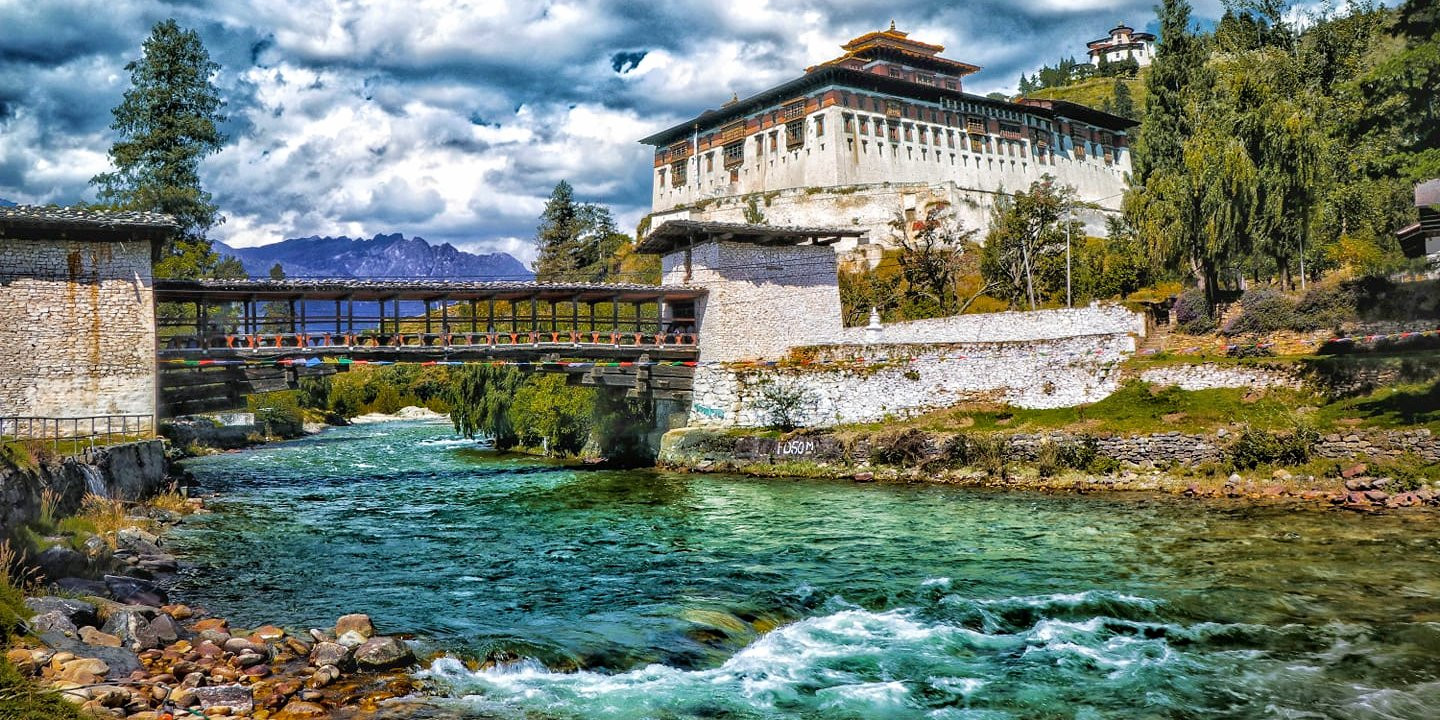
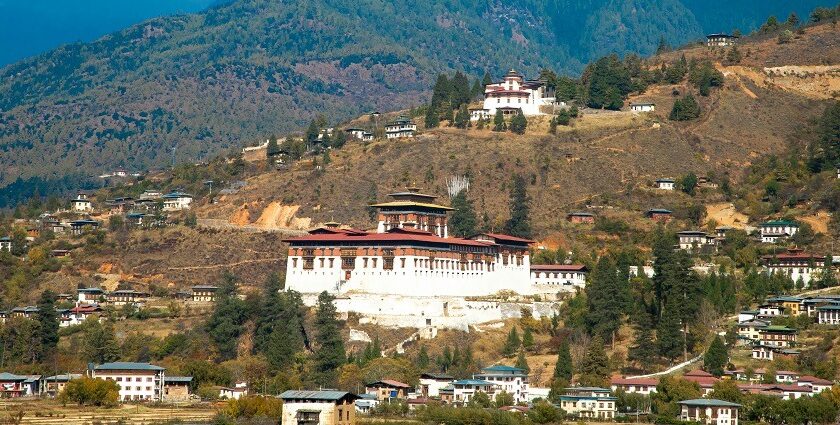
Rinpung Dzong in Paro is one of Bhutan’s most important fortress-monastery complexes, combining administrative history, ritual practice, and classic Bhutanese architecture in one setting. Many travelers refer to it as Rinpoche Dzong, but the widely used historical name is Rinpung Dzong. Positioned above the Paro River, the complex offers both strategic heritage value and deep spiritual atmosphere.
The dzong is best visited with context. If you only stop for photos at the bridge and courtyard, you miss much of its significance. This guide covers access, architecture, etiquette, and how to include the site in a balanced Bhutan route. You can pair this visit with Paro travel guide, city context from Thimphu Bhutan, and timing help via best time to visit Bhutan.
Why Rinpung Dzong Matters
Rinpung Dzong is more than a monument. It has long served as a combined religious and administrative center, reflecting how Bhutan’s governance and spiritual institutions evolved together. The scale of the walls, layered courtyards, and ceremonial spaces shows why dzongs are central to Bhutanese identity.
For visitors, this means the site should be approached as a living institution, not a static fort. Active religious practice continues, and certain zones may be restricted based on prayer timing or local protocols.
Location and Access from Paro
The dzong is located above Paro town and is usually reached by road followed by a short approach segment. The iconic traditional bridge approach is part of the experience and offers excellent visual framing of fortress architecture.
| Access Mode | Best For | Tip |
|---|---|---|
| Taxi/private car | Most travelers and families | Keep return plan fixed in advance |
| Short walk from town zones | Leisure travelers | Use weather-appropriate footwear |
| Guided heritage circuit | Context-focused visitors | Useful for architectural interpretation |
Architecture and Design Highlights
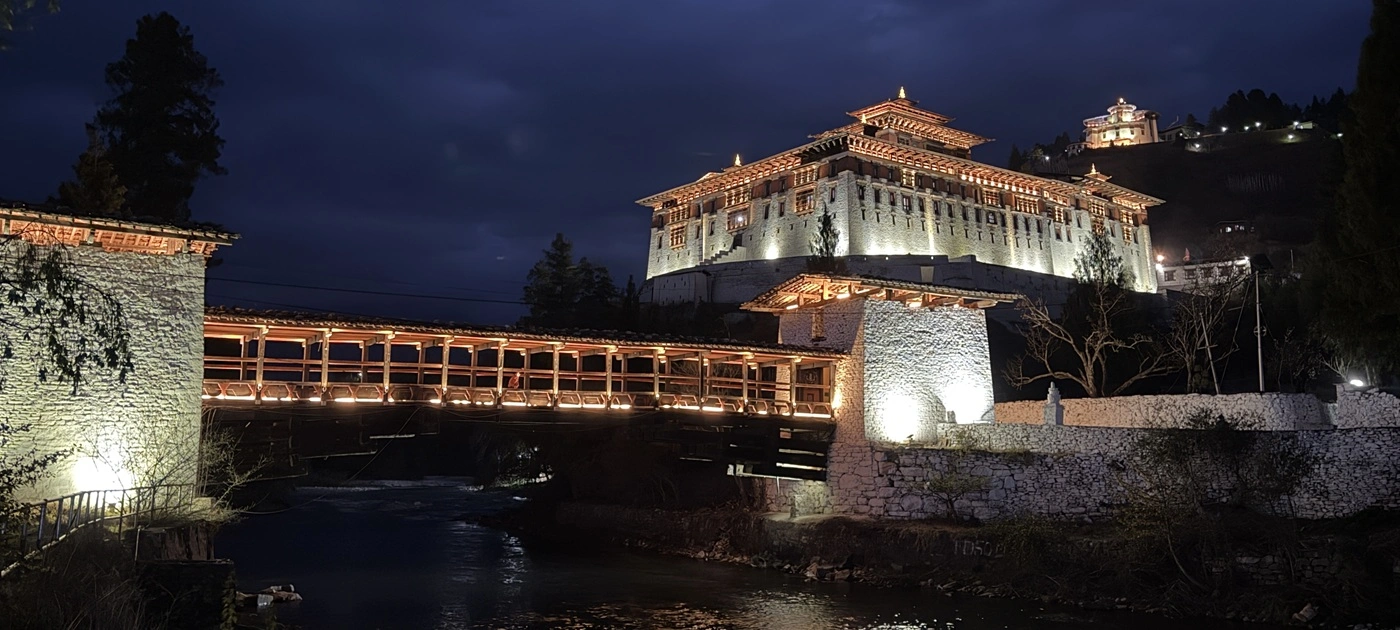
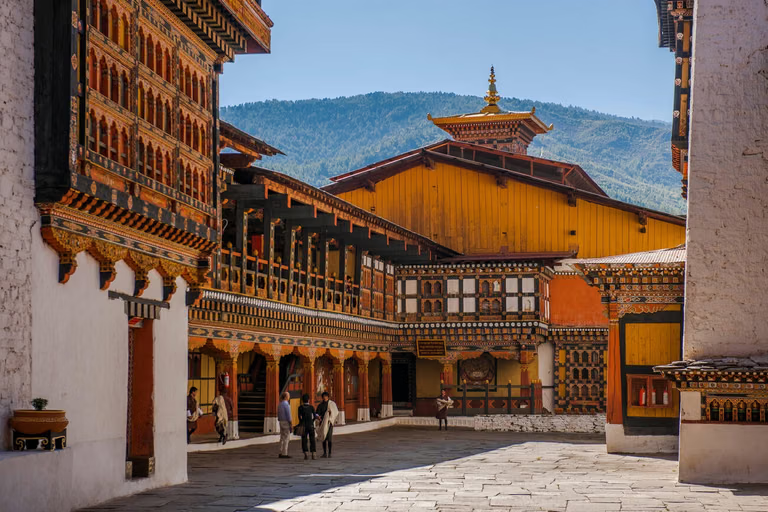
Rinpung Dzong showcases key Bhutanese design elements: whitewashed fortress walls, timber galleries, layered roofs, painted woodwork, and structured inner courtyards. The composition balances defensive character with religious function, giving the complex a distinct visual identity.
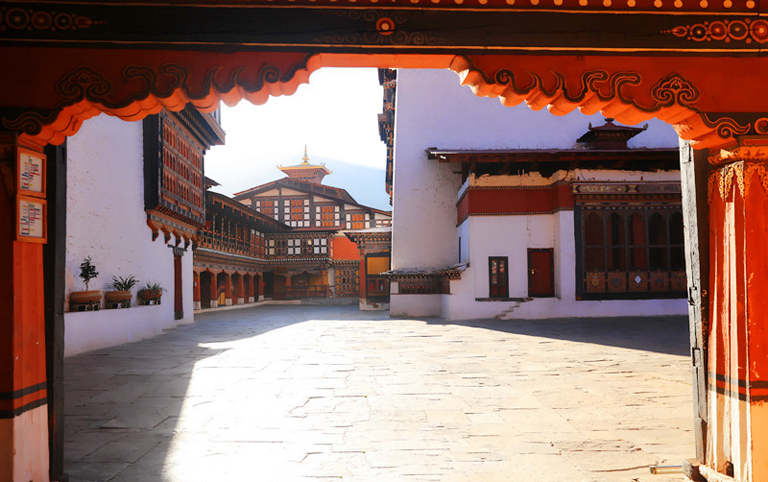
Inside, you will find formal spaces used for ceremonies and prayer. Rather than rushing through, take time to observe craftsmanship details such as carved beams, window patterns, and courtyard geometry. These elements explain the dzong’s historical and artistic value better than any single photo point.
Spiritual Context and Visitor Etiquette
As an active monastery environment, the dzong requires respectful behavior. Keep voice low, follow access instructions, and avoid intrusive photography in prayer areas. Some sections may not allow photos at all, depending on local rules and rituals.
- Dress modestly and avoid overly casual temple-unfit attire.
- Do not interrupt ceremonies for close-up pictures.
- Follow designated movement flow in interior zones.
- Ask before photographing monks or religious objects.
- Maintain calm pace and avoid group congestion near entrances.
Visitors who follow etiquette usually receive a calmer, richer experience and better appreciation of the site’s spiritual rhythm.
Best Time to Visit and Seasonal Strategy
Clear-weather seasons are generally best for fortress views and smooth movement. Festival periods can be culturally powerful but also crowded. If your goal is ritual atmosphere, festival windows are worthwhile with early arrival. If your goal is architecture and photography, non-festival weekdays are easier.
Morning visits are usually better for light and crowd control. Late-day visits can still be beautiful but may have stronger visitor flow depending on season.
How to Combine Rinpung Dzong in a Bhutan Route
A practical Paro day can include one major dzong visit and one secondary cultural stop. Avoid overloading with distant transfers on the same day. If your itinerary extends beyond Paro, continue with Tashichho Dzong Bhutan or regional planning links like Punakha Bhutan.
For first-time travelers, the best structure is simple: morning dzong visit, midday rest or local food break, and one evening heritage stroll. This preserves energy and allows deeper engagement with the site.
Common Visitor Mistakes
The biggest mistake is rushing through without context. Others include ignoring dress norms, assuming unrestricted photography, and packing too many major sites in one day. Rinpung Dzong rewards slow attention and respectful behavior more than fast checklist travel.
Keep your visit deliberate, ask local guidance when unsure, and leave enough time for observation. That approach makes the fortress experience much more meaningful.
Conclusion
Rinpung dzong bhutan is one of Paro’s most significant cultural and spiritual landmarks. With thoughtful timing, proper etiquette, and realistic route design, it becomes far more than a scenic stop. Plan calmly, visit respectfully, and let the fortress reveal its full historical depth.
Practical Fortress Visit Strategy in Paro
To get the best experience at Rinpung Dzong, treat the visit as a structured heritage block rather than a short transit stop. Start with the bridge and exterior perspective, then move inward gradually to understand how fortress layout supports both governance and religion. Keep your pace slow in inner courts and avoid clustering with loud tour groups near ceremonial spaces. If possible, visit with a local guide who can explain symbolic motifs and ritual usage across different sections.
Weather and light also influence the dzong experience. Morning offers cleaner visual contrast for architecture, while late afternoon can produce softer photography and calmer movement in some seasons. Keep one spare hour in your Paro schedule in case entry flow or ceremonial activity slows access. Before leaving, take a final quiet walk through designated public areas instead of rushing back to transport. That extra time helps consolidate cultural context and turns the visit from a photo checkpoint into a meaningful Bhutan heritage experience.
Planning Rinpung Dzong with Nearby Stops
To avoid fatigue, combine Rinpung Dzong with just one additional Paro landmark on the same day. A short heritage walk or monastery stop works better than long transfer-heavy combinations. Keep meal and rest windows realistic so the dzong visit remains reflective rather than rushed.
This structure is especially useful for first-time Bhutan travelers who are still adapting to route pace and elevation changes. Fewer stops with deeper engagement almost always produce better trip memories than high-volume checklists.
Leave at least one flexible buffer in your Paro schedule so fortress visits remain calm even if route conditions shift. The dzong experience improves significantly when time pressure is removed.
Location
Frequently Asked Questions
Q1.Where is Rinpoche Dzong located?
Q2.What is Rinpoche Dzong famous for?
Q3.What are the timings of Rinpoche Dzong?
Q4.Is there an entry fee for Rinpoche Dzong?
Q5.What is the best time to visit Thimphu Dzong?
Q6.Can tourists visit Rinpoche Dzong?
Q7.Is photography allowed inside Rinpoche Dzong?
Q8.How do I reach Rinpoche Dzong from Thimphu city?
Recommended For You
Paro Bhutan: Complete Travel Plan Places And Weather
Plan your Paro Bhutan trip with top attractions, itinerary structure, budget guidance, seasonal advice, and practical first-time travel tips.
Punakha Bhutan: Dzong, Suspension Bridge & Valley Highlights
Plan Punakha Bhutan with Dzong, suspension bridge, temple stops, best season tips, and practical route planning for a smooth valley trip.
Bumthang Bhutan: Sacred Valleys, Temples & Route Planning
Discover Bumthang Bhutan with sacred temples, festival highlights, trekking options, and practical travel tips for a well-planned valley itinerary.
Never Miss an Adventure
Get the latest trekking guides, travel tips, and exclusive offers delivered straight to your inbox.
