
Chinnar Wildlife Sanctuary Kerala: Safari, Trails & Travel Planning

Priya Mehta
February 19, 2026
Complete guide to Chinnar Wildlife Sanctuary Kerala - grizzled giant squirrel, trekking, best time to visit, and how to reach.
Introduction: Kerala's Unique Rain Shadow Sanctuary
Chinnar Wildlife Sanctuary stands apart as Kerala's only protected area located in the rain shadow region of the Western Ghats, creating a distinct ecosystem that supports remarkable biodiversity. Located in the Idukki district along the Kerala-Tamil Nadu border, this 90.44 square kilometer sanctuary represents one of South India's most fascinating wildlife destinations due to its unique geographical position and the species it protects. For wildlife enthusiasts seeking experiences off the conventional tourist circuit, Chinnar offers exceptional opportunities to observe species that thrive in drier forest conditions.
What makes Chinnar special is its ecological diversity despite receiving significantly less rainfall than surrounding Western Ghats areas. The sanctuary's location in the rain shadow creates vegetation types ranging from dry thorn forests to moist deciduous forests, supporting wildlife adapted to both conditions. This unique positioning has allowed Chinnar to become the only place in Kerala where the endangered grizzled giant squirrel finds protected habitat. The sanctuary's proximity to the Indira Gandhi Wildlife Sanctuary in Tamil Nadu creates an extended forest corridor that supports healthy wildlife populations across state boundaries.
About Chinnar Wildlife Sanctuary
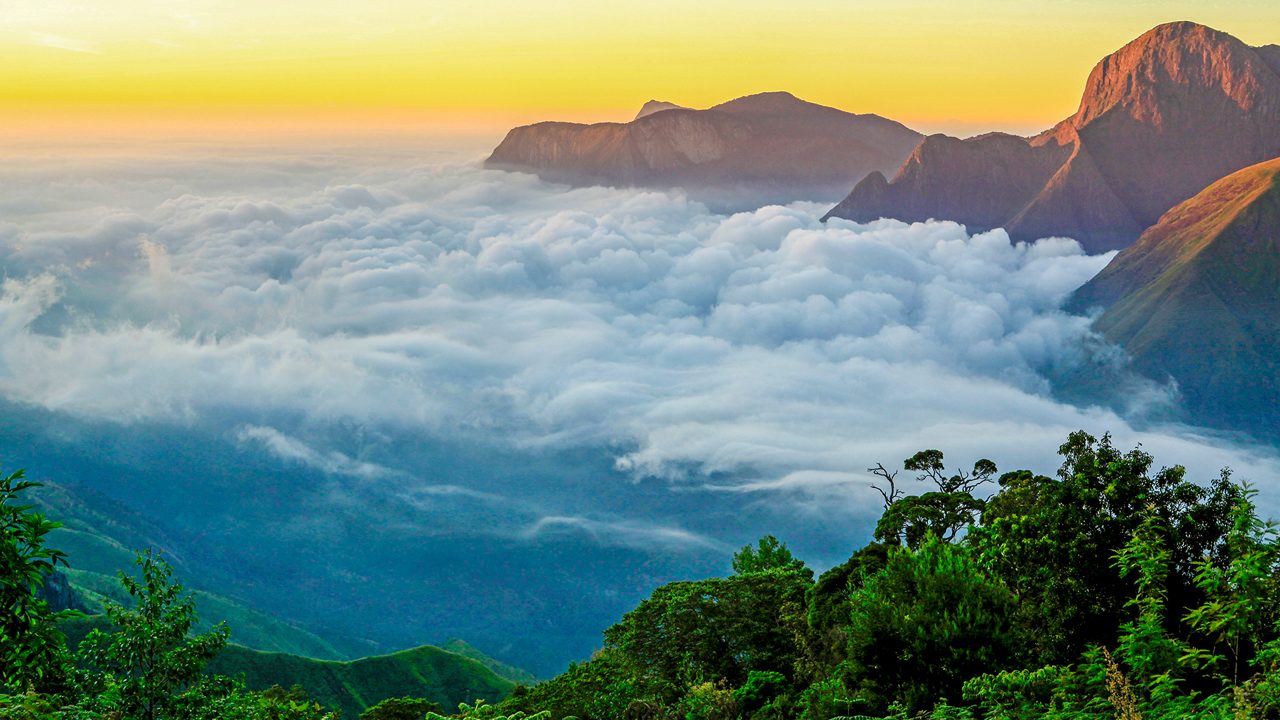
Established in 1984, Chinnar Wildlife Sanctuary encompasses diverse terrain ranging from 500 to 2,400 meters above sea level. This dramatic elevation variation creates multiple ecological zones that support different vegetation types and associated wildlife. The sanctuary's dry conditions, with rainfall averaging only 500-700 mm annually compared to the Western Ghats' average of 2,500-3,000 mm, have favored the evolution of unique dry forest adaptations.
The sanctuary protects critical watersheds that feed the Chinnar and Pambar rivers, which originate within its boundaries. These water sources create riparian ecosystems that attract wildlife during dry periods and support the sanctuary's remarkable biodiversity. The area's archaeological significance includes ancient dolmens and rock shelters, suggesting human habitation dating back thousands of years.
Grizzled Giant Squirrel: Flagship Species
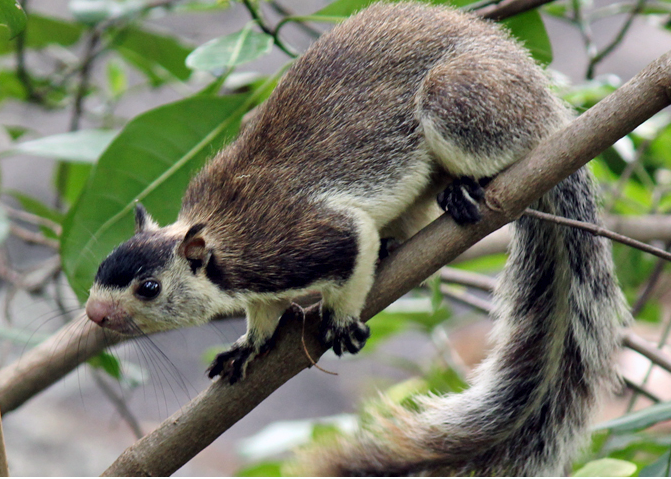
The grizzled giant squirrel (Ratufa macroura) stands as Chinnar's most famous resident and the primary reason for the sanctuary's establishment. This endangered squirrel species, with its distinctive grizzled grey-and-brown fur and impressive size (up to 50 cm including tail), finds one of its few secure protected habitats within Chinnar's boundaries.
Unlike typical tree squirrels, grizzled giant squirrels are large, territorial mammals that live in small family groups. They prefer the canopy of tall trees in moist deciduous and riparian forests, rarely descending to the ground. Observing these remarkable creatures requires patience and good binoculars, but rewards visitors with sightings of one of South India's most spectacular mammals. Their distinctive territorial calls, which sound like a loud bark, often alert visitors to their presence before they're spotted visually.
Other Wildlife at Chinnar
Beyond the grizzled giant squirrel, Chinnar supports remarkable species diversity including several that are rare or endangered. The sanctuary is home to the star tortoise, another species with very limited distribution in South India. These tortoises, with their distinctive star-patterned shells, inhabit the sanctuary's drier areas.
Mammal species include elephants, which move freely between Chinnar and adjacent Tamil Nadu forests, creating one of the most important elephant corridors in the region. Other mammals include leopards, sambar deer, spotted deer, barking deer, wild boar, and slender loris. The sanctuary's location in the rain shadow has created conditions for species that don't thrive in wetter Western Ghats areas.
Birdwatchers can record over 225 species including the white-bellied treepie, Malabar whistling thrush, and various birds of prey. Reptile diversity includes mugger crocodiles in the Pambar River, along with numerous snake species including the dangerous king cobra and various viper species.
Thovanham Waterfall and Trekking
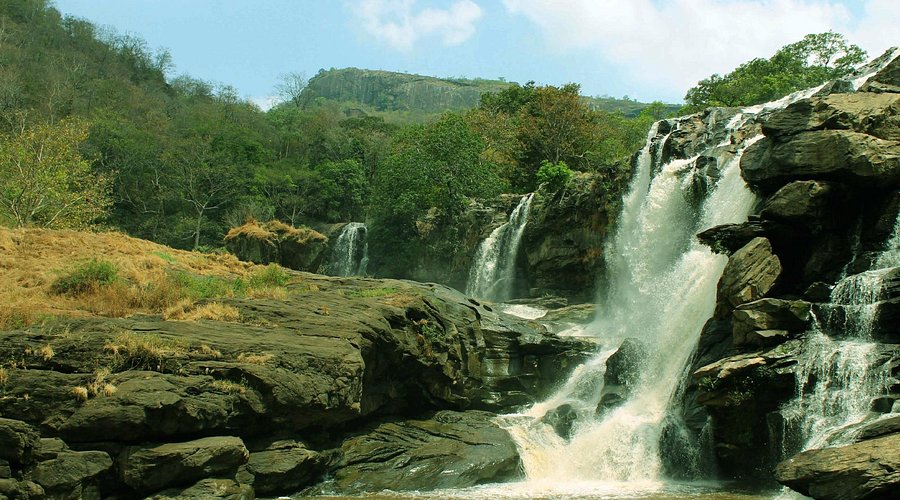
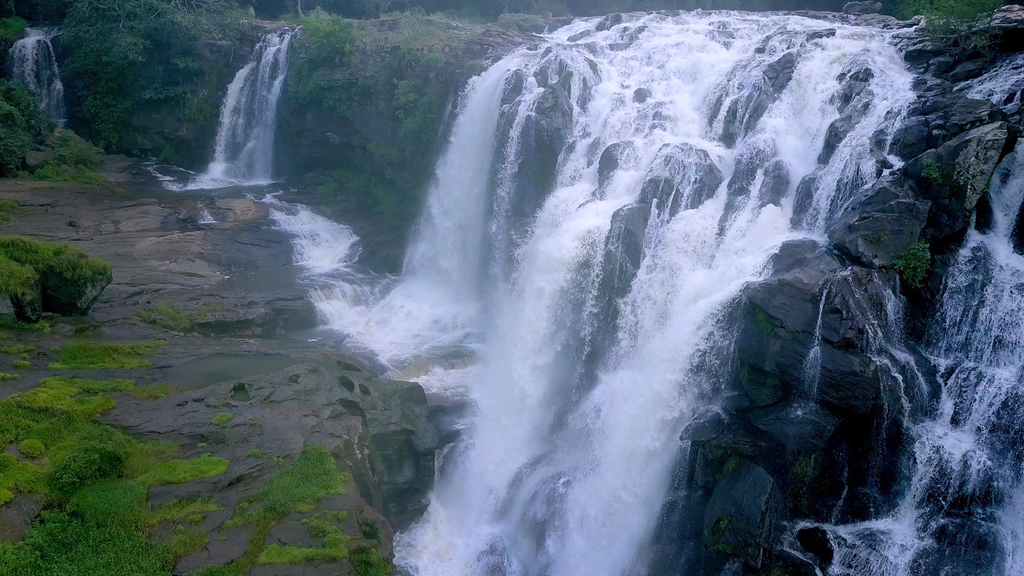
One of Chinnar's most attractive features for visitors is Thovanham Waterfall, accessible via a moderate trek from the main road. The waterfall creates a permanent pool at its base, providing a refreshing swimming spot in the forest setting. The trek to Thovanham passes through diverse forest types and offers excellent opportunities for wildlife viewing along the way.
For more experienced trekkers, Chinnar offers access to higher elevation areas including parts of the Western Ghats crest. These treks require special permits and guide accompaniment but provide access to remote areas with exceptional scenery and wildlife viewing potential. The sanctuary's elevation variation allows treks that progress through multiple vegetation zones in a single journey.
Best Time to Visit Chinnar
Chinnar remains open throughout the year, with each season offering distinct experiences. Unlike many Western Ghats destinations that close during monsoon, Chinnar's lower rainfall means it remains accessible when other areas become difficult to visit.
| Season | Conditions | Recommendation |
|---|---|---|
| October-February | Pleasant weather, moderate temperatures | Best overall period for wildlife viewing and trekking |
| March-May | Hot and dry, forest leaf fall | Excellent visibility, wildlife near water sources |
| June-September | Light to moderate rainfall | Lush landscapes, sanctuary remains accessible |
Safari Experience and Activities
Chinnar offers more flexible exploration opportunities than some strictly controlled reserves. While jeep safaris are available, the sanctuary also permits guided trekking on designated trails, providing a more intimate forest experience. Vehicle safaris typically follow established routes through different habitat types, maximizing chances of encountering various species.
The sanctuary's management encourages responsible wildlife viewing and environmental education. Interpretation programs explain the unique rain shadow ecosystem and its conservation significance. Visitors interested in deeper engagement can participate in guided nature walks that focus on specific aspects of the sanctuary's ecology.
- Jeep Safari: 2-3 hour guided drives through diverse habitats
- Trekking: Guided walks to Thovanham Waterfall and other trails
- Watchtower: Elevated viewing point for wildlife observation
- Tribal Village Visit: Cultural interaction with local communities (by arrangement)
Tickets and Entry Requirements
All visitors require entry permits obtained at the sanctuary entrance. The permit system helps manage visitor numbers and minimize disturbance to wildlife. Advance booking is not typically required for general entry but is recommended for guided activities and accommodation.
- Entry Fee: Nominal charge per person plus vehicle fees
- Guide Fee: Mandatory for treks and optional for vehicle safaris
- Camera Fee: Separate charges for still and video cameras
- ID Proof: Required for all visitors
How to Reach Chinnar
Chinnar is accessible through Idukki district in Kerala, with the nearest major town being Munnar. The sanctuary's location on the Kerala-Tamil Nadu border makes it accessible from both states.
- From Munnar: ~60 km, approximately 2 hours
- From Thekkady: ~90 km, approximately 3 hours
- From Kochi: ~160 km, approximately 5 hours
- Nearest Railway: Aluva station (150 km away)
- Nearest Airport: Cochin International (155 km away)
Where to Stay Near Chinnar
Accommodation options include forest department properties within the sanctuary and private accommodations in nearby towns. The sanctuary offers basic dormitory facilities and tented camping for those seeking immersive forest experiences. More comfortable accommodations are available in Munnar and Marayoor.
- Forest Dormitory: Basic accommodation within sanctuary limits
- Tented Camping: Seasonal camping with basic facilities
- Munnar: Wide range of hotels and resorts (60 km away)
- Marayoor: Local town with basic homestay options
Tips for Visiting Chinnar
Chinnar's unique location and climate require specific preparation considerations for visitors.
- Carry sufficient water (dry conditions increase dehydration risk)
- Wear neutral-colored, comfortable clothing
- Bring sun protection (sun intensity is high in rain shadow area)
- Carry binoculars for canopy wildlife observation
- Apply effective insect repellent
- Respect all wildlife viewing guidelines
- Maintain silence for better wildlife encounters
Photography Opportunities
Chinnar offers excellent wildlife photography opportunities, particularly for those interested in canopy species. Photographing grizzled giant squirrels requires patience and good telephoto equipment, as these shy mammals rarely descend close to the ground. The sanctuary's diverse habitats provide varied shooting conditions from dense forest to open rocky areas. Remember to respect wildlife—never use flash or stress animals for photographs.
Marayoor and Sandalwood Forests
The area surrounding Chinnar, particularly Marayoor, is famous for natural sandalwood forests. These forests represent some of the last remaining natural sandalwood populations in South India and are historically significant. Visits to these areas can be arranged through the forest department and provide insight into an important aspect of the region's ecological and cultural heritage.
Megalithic Dolmens
Chinnar and surrounding areas contain ancient megalithic dolmens—stone burial structures dating back thousands of years. These archaeological remains provide evidence of early human habitation in the region and offer fascinating glimpses into prehistoric cultures. Visiting these sites requires permission from the archaeological department and adds cultural dimension to the wildlife experience.
Combining Chinnar with Other Destinations
Chinnar's proximity to several other Kerala destinations makes it easy to combine with other experiences. Munnar (60 km) offers hill station contrast, while Thekkady (90 km) provides wet forest wildlife experiences. The sanctuary's location on the interstate border also allows combination with Tamil Nadu's Indira Gandhi Wildlife Sanctuary.
Responsible Tourism at Chinnar
As a protected area with significant conservation values, Chinnar requires responsible visitor behavior. The sanctuary's small size and vulnerable species populations make it particularly sensitive to disturbance. Visitors should strictly follow guidelines, avoid littering, maintain silence during wildlife encounters, and never feed animals. The grizzled giant squirrel's shyness demands extra consideration—avoid excessive noise or sudden movements that might stress these endangered mammals.
Budget Planning
| Expense Category | Budget Range | Notes |
|---|---|---|
| Park Entry | ₹100-250 per person | Varies by activity type and duration |
| Accommodation | ₹400-3000 per night | From forest dorms to Munnar resorts |
| Transport | Variable | Self-drive or hired taxi from Munnar |
| Food | ₹150-500 per meal | Basic options available locally |
Family and Children Considerations
Chinnar can work for families with children above age 8 who have interest in wildlife. The sanctuary's accessibility and variety of activities (safari, trekking to waterfall) provide engaging experiences for young visitors. The educational value regarding endangered species and unique ecosystems offers meaningful learning opportunities. Ensure children understand viewing guidelines and can maintain appropriate behavior around wildlife.
Common Mistakes to Avoid
- Underestimating sun intensity in the rain shadow region
- Carrying insufficient water for trekking activities
- Expecting easy grizzled giant squirrel sightings (they require patience)
- Attempting unauthorized entry into restricted areas
- Visiting without checking sanctuary access status
Safety Information
While guided activities are generally safe, remember that you are entering a wild environment. Never exit vehicles during unauthorized stops, maintain safe distances from all wildlife, and follow guide instructions immediately. The sanctuary's elephant population requires particular respect—never approach these animals on foot. Emergency evacuation from remote trekking areas can take time, so carry basic first aid supplies.
Weather and Climate
Chinnar's rain shadow location creates distinct climate patterns. Summer temperatures can reach 35-40°C with low humidity. Winter brings pleasant 15-25°C conditions. Rainfall occurs primarily during the southwest monsoon (June-September) but is significantly lighter than in surrounding Western Ghats areas. The dry conditions and clear skies create excellent visibility but demand sun protection year-round.
Conclusion
Chinnar Wildlife Sanctuary offers a unique South India wildlife experience shaped by its rain shadow location. The opportunity to observe endangered grizzled giant squirrels, combined with diverse habitats, accessible trekking, and cultural attractions, creates a destination that rewards visitors willing to explore beyond conventional tourist circuits. For wildlife enthusiasts seeking authentic experiences in Kerala's less-visited protected areas, Chinnar delivers exceptional value and memories that endure long after leaving the forest.
Location
Frequently Asked Questions
Q1.What is the best time to visit Chinnar Wildlife Sanctuary?
Q2.How can I spot grizzled giant squirrels at Chinnar?
Q3.What activities are available at Chinnar Wildlife Sanctuary?
Q4.How do I reach Chinnar Wildlife Sanctuary?
Q5.Is Chinnar Wildlife Sanctuary safe for families?
Q6.What makes Chinnar Wildlife Sanctuary unique?
Recommended For You
National Parks in Kerala: Wildlife Zones, Safari Types & Travel Tips
Explore Kerala's national parks with this complete wildlife travel guide featuring Eravikulam, Periyar, Silent Valley, and more with practical planning tips.
Parambikulam Tiger Reserve: Safari Booking, Stay & Eco Activities
Complete guide to Parambikulam Tiger Reserve Kerala - safari booking, timings, wildlife, how to reach, and accommodation.
Wayanad Wildlife Sanctuary: Safari Timings, Zones & Travel Tips
Complete travel guide to Wayanad Wildlife Sanctuary Kerala - safari booking, timings, best time to visit, wildlife, and accommodation.
Never Miss an Adventure
Get the latest trekking guides, travel tips, and exclusive offers delivered straight to your inbox.
