
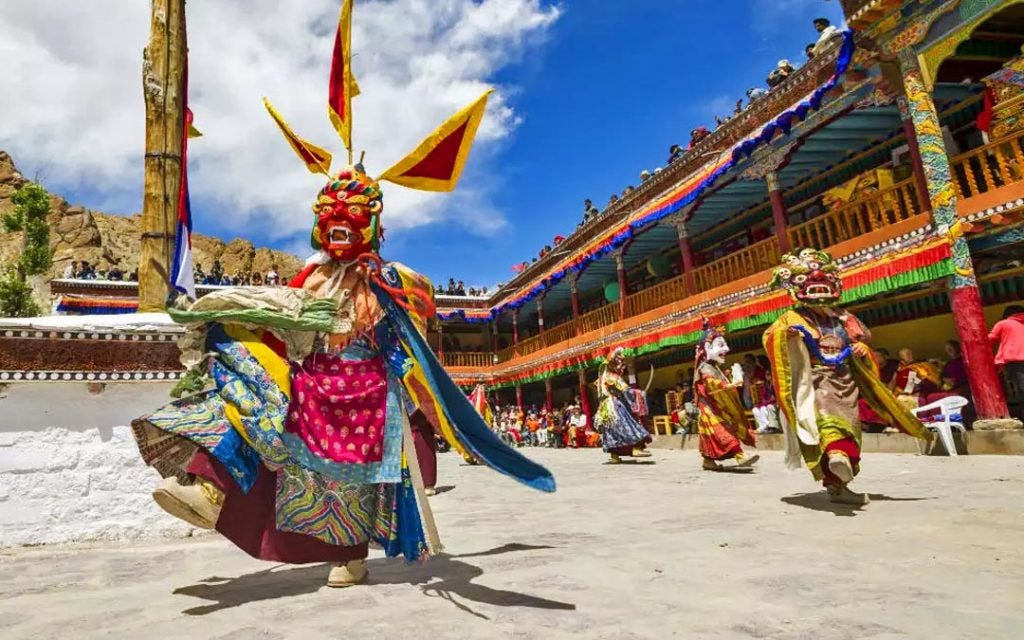
Culture of Ladakh: Traditions, Faith, and Living Heritage
Rohit Verma
February 19, 2026
Discover the culture of Ladakh through Buddhist traditions, festivals, monasteries, cuisine, crafts, social customs, and respectful travel practices.
Culture of Ladakh: Monasteries, Mountains, and Living Traditions
The culture of Ladakh is shaped by Tibetan Buddhist heritage, high-altitude living, monastery traditions, and community-based seasonal rhythms. More than a scenic destination, Ladakh is a cultural landscape where religion, architecture, and daily life are deeply linked to geography.
Travelers who understand local culture usually have a better, more respectful experience. For trip planning, pair this with Best Time to Visit Ladakh and Acute Mountain Sickness in Ladakh.
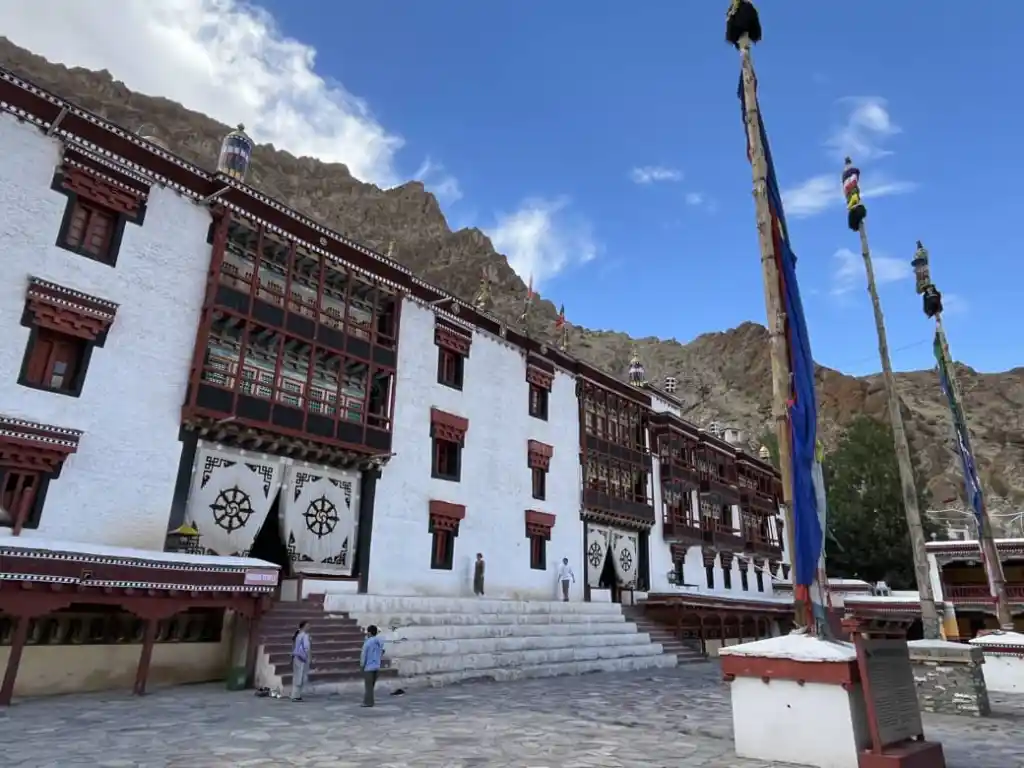
Core Cultural Pillars
- Buddhist influence: Monasteries are spiritual and social anchors.
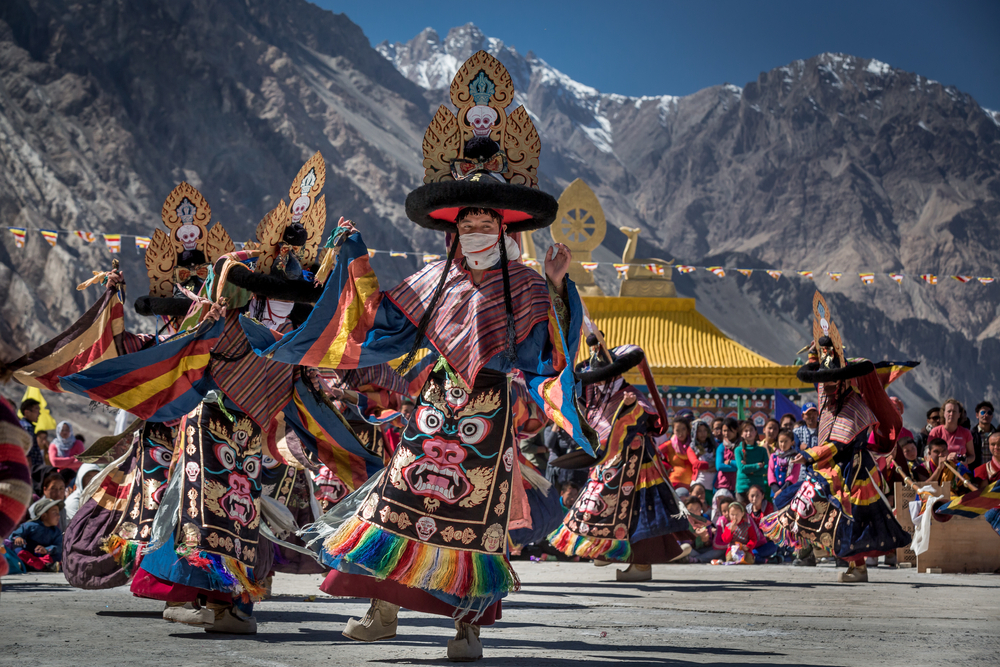
- Festivals: Mask dances and monastery events reflect religious continuity.
- Architecture: Mud-brick homes and gompa structures adapted for climate.
- Community life: Seasonal routines shaped by weather and altitude.
Monasteries and Cultural Learning
Monastery visits are essential to understanding Ladakh. Learn basic etiquette: dress modestly, avoid loud behavior, and seek permission before close photography.
| Visit Point | Guideline |
|---|---|
| Prayer halls | Keep silence and move slowly |
| Ceremonial spaces | Follow monk or local instructions |
| Photography | Ask before shooting interiors |
For deeper route planning, include Alchi Monastery Ladakh and related monastery circuits.
Food and Daily Life
Ladakhi cuisine is practical and climate-adapted. Local food, tea traditions, and community meals are part of cultural immersion. Respect local pace and altitude limits while exploring villages.
Cultural Respect Tips for Travelers
Seasonal Rhythm of Life
Ladakh's short growing season and long winters shape a distinctly seasonal way of life, with summer months dedicated to farming, festival hosting, and tourism, while winter brings a slower pace centered around indoor gatherings, storytelling, and religious study within monastic communities. Villages that are bustling in July can feel almost dormant by December, when heavy snow cuts off many roads and communities rely on stored grain and preserved food through the coldest months.
- Do not interrupt rituals for photos.
- Ask before entering restricted zones.
- Support local artisans and community businesses.
- Avoid fast, checklist-style cultural tourism.
Final Takeaway
The culture of Ladakh is best experienced through patience, respect, and context. Monasteries, village life, and seasonal traditions offer far more depth than quick sightseeing.
Travel slowly, learn local etiquette, and your Ladakh journey will be both culturally meaningful and memorable.
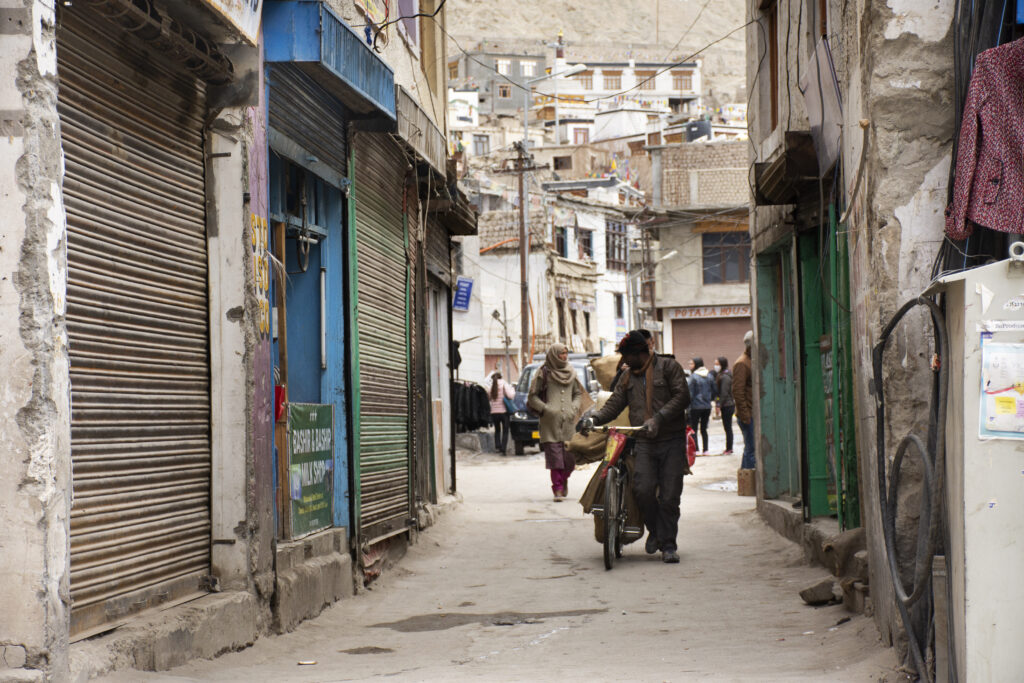
Language and Local Identity
Ladakhi, a Tibeto-Burman language closely related to Classical Tibetan, remains the primary spoken language across much of the region, though Urdu and Hindi are widely understood, and English is common in tourist-facing areas. Local dialects vary between Leh, Nubra, and Zanskar, reflecting the geographic isolation of these valleys from one another for much of Ladakh's history. Written Ladakhi uses the Tibetan script, and monastery education has traditionally played a central role in preserving literacy and religious texts across generations.
Crafts and Traditional Livelihoods
Pashmina wool production, thangka painting, and woodcarving remain important traditional crafts in Ladakh, often passed down within families or learned through apprenticeship in monastic workshops. Pashmina goats reared by nomadic Changpa herders in the Changthang plateau supply raw wool that eventually reaches artisans producing shawls and garments, connecting high-altitude pastoral life directly to Ladakh's craft economy. Buying directly from local cooperatives, rather than mass-produced tourist stalls, is one practical way visitors can support these traditions.
Location
Frequently Asked Questions
Q1.What is unique about Ladakhi culture?
Q2.Is Ladakh culture similar to Tibetan culture?
Q3.What religion is widely practiced in Ladakh?
Q4.What are the major festivals in Ladakh?
Q5.What is traditional Ladakhi food like?
Q6.What do people traditionally wear in Ladakh?
Q7.Can visitors experience local culture authentically in Ladakh?
Q8.How important are monasteries in Ladakh culture?
Recommended For You
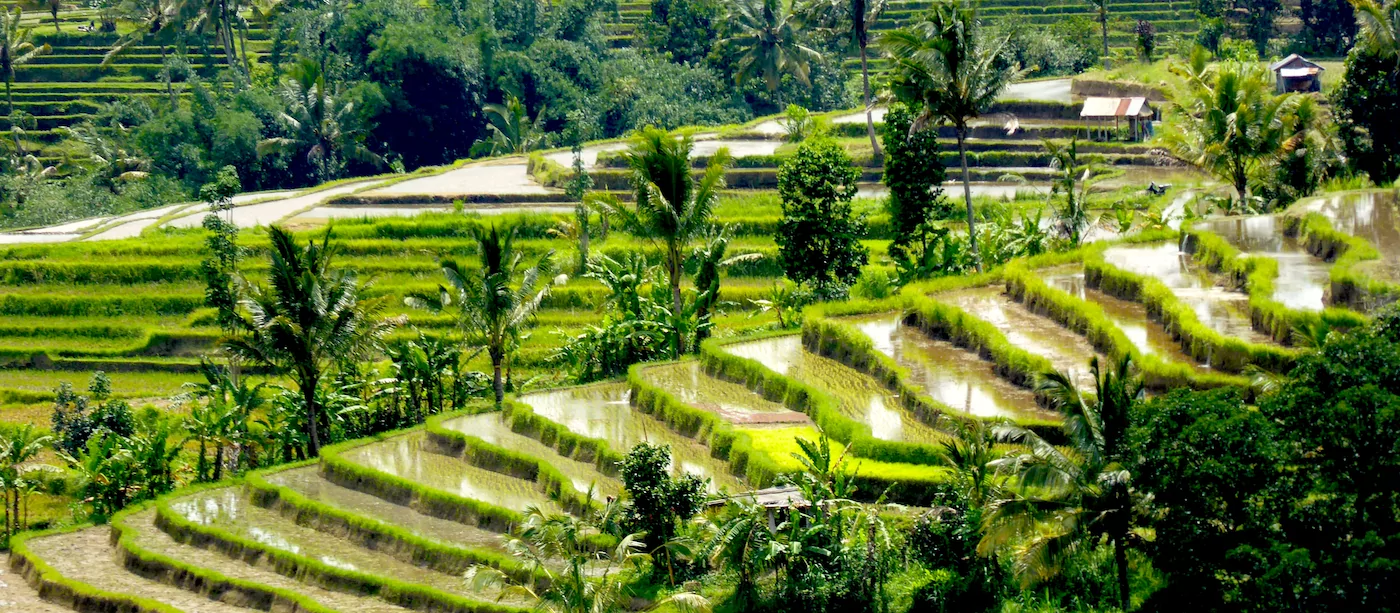
Culture of Bali: Traditions, Ceremonies & Daily Customs
Explore the culture of Bali through Hindu traditions, ceremonies, dance, craft, temple etiquette, and practical tips for respectful cultural travel.
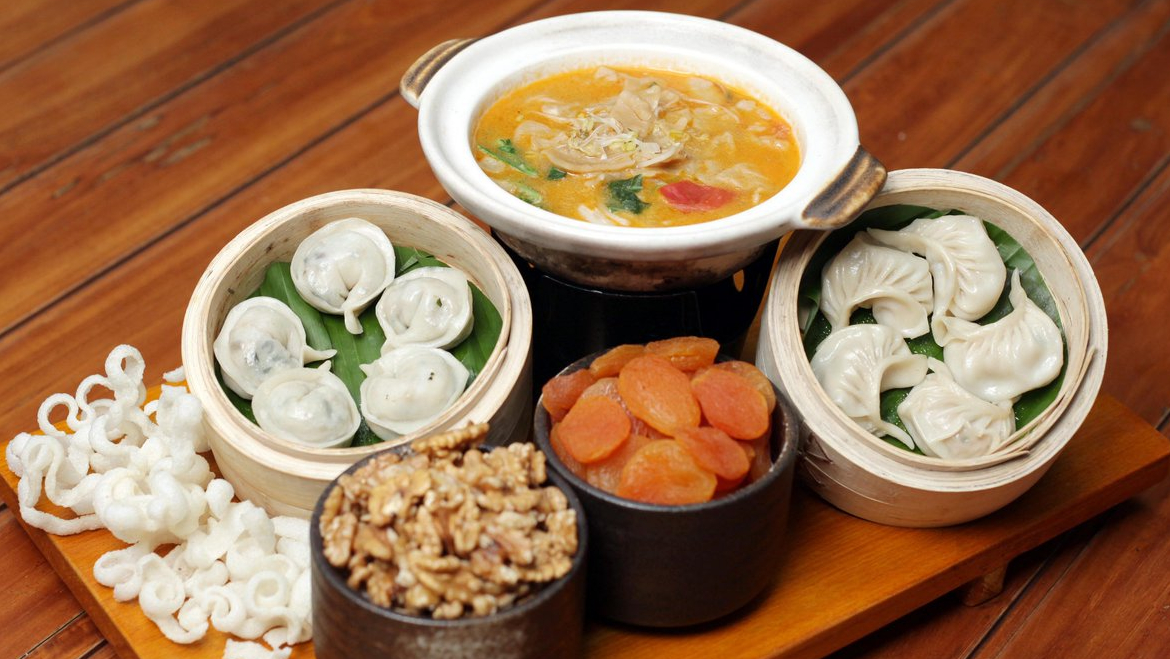
Local Food of Leh-Ladakh: Traditional Dishes, Cafes & Budget Meals
Discover authentic Ladakhi cuisine in Leh Ladakh. Explore traditional dishes like Skyu, Thukpa, Momos, butter tea, and must-try local delicacies with our complete food guide.
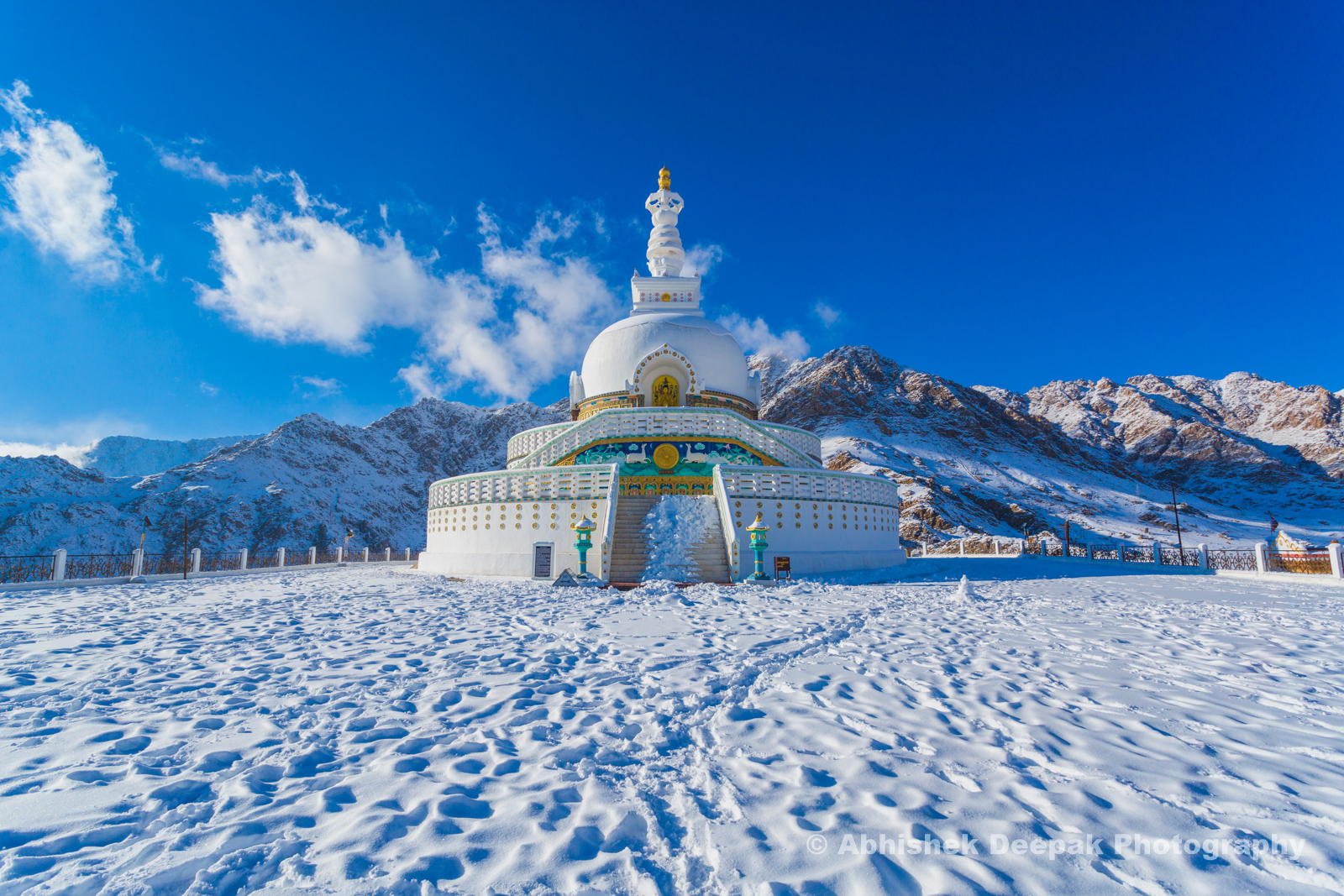
Ladakh in Winter: Weather, Access, Places & Travel Tips
Ladakh in winter guide with real temperature ranges, transport reality, places to visit, packing checklist, and safety-first itinerary tips.
Never Miss an Adventure
Get the latest trekking guides, travel tips, and exclusive offers delivered straight to your inbox.
