
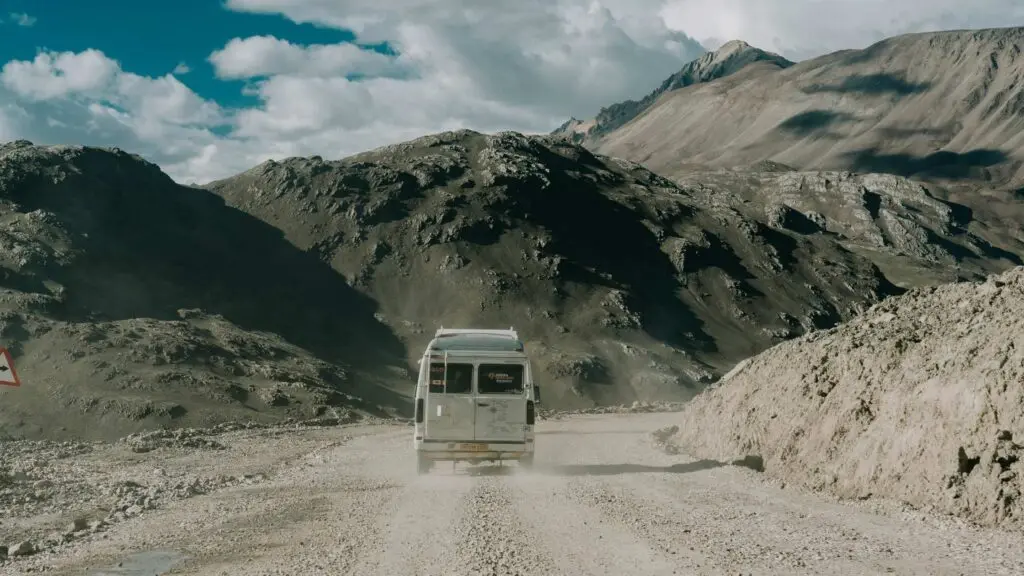
Kunzum Pass: Route Best Time And Travel Information

Rahul Garg
November 21, 2025
Complete Kunzum Pass guide with opening season, road conditions, route options from Manali and Kaza, nearby stops, and high-altitude safety tips.
Introduction: Kunzum Pass, the Mountain Gateway to Spiti
Kunzum Pass is one of the most important high-altitude crossings in Himachal's trans-Himalayan travel network. It connects the Lahaul side to Spiti-side access and is a key segment for travelers moving between Manali-gramphoo-batal corridors and Kaza-Losar routes. If you are planning a Spiti trip by road, understanding Kunzum Pass is essential because road opening, weather shifts, and surface conditions here directly affect your entire itinerary.
The pass is known for dramatic mountain views, prayer-flag lines, the Kunzum Mata temple stop, and rough terrain sections that can change rapidly with snowmelt, rain, and BRO maintenance cycles. Many travelers ask only one question: is Kunzum Pass open? The better question is: is it safe and practical for my vehicle, schedule, and altitude readiness today?
This detailed guide covers opening windows, route choices, road conditions, timing strategy, nearby attractions, and safety protocols. For full route planning, pair it with Spiti Valley road trip and how to reach Spiti Valley.
1. About Kunzum Pass: Altitude, Location, and Route Role
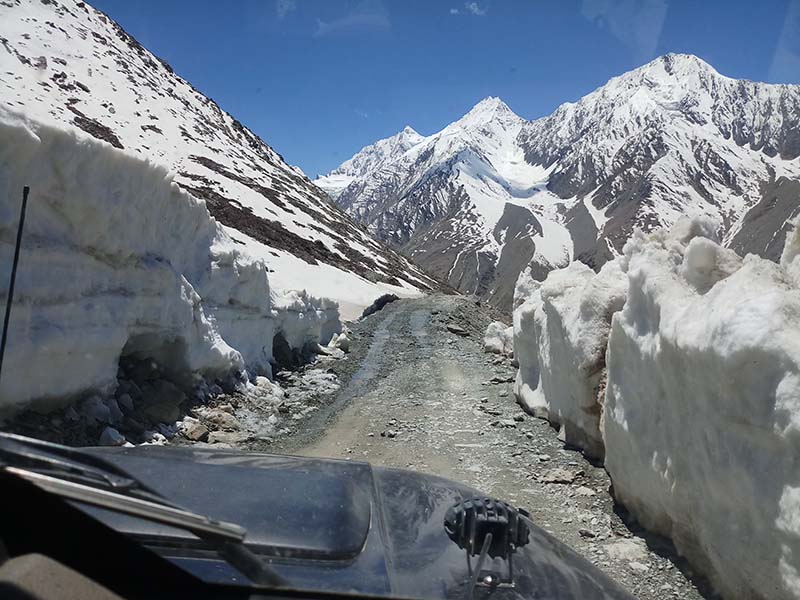
Kunzum Pass (often called Kunzum La) is a high mountain pass in the Lahaul-Spiti region, usually referenced around 4,550 to 4,590 meters depending source and marker conventions. It sits on the route between Batal/Gramphoo side and Losar/Kaza side, making it one of the most significant transition points into Spiti when approaching from Manali.
Why It Matters in Spiti Planning
- Major seasonal gateway for Manali-to-Spiti overland travelers.
- Critical weather-sensitive segment that can open or close route access.
- High-altitude exposure zone where AMS symptoms can appear.
- Starting point for Chandratal diversion planning from Batal side.
Unlike smoother hill highways, this pass should be approached as a high-risk mountain segment where road reality matters more than map distance.
2. Best Time to Cross Kunzum Pass
Kunzum Pass is not an all-season route. The most practical crossing window is typically during summer and early autumn, when snow clearance and roadwork make vehicle movement possible. Based on recent annual patterns and local reports, main tourist crossing windows usually fall between late spring/early summer and early October, with variability each year.
| Season | Travel Reality | Recommendation |
|---|---|---|
| May to June | Opening phase in many years, mixed snow and rough patches | Travel only with updated road confirmation |
| July to September | Most reliable crossing period, but water crossings and slush possible | Best overall window for most travelers |
| October | Can remain open early month, closure risk rises quickly | Keep strict weather buffer |
| November to April | Typically snowbound or closed to regular tourist movement | Avoid for standard road plans |
Always verify live status before departure, especially during shoulder months.
3. Opening and Closing Dates: What to Expect Each Year
Kunzum Pass opening dates change yearly based on snowfall, avalanche risk, and post-winter road clearing by authorities. There is no fixed calendar date guaranteed every year. In many recent seasons, opening has occurred in late May to June, and closure has often happened around October as weather worsens.
How to Track Reliable Updates
- District administration and local police advisories.
- State disaster management or road bulletin channels.
- HRTC/local transport operator updates for route feasibility.
- On-ground updates from Kaza, Batal, and Manali-side operators.
Do not depend only on old blog screenshots or social media reels. Same-week and same-day updates are essential for this route.
4. How to Reach Kunzum Pass
From Manali Side
The classic route runs through Manali-Atal Tunnel/Gramphoo-Batal-Kunzum-Losar-Kaza segments. This side is scenic but includes rough stretches, water crossings, and variable surface conditions. Travel day can be long, so early departure is mandatory.
From Kaza Side
From Kaza, you move via Losar toward Kunzum. This is often smoother for travelers acclimatized in Spiti who want to experience the pass as an excursion or onward transfer. Weather and road status still remain critical factors.
Approximate Route Logic
- Manali to Kunzum: long mountain day with changing terrain.
- Kaza to Kunzum: shorter access compared to Manali side, but still high-altitude.
- Kunzum to Chandratal diversion: route dependent and condition sensitive.
If you are building a transit itinerary, cross-check route flow with Manali to Kaza and Spiti in August planning references.
5. Road Conditions at Kunzum Pass
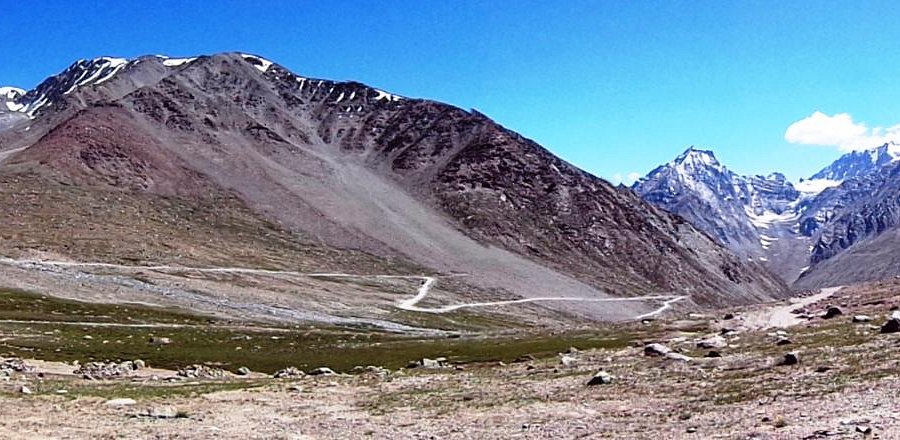
Kunzum road conditions are highly variable and can change within days. You may encounter broken patches, loose stones, water channels, slush, and narrow sections. In some periods, road repairs and temporary diversions can further slow movement.
Common Road Challenges
- Unpaved or partially damaged surface stretches.
- Meltwater crossings near Batal side.
- Fog and low-visibility sections in changing weather.
- Traffic bottlenecks where large vehicles cross narrow segments.
This is not a route for rushed driving. Controlled speed and conservative decision making are critical.
6. Vehicle and Driving Safety Checklist
Your vehicle condition is central to safe Kunzum crossing. Mechanical weaknesses become serious risks in high-altitude terrain where support is limited.
Before Departure
- Check brakes, clutch, tires, suspension, and battery.
- Carry puncture repair kit and basic tools.
- Keep extra water and high-energy snacks.
- Ensure sufficient fuel planning from last reliable pump zones.
- Download offline maps and emergency contacts.
During Crossing
- Start early to maximize daylight and weather margin.
- Avoid aggressive overtaking near blind bends.
- Cross water streams carefully and one vehicle at a time.
- Use lower gears on rough ascents and descents.
- Do not push beyond safe pace to save time.
If weather deteriorates sharply, turning back early is often the safest option.
7. Altitude Sickness and Health Precautions
Kunzum's altitude can trigger AMS symptoms, especially in travelers ascending quickly from lower elevations. Even fit travelers may experience headache, nausea, breathlessness, or unusual fatigue.
- Acclimatize properly before extreme elevation gain.
- Stay hydrated and avoid alcohol before crossing.
- Limit summit halt duration in very cold or windy conditions.
- Descend if symptoms worsen rather than pushing route goals.
- Carry doctor-recommended altitude medication if needed.
Travelers with existing respiratory or cardiac concerns should seek medical guidance before attempting high-altitude pass circuits.
8. Nearby Attractions Around Kunzum Pass
Kunzum Mata Temple
A small but culturally important stop near the pass marker, often visited by travelers for blessings before continuing the journey.
Chandratal Diversion
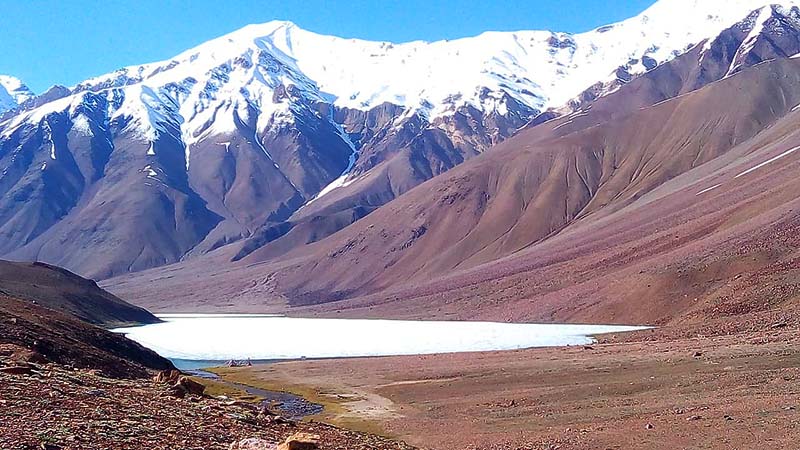
From Batal side, Chandratal route is one of the biggest attractions in this region. Access depends heavily on road condition and weather. For detailed trail context, refer to Chandratal travel guide.
Losar Village
A key village transition point when moving into Spiti side. Useful for route breaks and local movement planning.
Batal Segment
Important logistics point on the rough-route side, often used by overland travelers as a route checkpoint.
9. Suggested Crossing Strategy by Trip Type
Self-Drive Travelers
- Keep one full day for the pass segment.
- Avoid night driving in unknown rough terrain.
- Do not attempt crossing in severe weather alerts.
Bike Riders
- Use waterproof and thermal layers.
- Protect luggage from stream splash and mud.
- Take frequent short breaks to avoid fatigue.
Family Travelers
- Prefer experienced local driver for uncertain conditions.
- Keep children warm and hydrated.
- Avoid overpacked same-day sightseeing combinations.
10. Common Mistakes to Avoid at Kunzum Pass
- Planning with outdated opening-date assumptions.
- Starting late and getting trapped in poor visibility.
- Underestimating water crossing difficulty.
- Ignoring early AMS symptoms.
- Skipping fuel and emergency preparation.
- Relying only on app ETAs for mountain timing.
A disciplined route mindset prevents most avoidable problems on this pass.
11. One-Day Kunzum Segment Plan (Example)
- Early departure from base (before peak weather shifts).
- Controlled progress through rough sections with short stops.
- Brief halt at Kunzum top for photos and prayer point.
- Continue toward planned destination without long idle exposure.
- Reach base before evening weather uncertainty.
This structure is simple but effective for safer high-pass transit.
12. Opening Season Checklist Before You Start
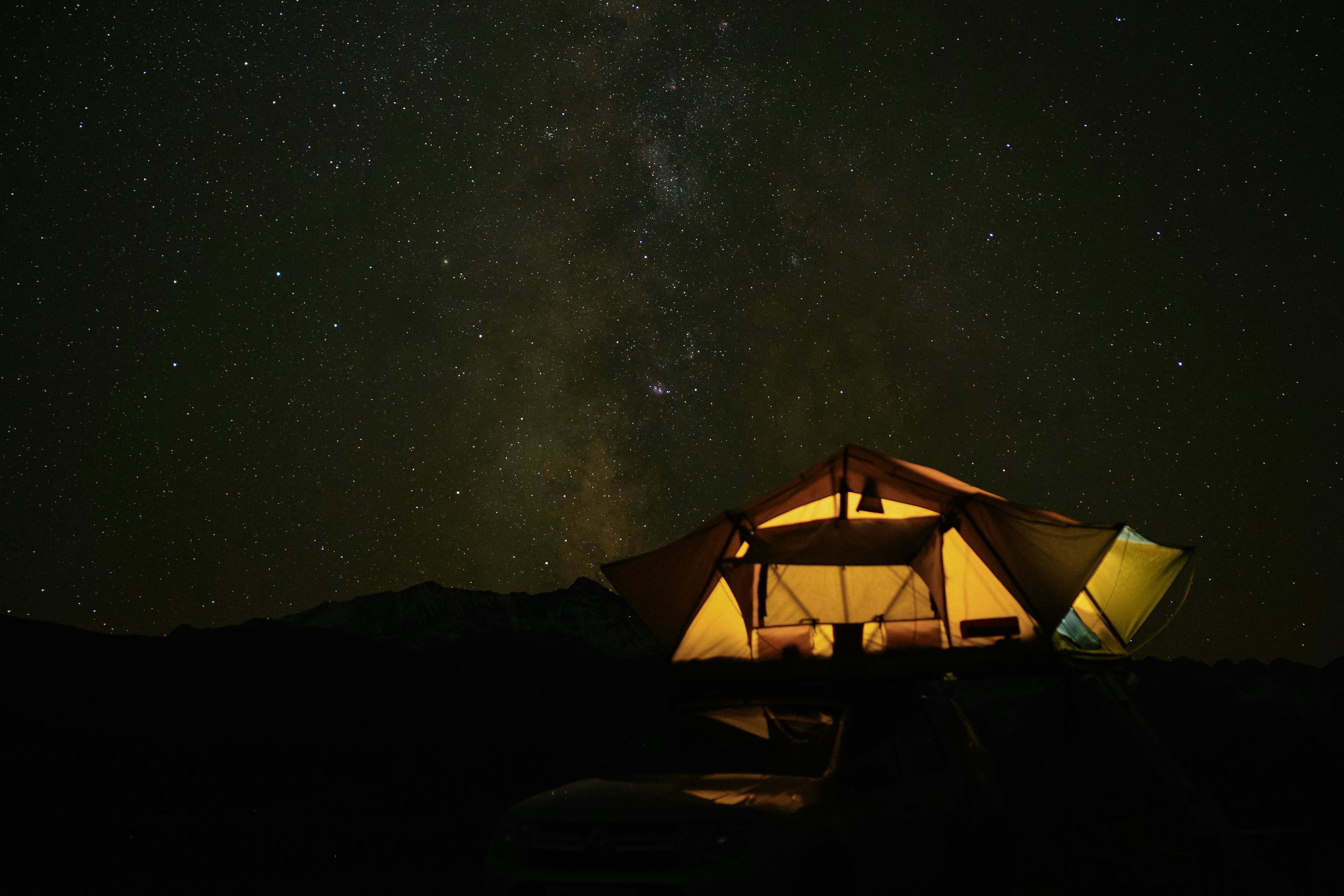
Before attempting Kunzum Pass in opening season, run a same-day readiness checklist. Confirm road status from at least two local sources, check weather for the entire corridor (not just your start town), and review whether your destination side has accommodation availability if delays occur. Opening-season roads can look passable in the morning and become difficult after afternoon meltwater increase.
- Check latest road bulletin and local taxi update.
- Carry backup snacks, water, and warm layers for delays.
- Keep spare daylight in your plan and avoid late starts.
- Inform your stay host about expected arrival window.
- Avoid forcing the crossing if visibility deteriorates quickly.
Travelers who prepare this way usually avoid the most common early-season problems.
13. Contingency Plan If Kunzum Is Closed
If Kunzum Pass closes temporarily, do not panic-book risky detours. Shift to a backup itinerary: extend your stay on the open side, cover nearby villages or local attractions, and wait for confirmed reopening updates. Mountain routes in this region are dynamic, and short closures are not unusual. Flexible booking windows and a one-day buffer in your overall trip make a major difference.
A practical backup mindset turns a disrupted pass day into a safer and often better-paced Himalayan journey.
Final Take
Kunzum Pass is one of the defining crossings of the Spiti route, but it rewards preparation more than spontaneity. Track live status, choose the right season, start early, prepare your vehicle, and respect altitude limits. If planned well, Kunzum offers one of the most memorable high-mountain road experiences in Himachal.
Location
Frequently Asked Questions
Q1.What is the altitude of Kunzum Pass?
Q2.When does Kunzum Pass usually open?
Q3.Is Kunzum Pass open in October?
Q4.How long does it take to cross Kunzum Pass?
Q5.What is the road condition at Kunzum Pass?
Q6.Can Kunzum Pass be crossed at night?
Q7.Is Kunzum Pass dangerous?
Q8.What should I carry for Kunzum Pass crossing?
Recommended For You
Manali to Kaza: Route Guide & Travel Tips
Complete travel guide from Manali to Kaza covering distance, road conditions, transport options, best time to travel, altitude tips, and essential journey advice.

Best Time to Visit Spiti Valley: Road Status, Season & Itinerary Fit
Discover the best time to visit Spiti Valley with season-wise weather, road status windows, and month-by-month planning tips for road trips, treks, and Chandratal.
Spiti Valley in August: Weather, Road Status & Travel Tips
Visit Spiti Valley in August! Guide to weather, rain, road conditions, temperature, Manali route & monsoon travel tips.
Never Miss an Adventure
Get the latest trekking guides, travel tips, and exclusive offers delivered straight to your inbox.
