
Dhankar Monastery Spiti: Monastery Visit, Trek Route & Stay Options

Ananya Sharma
December 30, 2025
Discover Dhankar Monastery in Spiti Valley, a 900-year-old cliff-top wonder at 3,894 meters. Complete guide with Dhankar Lake trek, history, how to reach, timings & travel tips.
The Cliff-Top Wonder of Spiti Valley
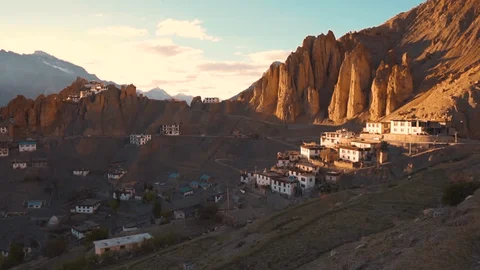
Perched precariously on a jagged cliff edge at 3,894 meters above sea level, Dhankar Monastery stands as one of the most dramatically situated Buddhist monasteries in the world. This ancient sacred site, overlooking the confluence of the Spiti and Pin rivers in Himachal Pradesh, appears to defy gravity itself. The monastery's name 'Dhankar' derives from the Tibetan word 'Dhang' meaning cliff and 'Kar' meaning fort - literally translating to 'fort on a cliff.'
As the former capital of the Spiti Valley, Dhankar holds immense historical and religious significance. The monastery, dating back to the 12th century, belongs to the Gelugpa school of Tibetan Buddhism and serves as a living testament to the region's rich spiritual heritage. For travelers seeking authentic Spiti Valley experiences, Dhankar offers an unparalleled combination of spiritual tranquility, architectural marvel, and breathtaking natural beauty.
The journey to Dhankar is as rewarding as the destination itself. Winding through the rugged terrain of the Trans-Himalayan region, visitors are treated to spectacular vistas of barren mountains, deep gorges, and the pristine Spiti River. Whether you're a spiritual seeker, a photography enthusiast, or an adventure traveler, Dhankar Monastery promises an experience that transcends ordinary tourism.
History and Religious Significance
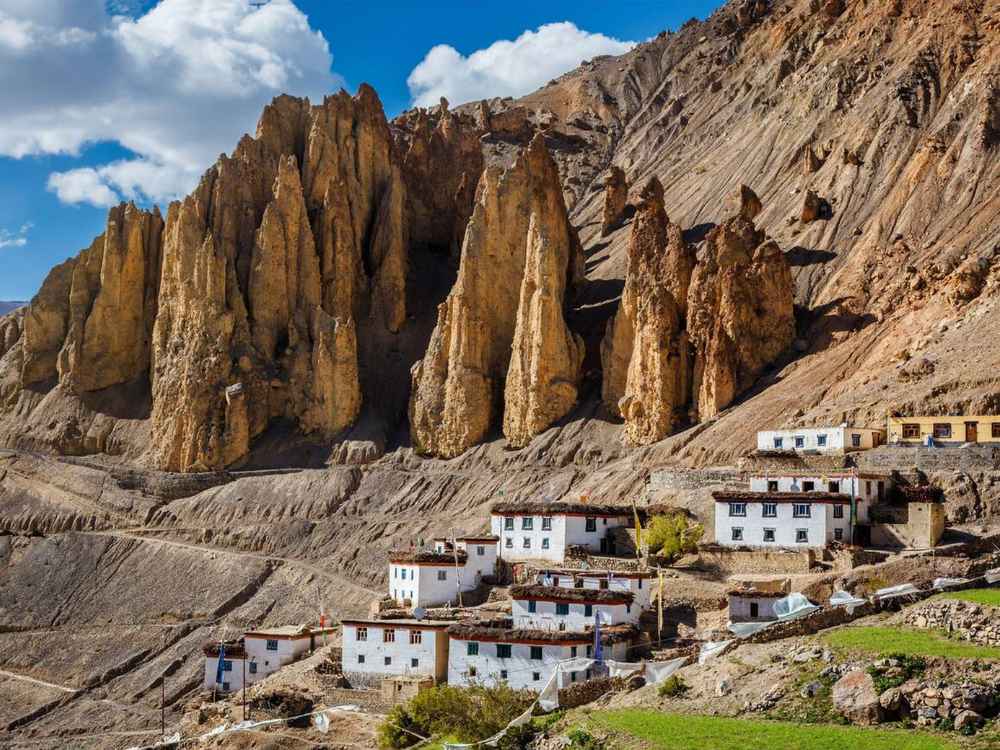
Dhankar Monastery's history spans nearly a millennium, with its origins traced back to the 12th century. As the traditional capital of Spiti Valley, this strategic location served as both a religious center and a defensive fort. The monastery played a crucial role in protecting the region and its people from invasions, earning its reputation as a 'fort on a cliff.'
The monastery complex houses ancient statues, thangkas (Tibetan Buddhist paintings), and manuscripts of immense historical value. The central prayer hall features a remarkable statue of Vairochana, the cosmic Buddha, surrounded by four more Buddhas representing the four directions. These sacred artifacts have been preserved through centuries, surviving harsh mountain conditions and the passage of time.
Dhankar holds a special place in Tibetan Buddhism as one of the five principal monasteries of Spiti. Unlike Key Monastery in Spiti, which is larger and more frequently visited, Dhankar maintains a more intimate and secluded atmosphere. The Archaeological Survey of India (ASI) has recognized its historical importance, declaring it a protected monument and undertaking conservation efforts to preserve this architectural treasure.
The monastery follows the Gelugpa tradition, the newest and largest school of Tibetan Buddhism founded by Je Tsongkhapa in the 15th century. Monks residing here continue ancient practices, performing daily rituals, prayers, and ceremonies that have been passed down through generations. The living tradition at Dhankar makes it not just a historical monument but an active spiritual center where visitors can witness authentic Buddhist practices.
Architecture and Dramatic Setting
The architectural brilliance of Dhankar Monastery lies in its ingenious integration with the natural landscape. Built in the traditional Spiti architectural style, the monastery complex consists of several structures including the main prayer hall (dukhang), the Lhakhang (temple), and living quarters for monks. The buildings are constructed using mud bricks, stone, and wood - materials readily available in the region, ensuring the structures blend seamlessly with the environment.
What makes Dhankar truly remarkable is its location. Perched on a narrow spur between two deep gorges, the monastery appears to grow organically from the cliff face. This strategic positioning served dual purposes: spiritual elevation and defensive advantage. The sheer drop on three sides provided natural protection against invaders, while the height offered uninterrupted views of the surrounding valleys, allowing monks to maintain vigilance.
The monastery's walls are adorned with ancient murals depicting various Buddhist deities, mandalas, and scenes from the life of Buddha. These artworks, though fading with time, still retain their spiritual essence and artistic beauty. The main prayer hall houses a statue of Dhyan Buddha (Buddha in meditation posture) and numerous small stupas (chortens) containing sacred relics.
However, time and nature have taken their toll on the old monastery. The structure has developed cracks, and portions are in danger of collapsing. Concerned about the safety of monks and visitors, a new monastery has been constructed nearby at a safer location. The new building, while lacking the historical charm of the old structure, continues the religious traditions and provides a secure space for monastic activities. Visitors can explore both the old and new monasteries, each offering a different perspective on Buddhist monastic life in Spiti.
From the monastery courtyard, visitors are treated to a panoramic view of the Spiti and Pin river confluence below, creating a mesmerizing sight especially during sunrise and sunset when the changing light paints the landscape in hues of gold and amber. The dramatic setting makes Dhankar one of the most photographed locations in Spiti Valley.
Dhankar Lake Trek
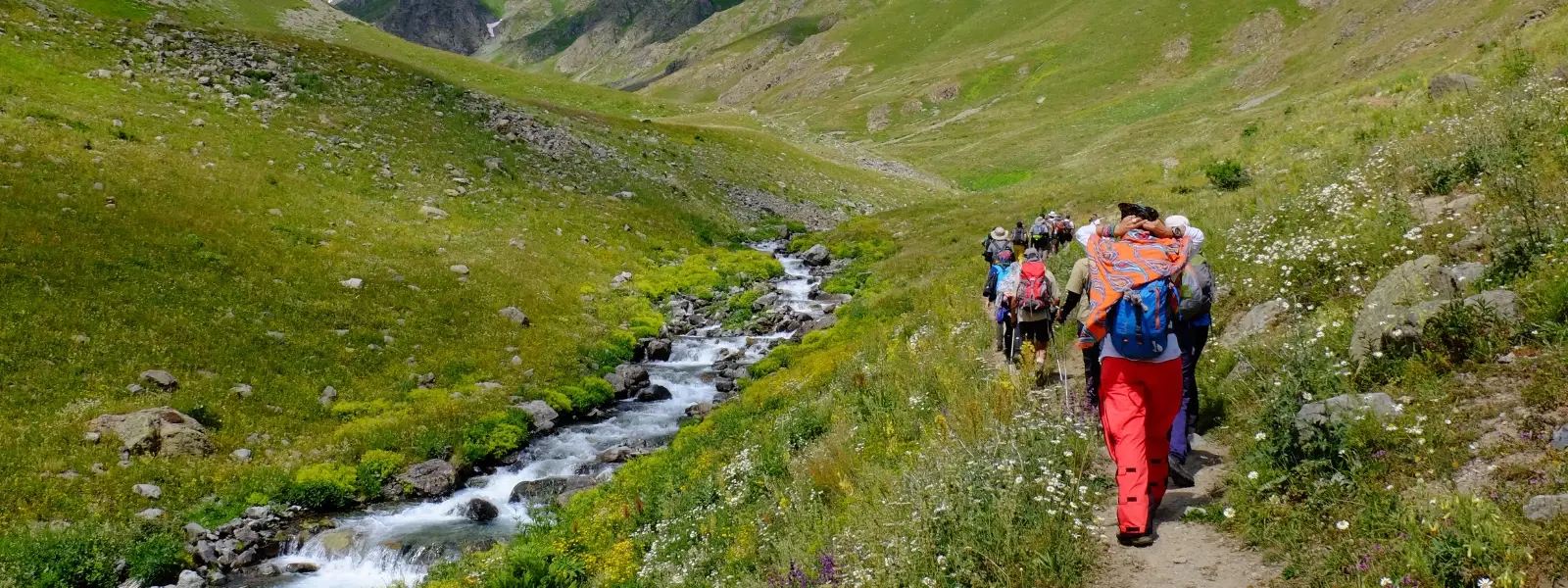
For adventure enthusiasts and nature lovers, the trek to Dhankar Lake (also known as Dhankar Tso) is an unforgettable experience. Located at an altitude of approximately 4,270 meters above sea level, the lake sits about 2.5 kilometers from the main monastery, requiring a moderate trek of roughly 1-1.5 hours each way.
The trek begins near the new monastery and follows a well-defined path that gradually ascends through the rugged mountain terrain. The trail offers spectacular views of the surrounding valleys and snow-capped peaks, making every step of the journey worthwhile. As you climb higher, the air becomes thinner, and the landscape transforms into a surreal alpine environment.
Reaching the lake feels like discovering a hidden gem in the mountains. Dhankar Lake is a small yet stunning body of crystal-clear water that reflects the surrounding peaks like a mirror. The lake holds deep spiritual significance for locals, who believe it possesses healing properties. During auspicious occasions, villagers perform rituals and offer prayers at the lake.
The best time for the Dhankar Lake trek is from June to September when the weather is pleasant and the path is free of snow. Early morning is ideal for the trek as you can witness the lake at its serene best, with the morning sun casting magical reflections on the water surface. The trek is moderately challenging, requiring a reasonable level of fitness. It's essential to carry water, wear sturdy walking shoes, and protect yourself from the harsh mountain sun.
Photographers will find endless opportunities here. The contrast between the blue water, brown barren mountains, and the distant snow-capped peaks creates a composition that seems almost otherworldly. The silence surrounding the lake, broken only by the gentle breeze and occasional bird calls, adds to its mystical charm.
While at the lake, please practice responsible tourism. Avoid littering, respect the natural environment, and maintain the sanctity of this sacred site. Many trekkers combine the monastery visit with the lake trek, making it a complete Dhankar experience that combines spirituality, adventure, and natural beauty.
Visitor Information and Practical Details
Planning a visit to Dhankar Monastery requires some preparation due to its remote location and high altitude. Here are the essential practical details to help you make the most of your visit:
Timings: The monastery is open to visitors from 7:00 AM to 6:00 PM daily. Early mornings and late afternoons are the best times to visit as the lighting is perfect for photography, and the monastery is less crowded. The morning prayer ceremony, usually around 6:00-7:00 AM, offers a glimpse into the monastic life and is highly recommended for those interested in experiencing Buddhist rituals.
Entry Fee: There is no entry fee to visit Dhankar Monastery. However, donations are welcome and contribute to the maintenance and preservation of this ancient site. Donation boxes are available in the prayer hall.
Duration: Plan to spend 2-3 hours at the monastery complex, including time to explore the old and new structures, participate in prayers if desired, and soak in the spiritual atmosphere. If you plan to do the lake trek, add another 3-4 hours to your schedule.
Dress Code: While there is no strict dress code, modest clothing is recommended out of respect for the religious site. Shoulders and knees should be covered. Remove your shoes before entering the prayer hall. Carrying a pair of socks is advisable as the floor can be cold.
Photography: Photography is allowed in most parts of the monastery, including the exterior and courtyard. However, using flash inside the prayer hall is prohibited as it can damage the ancient murals and statues. Avoid photography during prayer ceremonies and always seek permission before photographing monks or religious ceremonies.
Best Time to Visit: The summer months from May to October offer the most accessible conditions. The roads are open, and the weather is pleasant. July and August bring occasional rain, transforming the valley into a green landscape. Winter (November to April) is extremely harsh, with heavy snowfall often blocking access roads. The monastery remains open even in winter, but reaching there becomes challenging.
Altitude Considerations: At 3,894 meters, Dhankar is at high altitude. Acclimatize properly in Kaza or lower altitude areas before visiting. Drink plenty of water, avoid alcohol, and take it easy. If you experience symptoms of altitude sickness (headache, nausea, shortness of breath), descend to a lower altitude immediately.
Facilities: Basic facilities are available near the monastery. There are a few small shops selling snacks and water. Accommodation options in Dhankar village are limited but offer an authentic experience of village life in Spiti. More comfortable options are available in Kaza, 32 kilometers away.
Photography Tips for Dhankar
Dhankar Monastery is a paradise for photographers, offering stunning landscapes, architectural details, and spiritual moments. Here are some tips to capture the best shots:
Golden Hour Magic: The hours around sunrise and sunset offer the most magical light. The early morning sun casts a warm glow on the monastery walls, while sunset creates dramatic silhouettes against the colorful sky. Arrive early to set up your shots and enjoy the peaceful atmosphere.
Wide-Angle Perspectives: Use a wide-angle lens to capture the monastery's dramatic location. Include the cliff edge, the valley below, and the surrounding mountains to convey the scale and setting. A wide-angle lens is also essential for photographing the interior of the prayer hall.
Detail Shots: Don't miss the intricate details - the ancient murals, the prayer wheels, the colorful flags, and the architectural elements. These close-up shots tell the story of the monastery's rich history and artistic heritage.
Lake Trek Photography: If you're trekking to Dhankar Lake, bring a telephoto lens to compress the landscape and create dramatic compositions of the lake against the mountains. A polarizing filter can help reduce glare and enhance the blue of the water and sky.
Village Life: Capture the essence of traditional Spiti life by photographing Dhankar village. The traditional mud-brick houses, the locals going about their daily routines, and the stark landscape create compelling images that tell a cultural story.
Respectful Photography: Always be respectful when photographing religious ceremonies or monks. Ask permission first, and avoid using flash during prayers. Some areas of the monastery may be restricted from photography - respect these rules.
Night Photography: If you're staying overnight in Dhankar, consider night photography to capture the monastery under a starlit sky. The clear mountain air and lack of light pollution make for excellent astrophotography opportunities.
How to Reach Dhankar Monastery
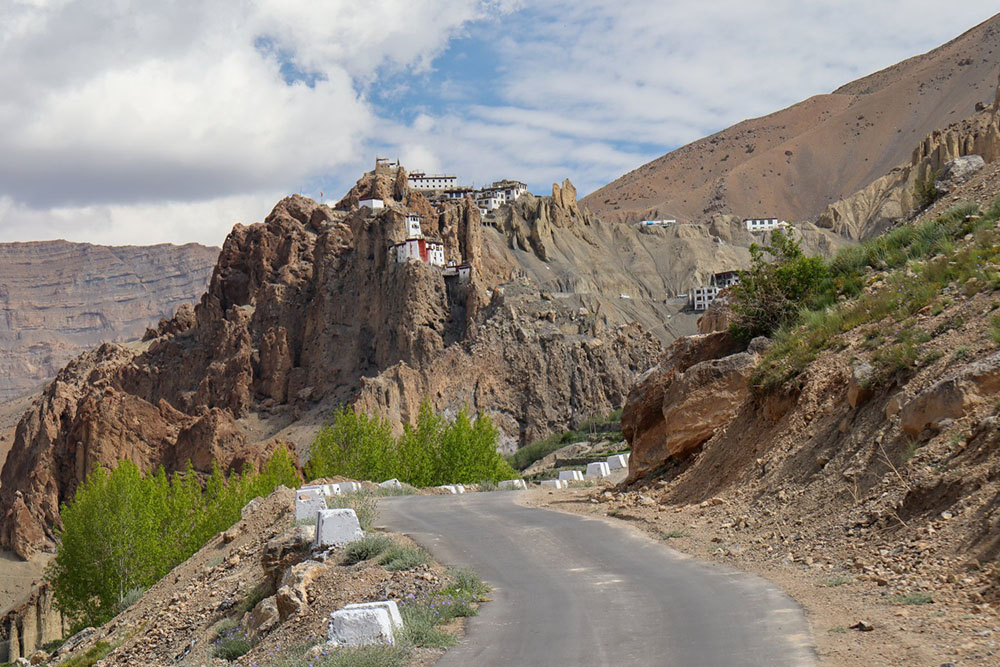
Reaching Dhankar Monastery is an adventure in itself, involving travel through some of the most spectacular landscapes in the Himalayas. Here's a comprehensive guide on how to get there:
By Air: The nearest airport is Bhuntar Airport in Kullu, approximately 250 kilometers from Dhankar. From the airport, you can hire a taxi or take a bus to Kaza, and then proceed to Dhankar. Another option is Shimla Airport, about 415 kilometers away, though flight connectivity is limited.
By Road: The most common way to reach Dhankar is by road from Kaza, the main town in Spiti Valley. Dhankar is located 32 kilometers from Kaza, and the journey takes approximately 1.5 hours by taxi. The road from Kaza to Schichling is paved, but the 8-kilometer stretch from Schichling to Dhankar is a rough mountain road with sharp bends and steep gradients.
Route Options:
- From Manali: Manali to Kaza (approximately 200 kilometers, 8-10 hours via Kunzum Pass), then Kaza to Dhankar (32 kilometers, 1.5 hours). This route is open from June to October when Kunzum Pass is accessible.
- From Shimla: Shimla to Kaza (approximately 415 kilometers, 12-14 hours via Kinnaur), then Kaza to Dhankar. This route is longer but accessible for more months of the year, typically from March to December.
- Public Transport: HRTC (Himachal Road Transport Corporation) operates buses on the Kaza-Dhankar route, but services are limited and irregular. It's advisable to check the current schedule in Kaza. Taxis can be hired in Kaza for a more convenient option.
- Self-Drive:> Experienced drivers can rent SUVs or motorcycles in Manali or Shimla. However, mountain driving skills are essential, and road conditions can be challenging. Ensure your vehicle is in good condition and carry spare parts and fuel.
Permits: Indian nationals do not require any special permits to visit Spiti Valley or Dhankar Monastery. However, foreign nationals need an Inner Line Permit for certain areas near the Chinese border. This permit can be obtained in Reckong Peo (Kinnaur) or Kaza. The permit is usually valid for multiple entries and is free of cost.
Road Conditions: The roads in Spiti Valley are rugged and challenging. The Kaza-Schichling stretch is reasonably good, but the Schichling-Dhankar road is narrow and rough. During monsoon, landslides can cause temporary roadblocks. Always check current road conditions before starting your journey and carry essentials like water, snacks, and warm clothing.
Best Route for Different Seasons:
- June-September: The Manali route via Kunzum Pass is open and offers scenic beauty but can be crowded.
- March-May & October-November: The Shimla route via Kinnaur is more reliable as lower passes remain open.
- December-February: Winter travel is extremely challenging. Most roads are blocked by snow. Only attempt if you're experienced in winter Himalayan travel.
For those planning an extensive Spiti Valley road trip, Dhankar Monastery is typically included as part of a circuit that covers Key Monastery, Kibber Village, Chandratal Lake, and Tabo Monastery. A typical 7-10 day itinerary starting from Manali or Shimla allows ample time to explore these attractions at a comfortable pace.
Accommodation and Dining Options
While Dhankar is a small village, it offers basic accommodation options for travelers who wish to stay overnight and experience the tranquility of this remote location. Staying in Dhankar allows you to witness the monastery in different lights, enjoy the starry nights, and possibly participate in morning prayers.
Homestays: The most authentic accommodation option in Dhankar is staying with local families in their homes. Homestays offer basic but comfortable rooms with traditional Spiti hospitality. You'll get home-cooked meals featuring local cuisine and insights into the village way of life. Popular homestays include Yangsang Homestay and Tashi Namgyal Homestay.
Guest Houses: There are a few basic guest houses in Dhankar village offering rooms with attached or shared bathrooms. Facilities are simple - expect limited hot water, intermittent electricity, and no Wi-Fi. However, the warm hospitality and stunning views more than compensate for the lack of luxury.
Camping:> Adventure travelers can camp near Dhankar Lake or at designated camping spots near the village. Camping requires prior permission from local authorities and complete self-sufficiency. The reward is waking up to one of the most spectacular views in the Himalayas.
Stay in Kaza: For more comfortable accommodation, many travelers prefer to stay in Kaza (32 kilometers away) and visit Dhankar as a day trip. Kaza offers hotels with better facilities, including hot water, reliable electricity, restaurants, and even internet connectivity. Popular hotels in Kaza include Hotel Deyzor, The Spitian Holiday Home, and Sakya Abode.
Dining: Food options in Dhankar are limited. Most homestays and guest houses serve traditional Himachali and Tibetan food - momos, thukpa (noodle soup), chowmein, rice, and dal. Tea is available everywhere. If you have dietary restrictions or preferences, it's advisable to inform your host in advance. Kaza has more dining options including restaurants serving North Indian, Chinese, and even Continental cuisine.
Nearby Attractions and Experiences
While Dhankar Monastery is a destination in itself, the surrounding Spiti Valley offers numerous attractions that can be combined with your visit for a comprehensive Himalayan experience:
Tabo Monastery: Known as the 'Ajanta of the Himalayas' for its exquisite murals, Tabo Monastery is about 50 kilometers from Dhankar. Founded in 996 AD, it's the oldest continuously operating Buddhist enclave in India. The monastery complex houses nine temples, 23 chortens, and a monk's chamber.
Pin Valley National Park: Located near Dhankar, this national park is home to the endangered Snow Leopard, Himalayan Ibex, and numerous bird species. The park's unique cold desert ecosystem and lush green valleys offer excellent trekking opportunities.
Lhalung Monastery: One of the earliest monasteries in Spiti, Lhalung is believed to have been built by Lotsawa Rinchen Zangpo. Less visited than other monasteries, it offers a peaceful and authentic spiritual experience.
Kungri Monastery: Located in the Pin Valley, Kungri Monastery belongs to the Nyingmapa school of Buddhism and is known for its distinctive architecture and ancient scriptures.
Demul Village: A beautiful village in Spiti known for its green fields and traditional way of life. The village offers stunning views and homestay experiences.
Komic Village: One of the highest villages in the world connected by a motorable road, Komic is home to the Komic Monastery and offers spectacular views of the Spiti Valley.
For adventure enthusiasts, the Pin Bhabha Pass trek starting from near Dhankar offers a challenging but rewarding multi-day trekking experience connecting the Spiti and Kinnaur valleys.
Cultural Insights and Responsible Travel
Visiting Dhankar Monastery offers a unique opportunity to experience the rich Buddhist culture of the Spiti Valley. The local population follows Vajrayana Buddhism, and their daily lives are deeply intertwined with religious practices and beliefs.
Monastic Life: The monastery is home to about 50-60 monks who spend their days in study, prayer, and meditation. The daily routine begins early morning with prayers and chanting, followed by classes on Buddhist philosophy. Visitors are welcome to observe these rituals but must maintain silence and respect.
Festivals: If you visit during summer (July-August), you might witness the Chaam dance - a colorful masked dance performed by monks depicting the victory of good over evil. The monastery also celebrates Losar (Tibetan New Year) in February with elaborate ceremonies and community gatherings.
Local Culture: The people of Dhankar are warm and hospitable. Agriculture is the main occupation, with peasants growing barley, peas, and potatoes. The traditional houses are made of mud and stone, designed to withstand harsh winters. Women of the region are known for their vibrant attire and intricate jewelry.
Responsible Travel Tips:
- Respect Religious Sentiments: Dress modestly, speak softly within the monastery premises, and seek permission before photographing religious ceremonies.
- Support Local Economy: Stay in homestays, purchase local handicrafts, and eat at local eateries. Your spending directly benefits the community.
- Environment Conservation: Do not litter. Carry all waste back with you. Use water sparingly as it's a precious resource in this high-altitude desert.
- Photography Ethics: Avoid intruding into people's privacy. Ask for permission before photographing locals, especially during religious ceremonies.
- Carbon Footprint: Consider offsetting your carbon emissions from travel. Use public transport when possible, and avoid bonfires and unnecessary burning.
- Cultural Sensitivity: Learn a few words of the local language (Himachali dialects or Tibetan). A greeting of 'Julley' (hello, thank you, goodbye) goes a long way in building connections.
Dhankar Monastery is not just a tourist attraction - it's a living spiritual center and a community's heart. By traveling responsibly, you ensure that this precious heritage site remains preserved for generations to come.
Best Time to Visit Dhankar Monastery
Choosing the right time to visit Dhankar Monastery can significantly impact your experience. Spiti Valley experiences extreme weather conditions, and each season offers a different perspective of this beautiful region:
Summer (May to June): This is the most popular time to visit Dhankar. The weather is pleasant during the day (15-20°C) but can get cold at night. The roads are accessible, and the valley is lush green after the winter snow melts. This is also the best time for trekking to Dhankar Lake. However, this is peak tourist season, so expect more visitors.
Monsoon (July to September): Spiti receives minimal rainfall compared to other parts of India, but occasional showers can occur. The landscape turns beautifully green, and the number of tourists decreases. Road conditions can be tricky due to landslides, especially on the Manali route. The lake trek might be slippery but rewarding. This is an excellent time for photography with dramatic cloud formations.
Autumn (October to November): As the weather cools down, the valley transforms with golden hues. Days are pleasant, but nights start getting cold. This is an ideal time for clear views and photography. Tourist numbers are lower, offering a more peaceful experience. By November, prepare for winter conditions.
Winter (December to April): Extreme winter conditions with heavy snowfall. Temperatures can drop to -30°C. Most roads, especially the Manali route via Kunzum Pass, are blocked. Access is challenging and often only possible from the Shimla side. The monastery remains open, but reaching there requires careful planning and winter travel experience. This season is recommended only for experienced winter travelers seeking solitude.
Spring (April to May): As winter retreats, the valley wakes up. Snow begins to melt, and roads start opening. This is a beautiful time to visit with fewer tourists and blooming high-altitude flora. However, road conditions can still be unpredictable, and some areas might be inaccessible.
For most travelers, the period from May to October offers the best balance of accessibility, weather, and scenery. If you prefer fewer crowds and don't mind cooler temperatures, September-October is ideal. For those interested in Buddhist festivals, plan your visit during Losar (February) or Chaam dances (July-August), though winter travel requires extra preparation.
Conclusion: A Spiritual Journey Like No Other
Dhankar Monastery represents the perfect confluence of natural grandeur, architectural wonder, and spiritual serenity. Perched on its cliff edge, overlooking the meeting point of two rivers, it offers visitors an experience that goes beyond typical tourism - it's a journey into the heart of Himalayan Buddhism and the raw beauty of the Trans-Himalayan landscape.
Whether you're drawn by the thrill of the Dhankar Lake trek, the spiritual atmosphere of the ancient monastery, or simply the desire to disconnect from the modern world in one of India's most remote corners, Dhankar delivers on all fronts. The silence here is profound, broken only by the whisper of prayer flags fluttering in the wind and the distant sound of temple bells.
As you explore the narrow passages of the old monastery, witness the devotion of monks engaged in centuries-old rituals, or gaze at the crystal-clear waters of Dhankar Lake reflecting the infinite sky, you'll understand why this place has drawn seekers and travelers for nearly a thousand years. The monastery stands not just as a monument to Buddhist faith but as a testament to human resilience and devotion in the face of nature's grandeur.
In an increasingly connected and noisy world, places like Dhankar Monastery offer a rare opportunity to experience silence, solitude, and spiritual reflection. A visit here is not just about seeing a tourist attraction - it's about experiencing a way of life that has remained largely unchanged for centuries, in a landscape that humbles you with its scale and beauty.
Plan your visit to Dhankar with respect for its religious significance and ecological fragility. Travel responsibly, support local communities, and carry back not just photographs but memories and lessons that will last a lifetime. In the end, that's what travel to places like Dhankar is truly about - transformations, big and small, that happen when we step out of our comfort zones and into the extraordinary.
Location
Frequently Asked Questions
Q1.Where is Dhankar Monastery located?
Q2.How to reach Dhankar Monastery?
Q3.What is the best time to visit Dhankar Monastery?
Q4.What is special about Dhankar Monastery?
Q5.How old is Dhankar Monastery?
Q6.Can we stay at Dhankar Monastery?
Q7.Is Dhankar Lake trek difficult?
Q8.How long does Dhankar Lake trek take?
Recommended For You
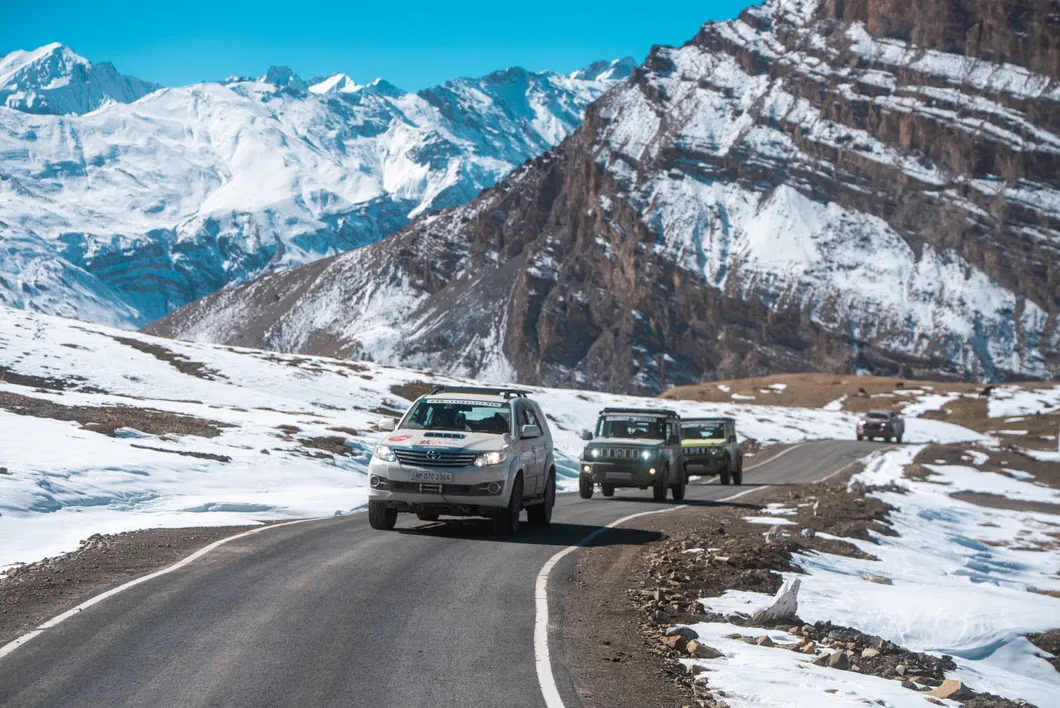
Spiti Valley Road Trip: The Ultimate Guide to Himalayan Adventure
Spiti Valley road trip guide: routes from Shimla/Manali, best time, permits, vehicles, itinerary, accommodation & tips for the ultimate Himalayan adventure.
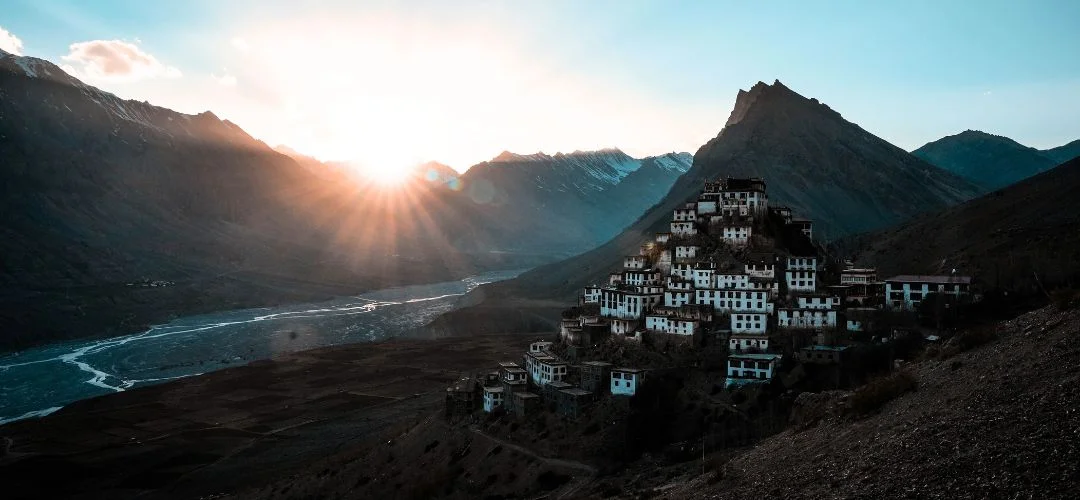
Key Monastery Spiti: Timings, History, Stay & Viewpoint Details
Explore Key Monastery in Spiti Valley! Discover 1000-year-old history, timings, best time to visit, how to reach from Kaza, stay options, and complete travel guide.
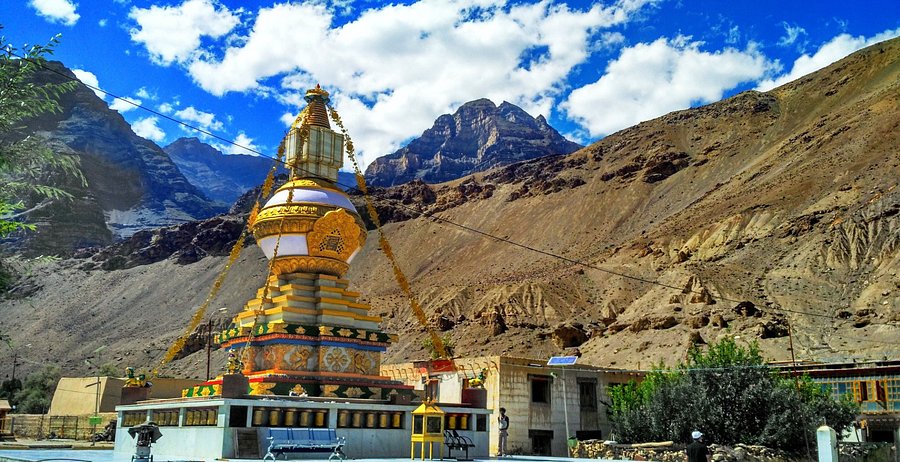
Tabo Monastery Spiti: Guide, History & Stay
Tabo Monastery in Spiti Valley guide! 1000-year-old temple complex, ancient Buddhist art, accommodation & how to reach.
Never Miss an Adventure
Get the latest trekking guides, travel tips, and exclusive offers delivered straight to your inbox.
