
Langza Buddha Statue Spiti: Route, Altitude & Best Photo Time

Neha Kapoor
January 6, 2026
Discover the Langza Buddha statue in Spiti Valley at 4,400m. Complete travel guide with fossils, how to reach from Kaza, photography tips & best time to visit this spiritual landmark.
The Guardian of Spiti Valley
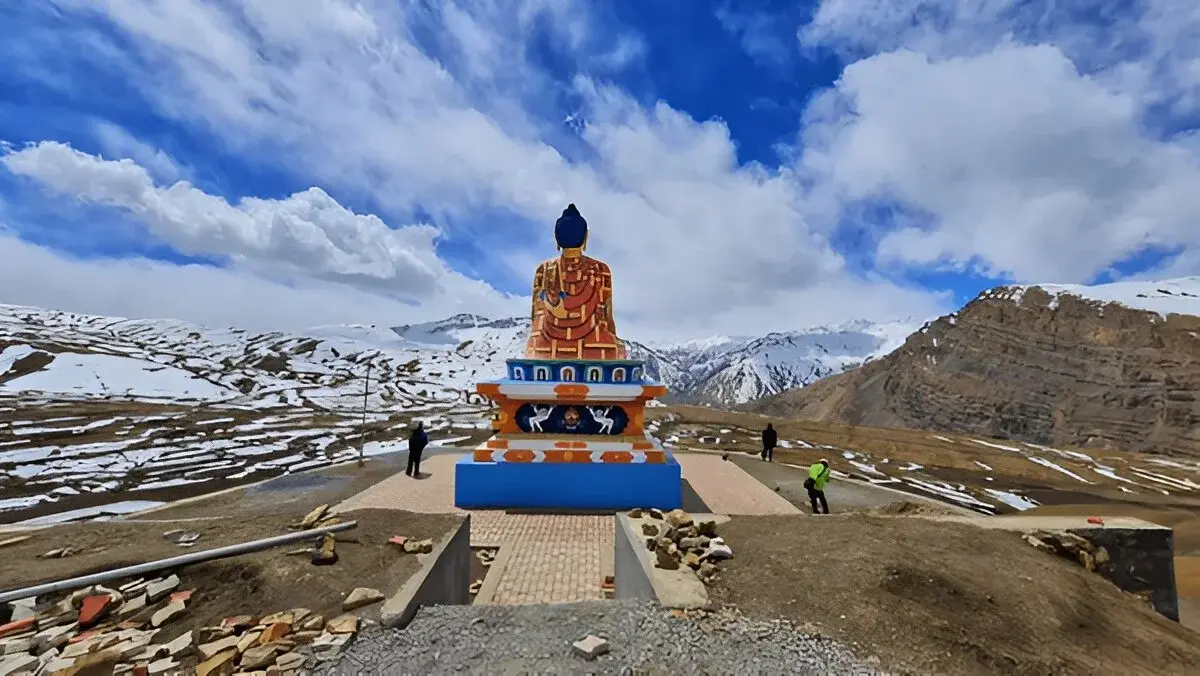
Standing tall at 4,400 meters above sea level, the magnificent Langza Buddha statue overlooks the Spiti Valley like an eternal sentinel. This towering golden figure, emerging from the barren mountainscape, has become one of the most iconic spiritual landmarks in the Trans-Himalayan region. The statue's serene expression seems to bless the entire valley, creating a profound sense of peace that touches every traveler who makes the journey to this remote corner of Himachal Pradesh.
The Langza Buddha, also known as the Golden Buddha or Langza Buddha Statue, is not just a religious icon but a symbol of the deep-rooted Buddhist traditions that have flourished in Spiti for centuries. As you approach Langza village, the statue appears on the horizon like a mirage - its golden hue contrasting dramatically against the brown and ochre mountains that surround it. This striking visual has made it one of the most photographed landmarks in Spiti Valley, drawing spiritual seekers, photographers, and adventure travelers from across the world.
What makes the Langza Buddha truly special is its setting. Unlike monasteries tucked away in valleys, this statue stands prominently on a ridge, visible from miles away. The statue faces the rising sun, symbolizing enlightenment and new beginnings. Its location offers panoramic views of the entire Spiti Valley, with snow-capped peaks forming a majestic backdrop. For travelers embarking on a Spiti Valley road trip, Langza and its Buddha statue often become the spiritual highlight of their journey.
The journey to Langza is an adventure in itself. Winding through rugged mountain roads, past ancient monasteries and traditional villages, you'll gradually ascend to one of the highest villages in Spiti. As the Buddha statue comes into view, you'll understand why this place has captivated the hearts of travelers for generations. It's not just about seeing a statue - it's about experiencing the profound tranquility of a place where time seems to stand still.
About the Langza Buddha Statue
The Langza Buddha statue is a relatively recent addition to Spiti's spiritual landscape, but it has quickly become one of its most revered landmarks. The statue depicts Buddha in a meditative posture, exuding an aura of compassion and wisdom that resonates with all who visit. Crafted with intricate details, the statue showcases the artistic traditions of Tibetan Buddhism while incorporating modern construction techniques.
The statue stands approximately 15-20 feet tall, though its impact is far greater than its physical dimensions would suggest. Positioned on an elevated platform, the Buddha appears even more majestic, especially during sunrise and sunset when the changing light creates an ethereal glow around it. The golden color of the statue symbolizes the enlightenment and purity associated with Buddha's teachings.
Religious Significance: For the local community, the Langza Buddha is more than a tourist attraction - it's a sacred space for daily prayers and meditation. The statue serves as a reminder of Buddha's teachings on compassion, mindfulness, and the path to enlightenment. Monks from nearby monasteries often visit the site for special ceremonies, and villagers gather here during important Buddhist festivals.
The statue's location has been carefully chosen according to Buddhist principles of sacred geometry. It faces east, welcoming the first rays of the sun - a symbol of wisdom dispelling the darkness of ignorance. The elevated position represents spiritual elevation, while the panoramic views signify Buddha's all-encompassing compassion for all beings.
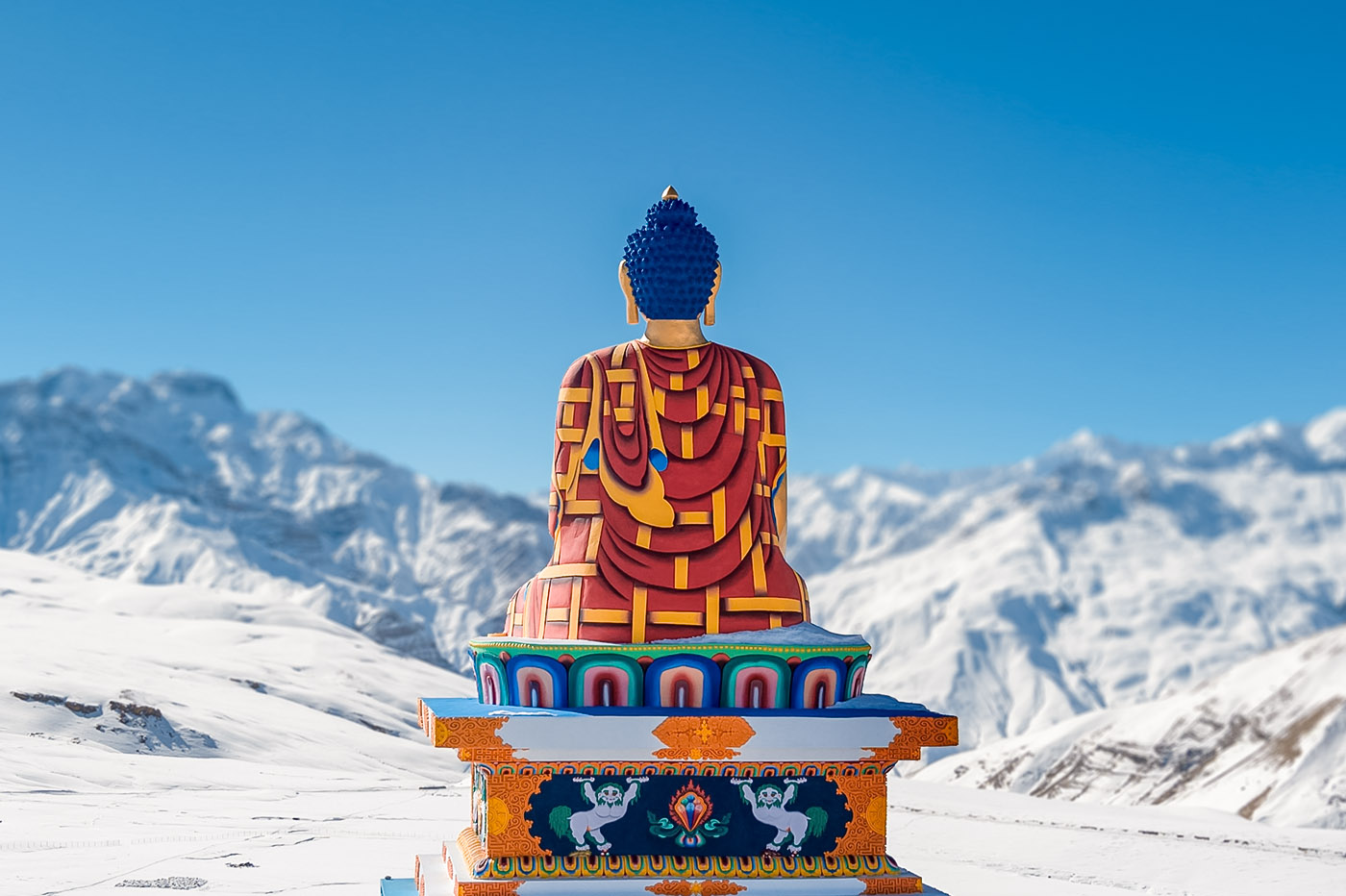
Design and Features: The Langza Buddha is depicted in the meditation posture (dhyana mudra), with hands resting on the lap and eyes gently closed in contemplation. This posture represents inner peace, concentration, and the path to spiritual awakening. The statue's facial expression embodies compassion and serenity, with the characteristic elongated earlobes and ushnisha (crown protrusion) that are traditional in Buddhist iconography.
The artistry of the statue combines traditional Tibetan Buddhist imagery with contemporary craftsmanship. The golden finish not only adds to its visual appeal but also symbolizes the precious nature of enlightenment. Prayer flags often flutter around the statue, their colorful presence adding to the spiritual atmosphere while carrying prayers and blessings on the mountain winds.
Unlike ancient statues that have weathered centuries, the Langza Buddha is relatively new, representing the living tradition of Buddhism in Spiti. It's a testament to how the region continues to nurture its spiritual heritage while embracing the present. For visitors, the statue offers a tangible connection to Buddhist philosophy and the peaceful way of life that defines Spiti Valley.
Langza Village: Ancient Heritage
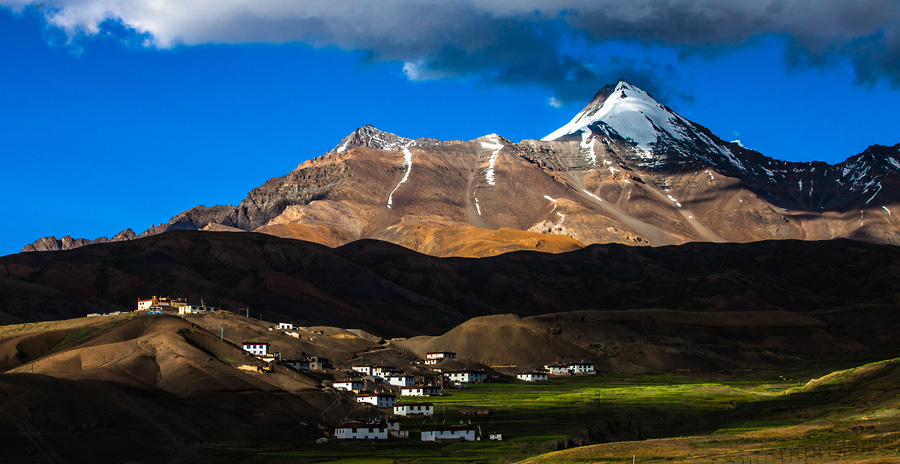
Langza village, home to the magnificent Buddha statue, is one of the most fascinating destinations in Spiti Valley. Located at an altitude of approximately 4,400 meters (14,435 feet), it's among the highest villages in the world with a motorable road. The village is divided into two parts - Langza Yongma (lower Langza) and Langza Gongma (upper Langza), with the Buddha statue presiding over the upper village.
The history of Langza dates back over a thousand years. Archaeological findings suggest that the area has been inhabited since ancient times, with the village being an important stop on the traditional trade routes between India and Tibet. Today, Langza is home to about 50-60 families who follow Buddhism and maintain a traditional way of life that has remained largely unchanged for centuries.
Traditional Architecture: The village is characterized by traditional Spiti houses built from mud bricks and stone, designed to withstand the harsh Himalayan winters. These houses, with their flat roofs and small windows, are perfectly adapted to the cold desert climate. The use of local materials makes the village blend seamlessly with the surrounding landscape, appearing to grow organically from the mountainside.
Village Life: Agriculture is the main occupation in Langza, with farmers growing barley, black peas, and potatoes during the short summer season. The village is also known for its livestock, with yaks, horses, and donkeys commonly seen grazing on the mountain slopes. Life in Langza moves at a slow, deliberate pace - a refreshing change from the frenetic rhythm of modern cities.
Cultural Significance: Langza holds a special place in Spiti's cultural landscape. The village has its own monastery (gompa) which, though smaller than the famous Key Monastery, plays an important role in the community's spiritual life. The monastery houses ancient scriptures and thangkas (traditional Buddhist paintings), and monks perform daily rituals that have been passed down through generations.
What makes Langza truly unique is its combination of spiritual significance and natural beauty. The village offers stunning views of the Spiti Valley and surrounding peaks. On clear days, you can see snow-capped mountains on the horizon, while the Chau Chau Kang Nilda peak forms a magnificent backdrop to the village. The harsh, barren landscape is punctuated by patches of green during summer, creating a stark but beautiful contrast that's characteristic of Spiti's unique ecosystem.
Community Tourism: In recent years, Langza has embraced community-based tourism, offering visitors a chance to experience authentic Spiti village life. Several homestays have opened, allowing travelers to stay with local families, participate in daily activities, and learn about the region's rich cultural heritage. This sustainable approach to tourism ensures that visitor spending directly benefits the community while preserving the village's traditional way of life.
Fossils of Langza: Prehistoric Treasures
One of Langza's most fascinating attractions is its rich fossil heritage, earning it the nickname "The Fossil Village of Spiti." The mountains surrounding Langza are a treasure trove of prehistoric fossils, dating back millions of years to when the entire region was under the Tethys Sea. This geological history makes Langza a unique destination where spiritual and scientific wonders coexist.
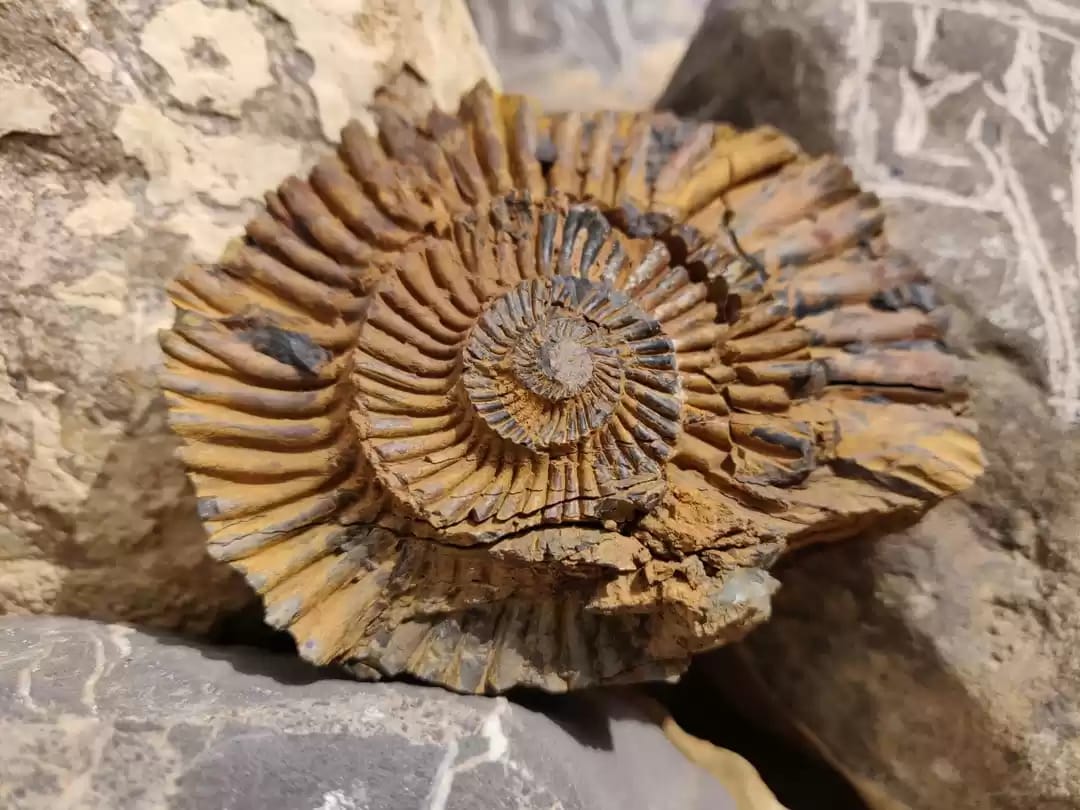
The Spiti Valley was once part of the ancient Tethys Sea, which existed between the Indian and Eurasian continental plates before the Himalayan mountain range was formed. Over millions of years, as the Indian plate pushed northward and collided with the Eurasian plate, the sea bed was uplifted, creating the towering mountains we see today. This extraordinary geological process preserved an incredible variety of marine fossils in the rocks of Spiti.
What You Can Find: The most common fossils found around Langza are ammonites - extinct marine mollusks that lived over 400 million years ago. These spiral-shaped fossils are easily recognizable and can be found scattered on the ground or embedded in rocks. Other fossils include belemnites (extinct squid-like creatures), various types of shells, and occasionally fossilized wood and plant remains.
Fossil Hunting Tips: Fossil hunting in Langza is an exciting activity that doesn't require any special equipment - just a keen eye and patience. The best areas to look are the slopes and scree around the village, where erosion continually exposes new fossils. It's important to note that while finding small ammonites is relatively easy, larger or more complete specimens are rare discoveries.
Legal and Ethical Considerations: While fossil collecting is a popular activity, it's important to be aware of the regulations. Small, common fossils found on the surface can usually be collected as souvenirs. However, rare or significant fossils are protected by law, and removing them is illegal. The Geological Survey of India has designated certain areas as fossil heritage sites, and these should be respected. Always check with local authorities or your guide about the current regulations before collecting fossils.
Scientific Significance: The fossils of Spiti, including those found in Langza, have contributed significantly to our understanding of Earth's geological history. The region's fossils have been studied by paleontologists from around the world, helping to reconstruct the ancient Tethys Sea ecosystem and the process of Himalayan formation. For geology enthusiasts, Langza offers a unique opportunity to witness this ancient history firsthand.
Many visitors find a special joy in combining spiritual and scientific exploration - meditating at the Buddha statue in the morning and spending the afternoon searching for fossils in the surrounding hills. This unique combination of activities makes Langza a destination unlike any other, where the ancient past and spiritual present converge.
Best Time to Visit Langza
Choosing the right time to visit Langza Buddha statue is crucial for a comfortable and enjoyable experience. Spiti Valley experiences extreme weather conditions, and each season offers a different perspective of this beautiful region. Here's a detailed guide to help you plan your visit:
Summer (May to June): This is the most popular time to visit Langza. The weather is pleasant during the day with temperatures ranging from 15-20°C, though nights can still be cold, dropping to around 5°C. The roads are accessible, having cleared of winter snow, and the valley is at its greenest. This is an excellent time for photography, with clear skies offering stunning views of the surrounding peaks. The summer months also coincide with several Buddhist festivals, providing an opportunity to witness local cultural celebrations. However, this is peak tourist season, so expect more visitors and potentially higher prices for accommodation.
Monsoon (July to September): Spiti is a cold desert and receives minimal rainfall compared to other parts of India. The monsoon months can actually be a great time to visit, as the occasional rains transform the barren landscape into a beautiful green canvas. The number of tourists decreases during this period, offering a more peaceful experience. Cloud formations during monsoon create dramatic photographic opportunities, especially around the Buddha statue. However, road conditions can be unpredictable due to landslides, particularly on the Manali route via Kunzum Pass. Some trekking routes might be slippery, so proper footwear is essential.
Autumn (October to November): As the weather cools down, Langza undergoes a magical transformation. The landscape takes on golden hues, and the skies become crystal clear, offering spectacular views. Days are pleasant (10-15°C), but nights start getting cold, often dropping below freezing. This is an ideal time for landscape photography, with the golden light creating perfect conditions for capturing the Buddha statue against the changing scenery. Tourist numbers are lower, providing a more serene and contemplative experience. By November, be prepared for winter conditions - temperatures can drop significantly, and some facilities may start closing for the season.
Winter (December to April): Winter in Langza is extremely harsh, with temperatures plummeting to -30°C or lower. Heavy snowfall blocks most roads, particularly the Manali route via Kunzum Pass, and the village becomes largely inaccessible. Only experienced winter travelers with proper equipment and preparation should attempt to visit during this period. If you do make it, you'll be rewarded with a surreal winter wonderland - the Buddha statue surrounded by pristine white snow, under brilliant blue skies. The village is peaceful, with few visitors, and you may get the rare opportunity to witness winter Buddhist celebrations. However, most homestays and facilities are closed, and you'll need to be completely self-sufficient.
Spring (April to May): As winter retreats, Langza slowly comes back to life. Snow begins to melt, revealing the brown earth beneath. The weather can be unpredictable during this transition period - some roads might still be blocked by snow, and temperatures can fluctuate dramatically between day and night. However, spring offers a unique beauty with snow-capped peaks contrasting against the awakening valley. This is a good time for photographers seeking dramatic landscapes without the crowds. Be prepared for variable conditions and check road status before planning your journey.
For most travelers, the period from May to October offers the best balance of accessibility, weather, and scenery. If you prefer fewer crowds and don't mind cooler temperatures, September-October is ideal. Those interested in cultural experiences should time their visit to coincide with Buddhist festivals, while photographers might prefer the dramatic lighting of autumn. Regardless of when you visit, proper clothing and preparation are essential due to the high altitude and unpredictable mountain weather.
How to Reach Langza from Kaza
Reaching Langza Buddha statue requires some planning, but the journey is part of the adventure. Here's a comprehensive guide on how to reach Langza from Kaza, the main town in Spiti Valley:
Distance: Langza is located approximately 17 kilometers from Kaza, making it an accessible day trip for those staying in the main town. The journey typically takes about 45 minutes to 1 hour by car, depending on road conditions and stops along the way.
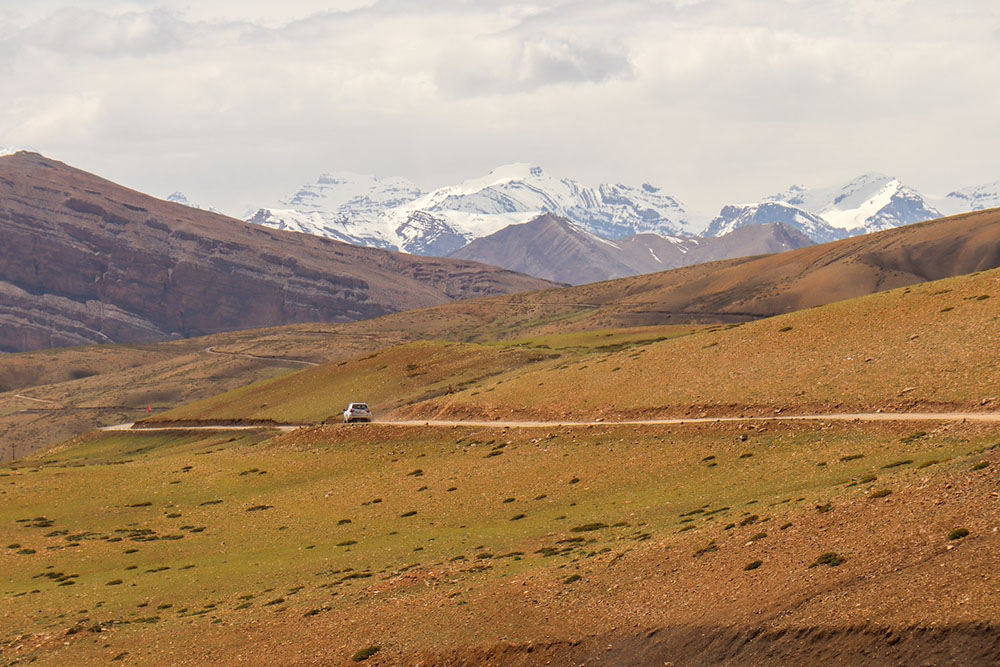
Route Description: The journey from Kaza to Langza follows a well-defined mountain road. From Kaza, head towards Hikkim (famous for having the world's highest post office), and continue from there to Langza. The road is mostly unpaved and can be bumpy, but it's motorable and offers stunning views throughout the journey. As you ascend, you'll pass through dramatic mountain scenery, with the landscape becoming more barren and beautiful with each kilometer.
Transportation Options:
- Private Taxi/Shared Cab: This is the most convenient way to reach Langza. Taxis can be hired in Kaza for the day. Shared cabs are also available but run on irregular schedules. Hiring a private taxi gives you the flexibility to explore at your own pace and stop for photography along the way.
- Self-Drive: Experienced drivers can rent SUVs or motorcycles in Kaza. However, be aware that mountain driving skills are essential, and the road can be challenging, especially after rain or during early summer when snow melt can make sections muddy. Ensure your vehicle is in good condition and carry extra fuel.
- Trekking: For adventure enthusiasts, it's possible to trek from Kaza to Langza, though this is a strenuous option requiring good fitness and proper acclimatization. The trek takes 4-5 hours each way and involves significant elevation gain. This option is recommended only for experienced trekkers who are properly acclimatized to the altitude.
Road Conditions: The road from Kaza to Langza is a typical Spiti Valley mountain road - narrow, winding, and mostly unpaved. During summer and autumn, it's generally in good condition, though bumpy in sections. After rain, parts can become muddy and slippery. In winter, the road is buried under snow and impassable. Always check current road conditions before starting your journey.
Key Stops Along the Way: The journey to Langza often includes stops at nearby attractions:
- Hikkim Village: Located about 10 kilometers from Kaza, Hikkim is famous for having the world's highest post office. Many visitors stop here to send postcards from this remote location. The village itself is picturesque and offers a glimpse into traditional Spiti life.
- Komic Village: On the return journey, you can detour to Komic, one of the highest villages in the world connected by a motorable road. Komic has its own monastery and stunning views of the valley.
- Langza Village: Once in Langza, take time to explore the village itself. The traditional houses, the local monastery, and the fossil-rich areas around the village are worth exploring.
Fuel and Supplies: There are no fuel stations between Kaza and Langza, so fill up your tank in Kaza. Carry extra fuel, especially if you're planning to explore other nearby villages. Stock up on water and snacks in Kaza, as options are very limited in Langza.
Altitude Considerations: Langza is significantly higher than Kaza (4,400 meters vs. 3,800 meters). Take your time driving up, and if you experience any symptoms of altitude sickness (headache, nausea, shortness of breath), consider descending to Kaza. Acclimatize properly in Kaza for at least a couple of days before visiting Langza.
Permits: Indian nationals do not require any special permits to visit Langza. However, foreign nationals visiting Spiti Valley need an Inner Line Permit, which can be obtained in Reckong Peo (if coming from the Shimla side) or in Kaza. The permit is usually valid for multiple entries and covers all areas in Spiti accessible to tourists.
For those planning a comprehensive Spiti Valley trip, Langza is typically included in a circuit that covers Key Monastery, Kibber Village, Hikkim, Komic, and sometimes Dhankar Monastery. This circuit can be completed in 1-2 days from Kaza, giving you a thorough experience of Spiti's spiritual and cultural highlights.
Photography Tips and Views
The Langza Buddha statue and its surroundings offer incredible opportunities for photographers. Whether you're a professional photographer or a casual smartphone shooter, you'll find endless inspiration in this dramatic landscape. Here are some tips to help you capture the best images:
Golden Hour Photography: The hours around sunrise and sunset offer the most magical light for photography. The early morning sun, rising from behind the mountains, creates a beautiful glow around the Buddha statue, making it appear truly golden. For sunrise photography, arrive at least 30-45 minutes before sunrise to set up your equipment. The pre-dawn light, with the sky painted in shades of purple and pink, provides a stunning backdrop to the statue's silhouette.
Sunset is equally spectacular. As the sun dips below the western horizon, the entire valley is bathed in warm golden light. The Buddha statue, facing east, takes on a serene appearance against the colorful sky. The changing light creates dynamic compositions, with long shadows adding depth and dimension to your images.
Best Angles and Compositions:
- Wide-Angle Shots: Use a wide-angle lens to capture the Buddha statue in its full context - the barren mountains, the village below, and the vast sky. This perspective emphasizes the statue's dramatic location and the scale of the surrounding landscape.
- Silhouette Shots: Shooting into the sun, you can create dramatic silhouettes of the Buddha statue. This technique works best during sunrise or sunset when the sun is low on the horizon. The silhouette emphasizes the statue's form and creates a powerful, meditative image.
- Detail Shots: Don't miss the intricate details of the statue - the face, the hands, the folds of the robes. These close-up shots capture the artistry and craftsmanship of the statue, and they tell a more intimate story of Langza's spiritual heritage.
- Village Life: Include elements of village life in your compositions - traditional houses, prayer flags, locals going about their daily routines. These images provide cultural context and tell a broader story about life in this remote Himalayan village.
- Fossil Photography: If you go fossil hunting, photograph your finds in situ. These images combine the ancient past with the present landscape, creating interesting contrasts and narratives.
Equipment Recommendations:
- Camera: Any camera will work, but a DSLR or mirrorless camera with manual controls gives you more creative flexibility.
- Lenses: A wide-angle lens (16-35mm) is essential for landscape shots. A telephoto lens (70-200mm) is useful for compressing the landscape and capturing details of the statue from a distance.
- Tripod: Essential for sunrise/sunset photography and low-light conditions. A lightweight travel tripod is sufficient for most situations.
- Filters: A circular polarizer can help enhance the blue of the sky and reduce glare. Neutral density filters are useful for long-exposure shots, especially if you want to blur moving clouds.
- Extra Batteries: Cold weather drains batteries quickly. Carry at least 2-3 fully charged batteries and keep them warm in your pockets when not in use.
Composition Tips:
- Rule of Thirds: Place the Buddha statue off-center, using the rule of thirds to create more dynamic compositions.
- Leading Lines: Use roads, paths, or mountain ridges to lead the viewer's eye toward the statue.
- Framing: Use natural elements like rock formations or traditional architecture to frame the statue.
- Foreground Interest: Include interesting elements in the foreground - prayer flags, wildflowers, or interesting rock formations - to add depth to your images.
Night Photography: If you're staying overnight in Langza or nearby Kaza, consider night photography. The clear mountain air and lack of light pollution make for excellent astrophotography. The Buddha statue under a starlit sky is a truly magical sight. For night photography, you'll need a sturdy tripod, a camera with manual controls, and warm clothing. Use a wide aperture (f/2.8 or wider) and high ISO (1600-3200) to capture the stars.
Respectful Photography: Always be respectful when photographing religious sites. Avoid intrusive behavior during prayers or ceremonies. If photographing locals, especially monks or villagers, always ask permission first. Some areas around the monastery may be restricted from photography - respect these rules.
Weather Considerations: Mountain weather can change rapidly. Be prepared for sudden rain, snow, or wind. Protect your equipment with weather-sealed gear or rain covers. The best photographs often come during dramatic weather - storm clouds gathering around the peaks, light breaking through clouds, or the statue emerging from mist - so don't let less-than-perfect weather deter you.
Remember, the best photograph is the one that captures the feeling of being there - the profound peace, the stunning landscape, and the spiritual atmosphere that makes Langza such a special place. Take your time, explore different angles, and most importantly, put your camera down occasionally and simply experience the moment.
Nearby Attractions
While the Langza Buddha statue is undoubtedly the highlight, the surrounding area offers several other attractions that can be combined with your visit for a comprehensive Spiti Valley experience. Here are the must-visit places near Langza:
Hikkim Village: Located just 10 kilometers from Langza, Hikkim is famous for housing the world's highest post office at 4,400 meters. This tiny post office, with its distinctive red and white colors, has become a pilgrimage site for travelers who want to send postcards from one of the most remote locations on Earth. The post office was established in 1983 and connects this isolated village to the rest of the world. You can buy postcards here, write messages to loved ones, and have them stamped with the special Hikkim postmark - a unique souvenir of your Spiti journey. The village itself is picturesque, with traditional houses and stunning views of the surrounding mountains.
Komic Village: About 7 kilometers from Langza, Komic is officially one of the highest villages in the world connected by a motorable road, situated at approximately 4,587 meters. The village is home to the Komic Monastery, which houses an ancient statue of Avalokiteshwara. The monastery, though small, is an important spiritual center for the local community. Komic offers spectacular views of the Spiti Valley and the Chau Chau Kang Nilda peak. The village is also known for its fossil findings, and you can often find ammonites scattered on the ground. Like Langza, Komic offers homestay accommodations for those who want to experience high-altitude village life.
Kaza: The main town in Spiti Valley, Kaza is located 17 kilometers from Langza and serves as the base for most travelers. At 3,800 meters, Kaza is lower than Langza, making it a good place for acclimatization. The town has several attractions including the Kaza Monastery, the Sakya Tangyud Monastery, and the old royal quarters of the Nonos (the former rulers of Spiti). Kaza also has practical amenities - hotels, restaurants, fuel stations, ATMs, and medical facilities - that you won't find in the smaller villages. It's a good place to rest, resupply, and plan further explorations in Spiti.
Key Monastery: About 30 kilometers from Langza, Key Monastery (also spelled Ki Monastery) is the largest and most famous monastery in Spiti Valley. Perched at 4,166 meters, this Gelugpa monastery is home to about 300 monks and serves as an important center for Buddhist learning. The monastery's architecture is stunning - a maze of narrow corridors, stairs, and prayer rooms built on a hilltop. The views from Key Monastery are spectacular, overlooking the Spiti River and surrounding valleys. Key Monastery has a rich collection of ancient murals, thangkas, and scriptures. The annual Chaam dance festival, held in July, is a colorful celebration featuring masked dances performed by monks.
Kibber Village: Located about 20 kilometers from Kaza (and accessible via a detour from the Langza route), Kibber is another high-altitude village at 4,270 meters. It's known for its traditional architecture and the Kibber Wildlife Sanctuary, home to the endangered snow leopard, ibex, and blue sheep. The village offers stunning views of the surrounding mountains and has a small monastery. Kibber is also a starting point for several treks, including the famous Parang La trek to Ladakh. The village has a few homestays and a guest house for those who want to stay overnight.
Dhankar Monastery: While a bit farther (about 50 kilometers from Kaza), Dhankar Monastery is worth the journey. This 12th-century monastery, perched precariously on a cliff edge at 3,894 meters, offers dramatic views of the Spiti and Pin river confluence. The monastery's name literally means "fort on a cliff," and its location is truly spectacular. Dhankar is also the starting point for the trek to Dhankar Lake, a stunning high-altitude lake that takes about 1-1.5 hours to reach. The old monastery, though showing signs of age and decay, houses ancient statues and murals of immense historical value.
Pin Valley National Park: If you have extra time and are interested in wildlife, the Pin Valley National Park is accessible from the Attargo bridge, about 10 kilometers from Kaza. This national park is home to the endangered snow leopard, Himalayan ibex, Siberian ibex, and numerous bird species. The park's unique cold desert ecosystem and lush green valleys offer excellent trekking opportunities. The park is also home to the Kungri Monastery and several beautiful villages like Mudh, the last motorable village in the Pin Valley.
For travelers with more time, these attractions can be combined into a 2-3 day circuit from Kaza. A typical itinerary might include Day 1: Kaza to Key Monastery, Kibber, and back to Kaza; Day 2: Kaza to Hikkim, Langza, Komic, and back to Kaza; Day 3: Kaza to Dhankar and possibly the Pin Valley. This circuit gives you a comprehensive experience of Spiti's spiritual, cultural, and natural attractions.
Accommodation and Facilities
While Langza is a small village, it offers basic accommodation options for travelers who wish to stay overnight and experience the tranquility of this remote location. Staying in Langza allows you to witness the Buddha statue at different times of day, enjoy the incredible starry nights, and possibly participate in morning prayers at the village monastery.
Homestays: The most authentic and recommended accommodation option in Langza is staying with local families in their homes. Homestays offer basic but comfortable rooms with traditional Spiti hospitality. You'll get home-cooked meals featuring local cuisine and insights into the village way of life. Rooms are simple, usually with shared bathrooms. Hot water may be available in buckets, and electricity can be intermittent. However, the warm hospitality and authentic experience more than compensate for the lack of luxury. Popular homestays in Langza include Tsechok Homestay and Yangchen Homestay. It's advisable to book in advance, especially during peak season (June-September), as options are limited.
Guest Houses: There are a few basic guest houses in Langza offering simple rooms with attached or shared bathrooms. Facilities are minimal - expect limited hot water, intermittent electricity, and no Wi-Fi. Some guest houses may offer simple meals, or you can eat at your homestay or local eateries. The advantage of staying in Langza is the opportunity to experience the village in different lights - sunrise at the Buddha statue is a truly magical experience that you'll miss if you're staying in Kaza.
Camping: Adventure travelers can camp near Langza, though this requires careful planning. Camping spots near the village offer stunning views of the Buddha statue and the surrounding valley. However, you must obtain prior permission from local authorities and practice responsible camping - carry out all waste, use established camping spots, respect local customs, and minimize your impact on the fragile ecosystem. Camping requires complete self-sufficiency - bring your own tent, sleeping bag rated for cold temperatures, food, water, and cooking equipment. The reward is waking up to one of the most spectacular views in the Himalayas.
Stay in Kaza: For more comfortable accommodation, many travelers prefer to stay in Kaza (17 kilometers away) and visit Langza as a day trip. Kaza offers a range of accommodation options from budget homestays to mid-range hotels. Popular hotels in Kaza include Hotel Deyzor (known for its German bakery and rooftop views), The Spitian Holiday Home, Sakya Abode, and Hotel City Heart. These hotels offer better facilities including attached bathrooms, hot water (usually solar-heated), reliable electricity, and restaurants serving a variety of cuisines. Some hotels even offer Wi-Fi, though connectivity can be slow and unreliable.
Dining Options: Food options in Langza are very limited. Most homestays and guest houses serve traditional Himachali and Tibetan food - momos (steamed dumplings), thukpa (noodle soup), chowmein, rice, dal (lentils), and local vegetables. Tea (regular, butter tea, or herbal tea) is available everywhere. The food is simple, hearty, and perfect for the cold climate. If you have dietary restrictions or preferences, it's advisable to inform your host in advance.
In Kaza, dining options are more varied. Restaurants serve North Indian cuisine, Tibetan dishes, Chinese food, and some Continental options. Popular eateries in Kaza include The Taste of Spiti (known for its Tibetan food), Sol Cafe (great coffee and views), and the German Bakery at Hotel Deyzor. However, don't expect gourmet meals - the food is simple, designed to fuel travelers in this harsh environment.
Facilities and Services:
- ATM: There's an ATM in Kaza, but it's often out of cash or not working. Carry sufficient cash from Manali or Shimla.
- Fuel: There's a fuel station in Kaza. Fill up your tank here, as there are no fuel stations beyond Kaza.
- Medical Facilities: There's a basic hospital in Kaza with a doctor. For serious medical emergencies, you may need to travel to Shimla or Kullu.
- Connectivity: Mobile connectivity is limited. BSNL has the best coverage, but even that can be spotty. Airtel and Jio may work in some parts of Kaza but not in Langza. Consider it a digital detox experience!
- Packing Tips: Regardless of where you stay, pack warm clothing even in summer. Temperatures can drop below freezing at night. A good sleeping bag is essential if you're camping or staying in basic homestays. Carry sunscreen, sunglasses, and a hat - the UV radiation at this altitude is intense.
Staying in Langza or Kaza is not just about accommodation - it's about experiencing a way of life that's vastly different from the world most of us inhabit. The simplicity, the silence, the stunning landscapes, and the warmth of the local people make the stay itself a memorable part of your Spiti journey.
Practical Travel Tips
Visiting Langza Buddha statue requires some preparation due to its remote location and high altitude. Here are essential practical tips to help you plan your visit and make the most of your experience:
Acclimatization: At 4,400 meters, Langza is at very high altitude. Altitude sickness is a real risk and can be serious if not managed properly. Spend at least 2-3 days in Kaza (3,800 meters) or lower altitude areas before visiting Langza. Drink plenty of water (3-4 liters per day), avoid alcohol, and don't exert yourself. Symptoms of altitude sickness include headache, nausea, loss of appetite, and shortness of breath. If you experience these symptoms, descend to a lower altitude immediately. Diamox (acetazolamide) can help prevent altitude sickness, but consult your doctor before taking any medication.
Pack Smart:
- Clothing: Layering is key. Even in summer, temperatures can drop below freezing at night. Bring thermal inner wear, fleece jackets, a windproof/waterproof outer shell, warm hat, gloves, and scarf. Don't forget comfortable, sturdy walking shoes with good grip.
- Sun Protection: At this altitude, UV radiation is intense. Carry high SPF sunscreen (50+), sunglasses with UV protection, and a wide-brimmed hat or cap. Lip balm with sun protection is also essential.
- Health Essentials: Carry a basic first aid kit with painkillers, anti-nausea medication, band-aids, antiseptic cream, and any personal medications. Include rehydration salts and water purification tablets if you plan to trek.
- Photography Equipment: If you're serious about photography, bring extra batteries (cold drains them quickly), memory cards, a lightweight tripod, and lens cleaning cloth (dust is everywhere).
- Cash: Carry sufficient cash. There are no ATMs in Langza, and the one in Kaza is often not working. Small denominations are useful for buying snacks, water, or handicrafts.
Best Time of Day to Visit: Early morning (around sunrise) is ideal for visiting the Buddha statue. The light is magical, the air is crisp, and you'll likely have the place to yourself before other tourists arrive. Late afternoon is also good for photography, though you may share the view with other visitors. Mid-day can be harsh for photography due to strong overhead light, but it's a good time to explore the village and look for fossils.
Permits and Documentation: Indian nationals don't need special permits to visit Langza. However, foreign nationals need an Inner Line Permit (ILP) to visit Spiti Valley. The permit can be obtained in Reckong Peo (if coming from Shimla) or in Kaza. Carry multiple photocopies of your permit, as you may need to show them at various checkpoints. Also carry ID proof (passport for foreigners, Aadhaar or driver's license for Indians).
Transportation Tips: If you're hiring a taxi in Kaza for the Langza trip, negotiate the price beforehand. Taxis usually charge by the day or by the kilometer. Shared cabs are cheaper but run on irregular schedules. If you're driving yourself, ensure you have experience with mountain driving. The roads are narrow, with steep drop-offs, and conditions can change quickly after rain. Always check road conditions before setting out, especially during monsoon.
Responsible Travel: Langza is a fragile ecosystem and a living community. Practice responsible tourism:
- Respect Local Culture: Dress modestly, especially when visiting religious sites. Speak softly within the monastery premises. Seek permission before photographing locals or religious ceremonies.
- Environment: Do not litter. Carry all waste back with you to Kaza for proper disposal. Use water sparingly - it's a precious resource in this high-altitude desert. Avoid using soaps or detergents in natural water sources.
- Support Local Economy: Stay in homestays, eat local food, and purchase handicrafts directly from artisans. Your spending directly benefits the community.
- Fossil Collection: While small ammonites can be collected as souvenirs, be mindful of regulations. Don't dig for fossils or remove large specimens. If you find something significant, report it to local authorities or the Geological Survey of India.
- Wildlife: If you're lucky enough to spot wildlife (snow leopards, ibex, blue sheep), maintain a respectful distance. Don't feed animals or disturb their habitat.
Duration of Visit: Plan for 3-4 hours for a complete Langza experience. This includes time at the Buddha statue, exploring the village, visiting the monastery, and looking for fossils. If you're combining Langza with Hikkim and Komic, set aside a full day (6-8 hours) including travel time from Kaza.
Charging and Connectivity: Electricity supply in Langza is limited and often intermittent. Carry power banks for your devices. Don't expect reliable internet or mobile connectivity - consider it a digital detox experience! If you need to make important calls or check emails, do so from Kaza.
Emergency Preparedness: Carry emergency contact numbers, including local police, your hotel/guest house, and taxi service. In case of serious emergencies, medical evacuation to Kaza, Shimla, or Kullu may be necessary. Consider buying travel insurance that covers high-altitude travel and medical evacuation.
With proper preparation and respect for local conditions, your visit to Langza Buddha statue will be a safe, enjoyable, and deeply enriching experience. The journey to this remote corner of the Himalayas may be challenging, but the reward - spiritual, visual, and experiential - is immeasurable.
Conclusion: A Spiritual Journey Through Time
The Langza Buddha statue stands as more than just a landmark - it's a bridge between the ancient and the modern, the spiritual and the physical, the earthly and the divine. Perched at 4,400 meters, overlooking one of the most remote and beautiful valleys in the Himalayas, this golden sentinel has become a symbol of Spiti's enduring Buddhist heritage and its capacity to inspire wonder in all who journey here.
What makes a visit to Langza truly special is the convergence of multiple experiences - the spiritual presence of the Buddha statue, the ancient fossils that tell stories of a time when these mountains were under the sea, the traditional village life that continues much as it has for centuries, and the raw, dramatic beauty of the high Himalayas. It's a place where geology, spirituality, culture, and adventure come together in perfect harmony.
For the spiritual seeker, Langza offers a space for meditation and reflection, far from the distractions of modern life. The Buddha statue, with its serene expression and commanding presence, serves as a reminder of the peace that comes from within. Many visitors report feeling a profound sense of calm and clarity here, as if the mountains themselves are teaching lessons in mindfulness and presence.
For the curious traveler, Langza is a treasure trove of discoveries - from the prehistoric fossils scattered across the mountainsides to the ancient traditions that still animate village life. Every corner reveals something new: a forgotten stupa, a prayer flag fluttering in the wind, a local monk going about his daily rounds, or perhaps even a snow leopard in the distant slopes.
For the photography enthusiast, Langza is an endless source of inspiration. The changing light creates new compositions throughout the day, from the golden glow of sunrise to the dramatic colors of sunset, from the harsh noon light to the mystical blue hour after sunset. The contrast between the golden Buddha and the brown mountains, the vastness of the sky, and the tiny village below creates images that stay with you long after you've returned home.
But beyond all these experiences, what truly makes Langza special is the sense of connection it fosters - connection to the earth (evidenced by the fossils), connection to the divine (embodied by the Buddha statue), connection to a community (the warm villagers who welcome you), and perhaps most importantly, connection to yourself. In the silence of these mountains, away from the noise and clutter of everyday life, it's possible to hear your own thoughts and see things with fresh perspective.
As you plan your visit to Langza, remember that the journey itself is part of the experience. The long drive through rugged terrain, the gradual ascent to high altitude, the acclimatization process - all of these prepare you physically and mentally for the moment when the Buddha statue finally appears on the horizon. That first glimpse, of the golden figure against the barren mountains, is a moment of pure magic that justifies every effort made to reach here.
Travel responsibly, with respect for the fragile environment and the local community. Support the village economy by staying in homestays and eating local food. Leave nothing but footprints, take nothing but photographs and memories (and perhaps a small fossil or two). In this way, we ensure that places like Langza remain pristine for future generations of seekers and travelers.
Whether you're drawn by the spiritual allure of the Buddha statue, the scientific intrigue of ancient fossils, the challenge of high-altitude travel, or simply the desire to experience a corner of the world far removed from the familiar, Langza delivers on all fronts. It's a place that doesn't just show you something - it transforms you, even if in small ways. And isn't that what the best travel experiences are supposed to do?
As you stand before the Langza Buddha, watching the light change on the mountains, listening to the wind in the prayer flags, and breathing in the thin, pure air of the high Himalayas, you'll understand why people have been drawn to places like this for millennia. In a world that's increasingly connected and noisy, Langza offers something rare and precious - silence, solitude, and a reminder of what truly matters.
Plan your journey, pack your bags, and set off for Langza. The Buddha is waiting, and the mountains are calling. Safe travels, and may you find whatever it is you're seeking in this magical corner of Spiti Valley.
Location
Frequently Asked Questions
Q1.Where is Langza Buddha statue located?
Q2.How far is Langza from Kaza?
Q3.What is the altitude of Langza village?
Q4.What is special about Langza Buddha statue?
Q5.Can we find fossils in Langza village?
Q6.Is there accommodation in Langza?
Q7.How is the road to Langza village?
Q8.What should I carry for Langza visit?
Q9.Can we visit Langza in winter?
Q10.Are there restaurants in Langza?
Recommended For You
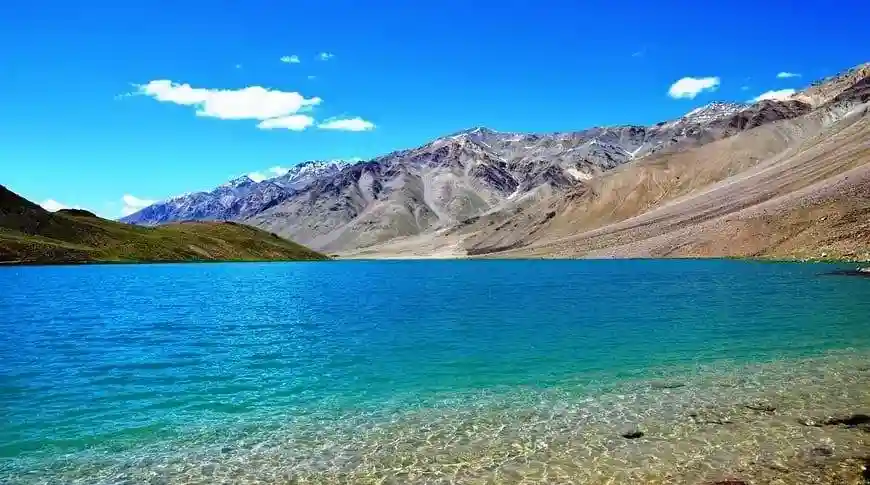
Things to Do in Spiti Valley: Monasteries, Villages & Routes
Discover the top 15 things to do in Spiti Valley including Key Monastery, Chandratal Lake, Pin Valley, ancient villages, and high-altitude adventures. Complete guide with itineraries, costs, and travel tips.
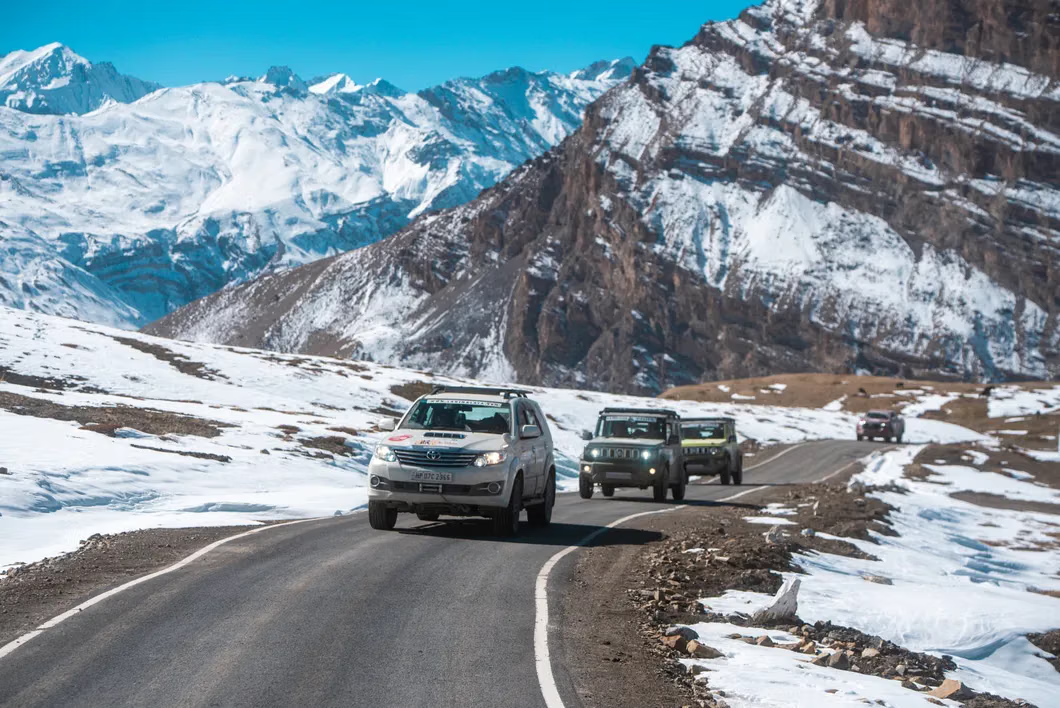
Spiti Valley Road Trip: The Ultimate Guide to Himalayan Adventure
Spiti Valley road trip guide: routes from Shimla/Manali, best time, permits, vehicles, itinerary, accommodation & tips for the ultimate Himalayan adventure.
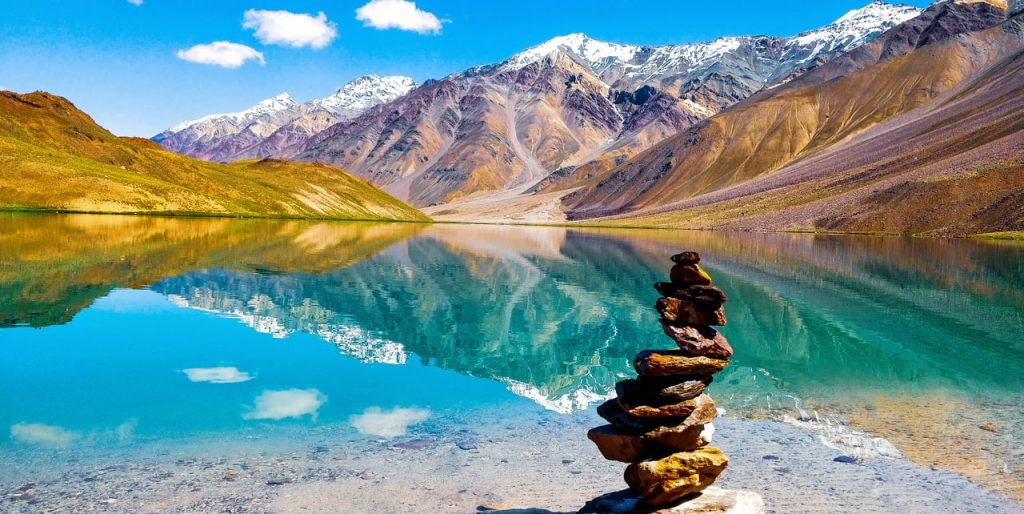
Best Time to Visit Spiti Valley: Road Status, Season & Itinerary Fit
Discover the best time to visit Spiti Valley with season-wise weather, road status windows, and month-by-month planning tips for road trips, treks, and Chandratal.
Never Miss an Adventure
Get the latest trekking guides, travel tips, and exclusive offers delivered straight to your inbox.
