
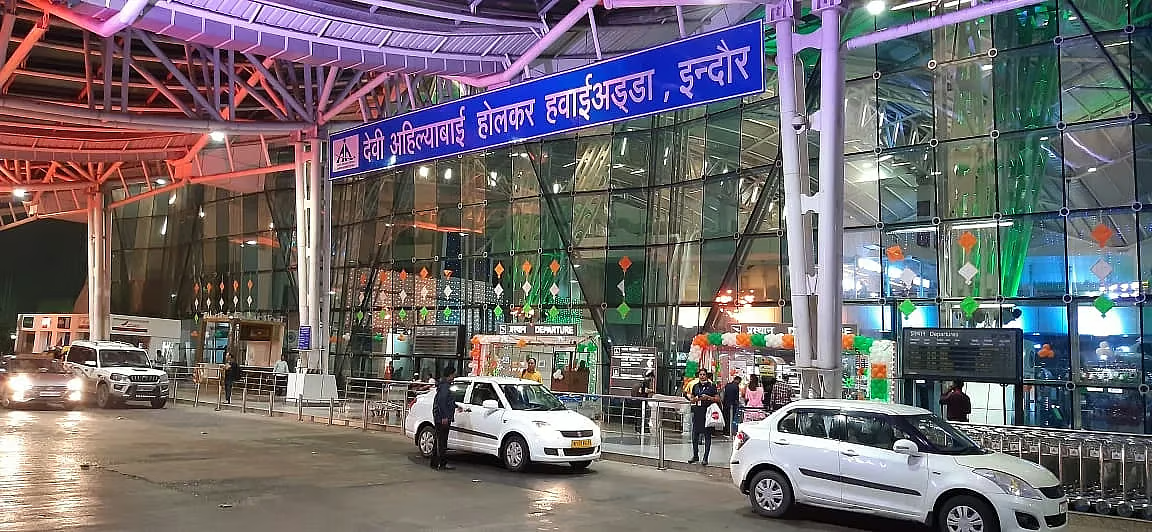
Devi Ahilyabai Holkar Airport Indore: Terminal Info & Transit Tips

Priya Mehta
February 20, 2026
Plan your Devi Ahilyabai Holkar Airport transit with practical arrival/departure workflow, city transfer options, timing buffers, and traveler checklist tips.
Airport Overview and Location Context
Devi Ahilyabai Holkar Airport (IDR) is the main air gateway for Indore and one of central India’s key urban airports. For most travelers, this airport is not just an arrival point; it is the first and last logistics layer of the trip. If airport-city movement is planned poorly, it can affect meetings, hotel check-ins, food plans, and return departures. A practical airport guide should therefore focus less on generic descriptions and more on workflow: arrival, transfer, check-in timing, and peak-hour movement strategy.
The airport serves both local and outstation travelers with frequent domestic connectivity and growing operational pressure during business windows and festive periods. Because flight schedules and terminal operations can shift, the smartest approach is to combine official schedule checks with a conservative travel buffer. This guide gives exactly that: facilities overview, arrival/departure flow, transfer options, budget comparison, and first-time traveler checklists for smooth Indore transit.
Terminal Experience and Facilities
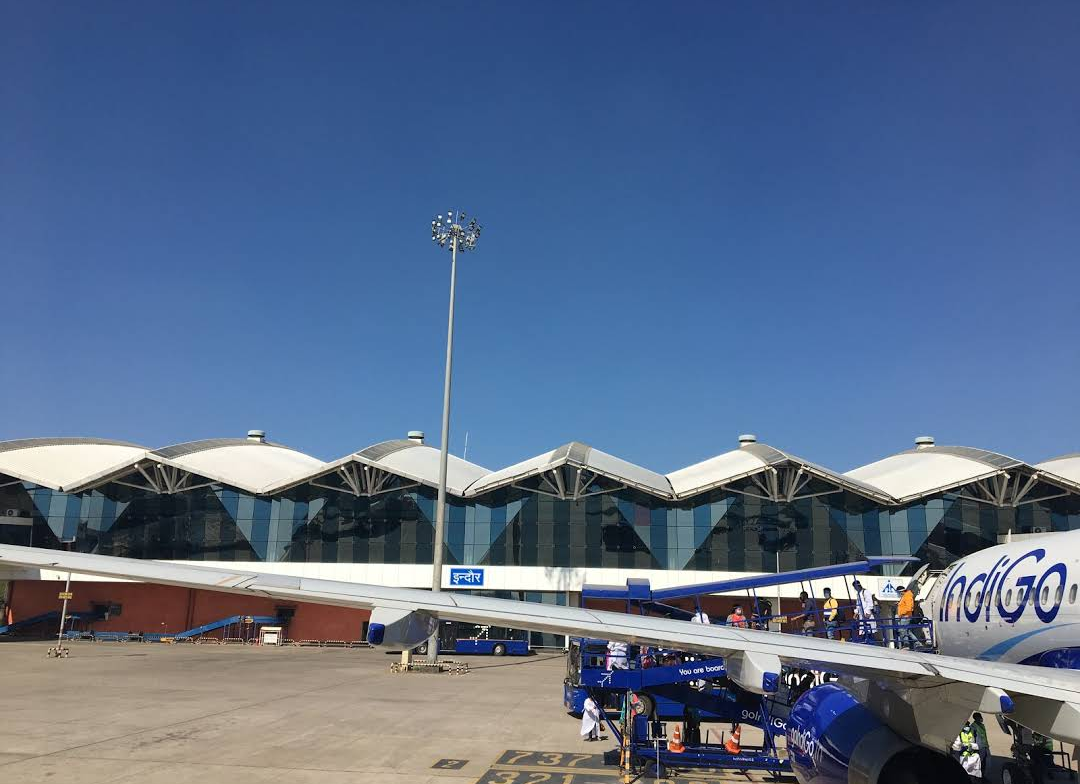
The airport has a single integrated passenger terminal setup, and most travelers can navigate it comfortably with basic wayfinding. Typical amenities include check-in areas, baggage belts, waiting zones, food counters, and transport pickup points outside terminal exits. Service quality indicators and upgrades have improved in recent years, but crowd pressure still varies by time band and route demand.
| Facility Area | What Travelers Typically Get | Practical Tip |
|---|---|---|
| Check-in zone | Airline counters and queue-managed entry | Arrive early in peak morning/evening slots |
| Food and waiting | Basic snacks, seating, and rest zones | Keep a light backup snack for delays |
| Ground transport pickup | Cab, app-cab, and local transfer options | Confirm pickup point before exiting terminal |
Facilities are adequate for normal short waits, but first-time flyers and family travelers should still keep time buffers for security and queue variations.
Arrival Workflow: From Aircraft to City
Arrival efficiency depends on flight time, baggage turnaround, and pickup readiness. Many delays happen not inside the terminal but outside, when travelers book transport after exiting and then wait in crowded pickup zones.
Recommended arrival flow
- Before landing: confirm hotel address and transfer mode.
- After baggage: call driver/app-cab and verify pickup gate/point.
- At exit: avoid long idle standing with heavy luggage; move to designated pickup side quickly.
- For late arrivals: pre-book transfer to reduce uncertainty.
If your trip is short, align arrival with your city plan in advance using places-to-visit-indore so you do not lose prime sightseeing hours in transfer confusion.
Departure Workflow and Check-in Planning
Departure planning should be built backward from boarding time, not departure time. Urban traffic, terminal queues, and security wait can vary, especially during morning business hours, holiday waves, and weather disruptions. A conservative plan is usually better than a tight one.
Practical departure checklist
- Domestic flights: keep a strong arrival buffer before departure.
- Web check-in early and keep digital/printed backup where needed.
- Travel light and organize documents before entering queue zones.
- Finish city-side meals earlier if you want less terminal stress.
If you are combining food trails before departure, use street-food-indore in the previous slot rather than close to airport cutoff windows.
Airport-City Transfer Options Comparison
The right transfer mode depends on arrival time, luggage volume, budget, and group size. Solo travelers often prefer app-cabs; families may do better with pre-booked private transfers for smoother coordination.
| Transfer Mode | Best For | Budget Range (Indicative) |
|---|---|---|
| App-based cabs | Solo/couple with moderate luggage | Low to mid (surge possible) |
| Pre-booked private cab | Families, seniors, late-night arrivals | Mid with higher reliability |
| Local taxi/auto combinations | Short-distance budget transit | Low to mid depending negotiation |
For first-time visitors, pre-booking transfer for late evening or early morning arrivals usually reduces stress significantly.
Travel Timing and Buffer Strategy
Time planning is the single biggest difference between smooth and stressful airport experience. Build a practical buffer for each segment: hotel checkout, city traffic, terminal queue, and security checks. Avoid planning tight transfers after heavy meal stops or shopping-heavy city departures.
- Keep extra margin during festive dates and rain-disrupted days.
- Track airline and airport advisories on travel day.
- For business flights, keep contingency for unexpected urban bottlenecks.
If you are planning a heritage stop before airport return, keep rajwada-palace-indore in an earlier time block, not as a last-minute detour.
Family and Senior Traveler Tips
Family travelers should simplify movement: fewer bags, pre-booked transfer, hydration ready, and restroom/meal breaks before long waits. Senior travelers should avoid compressed check-in windows and keep wheelchair or assistance requests pre-registered where needed through airline channels.
Simple comfort checklist
- Carry medicines, power bank, and light snacks.
- Keep child essentials in easy-access pouch.
- Use one person as group movement coordinator.
- Avoid frequent zone shifts once seated near departure time.
These small steps prevent most avoidable stress in airport transit.
Common Planning Mistakes to Avoid
- Reaching airport based on ideal traffic assumptions only.
- Booking transfer after landing instead of pre-deciding options.
- Keeping zero buffer for baggage and security lines.
- Overpacking and slowing movement in queue-heavy periods.
- Trying to combine last-minute city sightseeing before departure.
Most airport disruptions are planning errors, not airport failures. A checklist-driven approach solves most of them.

Final Takeaway
If your itinerary has a free evening before departure, a short visit to chappan-dukan-in-indore for a quick food walk fits well into an earlier time block rather than a rushed pre-flight detour. Devi Ahilyabai Holkar Airport works smoothly for most travelers when arrival and departure are planned with realistic buffers and clear transfer choices. Keep your workflow simple: pre-decide transport, track flight updates, arrive early in peak bands, and avoid last-minute city detours. With this practical approach, both first-time and frequent travelers can manage Indore airport transit with less stress and better trip control.
Location
Frequently Asked Questions
Q1.How far is Devi Ahilyabai Holkar Airport from central Indore?
Q2.What are the best transfer options from the airport to city areas?
Q3.How early should travelers reach the airport before departure?
Q4.Are food and waiting facilities adequate at the airport?
Q5.Is the airport suitable for family travelers with kids?
Q6.What is the typical transfer budget from airport to city?
Q7.Are app-based cabs easily available from the airport?
Q8.What common airport planning mistakes should be avoided?
Recommended For You

Chappan Dukan Indore: Best Food Stalls, Timings & What to Try
Plan Chappan Dukan Indore with must-try dishes, timings, route tips, and budget guidance for a smooth and satisfying street-food experience.

Gandhi Hall Indore: History, Architecture & Visitor Timings
Discover Gandhi Hall in Indore, a magnificent Indo-Gothic structure built in 1904. Originally King Edward Hall, this heritage landmark features an iconic clock tower and hosts cultural events.

Geeta Bhawan Indore: Aarti Timings, Events & Visitor Details
Plan your Geeta Bhawan in Indore visit with timings, aarti guidance, route options, spiritual context, and nearby attractions for a smooth devotional experience.
Never Miss an Adventure
Get the latest trekking guides, travel tips, and exclusive offers delivered straight to your inbox.
