
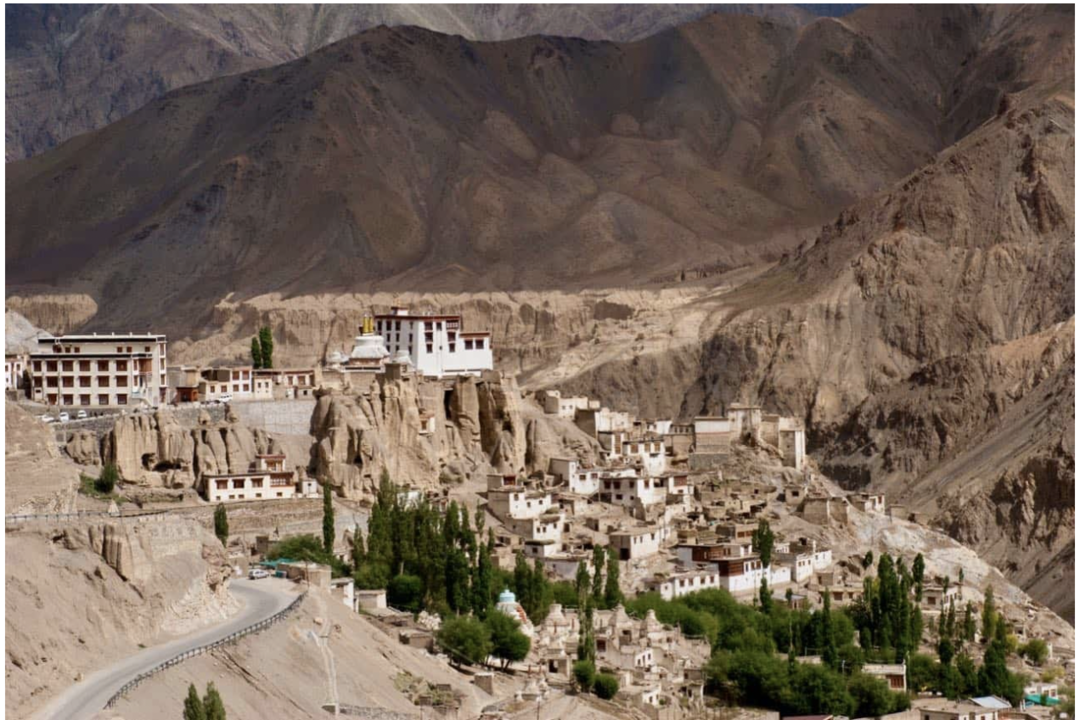
Dha Village Ladakh: Brogpa Culture, Stay Options & Route Plan

Neha Kapoor
February 20, 2026
Explore Dha Village Ladakh with Brogpa culture insights, route planning from Leh, best season, homestay expectations, and responsible travel tips.
Introduction: Why Dha Village Is One of Ladakh's Most Distinct Places
Dha Village Ladakh, often discussed with Hanu and nearby Brokpa settlements, is one of the most culturally unique destinations in the Leh-Ladakh region. Unlike the monastery-focused circuits around central Leh, Dha introduces travelers to a different social and cultural landscape shaped by the Brogpa (also written Drokpa/Brok-pa) community, orchard-based livelihoods, and village life in the Aryan Valley belt. For many visitors, this is less about ticking a viewpoint and more about understanding living culture with sensitivity.
The area is popularly known through narratives around the "Aryan Valley," traditional floral headgear, and distinct language and customs. At the same time, it is important to visit respectfully and avoid sensational assumptions about identity. A meaningful trip here focuses on local interaction, village etiquette, and slow travel rather than staged photography. This guide covers what Dha Village is known for, the Dha-Hanu circuit, how to reach from Leh, stay options, best time to visit, and practical tips for responsible travel. For broader planning, combine this with Aryan Valley Ladakh, Leh Ladakh bike trip guide, and best time to visit Ladakh.
Where Is Dha Village in Ladakh?
Dha is located in western Ladakh and is usually accessed by road from Leh through the Khaltse side. Public tourism references commonly place the distance around the broader 160 km range from Leh, though exact driving distance varies by route point and halt pattern.
Approximate Route Direction
- Leh to Khaltse corridor on the Srinagar-Leh axis.
- Diversion toward Brokpa/Aryan Valley villages including Dha and Hanu belt.
- Trip can be done as a long day excursion, but an overnight stay offers better cultural depth.
Because road condition and military-zone traffic controls can change, always keep schedule buffer instead of strict hour-by-hour planning.
Who Are the Brogpa People?
The Brogpa community of Dha-Hanu is widely recognized for distinct cultural practices, language traditions, attire, and social customs that differ from mainstream Ladakhi patterns. Tourism narratives often use the term "Aryan" for this region, but responsible travel writing should avoid reducing people to genetics-based stereotypes. What matters on ground is living culture, community dignity, and context-aware engagement.
Cultural Markers Often Noted by Visitors
- Traditional headgear with floral elements and ornaments.
- Distinct local language (Brokskat context in the region).
- Agriculture and orchard-oriented village livelihoods.
- Mixed religious-cultural influences across generations.
Travelers should ask for permission before portraits and avoid intrusive questioning about physical features or ancestry claims.
Dha Village Culture and Traditions: What You Can Observe Respectfully
Dha is best experienced through quiet observation and guided interaction. Village walks, local meal experiences, orchard cycles, and festival-season activity reveal far more than rushed photo stops.
Everyday Life Elements
- Stone and mud-based traditional homes with practical mountain design.
- Seasonal fruit and crop cycles, especially apricot-linked livelihood patterns.
- Community-based social rhythms that are different from commercial tourist hubs.
- Handmade attire, jewelry elements, and ritual dressing traditions.
Festival and Ritual Windows
Seasonal events and local celebrations can offer deeper cultural experience, but access and participation are community-sensitive. If you are traveling during a festival period, follow host-family guidance and avoid treating rituals as performances for visitors.
Things to Do in Dha Village Ladakh
Dha is not a checklist destination with dozens of commercial activities. Its value comes from meaningful, low-speed experiences.
1. Village Walks with Local Context
Walk through the settlement with a local host or guide to understand architecture, agriculture, and daily routine.
2. Cultural Interaction Through Homestays
Staying with a local family gives better understanding of food habits, language use, and local etiquette than a same-day return trip.
3. Orchard and Landscape Observation
In warmer months, fruit cultivation and greenery create a very different visual mood compared to drier parts of Ladakh.
4. Slow Photography (With Consent)
The region is visually striking, but consent-first photography is essential, especially for portraits and ritual settings.
5. Combine Dha with Hanu/Garkone Circuit
A multi-village loop gives better regional context than visiting only one stop.
| Activity | Best For | Time Needed |
|---|---|---|
| Village walk | Culture-focused travelers | 1-2 hours |
| Homestay interaction | Slow travel and immersion | Overnight |
| Orchard/landscape observation | Photography and nature | 1 hour+ |
| Dha-Hanu circuit drive | Regional understanding | Half to full day |
Dha-Hanu Circuit and Nearby Villages
Dha is often planned together with Hanu and, depending on time, nearby Brokpa villages such as Garkone and adjacent stretches toward Batalik side corridors. Not all travelers cover the entire belt in one day, and that is usually better for experience quality.
Suggested Circuit Logic
- Day trip model: Leh to Dha-Hanu and return (long day, less depth).
- Immersive model: Leh to Dha/Hanu overnight, next day onward extension or return.
- Extended model: combine with western Ladakh or Kargil-bound plans if route and permissions align.
Choose the model based on acclimatization status, road conditions, and your tolerance for long mountain drive hours.
How to Reach Dha Village from Leh
Road travel is the primary mode. Most visitors use private taxi, self-drive, or packaged route plans from Leh.
By Private Taxi
The most straightforward option for comfort and time control. Best for families, photographers with equipment, and short-duration travelers.
By Self-Drive or Bike
Possible for experienced mountain drivers/riders with proper route preparation. Keep fuel, weather, and road-condition margins.
By Shared Transport
Public/shared options are limited and less predictable for this circuit. Suitable only if your schedule is highly flexible.
| Mode | Convenience | Who It Suits |
|---|---|---|
| Private taxi | High | Most travelers and families |
| Self-drive/bike | Medium | Experienced road trippers |
| Shared/public mix | Low to medium | Backpackers with flexible timeline |
Permits and Documentation
Permit rules in Ladakh have changed over time and can differ by nationality and route sensitivity. Before visiting Dha-Hanu, verify the latest requirement through local administration channels or your Leh-based operator. Carry identity documents and multiple copies where needed.
Best Time to Visit Dha Village Ladakh
The most practical travel window is during the broader summer and early autumn period when roads are more accessible and village life is active for visitors.
Season Snapshot
- May to September: most common and comfortable period for Dha-Hanu circuit.
- July-August: greener surroundings and orchard activity in many stretches.
- Late season (September): clear weather periods with comparatively lower rush than peak tourist weeks.
- Deep winter: harsher conditions and more complex logistics.
Always track weather and road advisories before departure from Leh.
Accommodation in Dha Village: Homestays and What to Expect
Homestays are the most authentic way to stay in Dha-Hanu villages. Facilities are usually basic compared with Leh hotels, but the cultural value is much higher.
Typical Homestay Experience
- Simple rooms and practical bedding.
- Shared or basic washroom facilities in many properties.
- Local meals with seasonal ingredients.
- Host-family interaction and village context.
Booking Tips
- Confirm availability from Leh in advance during peak season.
- Discuss meal inclusion clearly before arrival.
- Carry essentials: warm layers, personal medicine, power backup, cash.
If comfort expectations are very high, consider a mixed plan: one immersive night in village + remaining nights in better-equipped town stays.
Responsible Travel Guidelines for Dha and Hanu
Cultural destinations need care. The Brogpa region is not an open-air museum; it is a living community space.
- Ask before taking close-up photos of people.
- Avoid exoticizing language and sensitive personal questions.
- Dress modestly and behave respectfully in village and ritual areas.
- Support local economy through homestays and local purchases where possible.
- Minimize plastic waste and carry back non-biodegradable litter.
Respect-first travel creates better interactions and helps preserve the integrity of the place.
Sample 2-Day Itinerary from Leh
| Day | Plan | Reason |
|---|---|---|
| Day 1 | Leh to Dha-Hanu village belt, cultural walk, homestay check-in | Allows immersive evening interaction |
| Day 2 | Morning village time, nearby circuit extension, return to Leh | Reduces rushed same-day return fatigue |
If you are short on time, a day trip is possible, but overnight stays are generally more rewarding.
Practical Budget and Connectivity Notes
Dha-Hanu travel cost depends mostly on transport model and stay choice. A private taxi from Leh is usually the biggest expense, while self-drive can reduce cost if you are already traveling with your own vehicle. Homestays are generally budget-friendly compared to premium Leh hotels, but comfort is basic and cash planning is important. Mobile connectivity can be inconsistent across stretches, and digital payments may not work everywhere, so keep essential cash and offline maps ready before leaving Leh.
If you are combining Dha with Lamayuru or Kargil-side movement, keep fuel and food stops planned in advance instead of assuming easy availability in every village. Mountain travel time can extend because of road work, weather shifts, or checkpoint delays, so avoid overpacked schedules.
Conclusion
Dha Village Ladakh is one of the most meaningful offbeat experiences in the region when approached with patience and cultural respect. The real value lies in community interaction, slow movement, and understanding living traditions in the Aryan Valley belt rather than just collecting dramatic photos.
Plan with route buffer, realistic stay expectations, and consent-first conduct. With that approach, Dha-Hanu can become one of the most memorable parts of your Ladakh journey. Continue planning with culture of Ladakh, permits for Ladakh road trip, and Lamayuru Moonland Ladakh.
Location
Frequently Asked Questions
Q1.Where is Dha Village located in Ladakh?
Q2.What is special about Dha Village?
Q3.How far is Dha Village from Leh?
Q4.How can I reach Dha Village from Leh?
Q5.Do I need permits for visiting Dha-Hanu?
Q6.What is the best time to visit Dha Village?
Q7.Are there homestays in Dha Village?
Q8.How many days are enough for Dha-Hanu circuit?
Recommended For You
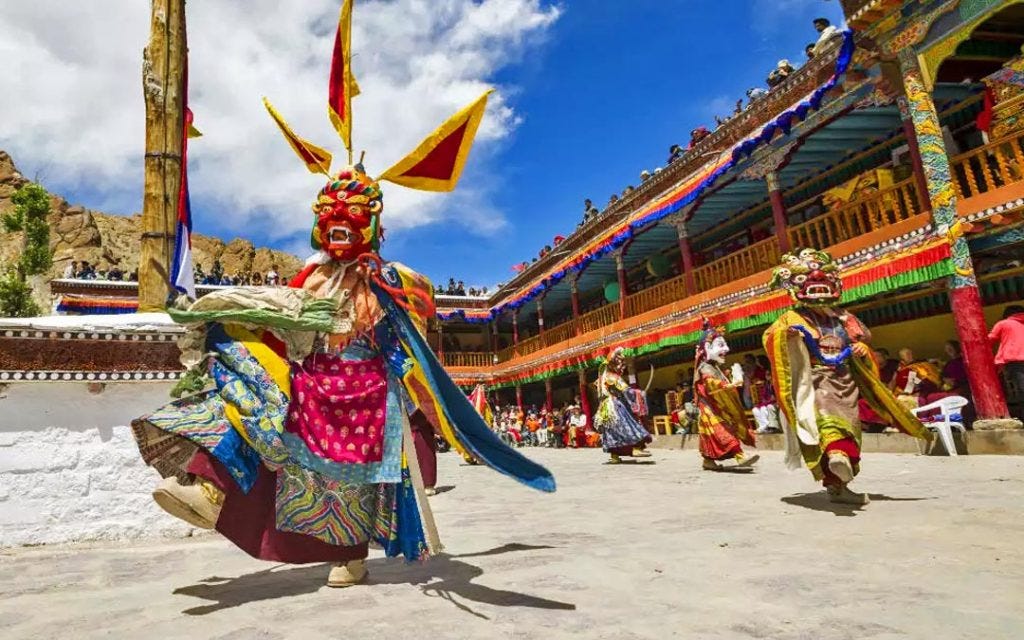
Culture of Ladakh: Traditions, Faith, and Living Heritage
Discover the culture of Ladakh through Buddhist traditions, festivals, monasteries, cuisine, crafts, social customs, and respectful travel practices.
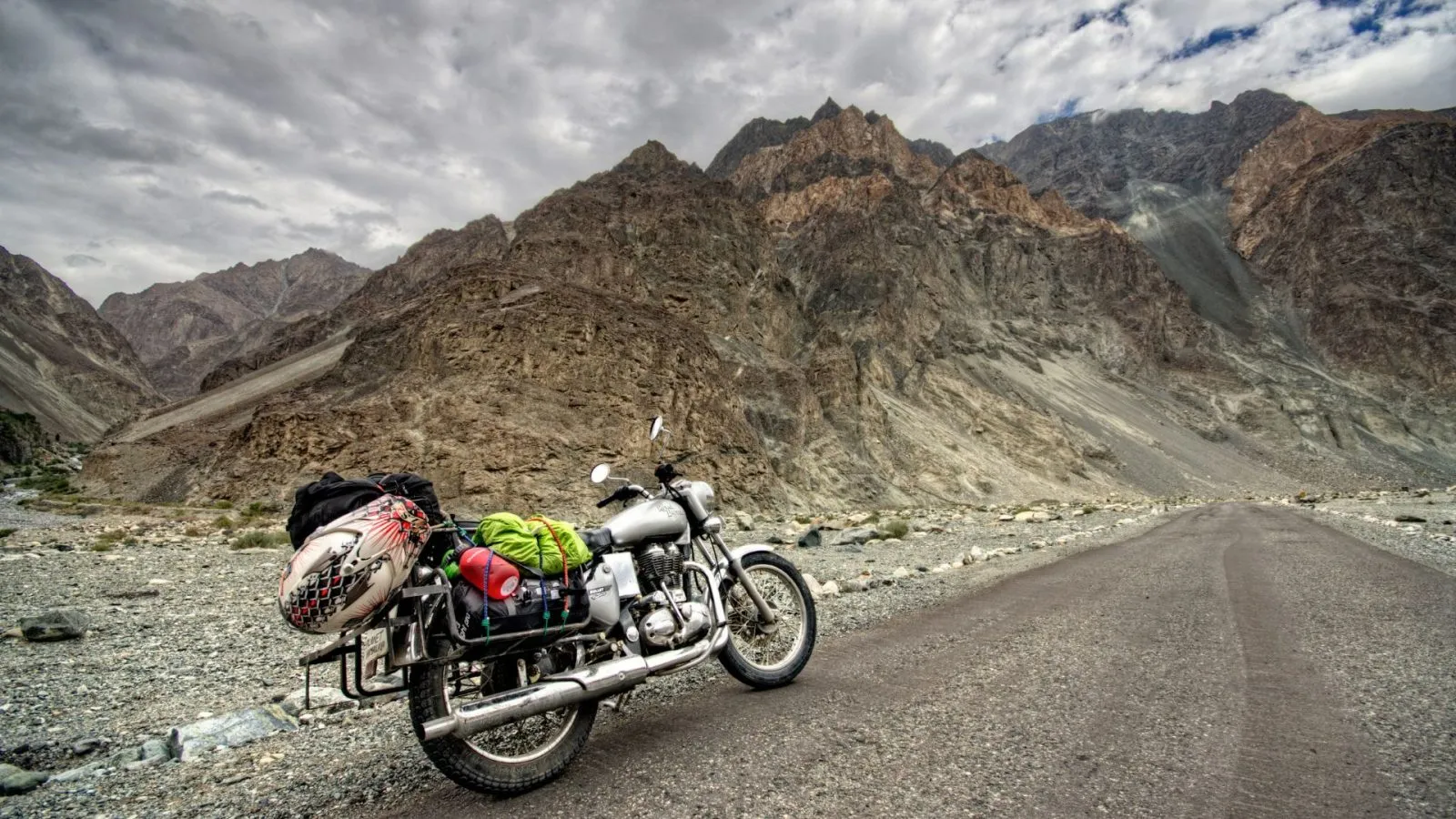
Ladakh Road Trip Permits: Complete Guide (Online Apply)
Ladakh road trip permits guide covering online application, documents, route-wise access, fee components, and practical checkpoint rules.
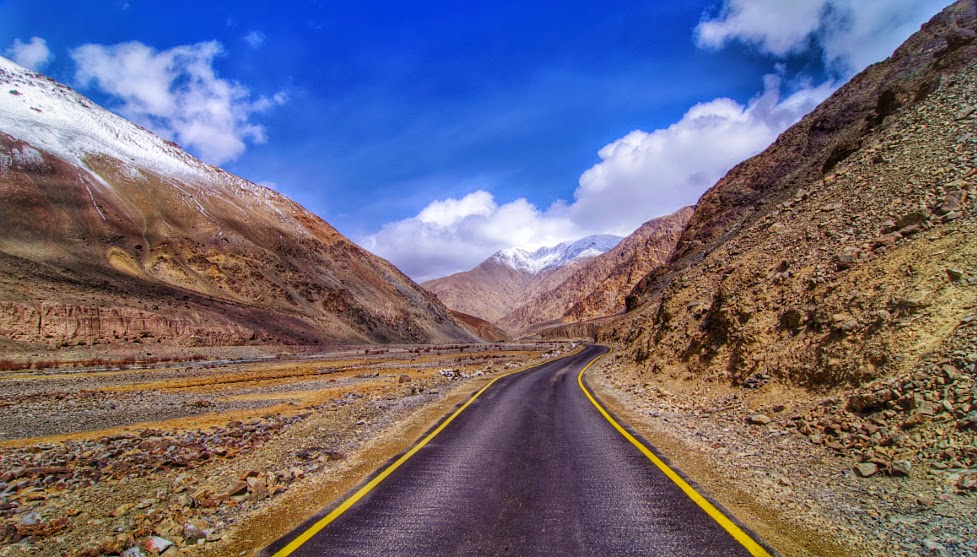
Best Time to Visit Ladakh: Season, Road Openings & Temperature
Find the best time to visit Ladakh with season-wise weather, road opening windows, monthly travel insights, and practical tips for road trips, trekking, and Chadar plans.
Never Miss an Adventure
Get the latest trekking guides, travel tips, and exclusive offers delivered straight to your inbox.
