
Langshiang Falls Meghalaya: Trek Route & Tall Waterfall Views

Neha Kapoor
January 22, 2026
Discover Langshiang Falls, one of Meghalaya's highest waterfalls. Complete trekking guide from Shillong to West Khasi Hills with route details, best season, photography tips, and practical travel information.
Introduction
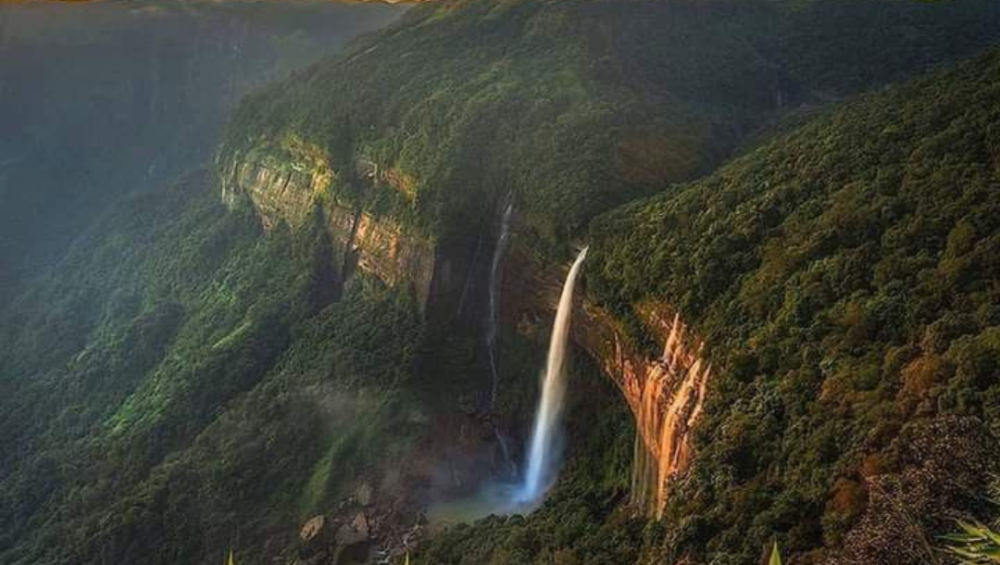
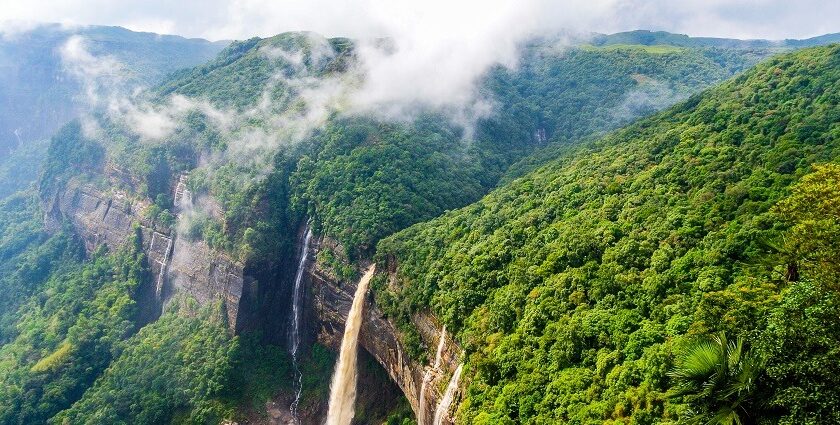
Hidden deep within the remote West Khasi Hills of Meghalaya lies Langshiang Falls, one of India's most spectacular yet least explored natural wonders. Often overshadowed by more accessible waterfalls in Cherrapunji, this majestic cascade rewards intrepid travelers with awe-inspiring views and a genuine sense of discovery. As one of the highest waterfalls in Meghalaya, Langshiang represents the raw, untamed beauty that makes India's northeast so special for adventure seekers.
What sets Langshiang Falls apart is its dramatic setting and the journey required to reach it. Unlike easily accessible viewpoints that characterize most tourist attractions, reaching Langshiang involves traversing through pristine Khasi villages, rolling hills, and dense forests. The falls plunge approximately 1,100 feet into a deep gorge, creating a thundering spectacle that echoes through the surrounding valleys. During monsoon season, the waterfall transforms into a powerful torrent, while the dry months reveal the impressive cliff face and create perfect conditions for photography.
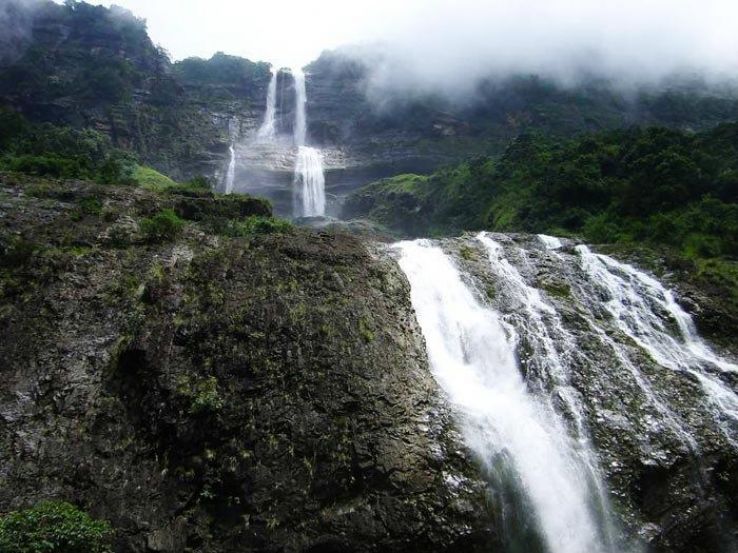
For travelers seeking experiences beyond crowded tourist spots, Langshiang Falls offers the perfect blend of adventure, natural beauty, and cultural immersion. The region around Nongstoin town remains relatively unexplored, providing opportunities to witness traditional Khasi life and landscapes untouched by mass tourism. Whether you're a serious trekker, photography enthusiast, or simply someone who appreciates nature's grandeur, Langshiang Falls deserves a place on your Meghalaya itinerary.
About Langshiang Falls
Langshiang Falls is recognized as one of the highest waterfalls in India, with a total height of approximately 1,100 feet (335 meters). The waterfall is formed by the Kynshi River, which originates in the central Khasi Hills and flows through spectacular landscapes before creating this dramatic cascade. What makes Langshiang particularly impressive is that the water falls in a single continuous plunge, unlike many waterfalls that cascade in multiple stages.
The falls are located near the village of Sangriang, approximately 8-10 kilometers from Nongstoin town, the headquarters of the West Khasi Hills district. The remote location means fewer tourists venture here compared to more accessible waterfalls, making Langshiang perfect for travelers seeking solitude and authentic experiences. The surrounding area consists of rolling hills, deep gorges, and dense forests characteristic of Meghalaya's unique landscape.
Geological Significance
The waterfall flows over sandstone and limestone formations typical of the Meghalaya plateau. Over millions of years, the Kynshi River has carved a deep gorge through these rock layers, creating the impressive cliff face that the waterfall cascades over. The constant flow of water has also formed natural pools at the base, though these are difficult to access and require expert local guidance.
The region around Langshiang Falls forms part of the Khasi Hills ecosystem, known for its rich biodiversity. The forests surrounding the waterfall are home to numerous species of orchids, ferns, and medicinal plants that the Khasi people have used for centuries. The area also supports diverse birdlife, making it interesting for birdwatchers who visit during the early morning hours.
Cultural Importance
For the local Khasi communities, Langshiang Falls holds more than just scenic value. The waterfall and surrounding forests are integral to their traditional way of life. Local legends speak of spirits inhabiting the falls, and the area was historically considered sacred. Even today, local guides perform small rituals before leading visitors to certain viewpoints, showing respect for these beliefs.
The villages near Langshiang Falls, including Sangriang and others in the West Khasi Hills, have maintained traditional Khasi customs and practices. Visiting these communities offers insights into matrilineal Khasi society, agricultural practices adapted to the hilly terrain, and the intimate relationship between the Khasi people and their natural environment.
The Trek Experience
The journey to Langshiang Falls is as rewarding as the destination itself. Unlike developed tourist attractions with paved pathways and railings, reaching Langshiang involves a genuine trek through varied terrain. The experience ranges from moderate to challenging depending on your chosen route and fitness level, but the effort is unquestionably worth it.
Trek Route Options
Route 1: Via Sangriang Village (Most Popular)
This is the most commonly used route and offers the best balance between accessibility and scenic beauty. The trek begins at Sangriang village, approximately 8 kilometers from Nongstoin. From the village, follow the trail that descends gradually toward the Kynshi River gorge. The path passes through agricultural fields where local farmers grow potatoes, maize, and seasonal vegetables.
After approximately 45 minutes to an hour of walking, you'll reach the first viewpoint, which offers partial views of the waterfall. Continue along the trail for another 20-30 minutes to reach the main viewpoint, which provides spectacular full views of Langshiang Falls plunging into the gorge. The total trekking time is approximately 1.5-2 hours each way, depending on your pace and how long you spend at viewpoints.
Route 2: Via Mawthadraishan Peak (For Experienced Trekkers)
For adventure enthusiasts seeking a more challenging experience, this route combines the trek to Langshiang Falls with a climb to Mawthadraishan, one of the highest peaks in Meghalaya. The trail begins from Rangthong village and involves a steep ascent through dense forests before reaching the peak. From Mawthadraishan, you get panoramic views of the surrounding hills and can see Langshiang Falls in the distance.
This route requires 4-5 hours of strenuous trekking each way and should only be attempted with an experienced local guide. The trail can be slippery and is not well-marked in places. However, the sense of achievement and the views from both the peak and the waterfall make this route memorable for serious trekkers.
Trek Difficulty and Preparation
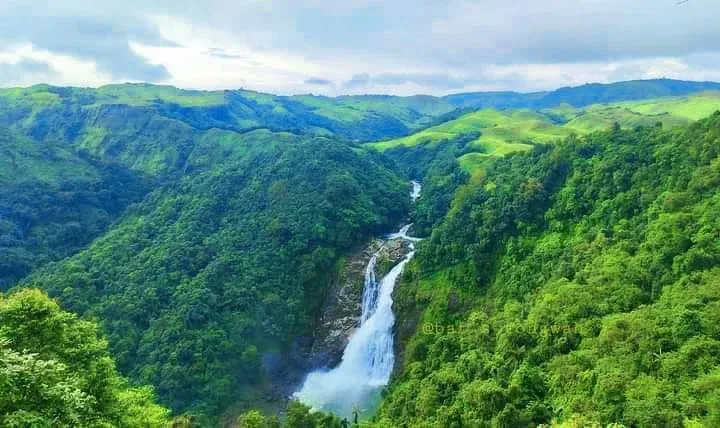
The trek to Langshiang Falls is rated as moderate in terms of difficulty. The trail involves some steep sections, particularly near viewpoints where you descend toward the gorge. Good physical fitness is recommended, and you should be comfortable walking for 3-4 hours in hilly terrain. The path can be muddy and slippery during monsoon season, making trekking more challenging.
Essential Trekking Gear:
- Sturdy trekking shoes with good grip (essential for muddy sections)
- Lightweight rain jacket or poncho (sudden rain is common)
- Waterproof bag cover to protect electronics and clothes
- At least 2 liters of drinking water (no shops along the trail)
- Energy snacks like nuts, chocolates, or local fruit
- Basic first aid kit with band-aids and antiseptic
- Camera with zoom lens for waterfall photography
Guide Requirements
While it's possible to find the main viewpoint without a guide, hiring one is highly recommended for several reasons. Local guides know the best photography spots, can explain the cultural and geological significance of the area, and most importantly, ensure safety on sections of the trail that pass close to steep drops. Guides also know alternative routes and can adjust the trek based on weather conditions and your fitness level.
Guide fees typically range from ₹800-1,200 per day depending on the route chosen and group size. You can arrange guides through your accommodation in Nongstoin or by contacting local tour operators in advance. Most guides speak Khasi and basic English, and some are fluent in Hindi as well.
Best Time to Visit
Choosing the right time to visit Langshiang Falls significantly impacts your experience, as weather conditions affect both the waterfall's appearance and trail accessibility. The waterfall transforms dramatically through seasons, each offering unique photographic opportunities and trekking conditions.
Post-Monsoon (October to November) - Peak Season
This period offers the best combination of water volume and manageable trail conditions. The waterfall is at its most spectacular, fed by monsoon rains, while the surrounding landscape is lush and vibrantly green. Skies are generally clear, providing perfect lighting for photography. The trails have dried out from monsoon mud but still require careful footing.
October and November see comfortable daytime temperatures (15-20°C) and cool evenings. This is also when cultural festivals are celebrated in the region, offering opportunities to experience local traditions alongside nature exploration. Plan to book accommodation in advance if visiting during October, as this is peak tourist season for Meghalaya. For more detailed weather patterns, check our guide on the best time to visit Meghalaya.
Winter (December to February) - Clear Views
Winter brings crystal-clear skies and excellent visibility, making it ideal for landscape photography. The waterfall has less water compared to post-monsoon months, but this reveals more of the cliff face and creates different photographic compositions. Winter temperatures can drop to 5-10°C at night, so carry warm clothing if staying overnight.
The trails are at their driest and most manageable in winter, making this season suitable for trekkers who prefer easier walking conditions. However, some sections of trail can become slippery due to morning dew on rocks. Early morning starts are recommended to reach viewpoints before mist builds up in the valleys.
Pre-Monsoon (March to May) - Moderate Flow
These months see increasing water flow as temperatures rise and occasional pre-monsoon showers begin. The waterfall is impressive without being overwhelmingly powerful, and the surrounding forests start flowering, adding color to photographs. Temperatures are pleasant (20-25°C during day), though humidity starts increasing toward May.
This is a good time for birdwatching, as many species are active during the breeding season. The trails are generally in good condition, though occasional showers can make sections muddy. March and April are excellent for combining waterfall visits with other places to visit in Meghalaya, as the weather is generally reliable across the state.
Monsoon (June to September) - Spectacular but Challenging
Monsoon is when Langshiang Falls reaches its most powerful and dramatic. The Kynshi River swells with rainwater, creating a thundering cascade that produces immense mist and spray. Photographs taken during monsoon are incredibly dramatic, with rainbows often visible in the waterfall's mist. The surrounding forests are at their lushest, and waterfalls throughout the region are at peak flow.
However, monsoon trekking is only recommended for experienced adventurers. Trails become extremely muddy and slippery, landslides can block access routes, and visibility can be poor during heavy rain. You should check weather forecasts before attempting the trek, have flexible plans, and carry proper rain gear. Some years, heavy rainfall makes access impossible for extended periods. For waterfalls enthusiasts, our guide to scenic waterfalls in Meghalaya compares various waterfall experiences during monsoon.
| Season | Waterfall Condition | Trekking Difficulty | Best For |
|---|---|---|---|
| Oct-Nov | Maximum flow, spectacular | Moderate (some mud) | Photography, nature lovers |
| Dec-Feb | Moderate flow, clear views | Easy (dry trails) | Trekking beginners, families |
| Mar-May | Good flow, green surroundings | Easy to moderate | Birdwatching, cultural visits |
| Jun-Sep | Peak power, dramatic | Difficult (dangerous) | Adventure seekers only |
How to Reach
Reaching Langshiang Falls requires planning, as the location is in a remote part of Meghalaya with limited public transportation. The journey typically involves reaching Shillong first, then traveling to Nongstoin, and finally proceeding to the waterfall. Here's a detailed breakdown of travel options:
Step 1: Reaching Shillong
By Air: The nearest airport is Shillong Airport (Umroi Airport), located approximately 30 kilometers from the city center. However, this airport has limited connectivity with flights from Kolkata and Guwahati only. Most travelers find it more convenient to fly into Guwahati's Lokpriya Gopinath Bordoloi International Airport, which has excellent connections to major Indian cities including Delhi, Mumbai, Bangalore, and Kolkata.
From Guwahati to Shillong: Regular buses and shared taxis operate between Guwahati and Shillong throughout the day. The journey takes approximately 3-4 hours by road, covering a distance of about 100 kilometers. Private taxis can also be hired for approximately ₹3,000-4,000. The route is scenic, passing through the beautiful Umiam Lake area, where you might want to stop for photographs.
Step 2: Shillong to Nongstoin
Nongstoin, the headquarters of West Khasi Hills district, serves as the base for visiting Langshiang Falls. The journey from Shillong to Nongstoin covers approximately 92 kilometers and takes 3-4 hours by road, depending on road conditions and weather.
By Shared Taxi: Shared taxis to Nongstoin are available from Shillong's taxi stand (located near Police Bazaar). These typically leave early morning (6-7 AM) when they fill up with passengers. The fare is approximately ₹400-500 per person. Shared taxis are economical but can be crowded and may not follow a strict schedule.
By Private Taxi: Hiring a private taxi gives you flexibility regarding departure time and allows stops for photography and meals. Expect to pay ₹4,000-5,000 for the one-way journey. Most taxi drivers know the route well but may not be familiar with the exact location of Langshiang Falls, so having coordinates or guide contact information is helpful.
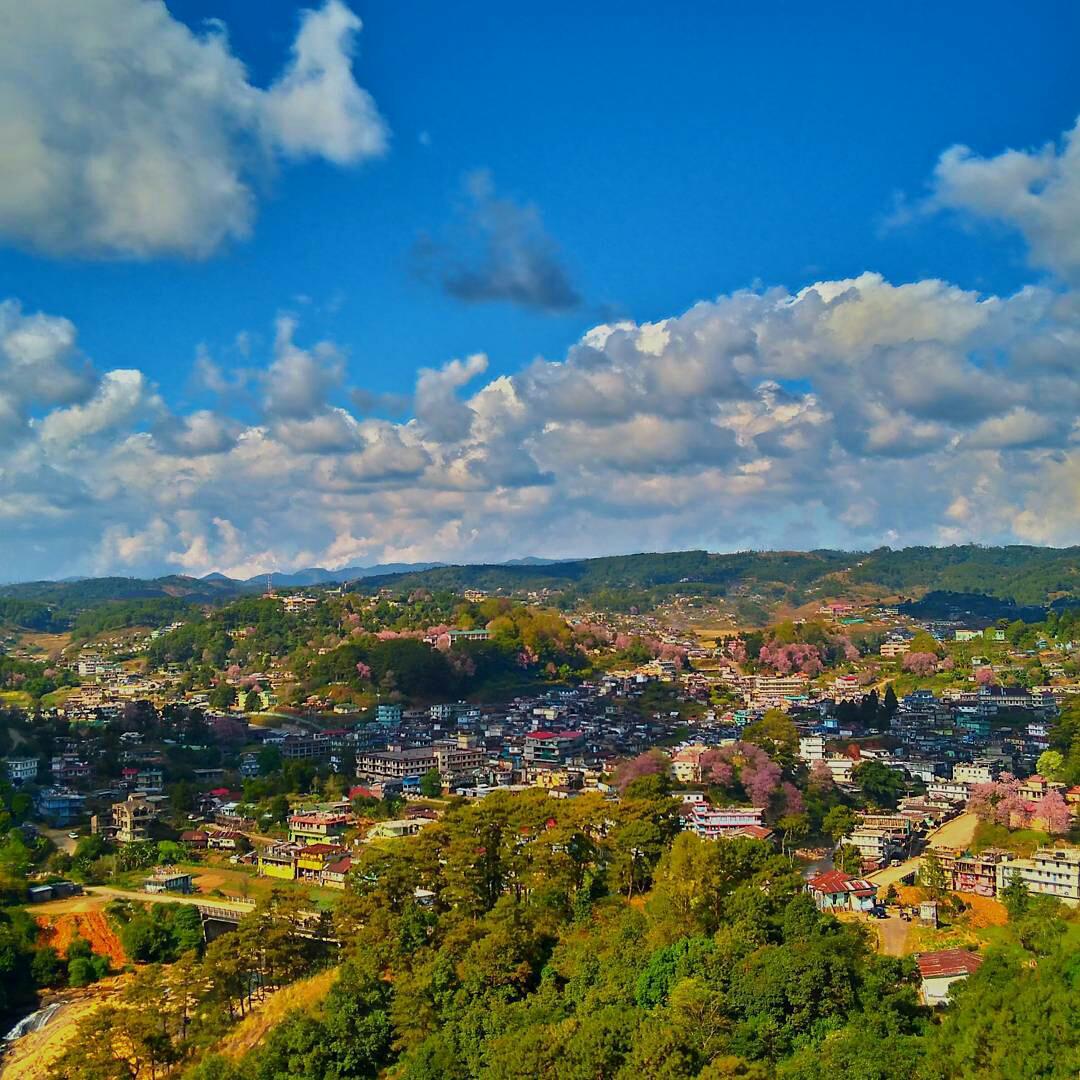
By Bus: State-run buses connect Shillong and Nongstoin, but these are less frequent than shared taxis and may not run daily. Bus fare is economical (approximately ₹200-300), but the journey takes longer due to multiple stops. Buses are a good option if you're on a tight budget and have flexible schedules.
Step 3: Nongstoin to Langshiang Falls
From Nongstoin town, Langshiang Falls is approximately 8-10 kilometers away. The final stretch typically requires a local taxi or arranged transportation, as public transport doesn't reach the trailhead.
Local Taxi: Small local taxis (similar to Sumos or Boleros) can be hired in Nongstoin for the journey to Sangriang village or the trek starting point. Negotiate prices beforehand, as there are no fixed rates. Expect to pay ₹800-1,200 for a round trip, including waiting time while you trek.
Arrange Through Hotel: Most accommodations in Nongstoin can arrange transportation to Langshiang Falls. This is often more reliable than trying to find taxis independently, especially during peak tourist seasons. Hotel staff can also help arrange guides and provide updated information about trail conditions.
Complete Journey Summary
| Leg | Distance | Time | Cost Range |
|---|---|---|---|
| Guwahati to Shillong | 100 km | 3-4 hours | ₹500-4,000 |
| Shillong to Nongstoin | 92 km | 3-4 hours | ₹200-5,000 |
| Nongstoin to Falls | 8-10 km | 30-45 min | ₹800-1,200 |
| Total from Shillong | 100 km | 4-5 hours | ₹1,000-6,200 |
Travel Tips
Start Early: Begin your journey from Shillong as early as possible (preferably by 7 AM) to allow enough time for the trek and return journey. The last shared taxis from Nongstoin to Shillong typically leave by 2-3 PM.
Road Conditions: Roads in West Khasi Hills are generally narrower and less developed than main highways. During monsoon, landslides can cause temporary closures. Check current road conditions before starting your journey, especially during June-September.
Fuel Up: Fuel stations are limited after leaving Shillong. Fill up your tank in Shillong if traveling by private vehicle. If using hired transport, ensure the driver refuels in Shillong.
Carry Cash: ATMs are available in Nongstoin but may not always be functional. Carry sufficient cash for the entire trip, including smaller denominations for local purchases and tips.
Network Connectivity: Mobile network connectivity is limited in the West Khasi Hills. Jio and Airtel have the best coverage, but expect no signal in sections of the trek and near the waterfall. Download offline maps and carry important contact information written down.
Photography Tips and Viewpoints
Langshiang Falls offers incredible photographic opportunities for photographers willing to make the journey. The waterfall's remote location means you're likely to have viewpoints to yourself, allowing time to experiment with different compositions without crowds. Here are detailed tips for capturing this spectacular waterfall:
Best Viewpoints
Primary Viewpoint (Sangriang Village)
This is the main viewpoint most accessible to visitors and offers unobstructed views of the complete waterfall. The viewpoint is positioned on the opposite side of the gorge from the falls, providing a classic front-on composition. Arrive here in the morning (9-11 AM) for the most even lighting on the waterfall. Afternoon sun can create strong contrast between lit and shadow areas, making exposure challenging.
Lower Viewpoint (River Level)
For adventurous photographers willing to scramble down steep terrain, the lower viewpoint near the Kynshi River provides a unique perspective looking up at the falls. This angle emphasizes the waterfall's immense height and power. The path to this viewpoint is dangerous and should only be attempted with an experienced local guide. Spray from the falls is heavy here, so waterproof camera protection is essential.
Mawthadraishan Ridge Viewpoint
If you're taking the challenging route via Mawthadraishan Peak, you'll get elevated views of Langshiang Falls from a distance. This perspective shows the waterfall in context with the surrounding landscape, making it excellent for wide-angle landscape shots. The ridge also offers opportunities to photograph multiple waterfalls in the Kynshi River system on clear days.
Camera Equipment Recommendations
Lenses: A telephoto zoom lens (70-200mm or equivalent) is ideal for compressing the scene and capturing details of the waterfall. A wide-angle lens (16-35mm) is useful for environmental shots showing the waterfall within its surroundings. Consider bringing a telephoto converter (1.4x or 2x) if you want to capture close-ups of specific sections of the falls.
Filters: A circular polarizer is essential for reducing glare on wet rocks and vegetation, and for intensifying colors in the surrounding forest. Neutral density filters (ND 8-16) allow longer exposures even in daylight, creating that silky water effect that makes waterfall photographs look dreamy. A graduated ND filter helps balance exposure between the bright sky and darker foreground if including sky in your composition.
Tripod: A sturdy tripod is non-negotiable for waterfall photography. Long exposures required to blur water motion (typically 1/4 second to several seconds) are impossible without camera stabilization. Choose a tripod that's stable on uneven terrain and can handle some weight if you're using heavier lenses. Consider one with spikes for better grip on muddy or rocky surfaces.
Protection: The area around Langshiang Falls is constantly damp from waterfall mist and frequent rain. Use a rain cover for your camera and lens. Pack silica gel packets in your camera bag to absorb moisture. Microfiber clothes are essential for constantly wiping water droplets from your lens and filter. Consider waterproof housing or a rain sleeve if visiting during monsoon.
Photography Techniques
Long Exposures: Set your camera to a low ISO (100-200) and narrow aperture (f/11-f/22) to enable slow shutter speeds. Experiment with exposure times between 0.5 seconds to 4 seconds for that classic silky water effect. Longer exposures (10-30 seconds) create extremely smooth water but may result in blown-out highlights in bright conditions, which is where ND filters become necessary.
Composition: Use foreground elements like rocks, ferns, or tree branches to create depth in your images. The rule of thirds works well for positioning the waterfall within the frame. Try vertical compositions to emphasize the waterfall's height, and horizontal ones to show its context within the landscape. Include people in some shots to convey the massive scale of the falls.
Timing: Overcast days are actually ideal for waterfall photography, as soft even light prevents harsh shadows and highlights. Bright sunny days create high contrast that's challenging to expose properly. Early morning and late afternoon generally provide the most flattering light. If shooting in bright sun, try to find angles where the waterfall is fully lit or fully in shadow, avoiding mixed lighting conditions.
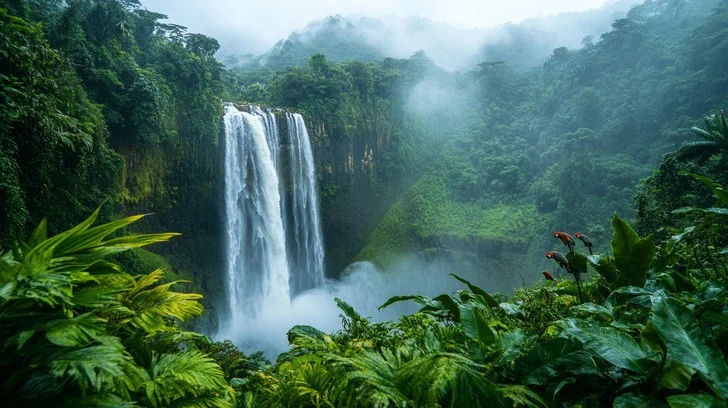
Black and White: Don't limit yourself to color photographs. The textures and shapes of Langshiang Falls often translate beautifully to black and white. Focus on contrast between the white water, dark rocks, and varied tones of the forest. This is particularly effective on heavily overcast days or when the waterfall lacks dramatic color in its surroundings.
Drone Photography
Drone photography offers a completely different perspective of Langshiang Falls and can capture views impossible to see from ground level. However, drone usage requires careful consideration:
Permissions: Check current drone regulations for Meghalaya before bringing your drone. Some areas require permits, particularly near border regions. Local authorities may have restrictions, so ask at your accommodation or at the Nongstoin tourist office.
Challenges: The area around Langshiang Falls can be windy, making drone flying challenging. The constant mist and humidity can affect drone electronics and camera lenses. Limited network connectivity means you may not have GPS lock or return-to-home functionality.
Opportunities: Aerial views can show the complete course of the Kynshi River and position Langshiang Falls within the broader landscape. This perspective reveals how the river carves through the hills and creates opportunities for unique abstract compositions of the waterfall and gorge.
Nearby Attractions
While Langshiang Falls is undoubtedly the highlight of the West Khasi Hills, the surrounding region offers several other attractions worth exploring if you have additional time. Combining these with your waterfall visit creates a more comprehensive experience of this fascinating region.
Mawthadraishan Peak
One of the highest peaks in Meghalaya, Mawthadraishan stands at approximately 1,920 meters above sea level. The peak offers panoramic 360-degree views of the surrounding hills, valleys, and even distant plains of Bangladesh on exceptionally clear days. The trek to the summit is challenging but rewarding, taking approximately 3-4 hours each way from the base village.
The area around Mawthadraishan is ecologically significant, containing pristine subtropical forests with diverse flora and fauna. During spring, the hillsides bloom with rhododendrons and wild orchids, creating colorful landscapes. The peak is also culturally important to the Khasi people, with several sacred groves and traditional prayer sites in the area. Arrange this trek through Nongstoin, as guides are recommended due to the complex trail system.
Nongkhnum River Island
Often described as Asia's second-largest river island (after Majuli in Assam), Nongkhnum Island is formed by the branching of the Kynshi River. The island offers a completely different landscape from the hilly terrain surrounding Langshiang Falls, with flat grasslands, sandy riverbanks, and serene waterways.
The island is accessible by a suspension bridge that connects it to the mainland. It's an excellent spot for camping, with the sound of the river creating a natural lullaby. The sandy beaches along the river are perfect for relaxing after waterfall trekking. The best time to visit is winter and early summer when water levels are lower and more of the island is accessible. Local fishermen can sometimes be persuaded to take visitors on boat rides around the island's perimeter.
Wei Sawdong Waterfall
While not as tall as Langshiang, Wei Sawdong is often considered one of Meghalaya's most beautiful waterfalls due to its unique three-tiered formation. Each tier creates a pool, with the water cascading from one to the next in a series of picturesque drops. The waterfall is surrounded by dense forest, creating an almost magical atmosphere.
Wei Sawdong requires a separate trek from a different starting point, so plan this as a half-day excursion from Nongstoin. The trail is moderately challenging but shorter than the Langshiang Falls trek. The turquoise pools at the base are incredibly photogenic, making this a favorite among landscape photographers. Swimming is possible in the lower pools but should be done with extreme caution due to currents and cold water temperatures.
Kyllang Rock
This massive granite dome stands prominently near Shillong and is often visited on the return journey from Nongstoin. The rock is considered sacred by the Khasi people and features interesting rock formations and caves. A climb to the top takes about an hour and rewards with views of the surrounding hills.
Kyllang Rock is particularly interesting for geology enthusiasts due to its unique dome shape and the variety of plants growing on its seemingly bare surface. The rock is surrounded by rhododendron forests, which are spectacular when in bloom (March-April). This makes a convenient stop if you're breaking your return journey to Shillong.
Nongstoin Town and Market
Spend some time exploring Nongstoin itself, which offers insights into Khasi hill town life. The town market is particularly interesting, with local vendors selling traditional Khasi textiles, handicrafts, and fresh produce grown in the surrounding hills. This is a good place to purchase local honey, which is famous in Meghalaya for its medicinal properties.
The town has several small restaurants serving Khasi cuisine. Try local specialties like Jadoh (rice and meat dish), Dohneiiong (pork with black sesame), and various preparations of local river fish. Eating in Nongstoin supports the local economy and gives you a break from hotel food. The town also has a few churches with interesting architecture, reflecting the region's Christian heritage alongside traditional Khasi beliefs.
Suggested Itinerary Extensions
Two-Day West Khasi Hills Tour: Day 1 - Reach Nongstoin from Shillong, visit Kyllang Rock en route, explore Nongstoin town, overnight stay. Day 2 - Morning trek to Langshiang Falls, afternoon visit to Wei Sawdong if time permits, return to Shillong by evening.
Three-Day Comprehensive Tour: Follow the two-day itinerary and add Day 3 - Trek to Mawthadraishan Peak in the morning, visit Nongkhnum Island in the afternoon, return to Nongstoin for second night, depart for Shillong early Day 4. This itinerary covers all major attractions in West Khasi Hills.
Combine with Cherrapunji: After exploring West Khasi Hills, continue from Nongstoin to Cherrapunji via Mawkyrwat (approximately 3-4 hours). This creates an excellent cross-Meghalaya circuit covering waterfalls in both regions. Many travelers do Shillong to Nongstoin (Langshiang Falls) to Cherrapunji, then back to Shillong, experiencing the diversity of Meghalaya's landscapes.
Accommodation Options
Accommodation in Nongstoin is basic compared to more developed tourist destinations in Meghalaya. Options range from simple guesthouses to government circuit houses. Most accommodations offer clean rooms with basic amenities, but don't expect luxury facilities.
Guesthouses and Hotels
Nongstoin has a handful of small hotels and guesthouses catering primarily to government officials and business travelers. These are simple but functional, offering attached bathrooms and sometimes hot water (which may be bucket showers). Expect to pay ₹800-1,500 per night for a double room during peak season.
Some popular options include the Hotel Rangthong and various local guesthouses near the market area. Booking in advance is recommended, especially during October-November when tourist numbers are highest. Most guesthouses don't have online booking systems, so you may need to call directly or ask your travel agent to make reservations.
Government Circuit Houses
The government circuit house and inspection bungalow in Nongstoin are available for travelers with advance booking, particularly those with government recommendations. These accommodations are typically well-maintained and located in scenic spots. Rooms can be booked through the District Commissioner's office in Nongstoin or sometimes through the Meghalaya Tourism Department.
Homestays
A few families in villages around Nongstoin offer homestay experiences, providing an opportunity to experience traditional Khasi hospitality. Homestays usually include home-cooked Khasi meals and can arrange village tours and cultural experiences. These are basic but authentic, and your money goes directly to local communities.
Ask for homestay options at the Nongstoin tourist office or through local contacts. Note that not all homestays are officially registered, so quality can vary. Some travelers find the most authentic experiences by simply asking around in villages, though this requires some adventurousness and willingness to communicate despite potential language barriers.
Practical Travel Tips
Packing Essentials
- Waterproof jacket and pants - Rain is possible year-round
- Quick-dry clothing - Humidity keeps everything damp
- Good trekking shoes - Essential for muddy trails
- Insect repellent - Forest areas have mosquitoes
- Sunscreen and hat - High altitude means stronger UV
- Power bank - Electricity can be unreliable
- Flashlight/headlamp - Power cuts are common
- Basic medications - Pharmacy options are limited
Responsible Tourism Practices
The West Khasi Hills remain relatively untouched by mass tourism, and visitors have a responsibility to keep it that way. Practice Leave No Trace principles by carrying out all trash, including organic waste. Don't pick plants or flowers, and avoid disturbing wildlife. Ask permission before photographing people or their property.
Support the local economy by hiring local guides, eating in local restaurants, and purchasing handicrafts directly from artisans. Consider making a small donation at village schools or community centers if you've had a positive experience. These gestures go a long way in maintaining good relationships between visitors and host communities.
Safety Considerations
The trek to Langshiang Falls involves walking near steep drops, so stay on marked trails and follow your guide's instructions. Never venture too close to cliff edges for photographs, as rocks can be slippery and unstable. During monsoon, be particularly cautious of leeches in forest sections and slippery rocks on the trail.
Carry a basic first aid kit and ensure you have emergency contact numbers. Mobile networks may not work in all areas, so have a plan for emergencies. Inform someone at your accommodation about your trekking plans and expected return time. If trekking independently (not recommended), carry a whistle and basic survival gear.
Conclusion
Langshiang Falls represents everything that makes Meghalaya special: dramatic landscapes, rich culture, and opportunities for genuine adventure. While reaching this remote waterfall requires more effort than visiting developed tourist attractions, the reward is an experience that feels authentic and uncommercialized. The thunder of water cascading into the gorge, the mist rising through the forest, and the vast emptiness of the surrounding hills create memories that last long after you've returned home.
Whether you're a serious trekker, dedicated photographer, or simply someone who appreciates nature at its most powerful, Langshiang Falls delivers an experience that justifies every kilometer of travel. As more travelers discover Meghalaya's wonders, places like Langshiang offer the opportunity to see the region before it becomes mainstream. Visit soon, visit responsibly, and carry home stories from one of India's most spectacular hidden waterfalls.
Location
Frequently Asked Questions
Q1.Where is Langshiang Falls located?
Q2.How far is Langshiang Falls from Shillong?
Q3.What is the height of Langshiang Falls?
Q4.Is the trek to Langshiang Falls difficult?
Q5.How long does the Langshiang Falls trek take?
Q6.Is a guide required for Langshiang Falls trek?
Q7.What is the best time to visit Langshiang Falls?
Q8.Can we visit Langshiang Falls during monsoon?
Recommended For You
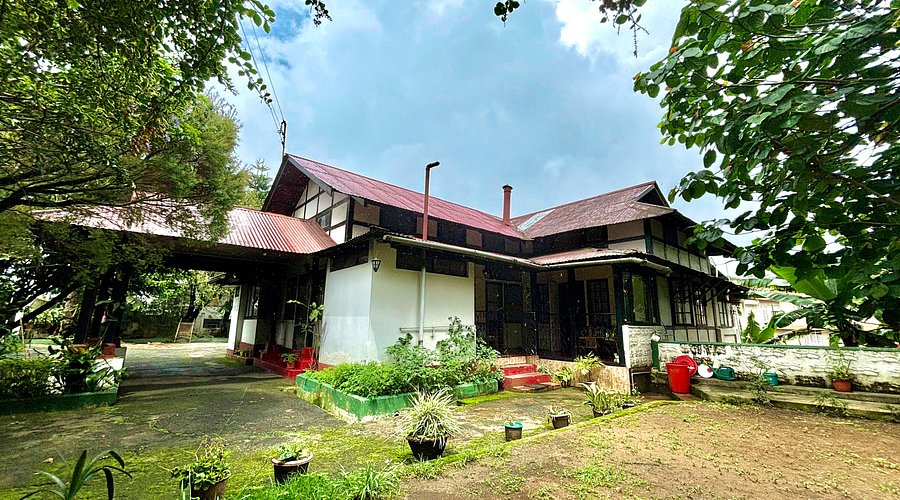
12 Best Homestays in Shillong: Areas, Views & Budget Options
Find the best homestays in Shillong with area-wise options, budget ranges, booking tips, and practical guidance for families, couples, and long-stay travelers.
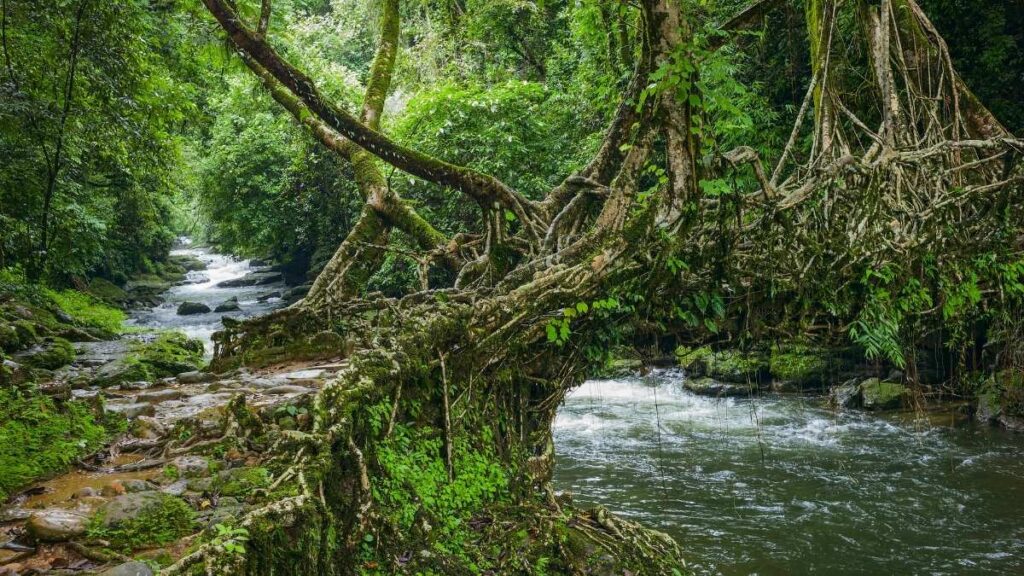
Living Root Bridges Meghalaya: Trek Routes, Villages & Local Tips
Discover Meghalaya's incredible living root bridges - nature's bioengineering marvel grown by the Khasi tribes. Complete trekking guide to the Double Decker Root Bridge in Nongriat, best time to visit, how to reach, difficulty level, and photography tips.
Waterfalls in Cherrapunji: 10 Best Falls with Route Details
Discover the best waterfalls in Cherrapunji including Nohkalikai, Seven Sisters, Wei Sawdong, and Dainthlen with practical route planning and season tips.
Never Miss an Adventure
Get the latest trekking guides, travel tips, and exclusive offers delivered straight to your inbox.
