
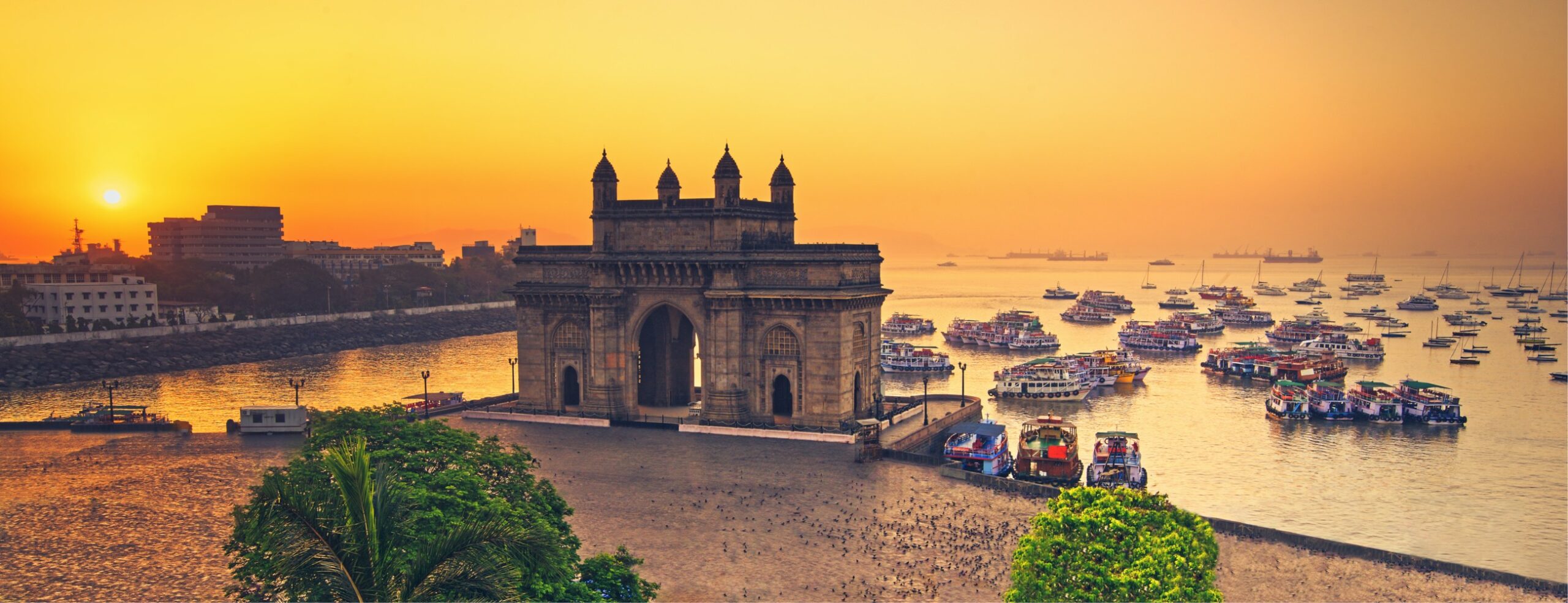
Mumbai: Complete Travel Plan Places And Weather
Rohit Verma
February 20, 2026
Complete Mumbai travel guide featuring Gateway of India, Marine Drive, Elephanta Caves, Bollywood, best time to visit & practical tips.
Introduction to Mumbai
Mumbai, India's financial capital and most populous city, is a mesmerizing metropolis that captures the essence of modern India while preserving its colonial heritage and traditional spirit. Formerly known as Bombay, this coastal megacity of over 20 million people is a city of dreams, opportunity, and incredible diversity. Mumbai is where India's biggest financial institutions, the headquarters of major corporations, the world's largest film industry (Bollywood), and some of the country's most iconic landmarks coexist with sprawling neighborhoods and communities representing every religion, region, and language in India.
What makes Mumbai truly special is its unique energy - a fast-paced, ambitious, never-sleeping vibe that's both exhilarating and overwhelming. The city is built on what was originally an archipelago of seven islands, which were merged through land reclamation over centuries. Today, Mumbai is a peninsula jutting into the Arabian Sea, with a stunning coastline that shapes its character and provides some of its most beautiful spots. From the iconic Gateway of India overlooking the harbor to the stunning Marine Drive promenade along the coast, Mumbai's relationship with the sea defines much of its identity.
Mumbai is a city of fascinating contrasts. Here, Asia's largest slum (Dharavi) exists just kilometers away from Antilia, one of the world's most expensive private residences. Colonial-era buildings stand alongside gleaming glass skyscrapers. Traditional fishing villages coexist with luxury high-rises. The city has India's most expensive real estate markets and yet provides opportunities for millions who arrive with nothing but dreams. These contradictions are not bugs but features of Mumbai - they're what make the city so complex, fascinating, and uniquely Indian.
The city's history is equally fascinating. Originally a fishing community, the islands came under Portuguese control in the 16th century before being given as dowry to the British when Catherine of Braganza married King Charles II in 1661. The British developed Bombay as a major trading port, and it grew to become India's most important city under colonial rule. The city was renamed Mumbai in 1995, deriving from Mumbadevi, the patron goddess of the native Koli fishing community. Today, Mumbai continues to be India's commercial and entertainment capital, drawing people from across the country and the world who come to seek their fortune in this maximum city.
Best Time to Visit Mumbai
Mumbai has a tropical climate with three distinct seasons, and choosing when to visit significantly impacts your experience. Unlike many Indian cities, Mumbai's weather is moderated by the Arabian Sea, preventing the extreme temperatures seen in North Indian cities.
November to February is the ideal time to visit Mumbai, offering pleasant weather that's perfect for exploring the city. During these winter months, daytime temperatures range from 25°C to 32°C, with cool sea breezes making it comfortable. Humidity is relatively low, and rainfall is rare. This is peak tourist season, so the city is bustling with visitors, hotels are at their highest rates, and popular attractions can be crowded. However, the weather is ideal for outdoor activities, sightseeing, and walking tours. December and January are particularly pleasant, with several cultural events and festivals happening during this period.
The winter season is perfect for exploring Mumbai's outdoor attractions - walking through South Mumbai's heritage precincts, enjoying the promenades along Marine Drive and Bandstand, visiting Elephanta Caves, and taking ferry rides. The evenings are cool and ideal for Mumbai's famous street food scene. This is also the best time for Mumbai's vibrant cultural calendar, with numerous music festivals, art exhibitions, and literary events. Book accommodations well in advance if visiting during December-January, as this is the peak season for both tourism and business travel.
March to May brings summer to Mumbai, with temperatures rising to 35°C-40°C and high humidity making it feel even hotter. The weather can be uncomfortable for outdoor activities during the day, though sea breezes provide some relief, especially in coastal areas. This is off-season for tourism, so you'll find better hotel rates and fewer crowds at attractions. If visiting during summer, schedule outdoor activities for early morning or evening, spend the hottest hours indoors in museums, malls, or air-conditioned spaces, and stay hydrated. The city's coastal location means summer in Mumbai, while hot, is not as extreme as in interior Indian cities.
June to September is Mumbai's monsoon season, which is unique and dramatic. The city receives torrential rainfall, with July often being the wettest month. The monsoon transforms Mumbai - streets flood, trains get delayed, and the city comes to a standstill during heavy downpours. However, there's also a certain magic to Mumbai in the monsoon - the city turns lush green, the sea is dramatic with crashing waves at Marine Drive, and there's a romantic appeal to watching the rain from a cozy cafe. This is the off-season with very few tourists and excellent hotel rates. The Ganesh Chaturthi festival (August-September) is particularly special during the monsoon. If you're visiting during monsoon, pack waterproof shoes, a good umbrella or raincoat, and be prepared for travel disruptions. Many travelers find Mumbai in the monsoon to be an atmospheric, authentic experience that reveals a different side of the city.
October is the post-monsoon period when the rains have receded, the city is green, and humidity starts decreasing. This can be a great time to visit as the weather is improving, crowds are thinner than peak winter season, and hotel rates are more reasonable. The days are warm but not unbearable, and evenings are pleasant. October sees the end of the monsoon and the beginning of the festival season, with Navratri and Diwali typically falling during this period, making Mumbai vibrant with celebrations.
Top Attractions in Mumbai
Gateway of India
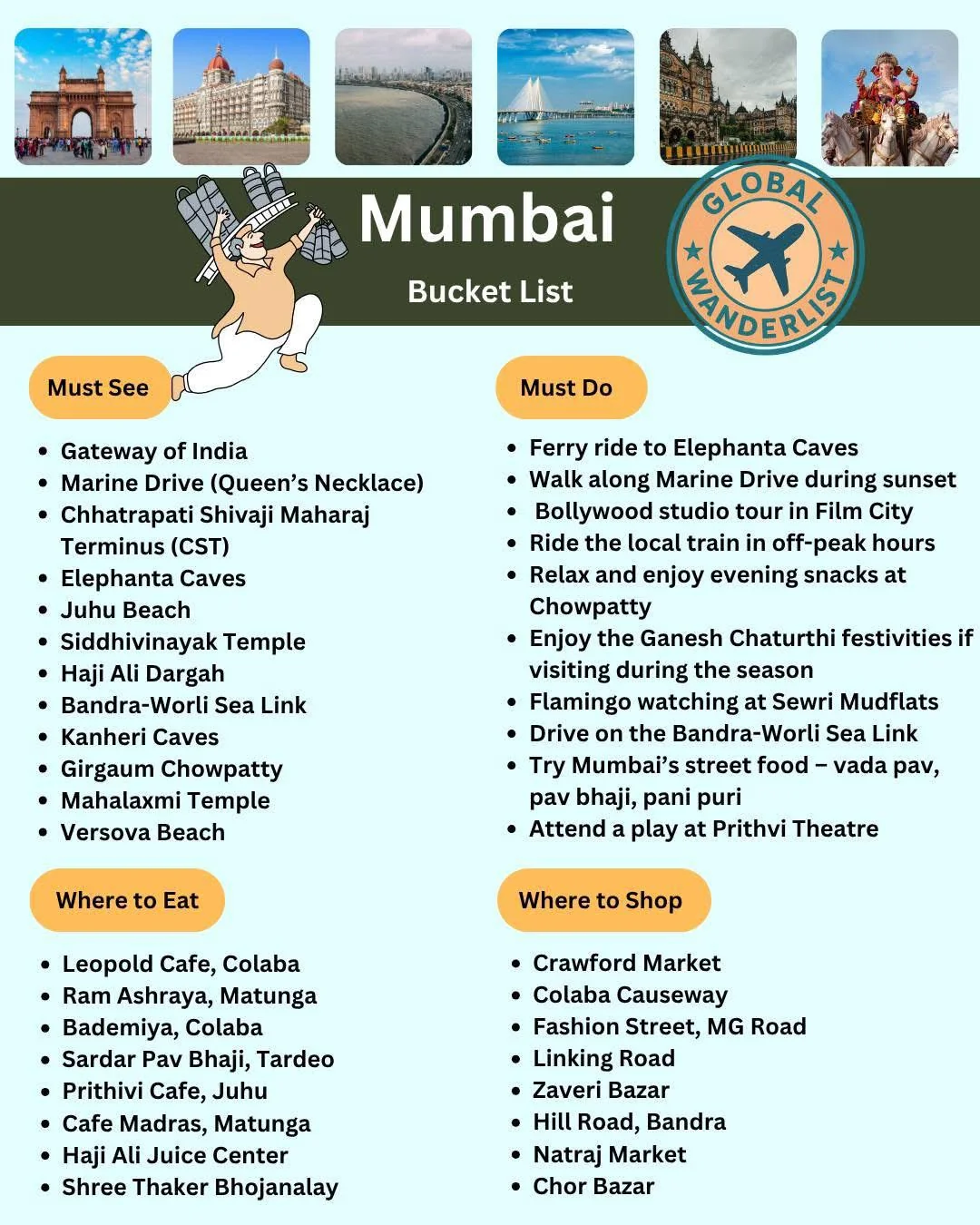
The Gateway of India is Mumbai's most iconic landmark and a symbol of the city's rich history. This imposing 26-meter tall arch was built in 1924 to commemorate the visit of King George V and Queen Mary to Mumbai in 1911. Interestingly, the gateway was completed nearly 13 years after the royal visit it was meant to honor. The architecture combines Hindu and Muslim styles, with the arch derived from Muslim architecture and the decorations from Hindu styles, creating a uniquely Indo-Saracenic design that represented the British Empire's vision of syncretic rule.
The Gateway stands at the waterfront in Apollo Bunder, overlooking the Arabian Sea. Historically, this was the first sight that visitors arriving by boat would see of Mumbai, and it served as the symbolic entrance to India. For more Mumbai attractions, check out our guide to places to visit in Mumbai. Ironically, it was also through this gateway that the last British troops left India in 1948, marking the end of British colonial rule. Today, the Gateway is a popular gathering spot for locals and tourists, with vendors selling snacks and souvenirs, photographers offering to take your picture, and boats offering rides to Elephanta Island.
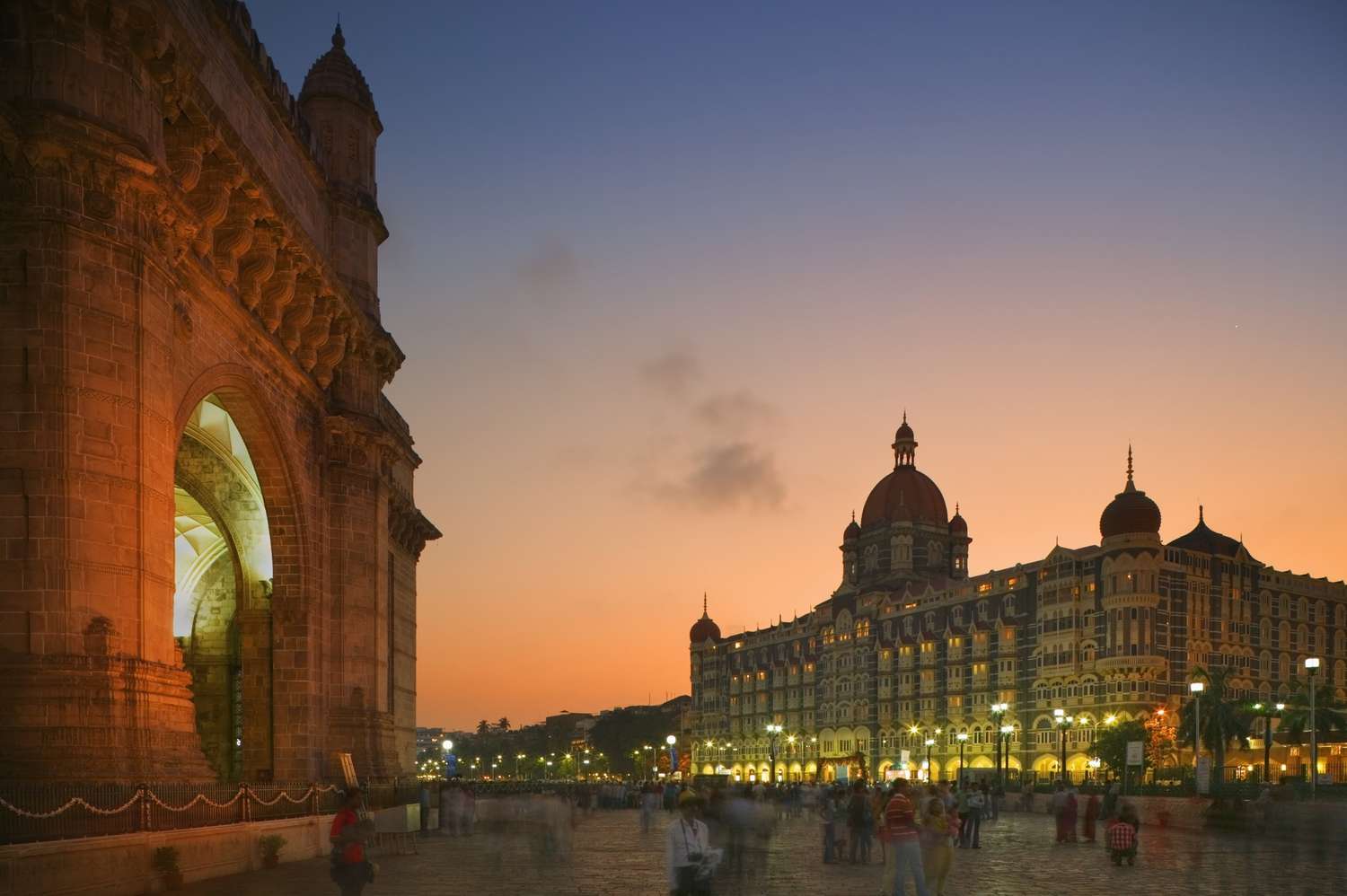
The area around the Gateway is always buzzing with activity. The Taj Mahal Palace Hotel, Mumbai's most famous hotel, stands right next to the Gateway - a stunning example of colonial architecture that has hosted numerous celebrities, heads of state, and royalty over its century-long history. From the Gateway, you can take ferry rides to Elephanta Island ( UNESCO World Heritage Site with ancient cave temples) or just enjoy the harbor views. The Gateway is particularly beautiful at sunset when the arch is bathed in golden light. It's also spectacularly illuminated at night. The area can get very crowded, especially on weekends and holidays, so visit early morning or late afternoon for a more pleasant experience.
Marine Drive
Marine Drive, often called the Queen's Necklace, is Mumbai's most beloved promenade and one of its most beautiful spots. This 3.6-kilometer curved boulevard along the coast in South Mumbai connects Nariman Point (India's premier business district) to Babulnath and Malabar Hill. The promenade is lined with palm trees and Art Deco buildings, creating a stunning backdrop against the Arabian Sea. The name 'Queen's Necklace' comes from the way the streetlights along the curve resemble a string of pearls when viewed from above at night.
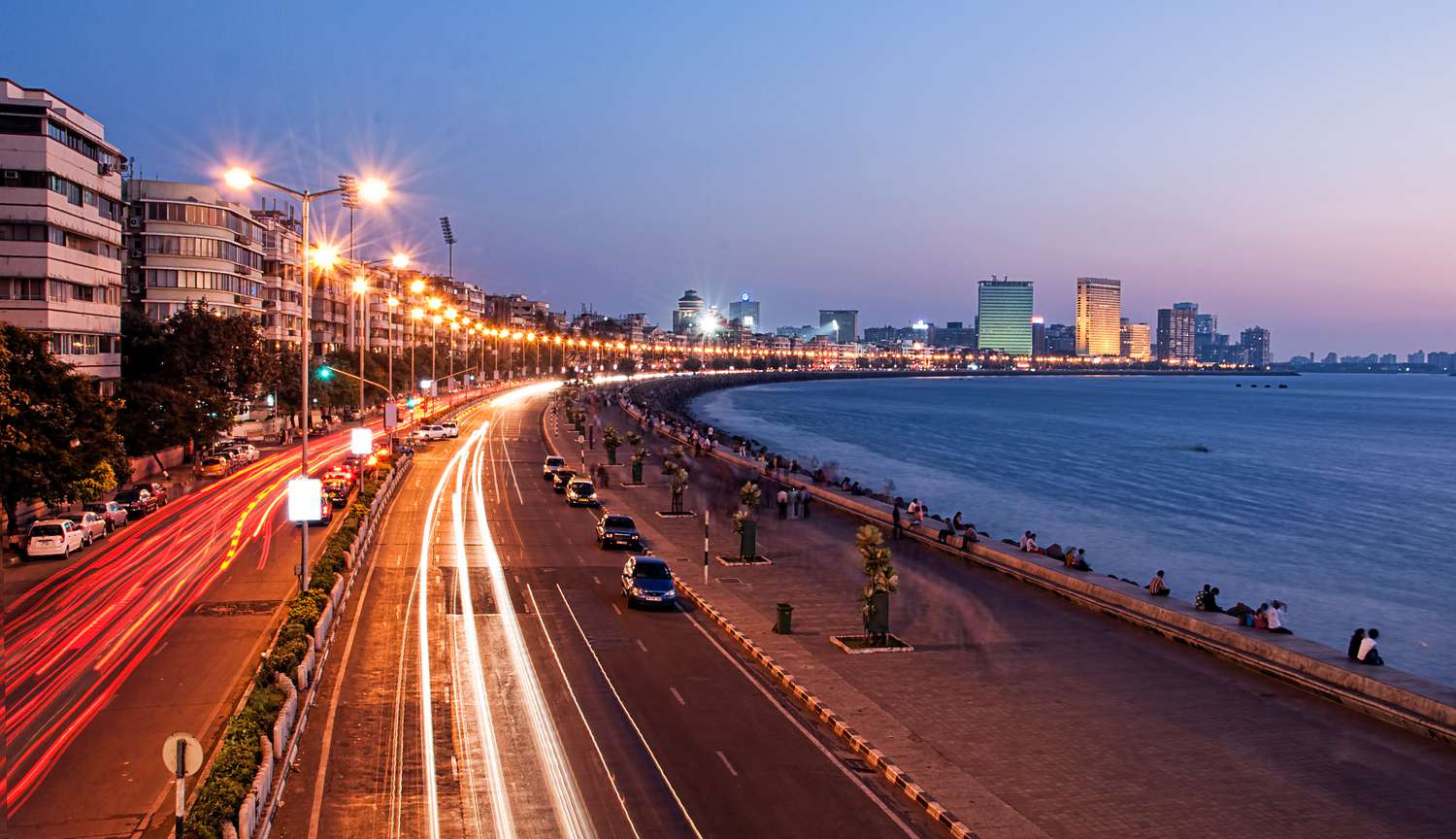
Marine Drive is much more than just a scenic spot - it's Mumbai's communal living room where people from all walks of life come to unwind. Early mornings see joggers, yoga practitioners, and people walking their dogs. Throughout the day, office workers take breaks, couples spend time together, and families enjoy the sea breeze. But Marine Drive really comes alive in the evening when thousands of Mumbaikars flock here to walk, sit on the seawall, watch the waves, and escape the city's chaos. The atmosphere is festive and inclusive - this is one of the few places in Mumbai where the city's social barriers seem to dissolve, with everyone from billionaires to street vendors sharing the same space.
The Art Deco buildings along Marine Drive are part of the second-largest collection of Art Deco architecture in the world after Miami Beach, and have been designated a UNESCO World Heritage Site. Many of these buildings are heritage residential properties, giving Marine Drive a unique architectural character. The best way to experience Marine Drive is to simply walk along the promenade, preferably in the evening when the weather is cooler and the Queen's Necklace is lit up. Stop at one of the many street food vendors for Mumbai's famous snacks, or just sit on the seawall and watch the waves while soaking in the atmosphere. The monsoon season makes Marine Drive particularly dramatic, with high waves crashing against the seawall - though be cautious as it can be dangerous during high tide.
Elephanta Caves
The Elephanta Caves, a UNESCO World Heritage Site located on Elephanta Island in Mumbai Harbor, are among Mumbai's most remarkable historical attractions. These ancient rock-cut caves date back to the 5th to 8th centuries and contain magnificent sculptures dedicated to Lord Shiva and other Hindu deities. The island, originally known as Gharapuri (City of Caves), was renamed Elephanta by the Portuguese after they found a large stone elephant near the shore (this statue has since been moved to Mumbai's Jijamata Udyan).
The caves can be reached by a one-hour ferry ride from the Gateway of India, making for a pleasant boat trip with harbor views. The island has two main groups of caves - a larger group of five Hindu caves and a smaller group of two Buddhist caves. The main cave (Cave 1) is the most impressive, featuring a massive 6-meter high trimurti (three-headed sculpture) of Shiva representing his three aspects as creator, preserver, and destroyer. This sculpture is considered one of the finest examples of ancient Indian art and sculpture. The cave also contains numerous panels depicting stories from Shiva's mythology, including his marriage to Parvati, his cosmic dance (Nataraja), and his battle with demons.
The other caves, though smaller, also contain interesting sculptures and are worth exploring. The island itself is peaceful and green, a stark contrast to bustling Mumbai. A walk to the top of the island (approximately 120 steps) offers panoramic views of the Mumbai skyline and the harbor. The island has several small restaurants selling basic food and cold drinks, though it's best to carry your own water and snacks. The ferry to Elephanta operates throughout the day, but the last ferry typically returns by 5:30 PM, so plan accordingly. Avoid visiting during monsoon when ferry services can be disrupted due to rough seas. The combination of the boat ride, ancient caves, and island atmosphere makes for a rewarding half-day excursion from Mumbai.
Chhatrapati Shivaji Maharaj Terminus (CSMT)
Formerly known as Victoria Terminus, Chhatrapati Shivaji Maharaj Terminus is Mumbai's most iconic railway station and a UNESCO World Heritage Site. This magnificent building was completed in 1887 to commemorate the Golden Jubilee of Queen Victoria and was designed by Frederick William Stevens, combining Victorian Gothic Revival architecture with traditional Indian elements. The result is a stunning fusion of styles - the domes, turrets, and pointed arches are distinctly Gothic, while the elaborate wood carvings, tiles, and ornamental railings incorporate Indian motifs like peacocks, monkeys, and lions.
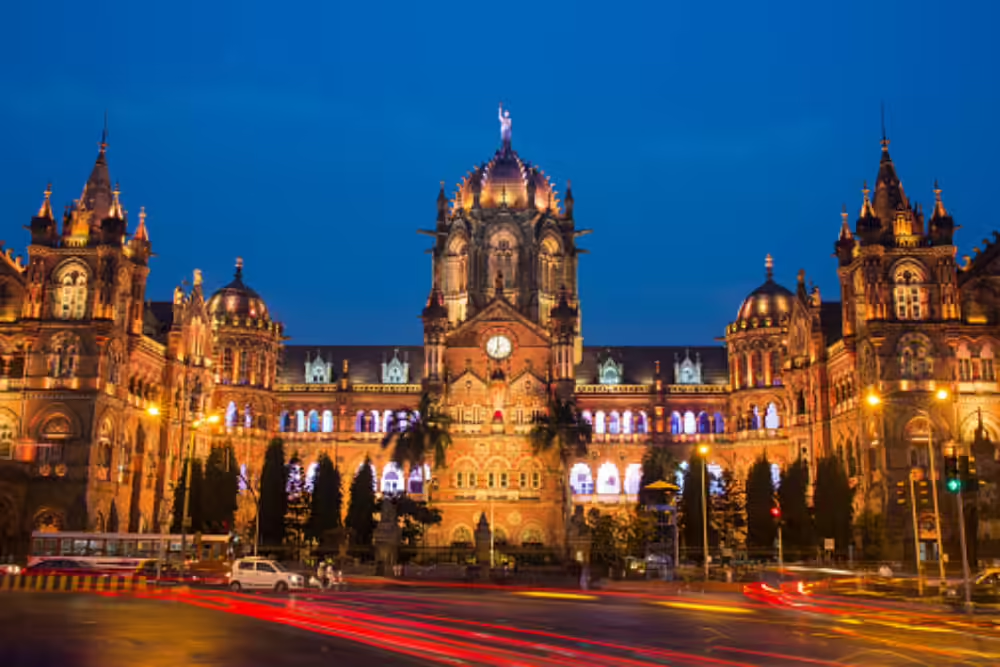
The terminus is not just a beautiful building but a functioning railway station that serves as Mumbai's busiest, handling millions of passengers daily. It's the headquarters of the Central Railway and is the starting point for many local and long-distance trains. The station building features outstanding ornamentation - gargoyles, peacocks, and other figures peer down from the corners, and the central dome is topped by a statue representing 'Progress.' The interior is equally impressive, with high vaulted ceilings, stained glass windows, and intricate ironwork.
CSMT is particularly beautiful when illuminated at night, with its yellow sandstone glowing against the dark sky. The station is a photographer's delight, though be respectful of passengers going about their daily commute. The station was one of the targets of the 2008 terrorist attacks, and bullet marks can still be seen on some walls, serving as a somber reminder. A heritage gallery on the first floor displays the station's history and architecture. Even if you're not taking a train, it's worth visiting just to admire the architecture and soak in the atmosphere of one of the world's most beautiful railway stations.
Dharavi
Dharavi, often called Asia's largest slum, is one of Mumbai's most fascinating and misunderstood areas. Spread over approximately 2.1 square kilometers in the heart of Mumbai. For those exploring other Indian cities, consider visiting Agra Fort or the Red Fort for historical experiences., Dharavi is home to an estimated one million people living in an area that combines residential, industrial, and commercial activities. What makes Dharavi remarkable is not its size but its economy - this bustling settlement is a hive of economic activity, with an estimated annual turnover of over $1 billion from its numerous small-scale industries.
Far from being just a slum, Dharavi is a self-sustaining ecosystem with thriving businesses. The area is divided into various industrial zones specializing in different products - pottery, textiles (recycling and weaving), leather goods, soap making, and more. Dharavi's recycling industry is particularly impressive, processing much of Mumbai's waste and turning it into useful products. The area has its own schools, hospitals, restaurants, and places of worship. It's a testament to the resilience and entrepreneurship of Mumbai's residents.
Today, guided tours of Dharavi offer visitors a chance to understand this remarkable place beyond the stereotypes and sensationalism. These tours, often run by local organizations or former residents, take you through the industrial areas where you can see pottery being made, recycling in action, and leather goods being crafted. The tours also show you the residential areas, which are far more organized and community-oriented than commonly portrayed. The experience challenges perceptions about urban poverty and reveals the dignity, enterprise, and community spirit that defines Dharavi.
It's important to visit Dharavi respectfully, ideally with a reputable tour operator who has connections with the community and ensures that tourism benefits local residents. Many tours now support community programs like schools and healthcare facilities. Photography can be sensitive - always ask permission before photographing people, especially in residential areas. Visiting Dharavi provides important context for understanding Mumbai - it shows where a significant portion of the city's workforce lives and works, and how informal urban settlements can be vibrant, productive communities rather than just problems to be solved.
Siddhivinayak Temple
The Siddhivinayak Temple is one of Mumbai's most famous and beloved Hindu temples, dedicated to Lord Ganesha, the elephant-headed god of wisdom and prosperity. Located in the Prabhadevi area, this temple receives thousands of devotees daily and is particularly popular with Bollywood celebrities and politicians who come here seeking blessings. The original temple was built in 1801 by a professional contractor named Deubai Patil and her husband, but the current structure dates from the 1990s when the temple was extensively renovated and expanded.
The temple's most famous feature is the wooden idol of Ganesha, which is believed to be self-manifested (swayambhu) and particularly powerful. The idol is two feet tall, with the trunk positioned to the right (sidhhi Vinayak), which is considered auspicious. The idol's trunk points to the right, symbolizing success and accomplishment. The temple has a small mandap (hall) with the shrine for Ganesha, and the wooden doors to the sanctum are carved with images of the eight manifestations of Ganesha (Ashtavinayak). The temple has a gold-plated shikhar (spire) that was added during the 1990s renovation, making it a prominent landmark.
Devotees believe that prayers at Siddhivinayak are always answered, and the temple sees particularly heavy crowds on Tuesdays and during Ganesh Chaturthi (the festival celebrating Ganesha's birth). The temple trust operates extensively in charity and social services. For visitors, the temple offers a glimpse into Mumbai's spiritual life. The queue for darshan (viewing the deity) can be quite long (up to 2-3 hours on busy days), but a special entrance (₹200 per person) allows faster access. Photography is not allowed inside the temple. The temple is particularly beautiful during festivals when it's decorated with flowers and lights. The area around the temple has several shops selling religious items, sweets, and flowers for offerings.
Chowpatty Beach (Girgaum Chowpatty)
Girgaum Chowpatty, commonly known as Chowpatty Beach, is Mumbai's most famous beach and a beloved public space. Located in South Mumbai near Marine Drive, Chowpatty is where the city comes to celebrate, relax, and indulge in street food. The beach itself is not pristine - it's a sandy stretch along the Arabian Sea that's more about community atmosphere than natural beauty. What makes Chowpatty special is its role in Mumbai's cultural and social life as a democratic space where people from all backgrounds gather.
Chowpatty is most famous for its street food scene, which is legendary even by Mumbai's high standards. The beachfront is lined with stalls and carts selling Mumbai's iconic snacks - bhelpuri (puffed rice with vegetables and chutneys), pav bhaji (vegetable curry served with bread), kulfi (Indian ice cream), and more. Some stalls have been operating here for generations. The most famous is perhaps the 'Bhelwala' whose bhelpuri is said to be Mumbai's best. Eating street food at Chowpatty while watching the sunset and the crowds is an essential Mumbai experience.
The beach comes alive during festivals, especially Ganesh Chaturthi (August-September) when thousands of idols of Lord Ganesha are brought here for immersion in the sea, creating a spectacular and emotional scene of devotion. The beach is also popular during Diwali when people gather to fly kites and during the annual Mumbai Marathon when it serves as the finish line.
For locals, Chowpatty is where families bring children, couples spend time together, and old friends gather. The beach offers rides like camel and horse rides for children, and there are small operators offering Ferris wheel and other fairground-style attractions. The best time to visit Chowpatty is in the evening when the weather is cooler, the food stalls are fully set up, and the atmosphere is festive. However, don't expect a clean, swimming-friendly beach - Chowpatty is about the vibe and the people, not the sand or water.
Haji Ali Dargah
The Haji Ali Dargah is one of Mumbai's most recognizable landmarks and an important religious site. This beautiful mosque and tomb is located on a small islet in the Arabian Sea, connected to the mainland by a narrow causeway that's approximately 500 meters long. The dargah (shrine) is dedicated to Haji Ali Shah Bukhari, a wealthy 15th-century merchant who gave up his wealth after a pilgrimage to Mecca and devoted his life to religious service. He died during a voyage to Mecca, and legend says that his casket miraculously floated back to the spot where the dargah now stands.
The dargah complex includes the main mosque, the tomb of Haji Ali, and a courtyard. The architecture is a beautiful blend of Indo-Islamic styles, with white domes, minarets, and marble lattice work creating an ethereal appearance, especially against the blue sea and sky. The main hall houses the tomb, which is covered with a green and gold brocade cloth (chadar) and surrounded by silver railings. Devotees of all faiths come here to pray and seek blessings - the dargah is famous for granting wishes, particularly for health, marriage, and prosperity.
What makes visiting Haji Ali unique is the approach. The causeway is only accessible during low tide - at high tide, the causeway is submerged, and the dargah appears to float in the sea. Walking to the dargah with the sea on both sides is a memorable experience. The causeway is lined with vendors selling offerings (flowers, chadars) and beggars seeking alms. Inside the dargah, the atmosphere is peaceful and spiritual, with qawwali (Sufi devotional music) often being performed. The dargah is particularly busy on Thursdays and Fridays, which are considered auspicious.
Note that women were historically not allowed into the inner sanctum area closest to the tomb, but this has changed in recent years following a legal challenge. Dress modestly when visiting - cover your head (caps or scarves are available), shoulders, and knees. Remove your shoes before entering the prayer hall. The best time to visit is during low tide (check tide tables online) and preferably early morning or late afternoon to avoid crowds and heat. The dargah is particularly beautiful at sunset when the white marble glows golden.
Bandra-Worli Sea Link
The Bandra-Worli Sea Link (officially Rajiv Gandhi Sea Link) is one of Mumbai's most impressive modern engineering feats and a striking architectural landmark. This 5.6-kilometer cable-stayed bridge connects Bandra in the western suburbs to Worli in South Mumbai, spanning the Mahim Bay. Before the sea link was opened in 2009, traveling between these points required a long detour through the city - the bridge reduced travel time from 45-60 minutes to just 10-15 minutes, making it a game-changer for Mumbai's transportation.
The bridge's design is stunning - it consists of two cable-stayed spans with tall towers that rise to 128 meters, supporting the bridge deck with cables. At night, the bridge is illuminated, creating a spectacular sight as it curves across the dark water. The sea link has become an iconic part of Mumbai's skyline, featuring in numerous Bollywood films and photographs. The bridge offers beautiful views of the Mumbai coastline, the Mahim Bay, and the city skyline.
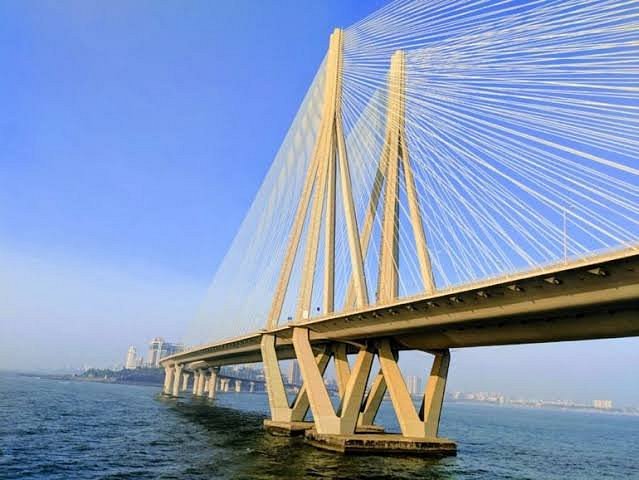
While you can't walk or cycle on the sea link (it's only for motorized vehicles), you can experience it by taking a taxi or private car across it. The experience of driving across this engineering marvel with the sea stretching out on both sides and the city's skyline in the distance is thrilling. Many visitors take a taxi from Bandra to Worli or vice versa just to experience the bridge. The toll (approximately ₹75 for cars) is worth it for the experience and the views. Photography from a moving vehicle on the bridge is difficult and potentially unsafe, but there are good vantage points from both the Bandra and Worli ends for photos. The bridge is particularly beautiful at sunset and when illuminated at night.
Colaba Causeway
Colaba Causeway is Mumbai's most famous street market and a shopping paradise for tourists and locals alike. Located in South Mumbai's Colaba neighborhood, this bustling market street offers everything from high-end boutiques to street stalls selling cheap curios, clothes, and accessories. The causeway is lined with shops, stalls, cafes, and restaurants, creating a vibrant atmosphere that's quintessentially Mumbai.
The market is particularly famous for its street shopping - bargaining is expected and part of the fun. You'll find stalls selling curios, brassware, carpets, textiles, jewelry, clothes, shoes, bags, and all manner of knick-knacks. Many items are aimed at tourists, but if you look carefully and bargain hard, you can find good deals on interesting souvenirs. The side streets off the main causeway have more specialized shopping - some lanes are known for antiques, others for clothes or jewelry. Colaba Causeway is also home to several well-known cafes and restaurants including Cafe Leopold, Cafe Mondegar, and Bademiya, all of which are Mumbai institutions.
The best time to visit Colaba Causeway is in the evening when the market is in full swing and the weather is cooler. The area is particularly lively on weekends. While shopping, watch out for pickpockets in crowded areas. Don't accept offers of 'special deals' from aggressive touts - most legitimate shops don't need to tout for business. Colaba Causeway is also within walking distance of the Gateway of India and the Taj Mahal Palace Hotel, making it easy to combine these attractions in a single outing. Whether you're shopping for souvenirs, people-watching, or just soaking in the atmosphere, Colaba Causeway captures the chaotic, colorful energy that makes Mumbai special.
Other Notable Attractions
Juhu Beach
Juhu Beach is Mumbai's most famous beach, located in the western suburbs. Unlike Chowpatty, Juhu is a proper beach with a long stretch of sand along the Arabian Sea. The beach is particularly popular with families and is lined with numerous food stalls selling Mumbai's famous street food. Juhu is also where many Bollywood celebrities live, and luxury hotels and bungalows line the beachfront. The beach is crowded in the evenings and on weekends, with locals coming to enjoy the sea breeze, children playing in the sand, and couples seeking some privacy. The beach can get quite dirty, especially near the food stalls, and swimming is not recommended due to strong currents and pollution. However, walking along the beach, enjoying street food, and watching the sunset are popular activities. The ISKCON Temple, located nearby, is worth visiting for its beautiful architecture and spiritual atmosphere.
Global Vipassana Pagoda
The Global Vipassana Pagoda, located in North Mumbai near Gorai, is a modern meditation hall and one of Mumbai's most peaceful spots. Built between 2000-2008, this magnificent pagoda is the world's largest stone dome without any supporting pillars. The pagoda was built to honor the Buddha's teachings on Vipassana meditation and serves as a meditation center. The central hall can seat 8,000 people for meditation and contains genuine bone relics of the Buddha. The architecture is inspired by the Shwedagon Pagoda in Myanmar and features traditional Burmese design elements. The pagoda is set in beautifully landscaped gardens and offers panoramic views of the surrounding area. The complex includes an art gallery depicting the Buddha's life and an information center about Vipassana meditation. Meditation courses are offered, and visitors can sit in the main hall for short meditation sessions. The pagoda is free to visit, though donations are appreciated. The peaceful atmosphere makes it a nice escape from Mumbai's chaos. Reachable by ferry from Marve Beach or by road via Gorai.
Nehru Science Center and Planetarium
The Nehru Science Center is India's largest interactive science center and a great attraction for families and those interested in science. The center features numerous interactive exhibits on various scientific principles, a planetarium with regular shows, and a 3D theater. The exhibits cover diverse topics including sound, light, mechanics, energy, and more. The planetarium shows explore astronomy and space, with shows in multiple languages including English and Hindi. The center also hosts temporary exhibitions and science demonstrations. It's particularly popular with school groups and families with children. The center is located in Worli, easily accessible by public transport. Plan 2-3 hours for a visit, especially if you're watching a planetarium show. It's educational and fun, making it a good option when you need a break from sightseeing or if you're traveling with kids.
Mumbai Film City (Dadasaheb Phalke Chitranagri)
Mumbai Film City, officially known as Dadasaheb Phalke Chitranagri, is where Bollywood magic happens. Located in Goregaon, this sprawling complex is home to numerous film studios, outdoor sets, and production facilities. While you can't enter active shooting areas, tours are available that take you through the complex, showing you various sets (a typical Indian street, a courtroom, a village, etc.), recording studios, and locations where famous Bollywood movies have been filmed. The tours offer a behind-the-scenes look at India's massive film industry. You might see actors, if you're lucky, though most shooting happens inside closed studios. The tour includes a visit to a mock bank, jail, courtroom, and other permanent sets. The complex also has an outdoor temple set and a fake lake used for romantic song sequences. Photography is restricted in some areas. Tours must be booked in advance and typically take 2-3 hours. For Bollywood fans, this is a fascinating glimpse into the world's largest film industry by output.
Where to Stay in Mumbai
Mumbai offers accommodation options across the spectrum, but real estate is expensive here, reflecting the city's status as India's most expensive real estate market. Where you stay significantly impacts your experience of the city.
For first-time visitors and tourists wanting to be close to major attractions, South Mumbai (Colaba, Fort, Churchgate) is ideal. This area contains most of Mumbai's tourist attractions, historic buildings, museums, and famous markets. South Mumbai has several excellent hotels ranging from heritage properties to modern luxury hotels. The iconic Taj Mahal Palace Hotel near the Gateway of India is legendary - it's expensive but offers an unmatched historic experience. Other excellent options in South Mumbai include The Oberoi, The St. Regis (formerly The Trident), and numerous mid-range hotels and guesthouses. Staying in South Mumbai puts you within walking distance or short taxi rides of most attractions. However, South Mumbai is also the most expensive area for accommodations.
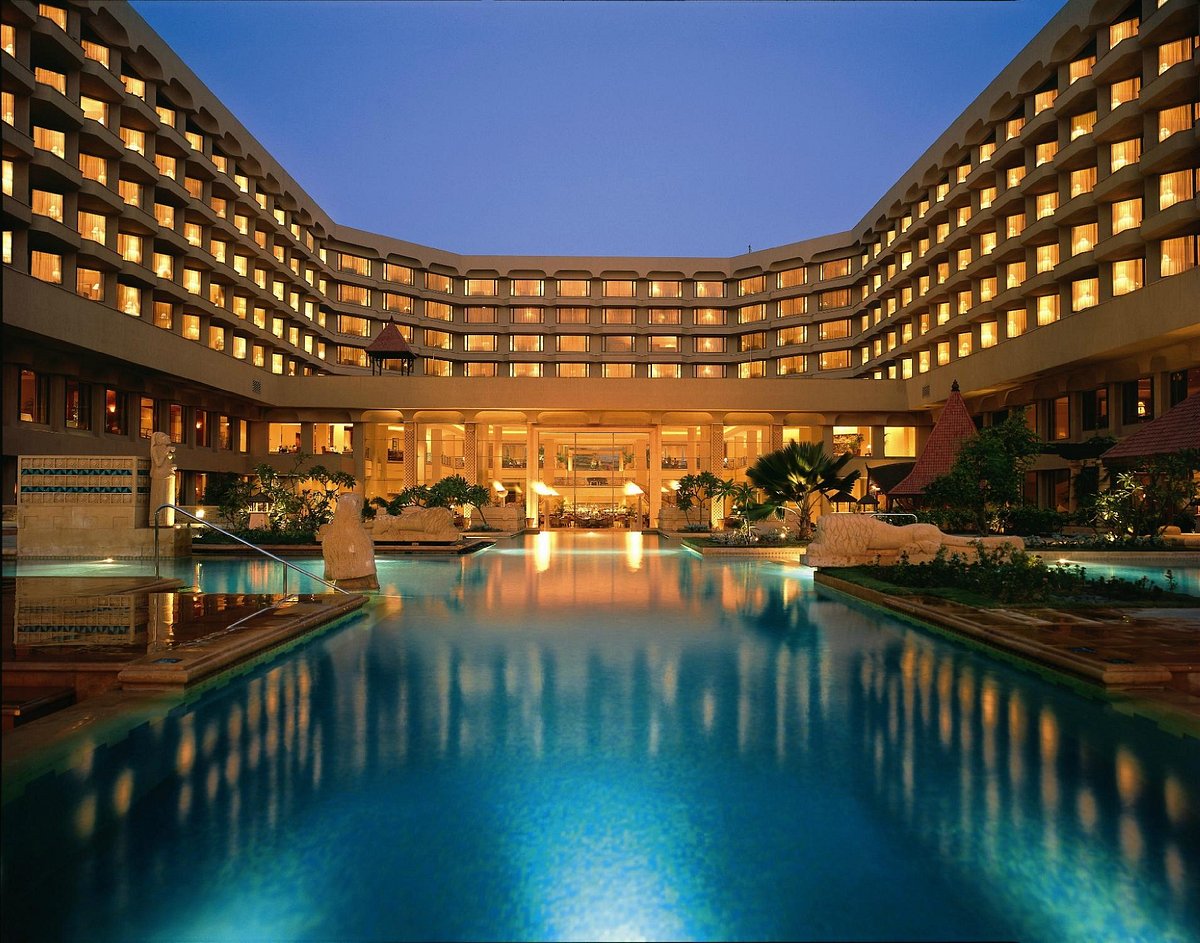
For business travelers and those wanting a more modern Mumbai experience, the Bandra Kurla Complex (BKC) and its surrounding areas are excellent. BKC is Mumbai's new business district, with modern hotels, excellent restaurants, and good connectivity. Hotels like The Sofitel, The Grand Hyatt, and Trident BKC offer luxury accommodations in a contemporary setting. Bandra, a nearby residential and commercial area, has several boutique hotels and is known for its restaurants, cafes, and nightlife. Staying in Bandra gives you a more local, less touristy experience while still being well-connected.
The airport area (Andheri, Juhu, Vile Parle) is convenient if you have an early or late flight. JW Marriott Mumbai, Sahara Star, and several mid-range options are located near the airport. Juhu has beachfront hotels including Novotel and Sea Princess, offering sea views and easy beach access. However, staying near the airport puts you far from the main tourist attractions in South Mumbai.
For budget travelers, Mumbai's options are limited and basic compared to other Indian cities. Colaba has several budget guesthouses and hostels, though they're still relatively expensive by Indian standards. Areas like Fort and Churchgate have mid-range options. Paharganj-style budget areas don't really exist in Mumbai - even the cheapest accommodations are pricey due to the high cost of real estate. Zostel, a popular hostel chain, has locations in Mumbai offering dormitory beds at reasonable rates. For longer stays, service apartments and Airbnb options can be better value than hotels. Book well in advance, especially during peak season (November-February) and during major events.
Food in Mumbai
Mumbai's food scene is legendary, reflecting the city's incredible diversity and coastal location. From street food to fine dining, from traditional Maharashtrian cuisine to international fare, Mumbai offers one of India's most exciting culinary landscapes.
Street food is where Mumbai truly shines. The city's street food is diverse, flavorful, and deeply embedded in its culture. The most iconic Mumbai street food is vada pav - essentially a vegetarian burger made with a spiced potato fritter (vada) sandwiched in a bread bun (pav) with chutneys. It's called Mumbai's answer to the burger and is the city's favorite snack. Try it from any street vendor or from famous spots like Aram Vada Pav in CST or Dadar's vada pav stalls. Equally famous is pav bhaji - a spicy vegetable curry (bhaji) served with soft bread rolls (pav), accompanied by onions, lemon, and more butter than is probably healthy. Chowpatty Beach and various stalls across the city serve excellent pav bhaji.
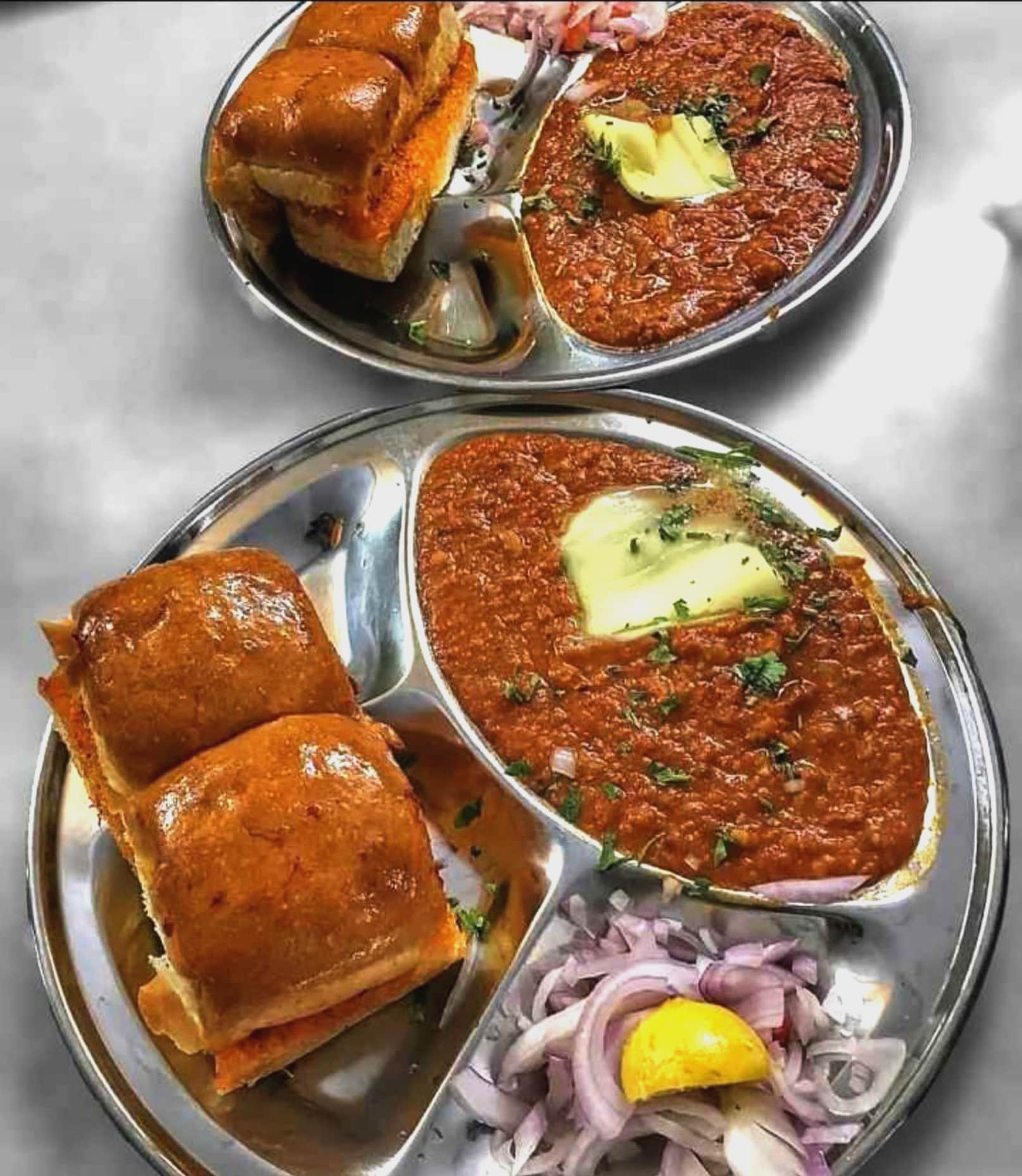
Other must-try street foods include bhelpuri and sevpuri (puffed rice with vegetables, chutneys, and toppings), missal pav (a spicy curry made with sprouted lentils, served with bread), and sandwiches (Mumbai makes some of the best grilled vegetable sandwiches - try them at any street stall or at outlets like Jumbo King). For chaat, Mumbai offers delicious variants including dahi puri, ragda patice, and panipuri. For sweets, try the kulfi (Indian ice cream) at Chowpatty or falooda (a sweet drink with vermicelli, basil seeds, and ice cream) at Bademiya or various other stalls.
For non-vegetarian street food, Mumbai is famous for its kebabs and rolls. Bademiya in Colaba is legendary for its seekh kebabs and chicken rolls - the stall has been operating since 1946 and is a Mumbai institution. For seafood, try the fried fish and prawns from street stalls in coastal areas, or visit a proper seafood restaurant. For a unique Mumbai experience, try the egg dishes at stalls near CST and other areas - anda bhurji (scrambled eggs with spices, onions, and tomatoes) served with pav is a popular breakfast and snack.
For restaurant dining, Mumbai offers excellent options across cuisines. For traditional Maharashtrian food, try restaurants like Aaswa or Pratap Lunch Home (famous for thali). For seafood (Mumbai is a coastal city, after all), try Mahesh Lunch Home, Gajalee, or Trishna - all legendary for their fish, prawns, and crab preparations. If you're interested in other coastal destinations, Goa and Alleppey also offer incredible coastal experiences. For Parsi cuisine (a unique cuisine brought by Mumbai's Parsi community), try Britannia & Co. (an institution serving berry pulao and other Parsi specialties) or SodaBottleOpenerWala. For Indian fine dining, Indian Accent (The Lodhi) was voted one of Asia's best, though it's in Delhi - Mumbai has excellent Indian fine dining restaurants like Masque, The Bombay Canteen, and Indian Accent at The Lodhi.
Mumbai also has a thriving cafe culture. Areas like Bandra, Khar, and Colaba have numerous cafes serving excellent coffee, breakfast, and international cuisine. Popular cafes include The Bagel Shop, Leopold Cafe (a historic cafe made famous by the book 'Shantaram'), Cafe Mondegar, and numerous newer cafes in Bandra's Pali Hill and Bandra West areas. For bakeries, Mumbai has excellent options - Theobroma in Colaba and Bandra, The Baker's Dozen, and Merwans are famous for their pastries, cakes, and breads.
Shopping in Mumbai
Mumbai is a shopping paradise, offering everything from traditional handicrafts to high-end international brands, from chaotic street markets to luxurious malls. The shopping experience is as diverse as the city itself.
For street shopping and bargain hunting, Colaba Causeway is the most famous destination. Here you'll find curios, jewelry, clothes, shoes, bags, and all manner of knick-knacks. Bargaining is expected and part of the experience. Fashion Street (near CST) is another popular market for clothes and accessories at bargain prices. Linking Road in Bandra and Hill Road in the same area are famous for clothes, shoes, and accessories. These markets are popular with young people looking for trendy fashion at reasonable prices. For a slightly different experience, try Crawford Market (near CST) for fruits, vegetables, meat, and household items. The building is a beautiful Gothic structure and worth seeing even if you're not shopping.
For traditional Indian textiles and handicrafts, visit the government-run Central Cottage Industries Emporium at Shivaji Terminus or the state emporiums at World Trade Center nearby. These offer quality handicrafts from across India at government-fixed prices. For designer Indian wear, Mumbai has numerous boutiques in South Mumbai and Bandra. For antiques, there are several shops in Colaba and Kala Ghoda, though verify authenticity and export regulations before buying.
For modern shopping, Mumbai has numerous malls. High Street Phoenix in Lower Parel is one of the most popular, featuring both luxury brands and high-street fashion along with restaurants and entertainment. Inorbit Mall in Malad and R City Mall in Goregaon are other major shopping centers. For luxury shopping, Palladium in Phoenix Mills houses numerous international luxury brands.
For books, Mumbai has several excellent bookstores. Strand Book Stall in Fort is legendary (though it has scaled down operations). Kitab Khana near Flora Fountain in a beautiful heritage building is worth visiting for the atmosphere alone. Crossword Bookstores has multiple locations across the city.
For spices, food items, and general shopping, local markets like Dadar Market, Crawford Market, and various neighborhood markets offer an authentic local shopping experience. Mumbai also has excellent flower markets - the Dadar flower market is particularly colorful and worth visiting early morning.
How to Reach Mumbai
By Air
Chhatrapati Shivaji Maharaj International Airport (BOM) is Mumbai's primary airport and one of India's busiest airports. The airport has two terminals: Terminal 2 (T2) handles both international and domestic full-service carrier flights, while some low-cost carrier domestic flights operate from Terminal 1 (T1). Check which terminal your flight uses before heading to the airport as T1 and T2 are approximately 8 kilometers apart.
The airport is well-connected to major cities across India and around the world, with direct flights to most international destinations. It serves as a major hub for Air India and a focus city for several other carriers. The airport features excellent facilities including lounges, shops, restaurants, currency exchange, and free Wi-Fi. The terminal buildings are modern and efficient, having undergone extensive renovation in recent years.
The airport is connected to the city by taxi, app-based cabs (Uber, Ola), and the Mumbai Metro. The prepaid taxi booths at the airport offer reliable taxi service at fixed rates based on destination. App-based cabs are available at designated pickup areas. The Mumbai Metro now connects to the airport, offering a cheaper alternative. The journey from the airport to South Mumbai takes approximately 45-60 minutes depending on traffic. Traffic can be extremely heavy during peak hours (8-10 AM and 5-7 PM), so allow extra time if you're catching a flight.
By Train
Mumbai has an extensive suburban railway network that's the lifeline of the city, but for long-distance trains, Mumbai is served by several major railway stations. Chhatrapati Shivaji Maharaj Terminus (CSMT, formerly Victoria Terminus) in South Mumbai is the main station for long-distance trains, though it primarily handles trains to Central India, East India, and some parts of North India. Mumbai Central (BCT) handles trains to North India, including the famous Rajdhani Express to Delhi. Bandra Terminus (BDTS) and Lokmanya Tilak Terminus (LTT) in the suburbs handle additional trains to various destinations. Dadar (DR) is a major station that's served by both long-distance and suburban trains.
Mumbai is connected by rail to virtually every major city in India. The Rajdhani Express trains connect Mumbai to Delhi in approximately 15-16 hours, making it a convenient alternative to flying. The Duronto Express offers fast connections to several cities. Regular mail and express trains are more economical but take longer. Book tickets well in advance, especially for popular trains and during peak travel seasons.
The suburban railway network consists of three lines - Western Line, Central Line, and Harbour Line - and carries millions of passengers daily. It's the most efficient way to get around Mumbai, though it can be extremely crowded, especially during peak hours. For visitors, the suburban railway might be overwhelming initially, but it's an authentic Mumbai experience and very affordable.
By Road
Mumbai is connected by excellent highways to various parts of India. National Highway 48 connects Mumbai to Ahmedabad, Jaipur, and Delhi. National Highway 66 connects Mumbai to Goa and Karnataka. The Mumbai-Pune Expressway is one of India's best highways, connecting Mumbai to Pune in approximately 2-3 hours. The Yerwada-Pune bypass continues further south.
Interstate buses connect Mumbai to neighboring states. The main bus terminals include Mumbai Central (buses to Gujarat, Rajasthan, and North India), Dadar (buses to Konkan region and Goa), and Borivali (buses to Gujarat). Both government (MSRTC - Maharashtra State Road Transport Corporation) and private operators run buses. MSRTC operates comfortable Shivneri (Volvo) buses to Pune and other destinations. Private operators offer luxury buses with sleeper and semi-sleeper options.
Driving to Mumbai can be challenging due to traffic congestion and parking difficulties in the city. The city's road network is extensive but often congested. Tolls are charged on several highways and bridges leading into Mumbai. If driving, check traffic conditions and be prepared for delays, especially during peak hours and monsoon when waterlogging can cause disruption.
Getting Around Mumbai
Mumbai has an extensive public transportation network, but the city's size and traffic can make getting around challenging. Understanding your options helps you navigate the city efficiently.
The Mumbai Suburban Railway is the city's circulatory system, carrying over 7 million passengers daily across its three lines. It's the fastest way to cover long distances in Mumbai, with trains running frequently (every 2-3 minutes during peak hours). The system is divided into First Class and Second Class - First Class is less crowded but more expensive. First Class tickets are available for all suburban trains, and a First Class season pass is highly recommended if you plan to use the trains frequently. The trains can be extremely crowded during peak hours (8-11 AM and 5-8 PM), when passengers literally hang out of doors and windows. For visitors, it's best to avoid peak hours or travel First Class if possible. The railway network connects most parts of Mumbai and its suburbs.
The Mumbai Metro is a newer addition to the city's transportation network. Currently, Line 1 connects Versova in the west to Ghatkopar in the east, passing through areas like Andheri, Jogeshwari, and BKC. More lines are under construction. The metro is air-conditioned, cleaner, and more comfortable than the suburban trains. It's especially useful for East-West connections and for avoiding traffic. Fares are reasonable, and the system is expanding rapidly. The metro is a good alternative for tourists who might find the suburban railway overwhelming.
Taxis are widely available in Mumbai. The iconic black and yellow taxis are metered and can be hailed on the street. However, they can be reluctant to go to certain areas and may refuse service during peak hours or if the destination involves traffic. Cool Cabs are blue and white air-conditioned taxis that charge a higher fare. App-based cabs (Uber and Ola) are extremely popular and convenient - you can book through their apps, see upfront pricing, track your ride, and pay cashless or in cash. These apps also offer auto-rickshaw and bike taxi options. App-based cabs are generally recommended over street taxis for transparency, safety, and convenience.
Auto-rickshaws (three-wheeled scooters) are available in the suburbs (Bandra and beyond) but not allowed in South Mumbai (roughly south of Mahim). They're metered, but ensure the driver uses the meter or negotiate a fare beforehand. App-based auto-rickshaws are available for transparent pricing.
Buses operated by BEST (Brihanmumbai Electric Supply and Transport) cover the entire city and are very cheap. However, they can be slow due to traffic, crowded, and confusing for visitors not familiar with routes. Buses are generally not recommended for tourists unless you're familiar with the system. For short distances in South Mumbai, walking is feasible, and Mumbai is relatively pedestrian-friendly in certain areas like Marine Drive, Colaba, and Fort.
Travel Tips for Mumbai
Mumbai's weather, while moderated by the sea, can still be challenging. In summer (March-May), temperatures can reach 35°C-40°C with high humidity, making it feel much hotter. Schedule outdoor activities for early morning or evening, stay hydrated, use sunscreen, and seek air-conditioning during the hottest hours. In monsoon (June-September), be prepared for torrential rain that can flood streets and disrupt transportation. Carry an umbrella or raincoat, wear waterproof footwear, and allow extra time for journeys as traffic moves much slower when it's raining. Check weather forecasts and avoid low-lying areas during heavy rain. In winter (November-February), the weather is pleasant but can get surprisingly cool in the evenings, especially near the coast. Carry a light jacket or sweater for evenings and early mornings.
Mumbai is relatively safe compared to many other large cities, but take normal precautions. Avoid isolated areas at night, especially for women. Use reputable transportation, especially at night - app-based cabs (Uber, Ola) are safer than hailing taxis on the street. Keep valuables secure and be aware of your surroundings in crowded areas where pickpockets may operate, particularly on trains and in markets. Women should be cautious traveling alone at night, though Mumbai is generally safer than Delhi for solo female travelers. Emergency numbers include 100 for police and 112 for all emergencies. Save the number of your hotel and carry a card with your hotel's name and address.
Dress codes in Mumbai are quite relaxed compared to other Indian cities. Casual wear is acceptable in most places. However, dress modestly when visiting religious sites - shoulders and knees should be covered, and you may need to cover your head in some places. Carry a scarf or dupatta to use when needed. Mumbai's nightlife scene is vibrant, and clubs and upscale restaurants may have dress codes - avoid shorts and flip-flops at these venues.
Street food is delicious but choose vendors with high turnover and freshly prepared food. Look for busy stalls where food is cooked in front of you. Vegetarian options are generally safer. Mumbai's tap water is not safe to drink - stick to bottled water and avoid ice in drinks from street vendors. Peel fruits yourself and avoid raw salads from street vendors. Carry hand sanitizer and wet wipes. If you have a sensitive stomach, stick to cooked foods and avoid street food for the first few days of your visit.
Mumbai's local trains can be overwhelming. Avoid peak hours (8-11 AM, 5-8 PM) if possible - trains are impossibly crowded and not worth the stress. If you must travel during peak hours, consider First Class which is relatively less crowded. Women-only cars are available in every local train - look for the designated areas or ask locals. These are much safer and less crowded for female travelers. Keep valuables secure and be prepared to squeeze into packed trains. Using app-based cabs might be worth the extra cost to avoid the train experience, especially if you're new to Mumbai.
The monsoon requires special preparation. Carry a compact umbrella or raincoat at all times - rain can start suddenly and heavily. Wear waterproof footwear or shoes that can get wet and dry quickly. Avoid leather shoes during monsoon. Streets can flood, making walking difficult. Check tide tables if you're planning to visit coastal areas - high tide combined with heavy rain can cause flooding. Allow extra time for all journeys as traffic moves much slower in rain. Many Mumbai residents wear monsoon-specific clothing like rain pants and windcheaters to stay dry.
Bargaining is expected in markets but not in malls or stores with fixed prices. In markets like Colaba Causeway, Fashion Street, and Linking Road, negotiate politely but firmly. Research fair prices before shopping to avoid being overcharged. Start by offering about half the quoted price and negotiate from there. Don't feel obligated to buy if you're not happy with the price. If buying antiques or expensive items, verify authenticity and get receipts. Remember that India has strict export regulations for certain antiques and items made from endangered species - check regulations before purchasing.
Conclusion
Mumbai is a city that defies simple description - it's too complex, too diverse, and too contradictory to capture in words. This maximum city of dreams, opportunity, and relentless energy is a place that challenges and rewards in equal measure. From the colonial grandeur of South Mumbai to the entrepreneurial spirit of Dharavi, from the glamour of Bollywood to the simplicity of its fishing villages, Mumbai contains multitudes within its boundaries.
What makes Mumbai special is not just its landmarks but its people - the hardworking, resilient Mumbaikars who fuel this city's relentless momentum. The city's famous spirit is visible in how it rebounds from disasters (terror attacks, floods, pandemics), how people from all backgrounds live together in relative harmony, and how the city offers opportunity to anyone willing to work hard. Mumbai may not be India's most beautiful city or its most organized, but it's arguably its most dynamic and authentic.
For travelers, Mumbai offers an unfiltered introduction to contemporary India. This is where ancient traditions and cutting-edge modernity coexist, where wealth and poverty exist side by side, where dreams are made and broken every day. The city can be overwhelming - the crowds, the heat, the traffic, the sensory overload - but for those who persist, Mumbai reveals its many charms: the peace of an early morning walk on Marine Drive, the taste of perfect vada pav from a street stall, the magnificence of ancient caves just off the coast, the warmth of its people.
Whether you're exploring heritage precincts in South Mumbai, discovering hidden gems in the suburbs, experiencing the city's legendary food scene, or simply soaking in the atmosphere at a local cafe, Mumbai will leave a lasting impression. Many who visit find themselves returning, drawn back by the city's unique energy, its opportunities, and the feeling that in Mumbai, anything is possible. As you depart from this maximum city, you'll likely carry not just memories but a deeper understanding of India's past, present, and future, all contained within this one remarkable city.
Location
Frequently Asked Questions
Q1.What is the best time to visit Mumbai?
Q2.How many days are enough for Mumbai?
Q3.Is Mumbai safe for solo female travelers?
Q4.What is Mumbai famous for?
Q5.How do I get around Mumbai?
Q6.Is Mumbai expensive to visit?
Q7.Can I visit Bollywood in Mumbai?
Q8.What should I pack for Mumbai?
Recommended For You
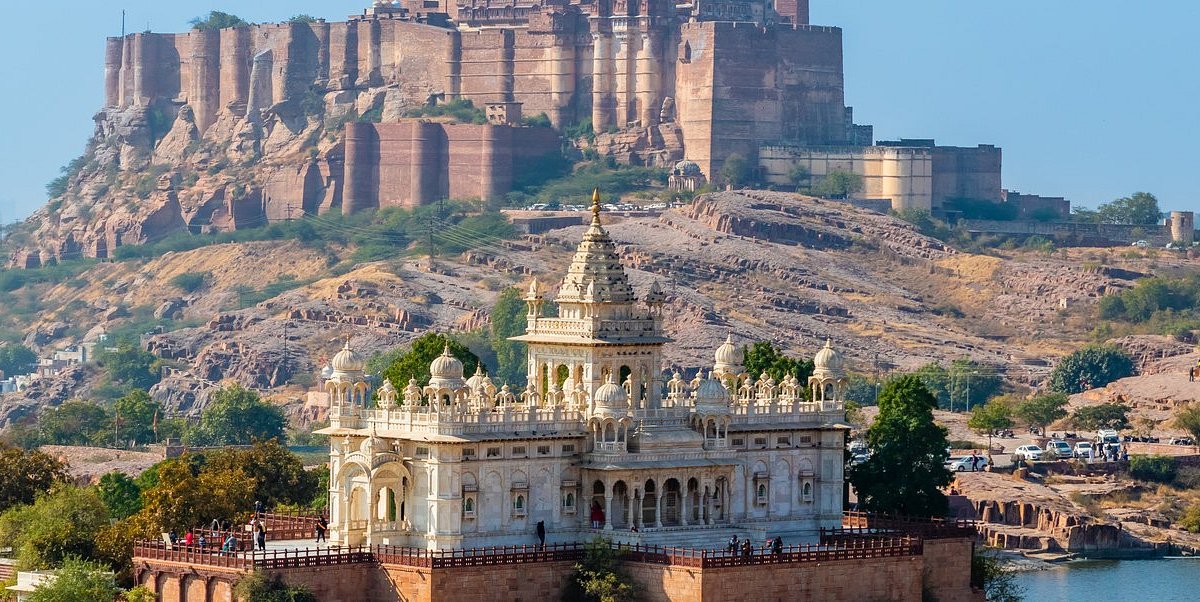
Things to Do in Rajasthan: Desert, Heritage & Cultural Experiences
Discover 50 amazing things to do in Rajasthan - explore forts, palaces, deserts, culture & cuisine. Complete guide with timings, fees & tips for 2026.
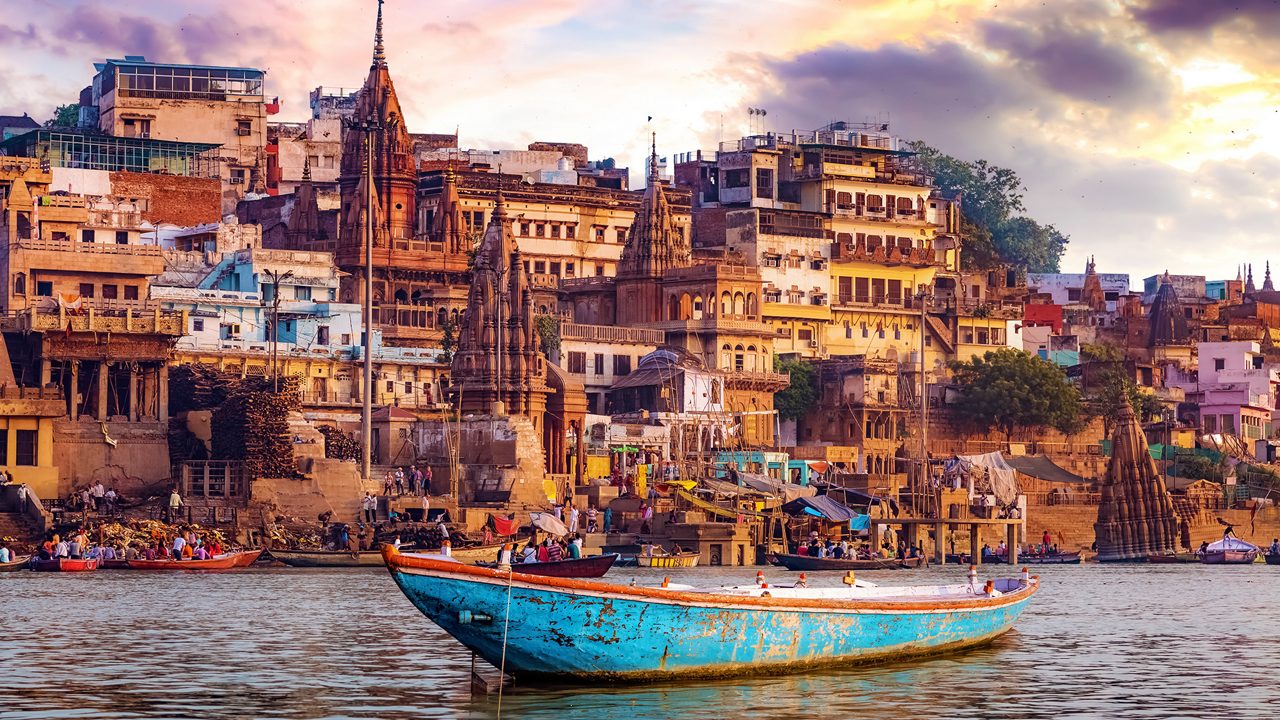
Varanasi: Complete Travel Plan Places And Weather
Complete Varanasi travel guide featuring Kashi Vishwanath Temple, Ganga Aarti, ghats, Sarnath, spiritual experiences, food & practical tips.
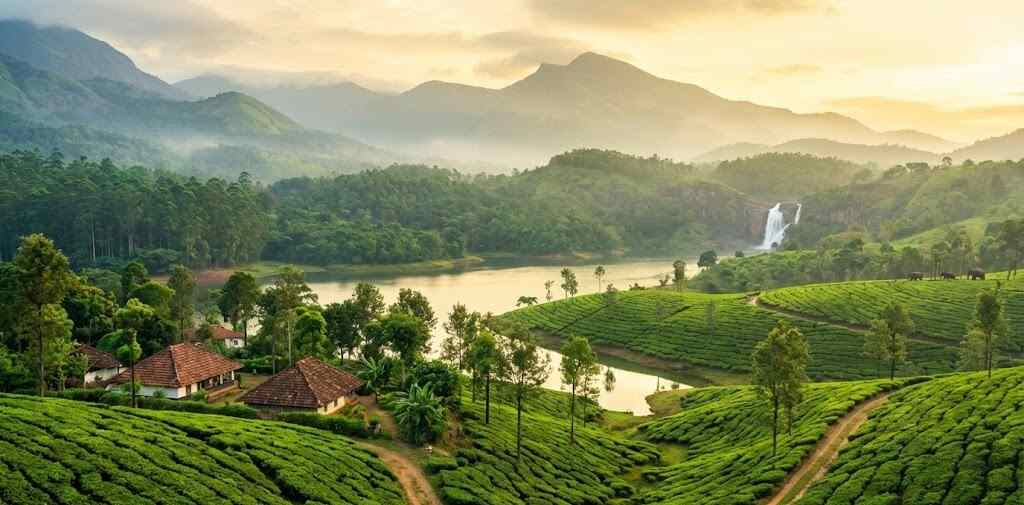
Kerala Complete: Plan Backwaters Weather And Places
Complete Kerala travel guide featuring Munnar, Alleppey backwaters, Thekkady, Kochi, houseboats, Ayurveda, best time to visit & practical tips.
Never Miss an Adventure
Get the latest trekking guides, travel tips, and exclusive offers delivered straight to your inbox.
