
Ellora Caves: India's Magnificent Rock-Cut Temple Complex

Ananya Sharma
January 17, 2026
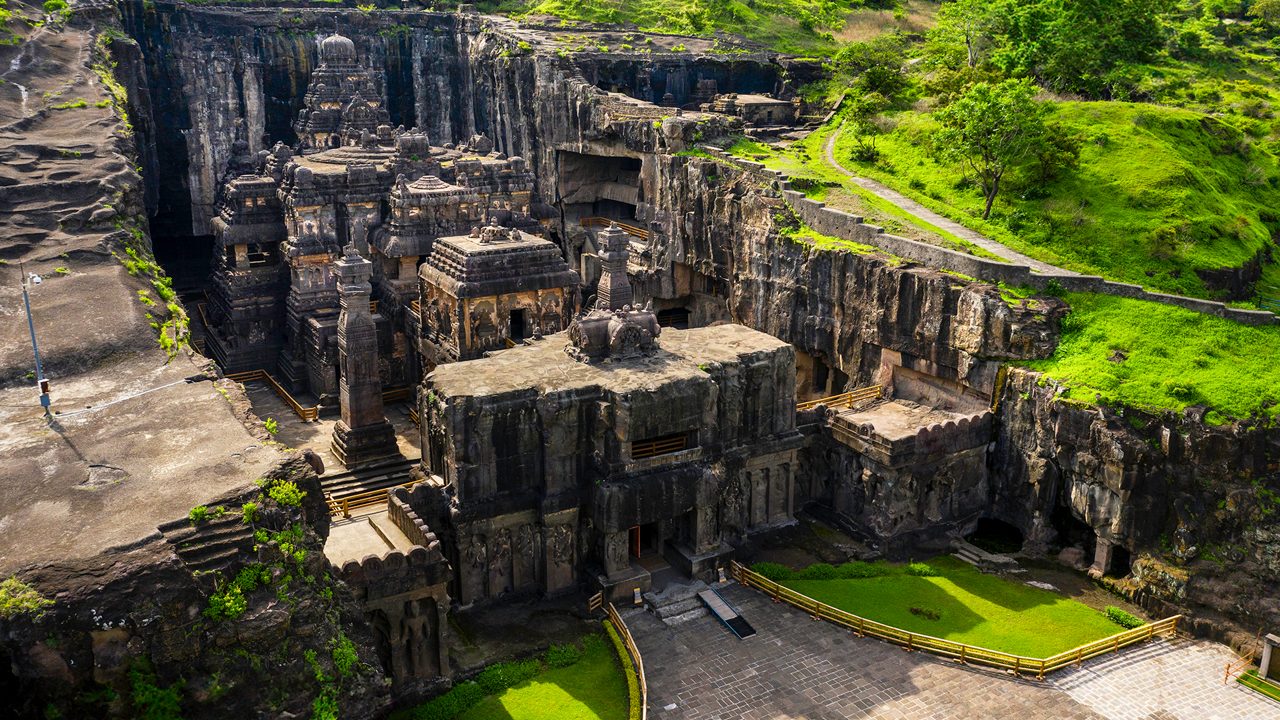
Explore Ellora Caves, Maharashtra's UNESCO World Heritage Site featuring 34 Buddhist, Hindu & Jain rock-cut temples including the magnificent Kailasa Temple.
UNESCO's Tri-Faith Masterpiece in Stone
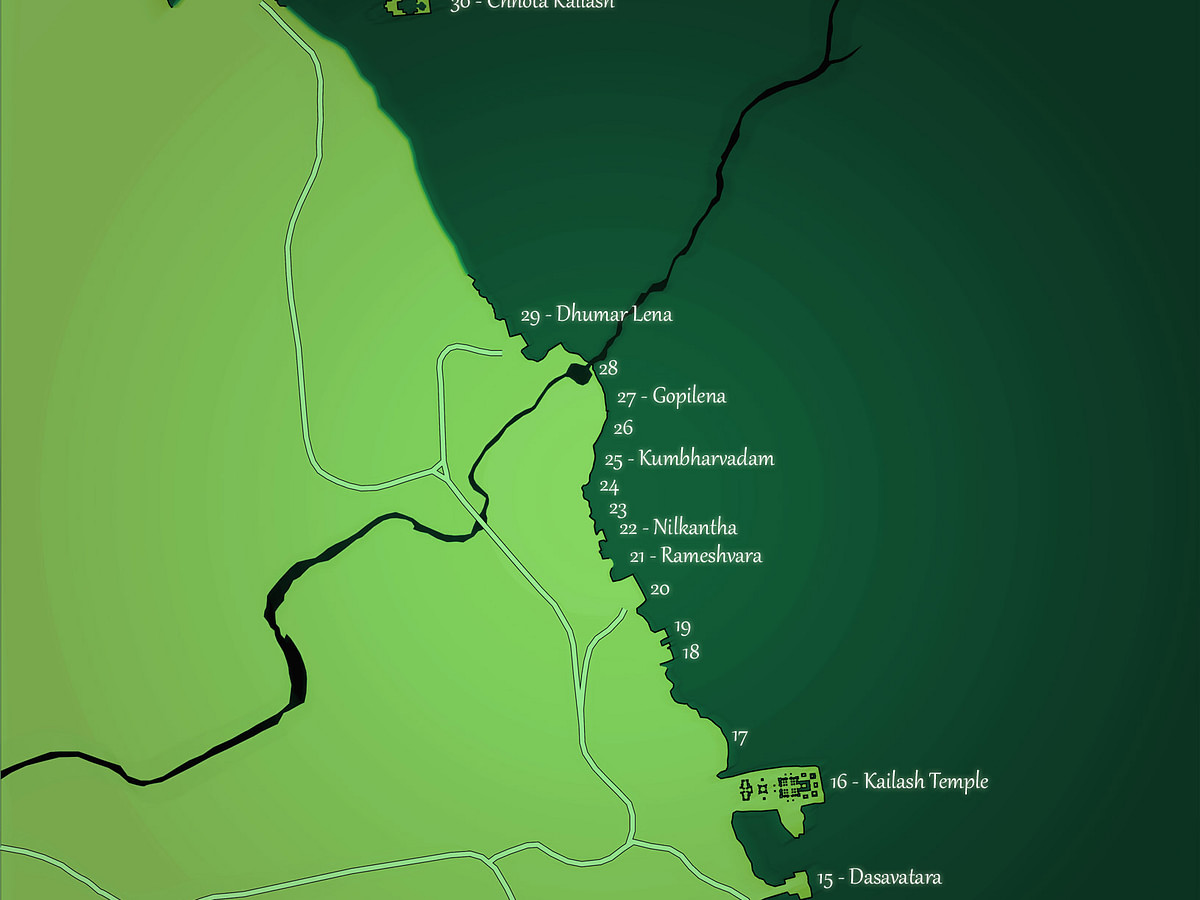
Carved into the basalt cliffs of Maharashtra, the Ellora Caves represent one of humanity's most extraordinary architectural achievements. This UNESCO World Heritage Site features 34 rock-cut caves that showcase the harmonious coexistence of three major religions – Buddhism, Hinduism, and Jainism – all within a single 2-kilometer stretch of volcanic rock.
What makes Ellora truly remarkable is not just its artistic beauty, but the engineering marvel behind its creation. Between the 6th and 11th centuries CE, generations of artisans excavated these caves from top to bottom, removing an estimated 400,000 tons of rock to create what many consider the finest examples of ancient Indian rock-cut architecture.
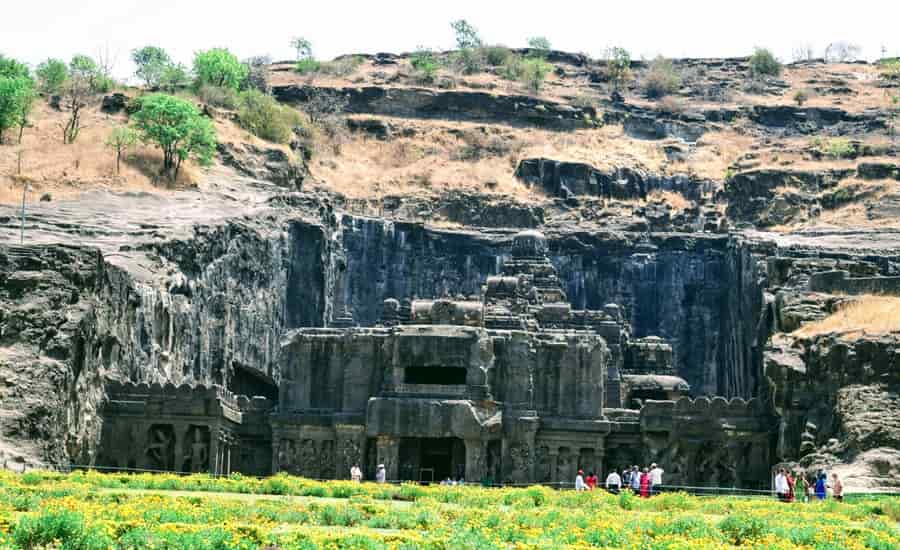
The crown jewel of Ellora is the magnificent Kailasa Temple (Cave 16) – the world's largest monolithic structure, carved from a single rock from top to bottom. This architectural marvel covers an area twice that of the Parthenon in Greece and stands as a testament to human ingenuity and devotion.
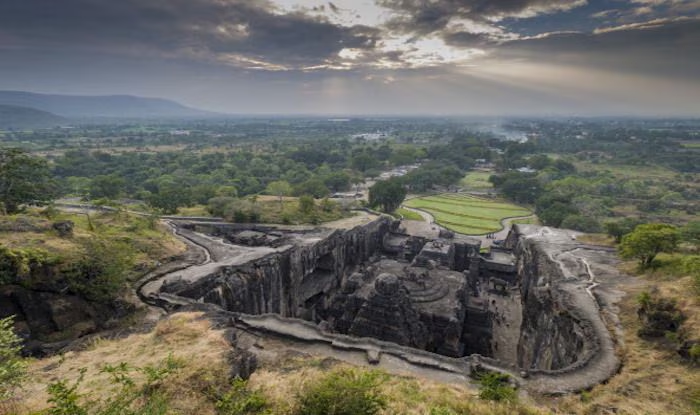
Located just 30 kilometers from Aurangabad, Ellora Caves attract over 1.5 million visitors annually, including history enthusiasts, architecture students, spiritual seekers, and curious travelers from around the globe. Unlike nearby Ajanta Caves, which focus primarily on Buddhist paintings, Ellora offers a more diverse experience with monumental sculptures from three different faith traditions.
Three Faiths, One Mountain: The Religious Significance
Ellora Caves are unique among rock-cut monuments for housing Buddhist, Hindu, and Jain temples side by side. This remarkable diversity reflects India's ancient tradition of religious tolerance and philosophical exchange.
Buddhist Caves (Caves 1-12)
The southern group of caves represents the earliest phase of Ellora's construction, dating from the 6th to 8th centuries CE. These 12 caves were excavated during the declining phase of Buddhism in India, yet they display remarkable sophistication in design and execution.
Cave 5 (Maharwada): This is the largest vihara (monastery) at Ellora, measuring 35 meters long. Its impressive hall features 20 enormous pillars and beautiful sculptures of Buddha in various teaching postures. The cave's size suggests it served as an important monastic center.
Cave 10 (Vishvakarma Cave): Named after the divine architect of Hindu mythology, this chaitya (prayer hall) is often called the "Carpenter's Cave" due to its beam-like ceiling finish that resembles wooden architecture. The cathedral-like hall features a beautiful stupa and remarkable acoustics – chant here and experience the echo that enhances spiritual vibrations.
The Buddhist caves at Ellora are simpler in design compared to the later Hindu caves, reflecting the Hinayana and Mahayana Buddhist emphasis on monastic discipline and meditation. The sculptures here show Buddha in various mudras (hand gestures), each representing different aspects of teaching and enlightenment.
Hindu Caves (Caves 13-29)
The Hindu caves represent Ellora's most elaborate and monumental phase, constructed between the 7th and 9th centuries CE under the patronage of the Kalachuri and Rashtrakuta dynasties. These 17 caves are larger, more ornate, and display incredible sculptural detail.
Cave 14 (Ravan ki Khai): This cave features some of the finest sculptural panels at Ellora, depicting scenes from Hindu mythology. The carvings show various deities, celestial beings, and narrative scenes with remarkable dynamism and expression.
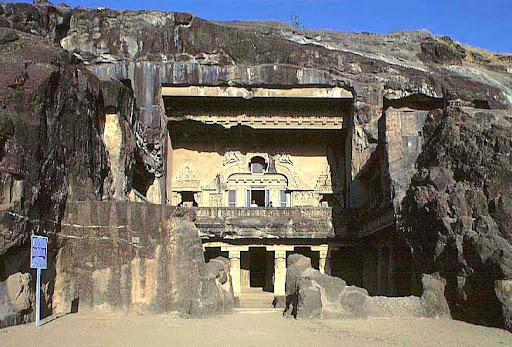
Cave 15 (Das Avatara): This two-story cave is dedicated to Lord Shiva but features panels depicting the ten incarnations of Lord Vishnu. The sculptures here mark an interesting transition between Buddhist and Hindu artistic styles, showing how religious traditions influenced each other.
Cave 21 (Rameshvara): One of the most beautiful of the Hindu caves, featuring exquisite sculptures of Goddess Durga, Lord Ganesha, and various goddesses (matrikas). The cave's entrance is particularly impressive with its elaborately carved facade.
The Hindu caves are characterized by their monumental scale, elaborate iconography, and dynamic sculptures that seem to come alive in stone. They represent the peak of Indian rock-cut architecture and continue to influence temple architecture to this day.
Jain Caves (Caves 30-34)
The northernmost group represents the final phase of Ellora's construction, dating from the 9th to 11th centuries CE. These five caves reflect Jainism's emphasis on non-violence, asceticism, and spiritual purity through their intricate carvings and serene representations of Tirthankaras (spiritual teachers).
Cave 30 (Chhota Kailasa): A smaller version of the magnificent Kailasa Temple, this cave is dedicated to the first Tirthankara, Lord Rishabhadeva. Though smaller in scale, it displays exquisite craftsmanship and detailed carvings characteristic of Jain art.
Cave 32 (Indra Sabha): The most famous of the Jain caves, this two-story temple features beautiful carvings of Tirthankaras in meditation postures, lotus flowers, and other Jain symbols. The name means "Assembly Hall of Indra," though it has no connection to Hinduism's Indra – rather, it reflects Jain cosmology.
The Jain caves are known for their precise, detailed carvings and the serene, contemplative atmosphere they create. Unlike the dramatic Hindu caves, Jain art emphasizes tranquility, asceticism, and the path to spiritual liberation.
Kailasa Temple: The Crown Jewel
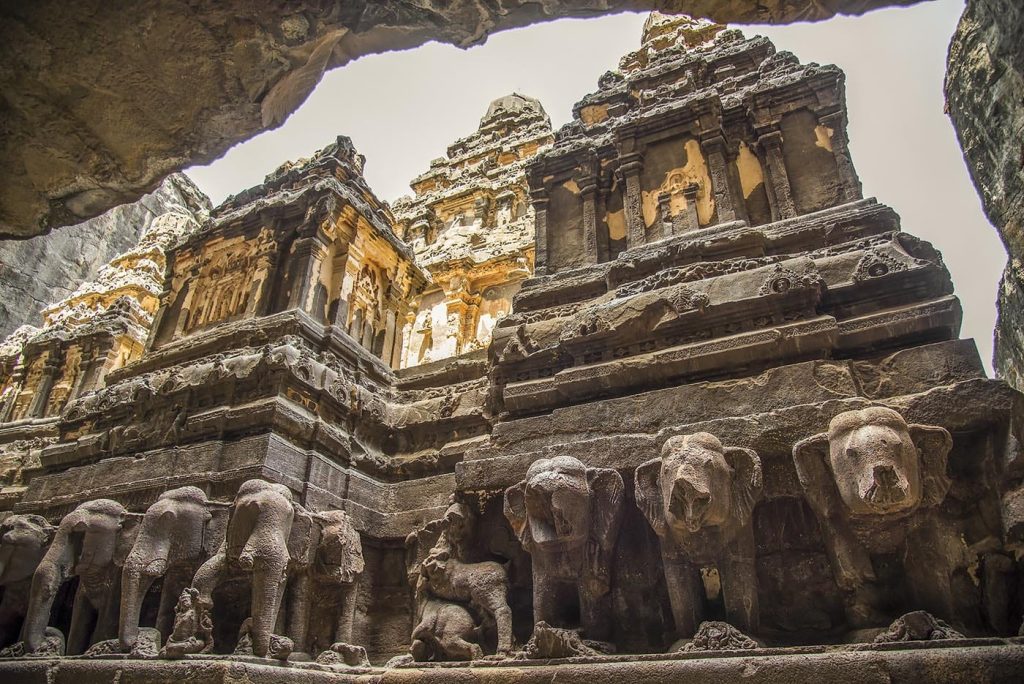
Cave 16, the Kailasa Temple, stands as Ellora's masterpiece and arguably India's most impressive ancient monument. This massive Hindu temple, dedicated to Lord Shiva, is the world's largest monolithic structure – carved entirely from a single rock from top to bottom.
The Engineering Miracle
The construction of Kailasa Temple defies comprehension even today. The sculptors didn't build the temple upward like conventional construction. Instead, they excavated it downward – starting from the top of the rock and carving their way into the mountain, removing an estimated 200,000 tons of basalt rock over 100 years.
The planning involved was extraordinary. The architects had to visualize the entire temple complex before excavation began, as mistakes couldn't be corrected – once rock was removed, it couldn't be replaced. They started by digging three huge trenches from the top, isolating a massive rock mass, then began carving downward to free the temple from within.
The temple complex covers an area of approximately 82,000 square feet – about twice the size of the Parthenon in Greece. Yet unlike the Parthenon, which was built from many stones, Kailasa was carved from a single piece of rock, making it infinitely more impressive.
Architectural Layout
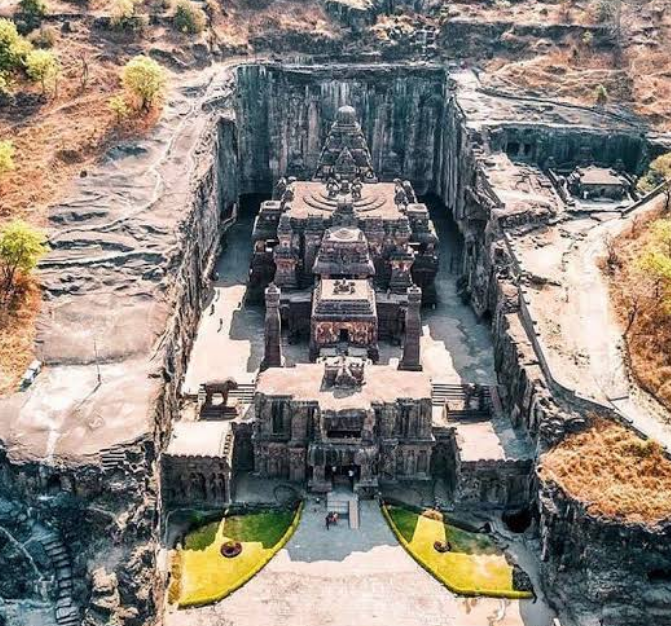
The Kailasa Temple complex follows the traditional Hindu temple layout, replicated in rock-cut form:
- Main Shrine (Garbhagriha): The sanctum sanctorum houses a large Shiva linga, the symbolic representation of Lord Shiva. The dark, cool interior creates a perfect atmosphere for meditation and worship.
- Nandi Pavilion: Facing the main shrine is a pavilion housing a large statue of Nandi, Lord Shiva's sacred bull. This positioning follows traditional Hindu temple architecture.
- Gateway (Gopuram): The impressive entrance tower features intricate carvings of various deities and mythological scenes.
- Courtyard: The temple complex includes a spacious courtyard with subsidiary shrines, pillared halls, and beautiful carved panels.
- Dravidian Style: The temple follows South Indian Dravidian architectural style with its pyramid-shaped tower (vimana), showing the cultural exchange between North and South India during this period.
Sculptural Details
Every surface of Kailasa Temple is covered in intricate carvings that tell stories from Hindu mythology:
- Ramayana Panels: The walls feature beautifully carved panels depicting scenes from the Ramayana, showing Lord Rama's journey, his battle with Ravana, and his triumph.
- Mahabharata Scenes: Sculptures also depict episodes from the Mahabharata, including the Kurukshetra war and various divine interventions.
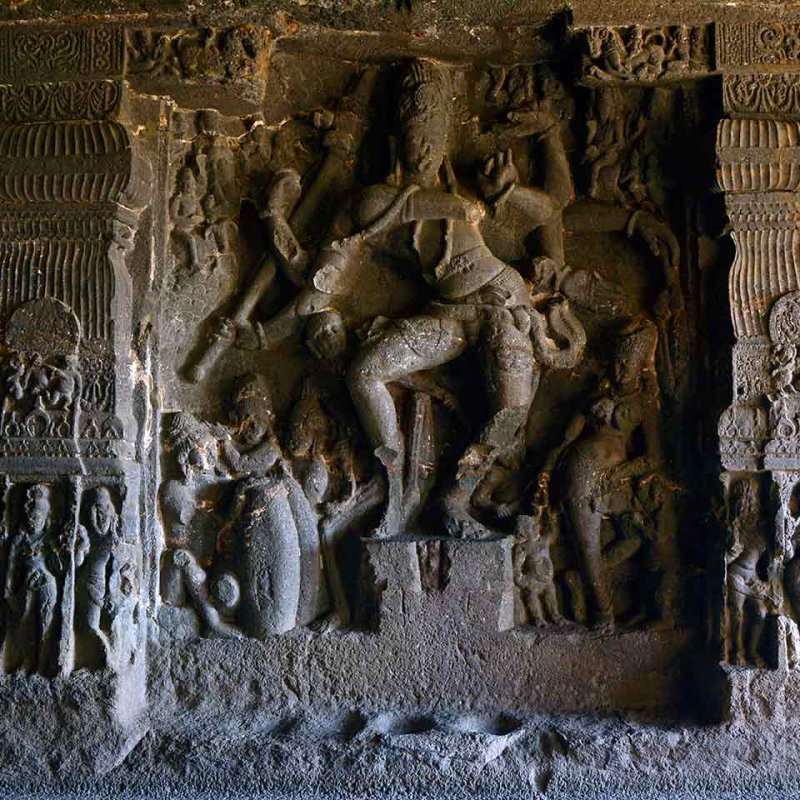
- Divine Beings: The temple features sculptures of various deities including Shiva, Parvati, Ganesha, Kartikeya, and many others in different forms and postures.
- Celestial Musicians: Beautiful carvings of Gandharvas and Apsaras (celestial musicians and dancers) adorn the pillars and walls.
- Mythical Creatures: The temple features various mythical creatures including yalis (lion-like creatures) and makaras (crocodile-like creatures).
The level of detail is extraordinary – from the expressions on faces to the jewelry on figures to the folds in garments. These carvings weren't just decorative; they served as educational tools, teaching mythology and religious stories to devotees who couldn't read texts.
Historical Context
According to inscriptions, the Kailasa Temple was commissioned by Krishna I, a Rashtrakuta king who ruled from 756-773 CE. The temple was probably built to commemorate Rashtrakuta military victories and to establish the dynasty's religious authority.
Legend says the king was gravely ill and prayed to Lord Shiva for recovery. Upon regaining health, he vowed to build a magnificent temple in Shiva's honor. The result was Kailasa – a testament to both devotion and royal power.
History & Construction: A Millennium of Creation
The story of Ellora Caves spans over 500 years of continuous construction, multiple dynasties, and evolving religious traditions. Understanding this history helps us appreciate these caves not as static monuments, but as living records of India's cultural evolution.
Why This Location?
The location of Ellora was carefully chosen by ancient builders:
- Geological Advantage: The area features basalt rock formations of uniform hardness, perfect for detailed carving. The rock isn't too soft (which would erode) nor too hard (which would be impossible to carve).
- Strategic Position: The caves are located on an ancient trade route connecting North and South India, making them accessible to pilgrims and patrons from different regions.
- Natural Setting: The location provided a peaceful environment conducive to meditation and spiritual practice, with water sources nearby.
- Existing Buddhist Presence: Buddhism was already established in the region, with earlier cave complexes in the area providing a template for Ellora's construction.
Chronological Development
Phase 1: Buddhist Caves (6th-8th centuries CE) The earliest excavations at Ellora were Buddhist caves, begun around 550 CE. This period saw the decline of Buddhism in India but also its final flourishing in rock-cut architecture. The Kalachuri dynasty were the primary patrons of these early caves.
The Buddhist caves reflect the Mahayana Buddhist tradition, with elaborate images of Buddha, bodhisattvas, and celestial beings. Unlike the simpler Hinayana caves at Ajanta, Ellora's Buddhist caves are more ornate, reflecting the evolving nature of Buddhist practice.
Phase 2: Hindu Caves (7th-9th centuries CE) As Hinduism experienced a revival across India, the Rashtrakuta dynasty emerged as patrons of Ellora's Hindu caves. This period, from about 700-850 CE, saw the creation of Ellora's most impressive monuments, including the Kailasa Temple.
King Dantidurga began the Hindu cave construction, followed by his nephew Krishna I, who commissioned the Kailasa Temple. The Rashtrakutas were powerful rulers who controlled much of South and Central India, and Ellora was part of their efforts to establish religious legitimacy.
Phase 3: Jain Caves (9th-11th centuries CE) The final phase of Ellora's construction was Jain caves, built by the Chalukya and Yadava dynasties from about 850-1000 CE. By this time, Jainism had gained prominence in Maharashtra, and the Jain caves reflect the wealth and devotion of Jain merchant communities.
The Jain caves are more compact and precise in their carving, reflecting Jain emphasis on austerity and detail. They represent the final flowering of rock-cut architecture at Ellora before this art form declined in favor of free-standing temple construction.
The Artisans
While we know the names of kings who commissioned the caves, the actual artisans remain anonymous. These master craftsmen:
- Worked with Simple Tools: Using only iron chisels, hammers, and pickaxes, they achieved results that modern engineers with advanced equipment find astounding.
- Were Highly Trained: The quality of work suggests generations of accumulated knowledge passed down through guilds of artisans.
- Came from Diverse Backgrounds: Inscriptions suggest craftsmen came from different regions, bringing diverse artistic traditions.
- Worked for Generations: The Kailasa Temple alone took over 100 years to complete, meaning multiple generations of the same family worked on it.
Decline and Rediscovery
By the 12th century CE, rock-cut architecture had declined in favor of free-standing temples. Ellora gradually fell out of active use, though it was never completely abandoned. Local people continued to worship here, and ascetics used some caves for meditation.
Unlike Ajanta, which was completely lost to the world and rediscovered in 1819, Ellora was never forgotten. It appeared in medieval texts and travel accounts, and medieval rulers continued to maintain and visit the caves. This continuous use helped preserve Ellora better than Ajanta.
The British took interest in Ellora in the 19th century, and the Archaeological Survey of India (ASI) began conservation efforts in the early 20th century. In 1983, UNESCO designated Ellora as a World Heritage Site, recognizing its "outstanding universal value" as a masterpiece of human creative genius.
Architecture & Construction Techniques
The architectural achievement of Ellora Caves is all the more impressive when we consider the techniques and constraints under which the ancient builders worked.
Top-Down Excavation Method
Unlike most construction that builds upward, cave temples are excavated downward. This technique required:
- Precise Planning: Every aspect had to be planned before excavation began. There was no room for error or improvisation.
- Structural Support: Builders had to identify natural pillars in the rock and preserve them to support the ceiling.
- Drainage Planning: Proper drainage channels were carved during excavation to prevent water accumulation.
- Ventilation Design: Air shafts and openings were carefully positioned for proper airflow.
- Natural Light Management: Openings were placed to maximize natural light while protecting sculptures from direct sunlight.
The process began with artisans creating a horizontal trench at the top of the rock face. They then excavated downward, removing rock layer by layer. As they went deeper, they would carve the architectural features – pillars first (to support the ceiling), then walls, then detailed sculptures.
Tool Technology
The ancient craftsmen used remarkably simple tools:
- Iron Chisels: Various sizes and shapes for different carving tasks
- Stone Hammers: For striking chisels
- Wooden Mallets: For more delicate work
- Picks and Crowbars: For removing large rock sections
- Measuring Devices: Simple but precise measuring sticks and plumb lines
What's remarkable is that these tools, despite their simplicity, could achieve incredibly detailed work. The artisans understood rock properties – they knew how to work with the grain, how to apply pressure, and how to avoid cracking or damaging the stone.
Scaffolding and Access
Building these caves required elaborate scaffolding systems:
- Bamboo Scaffolding: Used extensively for reaching higher areas
- Rope Systems: For lowering artisans and materials
- Temporary Platforms: Built at various heights for different phases of work
- Lamp Systems: Oil lamps provided illumination in dark interiors
Working conditions were challenging – dark, dusty, and often cramped. Artisans worked by the light of oil lamps, often hanging from ropes or standing on precarious scaffolding. Many must have died or been injured during construction, though their names are lost to history.
Engineering Innovations
Ellora's builders developed innovative solutions to engineering challenges:
- Acoustic Design: Cave 10 (Vishvakarma) has remarkable acoustics – the design was clearly intentional for chanting ceremonies.
- Climate Control: The caves maintain relatively constant temperature year-round, a natural benefit of rock-cut architecture.
- Water Management: Sophisticated drainage channels prevent water damage even during heavy monsoons.
- Earthquake Resistance: The monolithic nature makes these structures more resistant to earthquakes than built structures.
Notable Caves: Detailed Exploration
While all 34 caves at Ellora have merit, some stand out for their exceptional artistry or historical significance. Here's a detailed look at caves you shouldn't miss.
Cave 5: The Great Monastery
This Buddhist vihara is the largest cave at Ellora dedicated to monastic life. Key features:
- Dimensions: 35 meters long, making it Ellora's largest excavation
- 20 Pillars: Massive pillars create a sense of grandeur
- Buddha Images: Multiple sculptures showing Buddha in teaching postures
- Residential Cells: Small rooms where monks lived and meditated
The cave's size suggests it housed a large monastic community and served as an important center of Buddhist learning and practice.
Cave 10: Vishvakarma (Carpenter's Cave)
This Buddhist chaitya (prayer hall) is architecturally unique:
- Wood-Like Finish: The ceiling is finished to resemble wooden beams, hence the name "Carpenter's Cave"
- Acoustic Excellence: The hall has remarkable echo properties – try chanting here
- Beautiful Stupa: A carved stone stupa stands in the center
- Cathedral Feel: The vaulted ceiling creates a cathedral-like atmosphere
The cave demonstrates how Buddhist architects experimented with different styles and techniques to create spaces conducive to worship and meditation.
Cave 15: Das Avatara
This two-story Hindu temple is significant for its syncretic art:
- Dedication: Primarily a Shiva temple despite featuring Vishnu's incarnations
- Two Levels: Ground floor has simple pillars, upper floor has elaborate sculptures
- Ten Incarnations: Beautifully carved panels showing Vishnu's ten avatars
- Transitional Style: Shows evolution from Buddhist to Hindu artistic styles
The cave reflects the religious synthesis occurring in India during this period, where different traditions influenced and enriched each other.
Cave 16: Kailasa Temple
(Already covered in detail above – this is Ellora's masterpiece and must-see attraction)
Cave 21: Rameshvara
One of the most beautiful Hindu temples at Ellora:
- Goddess Sculptures: Exquisite carvings of various goddesses (matrikas)
- Durga Panel: Famous sculpture of Goddess Durga slaying the buffalo demon
- Ganesha Images: Multiple representations of Lord Ganesha
- Intricate Facade: The entrance features some of Ellora's finest carving
The cave demonstrates the sophistication of Hindu temple art during the Rashtrakuta period, with dynamic sculptures that seem to move and breathe.
Cave 29: Dumar Lena
A large Hindu cave temple with impressive features:
- Size: One of the largest excavations at Ellora
- Shiva Shrine: Central shrine dedicated to Lord Shiva
- Scenic Setting: Located near a waterfall, especially beautiful during monsoon
- Elaborate Entrance: Impressive carved facade with multiple figures
The cave's location near a seasonal waterfall makes it particularly photogenic and atmospheric, especially during the monsoon when the waterfall is active.
Cave 32: Indra Sabha
The most famous of the Jain caves:
- Two Stories: Elaborate two-level temple complex
- Tirthankara Sculptures: Beautiful representations of Jain spiritual teachers
- Lotus Motifs: Intricate lotus carvings throughout
- Serene Atmosphere: The cave has a distinctly peaceful, contemplative feel
Indra Sabha represents the pinnacle of Jain rock-cut architecture, with precise, detailed carvings that reflect Jain values of austerity and spiritual purity.
Best Time to Visit Ellora Caves
Timing your visit to Ellora Caves can significantly impact your experience. Here's a seasonal breakdown to help you plan.
Winter (October to March) – Ideal Season
Winter offers the most comfortable conditions for exploring Ellora:
- Temperature: Pleasant 12-30°C during the day, cool at night
- Comfort: Ideal weather for walking around the cave complex
- Photography: Good lighting conditions for photography
- Crowds: Moderate tourist traffic
November to February are particularly pleasant months. Mornings can be chilly, so carry a light jacket. The caves themselves maintain a fairly constant temperature year-round, but you'll spend time walking outside between caves.
Monsoon (July to September) – Mixed Experience
The monsoon season transforms Ellora's landscape:
- Greenery: Surrounding hills become lush and green
- Waterfall: The seasonal waterfall near Cave 29 is active
- Challenges: Paths can be slippery and muddy
- Humidity: High humidity inside caves can feel uncomfortable
If you visit during monsoon, wear shoes with good grip, carry rain gear, and be extremely careful on steps. The waterfall and lush greenery create beautiful photo opportunities, but you'll need to work harder for them.
Summer (April to June) – Not Recommended
Summer brings challenging conditions:
- Heat: Temperatures often exceed 40°C
- Discomfort: Rock surfaces radiate heat, making exploration exhausting
- Fatigue: You'll tire quickly in the intense heat
- Light: Harsh sunlight makes photography difficult
If you must visit in summer, go right when caves open at 6 AM, carry plenty of water, wear a hat, and take frequent breaks in shade. Avoid midday exploration altogether.
Best Time of Day
6:00 AM to 9:00 AM: The golden window for cave exploration. Soft morning light creates beautiful effects inside caves, temperatures are pleasant, and crowds are minimal. This is also the best time for photography.
4:00 PM to 6:00 PM: Afternoon light creates dramatic shadows and lighting effects, particularly in the Kailasa Temple courtyard. However, this is also peak tour time, so expect crowds.
Avoid: Midday (11 AM to 3 PM) when heat is intense and light is harsh.
How to Reach Ellora Caves
Ellora Caves are easily accessible from various parts of India. Here's how to plan your journey.
By Air
Aurangabad Airport (IXU) is the closest airport to Ellora Caves:
- Distance: 30 km from Ellora Caves
- Flight Time: 45 minutes from Mumbai, 1 hour from Delhi
- Airlines: Air India, IndiGo, and SpiceJet operate regular flights
- Taxi Cost: ₹600-800 from airport to Ellora
From the airport, hire a taxi or take a pre-paid cab to Ellora. The journey takes about 45 minutes.
By Train
Aurangabad Railway Station is the main railhead:
- Distance: 30 km from Ellora Caves
- Major Trains: Connected to Mumbai, Delhi, Hyderabad, and other major cities
- Popular Train: Jan Shatabdi Express from Mumbai (7 hours)
From the railway station, taxis, auto-rickshaws, and buses are available to reach Ellora. State transport buses are the cheapest option.
By Road
Ellora is well-connected by road:
- From Mumbai: 400 km, 8-10 hours via NH 60
- From Pune: 250 km, 5-6 hours via SH 60
- From Aurangabad: 30 km, 1 hour
- Road Conditions: Generally good, scenic route through rural Maharashtra
Driving yourself gives flexibility to explore at your own pace. Alternatively, hire a private car with driver – most hotels in Aurangabad can arrange this.
Local Transport
Once in Aurangabad:
- Private Taxi: Most convenient, ₹1500-2000 per day for Ellora sightseeing
- Auto-Rickshaw: Cheaper option, ₹300-400 for round trip to Ellora
- State Bus: MSRTC runs regular buses to Ellora, very economical (₹30-50)
- Tourist Bus: Many operators conduct day tours to Ellora (₹500-800 per person)
Timings, Entry Fee & Practical Information
Opening Hours
Ellora Caves Timing: 6:00 AM to 6:00 PM (Open all days except Tuesdays)
Closed: Every Tuesday
Best Time: Early morning (6-9 AM) for peaceful exploration and good lighting
Average Time Needed: 4-5 hours to see the main caves properly
Entry Fee Structure
Indian Citizens: ₹40 per person
Foreign Nationals: ₹600 per person
Children under 15: Free entry
SAARC & BIMSTEC Countries: Same as Indian citizens (₹40)
Photography: Still cameras are FREE. Video cameras: ₹25 extra
Important Notes: - Flash photography is NOT allowed inside caves - Tripods require special permission - Tickets can be purchased at the entrance gate - Foreign visitors should carry passport for ID verification
Facilities Available
- Parking: Ample parking available near entrance (₹50 for cars)
- Food: Small restaurants and snack stalls near entrance
- Water: Drinking water available at multiple points
- Restrooms: Clean facilities available
- Shoe Stand: Free storage for shoes (must remove in some caves)
- Guide Services: Licensed guides available at entrance
Hiring a Guide
Highly Recommended! A licensed guide transforms the experience:
Cost: ₹500-1000 for 2-3 hours (depending on group size)
Benefits: - Learn the stories behind sculptures - Understand historical context - Navigate the complex efficiently - Discover hidden details you'd miss alone
How to Hire: Official guides with ASI badges are available at the entrance gate. Look for their identification badges.
Essential Tips
- Wear Comfortable Shoes: You'll walk a lot on uneven surfaces
- Carry Water: Stay hydrated, especially in summer
- Bring Flashlight: Helps see details in dark corners
- Dress Modestly: These are religious sites – cover shoulders and knees
- Avoid Heavy Bags: You'll be climbing stairs and walking
- Start Early: Beat the crowds and heat by arriving at 6 AM
- Respect Rules: Don't touch sculptures, don't use flash
Nearby Attractions & Extended Itinerary
If you're traveling to Ellora, consider extending your trip to explore these nearby attractions.
Aurangabad City
The historic city of Aurangabad makes an excellent base:
- Bibi Ka Maqbara: Often called the "Mini Taj," this Mughal monument is Aurangabad's most famous landmark
- Panchakki: An ancient water mill with interesting engineering
- Aurangabad Caves: Smaller rock-cut caves within the city
- Gateways: 52 historic gateways dotted around the city
Daulatabad Fort
Just 15 km from Ellora, this 14th-century fort is worth visiting:
- History: Once capital of India under Muhammad bin Tughlaq
- Architecture: Impressive defense systems and Chand Minar
- Views: Panoramic views from the top
- Time Needed: 2-3 hours
Shirdi
For spiritual travelers, the famous Sai Baba shrine is nearby:
- Distance: 130 km from Ellora (3 hours)
- Significance: One of India's most popular pilgrimage sites
- Experience: Spiritual atmosphere regardless of religion
Read more about planning your visit to Shirdi from Mumbai for detailed information.
Grishneshwar Temple
Just 1 km from Ellora caves:
- Significance: One of the 12 Jyotirlinga temples of Lord Shiva
- Architecture: Beautiful example of Maratha temple style
- Timing: Can visit the same day as Ellora caves
Suggested Itineraries
1-Day Itinerary: 6 AM: Start Ellora exploration 9 AM: Breakfast break 10 AM: Continue Ellora 1 PM: Lunch 2 PM: Visit Grishneshwar Temple 4 PM: Daulatabad Fort 6 PM: Return to Aurangabad
2-Day Itinerary: Day 1: Ellora Caves (full day) Day 2: Daulatabad Fort + Aurangabad city sightseeing
3-Day Heritage Circuit: Day 1: Ellora Caves Day 2: Daulatabad + Aurangabad city Day 3: Ajanta Caves (100 km from Ellora)
Photography Tips for Ellora Caves
Capturing Ellora's beauty requires some preparation and technique. Here are tips for getting great photographs.
Best Time for Photography
- Early Morning (6-9 AM): Soft light, fewer crowds, long shadows create depth
- Late Afternoon (4-6 PM): Golden light, dramatic shadows
- Overcast Days: Diffused light is great for cave interiors
- Avoid: Midday when light is harsh and contrasty
Equipment Recommendations
- Camera: DSLR or mirrorless with good low-light performance
- Lenses: Wide-angle (16-35mm) for interiors, standard zoom (24-70mm) for details
- Tripod: Useful but check if allowed (usually not inside caves)
- Flash: Don't use inside (damages art, disturbs visitors)
Camera Settings
Inside Caves: - ISO: 800-3200 (higher for darker areas) - Aperture: f/2.8-f/4 (for low light) - Shutter: 1/60 or slower (use stabilization or tripod) - Shoot in RAW for flexibility in post-processing
Exteriors: - ISO: 100-200 - Aperture: f/8-f/11 (for depth of field) - Shutter: Varies with lighting conditions
Composition Tips
- Include People: Show scale by including people in wide shots
- Detail Shots: Focus on individual sculptures and carvings
- Architectural Lines: Use pillars and doorways for framing
- Panoramas: Kailasa Temple courtyard is perfect for panorama shots
What to Photograph
- Kailasa Temple: Wide shots of entire complex, detail shots of sculptures
- Cave Facades: Beautiful entrances of caves 10, 15, 16, 21
- Sculptures: Individual carvings and reliefs
- Architectural Details: Pillars, ceilings, carving techniques
Conclusion: A Timeless Legacy
Ellora Caves represent one of humanity's greatest artistic and engineering achievements. Over 500 years, generations of artisans carved these 34 caves from solid basalt rock, creating monuments that continue to awe and inspire visitors 1,400 years later.
What makes Ellora truly special is its diversity – three great religious traditions (Buddhism, Hinduism, and Jainism) coexisting in stone, each contributing magnificent examples of their faith. This harmony reflects India's ancient tradition of religious tolerance and philosophical exchange.
The Kailasa Temple alone would be sufficient to establish Ellora as a world-class monument. But when you add the beautiful Buddhist viharas, the impressive Hindu temples, and the serene Jain caves, you have a complex that offers weeks of exploration for serious students of art and architecture.
Beyond the art and architecture, Ellora tells stories – of kings who commissioned these monuments, of artisans who dedicated their lives to carving them, of monks and priests who worshiped here, and of millions of pilgrims who have sought blessings here over the centuries. These caves are not dead monuments – they're living heritage sites that continue to inspire devotion and wonder.
For travelers, Ellora offers a profound experience. Standing before the Kailasa Temple, you'll feel humbled by human ingenuity and determination. Walking through the Buddhist caves, you'll experience the peace that inspired generations of monks. Exploring the Hindu temples, you'll witness the energy and dynamism of divine stories. Meditating in Jain caves, you'll understand the quest for spiritual liberation.
Whether you're a history enthusiast, an architecture student, a spiritual seeker, or simply a curious traveler, Ellora Caves will leave an indelible mark on your memory. These monuments remind us of what humans can achieve when we combine faith, creativity, and perseverance.
So come to Ellora with an open mind and heart. Let these ancient stones speak to you across the centuries. Let the sculptures tell their stories. Let the architecture inspire wonder. And let yourself be transported to a world where art was devotion, where architecture was prayer, and where human hands achieved the impossible.
As you leave Ellora, you'll carry with you not just photographs, but a deeper appreciation for human creativity and the timeless quest for meaning that these caves represent. In a world that's constantly changing, Ellora stands as an enduring testament to the human spirit's capacity to create beauty that transcends time.
Location
Frequently Asked Questions
Q1.Why are Ellora caves famous?
Q2.Which day Ellora caves are closed?
Q3.What is the best time to visit Ellora caves?
Q4.What is Ellora caves entry fee?
Q5.How much time is needed for Ellora caves?
Q6.Who built Ellora caves?
Q7.What is special about Kailasa temple in Ellora?
Q8.How far is Ellora from Ajanta caves?
Q9.Is photography allowed in Ellora caves?
Q10.Which caves to visit in Ellora?
Recommended For You
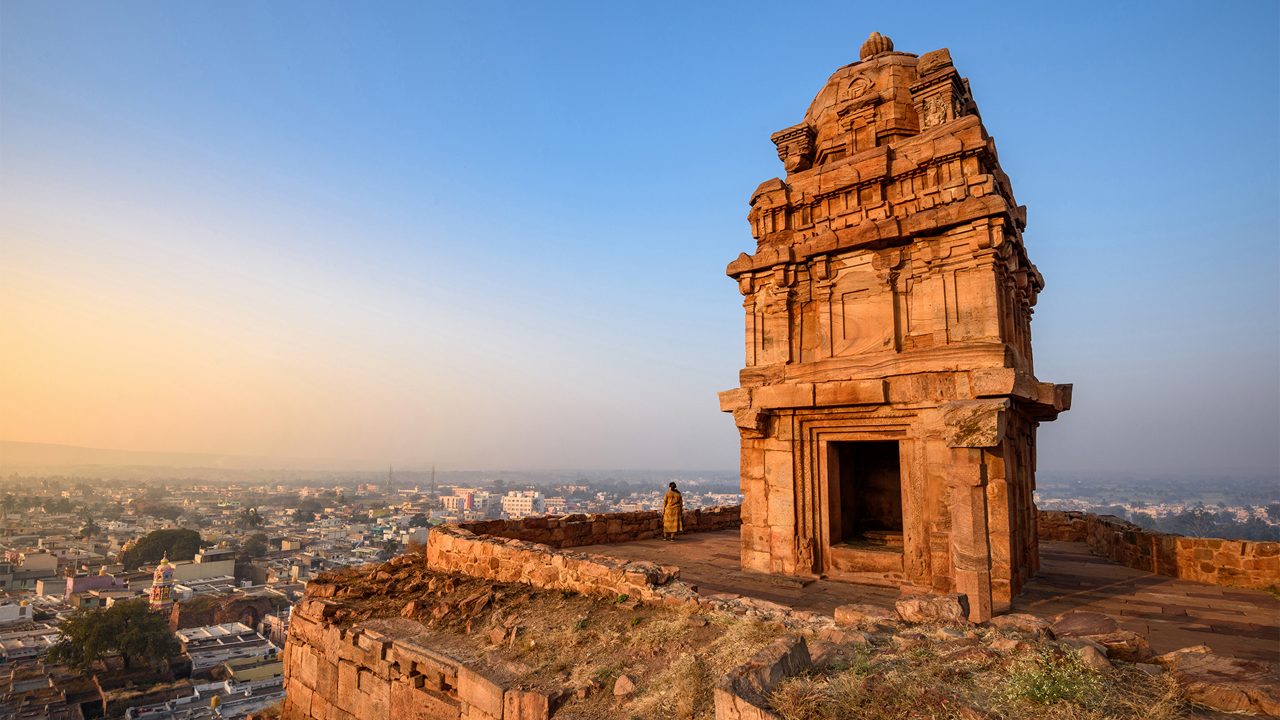
Badami Caves Karnataka: Rock-Cut Temples, Timings & Route
Explore Badami caves, magnificent rock-cut temples from 6th century. Discover Chalukya architecture, sculptures, timings & travel guide.
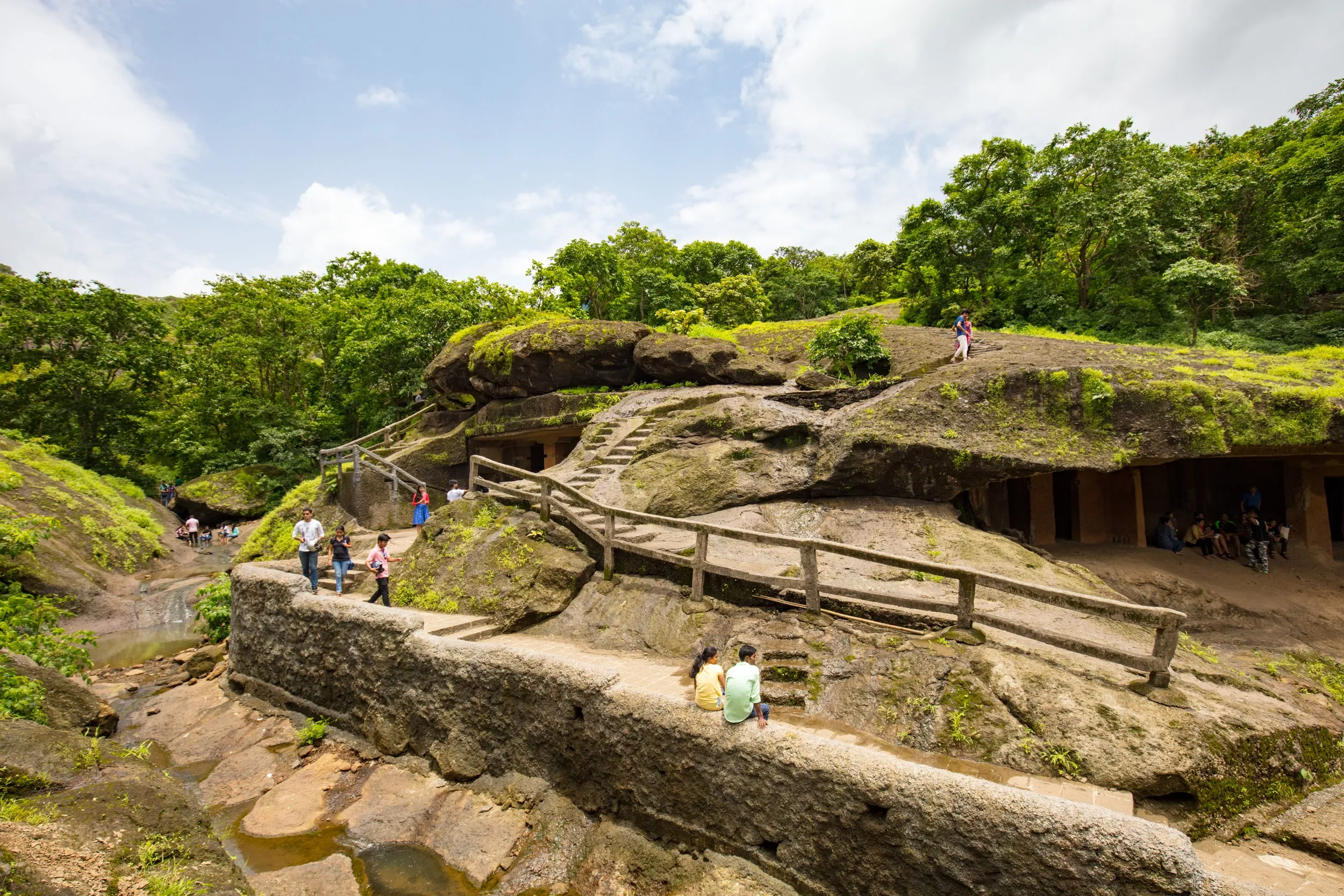
Kanheri Caves Mumbai: Buddhist Heritage, Timings & Trek Access
Explore Kanheri Caves in Mumbai's Sanjay Gandhi National Park. Discover ancient Buddhist rock-cut architecture, history & travel guide.
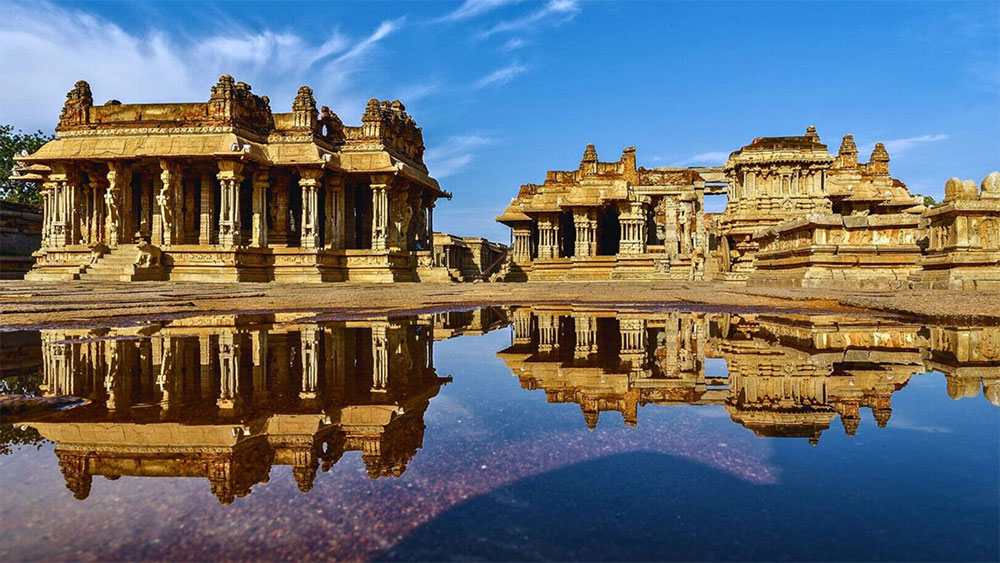
Temples of Hampi: Complete Guide to Vijayanagara Empire's Sacred Heritage
Discover the magnificent temples of Hampi, a UNESCO World Heritage Site. Explore Virupaksha, Vittala, and more Vijayanagara empire temples with our complete travel guide.
Never Miss an Adventure
Get the latest trekking guides, travel tips, and exclusive offers delivered straight to your inbox.
