
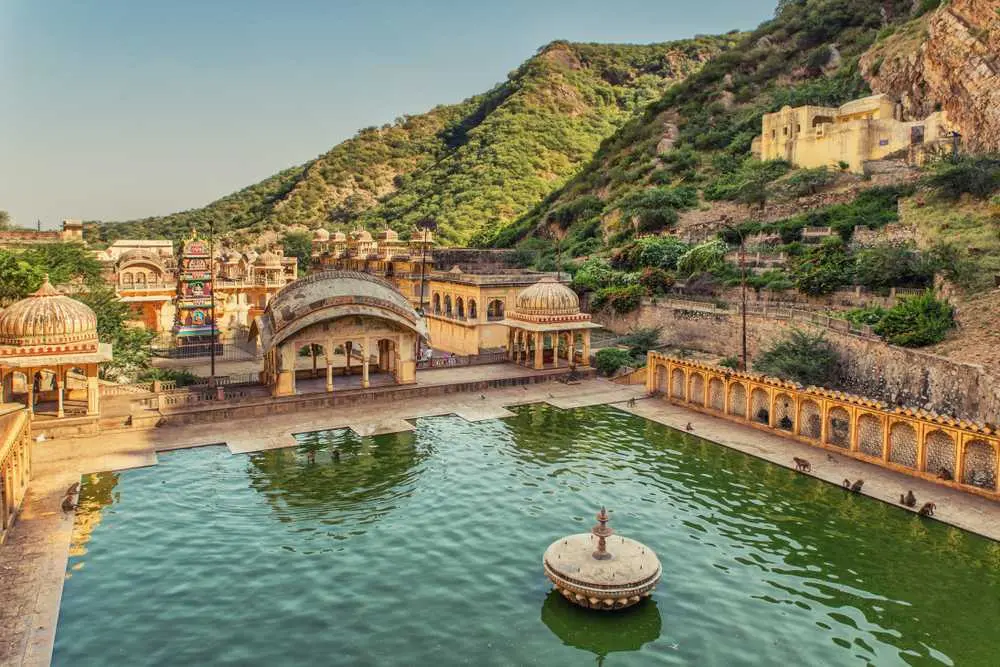
Galtaji Temple Jaipur: Timings, Monkey Temple Route & Entry Tips
Rohit Verma
January 13, 2026
Plan your Galtaji Temple Jaipur visit with timings, monkey-safety tips, kund significance, route guidance, and practical temple etiquette for a smooth experience.
Galtaji Temple Jaipur overview
Galtaji Temple Jaipur, popularly called the Monkey Temple Jaipur, is one of the city's most distinctive spiritual sites because it combines a historic temple complex, natural water kunds, hillside pathways, and a large monkey population in one setting. Unlike a flat city temple visit, Galtaji feels like a pilgrimage-and-landscape experience where route planning, hydration, respectful behavior, and timing can make a major difference to your day. The complex is associated with old saint traditions, sacred bathing belief around perennial kund water, and a devotional rhythm that continues through the day. For first-time visitors, the most practical approach is simple: choose a cooler time slot, carry light essentials, keep expectations realistic around monkeys, and pair the temple visit with one nearby Jaipur heritage stop instead of overloading your itinerary. If you are creating a full Jaipur spiritual route, combine this guide with Govind Dev Ji Temple Jaipur and Birla Mandir Jaipur for a balanced plan.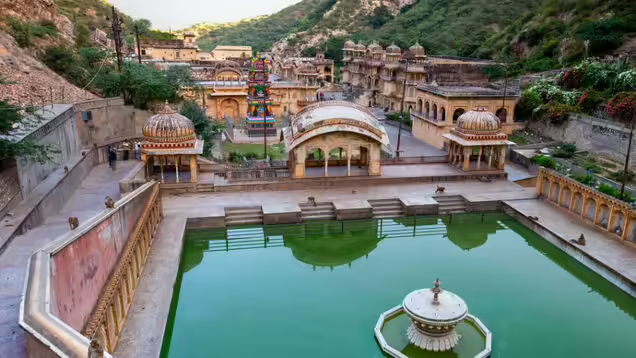
Galtaji Temple timings and practical darshan windows
Published timings for Galtaji commonly indicate early morning opening and evening closure, but practical access flow can vary by season, festival activity, local management updates, and individual shrine routines within the complex. For that reason, treat online timings as a baseline and verify same-day updates before departure. For most travelers, the best visitor windows are: 1. Early morning: cooler weather, softer light, and calmer movement. 2. Late afternoon: better temperatures than midday and good photography conditions.| Time Block | Experience Pattern | Recommendation |
|---|---|---|
| 6:00 AM to 9:00 AM | Cooler weather and lower crowd pressure | Best for first-time visitors and seniors |
| 10:00 AM to 3:00 PM | Hotter conditions, active monkey zones | Carry water, cap, and avoid long uphill strain |
| 4:00 PM to 7:00 PM | Pleasant light and balanced activity | Good for photography and relaxed exploration |
Entry fee, donations, and local spend planning
Galtaji is widely known as a free-entry temple complex for general darshan, though visitors should keep a small budget for parking, local transport, offerings, snacks, and voluntary donations. Depending on your route and group size, transport often becomes the biggest cost item rather than entry itself.| Expense Type | Typical Pattern | Planning Tip |
|---|---|---|
| Temple entry | Generally free for darshan | Carry small change for offerings or support |
| Parking | May vary by area/vehicle | Confirm local parking point before walking in |
| Local commute | Auto/cab dependent on start point | Fix return pickup beforehand in peak hours |
| Food/water | Light variable cost | Hydration-first planning for warm months |
How to reach Galtaji Temple from Jaipur
Galtaji sits on Jaipur's eastern side near hilly terrain, and road access is generally straightforward by cab or auto. Public transport plus final auto segment is possible, but first-time visitors often prefer direct point-to-point travel for convenience. Common approach options: 1. Cab/ride app: easiest for families and visitors carrying essentials. 2. Auto-rickshaw: practical from many city zones when negotiated clearly. 3. Personal vehicle: flexible if you are combining multiple Jaipur attractions in one day. Travel time can shift with traffic and season, so keep a buffer if you are linking Galtaji with Amber Fort Jaipur or City Palace Jaipur on the same day.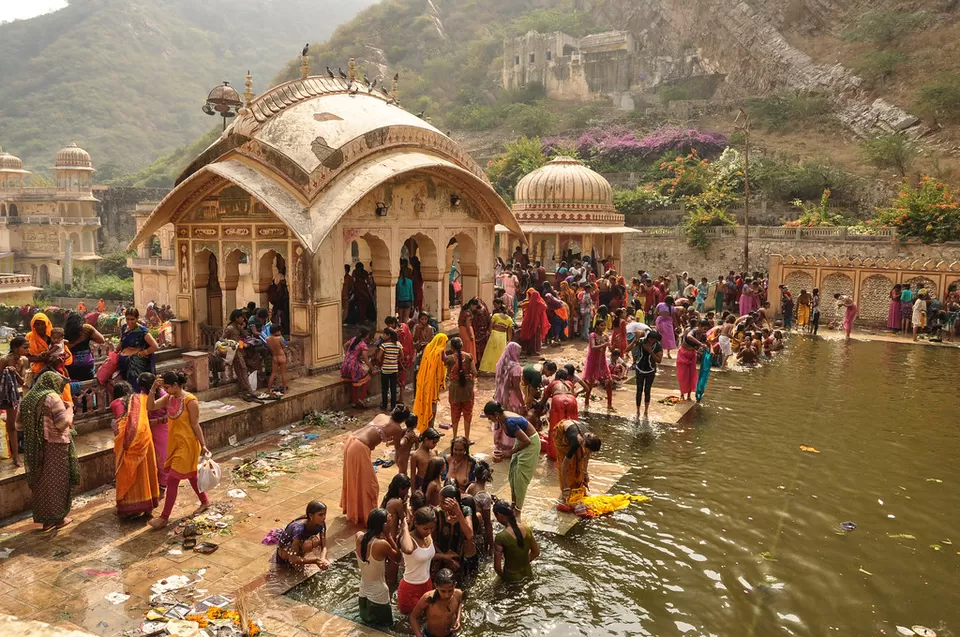
Temple complex architecture and cultural layout
Galtaji is not a single shrine stop; it is a layered temple complex with multiple structures, courtyards, and kund-focused sections built into a natural valley-like setting. This blend of built heritage and landscape is why the site feels different from Jaipur's major palace monuments. The architecture is generally associated with late medieval to early modern Rajput-era patronage, with references linking development phases to Diwan Kriparam's period. You will notice painted temple facades, arches, pavilions, stepped kund edges, and pathways that connect spiritual and landscape viewpoints. From a traveler perspective, the complex works best when explored in calm sequence rather than rushed. Keep short pauses at major nodes, observe ongoing rituals respectfully, and avoid turning sacred spaces into aggressive photo zones during active worship windows.Seven holy kunds and spiritual significance
One of Galtaji's most discussed features is the presence of sacred kunds fed by natural spring flow. The site is traditionally associated with seven holy kunds, with Galta Kund usually highlighted as the most important in devotional narrative. Visitors often come here not only for temple darshan but also for the symbolic meaning of perennial water in a semi-arid regional landscape. During specific festival periods, ritual bathing and temple-centered activity levels increase significantly.| Kund Aspect | Spiritual/Cultural Meaning | Visitor Guidance |
|---|---|---|
| Perennial water source | Seen as sacred continuity | Respect restricted zones and local rituals |
| Ritual association | Purification and devotional practice | Observe before participating, follow local direction |
| Pilgrimage value | Linked with spiritual discipline and tradition | Visit in cooler hours for more mindful experience |
Monkeys at Galtaji: safe behavior guide
The Monkey Temple name is popular for a reason: monkeys are a regular and visible part of the Galtaji experience. Most interactions remain manageable when visitors follow simple behavior rules. Problems usually happen when people carry visible food, attempt close selfies, or make sudden movements. Safe behavior checklist: 1. Keep bags zipped and valuables secure. 2. Do not tease, feed, or provoke monkeys. 3. Avoid holding plastic food packets in open view. 4. Maintain calm body language and steady pace. 5. Supervise children closely in monkey-dense sections. This one section alone can decide whether your visit feels peaceful or stressful, so treat monkey-awareness as essential planning, not optional advice.Sun Temple (Surya Mandir) and viewpoint experience
Many visitors include the upper Sun Temple area while exploring Galtaji because it offers a wider viewpoint experience and a stronger sense of the surrounding hills. The climb can feel moderate depending on heat and crowd, so morning or late-afternoon timing works better than peak midday in warmer months. If your group includes elders, split the route pace: one subgroup can attempt longer climbs while others continue temple exploration at lower levels and regroup later. This avoids fatigue conflict and keeps the outing comfortable for all.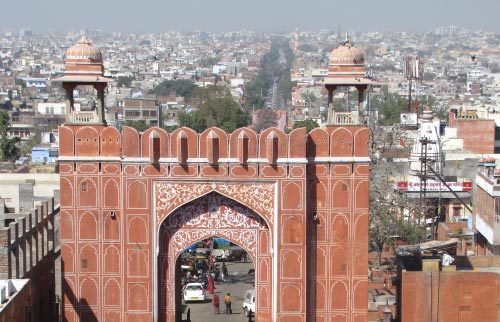
History, legends, and devotional context
Galtaji's narrative combines saint tradition, sacred spring belief, and regional temple patronage history. The site is commonly linked with sage Galav in local storytelling, and many devotees consider the complex spiritually charged because of the enduring water source and long ritual continuity. From a cultural tourism perspective, this layered identity is exactly what makes Galtaji important: it is part living temple ecosystem, part pilgrimage route, and part heritage landmark. Reading it only as a monkey attraction misses its deeper value and ongoing role in Jaipur's spiritual geography.Photography tips and respectful travel etiquette
Galtaji is photogenic, but it is also a functioning sacred space. Good photography here means balancing composition with respect. Practical photography rules: 1. Prefer early light for architecture and kund reflections. 2. Ask before close portraits of devotees or priests. 3. Keep distance from active ritual moments. 4. Avoid flash in sensitive prayer zones. 5. Protect your camera from monkey curiosity.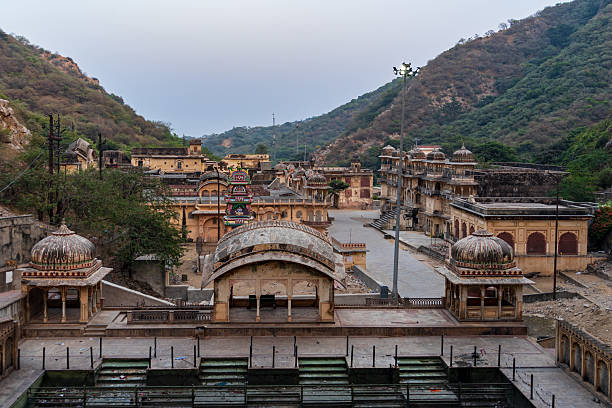
Nearby attractions to combine with Galtaji
You can turn a Galtaji half-day into a full Jaipur culture loop without making it exhausting. A balanced sequence can be: 1. Galtaji early morning 2. Hawa Mahal Jaipur for heritage photography 3. Controlled lunch break 4. One additional old-city or fort stop For larger planning, use Jaipur Travel Guide to structure transport and time blocks better.Festival periods and spiritual atmosphere
Galtaji becomes significantly more vibrant during major Hindu festival windows, especially when devotional travel volume increases and ritual activity around temple areas rises. On these days, visitors should expect denser movement, more local offerings activity, and longer waiting around key shrine points. The overall experience can be deeply meaningful, but only if you plan with extra patience and time buffer. Practical festival-day guidance: 1. Reach earlier than your intended darshan window. 2. Keep footwear and carry items minimal for faster movement. 3. Avoid rigid plans with multiple distant stops after temple visit. 4. Stay hydrated and take short rest breaks between uphill and flat segments. 5. Follow directions from local temple staff during crowd-heavy periods. For travelers interested in both culture and devotion, festival-time Galtaji offers strong visual and spiritual energy, but it is best treated as a single-anchor visit rather than one stop in an overpacked city checklist.Sample half-day and full-day plans
Visitors often ask whether Galtaji should be a short stop or a full temple block. The answer depends on your pace and group profile. If you like careful exploration, kund observation, and moderate hill movement, plan it as a major half-day segment.| Plan Type | Suggested Sequence | Best For |
|---|---|---|
| Half-day spiritual plan | Galtaji early slot + one local meal stop | Pilgrimage-first travelers and families |
| Full-day mixed plan | Galtaji + Hawa Mahal zone + one heritage stop | First-time Jaipur visitors |
| Photography-focused plan | Morning temple light + evening old-city visuals | Creators and culture-focused travelers |
Conclusion
Galtaji Temple Jaipur rewards visitors who come with the right mindset: spiritual respect, realistic timing, monkey-awareness, and route clarity. It is one of Jaipur's rare places where natural springs, temple heritage, and living devotional culture are experienced together. Plan it thoughtfully, keep your pace flexible, and treat the site as a sacred complex rather than just a quick photo stop. That approach consistently leads to a richer and calmer visit.Location
Frequently Asked Questions
Q1.What is Galtaji Temple Jaipur famous for?
Q2.Why is Galtaji called the Monkey Temple?
Q3.What are Galtaji Temple timings?
Q4.Is there an entry fee at Galtaji Temple?
Q5.How do I reach Galtaji Temple from Jaipur city?
Q6.Are monkeys dangerous at Galtaji Temple?
Q7.What are the seven holy kunds at Galtaji?
Q8.What is the best time to visit Galtaji Temple?
Recommended For You
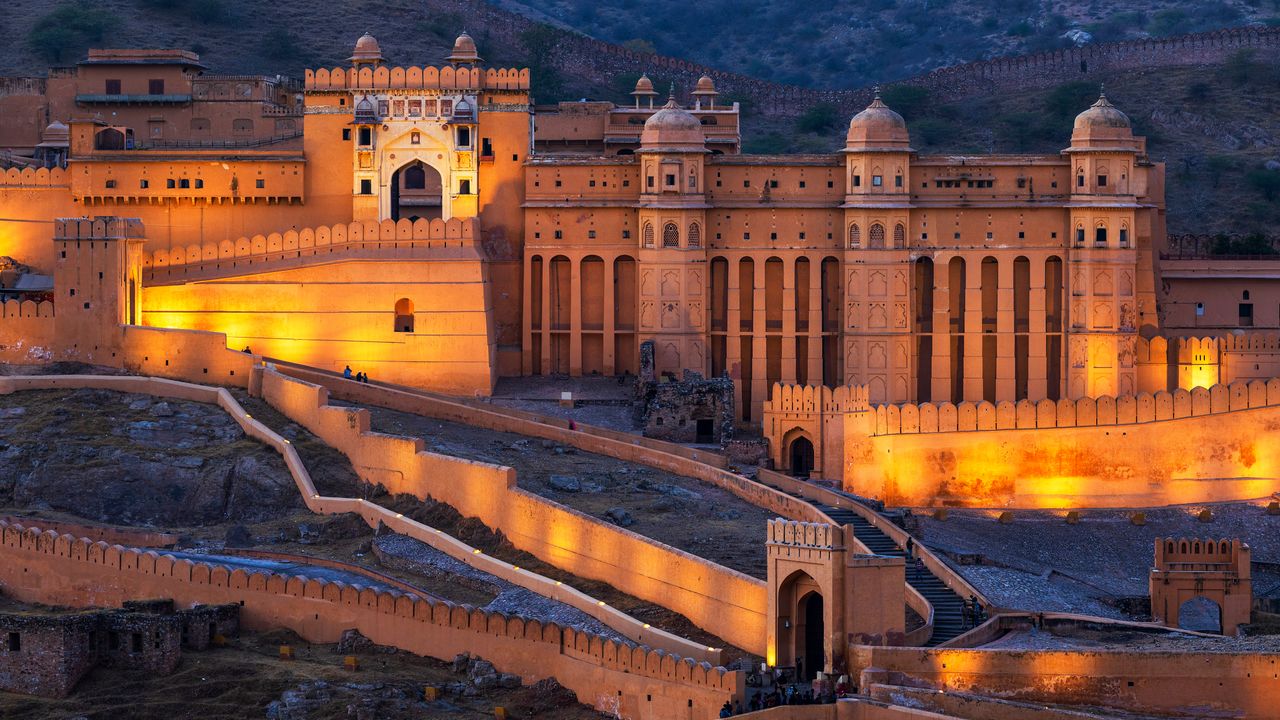
Amber Fort Jaipur: Complete Guide with Timings, Entry Fee & Tips
Explore Amber Fort Jaipur: UNESCO World Heritage Site featuring Sheesh Mahal, royal palaces, and stunning architecture. Complete guide with timings, entry fees, and travel tips.
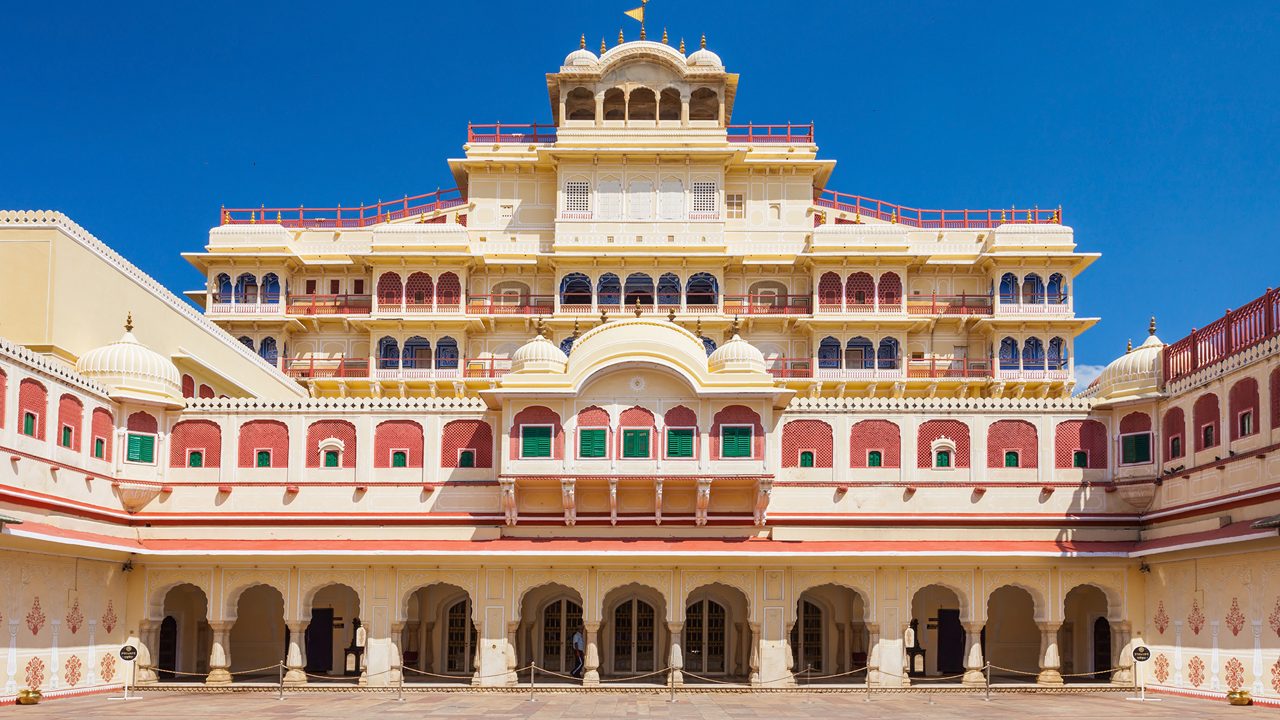
City Palace Jaipur: Ticket Options, Timings & Must-See Areas
Plan your City Palace Jaipur visit with practical tips on timings, tickets, routes, and combining with nearby attractions for a smooth heritage experience.
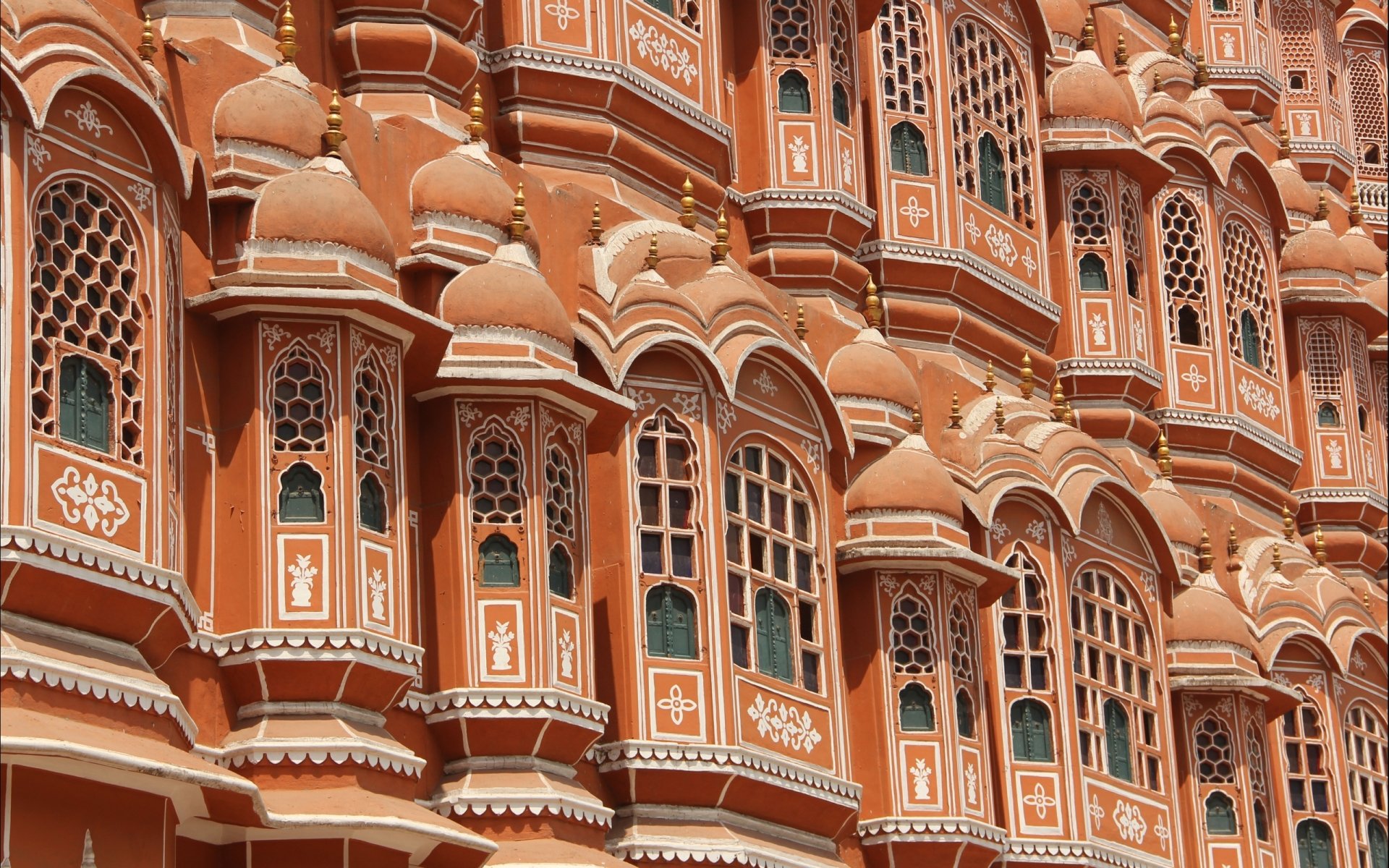
Hawa Mahal Jaipur: Complete Guide to Palace of Winds
Discover Hawa Mahal, Jaipur's iconic Palace of Winds with 953 windows. Explore its history, unique architecture inspired by Lord Krishna's crown, and practical visitor information.
Never Miss an Adventure
Get the latest trekking guides, travel tips, and exclusive offers delivered straight to your inbox.
