
15 Offbeat Places in Goa Beyond Beaches & Parties
Rohit Verma
December 10, 2025
Discover 15 offbeat places in Goa beyond beaches and parties. Hidden waterfalls, spice plantations, ancient caves, serene islands, and heritage villages for an authentic Goan experience.
Goa is synonymous with sun-kissed beaches, vibrant nightlife, and Portuguese colonial architecture. But beyond the popular stretches of Baga, Calangute, and the flea markets of Anjuna lies a different Goa—a land of hidden waterfalls, spice plantations, ancient caves, serene islands, and villages where time seems to have stood still. These offbeat places in Goa offer authentic experiences far from the tourist crowds, allowing you to discover the state's rich heritage, natural beauty, and tranquil charm. For those planning a comprehensive trip, our complete Goa travel guide covers the popular attractions.
Whether you're a first-time visitor looking to explore beyond the obvious, or a repeat traveler seeking new experiences, these 15 offbeat destinations will show you a side of Goa that few tourists ever see. From the stunning Dudhsagar Falls to the peaceful Divar Island, from the spice-scented plantations of Ponda to the ancient rock carvings of Kavalem, let's discover the hidden gems of Goa.
Nature & Wildlife
1. Dudhsagar Falls
Distance from Panaji: 60 km
Best Time: Monsoon (June-September) for maximum flow, post-monsoon for access
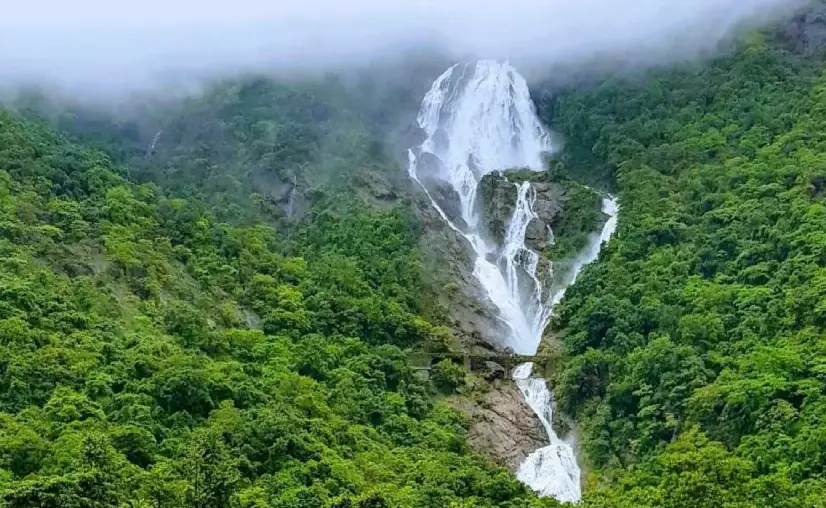
Dudhsagar (Sea of Milk) Falls is one of India's tallest waterfalls, plunging 310 meters in four dramatic tiers. Located on the Mandovi River in the Bhagwan Mahaveer Sanctuary, this waterfall is spectacular year-round but truly awe-inspiring during monsoon when it roars to life. After exploring Goa's hidden gems, you might want to discover Gokarna, another coastal destination known for its pristine beaches and spiritual significance.
The falls are accessible by jeep safari from Castle Rock station, a bumpy 12-kilometer journey through dense forest. As you approach, the sound of crashing water grows louder, and suddenly the falls appear through the trees—a wall of white water cascading down the cliff face into a emerald pool below. It's one of Goa's most magnificent natural sights.
How to Reach: Take a train to Kulem or Castle Rock, then hire a jeep to the falls. Many operators offer full-day tours from Panaji and Margao.
Tip: Visit just after monsoon (October-November) when access is easier but the falls still have impressive water flow. Monsoon visits are restricted due to safety concerns.
2. Bondla Wildlife Sanctuary
Distance from Panaji: 52 km
Best For: Families, wildlife enthusiasts, nature walks
While Cotigao and Bhagwan Mahaveer sanctuaries are larger, Bondla is Goa's most accessible wildlife sanctuary and perfect for a day trip. It's home to sambar deer, wild boar, Malabar giant squirrels, various species of snakes, and diverse birdlife. For wildlife enthusiasts interested in exploring more of India's diverse ecosystems, the Andaman Islands offer incredible marine life and tropical forests.
The sanctuary has a small zoo with rescued animals, a deer park, and well-marked nature trails. The Botanical Garden within the sanctuary showcases Goa's diverse flora. What makes Bondla special is its compact size—you can explore the entire sanctuary in 3-4 hours, making it perfect for families with children.
Best Time to Visit: November to March when weather is pleasant and wildlife is active.
Tip: Hire a naturalist guide at the entrance—their knowledge of the sanctuary's flora and fauna will enhance your experience significantly.
3. Netravali Wildlife Sanctuary
Distance from Panaji: 65 km
Best For: Serious wildlife enthusiasts, birdwatchers
Located in Sanguem taluka, Netravali is one of Goa's lesser-known sanctuaries and rewards visitors who make the effort to reach it. The sanctuary is home to the famous Netravali bubble lake, a unique geological formation where water bubbles up continuously due to underground gas.
The sanctuary's dense forests shelter elusive wildlife including the Great Pied Hornbill, sloth bears, and if you're very lucky, the occasional tiger or leopard. It's a birdwatcher's paradise with over 200 species recorded.
Best Time to Visit: November to April for wildlife spotting.
Tip: This sanctuary requires genuine interest in wildlife and patience. Don't expect tiger sightings—this is about experiencing pristine forest and the thrill of being in nature.
Heritage & Culture
4. Divar Island
Distance from Panaji: 10 km (ferry ride from Old Goa)
Best For: Culture, cycling, village life, photography
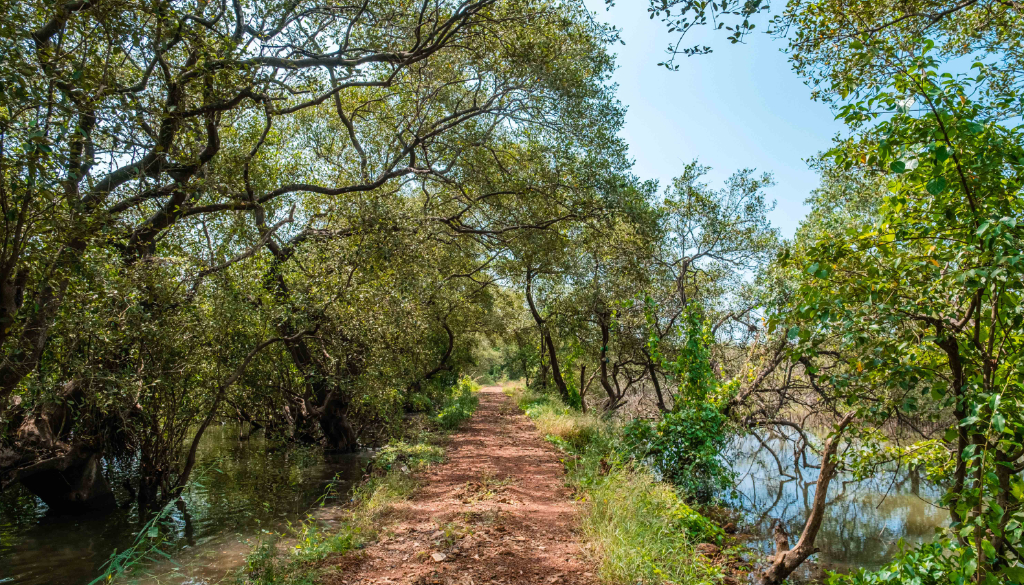
Located in the Mandovi River, Divar Island feels worlds away from the bustling beaches of North Goa. The island is largely untouched by mass tourism, offering a glimpse into traditional Goan village life. Take the ferry from Old Goa (passengers and bicycles only) and step back in time.
The island's landscape is stunning—green paddy fields, coconut groves, traditional colorful houses, and ancient churches. Cycle around the island (rentals available at the ferry jetty) and discover hidden temples, Portuguese-era mansions, and friendly locals who greet you with smiles.
The highlight is the drive around the island—the ferry crossing, the winding roads through lush countryside, and the absolute peace. Stop at small village eateries for authentic Goan fish curry and rice.
Best Time to Visit: November to February for pleasant weather and post-monsoon greenery.
Tip: Rent a bicycle at the ferry jetty and spend the day cycling around the island. It's flat, the roads are quiet, and you'll discover corners that cars can't reach. If you enjoy exploring beautiful beaches in Goa, don't miss the pristine coastal areas that offer a completely different experience from the popular tourist spots.
5. Chorao Island & Salim Ali Bird Sanctuary
Distance from Panaji: 5 km (ferry from Ribandar)
Best For: Birdwatching, mangrove forests, peaceful backwaters
Chorao Island is home to the Salim Ali Bird Sanctuary, Goa's only bird sanctuary. Named after India's famous ornithologist, this sanctuary encompasses the mangrove forests of the Mandovi and Mapusa rivers.
The sanctuary is a birdwatcher's paradise with over 400 species recorded, including migratory birds that arrive from September to March. Take a canoe ride through the mangroves at dawn or dusk for the best experience—you'll spot kingfishers, herons, egrets, and if you're lucky, the rare Lesser Adjutant Stork.
Beyond the sanctuary, Chorao Island offers traditional Goan village life, beautiful Portuguese-era houses, and the gorgeous Church of St. Bartholomew.
Best Time to Visit: September to March for migratory birds.
Tip: Take the early morning boat tour (6 AM) when birds are most active and the rising sun paints the mangroves golden.
6. Rivona Caves (Pandava Caves)
Distance from Panaji: 30 km
Best For: History buffs, archaeology enthusiasts, spiritual seekers
Carved out of a single rock laterite, these ancient caves date back to the 6th century and are associated with the Pandavas of Mahabharata fame. Located in Rivona village, the caves consist of six cells with a central prayer hall, suggesting they were used by Buddhist monks for meditation.
The caves are simple but atmospheric—you can almost feel the centuries of devotion that occurred here. The surrounding area is peaceful, with paddy fields and hills creating a perfect setting for contemplation.
Best Time to Visit: October to March.
Tip: Combine with a visit to nearby Chandor village to see magnificent Portuguese-era mansions—a full day of heritage exploration.
7. Tambdi Surla Temple
Distance from Panaji: 65 km
Best For: Architecture, history, spiritual experience
Hidden deep in the Bhagwan Mahaveer Sanctuary, Tambdi Surla is Goa's oldest temple, dating back to the 12th century. Unlike most Goan temples destroyed by the Portuguese, this one survived due to its remote location.
Dedicated to Lord Krishna, the temple is built in the classic Goan style with a pyramid-shaped shikhara (tower). What makes it special is its serene forest setting and the fact that it's one of the few temples in Goa with ancient Kadamba-style architecture intact. The rush of the nearby river adds to the peaceful atmosphere.
Best Time to Visit: October to April.
Tip: Combine with a visit to Dudhsagar Falls (they're in the same region) for a full day of nature and culture.
Spice Plantations
8. Savoi Spice Plantation
Distance from Panaji: 35 km
Best For: Agriculture enthusiasts, foodies, families
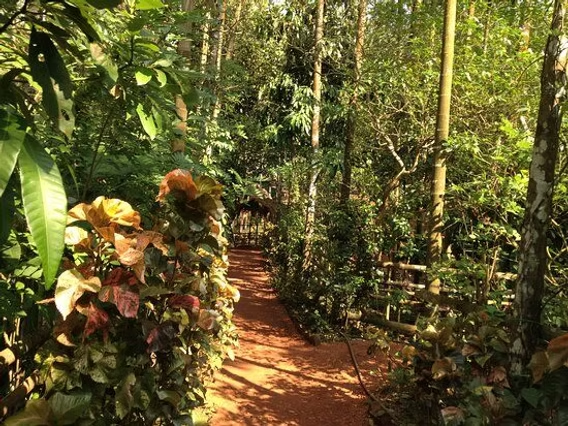
Goa's spice plantations are fascinating places where you can learn about the spices that made Goa famous in global trade. While many plantations cater to tourists, Savoi Verem is one of the more authentic and less commercialized options.
Take a guided tour through the plantation to see pepper vines, cardamom, nutmeg, cinnamon, cloves, vanilla, and betel nut growing. The guides explain how each spice is grown, harvested, and used in Goan cuisine. The tour ends with a traditional Goan lunch served on banana leaves.
What to Expect: Walking through dense greenery, tasting fresh spices, learning about sustainable farming, and enjoying a home-cooked Goan meal.
Best Time to Visit: October to March when the weather is pleasant for walking tours.
Tip: Ask if you can participate in spice harvesting (season-dependent)—it's a hands-on experience that most tours don't offer.
9. Pascoal Spice Farm
Distance from Panaji: 30 km
Best For: Families, educational tours, elephant bathing
Pascoal Spice Farm in Ponda is another excellent option, especially for families. The guided tours are informative and suitable for all ages. What sets Pascoal apart is the elephant bathing experience—you can watch elephants being bathed in the river (ethical treatment standards vary, so observe first).
The plantation also offers a comprehensive spice tour, traditional Goan lunch, and butterfly watching in their dedicated butterfly garden.
Best Time to Visit: October to April.
Tip: Book the morning tour when the air is cool and the butterflies are most active.
Hidden Beaches & Coastal Spots
10. Butterfly Beach
Distance from Palolem: Boat ride
Best For: Seclusion, swimming, dolphin watching
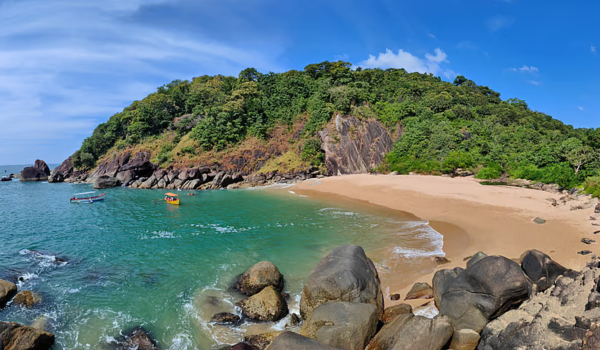
Accessible only by boat from Palolem or Agonda, Butterfly Beach is one of Goa's hidden gems. The beach is named for the butterflies that flutter in the surrounding forest, though the real attraction is its pristine beauty and complete isolation.
The beach is a small cove with golden sand, crystal-clear water, and nothing else—no shacks, no crowds, just you and nature. It's perfect for swimming, sunbathing in complete privacy, and watching dolphins that are frequently seen in the area.
How to Reach: Hire a fisherman's boat from Palolem beach (30-minute ride) or take a canoe from Agonda. Negotiate the price and time for pickup before departing.
Tip: Visit early morning (8-9 AM) to have the beach completely to yourself. The boat ride through the backwaters is beautiful in the morning light.
11. Kakolem Beach
Distance from Palolem: 12 km
Best For: Sunset views, surfing, solitude
Also known as Kholem Beach, this hidden gem is accessible via a scenic drive through the jungle from Palolem. The beach is relatively unknown to mainstream tourists and offers a spectacular setting—high cliffs on both sides create a cove with golden sand and turquoise water.
The climb down to the beach is steep (about 150 steps), but worth it. Once there, you might be the only person on this beautiful stretch of sand. The beach is excellent for swimming when the sea is calm, and the sunset views from the cliffs are spectacular.
How to Reach: Drive from Palolem or Canacona, then hike down the steps. No proper road—part of the adventure.
Tip: Go in the late afternoon, spend time on the beach, then climb back up for sunset views from the cliffs above.
12. Colomb Beach
Distance from Palolem: 2 km walk or short boat ride
Best For: Escape from Palolem crowds, romantic sunset
Just north of popular Palolem, Colomb Beach offers the same beautiful scenery without the crowds. Accessible by walking from Palolem at low tide or by a short boat ride, Colomb is lined with small, basic shacks serving fresh seafood.
The beach is quieter than Palolem but not completely isolated—perfect if you want peace but still want the option of restaurants and facilities nearby. The northern end is particularly tranquil.
Tip: Stay in one of the beach huts for a few days instead of Palolem—you'll be steps away from a beautiful beach but away from the noise.
Hidden Villages & Architecture
13. Chandor Village
Distance from Panaji: 35 km
Best For: Portuguese architecture, heritage homes, village life
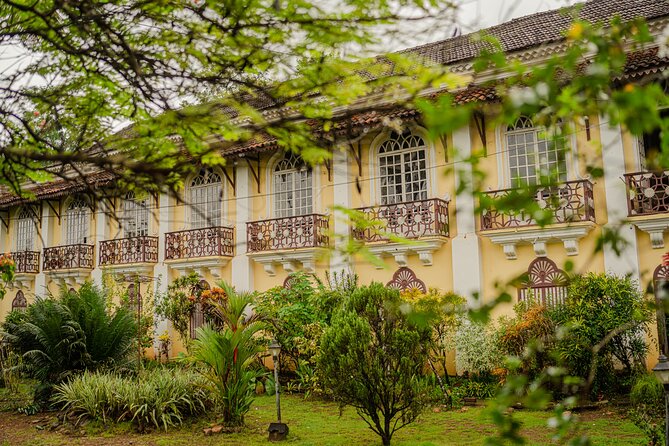
Chandor was once the capital of the Kadamba dynasty and later a wealthy Portuguese administrative center. Today, it's a quiet village with magnificent heritage mansions that offer a glimpse into Goa's aristocratic past.
The highlight is the Braganza House, a grand 17th-century mansion featuring exquisite Portuguese architecture, period furniture, and a chapel. The Perreira House (also known as the Casa Pernal) is another gem with its ballroom and rosewood furniture. Wandering through Chandor feels like stepping into a bygone era.
Best Time to Visit: November to February when weather is pleasant for walking tours.
Tip: Hire a local guide who can show you the houses and explain their fascinating histories. Some houses require permission to enter.
14. Aldona Village
Distance from Panaji: 15 km
Best For: Country roads, photography, heritage houses
Aldona is a picturesque village in North Goa with beautiful Portuguese-era houses, a scenic riverside location, and the famous Church of St. Thomas. The village has appeared in several Bollywood films for its charming setting.
The drive to Aldona is beautiful—through lush countryside, across the Corjeum River, and past traditional houses with red tiled roofs. Rent a scooter and explore the village's narrow lanes, visit the church, and enjoy a Goan lunch at a local home-turned-restaurant.
Tip: Stop at the viewpoints over the Corjeum River—the photos you'll capture are classic Goa.
15. Loutolim Village
Distance from Panaji: 30 km
Best For: Goan culture, Ancestral Goa museum
Loutolim is home to the magnificent Ancestral Goa museum (Big Foot), an open-air museum showcasing traditional Goan village life. The museum recreates a traditional village with actual houses, implements, and life-sized statues demonstrating various occupations and crafts.
The village itself is charming with traditional colorful houses, friendly locals, and a slower pace of life. Visit the Casa Araujo Alvares, a 300-year-old mansion that's been converted into a heritage house museum.
Tip: Spend a full afternoon at Ancestral Goa—it's informative, well-maintained, and gives kids a fun, educational experience about Goan culture.
Practical Tips for Exploring Offbeat Goa
Best Time to Visit
- November to February: Peak season with pleasant weather, all places accessible
- March to May: Warmer but fewer crowds, cheaper accommodation
- June to September: Monsoon—lush green, Dudhsagar at peak, but many places inaccessible
- October: Just after monsoon—everything is green and accessible
Getting Around
- Scooter/Motorcycle: Best option for flexible exploration (₹300-500/day)
- Car Rental: Good for families, gives comfort and AC (₹1,500-2,500/day)
- Taxi/Auto: Convenient but expensive for full days
- Local Buses: Cheap but not convenient for reaching offbeat places
- Ferries: Essential for island visits—very affordable (₹10-20 per trip)
Where to Stay
- North Goa Heritage: Old Goa area for Divar Island and heritage sites
- South Goa Beaches: Palolem or Patnem for Butterfly and Kakolem beaches
- Village Stays: Homestays in Divar, Chandor, or Loutolim for authentic Goan life
- Plantation Stays: Spice plantations offer unique accommodation experiences
What to Eat
- Fish Curry Rice: Goa's signature dish, best at small village eateries
- Goan Pork Sorpotel: Spicy pork curry, special occasion dish
- Bebinca: Traditional Goan dessert (layered pudding)
- Feni: Local cashew or coconut spirit—acquired taste but worth trying
- Seafood: Fresh crab, lobster, prawns at beach shacks in south Goa
- Sannas: Fermented rice cakes, typically eaten with sorpotel
Responsible Tourism
- Respect local customs, especially at religious sites
- Don't litter in nature—carry your trash back with you
- Support local businesses—eat at local restaurants, hire local guides
- Ask permission before photographing people or private property
- Dress modestly when visiting villages and religious sites
Suggested Itineraries
Heritage Tour (2 Days)
- Day 1: Old Goa churches → Divar Island (ferry, cycling) → Ribandar
- Day 2: Chandor village (heritage houses) → Rivona caves → Tambdi Surla temple
Nature Tour (2 Days)
- Day 1: Dudhsagar Falls (full day including safari) → Spice plantation visit
- Day 2: Bondla Wildlife Sanctuary → Salim Ali Bird Sanctuary (Chorao)
Hidden Beaches Tour (2 Days)
- Day 1: Palolem → Butterfly Beach (boat) → Colomb Beach
- Day 2: Kakolem Beach → Agonda → Sunset at Cabo de Rama fort
Conclusion
Goa's offbeat places offer a richer, more authentic experience than the crowded beaches and party scenes. From thundering waterfalls in pristine forests to peaceful island villages, from ancient caves to spice-scented plantations, these hidden gems show you a Goa that most tourists never see.
Exploring these offbeat destinations requires more effort—you'll need to rent a scooter or car, drive through countryside, sometimes take ferries, and venture away from the tourist trail. But the rewards are immense: genuine interactions with locals, stunning natural beauty, cultural experiences that feel authentic rather than staged, and memories that go beyond the typical Goa holiday.
So next time you're in Goa, take a break from the beaches and discover these hidden treasures. You'll return home with stories and photos that few other travelers can match, and a deeper appreciation for this beautiful state beyond its famous coastline.
Location
Frequently Asked Questions
Q1.What are the best offbeat places to visit in Goa?
Q2.How do I reach Dudhsagar Falls in Goa?
Q3.Can I visit Goa islands like Divar and Chorao?
Q4.Are spice plantations in Goa worth visiting?
Q5.What are the hidden beaches in Goa?
Q6.What is the best time to visit offbeat places in Goa?
Q7.How can I explore offbeat Goa in 3 days?
Q8.Is Goa safe for solo female travelers exploring offbeat places?
Recommended For You
Beaches Alleppey: Complete Guide to Alappuzha's Coastal Paradise
Discover the best beaches in Alleppey (Alappuzha), from the historic Alappuzha Beach to pristine Marari Beach. Enjoy the unique combination of Kerala's backwaters and Arabian Sea coastline with houseboat experiences, fresh seafood, water sports, and stunning sunsets in this comprehensive coastal paradise guide.
Best Beaches in Puducherry: Activities, Nearby Cafes & Stay Areas
Complete guide to the best beaches in Puducherry including Promenade, Serenity, Auroville, Paradise, and more. Discover surfing spots, timings, activities, and travel tips.
Gokarna Beach Escape: A Serene Alternative to Goa
Plan a Gokarna beach escape with practical beach sequencing, budget guidance, stay strategy, and one-day/two-day itinerary ideas for first-time travelers.
Never Miss an Adventure
Get the latest trekking guides, travel tips, and exclusive offers delivered straight to your inbox.
