
National Museum Maldives: Timings, Tickets & Must-See Exhibits

Rohit Verma
February 10, 2026
Visit National Museum Maldives in Male. History, sultan park, tickets, timings & exhibits. Discover Maldivian culture & heritage.
National Museum Maldives: Cultural Heritage
In the heart of Male, the bustling capital city of Maldives, stands the National Museum - a repository of the island nation's rich history, culture, and heritage. Established in 1952 as one of Maldives' first dedicated museum facilities, this institution preserves artifacts spanning over a millennium of Maldivian civilization. From ancient Buddhist relics to Sultanate treasures, the National Museum offers visitors a journey through the fascinating evolution of Maldives' unique island culture.
What makes the National Museum particularly special is its location within Sultan Park, once the royal palace grounds of Maldivian sultans. This setting connects the museum directly to Maldives' political and cultural heart. Unlike many national museums that feel removed from the communities they represent, this museum sits amidst Male's daily life, near important government buildings, and overlooking the harbor that has sustained Maldives for centuries.
For visitors to Maldives, who primarily come for pristine beaches and marine experiences, the National Museum provides essential cultural context. Understanding Maldives' Buddhist past, Islamic present, and monarchy heritage enriches appreciation of contemporary Maldivian life. Whether you're a history enthusiast, cultural traveler, or someone seeking deeper connection to the places you visit, the National Museum delivers valuable insights into Maldives' soul.
About National Museum Maldives
History and Establishment
The National Museum of Maldives was established on November 11, 1952, making it one of the country's oldest dedicated cultural institutions. The museum's creation came as Maldives was modernizing and seeking to preserve its rapidly disappearing cultural heritage due to environmental challenges and modernization. Opening as a national museum represented a commitment to documenting and conserving Maldivian identity.
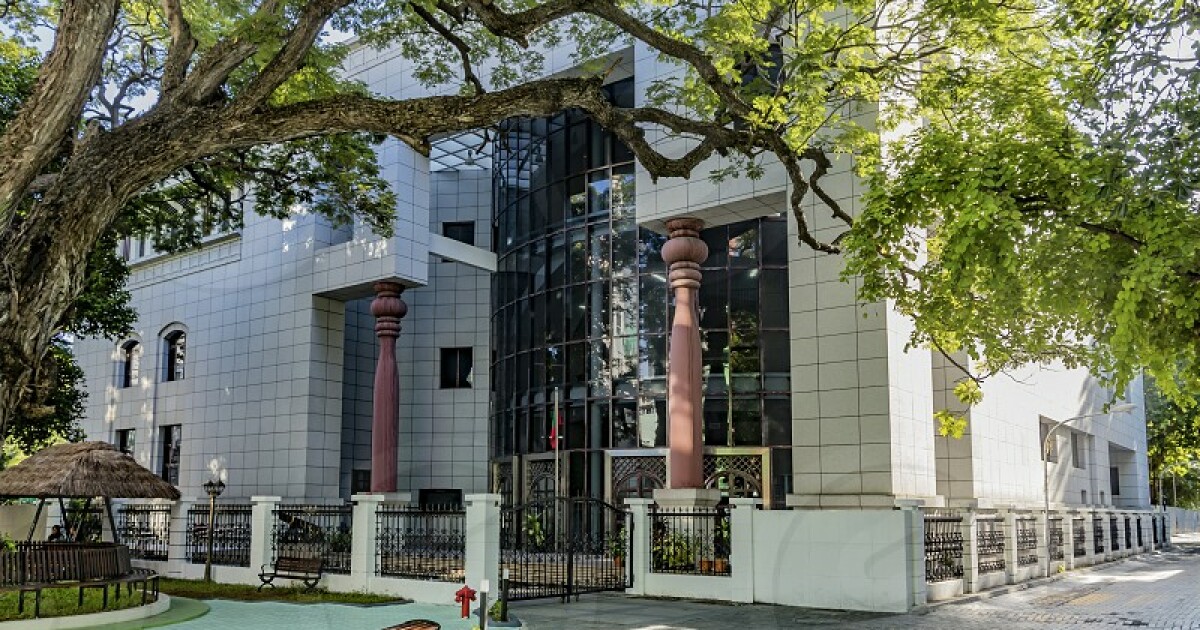
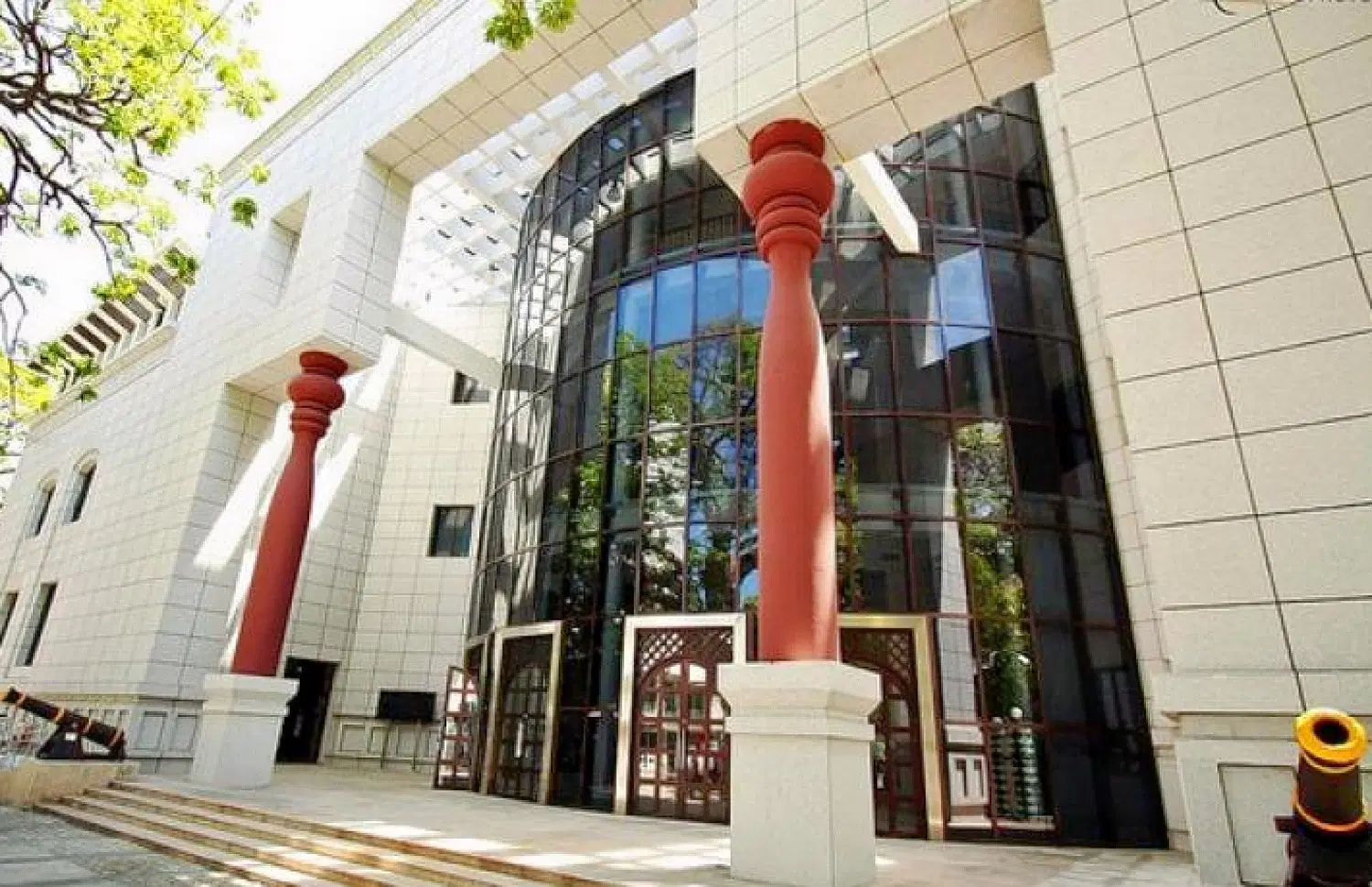
The museum building itself is a three-story structure built in the traditional Maldivian architectural style, featuring coral stone construction and ornate woodwork. Located within Sultan Park, the museum sits on the site of the former Sultan's Palace (Usthuru Ganduvaru), connecting it directly to Maldives' royal heritage. This location choice was deliberate, symbolizing the continuity from monarchy to modern independent nation.
Building Architecture
The National Museum's architecture reflects traditional Maldivian construction techniques adapted to the island environment. The three-story building uses coral stone, abundantly available from Maldives' reefs, for walls and foundations. The upper floors feature intricate woodwork using local timber, demonstrating craftsmanship developed over centuries of island life.
The building's design accommodates Maldives' tropical climate with features for ventilation and protection from heavy monsoon rains. Traditional Maldivian windows, designed to capture breezes while blocking direct sun, dot the facade. The overall aesthetic represents a distinctly Maldivian architectural language that has evolved to suit the islands' unique environmental and cultural conditions.
Sultan Park Context
The museum's location within Sultan Park adds significant context to any visit. Sultan Park was the grounds of the Sultan's Palace, the political center of pre-independence Maldives. While the palace itself no longer stands, the park remains as a green space in Male's heart, connecting past and present.
The park features several important monuments including the Presidential Palace used until 2018, Islamic Centre, and memorials. Visiting the National Museum within this historical setting provides broader understanding of Maldives' political evolution from monarchy to republic. The park's tranquil atmosphere offers a contemplative space before or after museum exploration.
Museum Collections and Artifacts
Buddhist Heritage
One of the National Museum's most significant collections documents Maldives' pre-Islamic Buddhist past. Before embracing Islam in the 12th century, Maldives followed Buddhism for approximately 1,400 years. The museum preserves Buddhist artifacts including stone sculptures, coral carvings, and ceremonial items discovered from archaeological sites across the islands.
Notable Buddhist artifacts include ancient coral stone heads representing Buddhist deities, discovered at various temple sites. These artifacts demonstrate the sophisticated artistic traditions that flourished in pre-Islamic Maldives. The Buddhist collection helps visitors understand Maldives' complete cultural evolution - not just its Islamic present but its ancient spiritual traditions that profoundly shaped Maldivian civilization.
Sultanate Period Relics
The National Museum houses extensive collections from Maldives' Sultanate period (1153-1968 CE). These artifacts include royal regalia, ceremonial objects, weapons, and personal items belonging to various sultans. The collection represents over 800 years of Maldivian monarchy and Islamic governance.
Notable Sultanate artifacts include royal thrones, ceremonial swords, and ornate coral stone carvings commissioned by sultans. Personal items of sultans including jewelry, clothing, and daily use objects provide insights into royal life. The weapons collection includes traditional Maldivian swords and defensive weapons, showing how island nation defended itself despite limited military capacity. These artifacts collectively tell the story of Maldives under Islamic rule.
Maritime Heritage
As an island nation, Maldives' relationship with the sea is fundamental to its identity and survival. The National Museum preserves maritime heritage including traditional boats (dhonis), fishing equipment, and navigation instruments that sustained Maldivians for centuries. These artifacts represent the ingenuity required to thrive in scattered island environments.
Traditional Maldivian dhonis, with their distinctive design using local timber and coconut fiber ropes, represent remarkable seafaring technology. Fishing gear including hooks, nets, and traditional methods show how Maldivians harvested the ocean's bounty. Navigation instruments used to travel between atolls demonstrate astronomical knowledge and seafaring skills developed over generations. The maritime collection connects visitors to Maldives' fundamental relationship with the Indian Ocean.
Cultural and Daily Life
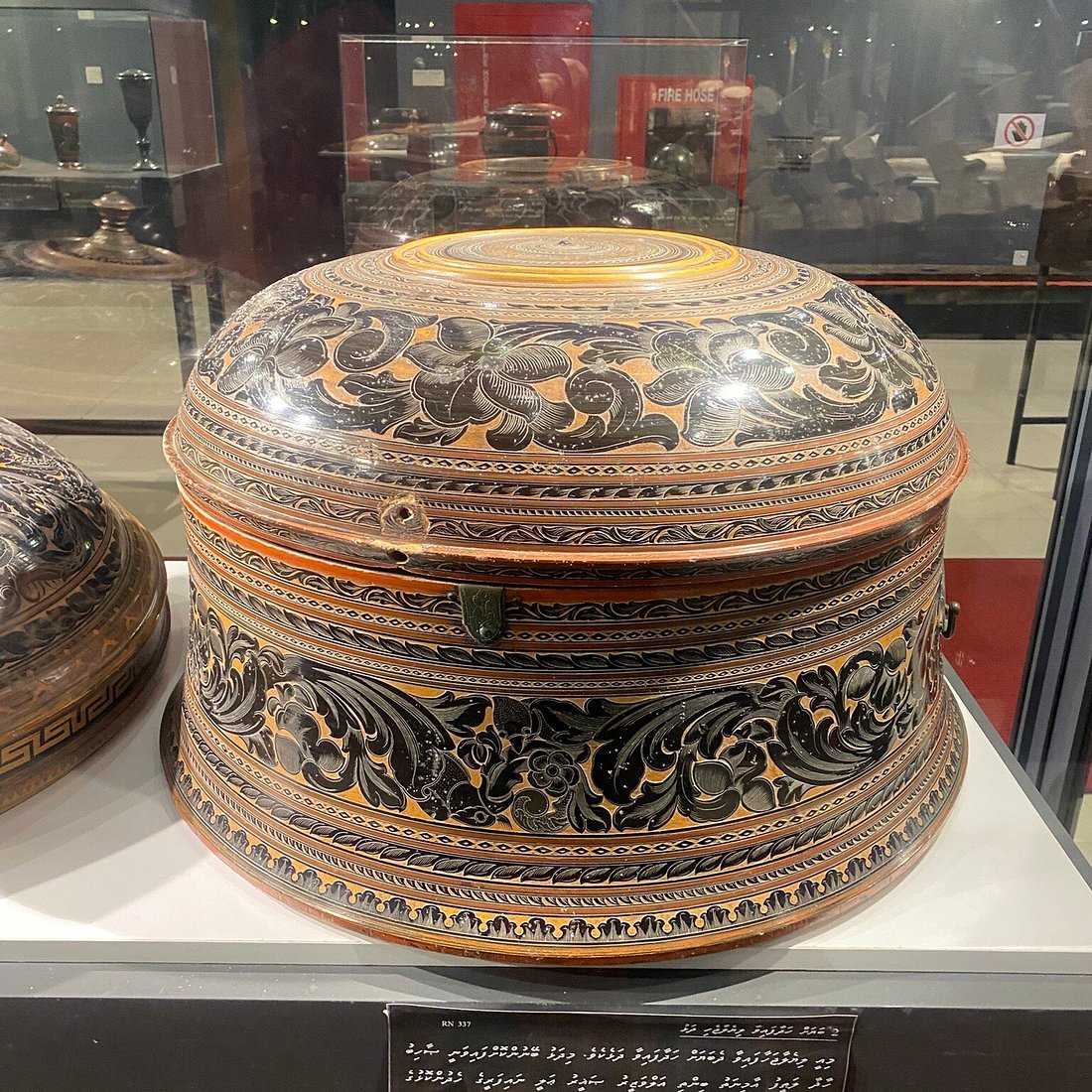
The museum also documents Maldivian daily life, crafts, and traditions. Artifacts related to traditional occupations like mat weaving, coconut processing, and lacquer work show how Maldivians created practical items from available island resources. These crafts represent not just economic activities but cultural expressions developed over generations.
Traditional Maldivian clothing, jewelry, and personal adornments provide insights into social structures and aesthetic preferences. The collection includes items for different life stages - childhood, marriage, and religious practice. Musical instruments, traditional games, and ceremonial objects show how Maldivians celebrated and passed time in isolated island communities. These cultural artifacts help visitors appreciate the richness of daily life beyond tourist resorts.
Best Time to Visit
Weekday Visits
Weekdays are typically the best time to visit the National Museum Maldives. Male's weekdays see fewer tourists compared to weekends, meaning the museum is less crowded and you can explore collections at your own pace. Weekday visits also allow better interaction with museum staff who can provide insights.
Most visitors to Maldives come for beach resorts and arrive in Male on their way to or from resorts. Weekdays align with these travel patterns - tourists often arrive midweek for resort stays. Plan your Male exploration, including the museum, during midweek days when you're likely already in the capital.
Weekday Considerations
While weekends in Male can be crowded due to local families visiting Sultan Park, the National Museum remains accessible. Weekend visits provide opportunities to observe Maldivian families enjoying cultural spaces, though the museum may have more visitors. If you must visit on weekends, arrive early morning for fewer crowds.
Friday has special considerations in Male and across Maldives. Friday is the holy day in Islam, and the museum may have reduced hours or different patterns. Always check current opening times before planning Friday visits. Friday afternoons, after Friday prayers, typically see increased local visitors to Sultan Park as families spend time together.
Seasonal Considerations
Maldives experiences two main seasons - dry northeast monsoon (December-March) and wet southwest monsoon (May-November). Weather impacts Male experiences somewhat less than resort islands, but planning visits during dry season offers more pleasant walking conditions around the city.
Humidity is high year-round, but dry season months are generally more comfortable for extensive walking. The National Museum is climate-controlled indoors, so weather impacts primarily your journey to and from the museum rather than the visit itself. Rain during wet season may make exploring Sultan Park and other Male attractions challenging.
How to Reach in Male
From Male International Airport
The National Museum Maldives is conveniently located approximately 15-20 minutes from Velana International Airport (MLE). This proximity makes it easily accessible for most travelers transiting through Male or arriving for short stays. The journey involves either boat transfer from airport to Male city followed by short walk or vehicle ride.
Most international flights arrive at Male airport, so the museum is accessible to nearly all visitors to Maldives. The short transfer time means you can visit the museum even during airport layovers, though allowing buffer time for potential delays is wise. The route from airport to Male passes by some of Male's most scenic harbor areas, providing initial glimpses of Maldives.
From Resort Islands
Many visitors to Maldives stay on resort islands separate from Male. Reaching the National Museum from resorts typically involves returning to Male by scheduled speedboat or domestic flight. These transfers usually arrive in Male morning, allowing time for city exploration before returning to resorts in evening.
Speedboat transfers from nearby atolls (like North Male Atoll or South Male Atoll) take 45-90 minutes. Domestic flights from farther islands provide faster options (30-45 minutes flying time) but require check-in and additional time. Plan your Male visit for the day you're scheduled to be in the city - most transfers align with early arrival and late departure.
Within Male
Once in Male, the National Museum is easily accessible on foot, taxi, or bicycle from anywhere in the city. Male is compact - the entire city can be walked in approximately 30-45 minutes. The museum's location in Sultan Park is well-known, so asking any local for directions will guide you correctly.
Taxis are readily available throughout Male for short distances. Bicycles are popular for getting around the city - they're fast, economical, and well-suited to Male's flat terrain. The museum is approximately 5-10 minutes walk from Male's main jetty where most boat transfers arrive. Walking allows you to explore Male's streets and markets en route to the museum.
Tickets and Timings
Opening Hours
The National Museum Maldives is open throughout the week with consistent hours. The museum typically operates from 9:00 AM to 5:00 PM, Sunday through Thursday. Friday hours may be reduced due to Islamic holy day considerations. The museum is usually closed on Friday afternoons and some holidays.
It's always advisable to check current opening times before planning your visit, as hours can vary seasonally or for special events. The museum may occasionally close for maintenance or government functions. Contacting the museum directly or checking with Male tourism information centers provides the most current information.
Entry Fees
The National Museum charges nominal entry fees to visitors. Maldivian citizens typically pay lower fees (approximately MVR 10-20), while foreign visitors pay slightly more (approximately MVR 50-100 or $3-6 USD). Children and students may receive discounted rates.
Payment is typically accepted in local Maldivian Rufiyaa (MVR), though major currencies and cards may be accepted. Keep local currency small notes for easy payment. The entry fee helps support the museum's conservation work and educational programs. Group rates may be available for organized tours.
Facilities Available
The National Museum provides basic visitor facilities. Information displays and labels are in English and Dhivehi (Maldivian language), helping visitors understand exhibits. The museum has designated information counters where staff can answer questions. Restroom facilities are available within the building.
Photography is generally allowed in most areas for personal use. Flash photography may be restricted in certain sections to protect sensitive artifacts. The museum may have a small shop selling postcards, books about Maldivian culture, or traditional crafts. However, extensive commercial facilities like cafes or restaurants are not present within the museum - these are available in nearby Male.
Nearby Attractions in Male
Islamic Centre
The Islamic Centre, located within Sultan Park near the National Museum, is one of Male's most architecturally significant buildings. Completed in 1984, the centre features a magnificent golden dome and elegant Islamic architecture. The Islamic Centre serves as both a religious site and venue for major Islamic conferences and events.
Visiting both the National Museum and Islamic Centre provides comprehensive understanding of Maldives' Islamic heritage. The centre's modern architecture contrasts with the museum's traditional building, showing evolution of Islamic institutional architecture. The Islamic Centre's grand prayer hall offers insights into contemporary Islamic worship in Maldives.
Presidential Palace
The Presidential Palace (until 2018 when the President moved to new premises) is another Sultan Park attraction near the National Museum. The palace, used by Maldivian presidents until recently, represents the continuity from monarchy to republic. The building's architecture and security arrangements provide insights into modern Maldivian governance.
While the current President's Office building is not open to tourists, the former Presidential Palace can be viewed from the exterior. Understanding Maldives' political evolution from monarchy to republic adds context to museum displays of royal heritage. Sultan Park's combination of these important political buildings creates a comprehensive historical experience.
Male Markets and Streets
Exploring Male's markets and streets after visiting the National Museum provides contemporary cultural context. The main market area offers local crafts, fresh produce, and everyday items used by Maldivians today. This market scene contrasts with historical artifacts, showing how daily life continues while evolving.
Male's streets, particularly near the harbor area, reveal contemporary Maldivian architecture and urban life. Walking these streets allows observation of how traditional building techniques adapt to modern requirements. The fish market near the harbor demonstrates Maldives' ongoing relationship with the sea. Combining historical museum exploration with contemporary Male experiences provides complete cultural immersion.
Travel Tips
Planning Your Visit
Plan for 1-2 hours at the National Museum Maldives. The museum is relatively compact but offers rich collections rewarding careful observation. Allocate time to read information displays, examine artifacts in detail, and absorb the historical context. Rushing through the museum means missing important insights.
Combine your museum visit with other Sultan Park attractions for a fuller historical experience. The Presidential Palace area, Islamic Centre, and park gardens can be explored in 2-3 hours total. Consider visiting during morning when Male is cooler and the park more pleasant. Factor in time for Male exploration if you're transiting through - plan for at least half-day if you're returning to same-day flights.
Practical Considerations
Dress modestly when visiting the National Museum, particularly if observing Friday prayers or during Ramadan. While requirements are less strict than in Middle Eastern mosques, respectful clothing covering shoulders and knees for men and more coverage for women is appropriate. Remove shoes before entering certain areas if requested.
Photography is encouraged for personal memories but respect any restrictions. Don't use flash if prohibited. Avoid touching artifacts or displays unless specifically invited. The museum may have quiet zones where silence is expected - observe and respect these areas. If you have specific questions, museum staff or information displays typically provide answers.
Conclusion
The National Museum Maldives represents an essential stop for anyone seeking to understand the islands beyond beach tourism. As one of Maldives' oldest cultural institutions, the museum preserves over a millennium of heritage spanning Buddhist, Sultanate, and Republican periods. The artifacts within tell the story of a nation that adapted from scattered islands into a unified identity.
For visitors to Maldives, who primarily experience the country through luxury resorts, the National Museum provides crucial cultural grounding. Understanding Maldives' ancient Buddhist traditions, Islamic present, and monarchy heritage enriches appreciation of contemporary Maldivian culture. Whether you're a history enthusiast, cultural traveler, or someone curious about island nations, the National Museum delivers valuable insights into Maldives' soul.
Extend your Maldives experience by exploring Male City, discovering airport connections, or exploring Maldives beaches for comprehensive understanding of this fascinating island nation.
Location
Frequently Asked Questions
Q1.Where is National Museum Maldives located?
Q2.How far is the museum from Male Airport?
Q3.What is the best time to visit the museum?
Q4.What can I see at National Museum Maldives?
Q5.How long does it take to explore the museum?
Q6.Is photography allowed inside the museum?
Q7.What is the entry fee for National Museum?
Q8.Is the museum open on Fridays?
Q9.How to reach National Museum from Male airport?
Q10.Are there guided tours available?
Recommended For You
Addu Atoll Maldives: Islands, Transfers & Stay Planning
Discover Addu Atoll, the southernmost atoll in Maldives. Connected islands, world-class diving, British heritage & authentic local culture. Complete travel guide.
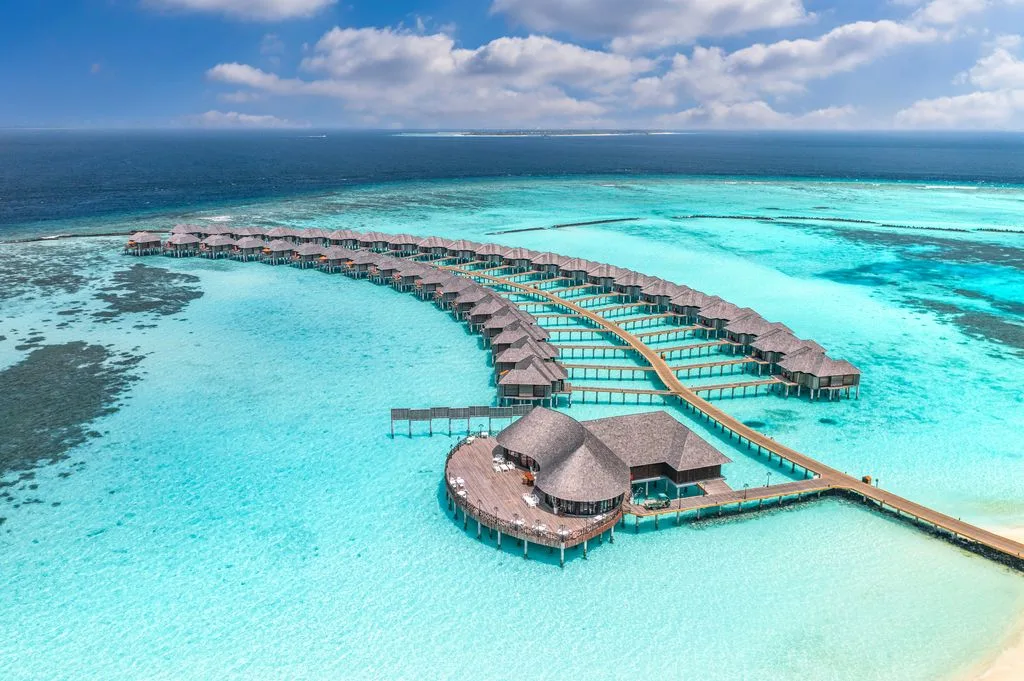
Maldives: Complete Travel Plan Beaches And Weather
A practical Maldives travel guide covering island selection, itinerary templates, transfer strategy, weather planning, and budget-vs-luxury trip design.
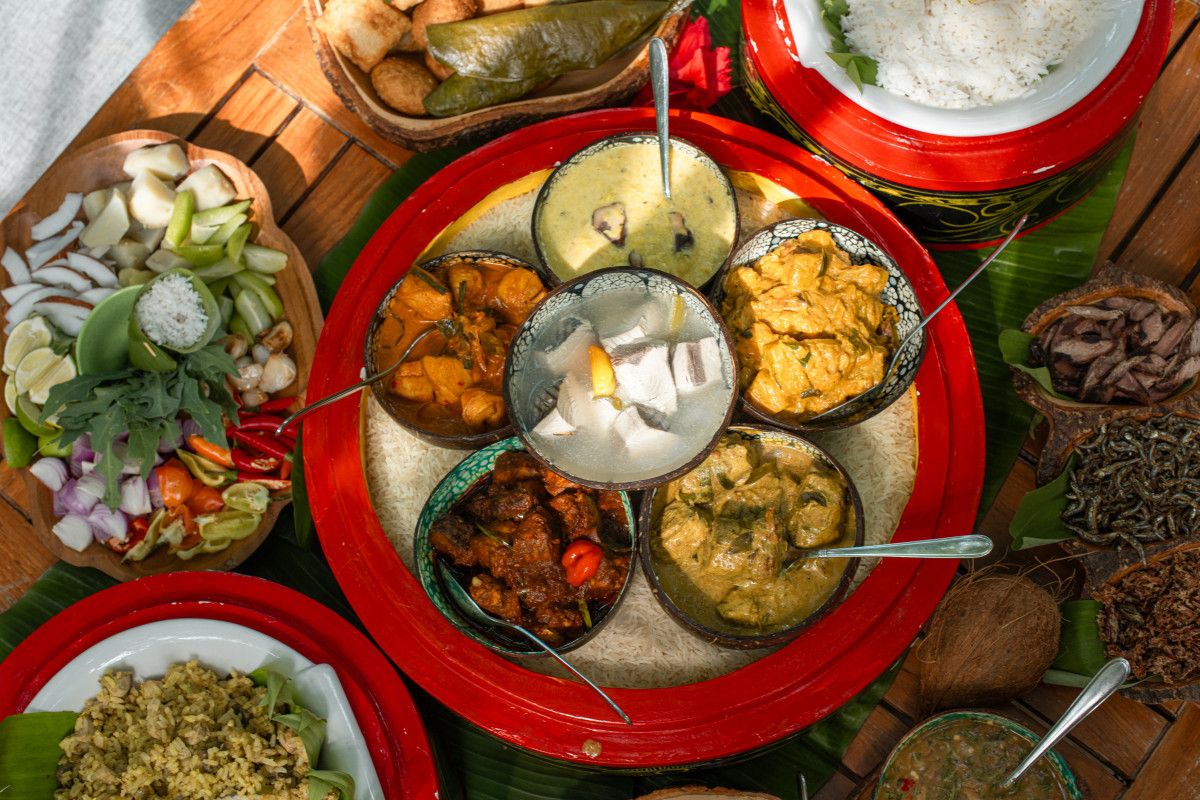
Food in Maldives: 25 Dishes You Must Try
Discover Maldivian cuisine: Mas Huni, Garudhiya & more. Traditional dishes, seafood & street food guide for foodies.
Never Miss an Adventure
Get the latest trekking guides, travel tips, and exclusive offers delivered straight to your inbox.
