
Gurudwaras in Amritsar: Golden Temple & More

Rahul Garg
December 14, 2025
Discover best Gurudwaras in Amritsar! Explore Golden Temple, Akal Takht, and complete travel guide to Amritsar's sacred Sikh shrines with timings, history, and visiting tips.
The Spiritual Heart of Sikhism
Amritsar, the spiritual capital of the Sikh faith, is home to some of the most sacred and revered gurudwaras in the world. While the Golden Temple (Harmandir Sahib) draws millions of pilgrims and tourists annually, the city houses numerous other historically and spiritually significant gurudwaras that together form a comprehensive pilgrimage experience. Each shrine tells a unique story of Sikh Gurus, their sacrifices, and the evolution of Sikhism.
For visitors, Amritsar offers more than just sightseeing—it's an opportunity to immerse oneself in Sikh spirituality, culture, and hospitality. The gurudwaras here are not just monuments but living places of worship where centuries-old traditions continue uninterrupted. From the magnificent Golden Temple to smaller shrines marking significant events, Amritsar's gurudwaras provide a profound spiritual journey.
This guide explores the most important gurudwaras in Amritsar, helping you plan a meaningful pilgrimage that goes beyond the obvious. Whether you have one day or a week, understanding these sacred sites will enrich your experience of this holy city.
Golden Temple (Harmandir Sahib)
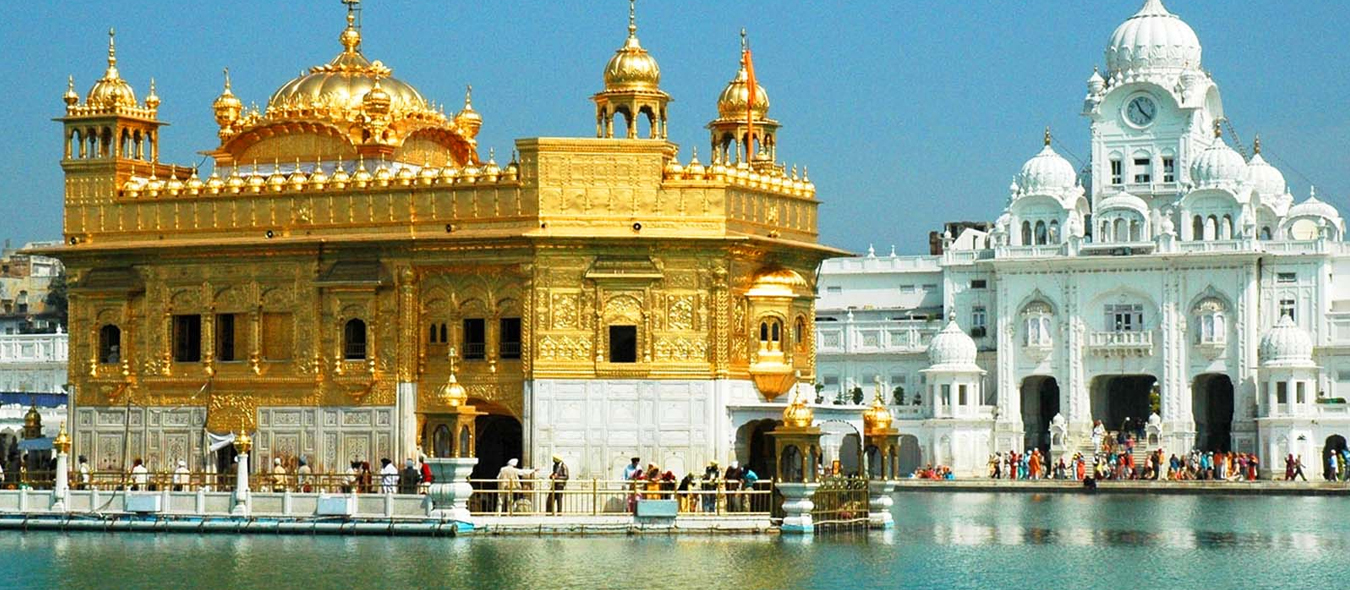
The Golden Temple, officially known as Harmandir Sahib or Darbar Sahib, is the holiest shrine in Sikhism and the centerpiece of any visit to Amritsar. Built in 1577 by Guru Ram Das, the fourth Sikh Guru, and completed by Guru Arjan Dev in 1604, this magnificent gurudwara gets its name from the gold plating that covers its upper floors and dome.
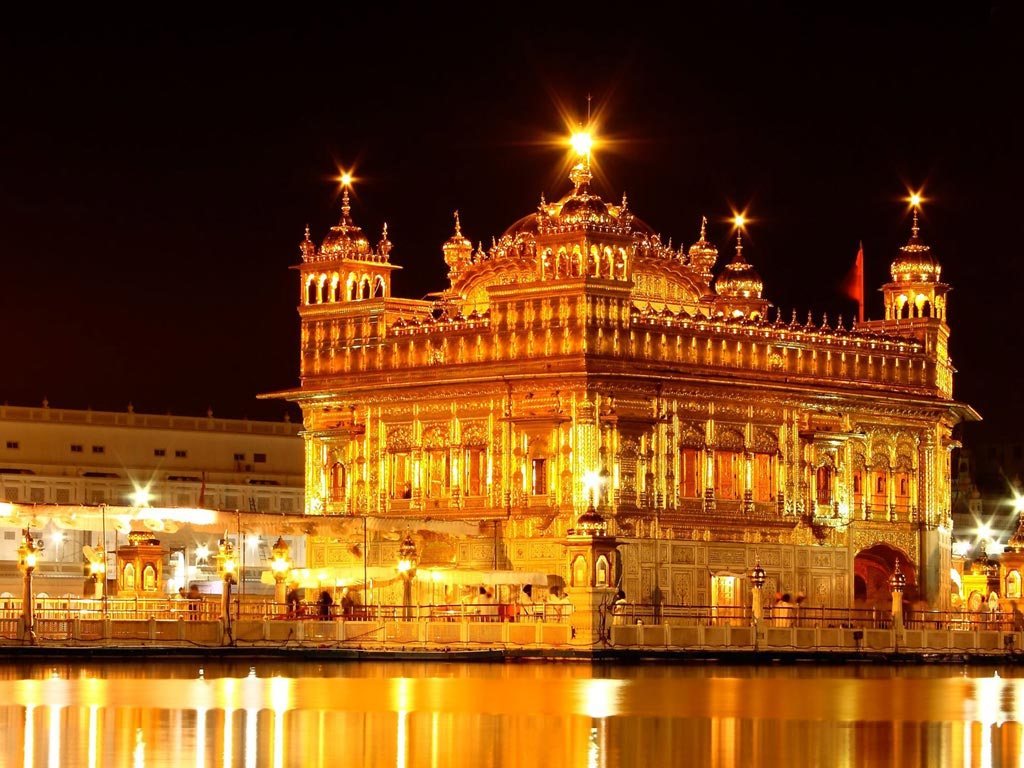
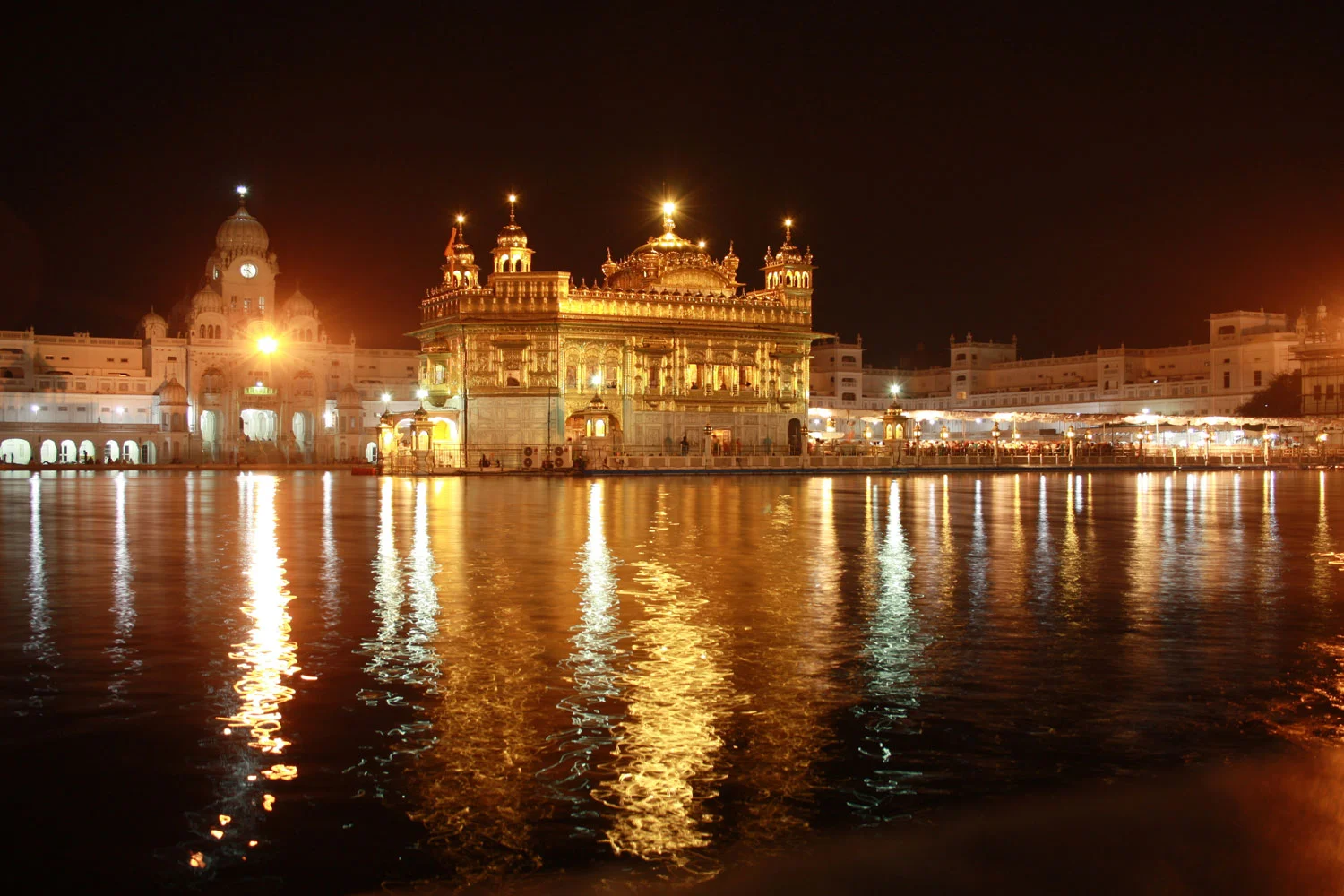
The temple sits in the center of the Amrit Sarovar (Pool of Nectar), from which Amritsar derives its name. The gleaming golden structure, reflected in the sacred pool, creates a sight that is both spiritually uplifting and visually breathtaking. Unlike many temples that are built on high ground, the Golden Temple was built on a lower level, symbolizing the Sikh value of humility.
The Complex: The Golden Temple complex includes several important structures. The main sanctum houses the Guru Granth Sahib (the Sikh holy scripture). Surrounding the pool is a marble parikrama (circumambulation path) where devotees walk while reciting prayers. The Akal Takht (Throne of the Timeless One), facing the Golden Temple, is the highest temporal authority in Sikhism.
For exact current darshan and Palki Sahib ceremony schedules, cross-check with the dedicated Golden Temple timings guide before finalizing your visit.
Timings: The Golden Temple is open 24 hours a day, every day of the year. The best times to visit are early morning (5:00-7:00 AM) for the Prakash ceremony, or evening (7:00-9:00 PM) to see the golden structure illuminated. The Sukhasan ceremony, when the Guru Granth Sahib is put to rest, occurs around 9:30 PM.
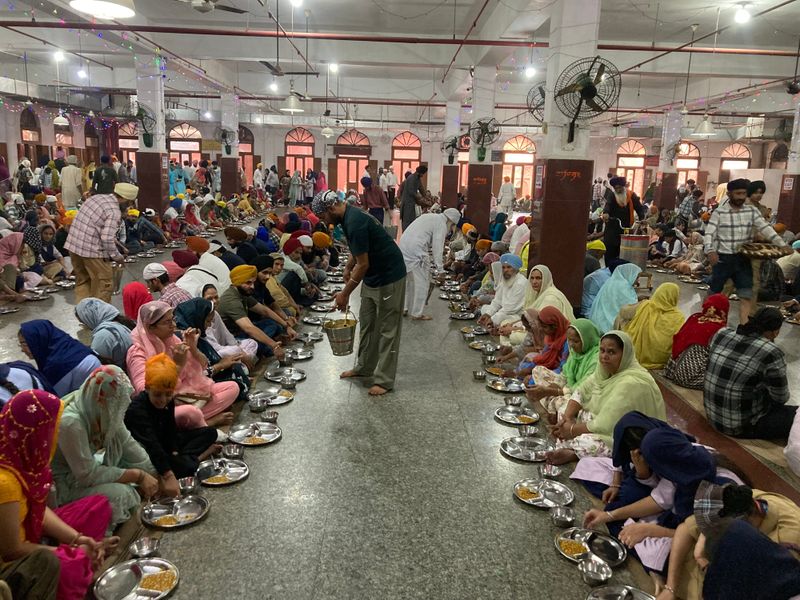
Golden Temple Langar: The community kitchen serves free meals to approximately 100,000 people daily, making it the largest langar in the world. Everyone sits on the floor together, regardless of caste, religion, or social status, and shares a simple vegetarian meal. Visitors are welcome to volunteer for seva (service) in the langar.
Visiting Tips: Cover your head (scarves available free at entrance), remove shoes (free shoe storage), wash feet at the entrance pool, and dress modestly. The best time for fewer crowds is early morning or late night. Photography is allowed except during prayer ceremonies.
Akal Takht
Located directly opposite the Golden Temple, the Akal Takht (Timeless Throne) is one of the five takhts (seats of authority) in Sikhism. Built by Guru Hargobind Sahib in 1606, it represents the temporal authority of the Sikh faith, complementing the spiritual authority centered in the Golden Temple.
The Akal Takht has been the site of many significant events in Sikh history. It was here that Guru Hargobind introduced the concept of miri-piri (temporal and spiritual authority combined). The building has been damaged and rebuilt several times—most notably during Operation Blue Star in 1984—and was renovated in its current form.
The Akal Takht houses various weapons of the Sikh Gurus, including Guru Hargobind's swords and daggers. It's the site where important decisions affecting the Sikh community are made, and where the Jathedar (highest temporal authority) issues edicts (hukamnamas).
Gurudwara Baba Atal Rai
Located just 200 meters from the Golden Temple, Gurudwara Baba Atal Rai is a nine-story tower dedicated to Baba Atal Rai, the son of Guru Hargobind Sahib. The unique nine-story structure is significant because Baba Atal Rai died at the young age of nine.
According to legend, Baba Atal Rai once brought a friend back to life after the friend died from a snake bite. When Guru Hargobind reprimanded him for interfering with divine will, Baba Atal Rai went into samadhi (meditative trance) and passed away. The nine stories represent the nine years of his life.
The gurudwara features beautiful frescoes depicting scenes from Guru Nanak's life. Unlike most Sikh shrines, this building has an architectural style more similar to Hindu temples of that era. The rooftop offers excellent views of the Golden Temple complex.
Timings: 6:00 AM - 9:00 PM (summer), 6:00 AM - 8:00 PM (winter). No entry fee.
Gurudwara Mata Kaulan
This beautiful gurudwara, located near the Golden Temple complex, is dedicated to Mata Kaulan, a Muslim woman who was a devout follower of Guru Hargobind Sahib. Her story is one of devotion transcending religious boundaries.
Kaulan was the daughter of a Muslim Qazi in Lahore. After embracing Sikh teachings, she faced persecution from her family. Guru Hargobind Sahib gave her refuge in Amritsar, where she spent her life in devotion. The gurudwara stands at the site where she lived and meditated.
The gurudwara features a sacred baoli (stepwell) and serene surroundings. It's less crowded than the main Golden Temple, offering a peaceful atmosphere for meditation. The architecture includes Islamic influences, reflecting Kaulan's background.
Timings: 5:00 AM - 9:00 PM (summer), 6:00 AM - 8:00 PM (winter).
Gurudwara Shaheed Ganj
Gurudwara Shaheed Ganj (also known as Gurudwara Shahid Ganj) commemorates the martyrdom of Guru Arjan Dev, the fifth Sikh Guru, who was tortured and executed in Lahore in 1606 on the orders of Emperor Jahangir. While the actual martyrdom occurred in Lahore, this Amritsar gurudwara honors his sacrifice.
Guru Arjan Dev's martyrdom was a pivotal moment in Sikh history. He was the first Sikh Guru to be martyred, establishing a tradition of sacrifice that would shape Sikh identity. His compilation of the Adi Granth (the first version of the Guru Granth Sahib) and his construction of the Golden Temple are among his most enduring contributions.
The gurudwara serves as a reminder of the price paid for maintaining Sikh principles. Devotees come here to pay respects and reflect on the importance of conviction and sacrifice in the face of oppression.
Other Notable Gurudwaras in Amritsar
Gurudwara Ramsar Sahib
Located about 3 km from the Golden Temple, on the southern side of the city, Gurudwara Ramsar Sahib is significant as the site where the Guru Granth Sahib was compiled in its final form by Guru Arjan Dev. The gurudwara sits beside a sacred pool (sarovar) and offers a tranquil atmosphere away from the crowds.
This was the first location where the Gurbani (sacred hymns) of the first five Gurus, along with contributions from Hindu and Muslim saints, were compiled into the Adi Granth. It's an important site for those interested in Sikh scripture and history.
Gurudwara Santokhsar Sahib
Gurudwara Santokhsar Sahib is associated with Guru Arjan Dev, who once visited this site during his travels. The gurudwara features a sarovar and is less visited by tourists, making it ideal for those seeking a quiet, contemplative experience.
Gurudwara Guru Ke Mahal
This gurudwara was the residence of Guru Ram Das, the fourth Sikh Guru, who founded Amritsar. It's also where Guru Arjan Dev was born. The site is historically significant as the center from which the city of Amritsar developed.
Gurudwara Chaurasti Atari
An 18th-century gurudwara marking the site where Guru Hargobind Sahib stayed during his travels. The name 'Chaurasti Atari' refers to the 84 shops that once existed here. It's smaller and less crowded but historically significant.
Golden Temple Langar Experience
The langar at the Golden Temple is not just a meal—it's a powerful expression of Sikh philosophy. The practice of langar was established by Guru Nanak to challenge caste hierarchies and promote equality. At the Golden Temple, this tradition continues on a massive scale.
What to Expect: Enter the langar hall, sit cross-legged on the floor in rows (pangat), and volunteers will serve you a simple vegetarian meal typically consisting of dal, rice, roti, sabzi, and kheer. Everyone eats together, and there's no differentiation based on religion, caste, or social status.
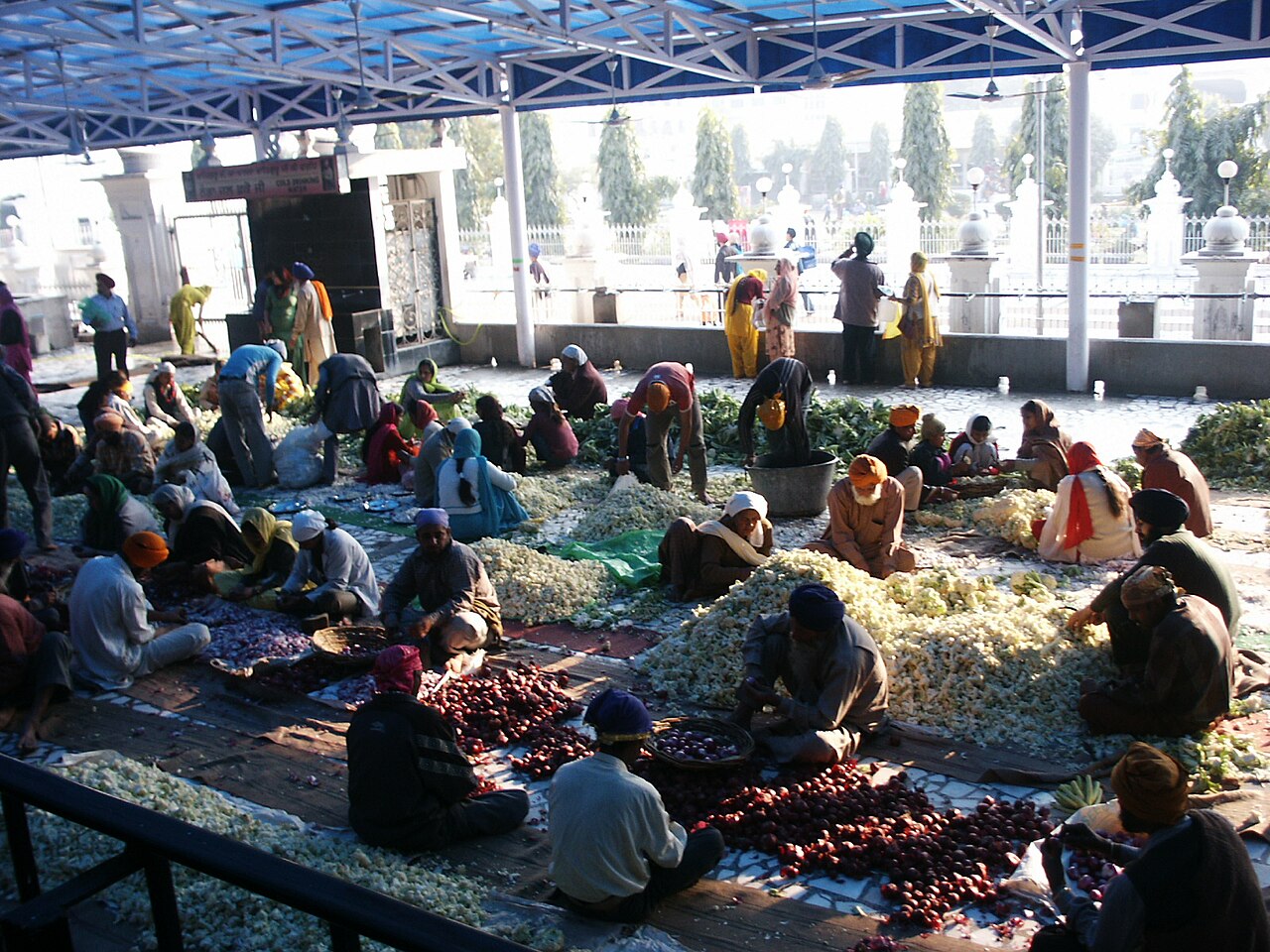
Volunteering: Visitors are welcome to participate in seva (selfless service). You can help prepare food in the kitchen, serve meals, or wash dishes. Many find this to be a spiritually rewarding experience. No prior arrangement is needed—just approach the langar hall and ask how you can help.
The Process: The langar operates 24 hours. The kitchen is a marvel of efficiency, with massive vats, chapati-making machines, and hundreds of volunteers working in coordination. Despite serving 100,000 people daily, the system runs smoothly through community cooperation.
Best Time to Visit Gurudwaras in Amritsar
Season: October to March is the best time to visit Amritsar weather-wise. The days are pleasant (15-25°C) and nights are cool. Summer (April-June) can be extremely hot (35-45°C), making daytime sightseeing uncomfortable. Monsoon (July-September) brings moderate temperatures but rain and humidity.
Time of Day: Early morning (5:00-7:00 AM) offers the most peaceful experience at the Golden Temple, with fewer crowds and beautiful morning light. The Prakash ceremony is worth witnessing. Evening (7:00-9:00 PM) is magical, with the Golden Temple illuminated and the reflection in the pool. Night visits (post-midnight) are serene but check if the langar is operating.
Special Occasions: If possible, plan your visit during Gurpurabs (birth anniversaries of Gurus) or Baisakhi (April 13th), when the gurudwaras are beautifully decorated and special programs are held. However, expect large crowds during these times.
Dress Code and Etiquette
Mandatory Rules:
- Head Covering: Must for everyone entering any gurudwara. Scarves are available free at all major gurudwaras.
- Shoes: Must be removed before entering. All gurudwaras have shoe storage facilities.
- Feet Washing: Required at all major gurudwaras. Follow the designated process.
- Modest Clothing: Cover shoulders and knees. Avoid shorts, short skirts, and sleeveless tops.
Behavior Guidelines:
- Maintain silence in the main prayer hall.
- Bow your head respectfully before the Guru Granth Sahib.
- No tobacco, alcohol, or meat products on the premises.
- Sit cross-legged on the floor during prayers.
- Avoid pointing feet toward the Guru Granth Sahib.
- Accept prasad and langar with both hands.
Photography Guidelines
Photography is generally permitted in the courtyards, around the pool, and in exterior areas of all Amritsar gurudwaras. However, refrain from taking photos inside the main prayer halls during prayers and ceremonies, as this is considered disrespectful.
At the Golden Temple, the best photo opportunities are from the parikrama path, capturing the golden structure reflected in the pool. Night photography is particularly rewarding, with the illuminated temple creating stunning images. Drone photography is prohibited without special permission.
Always be respectful when photographing devotees in prayer or performing seva. Ask permission before photographing people, especially during intimate moments of worship.
Travel Tips for Visiting Amritsar Gurudwaras
Duration: Allocate at least 2-3 hours for the Golden Temple, including langar. Other smaller gurudwaras can be covered in 30-60 minutes each. A comprehensive tour of all major gurudwaras takes 1-2 days.
Route Planning: Start early at the Golden Temple for the morning ceremony, then visit nearby gurudwaras (Baba Atal Rai, Mata Kaulan) in the afternoon. Visit Ramsar Sahib and other outlying gurudwaras the next day. Return to the Golden Temple in the evening for the illuminated view.
Facilities: All major gurudwaras have clean restrooms, drinking water, and shoe storage. The Golden Temple has extensive facilities including information desks, first aid, and foreign tourist assistance.
Accommodation: Consider staying near the Golden Temple for early morning and late night visits. Many hotels and guesthouses are within walking distance. The gurudwara also offers free accommodation (niwas) for pilgrims—book in advance.
Combining with Other Attractions: Most visitors combine gurudwara visits with Jallianwala Bagh (5 minutes walk from Golden Temple), the Wagah Border ceremony (evening, 1 hour away), and Pul Kanjari (historic site).
Practical Information
Getting There: Amritsar is well-connected by air (Sri Guru Ram Dass Jee International Airport), rail (Amritsar Junction is a major station), and road (NH 3 from Delhi). The Golden Temple is in the center of the city, easily accessible by auto-rickshaw or taxi from anywhere in Amritsar.
Local Transport: Auto-rickshaws and cycle-rickshaws are readily available. Uber and Ola operate in the city. Walking between nearby gurudwaras (Golden Temple complex, Baba Atal Rai, Mata Kaulan) is feasible and pleasant.
Budget: Visiting gurudwaras is free, including langar. Budget for transport, accommodation, and meals outside langar. Amritsar offers options from budget guesthouses to luxury hotels.
A Spiritual Journey Awaits
Amritsar's gurudwaras offer more than just historical sightseeing—they provide a window into Sikh spirituality, philosophy, and community. The Golden Temple's golden splendor draws visitors, but it's the langar's message of equality, the continuous recitation of prayers, and the devotion of millions that leave a lasting impression.
Whether you're seeking spiritual solace, historical insights, or simply the experience of a unique cultural tradition, Amritsar's gurudwaras welcome all with open arms. The city's sacred sites remind us that faith, service, and community can create spaces of peace and inclusivity in a divided world.
Plan your Amritsar pilgrimage with time—time to sit by the sacred pool, time to listen to kirtan, time to share a langar meal, and time to reflect. In doing so, you'll discover why this city continues to be the spiritual heart of Sikhism and a beacon of religious harmony.
Location
Frequently Asked Questions
Q1.What are Golden Temple timings?
Q2.Is Golden Temple open 24 hours?
Q3.Best time to visit Golden Temple Amritsar?
Q4.How many Gurudwaras are there in Amritsar?
Q5.What is Golden Temple langar timing?
Q6.Is langar free at Golden Temple?
Q7.What is the dress code for Golden Temple?
Q8.Is photography allowed in Golden Temple?
Recommended For You
Gulmarg Gondola: Phases, Ticket Booking & Ride Details
Ride Asia's highest cable car in Gulmarg, Kashmir. Complete guide covering ticket prices, two phases, timings, best time to visit, booking & safety tips.
Pul Kanjari Amritsar: History, Legacy Site & Entry Details
Pul Kanjari Amritsar guide with historical context, architecture highlights, Moran legend, route planning, and practical heritage-visit tips.
Wagah Border Ceremony: Timings, Seating & Ticket Process
Experience the patriotic Wagah Border Beating Retreat Ceremony. Complete guide to timings, entry tickets, VIP passes, how to reach from Amritsar, and tips for this spectacular India-Pakistan border ritual.
Never Miss an Adventure
Get the latest trekking guides, travel tips, and exclusive offers delivered straight to your inbox.
