
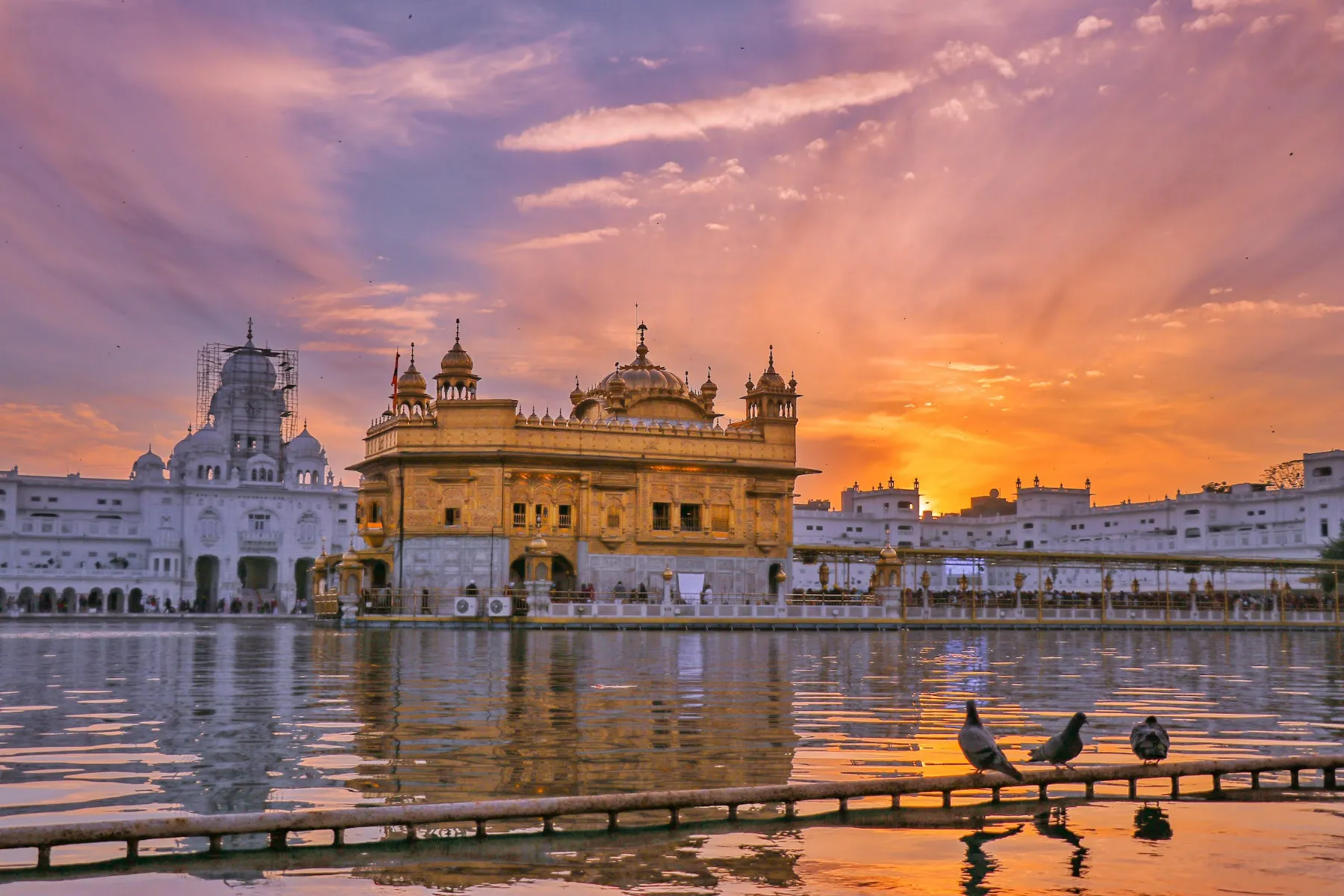
Golden Temple Amritsar Timings: Daily Schedule, Seva & Aarti Details

Rohan Malhotra
December 28, 2025
Complete guide to Golden Temple Amritsar timings - 24-hour schedule, Prakash & Sukhasan ceremonies, best visiting hours, and seasonal variations for a meaningful spiritual experience.
Understanding Golden Temple Amritsar Timings
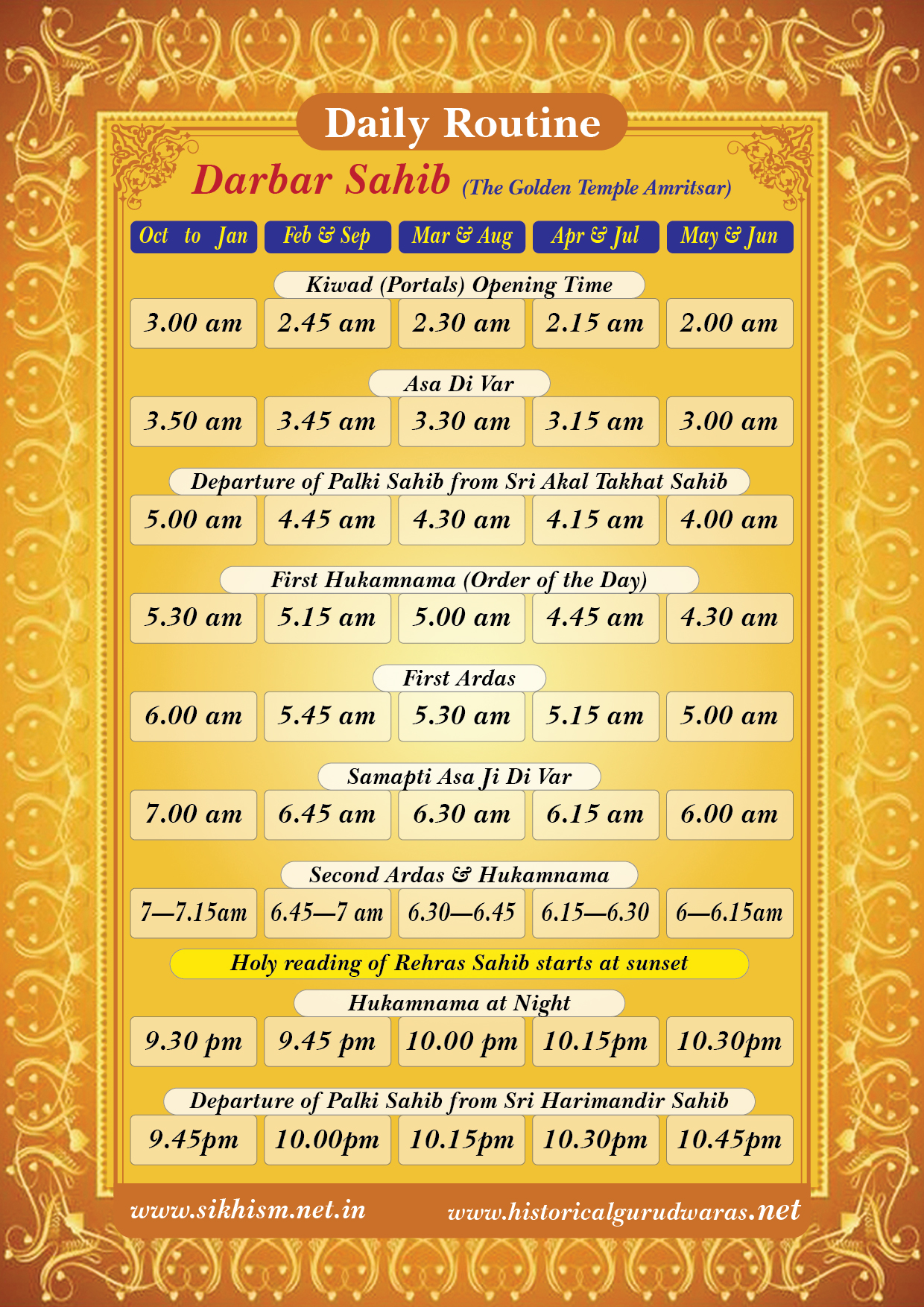
The Golden Temple, also known as Sri Harmandir Sahib, operates on a unique 24-hour schedule that sets it apart from most religious sites in the world. Unlike traditional temples with fixed opening and closing hours, the Golden Temple welcomes devotees round the clock, every single day of the year. This continuous accessibility reflects the Sikh philosophy of inclusivity and service, ensuring that spiritual seekers can visit whenever their heart calls them. The temple's sacred rituals follow a carefully structured daily timetable that has remained largely unchanged for centuries, creating a rhythm of devotion that connects millions of pilgrims across time and space. For those planning a visit to Amritsar, understanding the temple schedule is essential.
Understanding the Golden Temple timings is essential for planning a meaningful visit. Whether you're an early riser seeking the serene morning atmosphere or a night owl wanting to experience the peaceful midnight hours, knowing when key ceremonies occur helps you make the most of your pilgrimage. The temple's schedule revolves around two primary rituals - the Prakash ceremony in the early morning hours when the Guru Granth Sahib is ceremonially awakened, and the Sukhasan ceremony at night when the holy scripture is put to rest. These ceremonies mark the beginning and end of the formal worship day, though devotion continues ceaselessly throughout the 24-hour cycle.
The 24-Hour Open Gateway
One of the most remarkable aspects of the Golden Temple is its status as a truly 24/7 spiritual destination. The temple complex never closes its doors to devotees, embodying the Sikh principle of unconditional hospitality and service. This round-the-clock accessibility means you can visit at any hour that suits your schedule or spiritual inclination. Whether you arrive at dawn, during the bustling afternoon hours, in the quiet of midnight, or any time in between, the Golden Temple welcomes you with open arms. The langar (community kitchen) also operates continuously, serving free meals to all visitors throughout the day and night, ensuring that no one ever leaves the temple hungry.
The decision to keep the Golden Temple open 24 hours stems from the fundamental Sikh belief that spiritual seeking shouldn't be constrained by time or circumstance. Throughout history, this policy has provided sanctuary to travellers, devotees working night shifts, families with small children, and anyone seeking spiritual solace at unconventional hours. The temple's security, maintenance, and service staff work in shifts to ensure smooth operations around the clock. During late-night hours, the atmosphere becomes particularly peaceful and meditative, offering a unique experience that differs significantly from the busy daytime energy.
Prakash Ceremony - The Morning Awakening
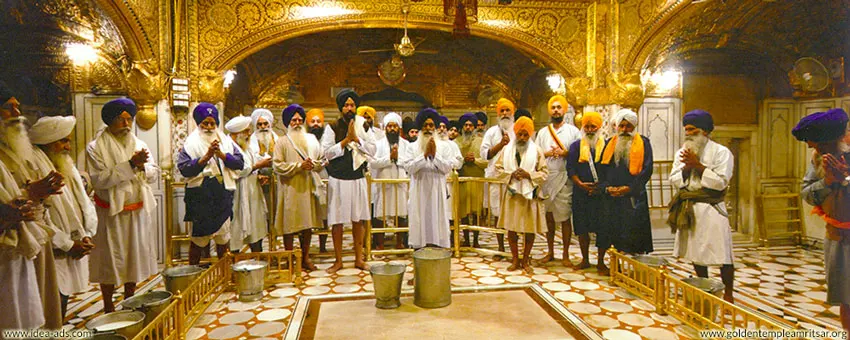
The Prakash ceremony, which translates to "illumination" or "manifestation," marks the beginning of the worship day at the Golden Temple. This sacred ritual typically begins around 3:00 AM, though the exact timing can vary by 15-30 minutes depending on the season and sunrise time. The ceremony commences at the Akal Takht, the throne of the timeless God, where the Guru Granth Sahib spends the night in a specially designated resting place. The Granthi (the scripture reader) and other sevadars (volunteers) carefully wake the holy scripture with utmost reverence, following a protocol that has been preserved for generations.
The Guru Granth Sahib is placed on a beautifully decorated palanquin, carried on the shoulders of devoted sewadars while devotees sing hymns and offer prayers. The procession moves from the Akal Takht towards the Harmandir Sahib (the main sanctum), crossing the marble causeway over the sacred pool. The atmosphere during this pre-dawn ceremony is charged with spiritual energy - the air is cool and crisp, the temple grounds are relatively quiet, and the golden dome begins to catch the first light of dawn. Devotees who wake up for this ceremony describe it as an unforgettable experience that connects them deeply with the divine presence. Many pilgrims make it a point to attend at least one Prakash ceremony during their visit to Amritsar. You can also combine your visit with the Wagah Border ceremony or explore the historic Jallianwala Bagh.
Once the Guru Granth Sahib reaches the Harmandir Sahib, it is ceremonially installed on the jewelled throne under the richly embroidered canopy, known as the palki sahib. The morning prayers begin immediately, and the continuous recitation of Gurbani (sacred hymns) commences. This unbroken recitation continues throughout the day until the Sukhasan ceremony at night, creating an uninterrupted stream of divine wisdom that fills the temple complex. The Prakash ceremony typically concludes around 4:00 AM to 4:30 AM, after which the temple prepares for the day's first main prayer service.
Early Morning Hours (4:00 AM - 6:00 AM)
The hours immediately following the Prakash ceremony, from 4:00 AM to 6:00 AM, are widely considered the most spiritually potent time to visit the Golden Temple. During these pre-dawn hours, the temple complex is relatively quiet compared to later in the day, creating an atmosphere conducive to deep meditation and introspection. The sacred pool reflects the golden temple beautifully in the soft morning light, and the recitation of hymns creates a divine ambience that touches the soul. Many devotees believe that prayers offered during these early morning hours carry special spiritual merit, and the peaceful environment allows for a more personal connection with the divine.
This period is particularly suitable for those who want to avoid crowds and experience the temple in its most serene state. The weather during these hours is pleasant, especially during summer months when daytime temperatures can be uncomfortably hot. The langar hall begins serving the morning meal around this time, offering a simple breakfast of tea and prasad (blessed food) to early visitors. Photography enthusiasts find the golden hour before sunrise perfect for capturing stunning images of the temple glowing against the awakening sky. If you're visiting during winter months, be prepared for cold temperatures that can drop close to freezing - dress warmly and consider bringing a shawl or blanket.
Morning Devotional Hours (6:00 AM - 12:00 PM)
As the sun rises and the morning progresses, the Golden Temple gradually comes alive with increasing numbers of devotees. The period from 6:00 AM to 12:00 PM sees a steady flow of pilgrims arriving for their morning prayers and darshan (sacred viewing). The main prayer service, known as Asa Di Var, takes place in the morning hours and is one of the most important daily prayers in Sikh tradition. This composition of hymns, traditionally attributed to Guru Nanak, the first Sikh Guru, is sung with great devotion and attracts large gatherings of devotees who sit in rapt attention, absorbing the spiritual wisdom contained in the verses.
During these morning hours, the langar hall operates at full capacity, serving breakfast and beginning preparations for the massive lunch service. Volunteers start arriving early to assist with various tasks - chopping vegetables, cooking dal, rolling rotis, and serving meals. The energy in the langar area during these hours is vibrant and inspiring, with hundreds of volunteers working in perfect coordination to feed thousands of people. Visitors who want to experience the langar service often find the morning hours ideal for volunteering, as the pace is busy but manageable, and the sevadars are always welcoming to newcomers who want to participate in selfless service.
The temple complex during these hours offers a fascinating glimpse into the daily life of this spiritual institution. You'll see families with young children, elderly devotees who come every day without fail, first-time visitors looking around in wonder, and sevadars going about their various duties with dedication. The main shrine sees continuous footfall, and there might be queues for entering the Harmandir Sahib. However, the movement is generally orderly, and the wait time is usually manageable. The Central Sikh Museum, located on the first floor near the main entrance, opens around 10:00 AM, making the late morning hours a good time to combine your temple visit with a museum tour. You might also want to visit the nearby Partition Museum to understand India's history.
Afternoon Hours (12:00 PM - 4:00 PM)
The afternoon hours at the Golden Temple, from 12:00 PM to 4:00 PM, present a different experience compared to the quieter morning period. This is when the temple complex sees its peak crowds, especially during weekends, holidays, and festival seasons. The noon hours coincide with lunchtime, and the langar hall serves its largest meal of the day during this period. The atmosphere is bustling and energetic, with thousands of devotees moving through the complex, and the langar area operating at maximum capacity to feed the multitudes.
During summer months, the afternoon hours can be particularly hot, with temperatures often exceeding 40°C in April through June. The temple management provides water stations and cooling measures, but visitors should be prepared for the heat. The marble floor can become uncomfortably warm for bare feet during peak afternoon hours in summer. If you're visiting during these hours, ensure you stay hydrated and take breaks in shaded areas. The langar hall provides respite from the sun, and you can always sit there for a while, enjoying the simple meal and observing the remarkable community kitchen in action.
The afternoon hours see a steady stream of visitors arriving after completing their morning activities. Tour groups, school excursions, and families often choose this time for their visit. The main shrine continues its continuous recitation of hymns, and devotees can join the prayer sessions at any time. The Central Sikh Museum remains open during these hours, offering an educational break from the heat. If you prefer a quieter experience, you might want to plan your visit during early morning or evening hours instead. However, if you want to witness the Golden Temple at its busiest and most vibrant, the afternoon hours provide that experience in abundance.
Evening Hours (4:00 PM - 8:00 PM)
The evening hours, spanning from 4:00 PM to 8:00 PM, offer a delightful transition from the busy afternoon to the enchanting nighttime atmosphere. As the sun begins its descent, the temperature becomes more pleasant, especially during summer months. The golden temple takes on a warm, golden glow that intensifies as sunset approaches, creating a breathtaking spectacle that draws visitors and photographers alike. This period is one of the most popular times for tourists and devotees who want to capture iconic images of the temple reflecting in the sacred pool against the golden hues of the setting sun.
During these evening hours, the langar continues serving meals to all visitors, transitioning from lunch service to dinner preparation. The energy in the langar hall shifts from the peak lunch rush to a more relaxed pace, though the scale of operations remains impressive. Many devotees choose to visit during these hours because they can combine their temple visit with the evening meal at the langar, experiencing both spiritual nourishment and physical sustenance. The evening is also a popular time for families to visit, as members can come after completing their work or school day.
As the sun dips lower, the temple authorities begin the process of illumination. Lights strategically placed around the complex gradually turn on, creating a magical transformation. The golden domes glow against the darkening sky, and the reflection in the sacred pool becomes even more striking. The recitation of hymns continues in the main shrine, and the evening prayers create a serene atmosphere that balances the daytime activity. This is an excellent time for meditation and quiet contemplation, as the crowds begin to thin slightly compared to the afternoon peak.
Sukhasan Ceremony - The Evening Resting
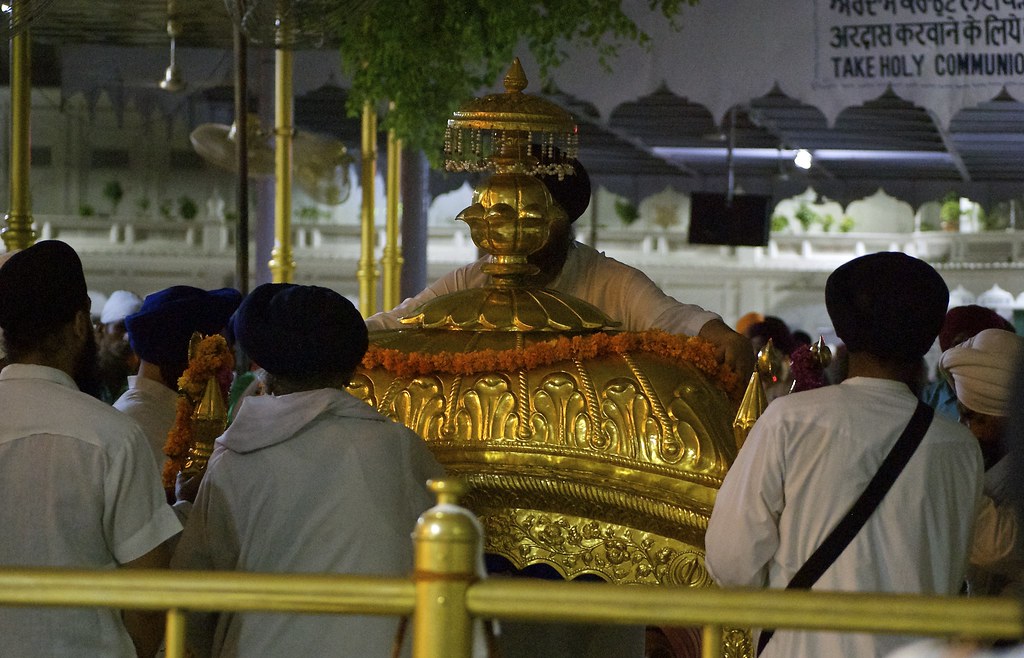
The Sukhasan ceremony, which typically begins around 9:30 PM and concludes by 10:00 PM, marks the formal end of the worship day at the Golden Temple. This ritual is the evening counterpart to the morning Prakash ceremony and involves ceremoniously putting the Guru Granth Sahib to rest for the night. The term "Sukhasan" literally translates to "comfortable sleep," and the ritual reflects the reverence with which the holy scripture is treated. The ceremony is deeply moving to witness and offers a profound insight into Sikh traditions of devotion and respect for sacred texts.
The Sukhasan ceremony begins in the Harmandir Sahib, where the Guru Granth Sahib has been enthroned throughout the day. The Granthi performs the final prayers of the day, after which the holy scripture is carefully wrapped in rich fabrics and placed on the palanquin. Devotees gather around to watch the ceremony with folded hands and bowed heads, creating an atmosphere of solemn devotion. The palanquin is lifted by sevadars and carried in procession from the main shrine back to the Akal Takht, following the same marble causeway that was used during the morning Prakash ceremony.
The return journey takes place after sunset, when the temple is fully illuminated. The sight of the golden palanquin moving across the marble bridge, with the illuminated golden temple in the background and the sacred pool reflecting the lights, creates an unforgettable visual tableau. Devotees sing hymns during the procession, and many follow the palanquin from a respectful distance. Upon reaching the Akal Takht, the Guru Granth Sahib is ceremonially placed in its designated resting place for the night, where it remains until the next morning's Prakash ceremony. The entire Sukhasan ceremony typically lasts about 30 minutes and provides a perfect, spiritually charged conclusion to a day spent at the Golden Temple.
Late Night Hours (10:00 PM - 3:00 AM)
The late night hours, from 10:00 PM until the early morning Prakash ceremony begins around 3:00 AM, offer a uniquely peaceful experience at the Golden Temple. As the day visitors depart and the city of Amritsar settles down for the night, the temple complex enters a period of profound tranquility. The crowds thin dramatically, and the atmosphere becomes conducive to deep meditation and quiet reflection. For devotees who prefer solitude and silence, these late night hours provide an ideal opportunity to connect with the divine without the distractions of large crowds.
During these hours, the temple is beautifully illuminated, with the golden domes glowing against the night sky and creating stunning reflections in the sacred pool. The illumination continues throughout the night, making the late hours particularly photogenic. The main shrine remains open, and devotees can sit inside or around the complex, absorbing the spiritual energy that permeates the space. The recitation of hymns continues, though it may be at a lower volume during these quiet hours. Some devotees choose to spend the entire night at the temple, engaging in continuous prayer or simply sitting in silent contemplation.
The langar hall operates 24 hours a day, ensuring that even late-night visitors can partake in the blessed meal. The overnight langar service is typically quieter and more intimate, with a smaller but dedicated group of sevadars keeping the kitchen running. This can be a good time to volunteer if you want to experience the langar service in a more relaxed setting. The temple premises are entirely safe during these hours, with security personnel present and devout visitors creating a secure environment. If you plan to stay late or spend the night at the temple, be prepared for cooler temperatures, especially during winter months when night temperatures can drop significantly.
Weekly and Seasonal Variations
While the basic daily schedule of the Golden Temple remains consistent throughout the year, there are some variations based on the day of the week and the season. Sundays and holidays see significantly larger crowds compared to weekdays, with many families choosing their day off work for temple visits. Festival days, especially Gurpurabs (birthdays of Sikh Gurus) and Baisakhi, witness massive gatherings that can reach into the hundreds of thousands. During these special occasions, the entire schedule may be extended, with additional prayer services, extended langar hours, and special kirtan (devotional singing) programs that continue late into the night.
Seasonal variations primarily affect the timing of ceremonies rather than their nature. The Prakash and Sukhasan ceremonies shift by approximately 30 minutes between summer and winter, aligning with sunrise and sunset times. During winter months (November to February), the early morning hours can be quite cold, with temperatures sometimes dropping close to freezing point. The temple management provides blankets in some areas, but visitors should dress warmly if planning to attend early morning ceremonies during winter. Summer months (April to June) bring extreme heat, especially during afternoon hours, making early morning and late night the most comfortable times for temple visits.
The monsoon season (July to September) brings its own charm, with the rain creating a different ambience at the temple. The marble floors can become slippery, and visitors should exercise caution while walking. The temple looks particularly beautiful during light rain, with the golden domes glistening against the gray sky. The crowds are typically smaller during the monsoon, making it a good time to visit if you don't mind getting wet. Regardless of the season, the Golden Temple maintains its 24-hour schedule, ensuring that devotees can visit whenever they choose.
Special Occasions and Festival Timings
The Golden Temple follows an extended schedule during special occasions and Sikh festivals, which are celebrated with great enthusiasm and devotion. Guru Nanak Jayanti, the birthday of Guru Nanak (the founder of Sikhism), typically falls in November and is one of the most significant festivals celebrated at the Golden Temple. The celebrations begin several days in advance and continue for days afterwards. During this period, the temple sees its largest crowds of the year, with devotees from around the world converging on Amritsar. The Prakash ceremony on Guru Nanak Jayanti begins even earlier than usual, often around 2:00 AM, and special prayers continue throughout the day and night.
Baisakhi, celebrated in mid-April, marks the Sikh New Year and commemorates the establishment of the Khalsa Panth by Guru Gobind Singh in 1699. The Golden Temple hosts elaborate celebrations that include special prayers, processions, and the continuous recitation of the Guru Granth Sahib. The festival attracts huge crowds, and the langar serves an exceptionally large number of people during this period. Other important occasions include the martyrdom days of Sikh Gurus, particularly Guru Arjan Dev (June) and Guru Tegh Bahadur (November), which are observed with special prayer services and akhand paths (continuous uninterrupted recitation of the Guru Granth Sahib lasting 48 hours).
During these special occasions, visitors should be prepared for significantly larger crowds and longer waiting times. The temple complex may have specific entry and exit routes to manage the flow of devotees. Security arrangements are enhanced, and visitors may need to pass through multiple security checks. Despite the crowds, the spiritual energy during these festivals is palpable and many devotees specifically plan their visit to coincide with these auspicious occasions. If you're planning to visit during a major festival, it's advisable to arrive well in advance and be prepared for an extended stay, as moving through the complex can take considerable time.
Best Time for First-Time Visitors
For first-time visitors to the Golden Temple, choosing the right time can significantly enhance your experience. If you're visiting for the first time, consider arriving in the early morning hours between 5:00 AM and 7:00 AM. This timing offers several advantages - the crowds are manageable, the weather is pleasant, and you can witness the temple in its morning glory as it catches the first rays of sunlight. This timing also allows you to experience both the spiritual atmosphere and have sufficient time to explore the entire complex at a comfortable pace. You can combine your visit with breakfast at the langar and perhaps even volunteer for a short service if you feel inclined.
Another excellent option for first-time visitors is the evening hours between 5:00 PM and 7:00 PM, especially if you're visiting during winter months when the mornings can be quite cold. The evening timing allows you to see the temple both during sunset and after illumination, giving you two different visual experiences. The temperature is comfortable, and you can end your visit with dinner at the langar. The evening atmosphere is vibrant but not overwhelmingly crowded, making it ideal for families with children or elderly members.
If you're particularly interested in photography, plan your visit to coincide with sunrise or sunset. For more photography spots in the city, check out best photography spots in Amritsar. The golden hour light creates magical reflections in the sacred pool and transforms the golden temple into a photographer's paradise. The period just after sunrise (6:30 AM to 7:30 AM) and just before sunset (5:00 PM to 6:00 PM) offers the best lighting conditions. Whenever you choose to visit, plan to spend at least 2-3 hours at the complex to fully absorb the experience without rushing.
Planning Your Visit Around Timings
Planning your visit to the Golden Temple around its daily schedule requires some consideration of your priorities and preferences. If witnessing the Prakash ceremony is important to you, you'll need to arrive at the complex by 2:30 AM to 3:00 AM and be prepared for an early start. This is particularly meaningful for devotees who want to experience the full cycle of daily rituals. The Prakash ceremony is especially moving during full moon nights, when the moonlight reflects in the sacred pool, creating a doubly magical atmosphere.
If you're more interested in the Sukhasan ceremony, plan to be at the temple by 9:00 PM. This allows you time to find a good viewing spot and settle in before the ceremony begins. The Sukhasan ceremony is less crowded than the Prakash, making it easier to get a clear view. You can combine evening prayers, langar dinner, and the Sukhasan ceremony into a single evening visit that provides a comprehensive experience of the temple's nighttime atmosphere.
For those who want to experience both ceremonies but can't manage a 24-hour stay, consider splitting your visit across two days - visit once in the early morning for the Prakash ceremony and return in the evening for the Sukhasan. This approach allows you to experience both the serene morning and the illuminated evening without spending the entire day at the temple. Whenever you plan your visit, factor in time for security checks, shoe storage, and the walk from the parking area or drop point to the main complex.
Practical Timing Tips
Here are some practical tips for making the most of the Golden Temple timings. First, always check the sunrise and sunset times for your travel dates, as the Prakash and Sukhasan ceremonies shift seasonally. In summer, the ceremonies happen earlier (Prakash around 3:00 AM, Sukhasan around 9:30 PM), while in winter they shift later (Prakash around 4:00 AM, Sukhasan around 10:00 PM). Local guides or temple information desks can provide the exact timings for your visit dates.
If you're visiting during peak hours (morning 8:00 AM to 12:00 PM or afternoon 2:00 PM to 6:00 PM), be prepared for queues at the main shrine entrance. The wait time can range from 15 minutes to an hour depending on the crowd. Use this time for meditation or simply observe the vibrant life of the temple complex. The temple management does an excellent job of crowd management, and queues move efficiently.
For photographers, the best lighting occurs during the golden hour after sunrise and before sunset. However, photography restrictions may be more strictly enforced during crowded periods. Be respectful and avoid blocking pathways or disturbing devotees in your quest for the perfect shot. The least crowded time for photography is late night (11:00 PM to 3:00 AM), when you can capture the illuminated temple without crowds.
Finally, remember that the Golden Temple is a place of worship, not just a tourist attraction. Plan your visit with respect for the spiritual nature of the site. Maintain silence in designated areas, dress modestly, and follow the guidelines provided by temple authorities. The timings are structured to facilitate both individual devotion and community worship, and being mindful of this enhances the experience for everyone.
Connecting with Temple Rituals
Understanding and aligning your visit with the Golden Temple's daily rhythm can deepen your connection with this sacred space. The continuous cycle of rituals - from the awakening at Prakash to the resting at Sukhasan - creates a powerful spiritual current that devotees can tap into regardless of their religious background. Each time of day offers a different window into the temple's spiritual life, and multiple visits at different hours reveal different facets of the Golden Temple's personality.
The early morning hours offer purity and peace, the afternoon brings community energy, the evening provides visual splendour, and the night delivers intimate solitude. By timing your visit according to what you seek - whether it's spiritual solace, cultural immersion, photographic opportunities, or community service - you can craft a Golden Temple experience that resonates with your intentions. The 24-hour accessibility means the temple is always ready to welcome you, whenever your journey brings you to its golden doors.
Location
Frequently Asked Questions
Q1.What are the Golden Temple Amritsar timings?
Q2.What is the best time to visit Golden Temple to avoid crowds?
Q3.What time does the Prakash ceremony start at Golden Temple?
Q4.What time does the Sukhasan ceremony take place at Golden Temple?
Q5.Is Golden Temple open 24 hours?
Q6.What are the langar timings at Golden Temple?
Q7.What time does the Golden Temple open in the morning?
Q8.What time does the Golden Temple close at night?
Q9.How long does it take to visit Golden Temple?
Q10.Can I stay overnight at Golden Temple?
Recommended For You
Places to Visit in Amritsar: Golden Temple Circuit & City Highlights
Best places to visit in Amritsar. Golden Temple, Wagah Border, Jallianwala Bagh & Punjab attractions.
Best Cafes in Amritsar: Food Spots and Timing Tips
Explore best cafes in Amritsar with area-wise planning, timing strategy, and practical tips for balanced food-and-sightseeing days.
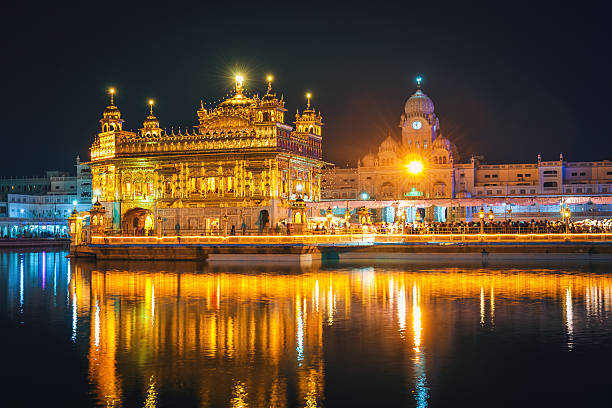
Golden Temple Amritsar: Darshan Timings, Langar & Travel Tips
Experience divine serenity at Golden Temple Amritsar. Discover its rich history, sacred rituals, and the world's largest langar serving 100,000 daily. Complete guide with timings, dress code, and travel tips.
Never Miss an Adventure
Get the latest trekking guides, travel tips, and exclusive offers delivered straight to your inbox.
