
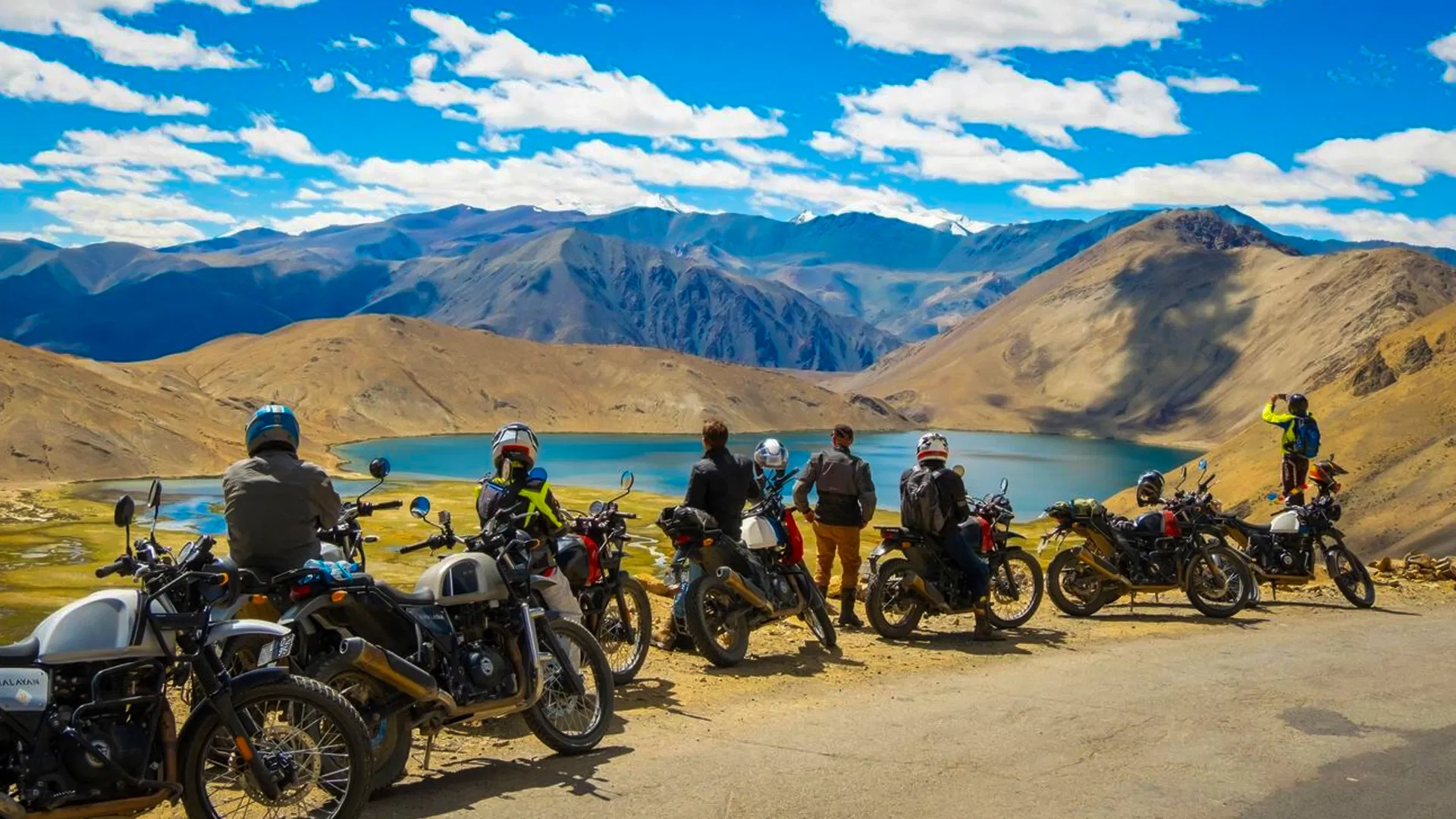
Historic Places Ladakh Bike Trip: 15 Heritage Sites

Priya Mehta
December 28, 2025
Discover 15 historic places on a Ladakh bike trip including monasteries, palaces, and forts, with practical route planning, heritage etiquette, and rider-focused tips.
Introduction to Ladakh's Historic Heritage
A Ladakh bike trip is not only about high passes and dramatic landscapes. The route also crosses one of the richest high-altitude heritage belts in the Himalayas, where Buddhist monasteries, royal palaces, and old trade-route settlements have survived for centuries. If your plan is to cover historic places on a Ladakh bike trip, the right strategy is to combine road efficiency with cultural depth instead of rushing from one photo point to another.
This guide covers 15 historic and heritage-rich places that fit motorcycle travelers: Leh-side palace clusters, Indus Valley monasteries, Sham Valley heritage stops, and Nubra's strategic monastic sites. You will also get route sequencing, preservation etiquette, and practical bike planning so the trip remains respectful and realistic. For your overall circuit planning, start with Leh Ladakh bike trip guide and then layer this heritage route on top.
Quick Heritage Snapshot for Riders
| Site | Region | Heritage Type | Typical Stop Time |
|---|---|---|---|
| Leh Palace | Leh | Royal palace | 1-2 hours |
| Shey Palace | Leh-Indus | Former royal capital | 45-60 min |
| Stok Palace | Stok | Royal residence and museum | 1-1.5 hours |
| Basgo Fort | Basgo | Fort ruins and temple complex | 1 hour |
| Diskit Monastery | Nubra | Monastery with strategic location | 1-1.5 hours |
| Hemis Monastery | Indus Valley | Major monastery institution | 1-2 hours |
| Thiksey Monastery | Indus Valley | Multi-level monastic complex | 1-1.5 hours |
| Alchi Monastery | Sham Valley | Early medieval Buddhist art | 1-1.5 hours |
| Lamayuru Monastery | Sham Valley | Ancient gompa and moonland setting | 1-2 hours |
| Likir Monastery | Sham Valley | Historic monastery site | 1 hour |
| Spituk Monastery | Leh vicinity | Old monastery overlooking valley | 45-60 min |
| Takthok Monastery | Sakti side | Cave-associated monastery | 1 hour |
| Chemrey Monastery | Chemrey | Drukpa lineage monastery | 1 hour |
| Wanla Gompa | Sham side | Remote monastic heritage | 45-60 min |
| Sumda Chun | Remote side valley | Historic art and monastic remains | Half day |
Times vary by road condition and whether you enter museum sections or only view outer precincts.
Top 15 Historic Places on Ladakh Bike Route
1) Leh Palace
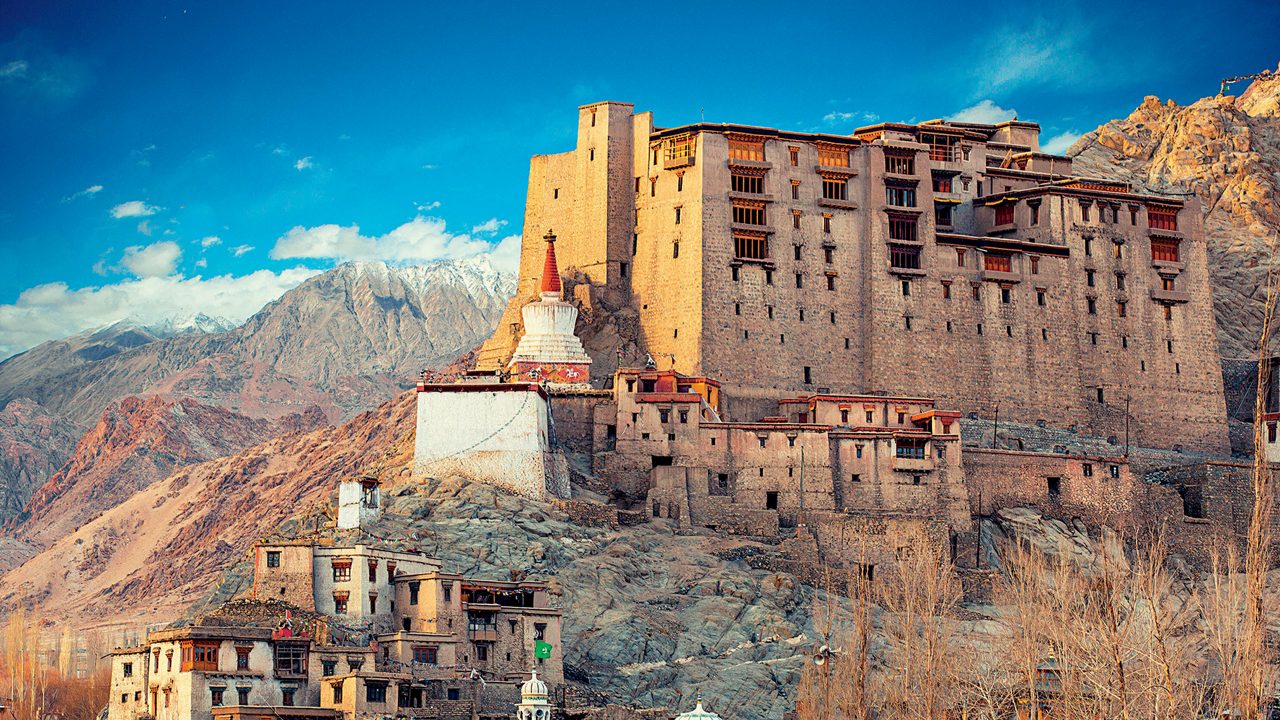
Leh Palace is one of the most important historical places in Ladakh and gives the clearest view of pre-modern royal power in the region. Its architecture is often compared in form to Tibetan palace styles, and the upper levels offer strong perspective over old Leh town.
Route support: Leh Palace Ladakh.
2) Shey Palace
Shey served as an earlier royal center and is an easy add-on on the Leh to Thiksey-Hemis corridor. The site works well as a short but meaningful stop when you are building a monastery day circuit.
3) Stok Palace
Stok Palace connects modern visitors to Ladakh's royal lineage through museum collections and curated heritage displays. The road approach is rider-friendly in normal season and can be combined with Leh city return on the same day.
4) Basgo Fort
Basgo's ruins and temples show the defensive and spiritual overlap that marked Ladakh's historical landscape. It is a valuable stop for travelers heading toward Alchi and Lamayuru because it enriches route context beyond monastery interiors.
5) Diskit Monastery
Diskit is the heritage anchor of Nubra Valley and a strategic monastic point in historical terms. Many riders reach Nubra for landscapes, but Diskit adds the cultural layer that turns a scenic ride into a heritage journey.
Nubra context: Diskit Monastery Ladakh.

6) Hemis Monastery
Hemis is among the most visited monasteries in Ladakh and remains central to regional Buddhist traditions. For riders, it is an accessible high-value heritage stop with a clear historical narrative and active monastic life.
7) Thiksey Monastery
Thiksey's terraced form, prayer halls, and valley-facing location make it one of the most visually recognizable monasteries in Ladakh. It fits perfectly into a half-day monastery circuit with Shey and Hemis.
Read: Thiksey Monastery Ladakh.
8) Alchi Monastery
Alchi is essential for travelers interested in early Buddhist art and older wall-painting traditions. The site is quieter than headline Leh stops and rewards slower observation, especially if you are interested in iconography and interior details.
Guide: Alchi Monastery Ladakh.
9) Lamayuru Monastery
Lamayuru combines historic monastic value with one of Ladakh's most photogenic geological settings. Most riders include it while moving toward Kargil side routes, but it can also be done as a long day excursion from Leh.
10) Likir Monastery
Likir is a useful heritage stop for riders who want less crowd density than top Leh corridor sites. The monastery adds depth to Sham Valley itineraries and is commonly paired with Alchi in one route day.
11) Spituk Monastery
Located close to Leh, Spituk is ideal for an acclimatization day when you need a low-stress ride but still want cultural immersion. Its access and short visit duration make it practical on day one or day two.
12) Takthok Monastery
Takthok is known for its cave-associated sacred spaces and offers a different monastic feel from larger complex-style gompas. Include it only if your day plan has sufficient daylight for return riding.
13) Chemrey Monastery
Chemrey is often skipped in rushed itineraries, but it is valuable for travelers who want a more contemplative and less crowded heritage stop in Ladakh.
14) Wanla Gompa
Wanla is a quieter historical site best suited to riders who prioritize off-mainstream heritage exploration over checklist tourism.
15) Sumda Chun
Sumda Chun is a remote heritage site and should be treated as a specialist stop rather than a casual detour. Reachability, local guidance, and weather windows are critical.
Buddhist Monastery Heritage in Ladakh
Many heritage sites in Leh Ladakh are not museum monuments frozen in time. They are active spiritual centers with ongoing rituals, resident monastic communities, and educational traditions. This is why respectful behavior is not optional on a heritage bike tour. You are entering living institutions, not only sightseeing points.
- Religious role: monasteries preserve teachings, rituals, and oral traditions.
- Architectural value: Ladakhi, Tibetan, and regional Himalayan influences merge in layout and detailing.
- Art value: murals, thangkas, and statues are both sacred and historically significant.
- Community role: monasteries support festivals, local identity, and cultural continuity.
For a broader list-based planning view, use monasteries in Ladakh and then prioritize by route practicality.

Ancient Trade Route Significance
Ladakh historically sat on trans-Himalayan exchange paths linking Central Asia, Tibet, Kashmir, and plains trade systems. This route position shaped architecture, belief systems, and administrative patterns across the region. Fortified settlements and monasteries were not isolated entities; they were nodes in a larger movement network.
For motorcycle travelers, this historical lens changes how you read the road. A modern bike route from Leh toward Sham, Nubra, or Kargil is also a movement through old exchange corridors where defense, religion, and trade once overlapped. Understanding this makes each stop more meaningful than a standalone viewpoint halt.
Best Heritage Route Itinerary for Riders
Leh Core Heritage Circuit (2 Days)
- Day 1: Leh Palace, Spituk, Shey, Thiksey
- Day 2: Hemis, Stok Palace, local Leh heritage walk
Sham Valley Heritage Circuit (2 Days)
- Day 1: Basgo, Likir, Alchi
- Day 2: Lamayuru and return or onward transfer
Nubra Heritage Extension (2 Days)
- Day 1: Ride to Nubra with acclimatized pacing
- Day 2: Diskit Monastery and surrounding heritage points
If you are planning a longer adventure route, integrate this with permits for Ladakh road trip and route-specific access checks.
Photography and Preservation Tips
- Avoid flash inside prayer halls and mural zones unless explicitly allowed.
- Ask before photographing monks, rituals, or private monastery sections.
- Do not touch murals, statues, manuscripts, or heritage walls.
- Keep voice low and move slowly in active prayer spaces.
- Park motorcycles only in designated open areas, not near access steps or prayer routes.
- Carry reusable water bottles and avoid litter in fragile high-altitude settlements.
Bike Trip Considerations for Heritage Riders
- Acclimatize before long riding days that include monastery climbs.
- Keep fuel margin on non-city stretches and avoid late-evening remote departures.
- Plan buffer time for museum closures, prayer schedules, or route delays.
- Use layered clothing: mornings and evenings stay cold even in peak season.
- Track weather and road advisories daily, especially for valley transitions.
Season planning: best time for Leh Ladakh bike trip.
Common Mistakes on Heritage Bike Routes in Ladakh
- Overloading one day: trying to cover 5 to 6 heritage points in a single ride usually leads to fatigue and superficial visits.
- Ignoring acclimatization: riders often schedule monastery climbs too early before adapting to altitude.
- No prayer-time awareness: arriving during active rituals without checking local guidance can reduce access and disrupt the site.
- Late departures: delayed starts create rushed evening riding and lower safety margins on mountain roads.
- Treating sacred spaces like viewpoints: respectful behavior improves your experience and protects living traditions.
A simple rule works well: plan fewer stops, spend more time at each, and keep one buffer block every day. This approach gives better cultural understanding and safer riding outcomes.
Final Take
The best historic places on a Ladakh bike trip are the ones you can visit with enough time, context, and respect. A strong route combines Leh palaces, Indus Valley monasteries, Sham heritage sites, and one Nubra extension without forcing rushed transfers. This gives you both road adventure and cultural depth.
Ride early, travel lightly, and treat each heritage stop as a living institution. That approach delivers a better journey for you and a lower impact on Ladakh's fragile cultural landscape.

Location
Frequently Asked Questions
Q1.What are the main historic places to visit on a Ladakh bike trip?
Q2.How many monasteries should I include in a Ladakh heritage bike route?
Q3.What is the most important historical site in Leh Ladakh?
Q4.Are all historic heritage sites in Ladakh accessible by bike?
Q5.What is the best route for covering heritage sites in Ladakh?
Q6.How many days are needed for a Ladakh heritage-focused bike trip?
Q7.Do I need permits for heritage sites in Ladakh?
Q8.What is the best season for a Ladakh historical bike tour?
Recommended For You
Leh Palace Ladakh: Timings, History & Rooftop City Views
Leh Palace Ladakh guide with history, architecture, timings, access, nearby attractions, and practical tips for an informed heritage visit.
Ladakh Road Trip Permits: Complete Guide (Online Apply)
Ladakh road trip permits guide covering online application, documents, route-wise access, fee components, and practical checkpoint rules.
Thiksey Monastery Ladakh: Guide, Timings and Festival
Plan your Thiksey Monastery Ladakh trip with timings, entry details, Leh distance, festival context, and practical etiquette tips for a better visit.
Never Miss an Adventure
Get the latest trekking guides, travel tips, and exclusive offers delivered straight to your inbox.
