
Holi in Jaipur: Experience Royal Colors in the Pink City

Rohit Verma
February 2, 2026
Experience Holi in Jaipur - royal celebrations in the Pink City! Discover Gair dance, City Palace events, best places, Rajasthani food & complete travel guide for 2026.
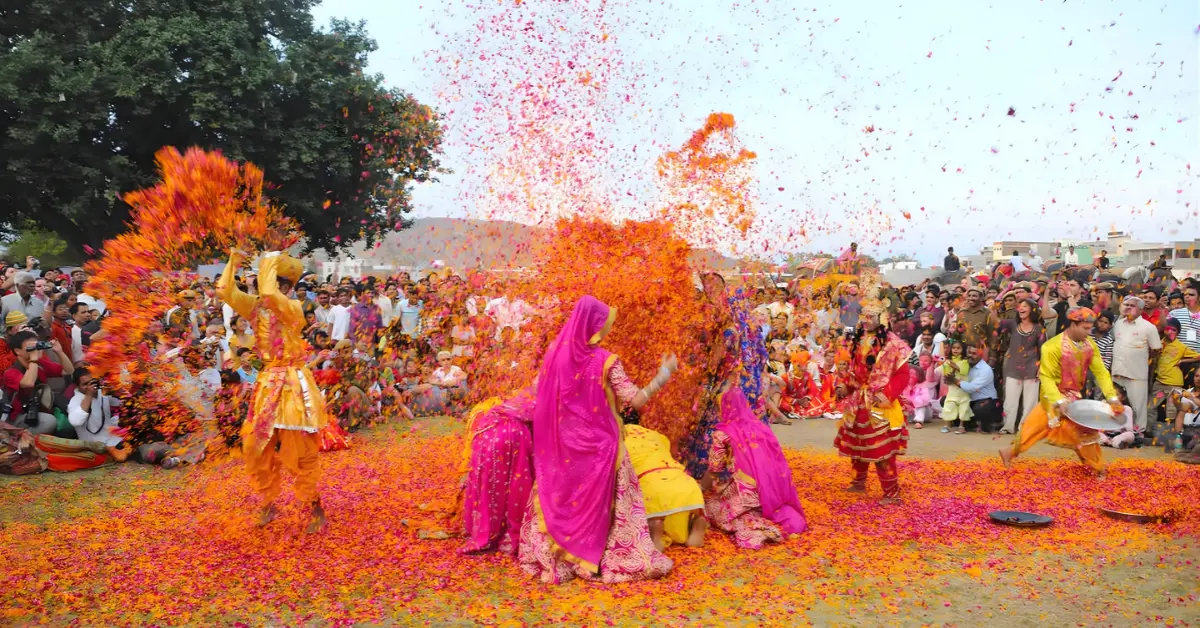
Holi in Jaipur offers a magnificent blend of royal traditions and vibrant celebrations that make the Pink City one of India's most captivating Holi destinations. As the capital of Rajasthan, Jaipur brings its unique cultural heritage to this festival of colors, creating an experience that combines regal splendor with infectious joy. Whether you're watching the majestic elephant processions or joining locals in the streets, Holi in Jaipur is a celebration you'll never forget.
The Royal Heritage of Jaipur's Holi
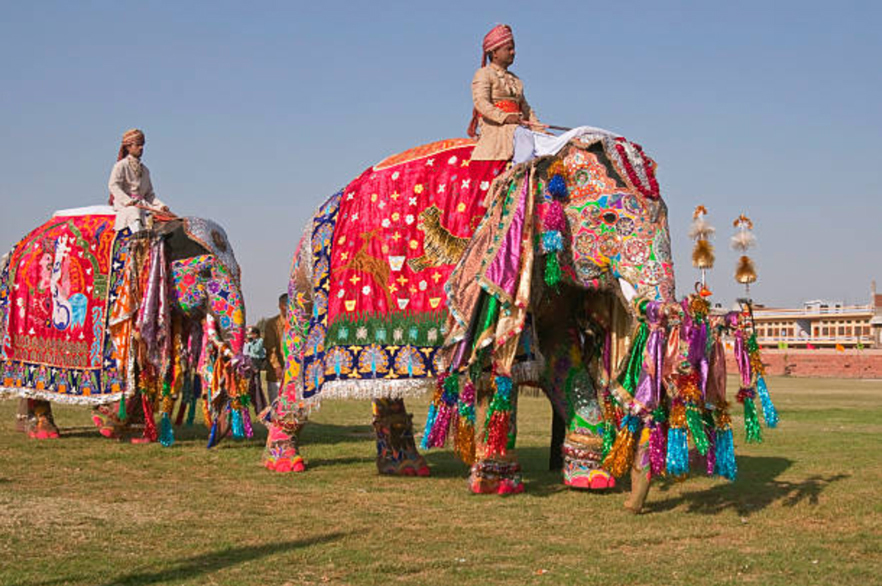
Jaipur's association with Holi dates back centuries to the era of the Kachwaha Rajputs, the ruling dynasty that founded the city. The royal family of Jaipur has traditionally celebrated Holi with great pomp and ceremony, setting the tone for the entire city. Even today, the City Palace continues to host special Holi celebrations that maintain this royal legacy, offering visitors a glimpse into Rajasthan's majestic past.
What makes Jaipur's Holi special is how it seamlessly blends royal traditions with popular participation. The Maharaja of Jaipur would traditionally host elaborate Holi celebrations at the City Palace, inviting nobility and commoners alike. This tradition of inclusive celebration continues today, making Holi in Jaipur a festival that truly brings together people from all walks of life.
The royal influence is evident in the scale and organization of celebrations. Unlike the more chaotic celebrations in some parts of India, Jaipur's Holi has a structured quality that reflects the city's disciplined heritage. Traditional folk performances, organized color play, and community feasts all come together to create a celebration that's both authentic and accessible to visitors.
The Famous Gair Dance of Jaipur
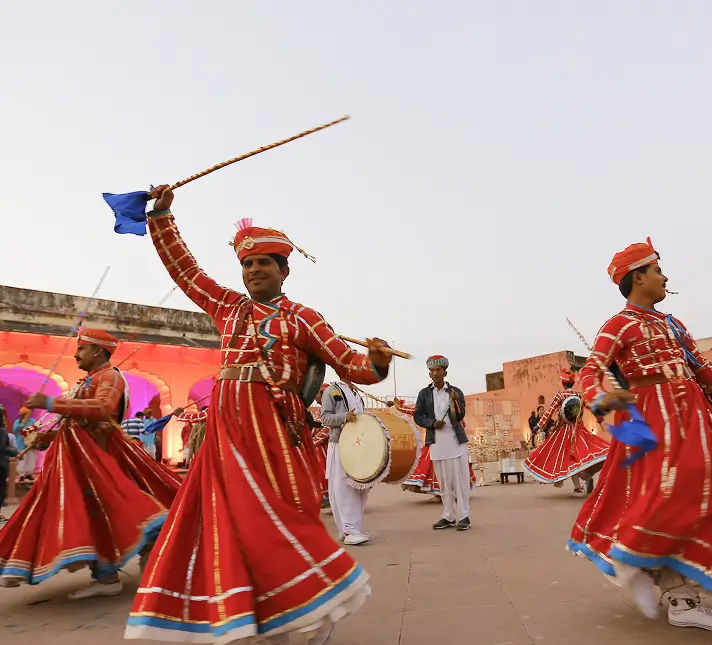
One of the most distinctive aspects of Holi in Jaipur is the traditional Gair dance, a folk dance that's performed exclusively during this festival. Groups of men and women form concentric circles and dance to the rhythm of traditional drums and folk songs. What makes the Gair dance unique is that performers change directions rhythmically, creating a mesmerizing visual effect that's spectacular to watch.
The dance requires considerable skill and practice, with performers often rehearsing for weeks before Holi. The costumes are elaborate - men wear traditional Rajasthani attire with colorful turbans, while women don ghagra-cholis with heavy embroidery and mirror work. The combination of swirling movements, vibrant costumes, and Holi colors creates a visual spectacle that's uniquely Rajasthani.
Visitors to Jaipur during Holi can witness Gair dance performances at various locations throughout the city. The City Palace typically hosts special performances, as do many community centers and public grounds. Some heritage hotels also organize Gair dance shows for their guests, offering an intimate viewing experience.
Best Places to Celebrate Holi in Jaipur
City Palace - The royal residence hosts exclusive Holi celebrations that combine traditional ceremonies with modern festivities. The celebrations here are organized but spirited, with the palace courtyard becoming a riot of colors. Visitors can often join in (sometimes for a fee), experiencing Holi in truly royal surroundings. The palace backdrop creates a stunning contrast with the vibrant colors.
Hawa Mahal Area - The streets around this iconic monument become ground zero for public celebrations. The area's narrow lanes and traditional havelis provide the perfect setting for authentic Holi revelry. Local shops sell organic colors, water guns, and festive snacks, making it easy to jump into the celebrations. The sight of the pink Hawa Mahal surrounded by colorful revelers is unforgettable.
Pink City Streets - The old city area, with its distinctive pink buildings, offers the most authentic local experience. Wander through areas like Johari Bazaar and Bapu Bazaar to join neighborhood celebrations. Residents here welcome visitors warmly, and it's common to be invited into homes for sweets and refreshments. The pink architecture provides a unique backdrop that's Instagram-perfect.
Organized Events - Many hotels and clubs in Jaipur host ticketed Holi events with organic colors, food, music, and safety measures. These are ideal if you want a controlled celebration experience. Popular venues include the Chokhi Dhani village resort and various five-star hotels that host special Holi brunches and parties.
Elephant Festival Grounds - While the traditional Elephant Festival has been discontinued due to animal welfare concerns, the grounds where it was held often host cultural events and community celebrations. These venues feature folk performances, traditional Rajasthani music, and organized color play that's less chaotic than street celebrations.
Jaipur's Unique Holi Traditions
Jaipur has several Holi traditions that set it apart from other Indian cities. One unique custom is the morning visit to the Govind Dev Ji temple, where devotees play Holi with the deity using flowers and organic colors. This temple ceremony is deeply spiritual and offers a different perspective on the festival, focusing on devotion rather than revelry.
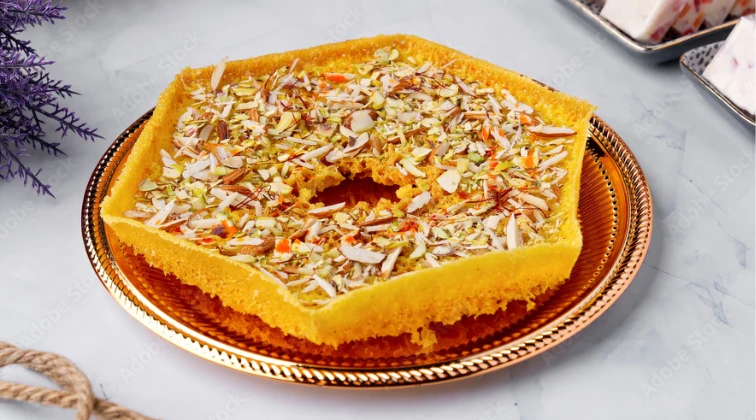
Another tradition is the preparation of special Holi sweets unique to Rajasthan. While gujiya is popular across India, in Jaipur you'll also find "Ghevar," a traditional Rajasthani sweet made during festivals. "Feini" - a delicate wheat flour sweet soaked in sugar syrup - is another Holi specialty that's prepared in Jaipuri households.
The city also has a tradition of "Holi Milan," where people visit friends and relatives in the evening to apply tilak (a small mark of color) on foreheads and exchange sweets. This is more dignified than the morning's color throwing and emphasizes the social bonding aspect of the festival.
Rajasthani Holi Cuisine
Rajasthani cuisine comes into its own during Holi, with dishes that reflect the region's rich culinary traditions. The preparation begins days in advance, with families gathering to make sweets that have been passed down through generations. These aren't just desserts - they're cultural artifacts that represent Rajasthan's heritage of hospitality.
The must-try Holi sweet in Jaipur is "Ghevar," a round cake made from flour, sugar syrup, and ghee, often decorated with silver foil. Another specialty is "Mawa Kachori," a deep-fried pastry filled with sweetened milk solids. "Balushahi," a traditional sweet similar to a glazed doughnut, is also popular during Holi.
Savory dishes are equally important. "Pyaz Kachori," an onion-filled fried pastry, is a popular Holi breakfast. "Dal Baati Churma," Rajasthan's signature dish, is prepared in many households. "Kadhi," a yogurt-based curry tempered with mustard seeds and curry leaves, provides a cooling contrast to the spicy sweets.
Many households prepare "Thandai," a refreshing drink made with milk, nuts, and spices. In Jaipur, this often includes regional ingredients like saffron and cardamom, giving it a distinctive Rajasthani touch. The drink is traditionally served in brass thalis (traditional platters), adding to the ceremonial feel of the occasion.
Tips for Celebrating Holi in Jaipur
If you're planning to experience Holi in Jaipur, timing is crucial. The celebrations typically begin around 9 AM and continue until mid-afternoon. Start early if you want to experience the full range of traditions, including temple ceremonies and morning visits. The weather in Jaipur in March is pleasant but can get warm by afternoon, so plan accordingly.
Choose your celebration venue based on your preferences. For a royal experience, check if the City Palace is hosting public events. For authentic local experiences, head to the old city around Johari Bazaar. For organized celebrations, consider events at heritage hotels like Rambagh Palace or venues like Chokhi Dhani.
Dress appropriately for the weather and the occasion. Jaipur in March can be warm during the day, so light cotton clothing is ideal. Wear old clothes you don't mind staining. Many people wear white specifically for Holi, but remember that stains can be permanent. Don't forget to apply oil or moisturizer to your skin and hair before stepping out.
Protect your valuables. The combination of colored water and fine powder can damage electronics. Consider using waterproof pouches or leaving expensive items at your hotel. If you're photographing the celebrations, bring protective gear for your camera.
Stay hydrated throughout the day. March in Jaipur can be dehydrating, especially when you're active in the sun. Drink plenty of water and take breaks in shaded areas. Many celebration venues offer traditional drinks like jaljeera and lassi, which are perfect for staying hydrated while enjoying the festivities.
Safety and Etiquette for Jaipur Holi
While Jaipur is generally safe and tourist-friendly, it's important to exercise caution during Holi. Celebrate at reputable venues or with trusted locals. If you're joining street celebrations in the old city, be aware of your surroundings and respect others' boundaries. Not everyone wants to be covered in color - ask before applying color to someone.
Use organic or natural colors when possible. Many organized events in Jaipur provide these safer alternatives. Avoid colors that contain harmful chemicals. If you have sensitive skin, consider doing a patch test before celebrating or wear full clothing that covers most of your skin.
Be particularly careful if you're visiting temple areas or participating in religious ceremonies. These spaces require respectful behavior - avoid rowdy behavior and dress modestly when visiting temples. The morning temple ceremonies are spiritual; maintain quiet and observe from a respectful distance.
Women travelers should consider celebrating in groups or at organized events rather than wandering alone through street celebrations. While Jaipur is generally safe, the excitement of Holi can sometimes lead to unwanted attention. Organized events at hotels or cultural centers provide a safer environment.
Best Time to Visit Jaipur for Holi
Holi typically falls in March, and Jaipur's weather during this month is nearly perfect for outdoor celebrations. Days are sunny and warm (25-32°C) without being too hot, and nights are pleasantly cool. This is considered one of the best times to visit Jaipur, as the weather is ideal for sightseeing.
It's advisable to book your accommodation well in advance if you're visiting specifically for Holi. March is peak tourist season in Rajasthan, and Jaipur's hotels fill up quickly. If you want to experience the full range of celebrations, plan to stay for at least 3-4 days around the festival. This will allow you to witness both the Holika Dahan ceremonies and the main day of color play.
Consider booking a heritage hotel or haveli-style accommodation for an authentic Rajasthani experience. Many of these properties have courtyards where Holi is celebrated traditionally, offering guests an intimate cultural experience without having to step out into the chaotic streets.
Photography Tips for Jaipur Holi
Jaipur offers spectacular photography opportunities during Holi, with its pink architecture providing a stunning backdrop for colorful celebrations. The Hawa Mahal, Amber Fort, and City Palace all become frame-worthy when covered in Holi colors.
For the best shots, arrive early at popular locations before the crowds get too dense. The morning light around City Palace and Hawa Mahal is perfect for photography. Use a zoom lens to capture candid moments without getting too close to the colored powder and water.
Protect your camera equipment with rain covers or plastic bags. The fine colored powder can damage camera sensors and lenses. Consider using a UV filter to protect your lens. If you're using a phone, keep it in a waterproof pouch and take it out only when you're ready to shoot.
Ask for permission before photographing people, especially women and families. Many locals are happy to be photographed, but it's polite to ask first. Some may request money for photos, so be prepared for this. Focus on capturing the spirit of celebration rather than just the colors - expressions of joy, traditional dances, and community moments make for the most meaningful photographs.
Shopping for Holi in Jaipur
Jaipur's markets come alive in the days leading up to Holi, offering everything you need for the festival. Johari Bazaar and Bapu Bazaar are particularly vibrant, with shops selling organic colors, pichkaris (water guns), and festive clothing. This is a great time to shop for traditional Rajasthani items that you can use during celebrations.
Look for organic colors made from flowers and herbs - these are safer for your skin and the environment. Many shops now sell "eco-friendly Holi colors" that are becoming increasingly popular. Traditional pichkaris made from brass or copper are also available and make great souvenirs.
If you're looking for traditional Rajasthani clothing to wear during Holi, Jaipur is the perfect place to shop. Bandhani (tie-dye) fabrics, leheriya (wave-pattern) textiles, and traditional Rajasthani turbans are all available in the markets. These items aren't just practical for Holi - they're beautiful additions to your wardrobe that you can wear long after the festival.
Don't forget to shop for Holi sweets and snacks to take back as gifts. Packaged Ghevar, Feini, and other traditional sweets make excellent presents for friends and family. Many shops specialize in Holi gift hampers that include a variety of sweets and colors.
Day Trips from Jaipur During Holi
If you have extra time around Holi, consider visiting nearby destinations that offer different perspectives on the festival. Ajmer, about 130 km from Jaipur, has its own unique Holi traditions at the famous dargah. The celebration here is more spiritual and attracts devotees from across India.
Pushkar, the holy town just 150 km away, celebrates Holi with great enthusiasm. The ghats around Pushkar Lake become colorful celebration zones, and the town's temples organize special ceremonies. Pushkar's Holi is more intimate than Jaipur's and offers a smaller-town Rajasthani experience.
For a different cultural experience, consider visiting Udaipur, Rajasthan's City of Lakes. The celebrations here are elegant and sophisticated, with the City Palace hosting particularly beautiful events. Udaipur's lakeside setting provides a stunning backdrop for Holi celebrations.
Experiencing Holi in Jaipur is more than just playing with colors - it's an immersion into Rajasthan's royal heritage and vibrant culture. From traditional Gair dances to temple ceremonies, from street celebrations to palace events, Jaipur offers a Holi experience that's both authentic and accessible. Whether you're a first-time visitor to India or a seasoned traveler, the Pink City's Holi celebrations will leave you with memories that last a lifetime.
Location
Frequently Asked Questions
Q1.How is Holi celebrated in Jaipur?
Q2.What are the best places to celebrate Holi in Jaipur?
Q3.What is the Gair dance in Jaipur Holi?
Q4.What are traditional Holi foods in Jaipur?
Q5.What should I wear for Holi in Jaipur?
Q6.Is Jaipur safe for Holi celebration?
Q7.When is Holi celebrated in Jaipur in 2026?
Q8.What is unique about Jaipur's Holi celebrations?
Recommended For You
Desert Festival Jaisalmer 2025: Complete Guide to Rajasthan's Most Vibrant Celebration
Experience Rajasthan's vibrant Desert Festival Jaisalmer 2025. Discover dates, events, camel competitions, cultural performances, tickets & travel tips for this spectacular celebration.
Diwali in Ayodhya: Deepotsav Dates, Events & Crowd Planning
Experience the world's grandest Diwali celebration in Ayodhya. Witness 22 lakh diyas illuminate the sacred Saryu River during Deepotsav. Complete guide to timings, locations, and travel tips.
Pushkar Mela: Camel Fair Dates, Events & Rajasthan Trip Plan
Complete Pushkar Camel Fair Guide with 2025 dates, booking information, photography tips, accommodation, and travel advice for experiencing this iconic Rajasthan festival.
Never Miss an Adventure
Get the latest trekking guides, travel tips, and exclusive offers delivered straight to your inbox.
