
Samdrup Jongkhar Bhutan: Border Town Highlights, Route & Stay
Rohan Malhotra
November 20, 2025
Explore Samdrup Jongkhar, Bhutan's eastern gateway border town. Complete travel guide with attractions, border crossing, weather, accommodation and practical tips.
Samdrup Jongkhar: Bhutan's Eastern Gateway
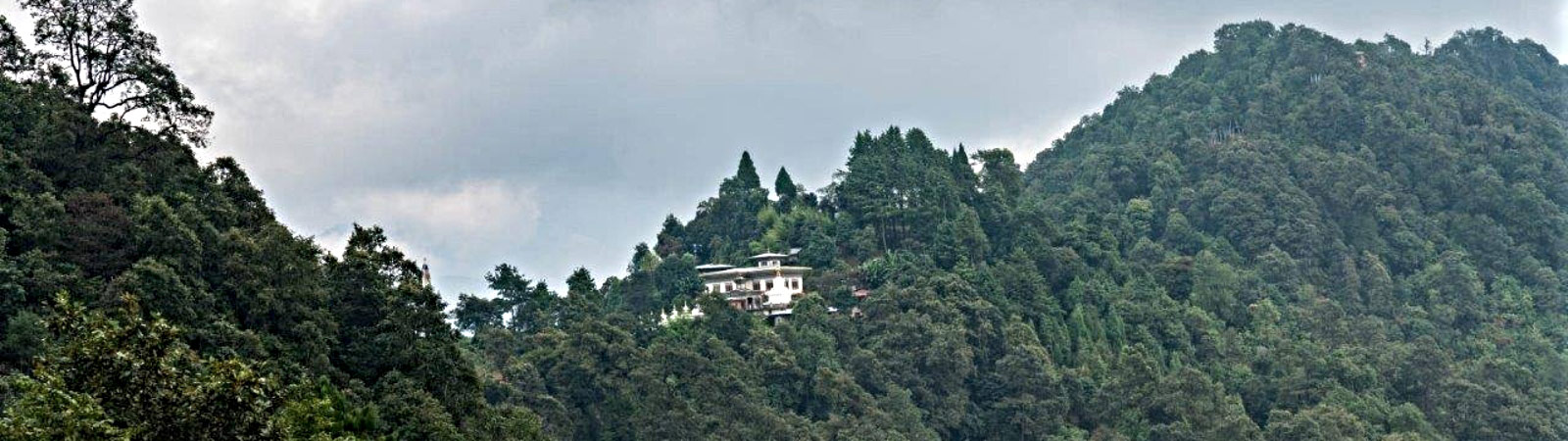
Nestled in southeastern Bhutan along the border with Assam, India, Samdrup Jongkhar serves as the eastern gateway to the Land of the Thunder Dragon. Unlike the more frequented western regions of Paro and Thimphu, this border town offers an authentic glimpse into Bhutanese life without the crowds of tourists. The town sits at an altitude of just 200 meters above sea level, making it one of the lowest points in Bhutan and creating a subtropical climate that feels distinctly different from the mountainous regions most travelers associate with the country.
Samdrup Jongkhar holds significant strategic and commercial importance as a major entry point for travelers coming from India's northeast, particularly Guwahati. The town's unique character stems from its position as a trading hub where Bhutanese and Indian cultures blend seamlessly. For international travelers, this border crossing provides an alternative route to explore Bhutan, offering a more gradual introduction to the country's unique culture and philosophy of Gross National Happiness. The journey through this eastern region reveals a quieter, less commercialized side of Bhutan that many visitors miss.
Location and Geography
Samdrup Jongkhar is located in the Samdrup Jongkhar district of southeastern Bhutan, bordering the Indian state of Assam. The town lies approximately 110 kilometers from Guwahati, the largest city in India's northeast region. What makes this location particularly interesting is its dramatic elevation difference from the rest of Bhutan - while most of the country sits at high altitudes, Samdrup Jongkhar rests at just 200 meters above sea level, resulting in a warm, humid climate throughout much of the year.
The town serves as the administrative headquarters of the district and functions as an important commercial center. The surrounding landscape features lush green hills, tea gardens, and the scenic stream that flows through the town. This geographic position has historically made Samdrup Jongkhar a crucial trading point between Bhutan and India, a role it continues to play today. The road connecting Samdrup Jongkhar to other parts of Bhutan, particularly Trashigang, offers spectacular views as it climbs from the lowlands into the mountains, showcasing Bhutan's incredible topographical diversity.
The district encompasses diverse ecosystems ranging from subtropical forests in the lower regions to alpine meadows at higher elevations. This variety supports rich biodiversity, making the area interesting for nature enthusiasts and wildlife watchers. The town's proximity to the Indian border has shaped its development, creating a unique blend of Bhutanese tradition and cross-border commercial activity that distinguishes it from other Bhutanese towns.
Best Time to Visit
Understanding the seasonal patterns is crucial for planning your visit to Samdrup Jongkhar. The town's low altitude creates a climate that differs significantly from the rest of Bhutan, affecting the optimal travel times. The region experiences a subtropical climate with distinct wet and dry seasons, which can greatly impact your travel experience and the activities you can enjoy.
Spring (March to May) represents one of the best times to visit, with pleasant temperatures ranging from 15°C to 25°C and minimal rainfall. The landscape is lush and green following the winter months, and the clear skies provide good conditions for travel and photography. This season also coincides with various local festivals, offering opportunities to witness traditional Bhutanese culture. The moderate weather makes it ideal for exploring the town and surrounding areas comfortably. Many travelers combine their eastern Bhutan visit with a trip to Thimphu to experience Bhutan's capital city and its unique blend of tradition and modernity.
Autumn (September to November) is equally favorable, offering clear skies, comfortable temperatures, and excellent visibility. The post-monsoon period reveals rejuvenated landscapes and reliable road conditions throughout the region. October is particularly pleasant, with warm days and cool nights. This season is also excellent for photography, with natural light conditions at their best. The autumn months typically see fewer clouds and less humidity, making outdoor exploration more enjoyable.
Monsoon (June to August) brings heavy rainfall to the region, with July and August receiving the highest precipitation. Travel during this period can be challenging due to potential road disruptions, especially on the mountain roads connecting to eastern Bhutan. However, the monsoon transforms the landscape into vibrant shades of green, and waterfalls are at their most spectacular. If you visit during this season, be prepared for humidity, rain, and possible travel delays. The advantage is fewer tourists and a more authentic experience of local life during the rainy season. If you're considering a monsoon visit, check our guide on Bhutan in June to help you prepare for the weather conditions.
Winter (December to February) remains mild compared to the rest of Bhutan, with temperatures rarely dropping below 10°C. This makes Samdrup Jongkhar an attractive winter destination for those seeking warmer weather. The dry winter months offer good travel conditions and clear skies. Winter can be an excellent time to visit if you plan to continue to higher altitude regions, as you can gradually acclimatize while moving westward through Bhutan.
How to Reach from Guwahati
Reaching Samdrup Jongkhar from Guwahati is the most common route for international travelers entering Bhutan through this eastern gateway. The journey covers approximately 110 kilometers and typically takes 3-4 hours by road, depending on road conditions and border formalities. This route has become increasingly popular among travelers looking to explore Bhutan beyond the standard Paro-Thimphu circuit.
By Road: The most practical way to reach Samdrup Jongkhar is by hiring a taxi or private vehicle from Guwahati. Shared taxis are also available from the Guwahati railway station area or Lokpriya Gopinath Bordoloi International Airport. The road journey takes you through the beautiful Assamese countryside, passing tea gardens and small towns before reaching the border town. The drive is scenic but can be slow in sections due to traffic and road conditions. It's advisable to start your journey early in the morning to reach Samdrup Jongkhar with ample time for border formalities.
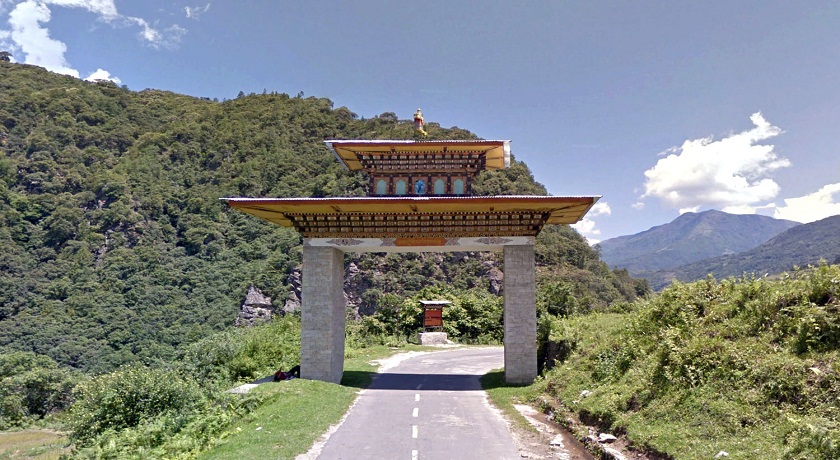
Border Crossing Process: The India-Bhutan border at Samdrup Jongkhar is relatively straightforward for Indian citizens, who don't require a visa to enter Bhutan. However, you'll need to carry valid identification documents such as a passport or voter ID card. For other nationalities, a Bhutanese visa must be obtained in advance, typically processed through a registered Bhutanese tour operator. All foreign visitors (except Indians, Bangladeshis, and Maldivians) must pay the daily Sustainable Development Fee, which can be arranged through tour operators.
Documentation Requirements: Ensure you have all necessary documents before beginning your journey. Indian travelers should carry original identification documents and photocopies. Foreign nationals need their passport, visa, and permit documents. It's also wise to carry multiple passport-sized photographs for any permits you might need to obtain upon entry. The border post operates during specific hours, usually from 9 AM to 5 PM, so plan your arrival accordingly.
From Other Bhutanese Regions: If you're already in Bhutan and traveling to Samdrup Jongkhar from other parts of the country, you'll likely approach from Trashigang. The road from Trashigang to Samdrup Jongkhar covers approximately 180 kilometers and takes about 6-7 hours. This route offers spectacular mountain scenery but involves significant elevation changes. Road conditions can vary, and during monsoon season, landslides may cause temporary closures. For those planning to explore beyond the eastern region, visiting Punakha Dzong or the Paro valley offers a completely different perspective of Bhutan's diverse landscapes. It's always advisable to check current road conditions before undertaking this journey. You might also want to consider the best time to visit Bhutan to ensure safe travel conditions.
Top Attractions in Samdrup Jongkhar
While Samdrup Jongkhar may not boast the dramatic monuments of Paro or the grand dzongs of Punakha, it offers its own unique attractions that reflect the character of eastern Bhutan. The town's appeal lies in its authenticity, local markets, and the opportunity to experience Bhutanese life away from the main tourist trail. Exploring these attractions gives visitors insight into the daily life and culture of eastern Bhutan.
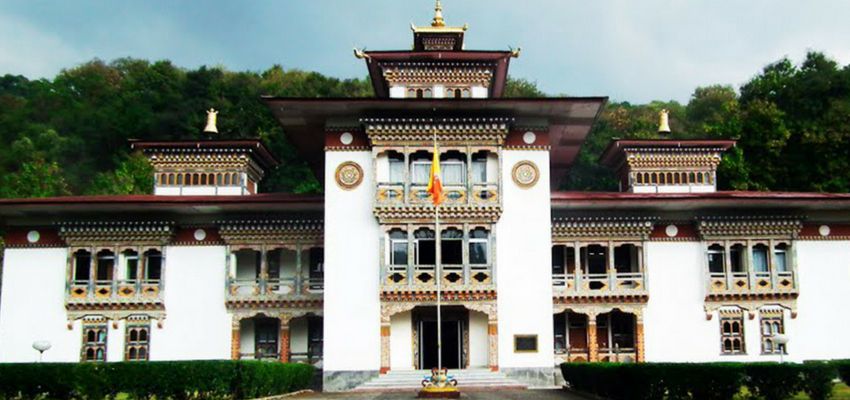
Samdrup Jongkhar Dzong: The town's dzong serves as the administrative and religious center of the district. While it may not be as grand as some of Bhutan's more famous dzongs, it represents typical Bhutanese architecture and functions as an important government center. The dzong houses both civil administration offices and religious facilities. Visitors interested in Bhutanese governance and religious traditions will appreciate observing daily life around the dzong. Photography restrictions may apply in certain areas, so always ask for permission before taking pictures.
Dewathang: Located approximately 18 kilometers from Samdrup Jongkhar, Dewathang holds historical significance as the site of the 1864 battle between British forces and the Bhutanese. Today, it's a quiet town that offers a glimpse into rural Bhutanese life. The journey to Dewathang itself is rewarding, passing through beautiful countryside and small villages. The area is known for its peaceful atmosphere and traditional Bhutanese architecture. History enthusiasts will appreciate the opportunity to visit a site that played a role in shaping Bhutan's modern boundaries.
Local Markets: The markets in Samdrup Jongkhar offer a fascinating cross-cultural shopping experience. As a border town, the markets here feature goods from both Bhutan and India. You'll find everything from traditional Bhutanese textiles and handicrafts to Indian household goods. The market days are particularly lively, with traders from surrounding areas coming to buy and sell goods. This is an excellent place to observe local life and perhaps purchase unique souvenirs. The markets also offer a chance to try local fruits and vegetables that are specific to this region.
Religious Sites: Scattered around the town are various temples and shrines that serve the local community. While these may not be major tourist attractions, they offer insight into the spiritual life of eastern Bhutan. Visitors should always be respectful when visiting religious sites, dress appropriately, and ask permission before entering. The interaction with local monks and devotees can provide valuable cultural context and memorable experiences.
Nature Walks: The surrounding countryside offers opportunities for short walks and exploration. The lower altitude terrain makes hiking more accessible compared to other parts of Bhutan. You can explore the hills around the town, visit nearby villages, or simply enjoy the subtropical vegetation. Bird watchers will find the area interesting, with various species inhabiting the different elevation zones. Always check with local authorities or your guide about safe areas for exploration.
Accommodation Options
Samdrup Jongkhar offers a range of accommodation options catering to different budgets and preferences. While the town may not have luxury hotels comparable to Thimphu or Paro, the available establishments provide comfortable and authentic stays that reflect the character of eastern Bhutan. Options range from basic guesthouses to mid-range hotels, all offering warm Bhutanese hospitality.
Hotels: Several hotels in Samdrup Jongkhar provide comfortable rooms with basic amenities. These establishments typically offer attached bathrooms, hot water, and comfortable bedding. While they may not be luxurious by international standards, they're clean and well-maintained. The hotels are usually family-run, offering personalized service and opportunities to interact with local hosts. Prices are generally more affordable than in western Bhutan, making it an attractive option for budget-conscious travelers.
Guesthouses: For a more intimate experience, consider staying in one of the local guesthouses. These are often simpler than hotels but offer an authentic experience of Bhutanese hospitality. Guesthouses may have shared bathrooms in some cases, but they compensate with warm hospitality and home-cooked meals. Staying in a guesthouse also provides opportunities to learn about local life and customs directly from your hosts. Many guests find these personal interactions to be highlights of their Bhutan experience.
Booking Recommendations: It's advisable to book your accommodation in advance, especially during peak travel seasons and festival periods. Your tour operator can typically arrange reservations as part of your Bhutan itinerary. When booking, confirm what's included in the rate - some establishments include meals, while others charge separately. It's also worth checking if the hotel can arrange transportation or assist with further travel plans within Bhutan.
Facilities Available: The standard hotels in Samdrup Jongkhar offer most basic amenities required for a comfortable stay. Rooms typically include comfortable beds, clean linens, and attached bathrooms. Hot water can be intermittent in some establishments, so check this if it's important to you. Wi-Fi may be available but don't expect high-speed internet connectivity. Many hotels have restaurants serving both Bhutanese and Indian cuisine. Some establishments can arrange laundry services upon request. Power outages can occur, so carrying a power bank and flashlight is advisable.
Travel Tips and Practical Information
Traveling to Samdrup Jongkhar requires some preparation and awareness of local conditions. These practical tips will help ensure a smooth and enjoyable visit to this eastern gateway of Bhutan. The region's unique position as a border town creates certain considerations that travelers should keep in mind.
Currency: Both Bhutanese Ngultrum (BTN) and Indian Rupees (INR) are accepted in Samdrup Jongkhar, thanks to the close economic ties between Bhutan and India. ATMs are limited in the town, so it's wise to carry sufficient cash for your needs. Indian rupee notes in higher denominations (₹500 and ₹2000) might not always be accepted, so carry smaller notes. Credit cards are not widely accepted outside of established hotels. It's always good practice to have cash for small purchases, meals, and transportation.
Language: Dzongkha is the national language of Bhutan, but English is widely spoken, especially in establishments that cater to tourists. In the border areas, Assamese and Hindi are also commonly understood. Communication is generally not a problem for English-speaking travelers. Learning a few basic Dzongkha phrases like "Kuzu zangpo la" (Hello) and "Kadrin chhe" (Thank you) is appreciated by locals and can enhance your experience.
Local Customs: Bhutanese culture places great emphasis on respect and hospitality. When visiting religious sites, dress modestly - covering shoulders and knees. Always walk clockwise around chortens and mani walls. It's customary to remove your hat when entering dzongs and temples. Ask permission before taking photographs of people, especially monks and religious ceremonies. These gestures of respect are deeply appreciated and will enrich your interactions with local people.
Connectivity: Mobile connectivity in Samdrup Jongkhar is reasonably good, with Bhutan Telecom and Tashi Cell providing services. Indian mobile networks may also work near the border due to proximity. Internet connectivity is available but may be slow compared to what you're used to. Consider this an opportunity to disconnect and fully immerse yourself in the experience rather than staying constantly connected.
Health and Safety: Samdrup Jongkhar is generally safe for travelers. The low altitude means no concerns about altitude sickness, which can be an issue in other parts of Bhutan. However, being a subtropical region, mosquito repellent is recommended, especially during evenings. Carry basic medications and a small first-aid kit. Drink bottled or boiled water. If you have specific health concerns, consult a doctor before traveling and carry sufficient medication.
Best Approach: Samdrup Jongkhar works best as part of a broader Bhutan itinerary rather than a standalone destination. Most travelers combine a visit here with exploration of eastern Bhutan, particularly Trashigang and Tashiyangtse. The town also serves well as an entry or exit point for travelers combining Bhutan with India's northeast region. Plan your itinerary to allow sufficient time for border formalities and potential travel delays.
Conclusion
Samdrup Jongkhar offers travelers a different perspective on Bhutan - one that's less polished perhaps, but more authentic and removed from the main tourist circuit. This eastern gateway provides valuable insights into Bhutanese life beyond the familiar attractions of Paro and Thimphu. The town's position as a border crossing creates a unique cultural blend, while its low altitude offers a different climatic experience within the country.
For travelers seeking to explore Bhutan's eastern regions or entering from India's northeast, Samdrup Jongkhar serves as an important gateway. The journey through this region reveals aspects of Bhutanese culture, geography, and daily life that many visitors miss. Whether you're spending just a few hours crossing the border or using the town as a base to explore eastern Bhutan, Samdrup Jongkhar offers a welcoming introduction to the country's distinctive character and values.
The town may not have the dramatic fortresses of Punakha or the iconic tiger's nest of Paro, but it offers something equally valuable - authenticity and the chance to experience Bhutan as it's lived by local people. For the curious traveler willing to venture beyond the well-trodden path, Samdrup Jongkhar provides a rewarding and genuine glimpse into the eastern Himalayan kingdom.
Location
Frequently Asked Questions
Q1.Where is Samdrup Jongkhar located?
Q2.How far is Samdrup Jongkhar from Guwahati?
Q3.What is the best time to visit Samdrup Jongkhar?
Q4.How do I enter Bhutan through Samdrup Jongkhar?
Q5.Is a permit required for Samdrup Jongkhar?
Q6.Are there accommodations in Samdrup Jongkhar?
Q7.What can I see in Samdrup Jongkhar?
Q8.How is the weather in Samdrup Jongkhar?
Recommended For You
Backpacking Bhutan: Budget Planning, Route & Permit Details
Complete backpacking Bhutan guide: visa requirements, daily fee, budget tips, best season, trekking, cultural sites & 7-day itinerary for the Land of the Thunder Dragon.
Best Time to Visit Bhutan: Season Guide and Travel Tips
Plan your Bhutan trip with season-wise timing, route strategy, and practical travel tips for smoother and more meaningful journeys.
Bhutan in June: Weather, Route and Travel Tips
Travel Bhutan in June with weather-aware route planning, transfer strategy, and practical tips for smoother monsoon-season journeys.
Never Miss an Adventure
Get the latest trekking guides, travel tips, and exclusive offers delivered straight to your inbox.
