
Haa Valley Bhutan: Scenic Route, Stays & Things to Do

Neha Kapoor
December 14, 2025
Explore Haa Valley Bhutan, the hidden Himalayan paradise. Discover how to reach, best time to visit, places to see & travel tips.
Introduction: Bhutans Hidden Paradise
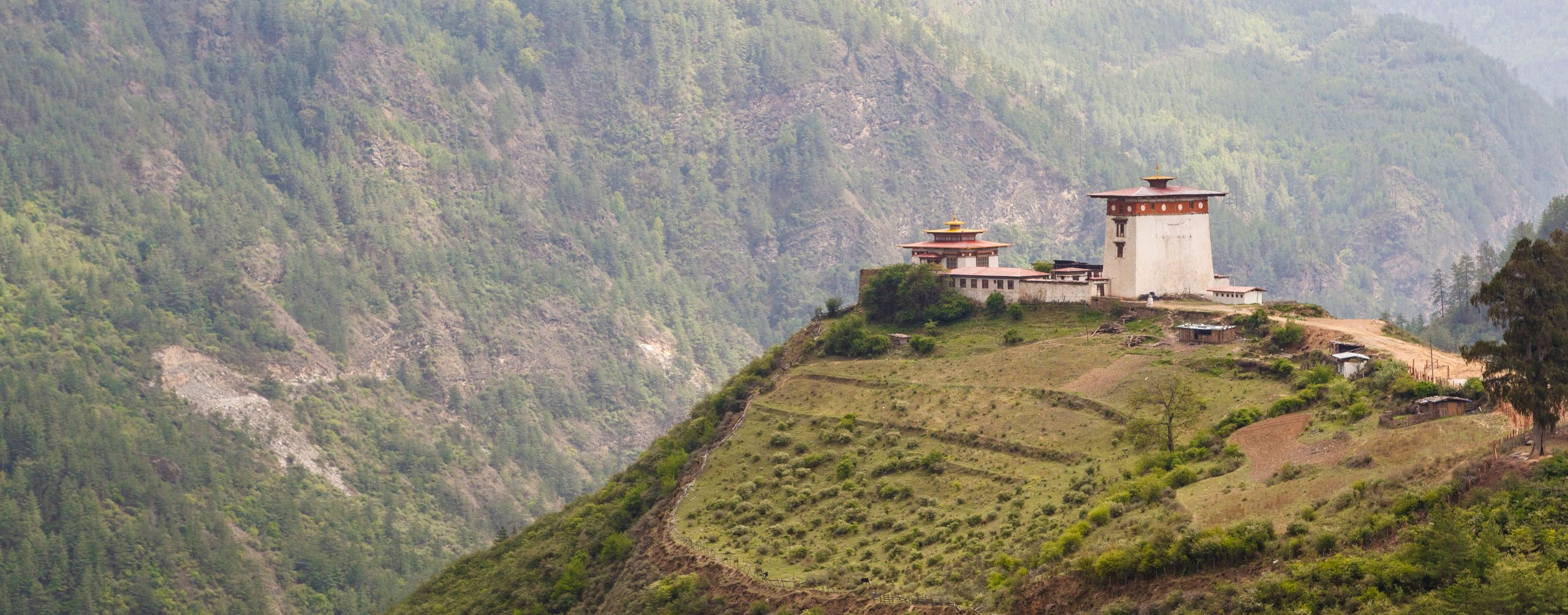
Nestled in the western reaches of Bhutan, near the Tibetan border, lies Haa Valley - one of the countrys most pristine and least explored regions. This hidden gem remained closed to tourists until 2002, preserving its authentic Bhutanese culture and breathtaking natural beauty. Unlike the more popular Paro and Thimphu valleys, Haa offers an intimate glimpse into traditional Bhutanese life, where time seems to stand still and the modern world feels beautifully distant.
The Haa Valley, often called the "Hidden-Land Rice Valley," sits at an altitude of 2,670 meters, surrounded by towering peaks and pristine alpine forests. Its remote location has protected it from mass tourism, making it a perfect destination for travelers seeking authentic experiences, spiritual solace, and unspoiled landscapes. For those exploring Bhutan, also consider visiting Punakha Dzong or checking out the best time to visit Bhutan.
Whether you are a cultural enthusiast, a nature lover, or simply someone looking to escape the crowds, Haa Valley delivers an unforgettable Bhutanese experience.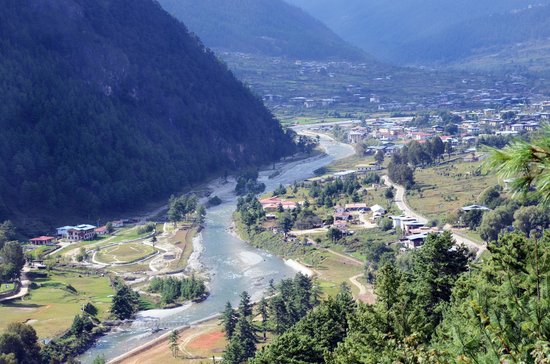
About Haa Valley
Haa Valley is located in western Bhutan, approximately 115 kilometers from Thimphu and 70 kilometers from Paro. The valley is one of Bhutans 20 dzongkhags (districts) and shares its western border with Tibets Chumbi Valley. This strategic location historically made Haa an important trading route between Bhutan and Tibet, and the valley still retains strong Tibetan cultural influences.
The valleys geography is dramatic - nestled between three towering mountains often referred to as the "Rigsum Gonpo" - three brothers representing protection. These sacred peaks dominate the skyline and create a natural amphitheater that shelters the valley below. The Haa River flows through the valley, fed by glacial melt from the surrounding mountains, creating fertile land for agriculture.
What makes Haa Valley special is its authenticity. Unlike more developed tourist destinations, Haa has maintained its traditional way of life. You will see farmers working in fields using age-old methods, women weaving on traditional looms, and monks going about their daily rituals in ancient temples. The valley is home to several sacred sites, and the local population is deeply religious, following the Drukpa Kagyu school of Buddhism.
Top Attractions in Haa Valley
Lhakhang Karpo (White Temple)
Lhakhang Karpo, meaning "White Temple," is one of Haas most sacred monasteries. According to local legend, a white pigeon and a black pigeon were released from Tibet to find the perfect location for building temples. The white pigeon landed where Lhakhang Karpo now stands, hence the name. The temple dates back to the 7th century and is believed to have been built by Tibetan King Songtsen Gampo. Inside, you will find beautiful murals, ancient statues, and sacred relics.
Lhakhang Nagpo (Black Temple)
Located close to its white counterpart, Lhakhang Nagpo ("Black Temple") is where the legendary black pigeon landed. This temple is smaller but equally significant. Its dark exterior contrasts beautifully with Lhakhang Karpos white walls. Lhakhang Nagpo is known for its unique architecture and spiritual energy. The temple houses several ancient statues and thangkas (paintings) and serves as an active religious site where monks perform daily rituals and ceremonies.
Haa Dzong
The Haa Dzong, or fortress, is the administrative and religious center of the district. Built in traditional Bhutanese architecture, this impressive structure features whitewashed walls, intricately carved wooden windows, and a golden roof that gleams in the sunlight. One section houses government offices, while the other is home to a monastic community. Visitors can explore the courtyards and admire the architecture, though access to certain areas may be restricted. The dzongs location on a ridge offers commanding views of the valley.
Chele La Pass
Chele La Pass, at 3,988 meters, is one of Bhutans highest motorable passes and a major attraction for visitors to Haa Valley. The pass connects Haa Valley to Paro and offers some of the most spectacular mountain views in Bhutan. Learn more about this spectacular route in our detailed guide to Chele La Pass.
On a clear day, you can see Mount Jomolhari, Bhutans second-highest peak. The pass is often adorned with prayer flags fluttering in the wind, creating a colorful spectacle against the blue sky.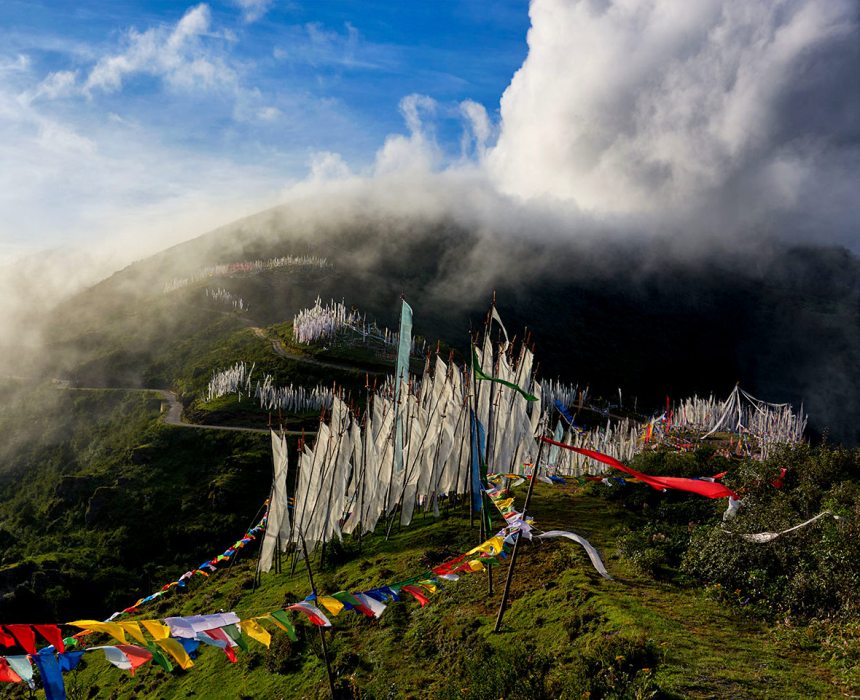
Tagchu Goemba
Perched on a cliff overlooking the valley, Tagchu Goemba is a meditation monastery that offers solitude and spiritual peace. Founded in the 17th century, this monastery has been a retreat for monks seeking isolation for meditation and spiritual practice. The monasterys location is spectacular - accessible only by foot, with a walk that takes you through pine forests and past traditional villages. The path offers stunning valley views, making the journey as rewarding as the destination itself.
Village Walks
One of the best ways to experience Haa Valley is by walking through its traditional villages. The valley is dotted with small settlements where life continues much as it has for centuries. Houses are built in traditional Bhutanese style, with rammed earth walls, wooden windows, and intricately painted motifs. Walking through these villages, you will see farmers tending to their fields of barley, buckwheat, and vegetables. Women sit outside spinning wool or weaving on backstrap looms, and children play in courtyards. The villagers are welcoming and often invite visitors for tea or a meal.
Haa Summer Festival
The Haa Summer Festival, held annually in July, is one of Bhutans most vibrant cultural celebrations. This three-day festival showcases the unique culture of the Haa region, drawing visitors from across Bhutan and beyond. The festival features traditional masked dances and performances known as cham. These elaborate dances, performed by monks and laypeople, tell stories of Buddhist saints and historical events. The colorful costumes, intricate masks, and hypnotic movements create a mesmerizing spectacle.
Local sports and games are also an important part of the festival. You will see archery competitions (Bhutans national sport), khuru (dart throwing), and digor (a traditional shot put game). The atmosphere is festive, with plenty of food, music, and laughter. Local cuisine takes center stage, allowing you to sample traditional dishes like hoentoe (buckwheat dumplings), datshi (cheese-based dishes), and ara (local spirit). The festival is also an opportunity to purchase local handicrafts, including woven textiles, wooden bowls, and bamboo products.
Best Time to Visit Haa Valley
Spring (March-May): The weather is pleasant, with daytime temperatures ranging from 15-20°C. The hillsides come alive with blooming rhododendrons and wildflowers, creating a colorful landscape perfect for photography. The views are generally clear, making it great for mountain scenery.
Summer (June-August): The monsoon rains bring lush greenery. The Haa Summer Festival takes place in July. This is a beautiful time to visit, though you should expect occasional showers. The valley is at its greenest and most vibrant.
Autumn (September-November): The best time to visit Haa Valley. The monsoon rains have ended, leaving clear skies and excellent visibility. Temperatures are comfortable, making it ideal for outdoor activities. This is also the harvest season, so you will see farmers bringing in crops and the landscape transforming with autumn colors.
Winter (December-February): Cold with temperatures often dropping below freezing, and snow is common, especially at higher elevations. However, if you can handle the cold, winter offers clear, crisp days with stunning views of snow-capped peaks. The valley is peaceful and quiet in winter, with few tourists. This is a great time for cultural immersion and photography.
How to Reach Haa Valley
Haa Valley is approximately 115 kilometers from Thimphu (3-4 hours by car) and 70 kilometers from Paro (2-3 hours by car). The route is scenic but involves winding mountain roads. For more Bhutan travel inspiration, check out our guides on backpacking in Bhutan and the best tourist places in Bhutan.
The route via Chele La Pass is particularly scenic, offering spectacular views at every turn. All visitors must travel through licensed Bhutanese tour operators as per Bhutans tourism policy. Private transportation or a tour operator is required.Where to Stay in Haa Valley
Accommodation options in Haa Valley include hotels ranging from basic to comfortable mid-range properties, traditional homestays for cultural immersion, and budget guesthouses. Options are more limited than in Paro or Thimphu, so advance booking is essential. Hotels offer traditional Bhutanese architecture with modern amenities. Homestays provide a more authentic experience with home-cooked meals and opportunities to interact with local families. Guesthouses offer basic but comfortable accommodation at affordable prices.
Haa Valley offers a rare combination of natural beauty, cultural richness, and spiritual peace. Whether you are seeking adventure, cultural immersion, or simply a place to unwind away from the crowds, this hidden gem of Bhutan delivers an unforgettable experience that will stay with you long after you have left home.
Location
Frequently Asked Questions
Q1.Where is Haa Valley located in Bhutan?
Q2.How far is Haa Valley from Thimphu?
Q3.What is Haa Valley famous for?
Q4.What is the best time to visit Haa Valley?
Q5.How many days are needed for Haa Valley?
Q6.Is Haa Valley worth visiting?
Q7.How do I reach Haa Valley from Thimphu?
Q8.Where can I stay in Haa Valley?
Recommended For You
Chele La Pass Bhutan: Route, Weather & Best Viewpoints
Plan Chele La Pass Bhutan with altitude facts, Paro route details, seasonal weather guidance, and practical safety tips for a smooth mountain experience.
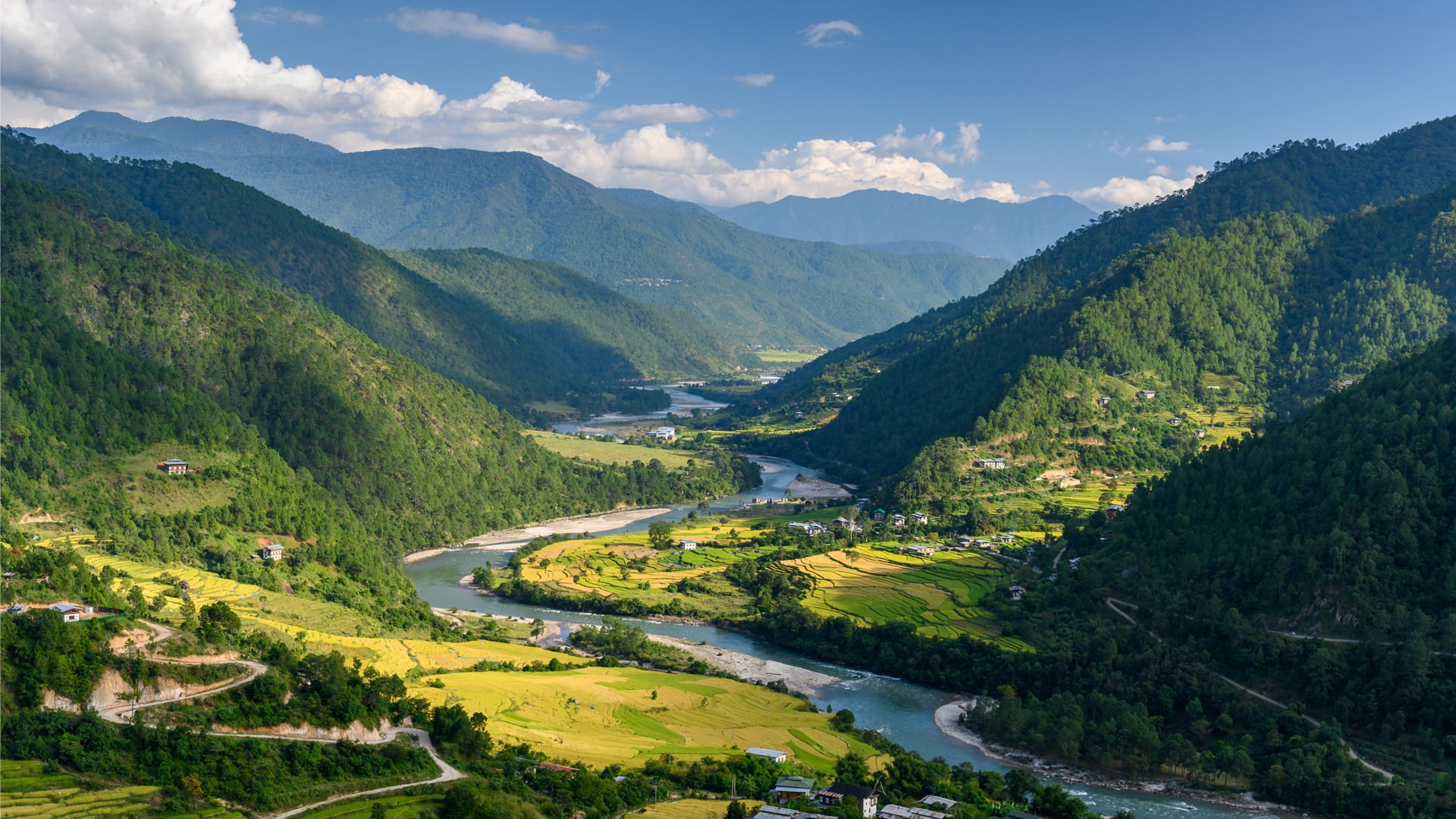
Punakha Bhutan: Dzong, Suspension Bridge & Valley Highlights
Plan Punakha Bhutan with Dzong, suspension bridge, temple stops, best season tips, and practical route planning for a smooth valley trip.
Treks in Bhutan: Complete Guide & Routes
Complete guide to trekking in Bhutan including Snowman Trek, Jhomolhari, Druk Path, Dagala, and more. Difficulty levels, permits, costs, best season, and tour operators.
Never Miss an Adventure
Get the latest trekking guides, travel tips, and exclusive offers delivered straight to your inbox.
