
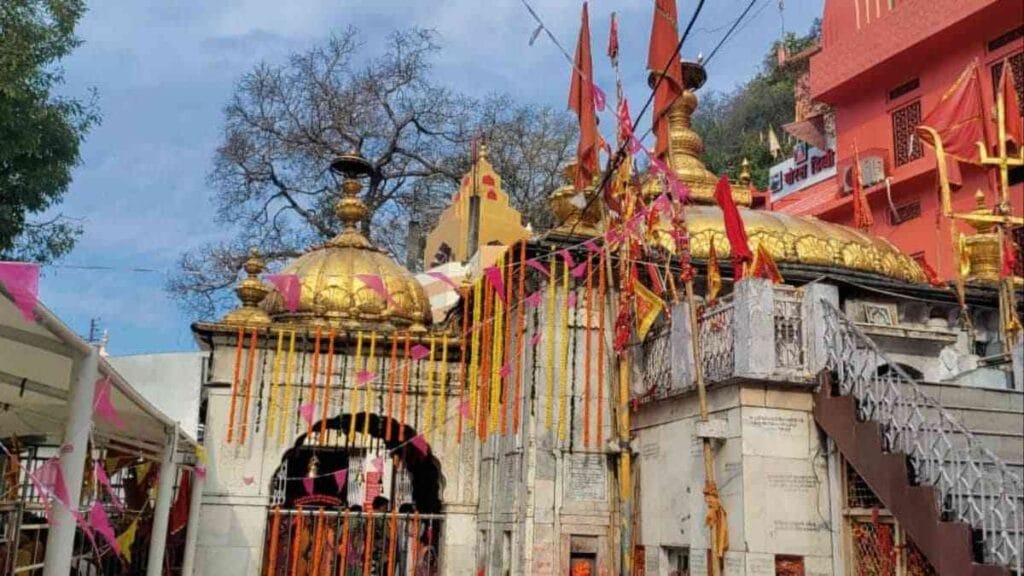
Jwala Devi Temple Kangra: Timings, Aarti & Mystery

Neha Kapoor
December 20, 2025
Visit Jwala Devi Temple Kangra! Get darshan timings, aarti schedule, eternal flame mystery, history & complete travel guide to this Shakti Peeth.
Introduction
Jwala Devi Temple in Kangra district is one of the most revered Shakti Peeths in India, known for the eternal flames that burn without any natural fuel source. The temple is dedicated to Goddess Jwala Ji, a manifestation of Goddess Durga, and holds immense significance in Hindu mythology as the place where Sati's tongue fell.
What makes this temple extraordinary is the nine eternal flames that have been burning continuously for centuries, defying scientific explanation. Devotees from across the country visit this sacred shrine to seek blessings and witness the divine phenomenon. The temple is not just a spiritual destination but also a testament to faith and devotion.
This guide covers everything you need to know about Jwala Devi Temple including darshan timings, aarti schedule, the mystery of eternal flames, history, and practical travel information.
Legend of the Eternal Flame
According to Hindu mythology, when Lord Shiva was carrying the burnt body of Goddess Sati and performing the Tandava dance, Lord Vishnu used his Sudarshana Chakra to cut Sati's body into 51 pieces to stop the destruction. These pieces fell at different locations across the Indian subcontinent, which became known as Shakti Peeths.
At Jwala Devi Temple, it is believed that Sati's tongue fell here, manifesting as the eternal flames. The flames are considered the physical representation of the Goddess herself, burning perpetually as a symbol of divine energy and power. This legend makes the temple one of the 51 Shakti Peeths and attracts millions of devotees.
The Nine Sacred Flames
The temple houses nine eternal flames, each named after a different manifestation of Goddess Durga. These nine flames burn continuously from fissures in the rock without any apparent fuel source. The nine flames represent:
- Mahakali: The fierce form of the Goddess
- Annapurna: The provider of food
- Chandi: The fierce goddess
- Hinglaj: The goddess of protection
- Vindhyavasini: The goddess who resides in Vindhya mountains
- Mahalakshmi: The goddess of wealth
- Saraswati: The goddess of knowledge
- Ambika: The mother goddess
- Anjana: The goddess of power
Jwala Devi Temple Timings and Aarti Schedule
Planning your visit to Jwala Devi Temple requires knowing the darshan timings and aarti schedule. The temple follows specific timings throughout the year, though they may vary during festivals and special occasions.
| Temple Timings | Details |
|---|---|
| Morning Darshan | 5:00 AM to 12:00 PM |
| Evening Darshan | 4:00 PM to 10:00 PM |
| Best Time for Darshan | Early morning (5-7 AM) |
| Aarti Timing | 5:00 AM and 9:00 PM |
| Days Open | All days of the week |
Aarti Schedule
The temple performs five aartis daily, with the morning and evening aartis being the most significant. During aarti, the flames are decorated with flowers, offerings, and the priest performs elaborate rituals accompanied by chanting of mantras and devotional songs.
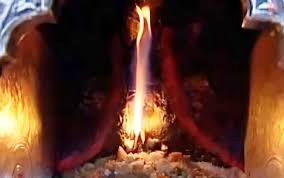
The sight of these flames burning continuously is truly mesmerizing and creates an atmosphere of divine mystery.
Special aartis are conducted during Navratri, when the temple witnesses a huge influx of devotees. The atmosphere during these times is electric with devotional fervor.
History of Jwala Devi Temple
The history of Jwala Devi Temple is fascinating, with records dating back several centuries. The temple finds mention in ancient texts and has been visited by numerous saints, kings, and devotees throughout history.
One of the most interesting historical accounts is that of Mughal Emperor Akbar. According to legends, Akbar tried to extinguish the eternal flames by bringing a water channel from the Ganges and using various methods. Despite his efforts, the flames continued to burn, which left him amazed. Impressed by the divine phenomenon, Akbar eventually presented a golden parasol (chattri) to the temple, which can still be seen today.
The temple architecture has evolved over centuries, with various rulers contributing to its development. The current structure reflects a blend of different architectural styles, though it maintains traditional Himalayan temple design elements.
The Temple Complex
The temple complex is simple yet spiritually charged. Unlike many grand temples, Jwala Devi Temple focuses on the divine flames rather than elaborate architecture. The main sanctum houses the nine eternal flames, and devotees can have darshan from close proximity.
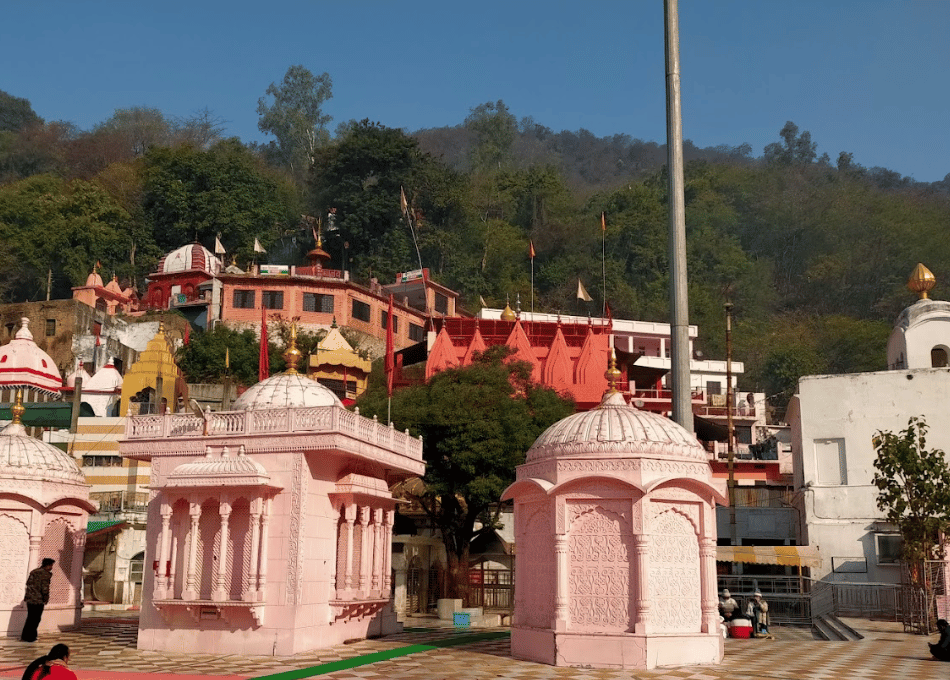
The complex includes small shrines dedicated to other deities, a meditation hall, and facilities for devotees. The peaceful atmosphere and the sight of the flames burning continuously create a truly divine experience.
The complex includes small shrines dedicated to other deities, a meditation hall, and facilities for devotees. The peaceful atmosphere and the sight of the flames burning continuously create a truly divine experience.
Best Time to Visit Jwala Devi Temple
The temple can be visited throughout the year, but certain seasons offer better experiences:
| Season | Best For | Weather |
|---|---|---|
| March to June | Summer Visit | Pleasant (15-30°C) |
| July to September | Monsoon Experience | Moderate with rain |
| October to February | Best Season | Cold (5-20°C) |
Festival Seasons
The most auspicious time to visit is during Navratri (usually March-April and September-October), when the temple is beautifully decorated and special ceremonies are conducted. The atmosphere during these nine days is charged with devotion.
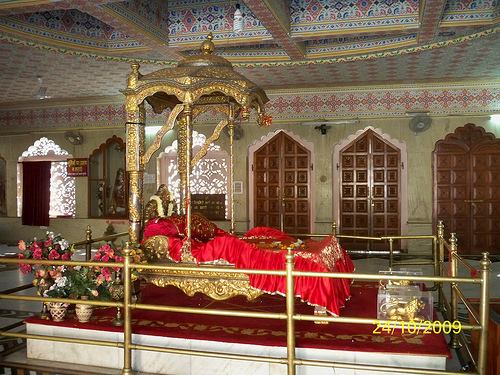
Dussehra and Diwali are also significant times when the temple witnesses large gatherings. If you prefer a quieter experience, avoid visiting during major festivals.
Dussehra and Diwali are also significant times when the temple witnesses large gatherings. If you prefer a quieter experience, avoid visiting during major festivals.
How to Reach Jwala Devi Temple
From Dharamshala
Jwala Devi Temple is approximately 55 km from Dharamshala. The journey takes about 2-2.5 hours by road. You can hire a taxi or take a bus from Dharamshala to Jawalamukhi. The route is scenic, passing through beautiful Kangra valley landscapes.
From Kangra
The temple is about 35 km from Kangra town. Regular bus services and taxis are available. The journey takes roughly 1-1.5 hours. You can also combine your visit with Kangra Fort, which is a major historical attraction in the region.
From Pathankot
Pathankot railway station is the nearest major railhead, about 140 km away. From Pathankot, you can hire a taxi or take a bus to reach the temple. The journey takes approximately 4-5 hours.
| Starting Point | Distance | Travel Time |
|---|---|---|
| Dharamshala | 55 km | 2-2.5 hours |
| Kangra | 35 km | 1-1.5 hours |
| Pathankot | 140 km | 4-5 hours |
| McLeod Ganj | 60 km | 2.5 hours |
By Air
The nearest airport is Gaggal Airport in Kangra, about 50 km from the temple. However, flight connectivity is limited. The nearest major airport is Amritsar, about 160 km away.
Nearby Attractions
You can combine your visit to Jwala Devi Temple with other attractions in Kangra district:
- McLeod Ganj - Tibetan exile residence and Buddhist culture
- Dharamshala - The summer capital of Himachal Pradesh
Travel Tips for Devotees
- Dress Modestly: Wear conservative clothing that covers shoulders and knees
- Remove Footwear: Leave shoes outside before entering the temple
- Photography Rules: Photography may be restricted near the flames; check with temple authorities
- Offerings: You can bring offerings like coconuts, flowers, and sweets
- Best Darshan Time: Early morning (5-7 AM) for fewer crowds and peaceful darshan
- Weather Preparation: Carry warm clothing in winter, especially from November to February
Accommodation Options
Several accommodation options are available near Jwala Devi Temple ranging from budget guesthouses to mid-range hotels. During peak seasons and festivals, it's advisable to book in advance. The temple trust also provides dharamshala facilities for devotees.
For a more extensive stay with better facilities, consider staying in Dharamshala or McLeod Ganj, which offer a range of hotels, resorts, and homestays.
Conclusion
Jwala Devi Temple is not just a religious destination but a place where faith meets mystery. The eternal flames that have burned for centuries continue to inspire devotion and wonder. Whether you're a spiritual seeker, a history enthusiast, or simply a traveler exploring the mystical aspects of India, Jwala Devi Temple offers an experience that stays with you long after you leave.
The temple's unique feature of perpetually burning flames, its significance as a Shakti Peeth, and the beautiful Kangra valley setting make it a must-visit destination in Himachal Pradesh.
Location
Frequently Asked Questions
Q1.What is the mystery of eternal flame at Jwala Devi Temple?
Q2.What are the timings of Jwala Devi Temple?
Q3.What is the aarti timing at Jwala Ji Temple?
Q4.How do I reach Jwala Devi Temple from Dharamshala?
Q5.What are the nine flames of Jwala Devi?
Q6.What is the history of Jwala Devi Temple?
Q7.Best time to visit Jwala Devi Temple?
Q8.Is photography allowed inside Jwala Devi Temple?
Recommended For You
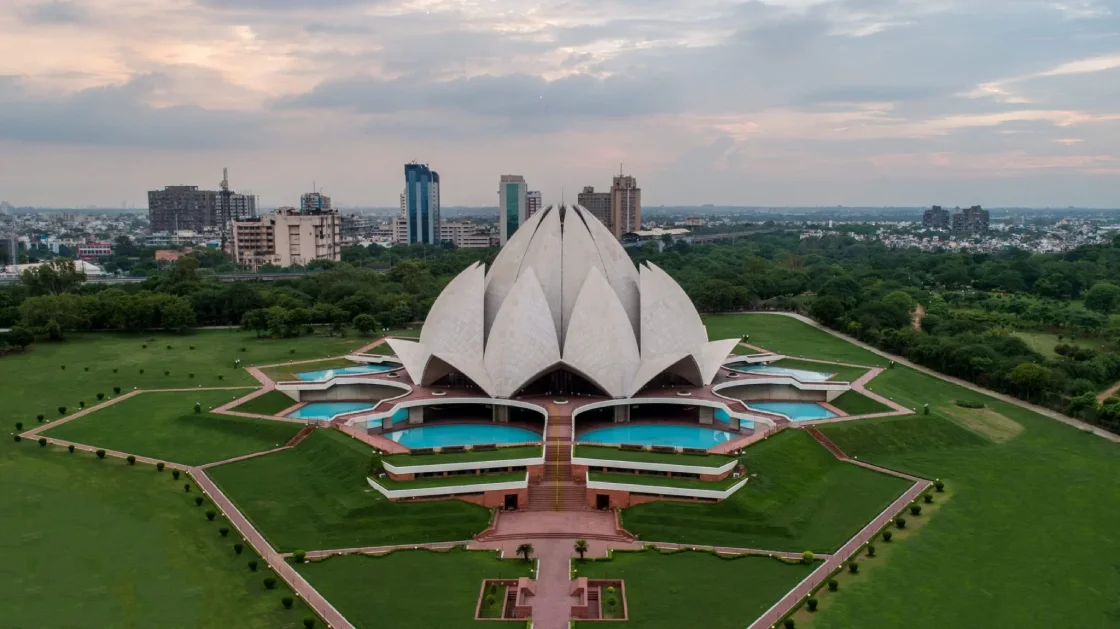
15 Famous Temples in Delhi: Timings, Routes & Darshan Highlights
Explore 15 famous temples in Delhi. From Akshardham to Lotus Temple, discover spiritual sites, timings & entry details.
Famous Temples in Jammu and Kashmir: Top 15 Sacred Sites
Discover famous temples in Jammu and Kashmir with Vaishno Devi, Amarnath, Shankaracharya, and practical pilgrimage planning tips.
Jhandewalan Hanuman Temple Delhi: Timings & Aarti
Visit Jhandewalan Hanuman Temple Delhi! Get aarti timings, 108-ft statue, history, metro route, best days & complete guide to this famous Hanuman temple.
Never Miss an Adventure
Get the latest trekking guides, travel tips, and exclusive offers delivered straight to your inbox.
