
Ka Khoh Ramhah Cherrapunji: Legend, Viewpoint & How to Reach

Neha Kapoor
December 26, 2025
Visit Ka Khoh Ramhah in Cherrapunji. Know height, trekking, mythology, how to reach & best time. Complete Meghalaya travel guide with tips.
Introduction: The Giant Basket of Cherrapunji
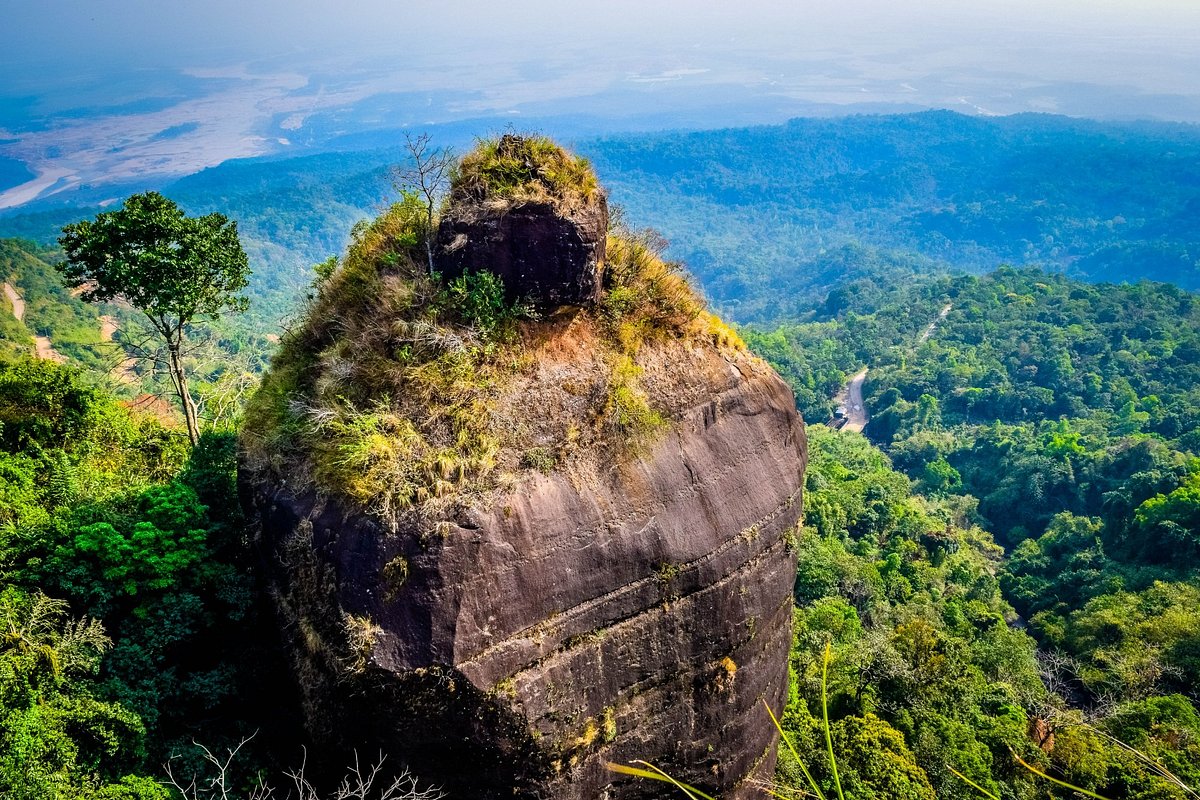
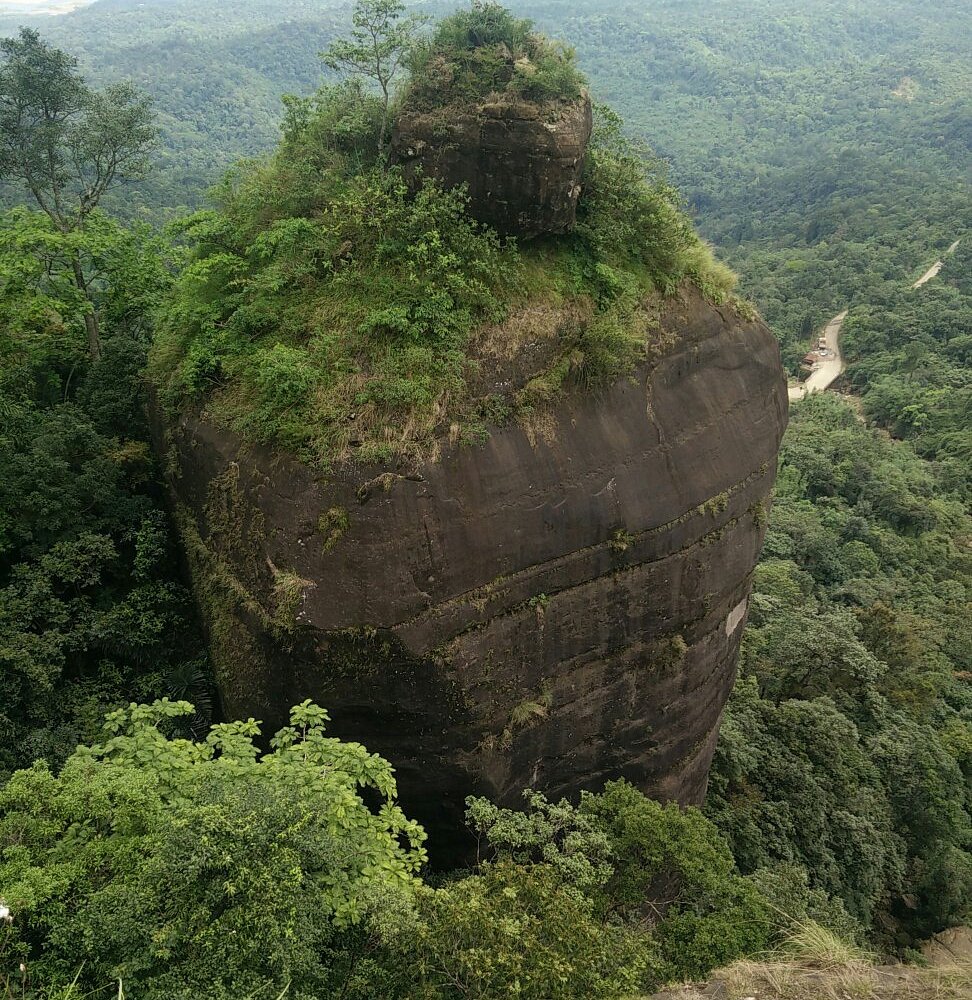
Deep in the misty hills of Cherrapunji (Sohra), Meghalaya, stands one of India's most remarkable natural rock formations—Ka Khoh Ramhah. Translating to "Giant Basket" in the local Khasi language, this cone-shaped rock formation is a geological wonder that has captivated visitors and locals alike for centuries. Rising dramatically from the surrounding landscape, Ka Khoh Ramhah resembles an enormous basket or perhaps a massive spaceship, depending on your perspective—a testament to nature's ability to create formations that defy imagination.
What makes Ka Khoh Ramhah particularly special is not just its geological uniqueness but also its cultural significance. According to local Khasi folklore, this rock formation is steeped in myth and legend, adding layers of meaning to its physical presence. For travelers venturing into Cherrapunji's rain-soaked hills, Ka Khoh Ramhah offers an experience that combines geological wonder, cultural immersion, and the sheer beauty of Meghalaya's "Abode of Clouds" landscape. If you're exploring Cherrapunji tourist places, this unique rock formation should definitely be on your itinerary.
About Ka Khoh Ramhah
Ka Khoh Ramhah is located in Cherrapunji (locally known as Sohra), approximately 55 kilometers from Shillong, the capital of Meghalaya. Cherrapunji itself is famous as one of the wettest places on Earth, and Ka Khoh Ramhah stands as one of its most unique attractions.
Location and Setting
- Location: Cherrapunji (Sohra), East Khasi Hills district, Meghalaya
- Distance from Shillong: 55 km (approximately 2 hours by road)
- Altitude: Approximately 1,350 meters above sea level
- Surroundings: Lush green valleys, rolling hills, and perpetually misty landscape
The Rock Formation
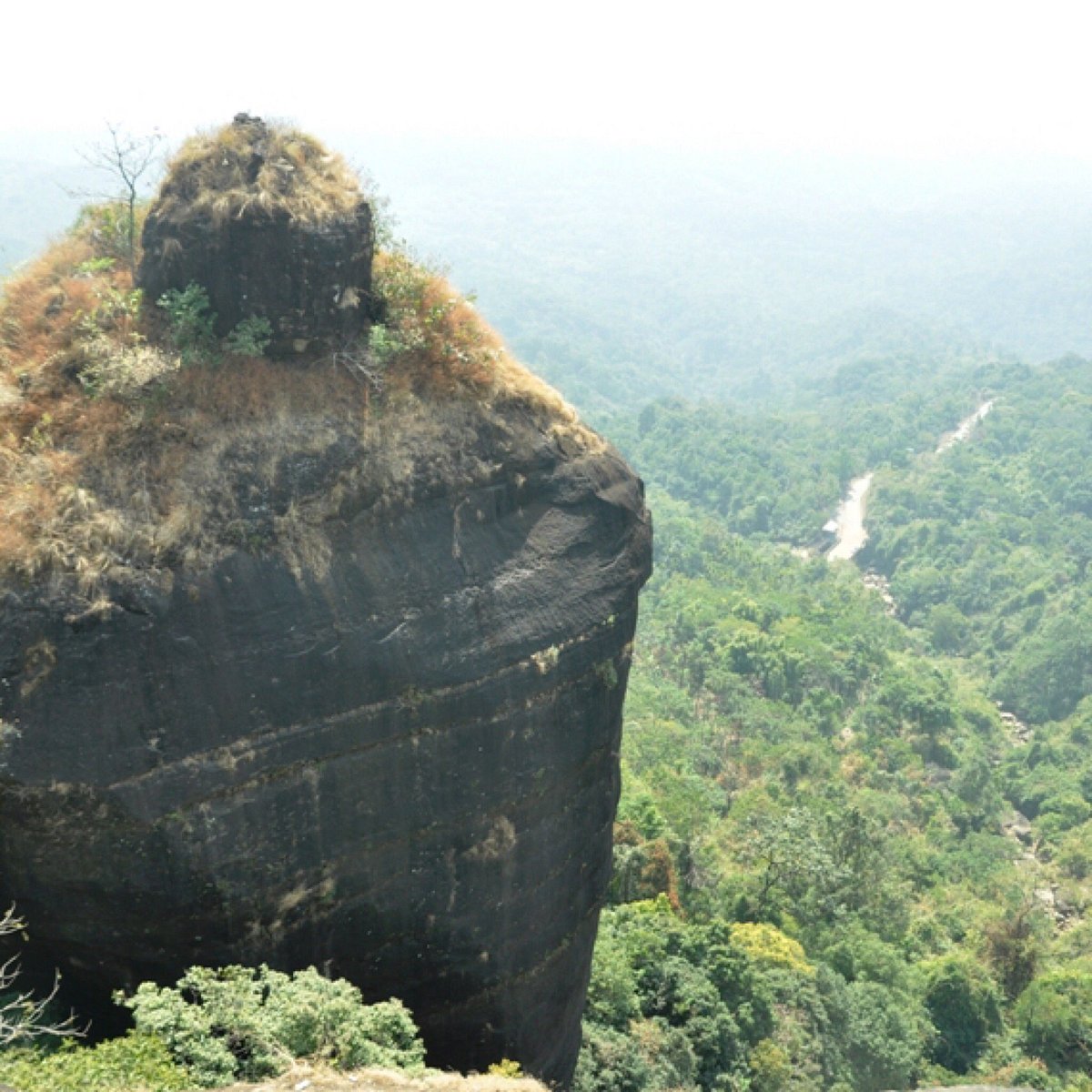
Ka Khoh Ramhah is a massive cone-shaped rock formation that rises abruptly from the ground, creating a striking silhouette against the sky. While exact measurements are difficult to find and may vary depending on source, local estimates suggest the formation rises several hundred feet from its base.
Geological Formation: The rock is believed to be a remnant of ancient limestone erosion, shaped over millions of years by the heavy rainfall that characterizes this region. Cherrapunji's extreme rainfall has carved and sculpted the limestone landscape into unique formations, with Ka Khoh Ramhah being one of the most spectacular examples.
Appearance: The rock resembles a giant basket or cone, with steep sides that make it appear almost man-made. Its reddish-brown color contrasts beautifully with the surrounding green hills, making it particularly photogenic.
Views and Surroundings
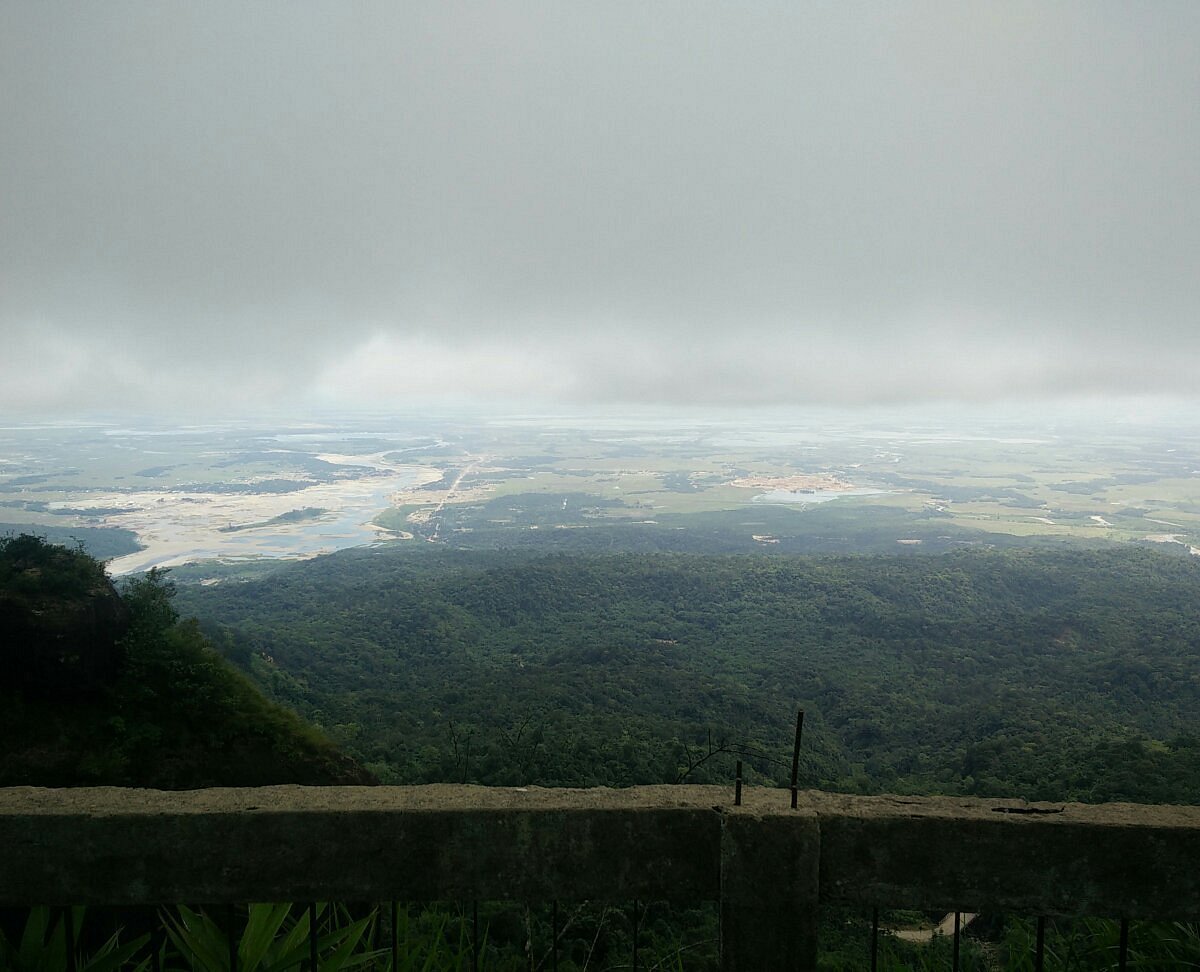
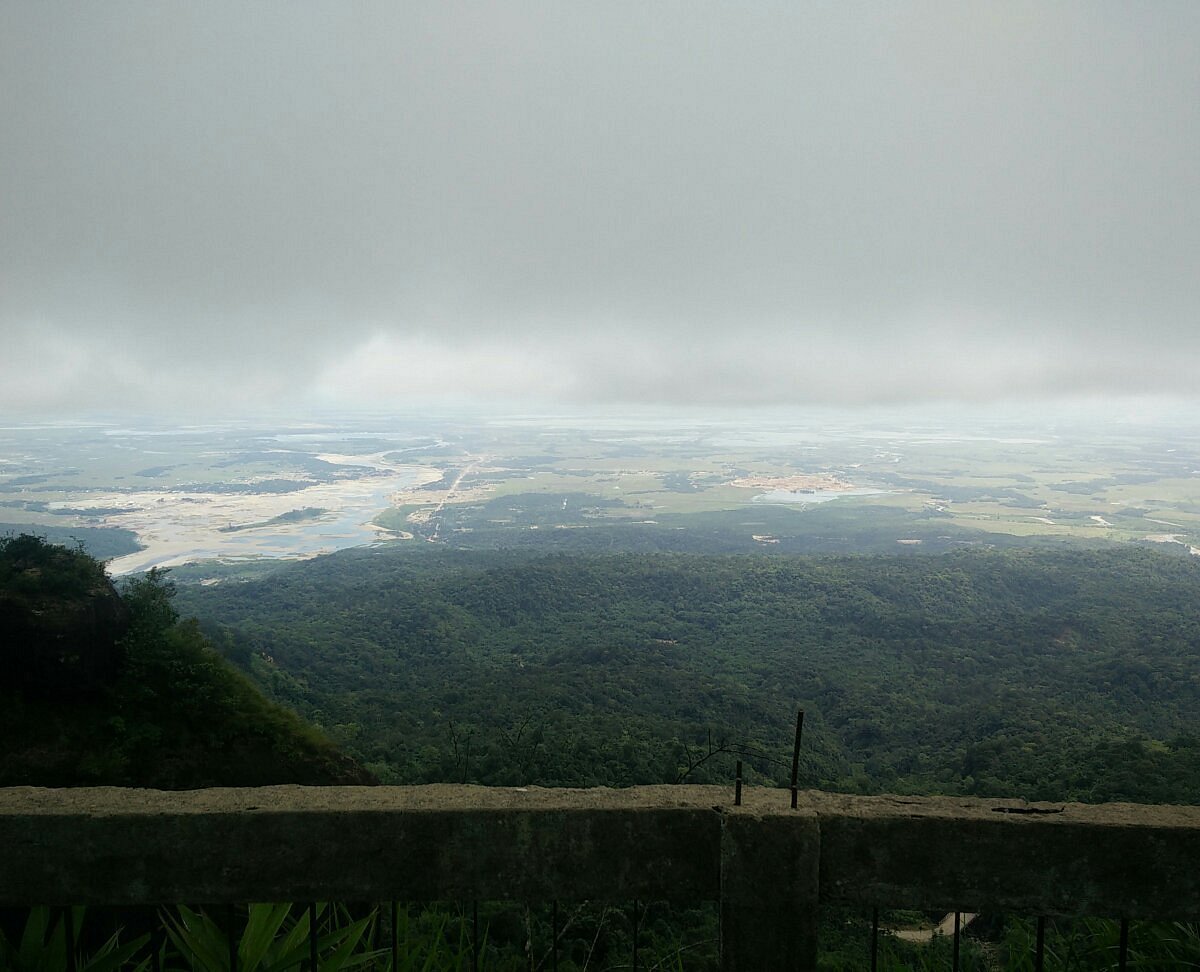
The area around Ka Khoh Ramhah offers panoramic views of the Cherrapunji landscape:
- Valley Views: Deep green valleys stretch into the distance
- Hill Panoramas: Rolling Khasi Hills extend to the horizon
- Waterfalls: On clear days, you can see some of Cherrapunji's famous waterfalls in the distance
- Misty Atmosphere: Perpetual clouds and mist create an otherworldly ambiance
Mythology and Legend
Like many natural formations in Meghalaya, Ka Khoh Ramhah is surrounded by local folklore and mythology that gives it cultural significance beyond its geological wonder.
The Legend of the Giant's Basket
According to local Khasi folklore, Ka Khoh Ramhah is believed to be a basket left behind by a giant. The story goes that in ancient times, giants roamed these hills. One particular giant, who used this massive basket to collect and carry his possessions, left it behind when he departed the region. Over time, the basket turned to stone, becoming the rock formation we see today.
This legend explains the name ("Giant Basket") and the formation's distinctive basket-like shape. For the Khasi people, such stories connect the physical landscape to their cultural heritage and spiritual beliefs.
Cultural Significance
- Sacred Space: The site is considered sacred by local communities
- Oral Tradition: Stories about Ka Khoh Ramhah are passed down through generations
- Connection to Land: The formation represents the deep connection between Khasi people and their landscape
- Tourism and Tradition: Local guides share legends with visitors, keeping traditions alive
Best Time to Visit
Seasonal Considerations
Winter (October-February): Clear views, pleasant weather
- Minimal rainfall means better visibility
- Comfortable temperatures (10-20°C)
- Best photography conditions
- Ideal for trekking and exploration
Summer (March-June): Lush greenery
- Landscape at its greenest
- Moderate temperatures
- Some rainfall but manageable
- Fewer tourists than winter
Monsoon (July-September): Spectacular but challenging
- Heaviest rainfall—Cherrapunji at its wettest
- Waterfalls at their most spectacular
- Landscape lush and vibrant
- Trekking trails slippery and sometimes dangerous
- Views often obscured by mist and rain
Time of Day
Early Morning (6-8 AM): Best for clear views before mist rolls in
Late Afternoon (4-6 PM): Golden hour photography, atmospheric clouds
Avoid: Mid-day when clouds are often thickest and views obscured
How to Reach Ka Khoh Ramhah
From Shillong
The journey from Shillong to Ka Khoh Ramhah covers approximately 55 kilometers and takes about 2 hours by road:
- Route: Shillong → Upper Shillong → Cherrapunji (Sohra) → Ka Khoh Ramhah
- Road Condition: Good but winding and hilly
- Transport Options: Private taxi, shared taxi, or self-drive
- Scenic Drive: The journey itself is beautiful through Meghalaya's hills
From Guwahati
If traveling from Guwahati (nearest major railhead and airport):
- Guwahati to Shillong: 100 km (3-4 hours)
- Shillong to Ka Khoh Ramhah: 55 km (2 hours)
- Total Time: Approximately 5-6 hours
Transport Tips
- Hire a taxi for the day from Shillong (₹2,500-3,500)
- Shared taxis available to Cherrapunji, then local taxi to the site
- Self-drive possible but road conditions challenging for inexperienced drivers
- Local guides available in Cherrapunji for the trek to Ka Khoh Ramhah
Trekking Experience
Visiting Ka Khoh Ramhah involves some trekking, though it's generally considered easy to moderate.
Trek Details
- Difficulty Level: Easy to moderate
- Duration: 1-2 hours (round trip from base point)
- Trail Path: Well-marked but can be slippery in wet weather
- Fitness Level: Moderate fitness required
Trekking Tips
- Footwear: Good grip shoes with non-slip soles essential
- Weather: Check weather conditions—trekking dangerous during heavy rain
- Guide: Local guide recommended, especially first-time visitors
- Water and Snacks: Carry water and light snacks
- Camera: Don't forget for spectacular views and photos
Safety Considerations
- Stay on marked trails—off-trail areas can be dangerous
- Rocks are slippery when wet—be cautious
- Weather changes rapidly in Meghalaya—be prepared for rain
- Respect restricted areas and local customs
Nearby Attractions in Cherrapunji
Combine your visit to Ka Khoh Ramhah with other Cherrapunji attractions:
- Nohkalikai Falls: Highest plunge waterfall in India (315 meters)
- Mawsmai Cave: Spectacular limestone cave system
- Seven Sisters Falls: Spectacular seven-segment waterfall
- Eco Park: Panoramic viewpoints and manicured gardens
- Living Root Bridges: Unique bio-engineering marvels - don't miss the double-decker living root bridge nearby
- Dainthlen Falls: Scenic waterfall with mythological significance
- Mawmluh Cave: UNESCO-listed limestone cave
Location
Frequently Asked Questions
Q1.What is Ka Khoh Ramhah in Cherrapunji?
Q2.What is the height of Ka Khoh Ramhah?
Q3.Where is Ka Khoh Ramhah located?
Q4.What is the legend behind Ka Khoh Ramhah?
Q5.What is the best time to visit Ka Khoh Ramhah?
Q6.How do I reach Ka Khoh Ramhah from Shillong?
Q7.Is trekking required to visit Ka Khoh Ramhah?
Q8.Is Ka Khoh Ramhah safe for tourists?
Recommended For You
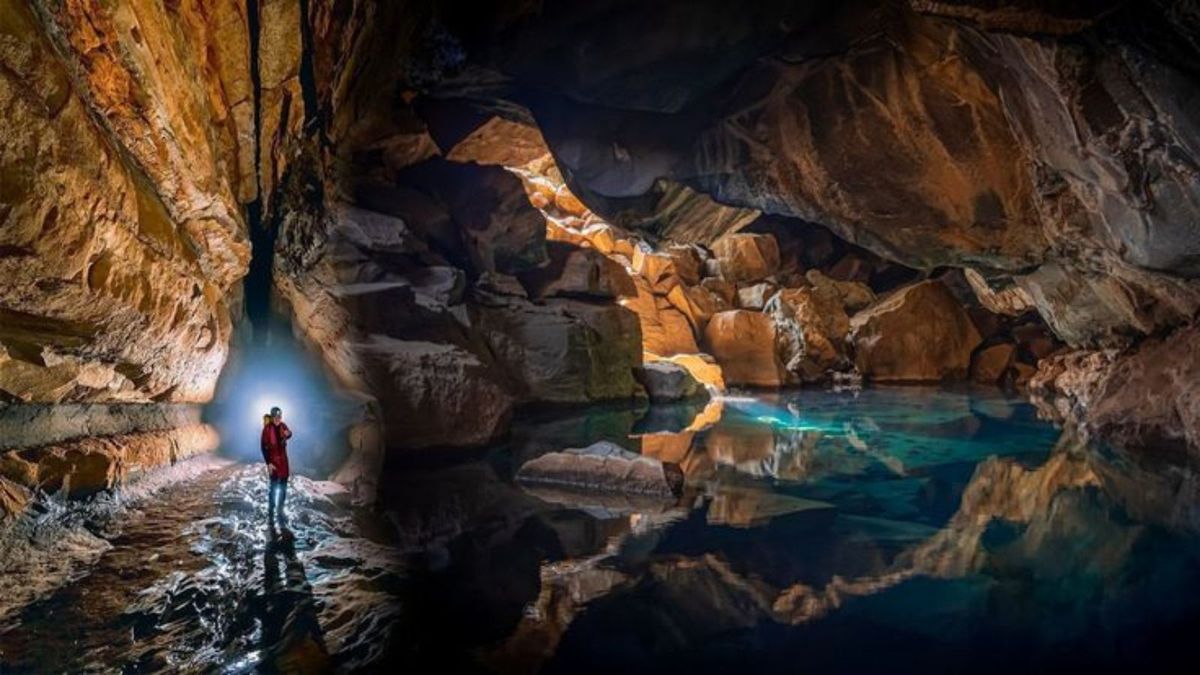
Mawsmai Cave Cherrapunji: Entry Fee, Timings & Visit Tips
Complete Mawsmai Cave guide covering cave formations, timing, entry fee, how to reach, safety tips, and nearby Cherrapunji attractions.
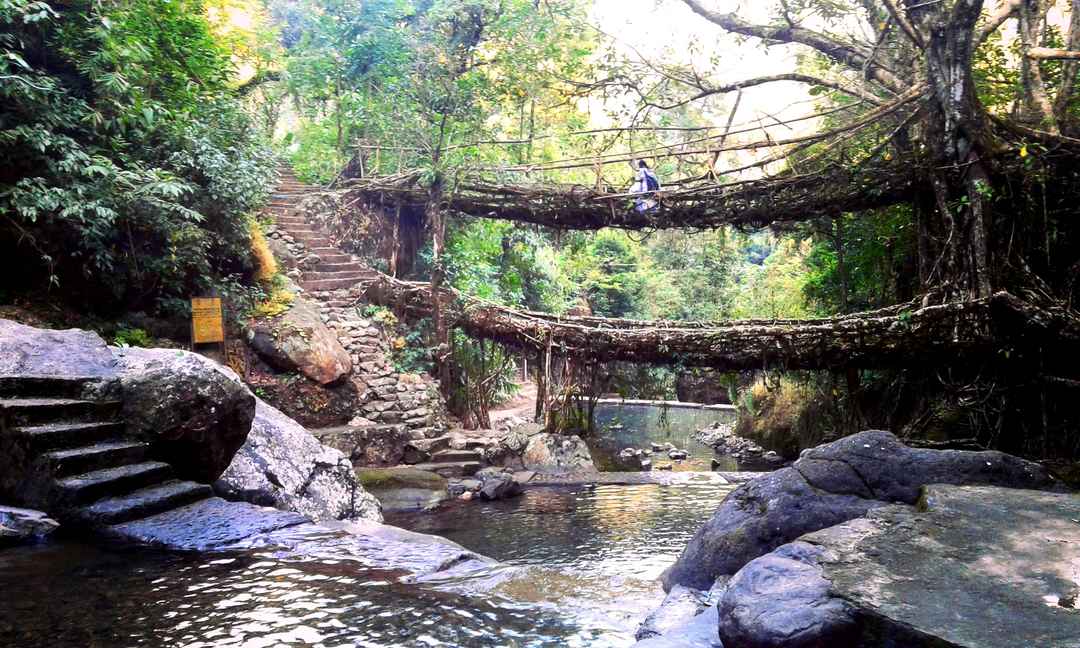
Double Decker Root Bridge: Trek Guide & Tips
Trek to the Double Decker Living Root Bridge in Nongriat with practical route, season, fitness, stay, and safety planning tips for first-time visitors.
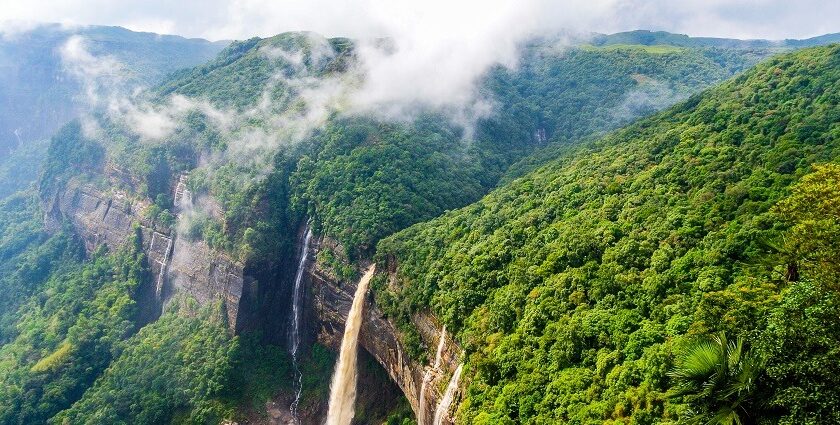
Waterfalls in Cherrapunji: 10 Best Falls with Route Details
Discover the best waterfalls in Cherrapunji including Nohkalikai, Seven Sisters, Wei Sawdong, and Dainthlen with practical route planning and season tips.
Never Miss an Adventure
Get the latest trekking guides, travel tips, and exclusive offers delivered straight to your inbox.
