
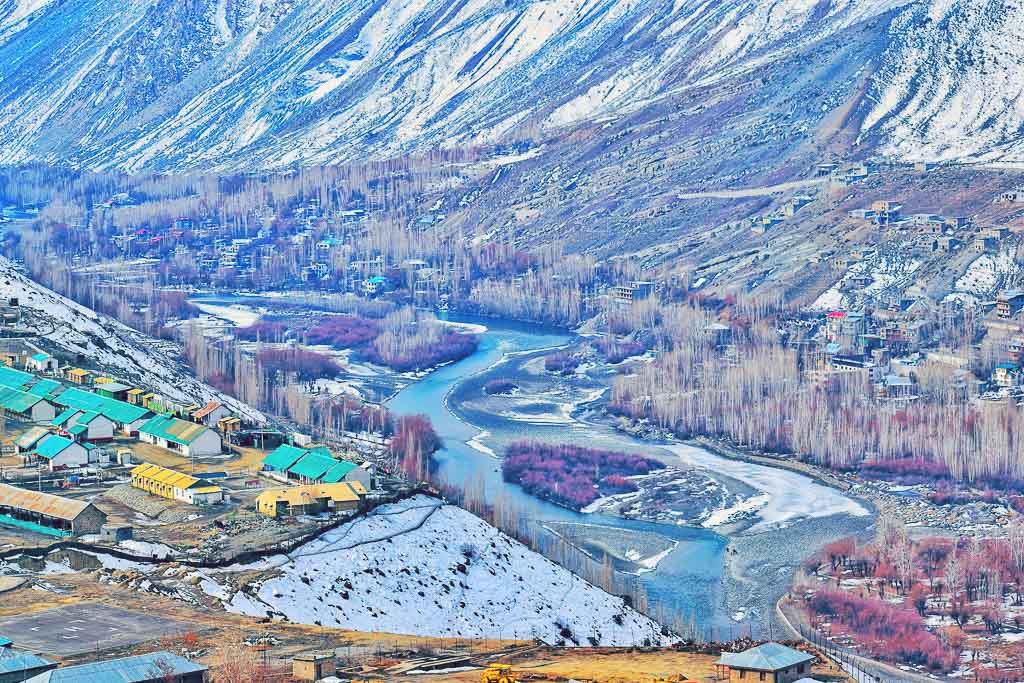
Kargil Market Ladakh: Shopping Streets, Local Products & Timings
Rohit Verma
January 10, 2026
Explore Kargil Market in Ladakh. Know shopping, what to buy, timings, location & how to reach. Complete travel guide with tips & attractions.
Introduction: The Trading Hub
Kargil Market stands as the commercial heartbeat of this historic town in Ladakh, strategically positioned on the ancient Silk Route and serving as the gateway to the majestic Zanskar Valley. For centuries, Kargil has been an important trading center, connecting merchants from Central Asia, Kashmir, and Tibet. Today, while its role has evolved, the market retains its vibrant character, offering travelers a unique shopping experience that blends traditional Ladakhi culture with modern necessities.
The market in Kargil is more than just a place to buy goods - it's an experience that immerses you in the daily life of this remote Himalayan region. The narrow lanes are lined with shops selling everything from local handicrafts and Pashmina shawls to everyday essentials. The faces of the shopkeepers tell stories of generations of commerce, and the air is filled with the aroma of spices, the sound of negotiation, and the vibrant energy of trade.
What makes Kargil Market special is its authenticity. Unlike the more commercialized markets of Leh, Kargil retains its local character. The shops are primarily run by local families, the goods reflect the region's needs and traditions, and the shopping experience feels genuine and unpretentious. For travelers seeking to experience Ladakh beyond the well-trodden tourist path, Kargil Market offers an authentic glimpse into Himalayan life.
About Kargil Market
Kargil Market is situated in the main town of Kargil, at an altitude of 2,676 meters (8,780 feet). This elevated location means the market experiences cool temperatures throughout the year, with winter bringing heavy snow and summer offering pleasant, warm days. The market is typically open from May to November, as winter snow often makes access difficult and many shopkeepers close their establishments during the harsh winter months.
Historical Significance
Kargil's importance as a trading center dates back centuries. Situated on the historic Silk Route, the town was a crucial stopover for merchants traveling between Central Asia, Kashmir, and Tibet. These merchants brought with them not just goods but also ideas, cultures, and traditions, creating a unique cultural blend that persists in Kargil to this day.
The market was the heart of this commercial activity. Spices from Kashmir, tea from Tibet, and local products from Ladakh would all change hands here. The legacy of this international trade is visible in the market's diversity - the goods, the faces of the shopkeepers, and even the architectural influences tell the story of Kargil's cosmopolitan past.
Today, while the scale and nature of trade have changed, the market remains the commercial hub of the region. It serves not just Kargil town but also the surrounding villages, some of which travel hours to reach the market for their shopping needs.
Cultural Mix
One of the most fascinating aspects of Kargil Market is its cultural diversity. The region is home to both Buddhist and Muslim communities, and this religious harmony is reflected in the market. You'll find shops owned by both communities, selling products that reflect their respective traditions.
Buddhist shops might offer prayer flags, prayer wheels, and statues of deities. Muslim shops might sell embroidered caps, traditional clothing, and local crafts. The market is a living example of how these two communities have coexisted for centuries, creating a rich cultural tapestry that makes Kargil unique in Ladakh.
Market Type and Architecture
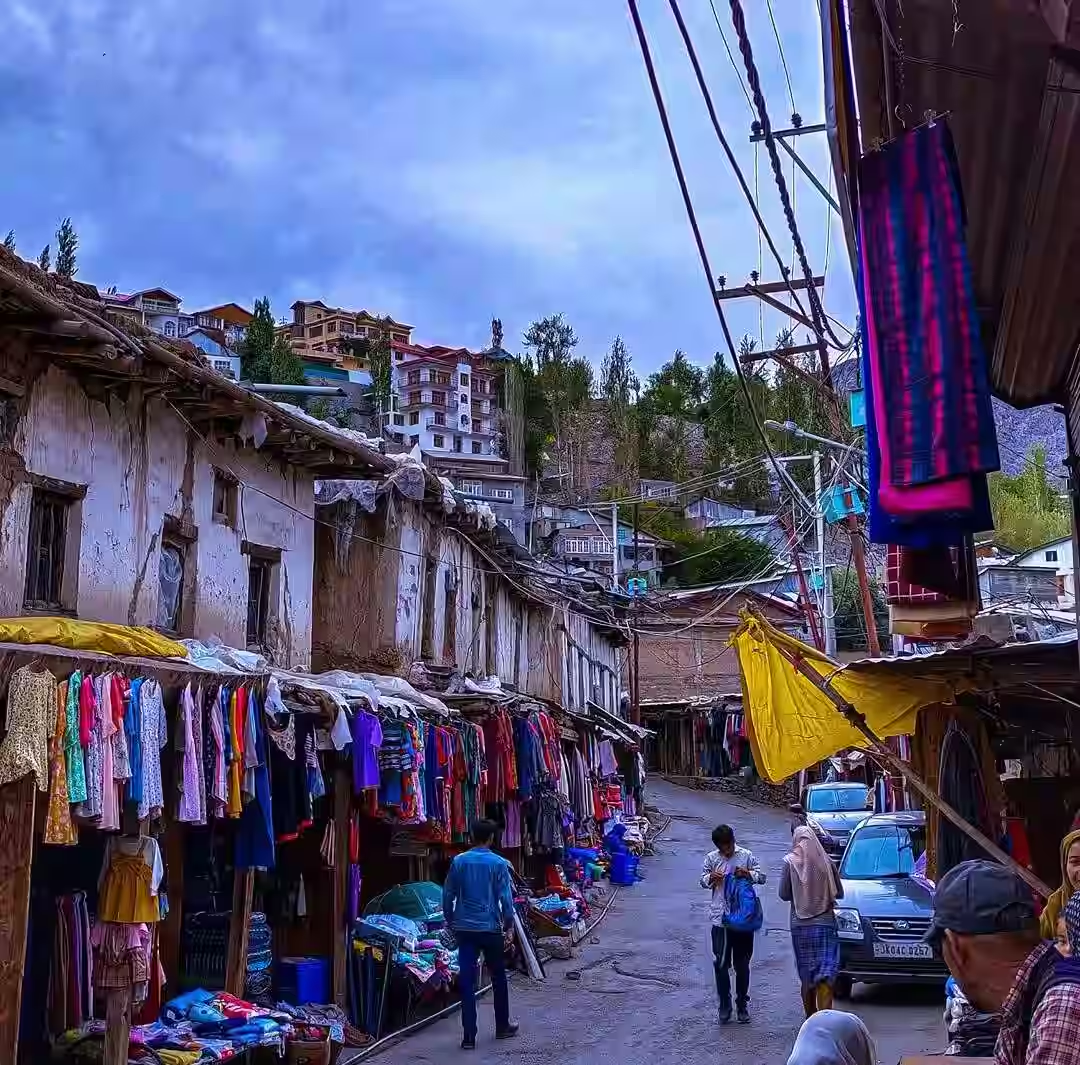
Kargil Market is primarily a traditional bazaar with small, family-run shops lining the main streets. Unlike modern shopping malls, this market has an organic, chaotic energy that feels timeless. The architecture is traditional Ladakhi - buildings constructed with stone and mud bricks, designed to withstand the harsh winters and keep interiors cool in summer.
The market is compact and walkable, with most shops concentrated in the main town area. The lanes are narrow and busy, and navigation requires patience and a willingness to ask for directions. The market opens early in the morning and remains active throughout the day, with peak activity in the late morning and early afternoon.
What to Buy & Shopping Guide
Apricots & Dry Fruits
Kargil is famous for its apricots, considered among the best in Ladakh. The climate and soil conditions in the region are perfect for growing this delicious fruit, and apricot orchards dot the landscape around Kargil. In the market, you'll find dried apricots, apricot jam, and even fresh apricots during the harvest season.
Dried apricots are the most popular product. They're sweet, chewy, and packed with natural sweetness. They make for excellent snacks during your travels or gifts to take home. The local speciality is the Raktsey Karpo variety, known for its exceptional taste and quality.
Beyond apricots, the market offers various dry fruits including walnuts and almonds. These are locally grown and processed, ensuring freshness and quality. Prices are reasonable, especially compared to what you'd pay in major cities.
Pashmina & Woolens
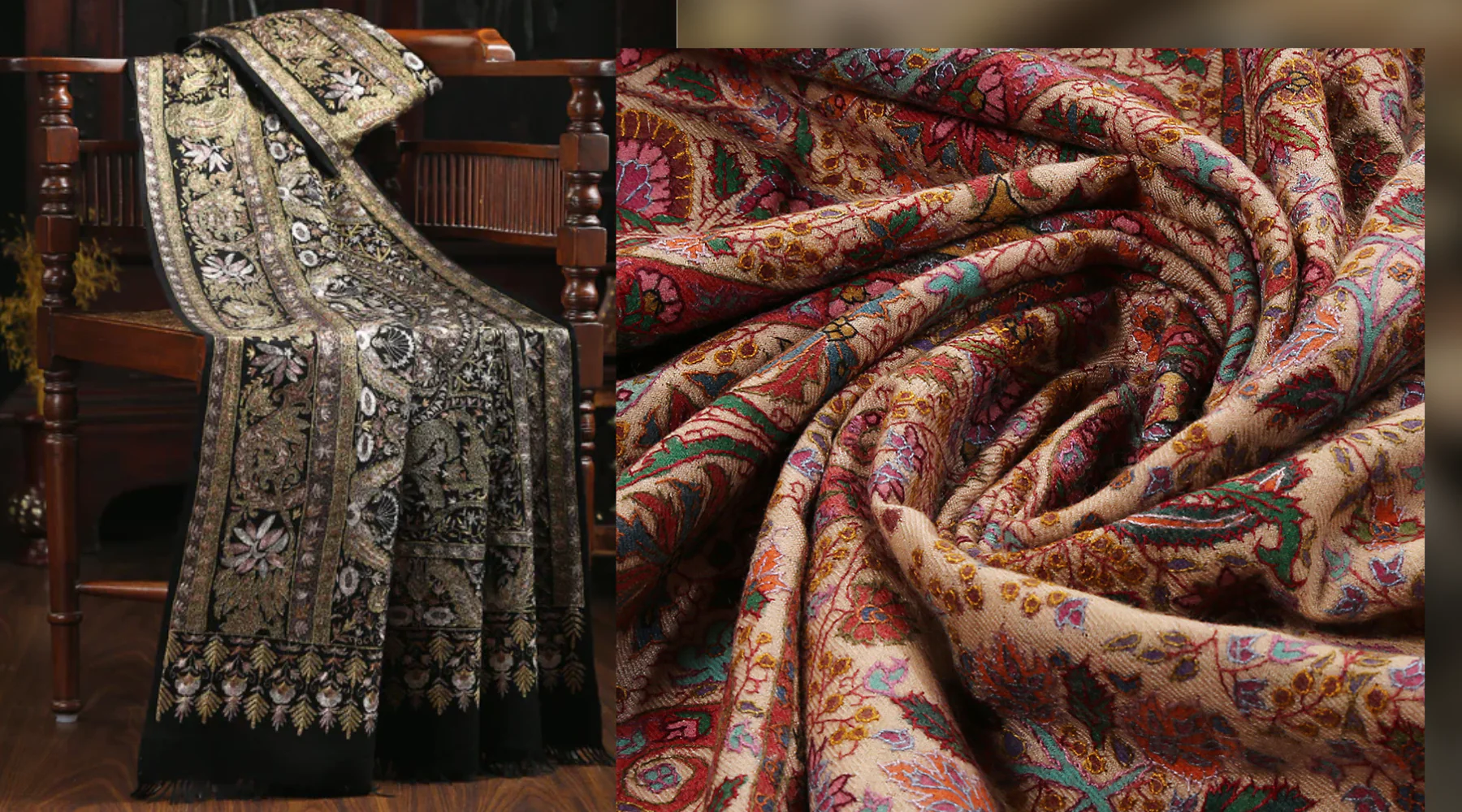
Pashmina shawls and stoles are among the most sought-after products in Kargil Market. Ladakh is known for producing some of the finest Pashmina, and Kargil's shops offer excellent selections. These shawls are incredibly soft, light, and warm, making them perfect for the cold Ladakhi weather.
When shopping for Pashmina, it's important to verify authenticity. Genuine Pashmina is made from the fine undercoat of the Pashmina goat and is known for its softness and warmth. Be prepared to pay more for genuine Pashmina - the price reflects the labor-intensive process of collecting and processing this rare wool.
Beyond Pashmina, the market offers a variety of local woolen products including hand-knit sweaters, socks, and gloves. These products are practical for the cold climate and feature traditional Ladakhi designs and patterns. They make for excellent souvenirs and are much more affordable than factory-produced woolens from outside the region.
Local Handicrafts
Kargil Market is an excellent place to shop for traditional Ladakhi and Tibetan handicrafts. These products reflect the rich cultural heritage of the region and make for beautiful, meaningful souvenirs.
Traditional Tibetan artifacts are widely available. These include prayer flags, which add color to any space and are believed to bring blessings; prayer wheels, which devotees spin to accumulate merit; and small statues of Buddhist deities. These items are both decorative and spiritually significant.
Buddhist ritual items are also available, including singing bowls, incense burners, and meditation cushions. For those interested in Buddhism, these items offer a tangible connection to the practice. Many shopkeepers can explain the significance and use of these items, adding to the shopping experience.
Local jewelry and ornaments are another highlight. The region has a tradition of silver and stone jewelry, often featuring turquoise and coral - stones considered auspicious. These pieces are unique to the region and make for distinctive gifts and keepsakes.
Souvenirs
For visitors seeking reminders of their Kargil experience, the market offers several souvenir options. Kargil War memorabilia is available, reflecting the town's recent history. These include posters, books, and small artifacts related to the 1999 Kargil War.
Traditional dress items are popular souvenirs. The local Goncha (traditional dress), embroidered caps, and hand-woven bags are all available. These items are beautiful and offer a connection to the local culture.
Handmade pottery from the region is also available. These items, often featuring traditional designs, are both decorative and functional. They make for excellent gifts and help support local artisans.
Food Items
The market offers a variety of food items that make for excellent gifts or additions to your kitchen. Local spices are available, including the famous Ladakhi red pepper and other dried spices used in traditional cooking.
Apricot jam and other apricot products are widely sold. The local apricot jam is particularly good, with a rich, sweet flavor that reflects the quality of the fruit. Other apricot products include preserved apricots and apricot-based sweets.
Traditional snacks are available, including roasted barley flour (Tsampa), which is a staple food in Ladakh. Local tea, including butter tea ingredients, can also be purchased. These items offer a taste of local cuisine and are great for trying traditional Ladakhi cooking at home.
Shopping Tips
Bargaining is generally acceptable in Kargil Market, particularly for souvenirs and handicrafts. Shopkeepers expect negotiation and the quoted price is often higher than what they're willing to accept. Approach bargaining with a smile and respect - it's part of the shopping culture, not an adversarial process.
Check the authenticity of Pashmina products carefully. Genuine Pashmina is very fine, soft, and expensive. Be skeptical of very cheap Pashmina shawls - they're likely blends or imitations. Ask for certificates of authenticity and examine the quality closely before purchasing.
Compare prices across multiple shops before making significant purchases. This will give you a sense of the fair price range and help you avoid overpaying. However, don't become too focused on getting the absolute lowest price - a fair price benefits both you and the shopkeeper.
Support local artisans by purchasing handmade products directly from the creators when possible. These items may be more expensive than mass-produced goods, but they support traditional crafts and are unique.
Best Time to Visit
Summer (June-September)
Summer is the best time to visit Kargil Market and the town is fully operational during this period. The weather is pleasant, with daytime temperatures ranging from 15°C to 25°C. The warm weather makes shopping comfortable, and the roads are clear and accessible.
This is also the peak tourist season in Ladakh, so expect more visitors in the market. However, Kargil sees fewer tourists than Leh, maintaining its authentic character. The longer daylight hours of summer provide plenty of time for shopping and exploration.
Monsoon (July-August)
The monsoon season brings occasional rain to Kargil, though less than in many other parts of India. The rain can make the market streets muddy, and some shops may close temporarily. However, the crowds are thinner, and the surrounding landscape becomes lush and green.
For those who don't mind occasional rain, the monsoon season can be a good time to visit. The prices for accommodation and transport are lower than in peak summer, and you'll have a more relaxed shopping experience.
Autumn (October-November)
Autumn is arguably the most beautiful time to visit Kargil. The harvest season means fresh produce is available in the market, including fresh apricots. The weather is crisp and clear, perfect for photography. The surrounding mountains take on golden hues, creating a stunning backdrop to your visit.
October offers the best balance of weather and crowds. The temperatures are cooling, making shopping comfortable, and the tourist rush has diminished. However, be aware that by late November, some shops may begin closing in preparation for winter.
Winter (December-April)
Winter in Kargil is harsh, with heavy snow and extremely cold temperatures. Most of the market closes during winter, as access becomes difficult and shopkeepers leave for warmer areas. This is not a recommended time for visiting Kargil Market.
Best Day
Sunday is the best day to visit Kargil Market, as it hosts a weekly bazaar that is larger and more varied than on other days. Villagers from surrounding areas bring their produce and crafts to sell, creating a vibrant, bustling atmosphere. The Sunday market is the full expression of Kargil's commercial culture.
Time of Day
Morning (10 AM - 1 PM) is the best time for shopping. The market is fully set up, shopkeepers are fresh, and the energy is high. After lunch, some shopkeepers take a break or the market becomes quieter. Late afternoon (4 PM - 6 PM) sees a second wave of activity as people shop after work.
How to Reach Kargil Market
From Leh
The most common route to Kargil is from Leh, the capital of Ladakh. The distance is approximately 215 kilometers, and the journey takes 6-7 hours by road. The route passes through some of Ladakh's most stunning landscapes, including the Fotu La pass at 4,108 meters. Many travelers also visit the famous Pangong Lake when exploring this region.
Shared taxis are available from Leh to Kargil and are the most economical option. Private taxis can be hired for more comfort and flexibility. The road from Leh to Kargil is generally in good condition, though it's winding and mountainous.
From Srinagar
Kargil is approximately 205 kilometers from Srinagar, the summer capital of Jammu and Kashmir. The journey takes 6-7 hours and follows the historic Srinagar-Leh highway. This route passes through Zoji La, one of the highest motorable passes in the world at 3,528 meters.
Taxis are available from Srinagar to Kargil. The journey offers dramatic landscapes, transitioning from the green Kashmir Valley to the barren beauty of Ladakh. However, the road is only open during summer months (May-November) due to heavy winter snow.
From Drass
Drass is approximately 60 kilometers from Kargil, and the journey takes about 2 hours by road. Drass is on the Srinagar-Leh highway and can be accessed from both Srinagar and Leh. For those traveling from the Kashmir side, stopping in Drass (famous as the second coldest inhabited place in the world) before continuing to Kargil is a common route.
From Zanskar
Kargil is the gateway to Zanskar Valley, and the distance from Zanskar's main town of Padum is approximately 230 kilometers. The journey takes 8-10 hours and follows a challenging but beautiful route. During summer, regular buses connect Zanskar to Kargil.
This route is primarily used by Zanskar residents traveling to Kargil for shopping and supplies. For tourists, it offers a way to experience the remote beauty of Zanskar Valley before arriving in Kargil.
By Road
Taxis, buses, and private vehicles are the main ways to reach Kargil Market by road. Shared taxis are the most economical option and are available from Leh and Srinagar. Private taxis offer more comfort and flexibility. The roads are mountainous and winding, and journeys should be planned for daylight hours.
Nearest Airport
The nearest airport to Kargil is in Leh, approximately 215 kilometers away. Leh's Kushok Bakula Rimpochee Airport has regular flights from Delhi, Jammu, and Srinagar (subject to weather conditions). From Leh airport, continue to Kargil by road.
Road Access
Kargil is located on National Highway 1D, the historic Srinagar-Leh highway. This highway is one of the most scenic roads in India, passing through high mountain passes, deep valleys, and remote villages. However, it's only open during summer months due to heavy winter snowfall.
Market Location
Kargil Market is located in the main town of Kargil, easily accessible once you reach the town. The market is centrally located, and most roads lead to it. Parking is available nearby, though spaces can be limited during busy times.
Nearby Attractions in Kargil
Kargil War Memorial
Located approximately 5 kilometers from the town, the Kargil War Memorial is a somber tribute to the soldiers who lost their lives during the 1999 Kargil War between India and Pakistan. The memorial is beautifully maintained and offers information about the conflict. For Indian visitors, it's a place of patriotic reflection. For international visitors, it provides insights into the region's recent history. If you're exploring places to visit in Kargil, this memorial should definitely be on your list.
Mulbekh Monastery
About 40 kilometers from Kargil, Mulbekh Monastery is one of the oldest and most important monasteries in the region. The monastery is famous for its massive rock carving of Maitreya Buddha, standing approximately 9 meters tall. The monastery offers stunning views of the surrounding valley and provides insights into Buddhist culture in Ladakh.
Lamayuru Monastery
Further away at 125 kilometers from Kargil, Lamayuru Monastery is one of Ladakh's most famous and photogenic monasteries. Known as the "Moonland" due to the moon-like landscape that surrounds it, Lamayuru is dramatically situated on a hill overlooking a valley. The monastery is particularly beautiful at sunset when the surrounding mountains take on golden hues.
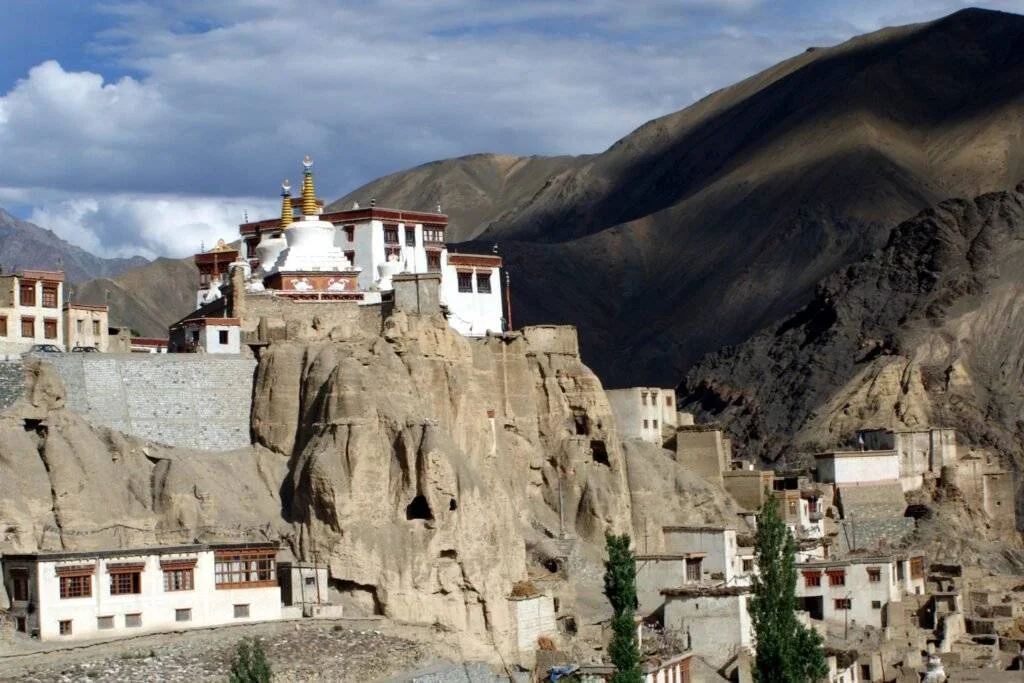
Drass War Memorial
Located 60 kilometers from Kargil in the town of Drass, this memorial commemorates the Indian soldiers who died during the 1999 war. Drass was a key battleground during the conflict, and the memorial serves as a reminder of the sacrifices made. The memorial is moving and offers information about the war.
Suru Valley
The Suru Valley, accessible from Kargil, offers some of Ladakh's most beautiful scenery. The valley is lush and green, dotted with villages, monasteries, and stupas. It's an excellent place for photography and experiencing rural Ladakhi life. The Suru Valley is particularly beautiful in autumn when the trees turn golden and red.
Zanskar Valley
Kargil serves as the gateway to Zanskar Valley, one of Ladakh's most remote and beautiful regions. Zanskar offers pristine landscapes, ancient monasteries, and traditional villages that have changed little over centuries. Access to Zanskar is challenging, but those who make the journey are rewarded with an authentic Himalayan experience.
Shargole Monastery
Located approximately 10 kilometers from Kargil, Shargole Monastery is a small but significant Buddhist site. The monastery is perched on a hill and offers panoramic views of the surrounding area. It's less visited than the larger monasteries, offering a more intimate and peaceful experience.
Bhimbat
Bhimbat is a historical rock approximately 15 kilometers from Kargil. According to legend, the Pandava hero Bhima placed his foot here during their exile. The rock is considered sacred and is visited by pilgrims. For tourists, it's an interesting cultural site that connects to India's epic traditions.
Food & Facilities
Restaurants
Kargil offers several restaurants serving local Ladakhi cuisine. Traditional dishes include Thukpa (noodle soup), Momos (dumplings), and Skyu (a traditional stew). These dishes are hearty and warming, perfect for the cold climate. Most restaurants are simple and family-run, offering home-cooked meals at reasonable prices.
For those seeking variety, some restaurants offer North Indian and Kashmiri cuisine as well. The quality varies, so ask locals for recommendations before choosing a restaurant.
Cafes
Several cafes in Kargil offer tea and snacks. Ladakhi butter tea (Po Cha) is a specialty and worth trying. The cafes are good places to rest, warm up, and observe local life. Some offer Wi-Fi, which can be useful for travelers needing to stay connected.
Hotels
Accommodation in Kargil ranges from basic guesthouses to mid-range hotels. The quality and amenities vary, so it's worth inspecting rooms before committing. For those seeking more comfort, there are a few hotels that offer attached bathrooms and hot water.
Prices are generally lower than in Leh, reflecting Kargil's status as less of a tourist destination. During peak season (July-August), it's advisable to book in advance.
ATMs
ATMs are available in Kargil, though the network is limited. J&K Bank and State Bank of India have ATMs in the main market area. However, these can run out of cash during peak tourist times. It's advisable to carry sufficient cash, as many smaller shops and restaurants may not accept digital payments.
Petrol Pumps
Petrol pumps are available in Kargil, though there are only a few. The main petrol pump is located near the market. It's important to refuel in Kargil if you're continuing to Zanskar or other remote areas, as fuel availability in these regions is limited.
Medical Facilities
Kargil has a district hospital that provides basic medical services. The hospital is equipped to handle common ailments and minor injuries. For serious medical issues, patients may need to be transported to Leh or Srinagar. Pharmacies are available in the market, stocking basic medicines.
Post Office
The post office in Kargil is located in the main market area. It offers postal services and can be used to send packages or mail. The post office also serves as a point of contact for travelers needing to receive items during their journey.
Internet
Internet connectivity in Kargil is limited. Some hotels and cafes offer Wi-Fi, but speeds are slow and connections can be unreliable. Mobile data is available through BSNL and Airtel, though coverage is patchy outside the main town. It's best to assume that connectivity will be limited and plan accordingly.
Parking
Parking is available near the main market area. Designated parking spaces exist, though during busy times finding a spot can be challenging. Most parking is free, but it's important to park responsibly and not block access to shops or homes.
Restrooms
Public restrooms are available in the market area, though their condition varies. Hotels and restaurants typically allow travelers to use their facilities for a small fee. It's advisable to carry toilet paper and hand sanitizer, as these may not be provided in public facilities.
Kargil Market offers a shopping experience that is distinctly Ladakhi - authentic, culturally rich, and personally rewarding. Whether you're shopping for Pashmina shawls, local apricots, traditional handicrafts, or simply soaking in the atmosphere of this historic trading center, Kargil Market provides a memorable experience that goes beyond commerce. The market is a living link to Ladakh's trading heritage and a window into the daily life of this remarkable Himalayan region.
Location
Frequently Asked Questions
Q1.Where is Kargil Market located in Ladakh?
Q2.What are the opening timings of Kargil Market?
Q3.What is famous in Kargil Market?
Q4.What should I buy from Kargil Market?
Q5.Are Pashmina shawls available in Kargil?
Q6.What is the best time to visit Kargil Market?
Q7.Is bargaining allowed in Kargil Market?
Q8.Are there ATMs in Kargil Market?
Recommended For You
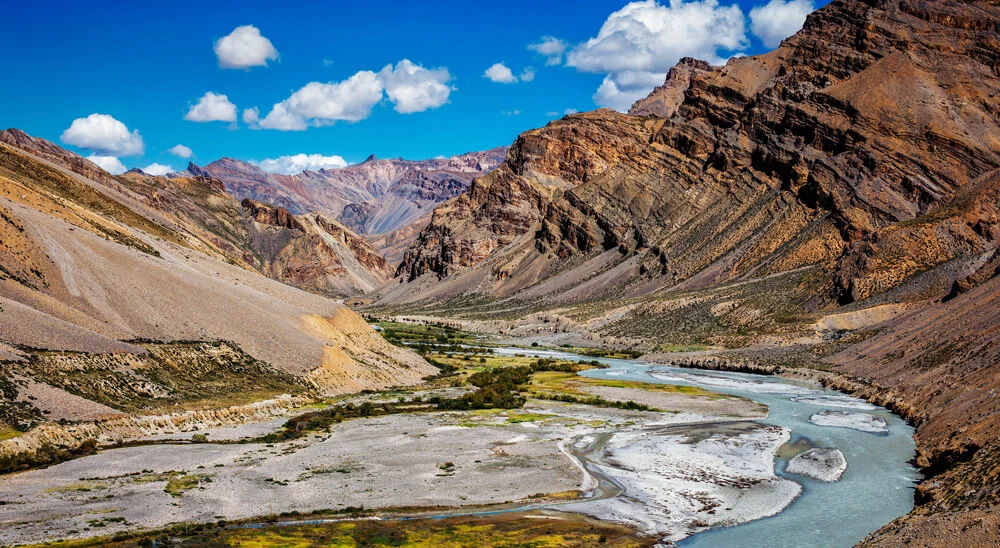
Zanskar Valley Activities: Trekking, Rafting & Adventure Highlights
Discover thrilling Zanskar Valley activities including the legendary Chadar Trek, river rafting, high-altitude trekking, monastery exploration, and wildlife spotting. Complete adventure guide with best time to visit, preparation tips, and practical information.
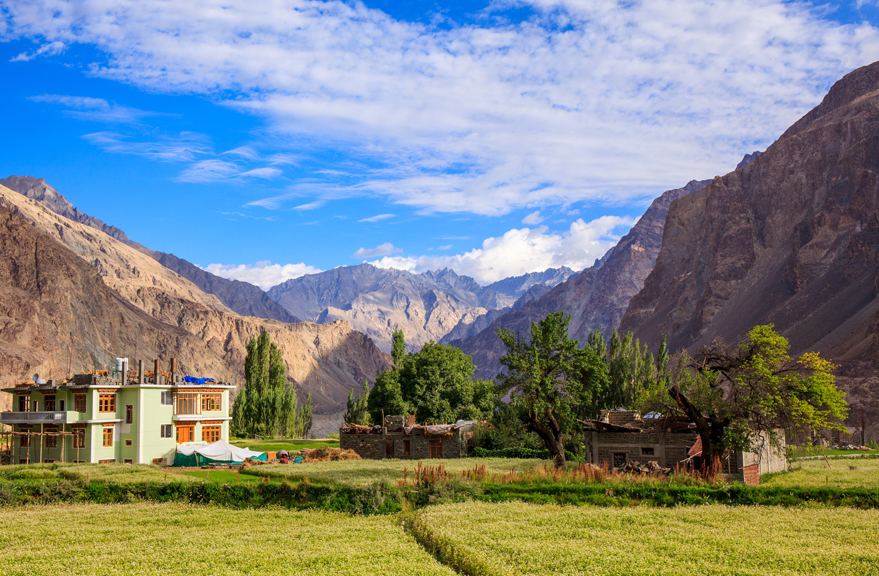
Turtuk Village Ladakh: Balti Culture, Stay Options & Border Views
Explore Turtuk Village in Nubra Valley, Ladakh. Complete guide to Balti culture, how to reach, places to visit, homestays & best time.
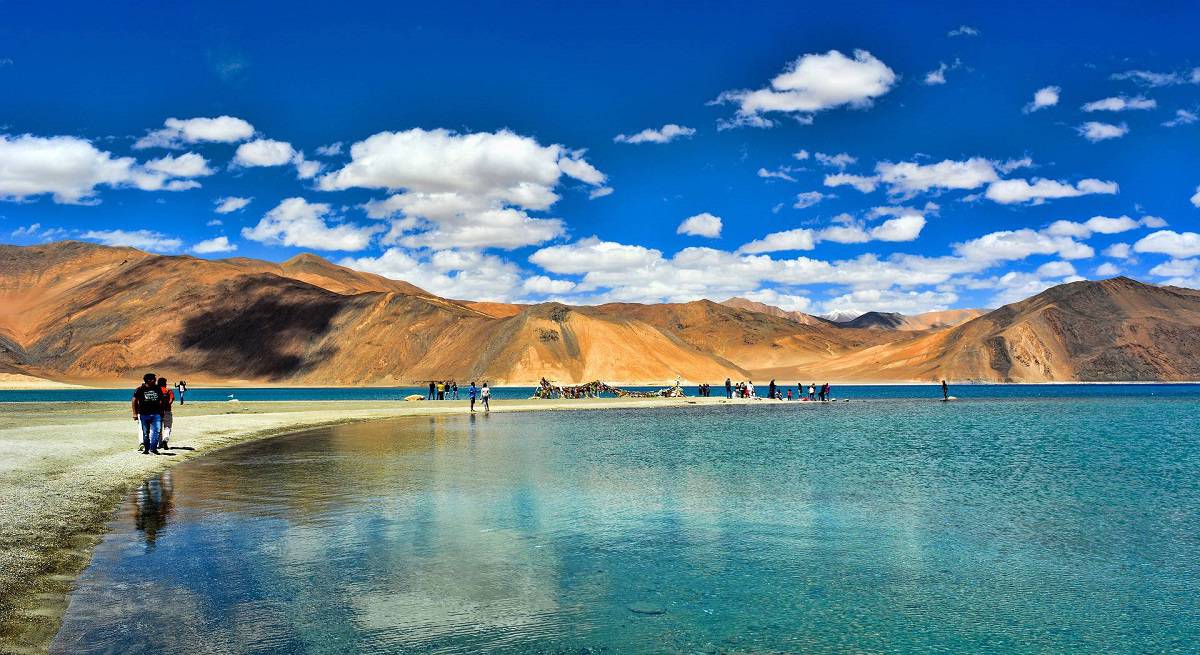
Pangong Lake Ladakh: Best Time, Permit Rules & Stay Options
Complete Pangong Lake guide: best time to visit, permits, how to reach from Leh, stay options & travel tips.
Never Miss an Adventure
Get the latest trekking guides, travel tips, and exclusive offers delivered straight to your inbox.
