
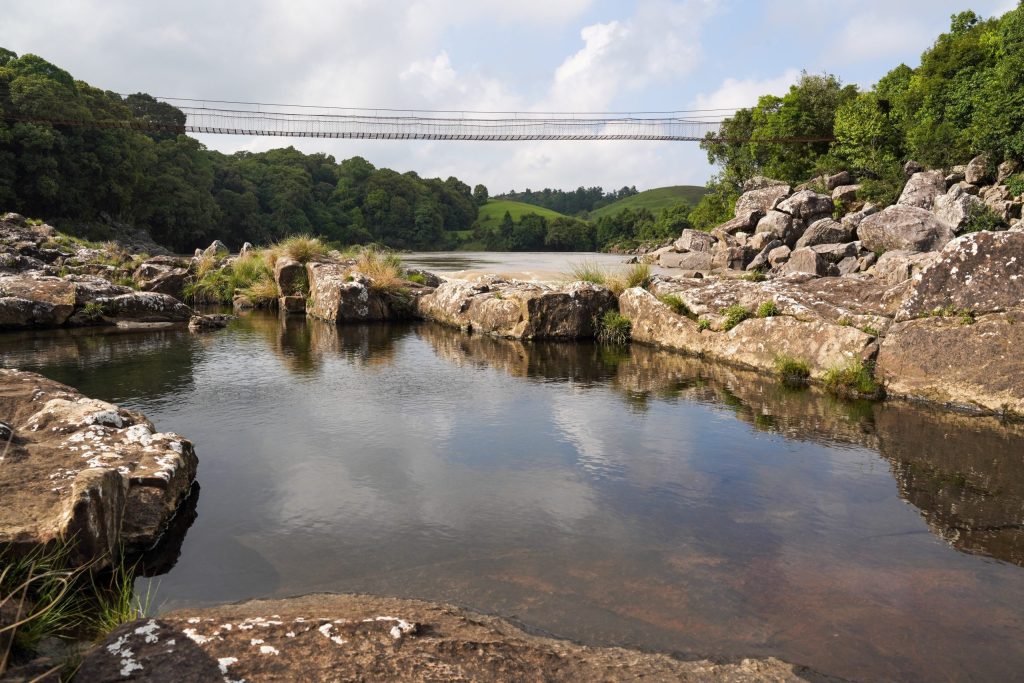
Nongkhnum River Island Meghalaya: Trek Route, River Spots & Local Tips

Neha Kapoor
December 20, 2025
Explore Nongkhnum Island, Asia's 2nd largest river island in Meghalaya. Trek guide, camping, how to reach from Shillong, and best time tips for travelers.
Introduction: A Hidden River-Island Escape in West Khasi Hills
Nongkhnum River Island in Meghalaya is one of the most intriguing offbeat destinations in the state, especially for travelers who want river landscapes, gentle adventure, and low-crowd experiences beyond the usual Shillong-Cherrapunji circuit. Located in West Khasi Hills near Nongstoin, the island is widely described as one of the largest river islands in Meghalaya and is often promoted as Asia's second largest river island after Majuli in Assam. While different sources report slightly different area figures, the destination is consistently known for its broad grassland stretches, river views, sandbanks, and dramatic waterfall surroundings.
This guide focuses on practical planning: how to reach Nongkhnum Island from Shillong, what to do on arrival, whether trekking or camping is suitable, what season works best, and what nearby places can be combined in one route. If you are planning a longer state circuit, also use how to reach Meghalaya, places to visit in Meghalaya, and Meghalaya travel guide.

About Nongkhnum River Island
Nongkhnum lies in the West Khasi Hills district and is reached via Nongstoin, which serves as the main access town. The island's identity comes from the split of the Kynshi River into channels that shape the island zone and surrounding plains. On-ground travel pages and state tourism listings describe a mixed terrain of grassy meadows, sandy patches, calm river edges, and viewpoints where river movement and gorge-like drops can be seen in specific sections.
Unlike high-footfall Meghalaya landmarks, Nongkhnum remains relatively less commercial. That is a major advantage if your travel style prioritizes quiet landscapes and flexible exploration over packaged sightseeing. At the same time, limited commercialization means you should not expect full urban convenience. Signage, transport frequency, and food options can be basic depending on the season and day.
| Feature | What It Means for Visitors |
|---|---|
| Location | West Khasi Hills, near Nongstoin |
| Landscape type | River island grasslands, sandy stretches, water channels |
| Travel style | Offbeat, low-crowd, nature-focused |
| Best visitor profile | Road trippers, campers, photographers, slow travelers |
| Development level | Limited facilities; carry essentials |
How to Reach Nongkhnum Island from Shillong
The standard route is Shillong to Nongstoin by road, then onward local transfer to Nongkhnum entry side. Depending on route choice, road condition, and traffic, the full journey usually takes around 4 to 5+ hours from Shillong. A private cab is the most practical option for first-time travelers because the final stretch may require flexible stops and timing adjustments.
Route framework
- Start: Shillong
- Midpoint: Nongstoin (key town access)
- Last-mile: Local road/bridge-side approach to island zone
Shared public options exist up to major towns, but frequency and last-mile alignment are inconsistent for time-sensitive day trips. If your plan includes sunrise, sunset, camping, or waterfall viewpoints near the island, private transport saves significant uncertainty.
| Transport Mode | Best For | Planning Note |
|---|---|---|
| Private taxi/cab | Families and groups | Most flexible for route stops and return timing |
| Self-drive | Experienced hill-road drivers | Good control, but check road/weather before departure |
| Shared transport + local hire | Budget travelers | Possible but slower and less predictable |
Road quality can vary by weather and maintenance cycles. Start early, carry offline navigation, and keep one buffer hour in your plan.

Best Time to Visit Nongkhnum River Island
For most travelers, October to March is the best season. Skies are usually clearer, road movement is easier, and island exploration is more comfortable. April to early June can also work, especially if you prefer greener transitions and lower winter crowd overlap. Monsoon travel is possible but more challenging due to rain intensity, slippery terrain, and unpredictable river behavior in some stretches.
| Season | Experience | Recommendation |
|---|---|---|
| October to March | Pleasant weather, clearer visibility | Best overall for first-time visitors |
| April to June | Warmer but still manageable in many windows | Good with early-start planning |
| July to September | Heavy rains, tougher road and trail conditions | Only for rain-ready travelers with flexible plans |
Always check live local updates before departure, especially in monsoon and immediate post-rain periods.
Things to Do at Nongkhnum Island
1) Explore the island landscape on foot
Nongkhnum is best experienced slowly. Walk through grassland patches, riverside sections, and open viewpoints rather than rushing for a single photo point. The feeling of space is a key part of the destination.
2) Riverside relaxation and picnic breaks
Several visitors use Nongkhnum for quiet picnics and downtime. Carry reusable bottles, light snacks, and waste bags. Responsible behavior is important because this is still a relatively low-impact destination.
3) View nearby water features and gorge zones
Regional travel pages often mention nearby falls/viewpoints in connection with island travel routes. Depending on your route and season, these can add strong visual value. Confirm local accessibility before committing to a tight schedule.
4) Landscape photography
The island works well for wide compositions: split river channels, open sky, green plains, and bridge-entry perspectives. Morning and late afternoon usually deliver better light and contrast.
5) Village and local-route observation
On the way in and out, you pass settlements and hill-road sections that offer context into West Khasi Hills travel beyond mainstream circuits.
Trekking and Camping Experience
Nongkhnum trekking is generally easy to moderate, depending on how far you explore and the season underfoot. It is not a high-altitude technical trek, but rain and mud can quickly raise difficulty. For most travelers, short exploratory walks and viewpoint hikes are enough.
Camping at Nongkhnum
Camping interest around Nongkhnum has increased, but facilities are not always standardized. In many cases, you need to carry your own setup or coordinate locally in advance. Do not assume full-service camps unless explicitly confirmed.
- Carry weatherproof tents and ground protection in shoulder/monsoon periods.
- Check local permission norms before overnight stays.
- Avoid camping in unsafe river-edge positions during high-flow conditions.
- Leave no waste and avoid noise-heavy late-night activity.
If you are new to Meghalaya camping logistics, start with established options first, then attempt remote-style setups after local guidance. You can compare with camping in Meghalaya for broader planning.

Nearby Attractions to Combine
Nongkhnum works best as part of a West Khasi Hills route rather than a standalone rush trip. Depending on road and daylight, you can combine nearby attractions over one to two days.
- Nongstoin: Main logistical base town for access and supplies.
- Langshiang Falls zone: Commonly linked with Kynshi river geography.
- Mawphanlur side trips: Good for village landscape extensions.
- Dawki/other Meghalaya circuits: Better kept for a separate day due to transfer time.
Helpful planning reads: places to visit in Dawki, Langshiang Falls Meghalaya, and Krang Suri Falls Meghalaya.
Sample Itinerary from Shillong
Option A: Long day trip
- Early morning departure from Shillong.
- Mid-morning arrival near Nongstoin and onward transfer.
- Island exploration, photography, picnic break.
- Optional short trail/viewpoint walk.
- Return before late-night road stretch.
Option B: 2-day slow trip
- Day 1: Shillong to Nongstoin/Nongkhnum, explore and sunset block.
- Day 2: Morning walk + nearby attraction, then relaxed return.
The two-day format is usually better for comfort, weather flexibility, and safer driving windows.
Essential Travel Checklist
- Offline maps and power bank
- Drinking water and light packed food
- Comfortable trekking shoes with grip
- Rain layer (all seasons, Meghalaya weather shifts fast)
- Cash backup for remote stretches
- First-aid basics and personal medication
- Trash bag for zero-litter travel
Network reliability can fluctuate. Share your route plan with someone before departure.

Safety, Permissions, and Local Coordination
Nongkhnum is not a high-friction destination, but it still requires basic remote-area discipline. Road delays, weather changes, and limited service infrastructure are more common than in city-based trips. If you are traveling during shoulder or monsoon periods, call local contacts before starting and verify whether river-adjacent paths are safe for the day.
- Start early and avoid unfamiliar late-evening road stretches.
- Check if any local permissions are needed for camping zones.
- Keep emergency contacts and basic first-aid accessible.
- Travel with at least one backup transport option in mind.
Families and first-time Meghalaya visitors usually get better outcomes with private cabs and day-lightbound schedules.
Common Mistakes to Avoid
- Assuming Nongkhnum is a plug-and-play destination with city-level facilities.
- Reaching too late and trying to complete all activities before sunset.
- Ignoring weather updates, especially in rain-sensitive months.
- Overloading the day with distant add-on attractions.
- Leaving waste behind in fragile riverside areas.
The best way to enjoy Nongkhnum is simple: choose fewer activities, move slower, and keep your plan weather-aware. Offbeat travel quality comes from flexibility, not speed.
Quick Budget Planning
A realistic Nongkhnum budget depends more on transport than on activities. Private cabs increase comfort but add cost, while shared options reduce cost but can increase uncertainty and transit time. For groups, splitting private transport is often the best value. Keep a separate contingency amount for weather-driven delays, food stops, and last-mile local transfers. Even a small backup budget can prevent rushed decisions in remote stretches.
Conclusion
Nongkhnum River Island Meghalaya is one of the state's best low-crowd nature destinations for travelers who enjoy open landscapes, river views, and slower exploration. It is not built for rushed tourism, and that is exactly its strength. Plan with realistic transport timing, carry essentials, and keep your itinerary flexible around weather. If you do that, Nongkhnum rewards you with one of the most peaceful and distinctive offbeat experiences in Meghalaya.
Location
Frequently Asked Questions
Q1.Where is Nongkhnum River Island located?
Q2.How far is Nongkhnum Island from Shillong?
Q3.What is the best time to visit Nongkhnum Island?
Q4.What can we do at Nongkhnum River Island?
Q5.Is trekking required to visit Nongkhnum Island?
Q6.Can we camp at Nongkhnum Island?
Q7.Are there accommodations on Nongkhnum Island?
Q8.Is Nongkhnum Island safe for tourists?
Recommended For You
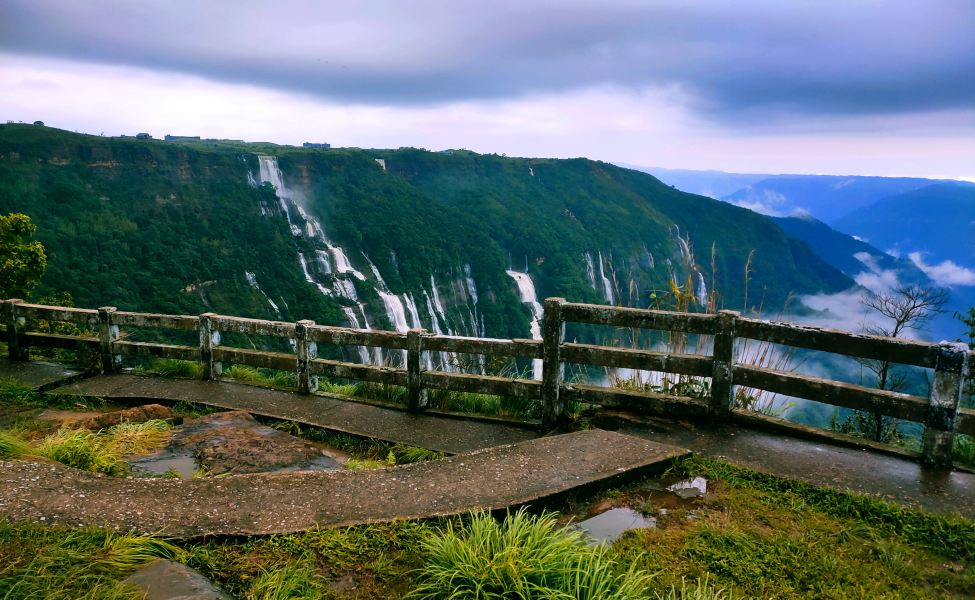
Meghalaya: Complete Travel Plan Places And Weather
Complete Meghalaya travel guide featuring living root bridges, Cherrapunji, Shillong, Dawki, caves, waterfalls & practical tips.
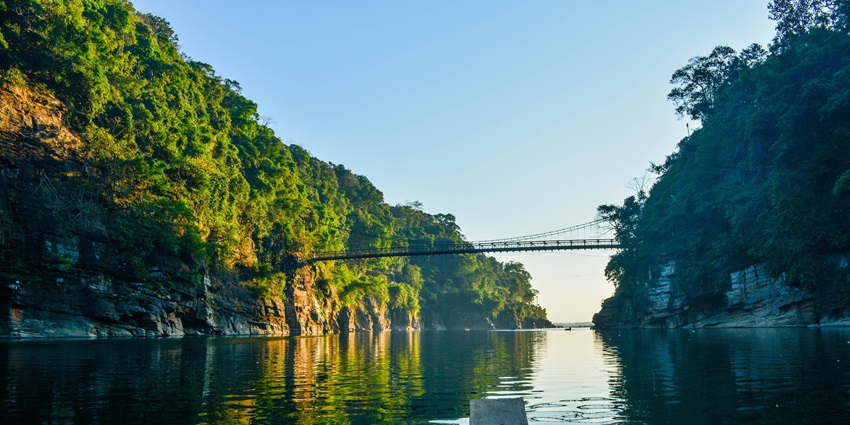
Best Places to Visit in Dawki: River Views, Camps & Border Points
Plan your Dawki trip with top places to visit, Umngot boating insights, Shnongpdeng activities, border viewpoints, seasonal tips, and practical travel logistics.
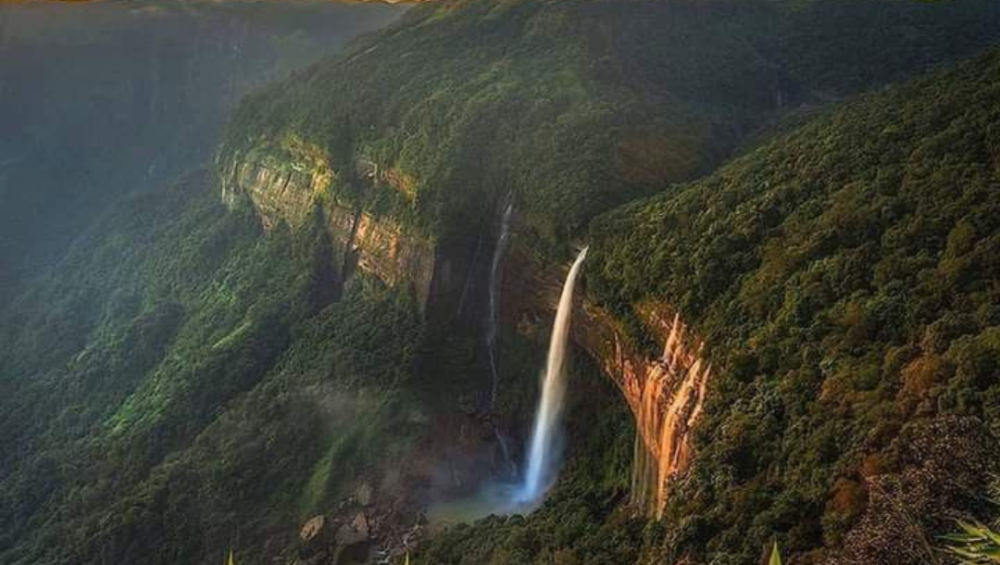
Langshiang Falls Meghalaya: Trek Route & Tall Waterfall Views
Discover Langshiang Falls, one of Meghalaya's highest waterfalls. Complete trekking guide from Shillong to West Khasi Hills with route details, best season, photography tips, and practical travel information.
Never Miss an Adventure
Get the latest trekking guides, travel tips, and exclusive offers delivered straight to your inbox.
