
Best Places to Visit in Dawki: River Views, Camps & Border Points

Priya Mehta
January 30, 2026
Plan your Dawki trip with top places to visit, Umngot boating insights, Shnongpdeng activities, border viewpoints, seasonal tips, and practical travel logistics.
Introduction: Why Dawki Is One of Meghalaya's Most Photographed Destinations
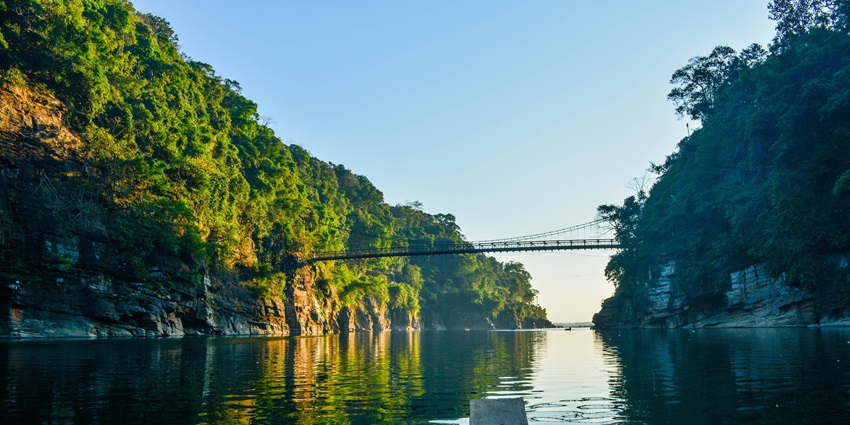
Dawki is a small border town in Meghalaya that has become a major travel draw because of the Umngot River, whose water can appear almost transparent in the dry season. The region combines clear river views, village-based experiences, adventure activities, and cross-border landscape character in one compact route. For many travelers, Dawki is the part of a Meghalaya trip that feels most cinematic, especially in the morning when boats on Umngot seem to float in air.
But Dawki is more than one postcard frame. The wider area includes Shnongpdeng for adventure and riverside camping, scenic driving corridors, small village viewpoints, and day-trip circuits toward waterfalls and clean-village routes. Planning matters because water clarity, crowd density, and boating experience change by season. This guide covers the best places to visit in Dawki, what to do beyond the main jetty, best time to go, transport logistics, and practical safety planning.
For broader planning, pair this with places to visit in Meghalaya, best time to visit Meghalaya, and camping in Dawki Meghalaya.
1. Umngot River: The Signature Attraction in Dawki
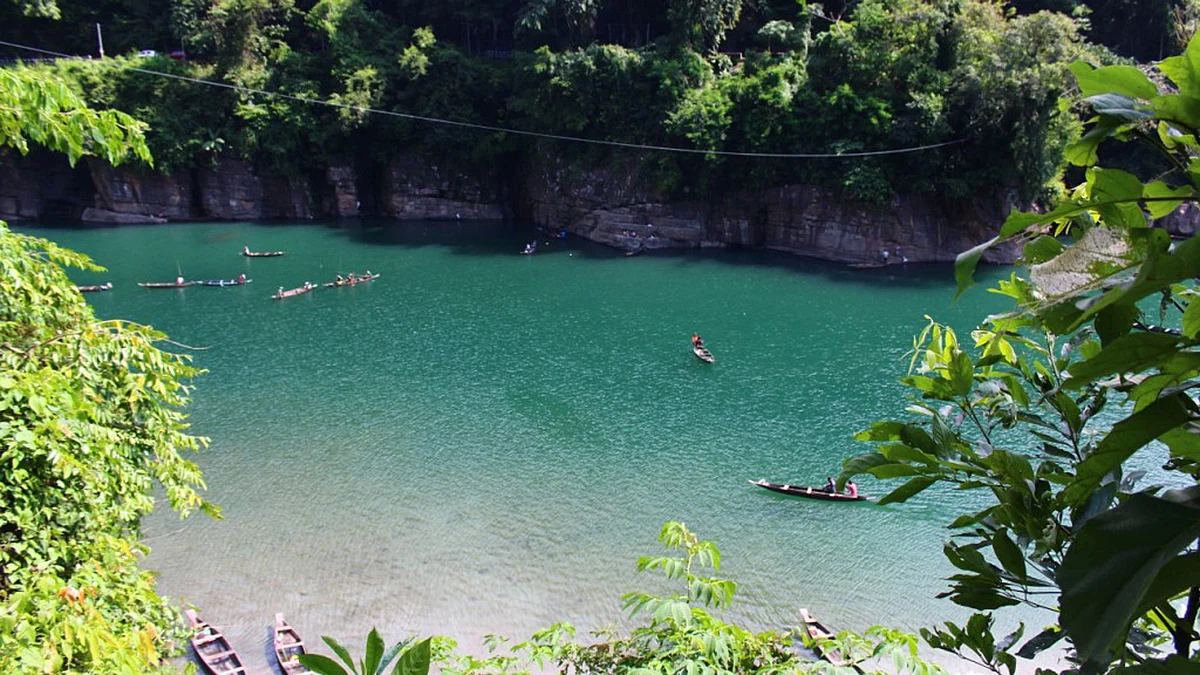
Umngot River is the main reason most travelers visit Dawki. In lower-rainfall months, the water can look crystal clear, making the riverbed visible and creating the famous visual effect of boats appearing suspended. The most popular experience is a short wooden boat ride that lets you view changing shades of water, rocky patches, and forested edges.
Morning rides usually offer better visibility and softer light for photography. By late day, crowd levels increase and water reflections can change based on weather and movement. If you want cleaner photos and a calmer experience, arrive early and keep a first-slot boating plan.
Boating Tips for Umngot
- Go early in the day for better clarity and less crowding.
- Carry a waterproof phone pouch and avoid leaning too far over the edge.
- Confirm boat duration and total price before boarding.
- Keep a light jacket in winter mornings because riverside wind can be sharp.
| Umngot Visit Factor | Best Practice | Why It Helps |
|---|---|---|
| Timing | Start before peak noon hours | Better water visibility and photos |
| Ride duration | Clarify 20-40 minute route in advance | Avoids confusion at jetty |
| Crowd management | Visit on weekdays when possible | More relaxed boating experience |
2. Shnongpdeng: Adventure Base Near Dawki
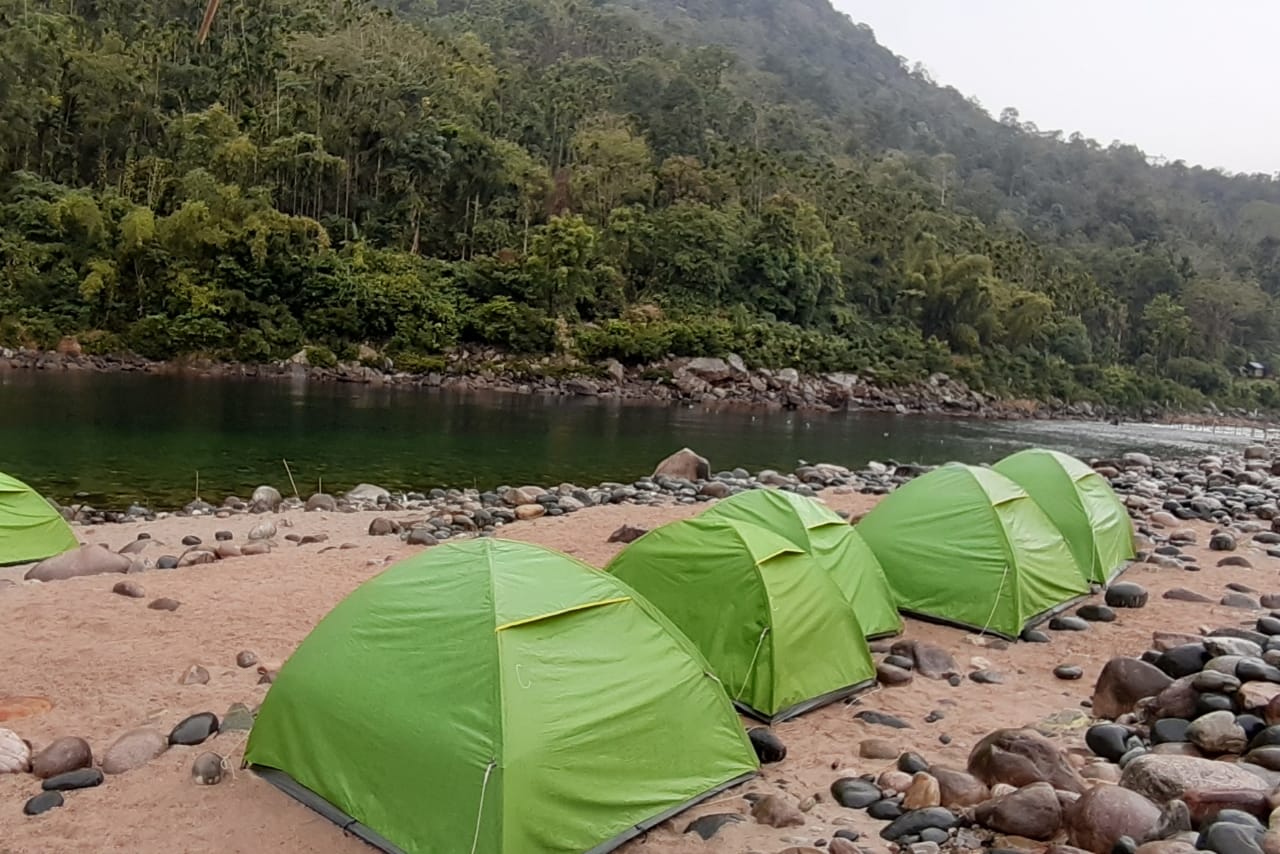
Shnongpdeng is one of the most useful places to include in a Dawki itinerary. Located close to the main Dawki belt, it is known for clear river stretches, camping setups, and adventure options like kayaking, cliff jumping in controlled zones, and local activity packages depending on operators and season.
Travelers often choose Shnongpdeng when they want more than a quick photo stop. If you stay overnight, you can experience sunrise and sunset river moods, bonfire evenings (where permitted), and early-morning activity windows before day crowds arrive.
Who Should Prioritize Shnongpdeng
- Travelers wanting a one-night outdoor stay.
- Groups interested in soft adventure activities.
- Photographers looking for low-light and dawn river shots.
- Road trippers who prefer slow travel over rushed checklists.
3. Dawki-Tamabil Border View Zone
Dawki is also known for its proximity to the India-Bangladesh border area, often referred to in itineraries as a border-view experience. This is less about a long sightseeing stop and more about understanding the geographic uniqueness of Dawki as a frontier town with visible cross-border movement context.
Follow local rules strictly in border-sensitive zones. Carry valid identity proof and avoid photography in restricted areas. Border viewing can be interesting for first-time visitors, but keep expectations practical and combine it with your Umngot or Shnongpdeng route rather than treating it as a full standalone attraction.
4. Riverside Village Views and Local Nature Stops
Beyond the most popular checkpoints, the Dawki region includes village-edge viewpoints and quieter river patches where you can spend unhurried time away from the busiest jetty pockets. These locations are often best explored with local drivers who know road conditions and safe stopping points.
If your trip style is photography-led, ask for viewpoints that offer layered composition: river foreground, hill texture, and sky depth. Carry minimal plastic and avoid littering because local ecosystems are fragile and tourism pressure is rising across Meghalaya's river corridors.
5. Nearby Extensions from Dawki
Dawki works well as part of a larger Meghalaya circuit instead of an isolated single stop. Depending on road conditions and your trip length, you can extend toward clean-village routes, waterfall belts, and cave-based destinations in nearby districts.
Mawlynnong Side Route
Mawlynnong is frequently paired with Dawki as a same-day or next-day extension. The route offers village tourism context and a contrast to riverside activity-based travel. Start early if combining both to avoid a rushed late-evening return.
Krang Suri and Waterfall Circuit Options
Some travelers add waterfall-focused extensions depending on base location and available time. Route planning should factor in road quality, weather, and realistic daylight hours, especially in monsoon and shoulder-season travel windows.
Living Root Bridge Connections
If your Meghalaya trip includes living root bridge experiences, keep Dawki in a broader multi-stop plan rather than forcing everything into one day. This improves comfort and reduces fatigue.
You can align these add-ons with living root bridges in Meghalaya and Krang Suri Falls guide.
6. Adventure Activities in and Around Dawki
Adventure options in Dawki vary by season, water level, and local operator availability. The most common experiences are boating, kayaking, riverside camping, and light treks around village landscapes. Some operators also promote additional water or cliff-based activities, but safety standards can vary, so verify equipment condition and briefing quality before participating.
Activity Planning Checklist
- Ask for life jackets and use them without exception.
- Check weather and water-flow conditions before booking.
- Avoid risky jumps in unknown depth zones.
- Choose daylight activities; avoid unplanned late-night river sessions.
| Activity | Difficulty | Best For |
|---|---|---|
| Boat ride on Umngot | Easy | All travelers and families |
| Kayaking in calm sections | Moderate | Adventure-first travelers |
| Riverside camping | Easy to Moderate | Groups and slow travelers |
| Village trail walks | Easy | Photography and nature lovers |
7. Best Time to Visit Dawki
The best time for clear-water visuals is usually in the winter and post-monsoon dry phases when sediment flow is lower and river transparency improves. November to February is widely preferred for weather comfort and better visibility, though weekends can be busy.
Monsoon travel offers dramatic greenery and high-rainfall atmosphere, but water clarity may drop and activity operations can change based on conditions. Summer can still be workable for sightseeing, but timing your river visit in early morning remains important.
Season-Wise Guidance
- November to February: Better clarity, cool weather, ideal for photos.
- March to May: Pleasant travel, moderate crowding, decent river views.
- June to September: Lush landscapes but variable water clarity and weather disruptions.
8. How to Reach Dawki and Route Logistics
Dawki is commonly accessed from Shillong by road. The journey is a popular scenic drive but can take longer during peak tourist windows or bad-weather periods, so avoid over-optimistic scheduling. Many travelers use Shillong as base and do Dawki as a day trip, while others stay near Shnongpdeng for a better-paced experience.
Typical Access Pattern
- Reach Shillong first by air/rail-road combination via Guwahati.
- Continue to Dawki by cab or self-drive route from Shillong.
- Return same day or stay one night near activity zones.
If you are combining multiple Meghalaya stops, build buffer time between destinations. Mountain roads and weather variation can affect estimated arrival windows. For detailed route assistance, review how to reach Dawki and Meghalaya travel guide.
9. Where to Stay in Dawki
Stay options include basic lodges, riverside camps, and homestay-style accommodations in nearby villages. Travelers focused on sunrise boating usually prefer staying close to Shnongpdeng or Dawki access points so they can reach activity areas before day crowds.
Before booking, check three essentials: proximity to activity zone, washroom reliability, and vehicle access during late evening arrivals. If traveling in peak season, pre-booking is safer than depending on walk-in inventory.
10. Practical Safety and Responsible Travel Tips
- Carry valid ID proof, especially for border-near routes.
- Respect local instructions in river and border-sensitive zones.
- Do not litter plastic near riverbanks or camps.
- Wear non-slip footwear for wet stones and boat jetties.
- Keep backup cash in case network payment fails in remote belts.
- Avoid aggressive drone usage without checking permissions.
Dawki's appeal comes from fragile natural clarity. Responsible behavior from visitors is essential to keep the destination healthy for local communities and future travelers.
Sample 2-Day Dawki Itinerary
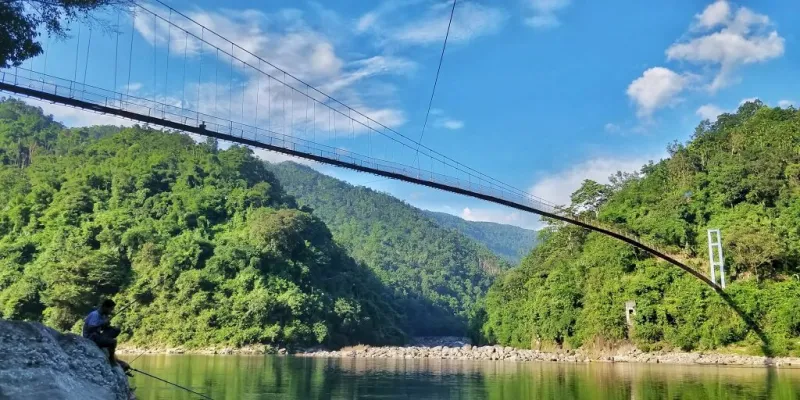
If you want a balanced trip with sightseeing and activity time, this two-day split works well.
- Day 1 Morning: Shillong to Dawki drive, Umngot boat ride.
- Day 1 Afternoon: Border-view zone and local riverside stops.
- Day 1 Evening: Check-in near Shnongpdeng and light riverside walk.
- Day 2 Morning: Kayaking or short adventure activities.
- Day 2 Midday: Village-side sightseeing and return route.
This pacing avoids rush and improves your chance of catching better river visibility in early hours.
Final Take
The best places to visit in Dawki are not limited to one jetty photo stop. Umngot River, Shnongpdeng activity zones, border-view routes, and nearby village landscapes together create a richer Meghalaya experience. Plan by season, start early for clarity, and keep your itinerary flexible for weather and road realities. With practical planning and responsible travel habits, Dawki can become one of the most memorable segments of your northeast trip.
Continue your trip plan with places to visit in Meghalaya, camping in Dawki Meghalaya, and best time to visit Meghalaya.
Location
Frequently Asked Questions
Q1.What is the best time to visit Dawki?
Q2.How many days are enough for Dawki?
Q3.How far is Dawki from Shillong?
Q4.Is boating safe in Dawki?
Q5.What makes Dawki special?
Q6.What is the boating cost in Dawki?
Q7.Where should I stay in Dawki?
Q8.Is Dawki safe for solo travelers?
Recommended For You
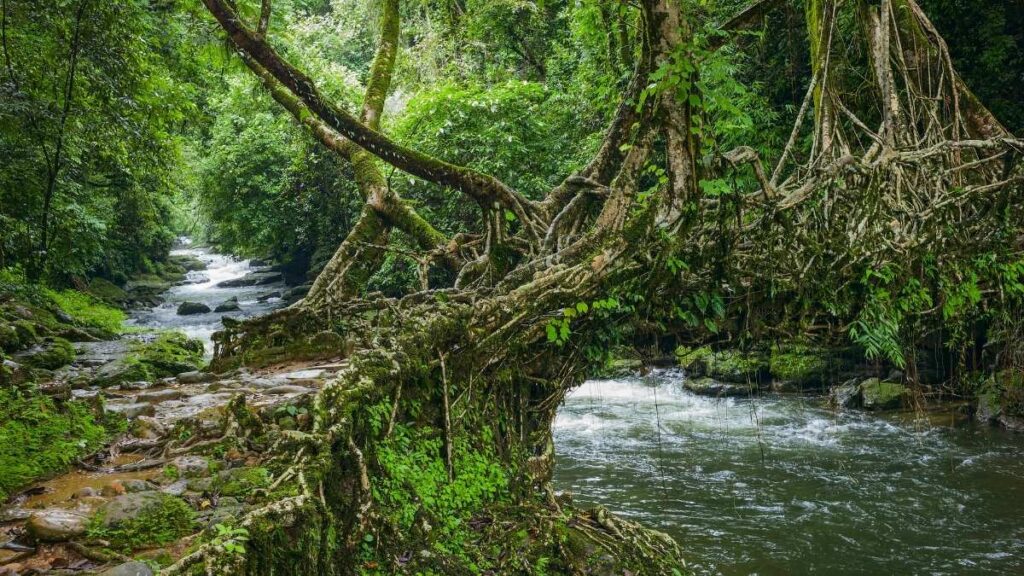
Living Root Bridges Meghalaya: Trek Routes, Villages & Local Tips
Discover Meghalaya's incredible living root bridges - nature's bioengineering marvel grown by the Khasi tribes. Complete trekking guide to the Double Decker Root Bridge in Nongriat, best time to visit, how to reach, difficulty level, and photography tips.
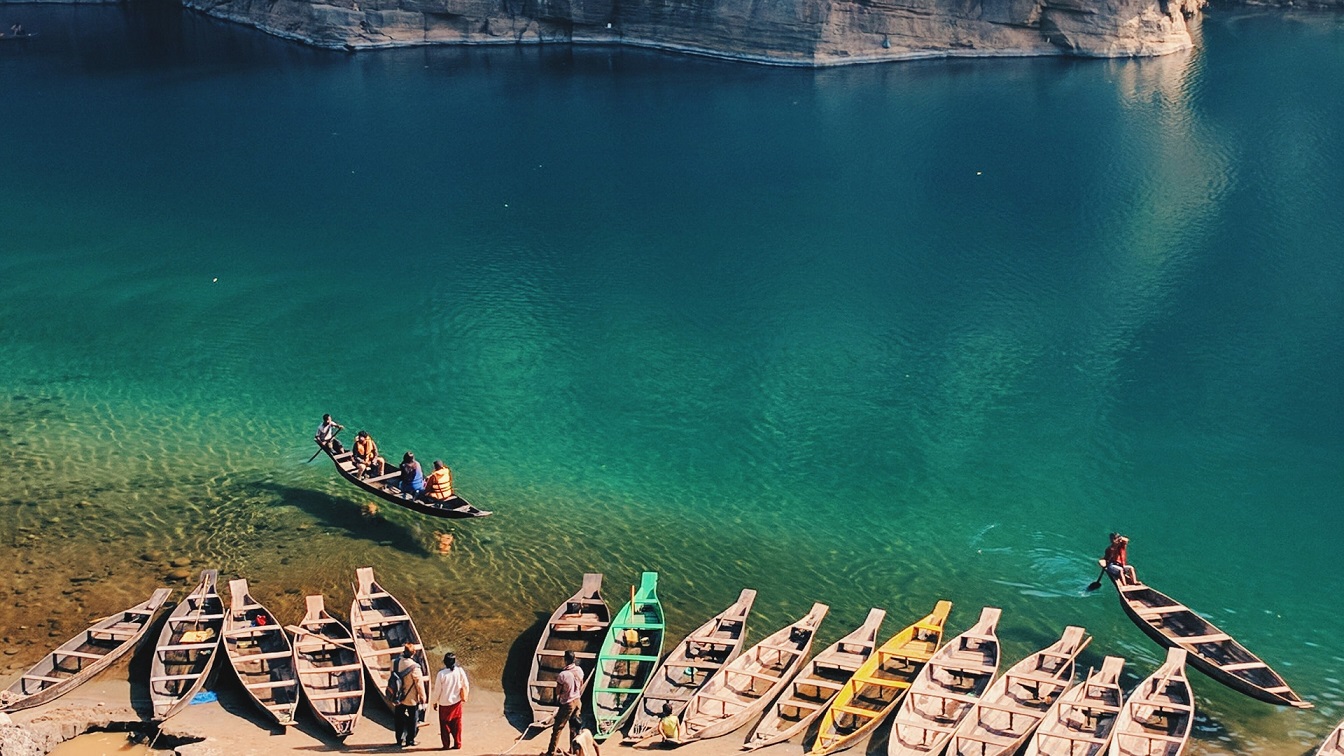
How to Reach Dawki Meghalaya: Route Options & Travel Planner
Use this route guide to reach Dawki from Shillong or Guwahati with practical transfer, timing, and transport tips.
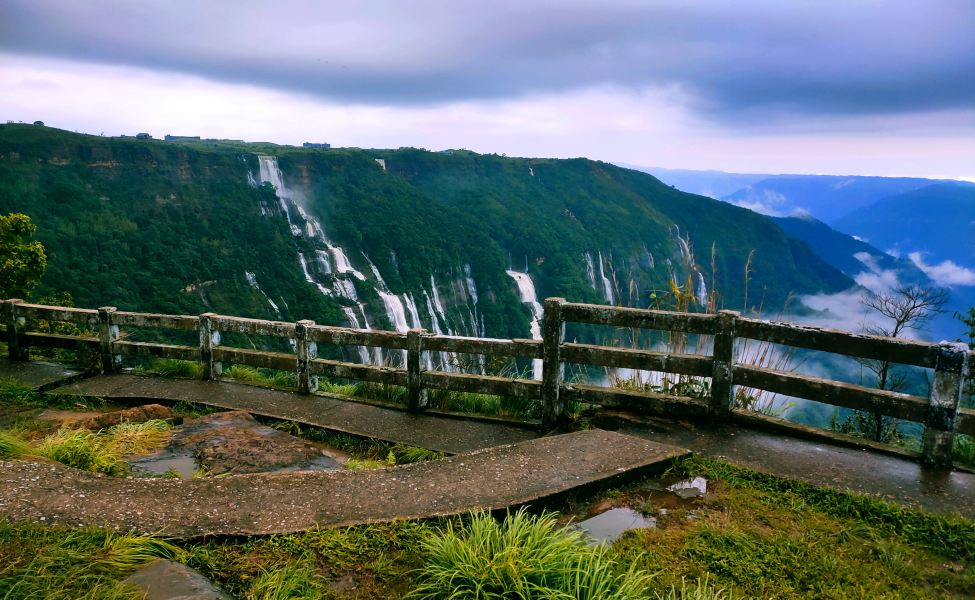
Meghalaya: Complete Travel Plan Places And Weather
Complete Meghalaya travel guide featuring living root bridges, Cherrapunji, Shillong, Dawki, caves, waterfalls & practical tips.
Never Miss an Adventure
Get the latest trekking guides, travel tips, and exclusive offers delivered straight to your inbox.
