
Balancing Rock Meghalaya: Geological Wonder, Location & Visit Tips
Rahul Garg
February 19, 2026
Discover Balancing Rock Meghalaya, a geological marvel defying gravity. Explore trek access, best time to visit, photography tips, and cultural significance of this natural wonder in East Khasi Hills.
Balancing Rock of Meghalaya: A Geological Wonder Near Cherrapunji
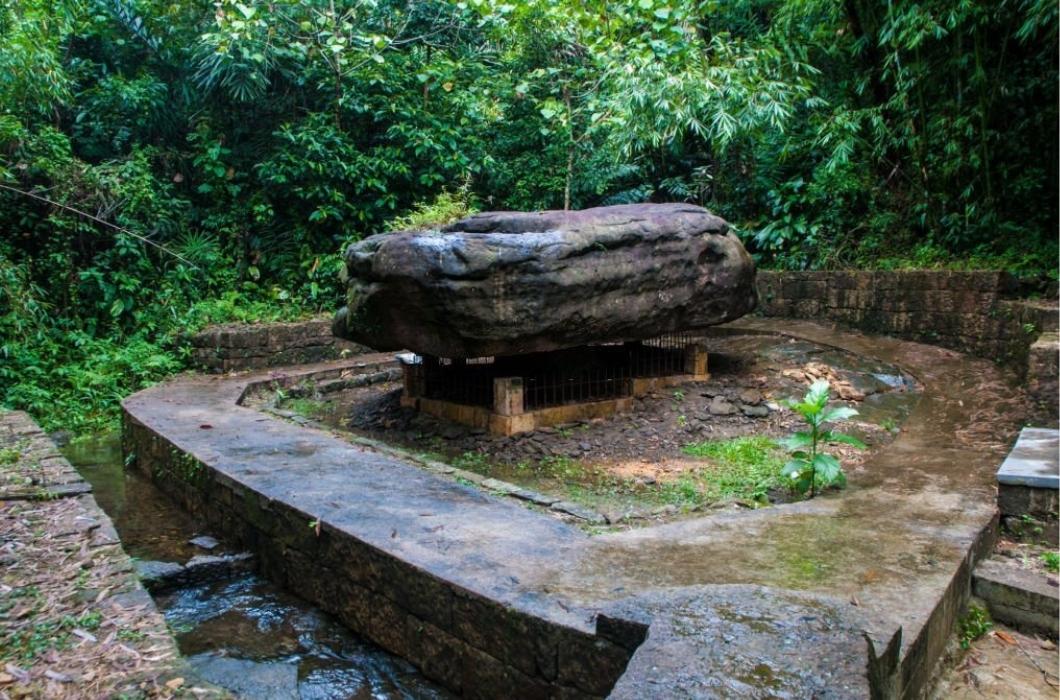
The Balancing Rock of Meghalaya is one of those places that instantly triggers the same question in every traveler: how is this still standing? Located in the Cherrapunji-Sohra region, the formation appears to defy gravity, with an upper boulder resting on a surprisingly small base. But beyond the visual shock, the site tells a deeper story about erosion, stability, and the long geological timeline of the Khasi Hills. If your Meghalaya route already includes broad circuits from Meghalaya travel guide plans or nature zones like Balpakram National Park, this is a smart half-day stop because it combines quick access with high visual reward. You can also pair it with regional hill drives covered in popular Meghalaya hill station itineraries and extend your northeast storytelling with the nearby mystery culture around Jatinga.
What Exactly Is the Balancing Rock?
In simple terms, it is a naturally formed rock arrangement where a larger upper mass appears to rest on a narrow contact zone. From some angles, the upper stone looks as if a small push could move it, yet it has stayed stable across years of weather exposure. This is not a sculpted monument and not a man-made trick. It is a geological outcome shaped by weathering, gravity, and resistant rock behavior over long periods. The visual illusion is strong because our brain expects wide support under heavy weight. Here, the support is present but less obvious than expected, which creates the famous "defying gravity" effect.
How the Formation Likely Happened
Meghalaya receives heavy rainfall and active surface weathering, especially around the Sohra belt. Over time, softer material erodes faster while harder sections remain. If erosion removes surrounding support gradually and leaves a dense core, unusual shapes can emerge. The balancing effect depends on three factors: center of mass alignment, friction at the contact interface, and base integrity. Even if the touching area looks tiny, stable mass distribution can keep the system in equilibrium. Wind, rain, and temperature shifts continue to shape the surface, but not always enough to break core balance quickly.
| Feature | Observation at Site | Scientific Note |
|---|---|---|
| Upper Boulder | Appears oversized for base | Visual illusion from viewing angle |
| Contact Point | Looks minimal | Friction and mass alignment provide stability |
| Surrounding Terrain | Eroded and uneven | Differential weathering is key process |
| Long-term Survival | Still intact despite weather | Rock strength + stable center of gravity |
Location and Access Planning
The balancing rock is generally visited from Shillong or while staying in Cherrapunji/Sohra. Road conditions are typically manageable on main stretches, but weather can reduce visibility and make side sections wet. If you are doing a one-day circuit from Shillong, start early and cluster nearby attractions efficiently. If staying in Sohra, visit in early morning for softer light and lower crowd pressure. Use local guidance where available, because small route deviations can save time and reduce confusion in fog-prone periods.
Best Time to Visit the Balancing Rock
October to April is usually preferred for clearer skies and easier movement. Monsoon months bring dramatic cloudscapes and intense greenery, but heavy rain may limit visibility and increase slip risk on approach paths. Photographers who want strong contrast often prefer post-monsoon mornings. Families with children or older travelers should prioritize dry-weather windows for safety and comfort.
- Clear sky advantage: Better structure visibility and cleaner photos.
- Monsoon caution: Beautiful but unpredictable with wet surfaces.
- Morning slot: Fewer people and gentler light.
- Weekday visits: Less crowding near viewpoints.

How Much Time You Need
The rock itself does not require an entire day. Most travelers spend 30 to 90 minutes at the core viewpoint depending on photography interest. The real planning question is what you combine it with. Add nearby caves, waterfalls, or scenic drives only if weather and daylight support it. A common mistake is stacking too many stops and rushing through each one. This site is most rewarding when you give yourself enough time to observe angles, understand the terrain, and capture thoughtful frames.
Photography Tips That Work
Because this site is all about perspective, camera placement matters more than expensive gear. Start with low-angle frames to exaggerate the balancing effect. Then try side-angle shots that reveal the support contact and surrounding slope. Include a person in one frame for scale. In bright conditions, lower exposure slightly to preserve rock texture. During cloudy weather, use neutral tones and avoid over-saturation in editing. If you are on mobile, tap-focus on the edge line between upper and lower boulders for cleaner contrast.

Is It Safe to Visit?
For most travelers, yes, if basic caution is followed. Stick to marked or commonly used paths, avoid climbing unstable edges, and wear shoes with grip. In wet weather, treat all mossy surfaces as slippery. Do not attempt risky "push-the-rock" poses for social media. The site is a natural formation, not an amusement structure, and small accidents usually happen when people ignore footing and edge awareness. Carry water, but keep your load light to move steadily on uneven ground.
Responsible Tourism at Geological Sites
Natural monuments degrade faster with careless handling. Avoid scratching rock surfaces, littering, or loud behavior that disturbs the setting. If locals request specific movement rules, follow them without debate. Tourism pressure in northeast landscapes has increased, and low-impact behavior is now essential for long-term preservation. Carry waste back, avoid plastic-heavy snacks, and keep photo sessions efficient so others can enjoy the viewpoint.
Pairing This Stop with Nearby Meghalaya Routes
The Balancing Rock works best in a wider Meghalaya nature loop. You can combine it with short cave visits, viewpoint halts, and local food stops in Sohra. Travelers with extra days can branch into deeper Meghalaya circuits and then move toward wildlife landscapes like Balpakram. If you are new to the region, begin with a structured route from a complete Meghalaya guide so road timing and weather windows are realistic.
Common Misconceptions
"It is a fake structure built for tourists"
No, the formation is natural and driven by long-term erosion patterns.
"It can collapse anytime"
Any natural rock can change over long timescales, but visible balance does not automatically mean immediate instability.
"You can finish it in 10 minutes"
You can see it quickly, but thoughtful observation, photography, and route integration need more time.
Final Takeaway
The Balancing Rock of Meghalaya is more than a quick photo stop. It is a compact lesson in geology, perception, and patience. Plan your visit in the right weather window, spend time understanding the formation from different angles, and keep your travel behavior low-impact. Done right, this short stop becomes one of the most memorable and educational highlights of a Cherrapunji itinerary.
Educational Value for Students and Young Travelers
The balancing rock is also a useful field example for basic geology learning. Concepts like weathering, erosion, friction, and center of gravity become much easier to understand when seen in real terrain. Teachers and student groups can use this site to discuss how landforms evolve over time and why visual appearance can differ from structural stability. For curious travelers, this turns a short sightseeing stop into a deeper natural science experience.
Quick Summary
Visit in clear weather, use safe footing, and spend time observing angles. The balancing rock rewards patience more than speed.
Location
Frequently Asked Questions
Q1.Where is the Balancing Rock of Meghalaya located?
Q2.What is the best time to visit the Balancing Rock?
Q3.How difficult is the trek to the Balancing Rock?
Q4.Is there an entry fee to visit the Balancing Rock?
Q5.How do I reach the Balancing Rock from Cherrapunji?
Q6.What should I carry for the Balancing Rock trek?
Q7.Can I combine Balancing Rock visit with other Meghalaya attractions?
Q8.What are the photography opportunities at the Balancing Rock?
Recommended For You
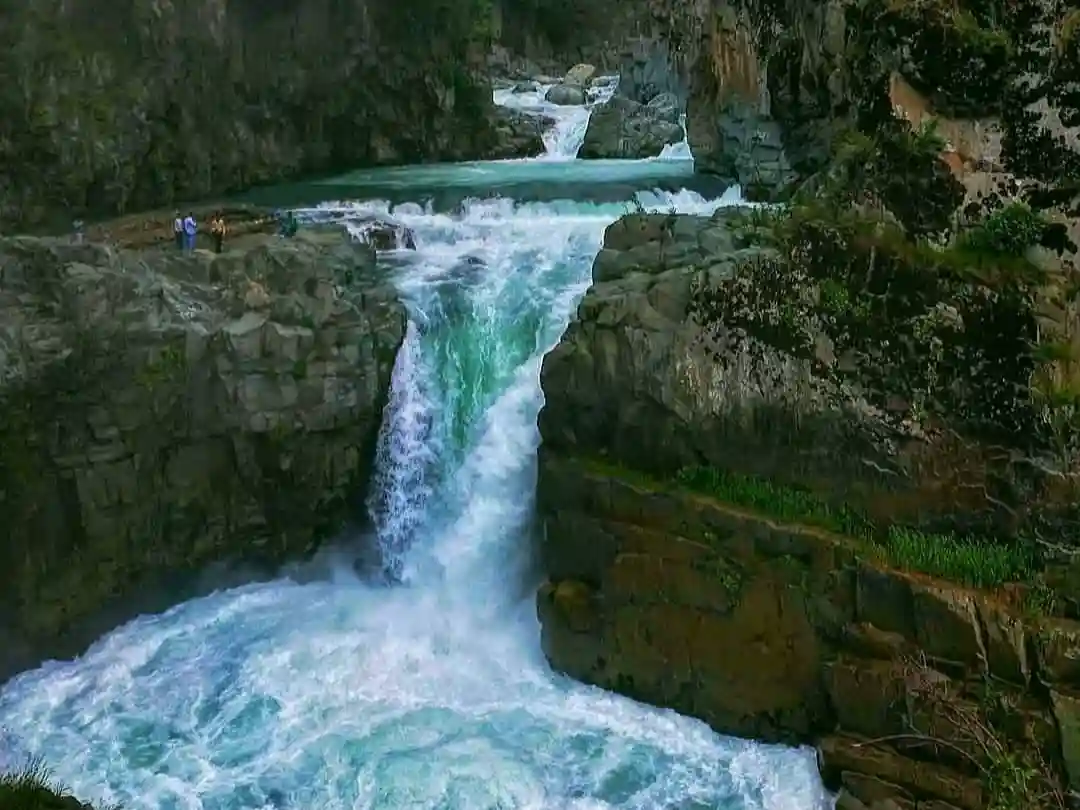
Aharbal Waterfall Kashmir: Trek Guide & Tips
Discover Aharbal Waterfall, the Niagara of Kashmir. Complete trek guide, best time to visit, how to reach from Srinagar & photography tips for this spectacular Kashmiri waterfall.
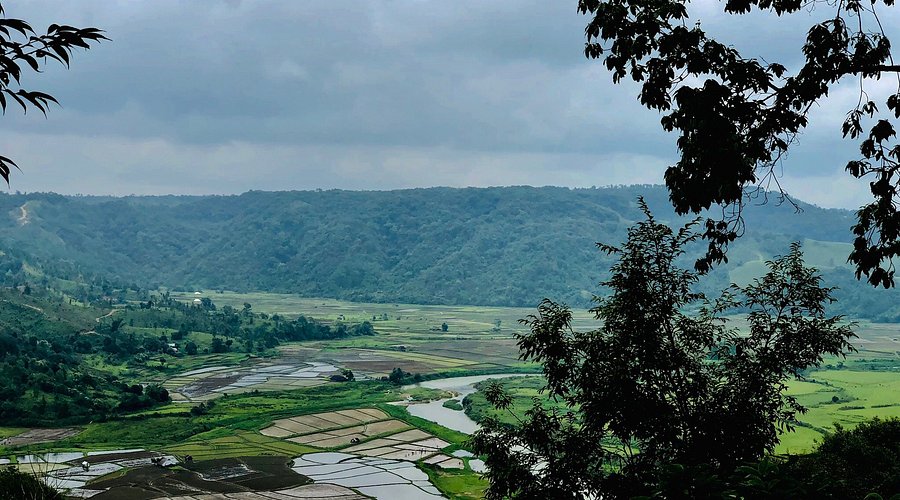
Lalong Park Meghalaya: Jowai Viewpoint, Entry & Visitor Info
Complete Lalong Park Meghalaya guide with Myntdu viewpoint details, best season, route planning from Shillong/Jowai, nearby attractions, and travel tips.
Dal Lake Srinagar: Shikara Rides, Houseboats & Stay Planning
Plan your Dal Lake Srinagar visit with practical shikara timing, houseboat stay tips, nearby attractions, and route-smart travel advice. Experience the jewel of Kashmir with our comprehensive guide.
Never Miss an Adventure
Get the latest trekking guides, travel tips, and exclusive offers delivered straight to your inbox.
