
Travel
Spiti Valley in August: Weather, Road Status & Travel Tips

Neha Kapoor
December 19, 2025
9 min read2,436 views
Visit Spiti Valley in August! Guide to weather, rain, road conditions, temperature, Manali route & monsoon travel tips.
Spiti Valley in August: Monsoon Magic
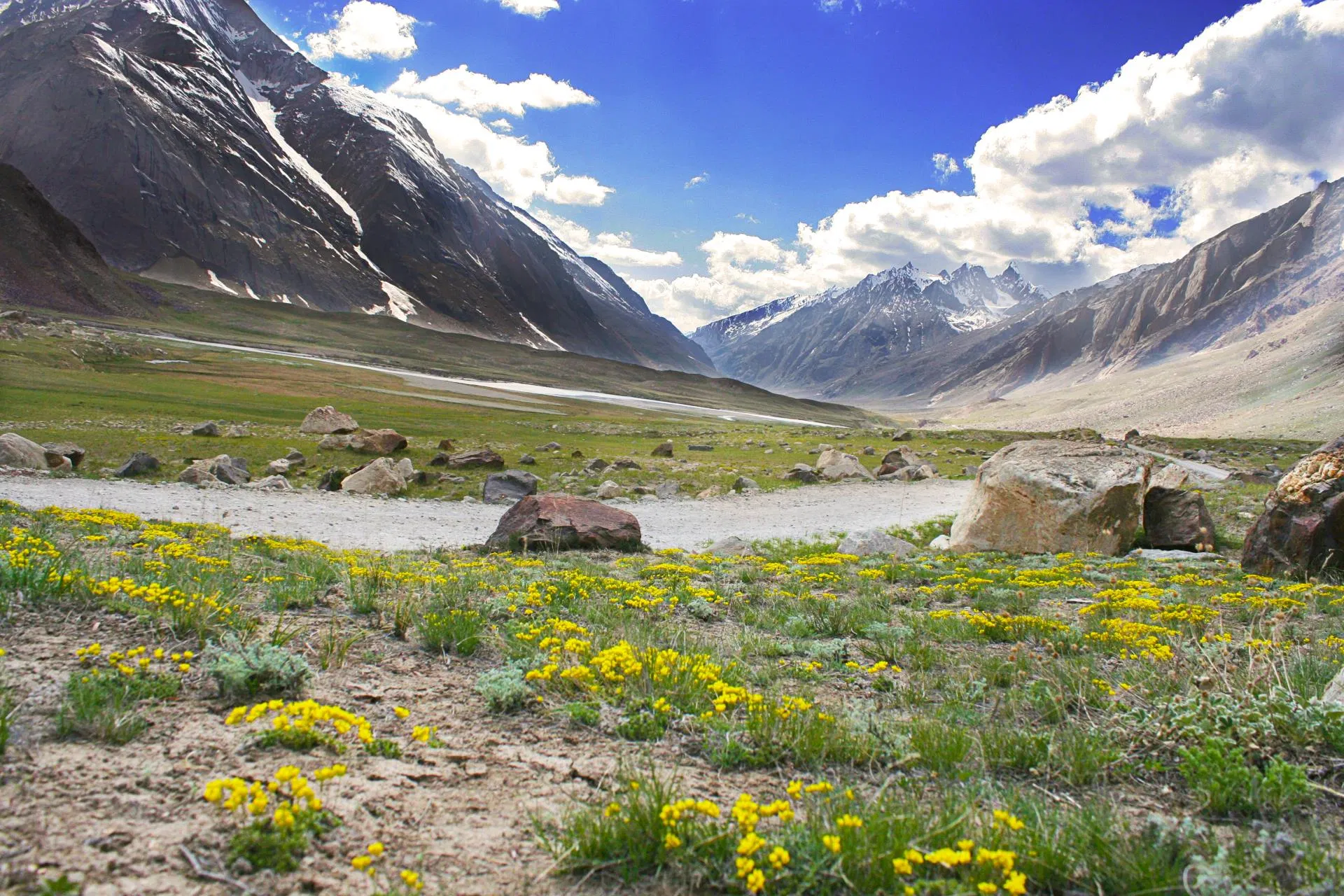
August transforms Spiti Valley into a dramatic landscape where lush green valleys meet cloudy mountain skies. As peak monsoon season arrives, this cold desert region reveals a completely different personality. The normally arid terrain bursts with vegetation, creating striking contrasts against the barren mountains that define Spiti's character. Traveling to Spiti in August requires careful planning. The region experiences moderate to heavy rainfall, road conditions become challenging, and weather patterns remain unpredictable. Yet for those who embrace the uncertainty, August offers unique rewards: vibrant landscapes, fewer tourists than peak season, and a chance to see Spiti's rarely seen green avatar. For comprehensive season planning, also check our guides on Spiti Valley in July and best time to visit Spiti Valley for broader seasonal context.
Weather in August: Rain and Greenery
August brings distinctive weather patterns to Spiti Valley. Day temperatures range from 12°C to 20°C, creating pleasant conditions for exploration despite the rain. Night temperatures drop between 5°C and 10°C, so warm clothing remains essential. Rainfall in August varies from moderate to heavy depending on the specific location within Spiti. The valley receives significantly less precipitation compared to lower Himalayan regions, but when rain arrives, it transforms the landscape dramatically. Skies remain overcast for extended periods, creating moody, atmospheric photography conditions.| Weather Aspect | August Condition | Travel Impact |
|---|---|---|
| Day Temperature | 12°C - 20°C | Pleasant for sightseeing |
| Night Temperature | 5°C - 10°C | Warm layers needed |
| Rainfall | Moderate to heavy | Road challenges, lush greenery |
| Sky Conditions | Cloudy, overcast | Dramatic landscapes, limited views |
Road Conditions: Planning Around Monsoon
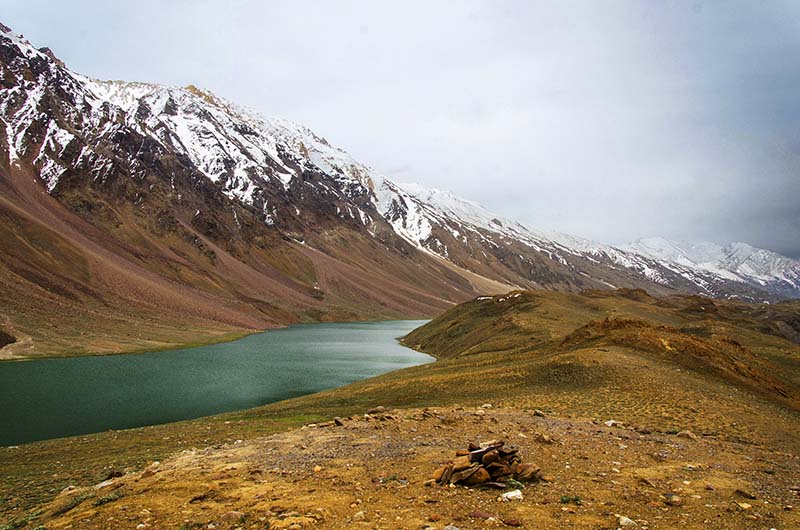
Road status in August requires constant monitoring. Both main approaches to Spiti—the Manali-Kaza route via Kunzum Pass and the Shimla-Kaza route via Kinnaur—remain operational but present different challenge levels during monsoon. The Manali-Kaza route becomes particularly demanding in August. Kunzum Pass, though open, often experiences difficult conditions with rain making the terrain slushy and unpredictable. Rohtang Pass, which connects Manali to the Spiti road, faces rain-related challenges that can cause temporary closures or significant delays.Route Assessment for August:
- Manali-Kaza Route: Open but risky, requires experienced drivers, kunzum Pass sections challenging, water crossings increase significantly.
- Shimla-Kaza Route: Generally safer option, more stable road surface, fewer landslide zones, better maintained during monsoon.
- Inner Valley Roads: Generally passable, connections to Kibber, Langza, Komic remain accessible, minor slush in sections.
Things to Do in August: Monsoon Activities
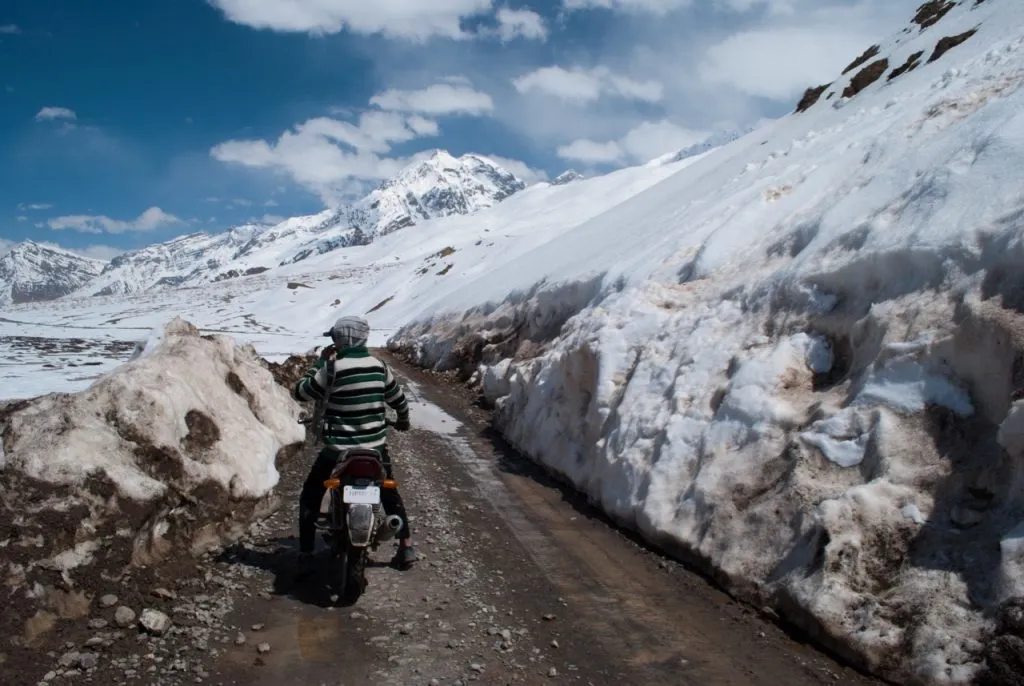
Despite weather constraints, August provides distinctive Spiti experiences. Monastery visits remain fully accessible as these spiritual centers operate regardless of rain. Key Monastery, Dhankar Monastery, Tabo Monastery, and Komic Monastery all welcome visitors, offering sheltered exploration when outdoor conditions deteriorate. Village exploration takes on special character during monsoon. The lush surroundings create unusual backdrops for places like Kibber, Langza, and Hikkim. Walking through villages reveals different dimensions—waterfalls cascade from cliffs, wildflowers bloom in unexpected places, and agricultural fields display peak growth.August Activity Highlights:
- Monastery Circuit: All major monasteries accessible, fewer crowds than peak season, atmospheric photography in cloudy light.
- Village Life: Lush agricultural landscapes, active farming season, local festivals if aligned with calendar.
- Photography: Green valley dramatics, monsoon cloud formations, waterfall photography, moody mountain portraits.
- Chandratal Lake: Accessible but challenging, road conditions volatile, attempt only with current status confirmation.
- Camping: Possible with extreme caution, elevated sites preferred, weather monitoring essential.
What to Pack: Monsoon Essentials
Packing for August requires comprehensive rain preparation. Complete rain gear becomes non-negotiable—a high-quality rain jacket, waterproof pants, and rain covers for backpacks form the foundation of a functional monsoon kit. Quick-dry clothing should replace cotton materials. Multiple sets of moisture-wicking base layers, synthetic or wool mid-layers, and fast-drying pants make the difference between comfort and misery when rain persists for days. Warm layers remain crucial as August nights can still drop significantly in temperature.Essential August Packing List:
- Rain Protection: Waterproof jacket with hood, rain pants, backpack rain cover, waterproof stuff sacks for electronics.
- Footwear: Waterproof hiking boots with good grip, gaiters for stream crossings, extra socks (quick-dry).
- Clothing: Synthetic/wool base layers, fleece jacket, down jacket for nights, quick-dry pants, warm hat.
- Accessories: Sturdy umbrella (wind-resistant), waterproof gloves, sunglasses with strap, wide-brim hat.
- Protection: Dry bags for electronics, Ziploc bags for documents, waterproof phone case, camera rain cover.
- Medicines: Cold and fever medication, stomach upset remedies, first aid kit, any personal prescriptions.
- Emergency: Energy bars, water purification method, emergency blanket, headlamp with batteries.
Pros & Cons of August Visit
Understanding August's advantages and challenges helps set realistic expectations. This season appeals strongly to specific traveler types while presenting significant hurdles for others.Advantages of August Travel:
The green landscape represents August's most distinctive benefit. Spiti's typically brown terrain transforms into verdant valleys, creating visual contrasts impossible in other months. This unique aesthetic attracts photographers seeking imagery that stands apart from standard Spiti portfolios. Fewer crowds compared to June-July provide a more intimate experience. Popular sites like Key Monastery and Chandratal see reduced tourist pressure, allowing quieter exploration and better photography without people cluttering frames. Accommodation availability generally improves, and some homestays offer lower rates. Pleasant temperatures—cool days without extreme cold—create comfortable exploration conditions. The rain, while inconvenient, rarely renders activities impossible. Most days feature some weather windows where outdoor movement is feasible.Challenges of August Travel:
Rain becomes the primary constraint. Persistent showers can delay road movement, make hiking uncomfortable, and limit mountain visibility. Photography of expansive landscapes becomes challenging when cloud cover dominates. Landslide risk, particularly on the Manali route, represents a serious safety consideration. Road blocks can extend from hours to days, potentially derailing tight itineraries. Some remote sections may become temporarily inaccessible. Limited mountain views frustrate travelers seeking classic Spiti vistas. Famous snow-capped peak perspectives often remain obscured by clouds. Clear sunrise/sunset opportunities occur less frequently than in shoulder seasons.| Aspect | Best For | Not Ideal For |
|---|---|---|
| Experience | Adventure seekers, nature lovers, photographers seeking unique aesthetics | First-time visitors, those wanting guaranteed clear views |
| Road Conditions | Flexible travelers, those with buffer days | Tight schedulers, motion-sensitive travelers |
| Accommodation | Budget travelers, last-minute planners | Those wanting specific premium properties |
Monsoon Travel Tips: August Success Strategies
Successful August travel requires specific approaches that differ significantly from peak season planning. Weather monitoring begins well before departure and continues throughout the trip.Planning Phase:
Start road status monitoring at least one week before travel. Connect with local hotels, taxi operators, and travel agencies for current conditions. Cross-check information from multiple sources—social media groups, highway department websites, and recent traveler reports provide the most reliable picture. Build substantial buffer days into itineraries. A seven-day Spiti circuit in August should include at least two buffer days for weather and road contingencies. Position these buffers strategically rather than consecutively at the end—spread them through the itinerary to absorb delays without completely derailing the trip. Choose routes strategically. The Shimla-Kinnaur approach generally offers better monsoon reliability. If attempting the Manali route, consider entering via Shimla and exiting via Manali (or vice versa) rather than attempting both approaches in monsoon conditions.During the Trip:
Start each travel day early. August weather patterns typically worsen as the day progresses. Morning road movement offers the best chance of completing segments before rain intensifies. Plan to reach destinations by early afternoon when possible. Avoid night driving absolutely. Rain-slicked roads combined with reduced visibility and potential rockfall make night travel extremely dangerous. If running late, stop at the nearest safe accommodation rather than pushing through. Carry emergency supplies consistently. Food, water, warm layers, and basic first aid should remain accessible in the vehicle, not buried under luggage. Road blocks can leave travelers stranded for extended periods without these essentials. Stay flexible with plans. August itineraries should evolve based on current conditions rather than rigidly following pre-trip schedules. Some attractions may become inaccessible; others may unexpectedly open. The ability to adapt determines trip quality more than the original plan. Choose experienced drivers for taxi travel. Local drivers who know August road conditions, landslide zones, and alternative routes prove invaluable. Their ability to assess conditions in real-time prevents situations that might challenge inexperienced drivers.Respecting Monsoon Nature
August travel demands extra environmental consideration. Rain increases erosion risks, and off-road driving can cause lasting damage to fragile terrain. Stick to established roads even if conditions suggest shortcuts might save time. River crossings require specific approaches. Assess water depth and current strength before attempting. Morning crossings typically prove safer as overnight temperatures reduce flow. Never attempt crossings that exceed vehicle capability or driver experience. Campsite selection demands elevated positions away from watercourses. Flash floods can occur even in areas that seem safe during dry weather. Set up tents on well-drained ground with natural windbreaks when possible. Minimize footprint during monsoon travel. The same rain that creates lush growth also makes terrain more vulnerable to damage. Stick to trails, avoid trampling vegetation, and practice responsible waste management even when conditions make proper disposal challenging.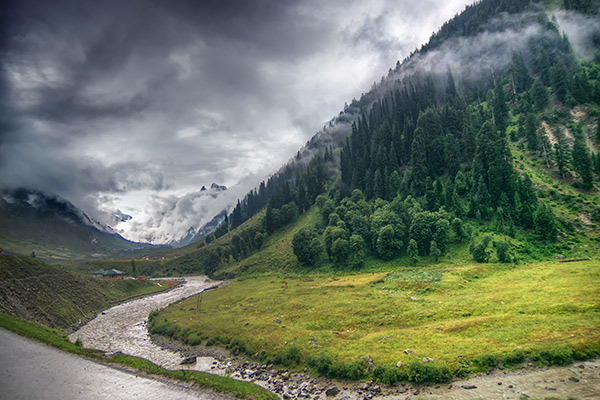
Conclusion: August in Spiti
Spiti Valley in August demands respect for monsoon power while rewarding travelers with unique Himalayan experiences. The green landscapes, dramatic skies, and fewer crowds create distinctive memories for those who embrace weather uncertainty. Success depends on flexibility, thorough preparation, and realistic expectations. August rewards the adaptable traveler who views rain and road challenges as part of the adventure rather than obstacles to perfect sightseeing. For those seeking Spiti's classic, clear-sky vistas, other seasons serve better. But for photographers wanting unique imagery, adventurers drawn to weather extremes, and travelers who've already experienced Spiti in peak conditions, August reveals an entirely different dimension of this remarkable valley. Match your travel goals to seasonal realities, prepare comprehensively for monsoon conditions, and August in Spiti delivers one of the Himalaya's most distinctive high-altitude experiences.Location
Frequently Asked Questions
Q1.Is Spiti open in August?
Yes, Spiti Valley remains open in August. Both the Manali-Kaza route via Kunzum Pass and the Shimla-Kaza route via Kinnaur are operational, though road conditions become challenging due to monsoon rains. The Shimla route is generally safer and more reliable during August.
Q2.Does it rain in Spiti in August?
Yes, August is peak monsoon season in Spiti Valley. The region receives moderate to heavy rainfall, though significantly less than lower Himalayan areas. Rain transforms the arid landscape into lush green valleys but also creates challenging road conditions and landslide risks in exposed sections.
Q3.Are roads to Spiti open in August?
Both main routes to Spiti remain open in August, but conditions vary. The Manali-Kaza route via Kunzum Pass faces more challenges with slushy roads and water crossings. The Shimla-Kinnaur route is generally safer with better road infrastructure. Constant road status monitoring is essential, and buffer days should be included in itineraries.
Q4.How is the weather in Spiti in August?
August weather in Spiti features day temperatures between 12°C to 20°C and night temperatures dropping to 5°C to 10°C. Skies are typically cloudy and overcast with moderate to heavy rainfall. The cool temperatures remain pleasant for exploration despite the rain, but warm layers are essential for nights.
Q5.Can we visit Spiti in monsoon?
Yes, you can visit Spiti during monsoon season (July-August), but it requires careful planning. The valley receives less rainfall than other Himalayan regions, making travel feasible with proper preparation. Key considerations include choosing safer routes (Shimla over Manali), including buffer days, carrying comprehensive rain gear, and maintaining flexible itineraries.
Q6.Is August a good time to visit Spiti?
August is good for specific types of travelers—adventure seekers, photographers seeking unique monsoon aesthetics, and those wanting to avoid peak crowds. The lush green landscapes offer unique photo opportunities. However, it's not ideal for first-time visitors wanting guaranteed clear mountain views, or those with tight schedules, as rain and road disruptions are common.
Q7.What to pack for Spiti in August?
Essential August packing includes complete rain gear (waterproof jacket, pants, backpack cover), quick-dry synthetic or wool clothing, warm layers for cold nights, waterproof hiking boots with good grip, gaiters for stream crossings, a sturdy umbrella, waterproof protection for electronics, and emergency supplies including food, water, and first aid.
Q8.Is Manali-Kaza road safe in August?
The Manali-Kaza road in August is challenging but possible with proper precautions. Kunzum Pass and Rohtang Pass sections face rain-related issues including slush, water crossings, and landslide risks. The route is safest for experienced drivers or those hiring local taxis. Flexible scheduling with buffer days is essential, and road status should be monitored continuously.
Recommended For You
Hill Stations
Spiti Valley in Summer: Complete Travel Guide, Itinerary & Tips 2026
Discover Spiti Valley in summer with complete travel guide featuring 7-10 day itineraries, trekking routes, monasteries, Chandratal Lake, and essential tips for 2026.
Jan 19Read More
Travel
How To Reach Spiti Valley: Routes And Travel Options
Planning a trip to Spiti Valley? Learn how to reach Spiti from Manali & Shimla by road, flight & train. Get routes, timings, permits & essential travel tips.
Feb 14Read More
Travel
Spiti Valley in March: Snow Conditions, Accessibility & Itinerary Ideas
Visit Spiti Valley in March! Guide to weather, snow, road conditions, temperature, Manali route & spring travel tips.
Feb 18Read More
Never Miss an Adventure
Get the latest trekking guides, travel tips, and exclusive offers delivered straight to your inbox.
