
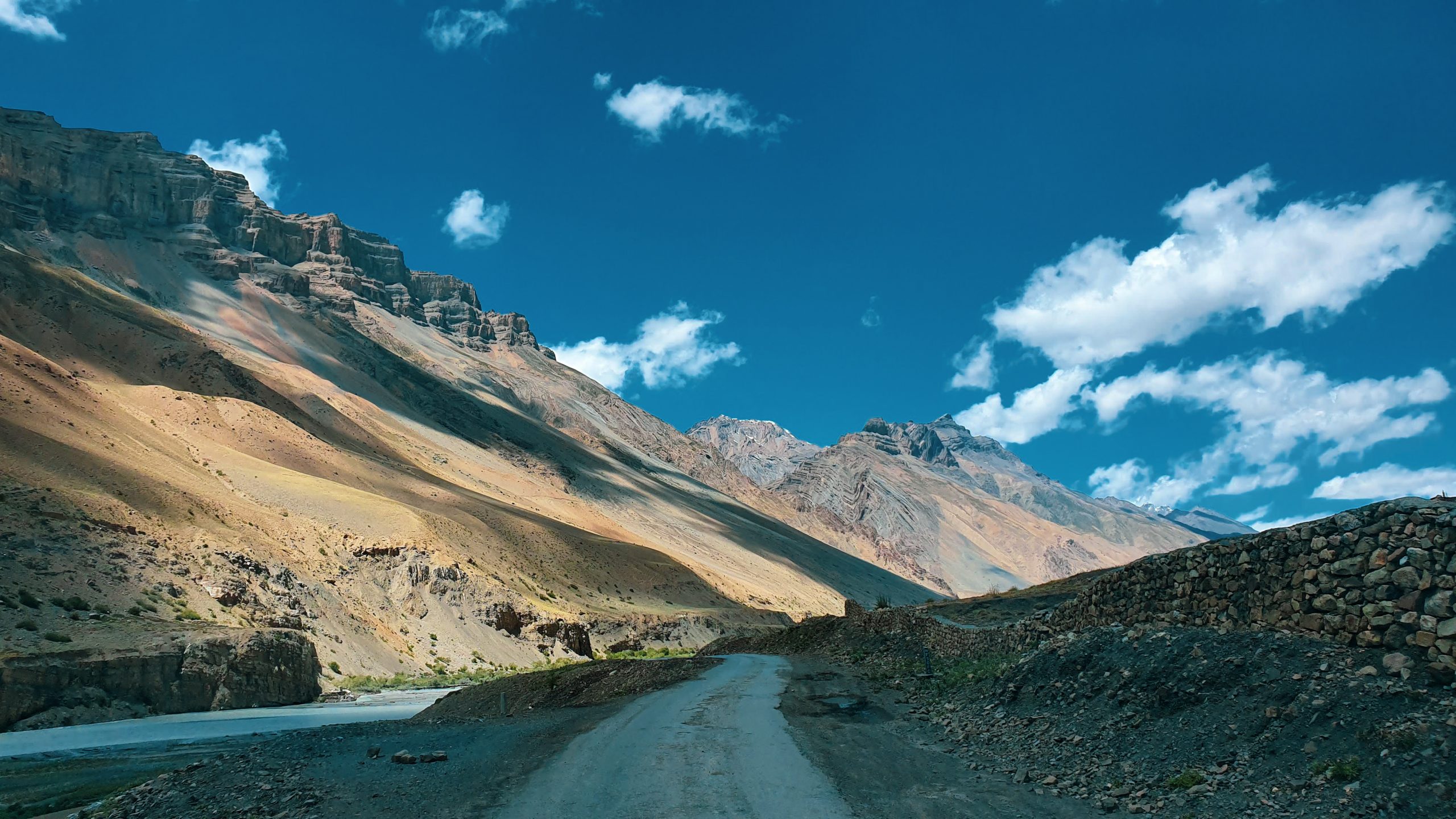
Manali to Kaza: Route Guide & Travel Tips

Neha Kapoor
January 10, 2026
Complete travel guide from Manali to Kaza covering distance, road conditions, transport options, best time to travel, altitude tips, and essential journey advice.
Manali to Kaza Route Guide: Distance, Road, and Travel Plan
The Manali to Kaza route is one of India’s most dramatic mountain drives, connecting lush Himachal landscapes to the stark high-altitude terrain of Spiti. Travelers searching this keyword usually need route truth, not romantic headlines: how long does it take, when is it open, what are road risks, and what is the best way to travel. This guide gives practical answers for safer planning.
The route can be beautiful and brutal in the same day, so planning quality matters more than vehicle type alone. For full circuit context, pair this with Manali to Spiti route and Spiti summer guide before locking dates.

Manali to Kaza Distance and Time
The journey is roughly 200 km depending on exact stop points and diversions. Travel time can range from 8 to 12+ hours based on road conditions, weather, and traffic bottlenecks. Do not plan using plain distance logic. In mountain terrain, road quality and altitude are primary variables.
A practical approach is to keep one buffer day in your itinerary. Weather shifts and slow sections can stretch expected arrival significantly.
Route Overview
The classic route moves from Manali through higher mountain sections, crossing key passes before descending into Spiti side settlements and finally reaching Kaza. Conditions can vary sharply by section. Early departures are strongly recommended to maximize daylight driving.
If you are unfamiliar with mountain driving, hiring an experienced local driver is often safer than self-driving for first-timers.
Best Time to Travel Manali to Kaza
The route is generally preferred in operational season windows when pass access is stable. Shoulder months can be scenic but unpredictable. Monsoon influence and residual snow can change road behavior fast. Always verify current updates before departure day.
For month-specific decisions, compare with Manali in May and Spiti in August to align weather tolerance with your travel style.

By Car, Taxi, or Bus
Private car or self-drive
Offers flexibility but requires confidence in mountain terrain, loose surfaces, and long high-altitude stretches. Keep vehicle health check mandatory before departure.
Taxi
Best for travelers prioritizing safety and lower driving stress. Cost is higher but route expertise can save time and risk.
Bus
Budget-friendly option in operational season. Timings and comfort can vary, so verify current schedules locally.
Stops Worth Planning
Short planned pauses improve safety and fatigue control. Choose stops for hydration, acclimatization checks, and photo breaks without overextending timeline. Avoid too many long halts if weather windows are uncertain.
If you are continuing deeper into valley villages, extend planning with Nako stay guide and Tabo Monastery route.

Road Conditions and Risk Factors
Expect mixed surfaces, broken patches, water crossings in some phases, and narrow sections where overtaking is unsafe. Do not drive aggressively for time recovery. Slow consistency wins on this route.
Start early, avoid late-night stretches, and keep weather checks active throughout the day. If visibility drops sharply, prioritize safety stop over forced progress.
Packing and Preparation Checklist
- Warm layered clothing and rain protection.
- Offline maps and network backup.
- Snacks, hydration, and personal medication.
- Cash reserves for low-connectivity zones.
- Vehicle essentials: spare tire, toolkit, basic emergency support.
Altitude and Health Management
As altitude rises, hydrate consistently and avoid heavy meals during long driving windows. If anyone in group shows persistent headache, nausea, or unusual fatigue, slow down and reassess. Health-first pacing is essential for this corridor.
Sample Route Plan
Plan A (single stretch): only for experienced teams with early start and strong weather. Plan B (split movement): safer for first-timers, with overnight break and acclimatization margin. Most travelers get better outcomes with split plans.
Final Verdict
Manali to Kaza is one of the most memorable Himalayan drives, but only when approached with discipline. Plan by weather, not ego. Keep buffer, start early, and choose route pace that matches your team’s skill and altitude comfort.
For complete Spiti transition planning, also review Spiti seasonal conditions and Manali seasonal prep before final departure.
Detailed Itinerary Optimization
A stronger trip comes from sequencing, not just destination count. Keep each day focused on one core movement axis and one flexible backup option. For example, in mountain routes, start with viewpoint windows in the morning and keep denser transfers for later only if weather remains stable. This pattern protects both safety and travel satisfaction while reducing rushed decision-making.
Meal and rest planning also influence experience quality more than most travelers expect. Schedule one stable meal stop and one lighter break in every active day. Hydration and temperature management are especially important in high-altitude or coastal humidity conditions. These small decisions improve energy, photography outcomes, and your ability to adapt when plans shift.
Accommodation selection should be based on route logic, not only visuals. A scenic stay that adds two hours of daily commute can reduce overall trip quality. Prioritize location, access reliability, and essential comfort features. If remote work or calls are needed, confirm network consistency before booking. For family travel, check meal timing and heating or cooling support in advance.
When weather uncertainty is high, build a layered plan: primary route, secondary route, and local fallback loop. This avoids day loss and keeps momentum during unpredictable windows. Keep offline maps, cash backup, and emergency essentials ready. Experienced travelers treat these as standard planning, not optional extras.
If you are extending the journey, useful related reading includes manali to spiti valley, spiti valley summer, manali in may, spiti valley august.
Local Culture and Responsible Travel
Respect for local culture improves both safety and hospitality outcomes. Dress appropriately in spiritual spaces, ask before close-up photography, and avoid high-noise behavior in quiet settlements. In sensitive ecological zones, follow no-litter discipline and avoid single-use plastics where possible. Responsible behavior helps preserve destinations and keeps local communities supportive of tourism.
Support local businesses where feasible: guides, homestays, regional eateries, and small handicraft sellers. This gives your trip stronger local value and often produces better insight than standardized tourist circuits. Authentic recommendations usually come from people who live in the destination, so leave time for conversation and flexible discovery.
Finally, maintain realistic pace. High-output itineraries look impressive on paper but often reduce enjoyment in real conditions. A good trip is not measured by maximum check-ins, but by quality of experience, safety, and meaningful memory retention. Plan smart, stay flexible, and let the destination unfold with its natural rhythm.
Detailed Itinerary Optimization
A stronger trip comes from sequencing, not just destination count. Keep each day focused on one core movement axis and one flexible backup option. For example, in mountain routes, start with viewpoint windows in the morning and keep denser transfers for later only if weather remains stable. This pattern protects both safety and travel satisfaction while reducing rushed decision-making.
Meal and rest planning also influence experience quality more than most travelers expect. Schedule one stable meal stop and one lighter break in every active day. Hydration and temperature management are especially important in high-altitude or coastal humidity conditions. These small decisions improve energy, photography outcomes, and your ability to adapt when plans shift.
Accommodation selection should be based on route logic, not only visuals. A scenic stay that adds two hours of daily commute can reduce overall trip quality. Prioritize location, access reliability, and essential comfort features. If remote work or calls are needed, confirm network consistency before booking. For family travel, check meal timing and heating or cooling support in advance.
When weather uncertainty is high, build a layered plan: primary route, secondary route, and local fallback loop. This avoids day loss and keeps momentum during unpredictable windows. Keep offline maps, cash backup, and emergency essentials ready. Experienced travelers treat these as standard planning, not optional extras.
If you are extending the journey, useful related reading includes manali to spiti valley, spiti valley summer, manali in may, spiti valley august.
Local Culture and Responsible Travel
Respect for local culture improves both safety and hospitality outcomes. Dress appropriately in spiritual spaces, ask before close-up photography, and avoid high-noise behavior in quiet settlements. In sensitive ecological zones, follow no-litter discipline and avoid single-use plastics where possible. Responsible behavior helps preserve destinations and keeps local communities supportive of tourism.
Support local businesses where feasible: guides, homestays, regional eateries, and small handicraft sellers. This gives your trip stronger local value and often produces better insight than standardized tourist circuits. Authentic recommendations usually come from people who live in the destination, so leave time for conversation and flexible discovery.
Finally, maintain realistic pace. High-output itineraries look impressive on paper but often reduce enjoyment in real conditions. A good trip is not measured by maximum check-ins, but by quality of experience, safety, and meaningful memory retention. Plan smart, stay flexible, and let the destination unfold with its natural rhythm.
Location
Frequently Asked Questions
Q1.What is the distance from Manali to Kaza?
Q2.What is the road condition from Manali to Kaza?
Q3.When is the best time to travel from Manali to Kaza?
Q4.How much is the taxi fare from Manali to Kaza?
Q5.Are buses available from Manali to Kaza?
Q6.What is the altitude of Kunzum Pass?
Q7.Is it safe to drive from Manali to Kaza?
Q8.What permits are required for Manali to Kaza journey?
Recommended For You
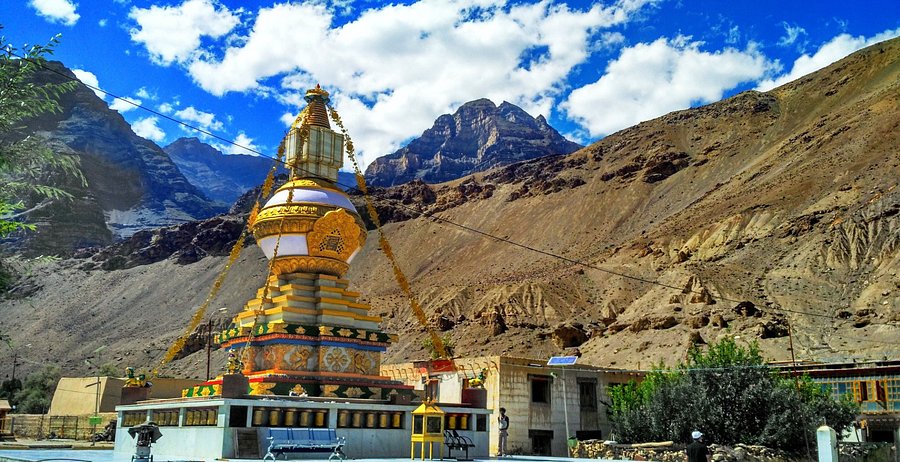
Tabo Monastery Spiti: Guide, History & Stay
Tabo Monastery in Spiti Valley guide! 1000-year-old temple complex, ancient Buddhist art, accommodation & how to reach.
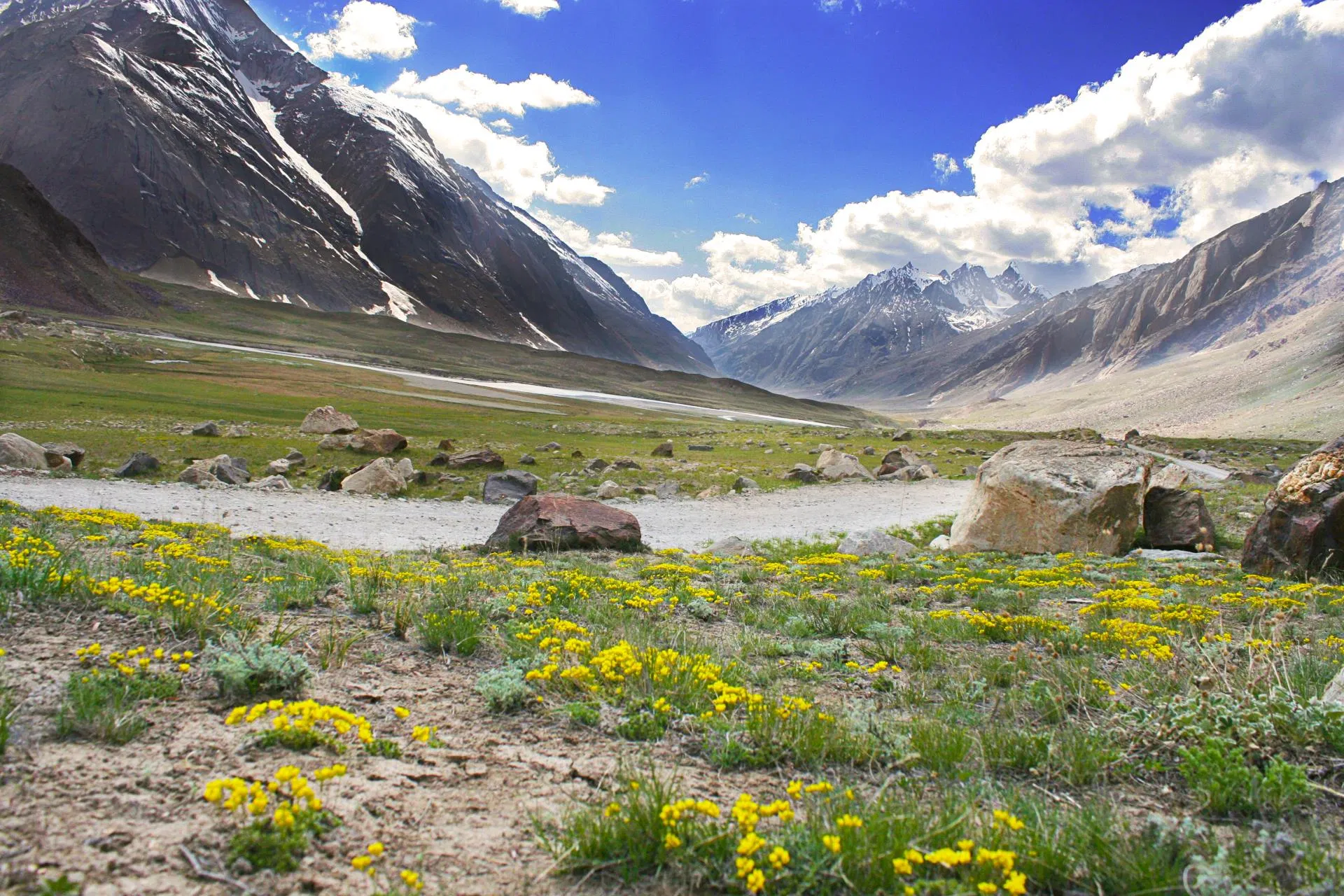
Spiti Valley in August: Weather, Road Status & Travel Tips
Visit Spiti Valley in August! Guide to weather, rain, road conditions, temperature, Manali route & monsoon travel tips.
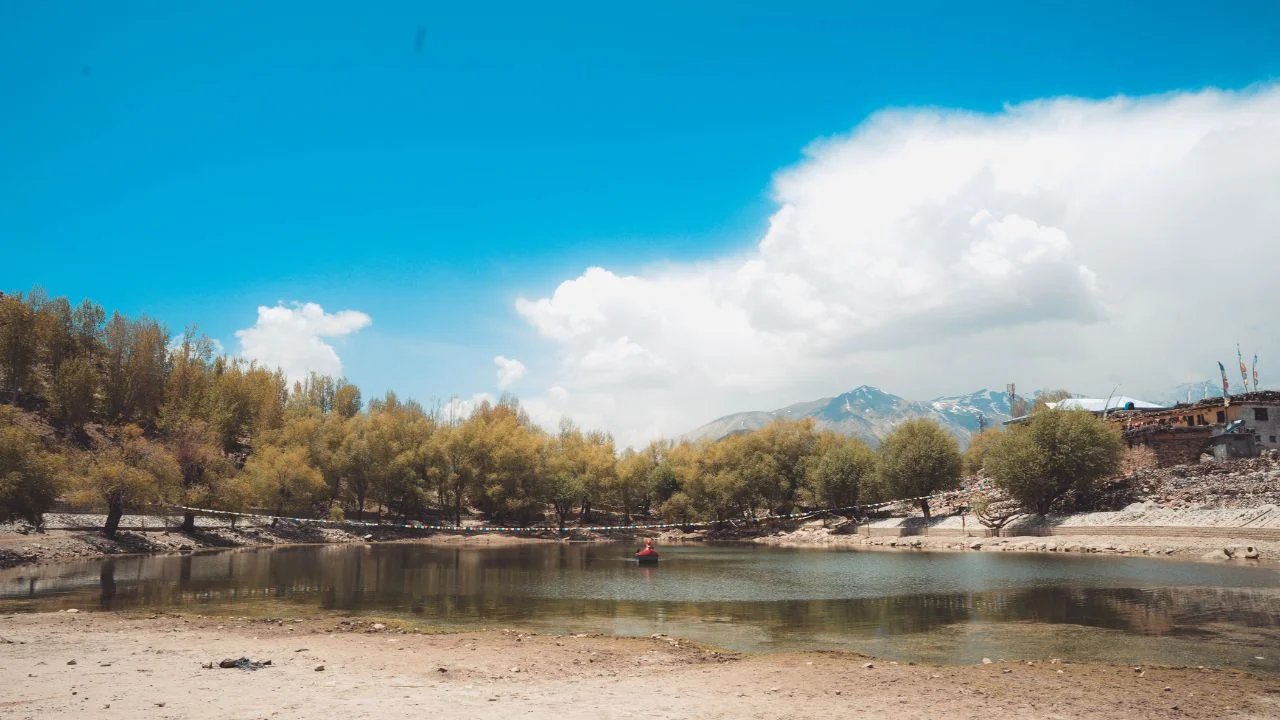
Nako Village Stay: Homestays, Budget Options & Best Areas
Find best stays in Nako Village Spiti! Guide to homestays, hotels, guesthouses, prices & booking for your Spiti trip.
Never Miss an Adventure
Get the latest trekking guides, travel tips, and exclusive offers delivered straight to your inbox.
