
Makar Sankranti in Jaipur: Kite Flying Spots, Events & Rooftop Scenes

Priya Mehta
January 10, 2026
Experience Makar Sankranti in Jaipur with our complete kite festival guide featuring best flying spots, traditional foods, events, safety tips, and authentic Rajasthani celebrations.
Pink City's Sky Festival: Makar Sankranti in Jaipur
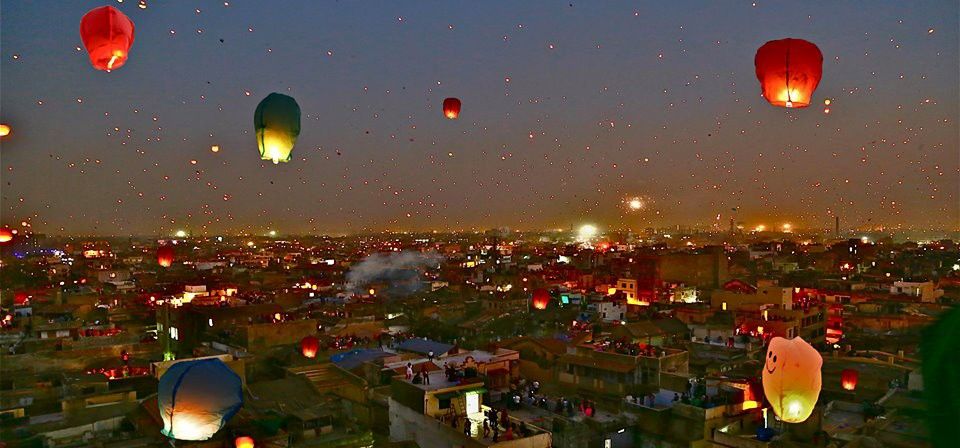
When January arrives, Jaipur transforms into a canvas of colors as thousands of kites dot the azure sky. Makar Sankranti in Jaipur is not just a festival—it's a three-day celebration that turns the Pink City into Rajasthan's most vibrant kite flying destination. The festival typically falls on January 14th or 15th, marking the sun's transition into Capricorn and the arrival of longer days.
What makes Jaipur's Makar Sankranti special is the sheer scale of participation. From the narrow lanes of the Old City to the sprawling rooftops of Civil Lines, families gather on terraces armed with colorful kites, razor-sharp manja (glass-coated string), and an infectious competitive spirit. The festival has evolved from a traditional harvest celebration into a major tourist attraction, drawing visitors from across India and abroad who want to experience this unique cultural spectacle.

Makar Sankranti Traditions in Jaipur
The celebration begins early in the morning, often before sunrise, with the first kites taking flight as the city wakes. Rooftops become social hubs where families, friends, and neighbors gather. The atmosphere is electric with shouts of 'Kai Po Che'—the traditional victory cry when someone successfully cuts another person's kite.
In Jaipur, kite flying is more than recreation—it's a deeply ingrained tradition that bridges generations. Grandparents teach children the art of maneuvering kites, while mothers prepare traditional sweets downstairs. The competitive spirit is palpable as kite flyers engage in aerial battles, testing their skill and the strength of their manja against opponents.
Religious ceremonies mark the beginning of the festival. Many Jaipur residents take a holy dip in rivers or temples, offering prayers to the Sun God. The festival also holds significance for farmers in rural Rajasthan, who view it as a celebration of the harvest season and the beginning of the agricultural cycle.
The Community Spirit
What makes Makar Sankranti in Jaipur remarkable is how it dissolves social barriers. Rooftops become equalizers—wealth and status matter less when you're locked in an intense kite battle. The festival fosters community bonding, with even strangers becoming temporary allies or friendly rivals in the sky.
Best Kite Flying Spots in Jaipur
| Location | Best For | Timing | Tips |
|---|---|---|---|
| Hawa Mahal Area | Central location, cultural vibe | Early morning & evening | Arrive early to secure rooftop access |
| Nahargarh Fort | Elevated views, open space | Throughout the day | Perfect for photography; carry water |
| Jal Mahal | Scenic lakeside flying | Sunset hours | Great for relaxed flying; less competitive |
| Old City Rooftops | Authentic traditional experience | Peak festival hours | Ask local shopkeepers for access |
| Civil Lines | Open spaces, family-friendly | Morning to afternoon | Ideal for beginners and children |
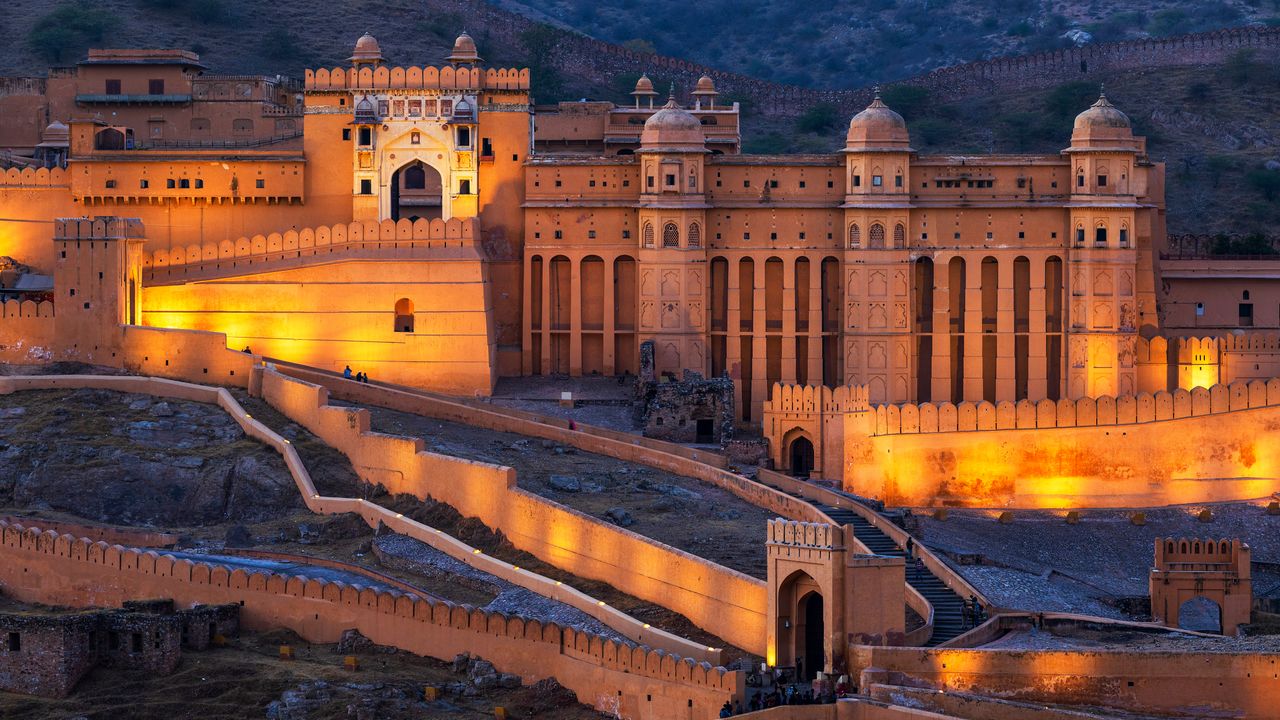
| Amber Fort | Tourist-friendly, panoramic views | Daytime | Combine with sightseeing; kite shops nearby |
Hawa Mahal Area
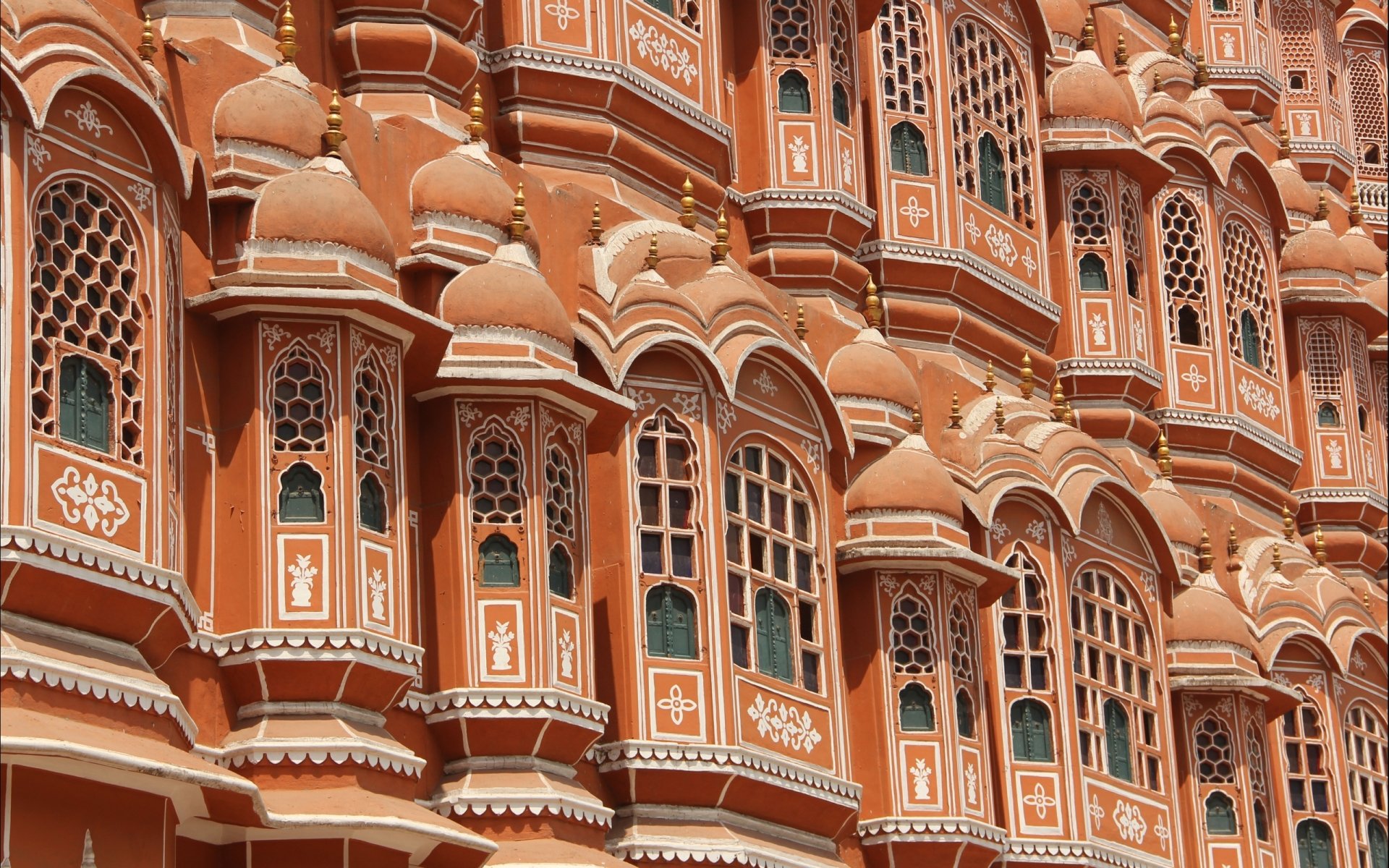
The area around Hawa Mahal offers one of the most authentic festival experiences. The interconnected rooftops of surrounding buildings create a continuous flying space where hundreds of kites compete simultaneously. The best part? Many heritage hotels and homestays in this area offer rooftop access to guests during the festival.
Nahargarh Fort
For those seeking elevation and space, Nahargarh Fort provides unmatched views of the city below. The fort's ramparts and surrounding areas are perfect for flying larger kites that need room to maneuver. The wind conditions here are also favorable, making it popular among serious kite flyers.
Jal Mahal
The lakeside setting of Jal Mahal offers a more relaxed kite flying experience. While the competitive intensity here is lower than in the Old City, the scenic beauty more than compensates. Sunset is particularly magical here, with kites silhouetted against the golden sky reflecting off the water.

Kite Markets and Shopping
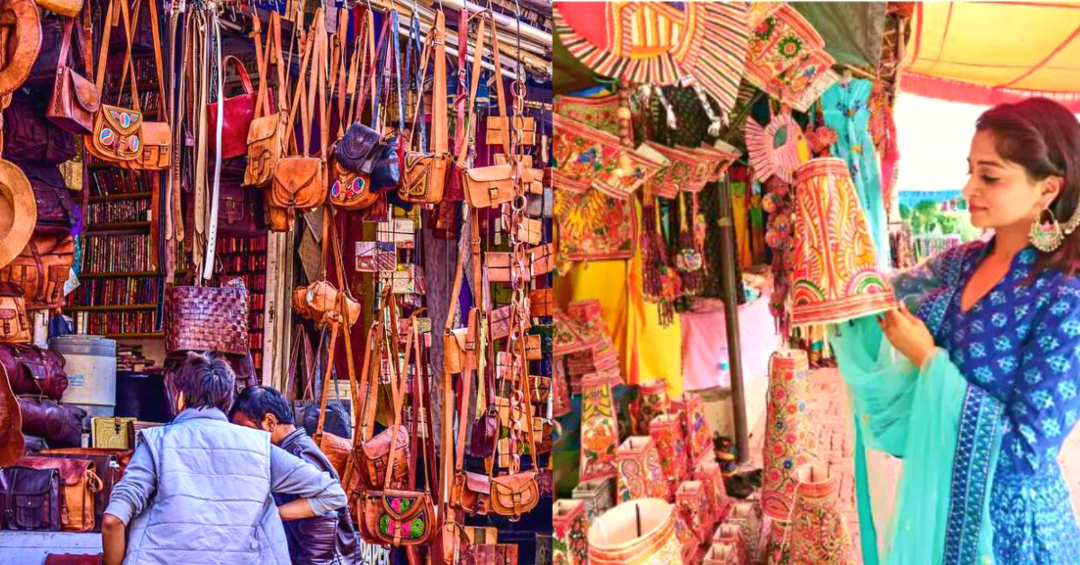
Preparation for Makar Sankranti begins weeks in advance, and Jaipur's bazaars transform into kite shopping destinations. The markets are a sensory explosion of colors, with thousands of kites hanging from shop fronts and spilling onto the streets.
Johari Bazaar
Johari Bazaar is Jaipur's most famous kite market. In the weeks leading to Makar Sankranti, the entire market is dedicated to kite selling. You'll find everything from basic paper kites priced at Rs. 5-10 to elaborate designer kites costing hundreds. The bazaar is particularly famous for its variety of manja—thread coated with glass powder or synthetic materials for cutting opponent kites.
Bapu Bazaar
Bapu Bazaar offers budget-friendly options for kite shopping. It's particularly good for buying in bulk, making it popular among families and groups planning large kite flying sessions. The market also sells traditional snacks and refreshments, perfect for fueling long rooftop sessions.
Tripolia Bazaar
For traditional kite enthusiasts, Tripolia Bazaar is the place to go. Many shops here have been selling kites for generations and carry designs that have remained unchanged for decades. The market is also known for its charkhi (spool) collections—traditional wooden spools used for manja.
Types of Kites Available
- Patanang Kites: Traditional fighter kites from Rajasthan, known for agility
- Guddi Kites: Smaller kites for children and beginners
- Chinese Kites: Larger, decorative kites popular with tourists
- Fighter Kites: Specially designed for competitive flying
- Designer Kites: Modern kites with custom prints and themes
Manja Varieties
The manja is as important as the kite itself. In Jaipur, you'll find several varieties:
- Saddi Manja: Traditional cotton thread coated with glass powder
- Chinese Manja: Synthetic nylon thread, sharper and more durable
- Ceramic Manja: Coated with ceramic powder for extreme sharpness
Note: The use of Chinese and ceramic manja has been controversial due to safety concerns. Many kite flyers now prefer traditional cotton manja for safety reasons.
Traditional Rajasthani Foods for Makar Sankranti
No Rajasthani festival is complete without traditional sweets, and Makar Sankranti has its own dedicated menu. The food traditions are as important as the kite flying itself, with specific dishes prepared exclusively for this festival.

Til ke Laddoo
Til ke Laddoo (sesame seed sweet balls) are synonymous with Makar Sankranti across India, but the Rajasthani version has a distinct character. Made with sesame seeds, jaggery, and ghee, these laddoos are not just delicious—they're believed to provide warmth during the winter month. In Jaipur, families often make large batches to distribute among neighbors and relatives.
Gajak
Gajak is perhaps the most famous Makar Sankranti sweet from Rajasthan. This brittle-like sweet is made from sesame seeds and sugar or jaggery, cooked to perfection until it achieves a delicate, flaky texture. The best Gajak comes from traditional sweet shops in Jaipur's Old City, where recipes have been passed down through generations. Variations include dry fruit Gajak, chocolate Gajak (a modern twist), and the classic sugar version.
Feerni
Feerni is a traditional Makar Sankranti dish specific to Rajasthan. Similar to a dense fudge, it's made from wheat flour, ghee, and sugar, slow-cooked until it achieves a rich, caramel-like consistency. Feerni is typically prepared the night before the festival and served cold for breakfast on Makar Sankranti morning.
Mungfali til patti
This peanut and sesame brittle is another festival favorite. The combination of roasted peanuts and sesame seeds embedded in hardened jaggery creates a nutritious energy bar—perfect for sustaining long hours of kite flying. Street vendors selling fresh Mungfali til patti are a common sight during the festival.
Traditional Rajasthani Breakfast
On Makar Sankranti morning, many Jaipur households start with a special breakfast that typically includes:
- Hot Poha with generous amounts of ghee
- Ghoti, a steamed sweet made from wheat flour
- Til ki roti, flatbread infused with sesame seeds
- Mawa Kachori from legendary sweet shops like Rawat Mishtan
Sweets Distribution Custom
A unique Makar Sankranti tradition in Jaipur is the custom of distributing specially prepared sweets to neighbors and relatives. Families exchange boxes containing Til ke Laddoo, Gajak, and Feerni as tokens of goodwill. This tradition reinforces community bonds—much like the kite flying itself.
Events and Competitions
What started as informal neighborhood competitions has evolved into organized events that attract participants from across India and abroad. These competitions add structure to the festivities and offer substantial prizes for winners.
International Kite Festival
The Rajasthan Tourism Department organizes the International Kite Festival in Jaipur, coinciding with Makar Sankranti. This event brings professional kite flyers from countries like China, Thailand, Malaysia, and Indonesia to showcase their skills alongside local champions. The festival is held at Polo Ground or other open spaces and features kite flying exhibitions, competitions, and cultural programs.
Kite Flying Competitions
Multiple categories of competitions keep the competitive spirit alive:
- Single Fighter Kite Competition: Individual flyers compete in knockout rounds
- Team Kite Fighting: Groups of 3-5 flyers strategize together
- Maximum Kites Cut: Prizes for cutting the most kites in a timed session
- Longest Airtime: Keeping a kite flying continuously for the longest duration
- Decorative Kite Display: Judging based on design and aesthetics
Cultural Programs
Besides kite flying, the festival features traditional Rajasthani music and dance performances. Folk artists perform Ghoomar, Kalbeliya, and other traditional dances while kite flying continues in the background. The combination creates a festive atmosphere that celebrates Rajasthani culture in its entirety.
Hotel Events
Many luxury hotels in Jaipur organize special Makar Sankranti packages for guests. Properties like Taj Rambagh Palace, Oberoi Rajvilas, and heritage hotels in the Old City offer:
- Rooftop kite flying sessions with instructors
- Traditional Rajasthani breakfast featuring festival specialties
- Special dinner menus featuring Makar Sankranti sweets
- Cultural evenings with folk performances

Kite Flying Tips for Beginners
If you're new to kite flying, Jaipur during Makar Sankranti is both exhilarating and slightly overwhelming. Here are practical tips to get started:
Best Wind Conditions
Kite flying requires steady wind—not too strong, not too light. Early mornings (7-10 AM) typically offer the most stable wind conditions in Jaipur during January. Midday often brings gusty winds that can snap manja, while late afternoon sees winds dying down, making it harder to keep kites airborne.
Kite Selection Guide
- Beginners: Start with larger, stable kites that are easier to control
- Competitive flying: Choose lightweight fighter kites for agility
- Children: Opt for smaller, simpler designs that don't require complex maneuvers
- Wind conditions: Heavy kites for light winds; light kites for strong winds
Flying Techniques
The key to successful kite flying is rhythm. Instead of jerky movements, maintain a smooth, steady motion with your spool hand. When engaging in kite fights, timing is crucial—wait for the opponent's kite to drift into your kite's path before making your move. The classic 'pench' maneuver—a sharp downward pull followed by immediate release—is the most effective cutting technique.
Team Coordination
Kite flying in Jaipur is rarely a solo activity. Having a partner helps—one person can focus on maneuvering while the other manages the manja, watches for incoming kites, and celebrates victories. Effective communication prevents tangles and improves your competitive edge.
Weather Considerations
January mornings in Jaipur can be chilly, with temperatures sometimes dropping to 5-8°C. Dress in layers that you can remove as the day warms up. Sunscreen is essential even in winter—the sun at Jaipur's altitude can be surprisingly strong during midday.
Safety Guidelines
While Makar Sankranti is a joyous festival, safety should never be compromised. Here are essential guidelines to ensure a safe celebration:
Thread Safety Precautions
Manja is sharp by design—this is what enables it to cut opponent kites. However, this same sharpness makes it dangerous. Never touch manja with bare hands; always use protective gloves or cloth. The synthetic Chinese manja is particularly hazardous and has caused injuries in the past. Consider using traditional cotton manja, which is safer.
Rooftop Safety Measures
Festival enthusiasm has led to accidents in previous years. Essential rooftop precautions include:
- Ensure parapet walls are at least waist-high before setting up
- Keep children away from edges, especially during intense kite fights
- Remove slippery objects or water from rooftop surfaces
- Never lean dangerously over edges to retrieve a falling kite
Child Safety Guidelines
Children should always be supervised by adults. Equip them with safety gloves and teach them to maintain distance from other flyers' manja. Discourage them from running after falling kites on streets—this puts them at risk of traffic accidents and manja injuries.
Traffic Awareness
During Makar Sankranti, streets—especially in the Old City—are filled with people looking up at the sky, not where they're walking. Drivers need to exercise extreme caution. If you're driving, reduce speed significantly in crowded areas and watch for pedestrians, especially children chasing fallen kites.
Environmental Concerns
The festival generates significant waste—fallen kites, broken manja, and plastic spools accumulate in streets and open spaces. Responsible kite flyers should collect and dispose of their own waste. Some community groups organize post-festival cleanup drives; consider participating or organizing one in your area.
Bird injuries and deaths are another concern during Makar Sankranti. Manja can entangle and harm birds flying through kite-dense skies. If you encounter an injured bird, contact local animal rescue organizations rather than attempting to handle it yourself—manja injuries require professional medical attention.
Experiencing Makar Sankranti as a Visitor
For tourists, Makar Sankranti offers a window into authentic Rajasthani culture. The best way to experience the festival is through local connections. If you're staying at a heritage hotel, ask staff about rooftop access or community kite flying events they might be organizing.
Consider hiring a local guide who can take you to less touristy spots where the celebration is most authentic. Some tour operators offer specialized Makar Sankranti experiences that include kite flying lessons, traditional meals, and visits to kite markets.
Remember that this is a community festival, not a performance for tourists. Respect local customs, ask before taking photographs of people, and approach the celebration with curiosity and cultural sensitivity. The warmth and hospitality of Jaipur's residents during Makar Sankranti are legendary—embrace it, and you'll come away with memories that last a lifetime.
For more information about exploring Jaipur during the festival season, check out our comprehensive guide on places to visit in Jaipur. To plan your trip around the best weather conditions, read our guide on the best time to visit Jaipur. And if you're interested in experiencing more of Rajasthan's vibrant culture, don't miss the Desert Festival in Jaisalmer.
Location
Frequently Asked Questions
Q1.Where is the best place to fly kites in Jaipur during Makar Sankranti?
Q2.What are the dates for Makar Sankranti in Jaipur?
Q3.Which kite markets are famous in Jaipur for Makar Sankranti shopping?
Q4.How is Makar Sankranti celebrated in Jaipur?
Q5.What are the traditional foods of Makar Sankranti in Rajasthan?
Q6.Are there professional kite flying competitions during Makar Sankranti in Jaipur?
Q7.Where to buy kites in Jaipur before Makar Sankranti?
Q8.What time do kite flying celebrations start during Makar Sankranti in Jaipur?
Recommended For You
Amber Fort Jaipur: Complete Guide with Timings, Entry Fee & Tips
Explore Amber Fort Jaipur: UNESCO World Heritage Site featuring Sheesh Mahal, royal palaces, and stunning architecture. Complete guide with timings, entry fees, and travel tips.
Hawa Mahal Jaipur: Complete Guide to Palace of Winds
Discover Hawa Mahal, Jaipur's iconic Palace of Winds with 953 windows. Explore its history, unique architecture inspired by Lord Krishna's crown, and practical visitor information.
Shopping in Jaipur: Johari, Bapu & Tripolia Bazaar Picks
Explore shopping in Jaipur. Johari Bazaar, textiles, handicrafts, jewellery & what to buy with bargaining tips & location guide.
Never Miss an Adventure
Get the latest trekking guides, travel tips, and exclusive offers delivered straight to your inbox.
