
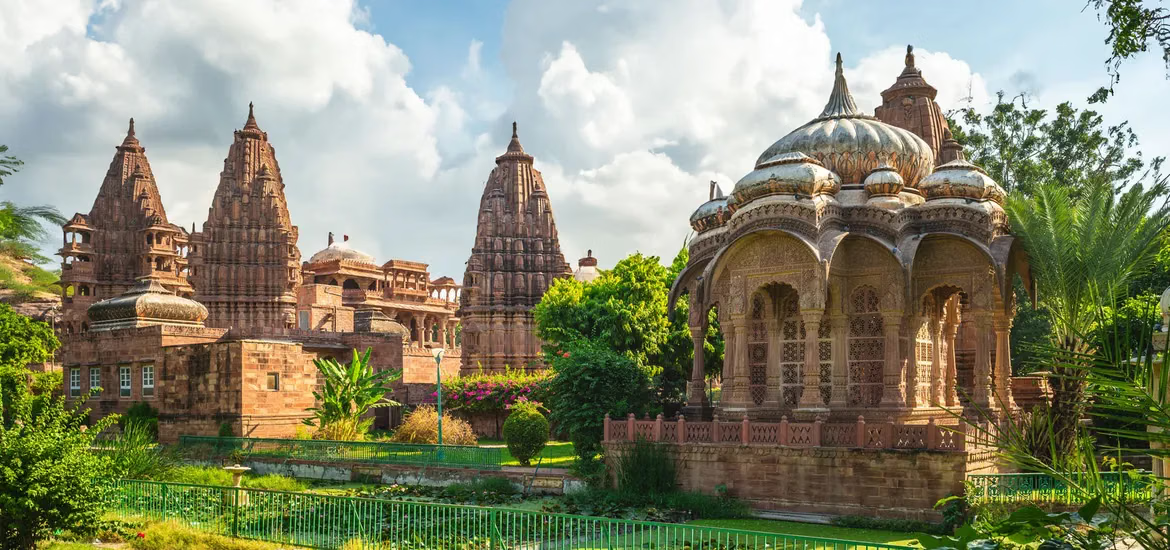
Mandore Gardens Jodhpur: Cenotaphs, Temples & Walking Route

Neha Kapoor
December 4, 2025
Explore Mandore Gardens in Jodhpur, home to magnificent royal cenotaphs, ancient temples, and beautiful gardens. Complete visitor guide with timings, entry fee, and travel tips.
Mandore Gardens Jodhpur: Complete Heritage Guide
Mandore Gardens is one of Jodhpur’s most underrated heritage spaces. While many travelers prioritize Mehrangarh Fort and city markets, Mandore offers a calmer and more layered experience that combines cenotaph architecture, local legends, temple clusters, and landscaped pathways. It was once associated with the old capital region before Jodhpur’s political center shifted, which makes it historically significant beyond its current garden identity.
If you are building a balanced Jodhpur itinerary, Mandore Gardens works best as a reflective heritage stop either in the morning or late afternoon. Pair it with mehrangarh fort jodhpur to compare two different expressions of Rajput memory: one militarized power space, one commemorative and cultural landscape.
Historical Context of Mandore
Before Jodhpur rose as the central capital of Marwar, Mandore held regional significance and developed as a seat of political and cultural activity. Over time, its role changed, but its commemorative architecture remained. The gardens preserve cenotaphs and monuments linked to the Rathore lineage, offering visitors a strong visual record of dynastic memory and ceremonial aesthetics.
This historical layer is what distinguishes Mandore from standard urban parks. The site is best understood as a heritage landscape where architecture and memory overlap, not just as a recreational garden.
What to See at Mandore Gardens
Cenotaphs and Memorial Structures
The memorial architecture is the main highlight. Built with red sandstone and fine detailing, these cenotaphs reflect royal commemorative traditions and distinct Marwar design language. Their vertical profiles, carved elements, and layered pavilion forms are especially photogenic in angled morning light.
Temple and Shrine Zones
The complex includes religious structures and deity-related spaces that remain meaningful for local visitors. Maintain respectful behavior and observe temple etiquette if entering active worship areas.
Garden Pathways and Statues
Open pathways, tree-lined sections, and sculptural elements create a slower rhythm compared to high-density city attractions. This makes Mandore a good cultural pause on days otherwise filled with forts and markets.
Travelers wanting to extend the heritage route can connect Mandore with jaswant thada in jodhpur for a strong architectural comparison of memorial styles.
Architecture and Visual Character
Mandore’s structures show a blend of commemorative symbolism and decorative craftsmanship. You will find domed pavilions, chhatri-like forms, arches, and carved surfaces that reveal high artisan skill. The surrounding greenery softens the monumental profile and creates a balanced visual field that differs from dense fort environments.
Because architecture is spread out, the site encourages walking and observation. Instead of rushing to one main point, explore it as a sequence of micro-spaces: platform, corridor, shaded edge, and open lawn. That sequence reveals the design intent much better.
Best Time to Visit Mandore Gardens
October to March is generally ideal for comfortable walking in Jodhpur. Summer afternoons can be harsh, so early entry is strongly recommended in warmer months. For photography, morning light usually gives better texture definition on stone surfaces, while late afternoon creates warmer tones and softer shadows.
Weekdays are typically quieter than weekends. If you prefer low-crowd movement and uninterrupted framing, choose a weekday morning slot.
How to Reach Mandore Gardens
Mandore is accessible by auto, cab, and local transport from central Jodhpur areas. It can be added to half-day city circuits without major logistical complexity. Keep realistic buffers for traffic variation and city transition times, especially if combining multiple sites.
For first-time travelers, places to visit jodhpur can help arrange sequence and reduce unnecessary cross-city movement.
Suggested Half-Day Jodhpur Plan with Mandore
| Time Block | Recommended Activity |
|---|---|
| 08:30-09:00 AM | Arrival and orientation walk |
| 09:00-10:30 AM | Cenotaph and memorial architecture study |
| 10:30-11:00 AM | Temple-side pause and interpretation |
| 11:00-11:30 AM | Photography and recap |
| Post 11:30 AM | Move to next city attraction |
Photography Tips
- Start with wide shots to capture monument-garden relationship.
- Use side-lighting for carvings and relief details.
- Include scale references with pathways or pillars.
- Avoid touching or climbing fragile stone edges for angles.
- Respect private or sacred spaces while framing.
Mandore’s strength is compositional variety. Move slowly and change vantage points often.
Common Mistakes to Avoid
- Treating Mandore as only a short picnic garden stop.
- Skipping historical context and focusing only on photo points.
- Visiting at peak noon heat and leaving early due fatigue.
- Ignoring nearby heritage links in jodhpur travel guide.
- Overcrowding one day with too many major monuments.
Why Mandore Gardens Deserves More Attention
Mandore Gardens offers a rare combination of architectural memory and open-space calm within a major heritage city. It is one of the easiest places in Jodhpur to shift from checklist tourism to thoughtful observation. For travelers who want to understand Marwar beyond fortress narratives, this site is essential.
Give it dedicated time, walk with intent, and connect what you see to Jodhpur’s broader historical arc. That approach turns Mandore from a secondary stop into a meaningful highlight.
Before exiting, revisit one cenotaph from a second angle. This simple step often reveals details missed initially and improves how much you retain from the visit.
Reading Mandore Beyond Surface Beauty
Mandore rewards visitors who treat it as a historical text rather than only a scenic stop. Try reading the site in layers: political memory, commemorative architecture, and public landscape use. The cenotaphs are not decorative structures alone; they are statements of continuity, lineage, and power remembrance. Their placement, scale, and detailing can be understood only when viewed in relation to dynastic narrative.
Another useful lens is material behavior over time. Stone weathering, restoration interventions, and surface wear patterns reveal how heritage survives under changing urban and climatic pressures. Observing these details helps travelers understand why conservation needs both technical care and responsible tourism behavior.
How to Improve the Visit Experience
Start with a full-site orientation walk before detailed photography. This helps you map relationships between monuments and avoids repetitive framing. If available, use local guide interpretation for names, chronology, and folklore links. Then do a second pass focused on architecture and a third pass for visual capture. This three-pass method gives far better results than rushing from point to point.
Travelers planning a longer Marwar route can use Mandore as a “context primer” before major fort visits. Seeing memorial architecture first often sharpens your understanding of royal symbolism when you later explore military complexes.
Final Notes for Slow Travelers
If you prefer low-crowd heritage experiences, schedule Mandore on a weekday and avoid peak local holiday windows. Carry water, wear non-slip shoes, and keep at least one open hour in your day. The best details often emerge when you are not checking the clock.
Mandore for Heritage Enthusiasts
Serious heritage travelers should compare Mandore’s commemorative structures with other Marwar memorial sites to understand differences in political messaging and stylistic preference. Even within Mandore, subtle differences in scale, ornament, and placement can indicate changing priorities across periods.
If you are documenting the site, take both contextual and close-detail notes. Record date, light condition, and position while photographing; this improves interpretation later. Mandore appears simple on first pass, but repeated observation reveals rich design intelligence.
A useful closing practice at Mandore is to map one monument to one historical question before you leave: who commissioned it, what memory it preserves, and how architecture expresses that memory. This keeps the visit intellectually active and prevents details from fading after travel. Mandore may appear simple at first glance, but it rewards repeat interpretation. A deliberate second look at carvings, proportions, and placement usually changes first impressions and makes this site far more meaningful.
Location
Frequently Asked Questions
Q1.Where are Mandore Gardens located in Jodhpur?
Q2.What is the entry fee for Mandore Gardens?
Q3.What are the timings of Mandore Gardens?
Q4.What are cenotaphs in Mandore Gardens?
Q5.What is the history of Mandore Gardens?
Q6.How much time does it take to explore Mandore Gardens?
Q7.Is photography allowed in Mandore Gardens?
Q8.How to reach Mandore Gardens from Jodhpur?
Recommended For You
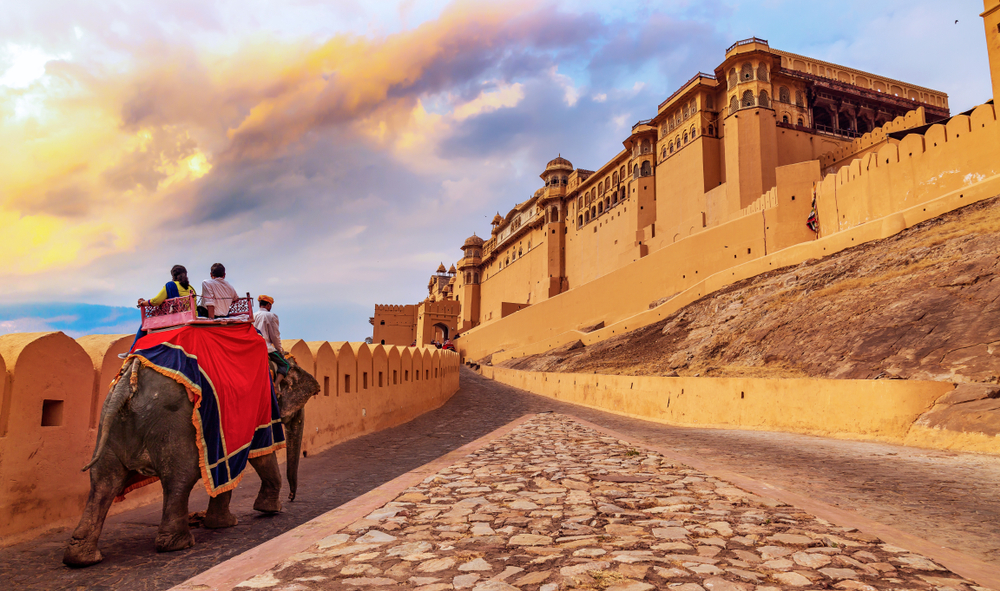
Best Places to Visit Rajasthan: Top 20 Destinations
Explore the best places to visit Rajasthan, India's royal state. Discover Jaipur's pink forts, Udaipur's romantic lakes, Jodhpur's blue streets, and Jaisalmer's golden desert with this comprehensive guide.
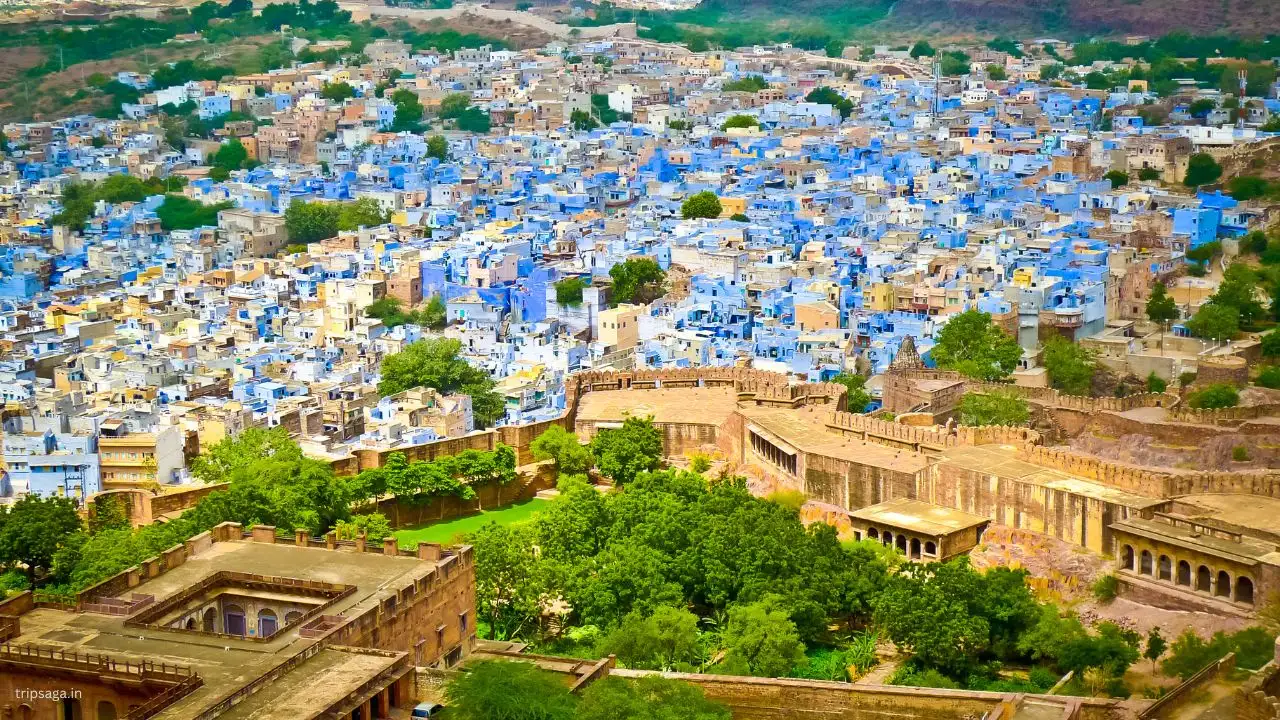
Jodhpur: Complete Travel Plan Forts And Weather
Complete Jodhpur travel guide featuring Mehrangarh Fort, Blue City, Jaswant Thada, Umaid Bhawan, desert safaris & shopping tips.
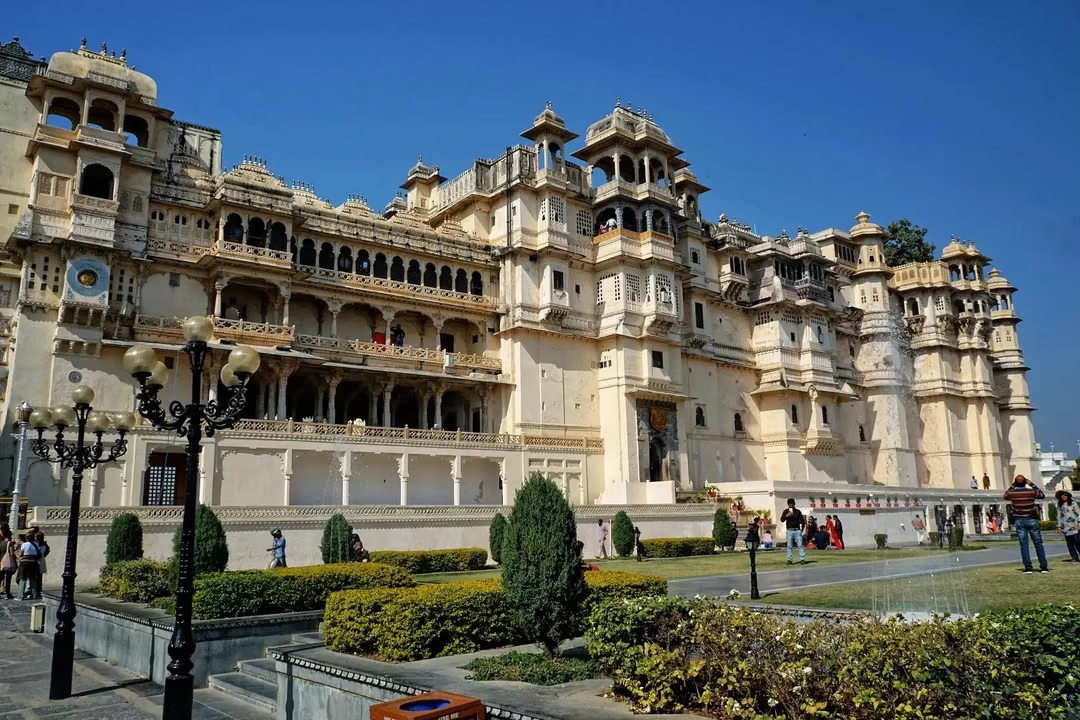
Historical Places in Rajasthan: Top 25 Heritage Sites
Explore historical places in Rajasthan with cluster-based planning, fort-palace route strategy, and practical timing and budget tips.
Never Miss an Adventure
Get the latest trekking guides, travel tips, and exclusive offers delivered straight to your inbox.
