
Somnath Temple Gujarat: Darshan Timings, Aarti & Jyotirlinga Significance

Neha Kapoor
February 19, 2026
Complete Somnath Temple guide with history, architecture, darshan timings, rituals, best time to visit, and travel tips for the first Jyotirlinga.
Introduction to Somnath Temple
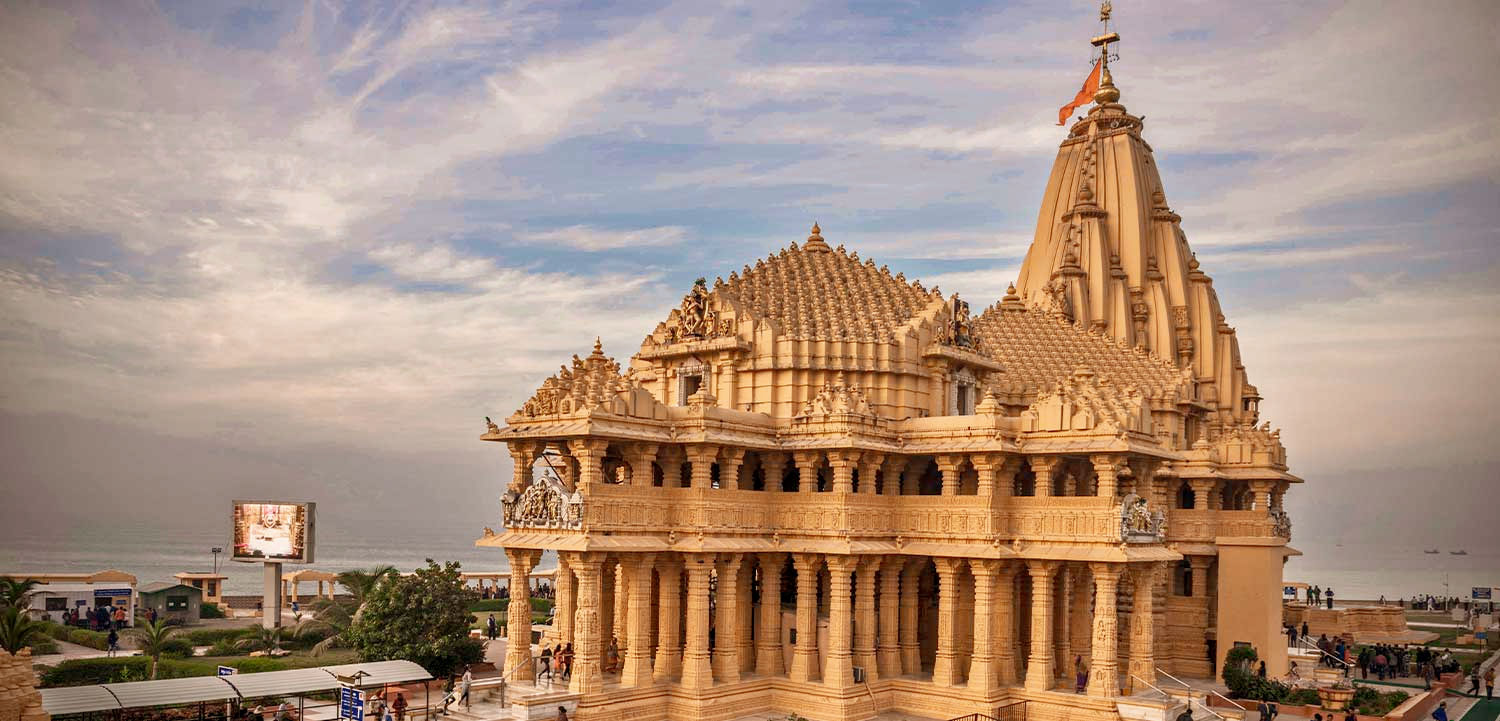
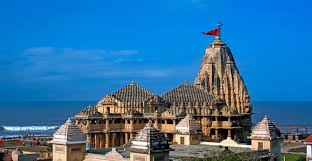
The Somnath Temple, located in Prabhas Patan near Veraval in Gujarat, stands as one of Hinduism's most sacred pilgrimage sites and a testament to faith's resilience. As the first among the twelve Jyotirlingas - sacred shrines where Lord Shiva is worshipped as a pillar of light - Somnath holds immense spiritual significance in Hindu tradition. The temple's history reads like an epic of destruction and rebirth, having been rebuilt multiple times after being plundered by invaders, each reconstruction symbolizing the undying spirit of devotion.
What makes Somnath truly extraordinary is its location on the western coast of India, where the temple's shikhara (spire) seems to rise directly from the sea. The sound of waves crashing against the shore provides a natural soundtrack to temple rituals, creating an atmosphere where the divine feels especially close. The temple's current structure, built in 1951, stands as a modern monument to ancient faith, incorporating traditional architectural elements while reflecting contemporary construction techniques.
The name Somnath derives from two Sanskrit words: 'Som' meaning Lord Shiva (also associated with the moon god), and 'Nath' meaning protector. According to legend, the moon god Soma worshipped Shiva here to be freed from a curse. This mythological connection adds to the temple's sanctity, making it a destination where devotees believe their prayers are especially powerful.
Historical Significance
Somnath Temple's history is one of the most dramatic in India. The original temple is believed to have existed before the Christian era, with references found in ancient texts like the Rigveda and Skanda Purana. The temple's prominence made it a target for invaders who sought not just material wealth but to break Hindu spirit through the shrine's destruction.
The temple was destroyed and rebuilt multiple times. The most devastating invasion came in 1026 CE when Mahmud of Ghazni plundered the temple, carrying away treasures worth millions in today's currency and breaking the sacred lingam. Despite repeated destructions - by invaders including Alauddin Khilji's forces in the 14th century and Aurangzeb in the 17th century - devotees repeatedly rebuilt the temple, their faith only strengthening with each trial.
The current temple's construction began in 1950 under the guidance of Sardar Vallabhbhai Patel, India's first Home Minister, who saw the reconstruction as symbolic of India's independent identity. The temple was completed in 1951 and inaugurated by President Dr. Rajendra Prasad. This reconstruction wasn't just about building a structure - it was about reclaiming cultural heritage and proving that faith cannot be destroyed by force.
Architecture and Design
The present Somnath Temple, designed by the famous architect Prabhashankar Sompura, represents the Chalukya style of temple architecture. The main shikhara rises to a height of 150 feet, dominating the coastal skyline. Built entirely of stone, the temple features intricate carvings, sculpted pillars, and detailed reliefs depicting scenes from Hindu mythology.
The temple complex includes the main sanctum sanctorum (garbhagriha) housing the jyotirlinga, a large assembly hall (sabha mandap), and a dance hall (nritya mandap). The walls feature sculptures of various deities, celestial beings, and mythological scenes. The stone work is meticulous, with each carving telling stories from Hindu scriptures.
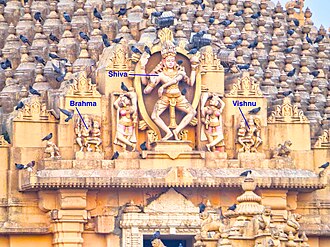
One of the temple's most striking features is the arrow pillar (Baans Stambh) on the sea-facing side. According to legend, this pillar indicates a straight line southwards through the ocean to the South Pole, with no land in between. This ancient understanding of geography demonstrates India's sophisticated astronomical and geographical knowledge.
The temple's location is carefully chosen - it faces east, allowing the first rays of the sun to illuminate the shikhara. The sea-facing side offers spectacular views, especially during sunrise and sunset when the sky's colors reflect off both temple stone and water surface, creating a magical atmosphere.
Temple Timings and Rituals
The temple follows a strict daily schedule of rituals that maintain the continuous worship tradition that has persisted despite centuries of disruption. Understanding these timings helps plan your visit effectively.
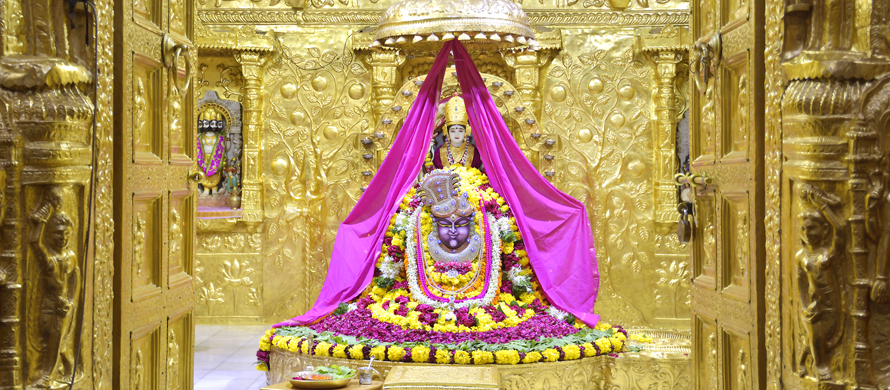
Morning Rituals (6:00 AM - 12:00 PM): The day begins with Mangala Aarti at 6 AM, waking the deity with light and sound. This is followed by abhishekam (ritual bathing of the lingam) using water, milk, honey, ghee, and other sacred substances. The morning period is considered especially auspicious for darshan, with relatively smaller crowds and peaceful atmosphere.
Afternoon Rituals (12:00 PM - 7:00 PM): After the midday offerings, the temple remains open for darshan. Various rituals continue throughout the afternoon, though the pace is more relaxed. This is a good time for devotees who prefer less crowded darshan.
Evening Rituals (7:00 PM - 9:30 PM): The evening session begins with Sandhya Aarti at 7 PM, one of the most popular rituals. The evening aarti, with lamps, bells, and chanting, creates a powerful spiritual atmosphere. Shayan Aarti (sleeping ritual) at 9:30 PM concludes the day's worship, after which the deity is ceremonially put to rest.
Special Days: Mahashivratri sees massive celebrations with special abhishekams throughout the night. Kartik Purnima (full moon in November) is another major festival. Solar and lunar eclipse days have special significance. Plan accordingly if you want to experience these celebrations or avoid crowds.
Darshan Guide
For first-time visitors, navigating the darshan process is straightforward but understanding the sequence enhances the experience. The basic procedure involves entering the temple complex, removing footwear at the designated area, and proceeding to the main shrine.
Men and women have separate queues for darshan. The queue moves relatively quickly compared to other major temples, and most devotees get darshan within 30-60 minutes even during busy periods. Special entry tickets are available for faster darshan.
After main shrine darshan, circumambulate the temple (pradakshina) in a clockwise direction. The temple complex is large, and a full pradakshina takes 15-20 minutes. This walk offers views of the temple architecture, the sea, and various subsidiary shrines.
Important Darshan Tips
Carry only essential items - bags must be deposited at the cloakroom. Mobile phones and cameras are generally not allowed inside the main shrine area, though you can carry them for temple exterior photography.
Dress modestly - traditional clothing is preferred. Men should wear dhoti or pants with shirts. Women should wear saree or salwar kameez. Avoid shorts, short skirts, and revealing clothing out of respect for the sacred space.
Maintain silence and reverent behavior within the temple complex. The powerful spiritual energy of a jyotirlinga shrine deserves respectful conduct. Keep conversations to a minimum and avoid disturbing devotees who may be deep in prayer.
Best Time to Visit Somnath
The timing of your visit significantly affects the experience, though Somnath can be visited year-round. Each season offers different advantages and considerations for pilgrimage.
Winter (October-February): The most pleasant time with temperatures ranging from 15-30°C. This peak pilgrimage season sees large crowds but comfortable weather for temple visits and sightseeing. This is also the best time to combine Somnath with Gir National Park visits.
Summer (March-May): Hot and humid with temperatures reaching 35-40°C. However, crowds are thinner, and you might get quicker darshan. Early morning and evening temple visits are comfortable even in summer. Carry plenty of water and stay hydrated.
Monsoon (June-September): The region receives moderate rainfall. The temple complex can become slippery, and sea views may be obscured by rain. However, the monsoon atmosphere has its own spiritual appeal, and the cool weather is welcome. The Arabian Sea is particularly dramatic during monsoon.
How to Reach Somnath
Somnath is well-connected by road and rail, though its coastal location means some travel is required regardless of your starting point.
By Air: The nearest airport is Diu, about 90 kilometers away. Diu has connecting flights from major Indian cities. From Diu, taxis take approximately 2 hours to reach Somnath. Another option is Rajkot Airport, about 200 kilometers away.
By Rail: Veraval railway station, just 5 kilometers from Somnath, is well-connected to major cities. Direct trains run from Ahmedabad, Rajkot, and other Gujarat cities. The train journey through the Saurashtra region offers views of rural Gujarat.
By Road: Regular buses connect Somnath to major Gujarat cities. State transport buses and private operators run services from Ahmedabad (450km), Rajkot (200km), and other cities. Private taxis offer more comfort but cost more. The road journey through Saurashtra is scenic, passing through coastal areas and rural villages.
Accommodation Options
Somnath offers accommodation ranging from basic pilgrim dharamshalas to mid-range hotels. The Shree Somnath Trust runs several guesthouses offering clean rooms at reasonable rates. These are ideal for devotees on a budget who don't mind simple facilities.
Mid-range and luxury hotels near the temple offer comfortable rooms with air conditioning, attached bathrooms, and sea views. Several hotels have temple views, allowing you to see the shikhara from your room. Book well in advance during peak season and major festivals like Navratri and regional celebrations in Gujarat.
Many hotels arrange special puja services and can organize guides for temple rituals. Some hotels have their own temples or prayer rooms, allowing for private worship. Sea-facing rooms offer spectacular views, especially during sunrise and sunset.
Other Attractions Near Somnath
While the temple is the main draw, the Somnath area has other attractions worth visiting, especially if you're staying for multiple days.
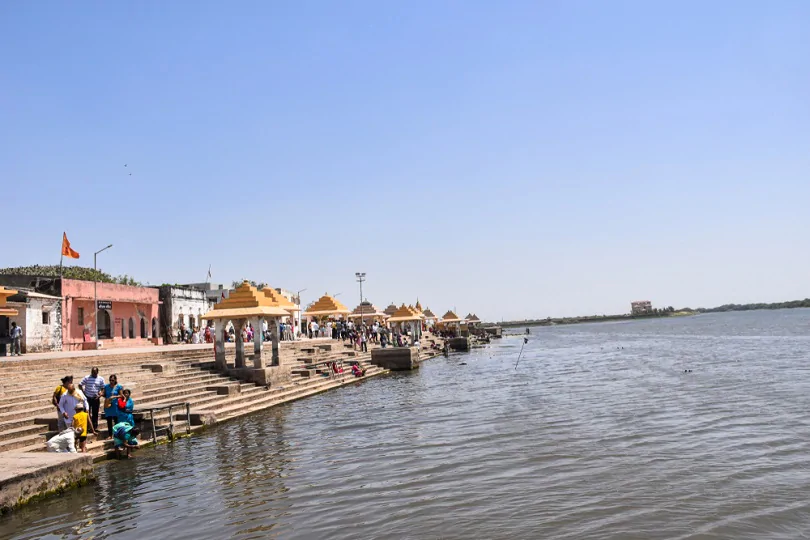
Triveni Sangam: The confluence of three rivers - Hiran, Kapila, and Saraswati (now underground) - just 1 kilometer from the temple. This sacred spot is where Lord Krishna was believed to have completed his lila on earth. The sight of rivers meeting the sea is spiritually powerful.
Bhalka Tirth: The spot where Lord Krishna was struck by an arrow, marking the end of his earthly incarnation. A temple marks this spot, and the atmosphere here is profoundly moving for Krishna devotees.
Gita Mandir: A beautiful temple built where Lord Krishna is believed to have recited the Bhagavad Gita to Arjuna before the Kurukshetra battle. The temple walls feature verses from the Gita.
Somnath Museum: Run by the Somnath Trust, this museum displays artifacts, old photographs, and historical documents related to the temple. It's worth visiting for understanding the temple's rich history.
Veraval Beach: Just 5 kilometers from Somnath, this beach offers a pleasant break from temple visits. The seafood here is excellent, especially the fresh catch prepared in local Saurashtra style.
Travel Tips for Pilgrims
These practical tips will help make your Somnath pilgrimage smoother and more spiritually fulfilling.
Plan your temple visit for early morning or evening when the weather is pleasant and the lighting is beautiful for photography. The morning aarti (6 AM) and evening aarti (7 PM) are particularly powerful experiences worth planning around.
Dress in modest, comfortable clothing. Traditional attire is preferred but not mandatory. Carry a light shawl or scarf as the sea breeze can make the temple complex feel cool, especially in evening. Comfortable walking shoes are essential as the temple complex is large.
Carry only essential items to the temple. Large bags, cameras, and mobile phones may not be allowed inside the main shrine area. Lockers are available for storing valuables. Bring a small bag for puja offerings if you plan to perform special rituals.
Try the local prasad - the laddus and peda offered at Somnath are famous. The temple's prasad is believed to carry special blessings. You can also purchase religious books, photos, and souvenirs from authorized shops within the temple complex.
Combine your Somnath visit with Gir National Park (60km away), home to the last remaining Asiatic lions. Many pilgrims do a Somnath-Gir circuit, combining spiritual and wildlife experiences. Gir requires a full day, so plan accordingly.
 Gir National Park" />
Finally, respect the sacred atmosphere. Keep conversations low, avoid photography where prohibited, and remember that for many devotees, this is a once-in-a-lifetime pilgrimage. Your reverent behavior contributes to the collective spiritual energy of the temple.
Conclusion
The Somnath Temple stands as a powerful symbol of faith's resilience - destroyed multiple times, rebuilt each time, emerging stronger with every trial. For devotees, it's not just a building but a living testament to the idea that spirit cannot be crushed by force, that faith will always find ways to express itself, that devotion outlasts destruction.
What makes Somnath special is the palpable energy that pervades the temple complex. This isn't just historical - it's the accumulated power of millions of prayers offered over centuries, the faith of devotees who continued worshipping even when the temple lay in ruins, the devotion of those who contributed to rebuilding against all odds. When you stand before the jyotirlinga, you're not just seeing a stone lingam - you're witnessing faith made visible.
The temple's location by the sea adds another dimension - the eternal rhythm of waves, the vastness of the ocean, the sense of standing at the edge of land looking out toward infinity. This setting seems designed to make devotees contemplate their place in the cosmos, to feel small before the divine yet significant as individual souls worthy of God's attention.
Whether you're a believer seeking blessings or a traveler exploring India's spiritual heritage, Somnath delivers an experience that transcends ordinary tourism. The sound of aartis mingling with waves, the sight of the shikhara rising from the sea, the feeling of standing before one of Hinduism's most sacred sites - these experiences stay with you long after you've returned home, calling you back to this place where faith has proven its eternal nature.
Location
Frequently Asked Questions
Q1.What is special about Somnath Temple?
Q2.How many times was Somnath Temple destroyed?
Q3.What is the best time to visit Somnath Temple?
Q4.How to reach Somnath Temple?
Q5.What are the temple timings?
Q6.Is photography allowed in Somnath Temple?
Q7.What is the dress code for Somnath Temple?
Q8.Can we combine Somnath with Gir National Park?
Recommended For You
Dwarka Underwater Fish Tunnel: Ticket Price, Timings & Experience
Explore Dwarka's unique underwater fish tunnel aquarium with marine life, 360-degree views, and family-friendly experience in Gujarat's sacred city.
Temples in Thanjavur: The Great Living Chola Heritage
Explore Thanjavur's magnificent Brihadeeswara Temple & UNESCO-listed Chola temples. Discover architecture, history, rituals and travel guide.
Places to Visit in Gujarat During Monsoon: Scenic Routes & Short Stays
Plan places to visit in Gujarat in monsoon with route filters, safety-first pacing, and practical trip models for rain-season travel.
Never Miss an Adventure
Get the latest trekking guides, travel tips, and exclusive offers delivered straight to your inbox.
