
Mawphlang Sacred Forest: Meghalaya's Ancient Sacred Grove

Rohan Malhotra
December 2, 2025
Plan your visit to Mawphlang Sacred Forest, Meghalaya with history, biodiversity, timings, route info, season tips, and nearby Shillong attractions.
Introduction: Why Mawphlang Sacred Forest Is More Than a Tourist Stop
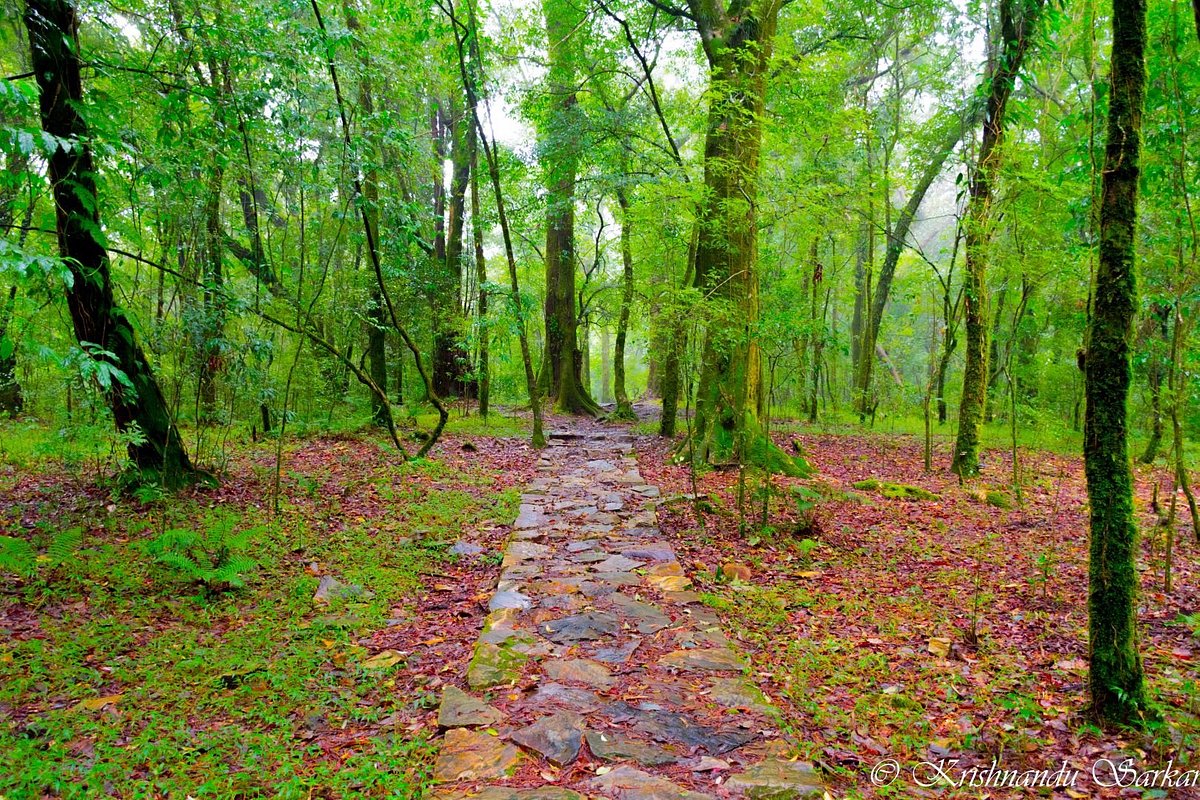
Mawphlang Sacred Forest is one of Meghalaya's most respected community-protected landscapes, located in the East Khasi Hills around 25 km from Shillong. Travelers usually come for the cool forest trail, moss-covered stones, and old trees, but the place is important for a deeper reason: it reflects how Khasi customary beliefs preserved biodiversity long before modern conservation became policy language.
Locally known as a sacred grove under traditional Khasi guardianship, Mawphlang is treated as a living cultural landscape rather than a recreation park. The grove is visited with a guide, and visitors are expected to follow local rules and respect ritual spaces. This balance of culture and ecology is exactly what makes Mawphlang stand out among Shillong tourist places.
If you are planning a Meghalaya itinerary focused on nature, culture, and easy half-day excursions from Shillong, Mawphlang is one of the strongest additions. Pair it with Elephant Falls, Shillong Peak, or Ward's Lake for a balanced route.

1. About Mawphlang Sacred Forest
Mawphlang village lies in Meghalaya's East Khasi Hills district and has long been linked to local Khasi religious and social traditions. The sacred grove here is often referenced as one of the best-known groves in the state and is associated with community guardianship and ritual practice. The forest is frequently cited at roughly 75-80 hectares in size, though exact mapped boundaries may differ by source and management zone.
In Khasi tradition, sacred groves are not random forest patches. They are protected landscapes tied to clan memory, spiritual duty, and community rules. This is why Mawphlang is not approached as a picnic forest. The experience is interpretation-led, and local guidance helps visitors understand why certain actions are avoided inside the grove.
- Location: Mawphlang, East Khasi Hills, Meghalaya
- Distance from Shillong: about 25 km (usually 45-75 minutes by road)
- Landscape: old-growth canopy, mossy stones, shaded trails, high moisture ecology
- Experience type: guided nature walk with cultural interpretation
2. History, Beliefs, and the Sacred Grove Tradition
The cultural value of Mawphlang comes from traditional Khasi cosmology in which certain forests are protected as sacred spaces. Oral accounts describe these sites as spiritually significant and governed by social rules passed through generations. In practical terms, this meant strict limits on extraction, hunting, and disturbance, creating long-term ecological protection without formal fencing or industrial management.
Visitors often hear that nothing should be removed from the grove. Whether explained spiritually or ecologically, the rule has a clear conservation effect: the forest floor, deadwood, soil layer, fungi, and plant cycles remain comparatively intact. This supports habitat continuity and keeps the grove closer to a mature natural system than most fragmented peri-urban forests.
Modern conservation discussions now treat sacred groves as strong examples of community stewardship. Mawphlang is one of the most visible case studies in Meghalaya, where local cultural practice and biodiversity protection still reinforce each other.

3. Why Mawphlang Matters for Nature Conservation
Many travelers ask: what is special about this forest when Meghalaya has many scenic viewpoints? The short answer is ecological continuity. Sacred groves preserve microhabitats that are often lost in logged or heavily altered landscapes. At Mawphlang, dense shade, damp ground, leaf litter, and old root systems support slower ecological processes that cannot be recreated quickly.
From a conservation viewpoint, sacred groves also matter as local climate buffers and biodiversity reservoirs. They can support pollinators, birds, fungi, and medicinal plants while protecting soil and local water systems. In a high-rainfall state like Meghalaya, such protected forest pockets help regulate run-off and maintain landscape resilience.
For responsible travelers, visiting Mawphlang is not only a scenic walk. It is also a chance to observe how indigenous governance and conservation overlap in everyday practice.
Conservation Lessons from Mawphlang
- Community rules can protect biodiversity effectively over long periods.
- Cultural taboos can function as practical ecological safeguards.
- Guided tourism can support livelihoods while reducing unmanaged pressure.
- Small protected patches can carry high ecological value.
4. Biodiversity and What You Can See Inside the Grove
Mawphlang Sacred Forest is known for rich plant life, old trees, ferns, mosses, and seasonal growth patterns shaped by high humidity. The grove is often described as a "living museum" because every layer of the forest floor has ecological function, from decaying wood to dense understory growth. Visitors interested in botany, macro photography, or forest ecology usually find this trail especially rewarding.
The experience is less about one iconic viewpoint and more about noticing detail: bark textures, root forms, lichen-covered surfaces, and light filtering through canopy layers. Bird activity varies by season and time of day, and early morning generally gives better soundscape and movement conditions.
| Forest Feature | What Visitors Notice | Why It Matters |
|---|---|---|
| Old canopy trees | Dense shade and cooler microclimate | Supports moisture-dependent species |
| Moss and ferns | Thick green textures on stones and trunks | Indicator of humid, stable habitat |
| Leaf litter and deadwood | Undisturbed forest floor | Nutrient cycling and fungi support |
| Seasonal flowering/plants | Changing visual layers across seasons | Biodiversity and pollinator value |
5. Mawphlang Sacred Forest Timings, Entry, and Visitor Rules
Timings and fee structures can change based on local management decisions, season, and visitor load, so confirm details at the entry point or through local tourism contacts before your trip. Most travelers visit in daytime hours and complete the core guided trail within 1-2 hours depending on pace and route depth.
Guide-led entry is commonly recommended and may be required for specific trail sections. This is useful because interpretation is a core part of the experience, and guides help visitors follow local protocol in sacred areas.
- Visit during daylight for safer trail conditions and better visibility.
- Wear non-slip shoes because the forest floor can be damp year-round.
- Do not remove leaves, stones, plants, or wood from the grove.
- Avoid loud behavior and respect instructions at ritual spots.
- Carry back all plastic and personal waste.
These practices are not just etiquette; they directly protect the site's ecological and cultural integrity.
6. Best Time to Visit Mawphlang
Mawphlang is accessible in most months, but your experience changes by season. Post-monsoon and winter usually offer the best trail comfort with clearer roads, lower rain interruption, and good visibility. Monsoon creates a dramatic, misty atmosphere and lush growth, but slippery sections and weather delays are more likely.
Spring and early summer can be pleasant for those who want greener landscapes with relatively manageable conditions. For photography and slow interpretive walks, mornings are usually better than late afternoons.
| Season | Conditions | Best For |
|---|---|---|
| Oct-Feb | Cooler weather, clearer movement windows | Comfortable guided walks and photography |
| Mar-May | Mild to warm with green cover | Nature walks and mixed Shillong day trips |
| Jun-Sep | Heavy rain, mist, wet trails | Lush scenery if you are monsoon-ready |
7. How to Reach Mawphlang Sacred Forest from Shillong
Mawphlang is one of the easier day trips from Shillong by road. The common route follows the Shillong-Cherrapunji side corridor, and travel time usually ranges from 45 minutes to a little over an hour depending on traffic and weather. For first-time visitors, hiring a local cab for a half-day loop is often the smoothest option.
Transport Options
- Private cab from Shillong: easiest for flexible stops and return timing.
- Shared transport/local taxi: lower cost but less schedule control.
- Self-drive: possible, but mountain weather and narrow stretches require caution.
Plan buffer time if you are combining Mawphlang with multiple attractions in one day. In Meghalaya, weather can shift quickly, and conservative scheduling prevents rushed visits.

8. Suggested Half-Day and Full-Day Itinerary
Mawphlang works well as either a focused half-day cultural-nature stop or part of a larger Shillong circuit. If your primary interest is ecology and interpretation, keep extra time for the guided walk instead of overloading your day with too many distant points.
Half-Day Plan
- Start from Shillong after breakfast.
- Reach Mawphlang and take a guided grove walk (1-2 hours).
- Return to Shillong for lunch and city attractions.
Full-Day Plan
- Morning: Mawphlang Sacred Forest guided visit.
- Afternoon: Khasi Heritage Village area and cultural context stops.
- Evening: return toward Shillong via scenic viewpoints.
This structure balances interpretation, travel time, and rest without turning the day into a rushed checklist.
9. Nearby Attractions You Can Combine with Mawphlang
Mawphlang is best combined with nearby nature and culture attractions rather than distant cross-state routes. If you are staying in Shillong, cluster your day by direction to reduce backtracking.
- Elephant Falls Meghalaya for easy-access waterfall viewing.
- Shillong Peak for broad city-and-hills viewpoints.
- Khasi Heritage Village Shillong for cultural architecture and community history context.
- Tourist Places in Shillong for wider city route planning.
- Best Time to Visit Shillong for season-based scheduling.
10. Practical Travel Tips for First-Time Visitors
Mawphlang feels peaceful, but it is still a live forest ecosystem with variable weather and trail conditions. A few practical choices improve both comfort and site respect:
- Choose shoes with strong grip; wet roots and stones can be slippery.
- Carry a light rain layer in every season.
- Use reusable water bottles and avoid single-use plastic.
- Keep camera gear dry with simple waterproof protection.
- Listen to your guide on route limits and no-entry zones.
- Keep noise low; this is both a sacred and ecological space.
Families with children can do this trip comfortably if pace is kept easy and weather buffers are built in.
Final Take
Mawphlang Sacred Forest is one of Meghalaya's most meaningful travel experiences because it combines biodiversity, indigenous knowledge, and responsible tourism in one accessible destination. It is not just a forest trail near Shillong; it is a living model of how culture can protect nature across generations.
If you want your Meghalaya itinerary to include more than viewpoints and photos, include Mawphlang as a core stop. Visit with respect, follow local guidance, and treat the grove as the community does: a protected living heritage landscape.

Location
Frequently Asked Questions
Q1.Where is Mawphlang Sacred Forest located?
Q2.How far is Mawphlang Sacred Forest from Shillong?
Q3.What is a sacred grove in Meghalaya?
Q4.What are Mawphlang Sacred Forest timings?
Q5.Is there an entry fee for Mawphlang Sacred Forest?
Q6.Is a guide required at Mawphlang Sacred Forest?
Q7.What can I see inside Mawphlang Sacred Grove?
Q8.Why is Mawphlang Sacred Forest important?
Recommended For You
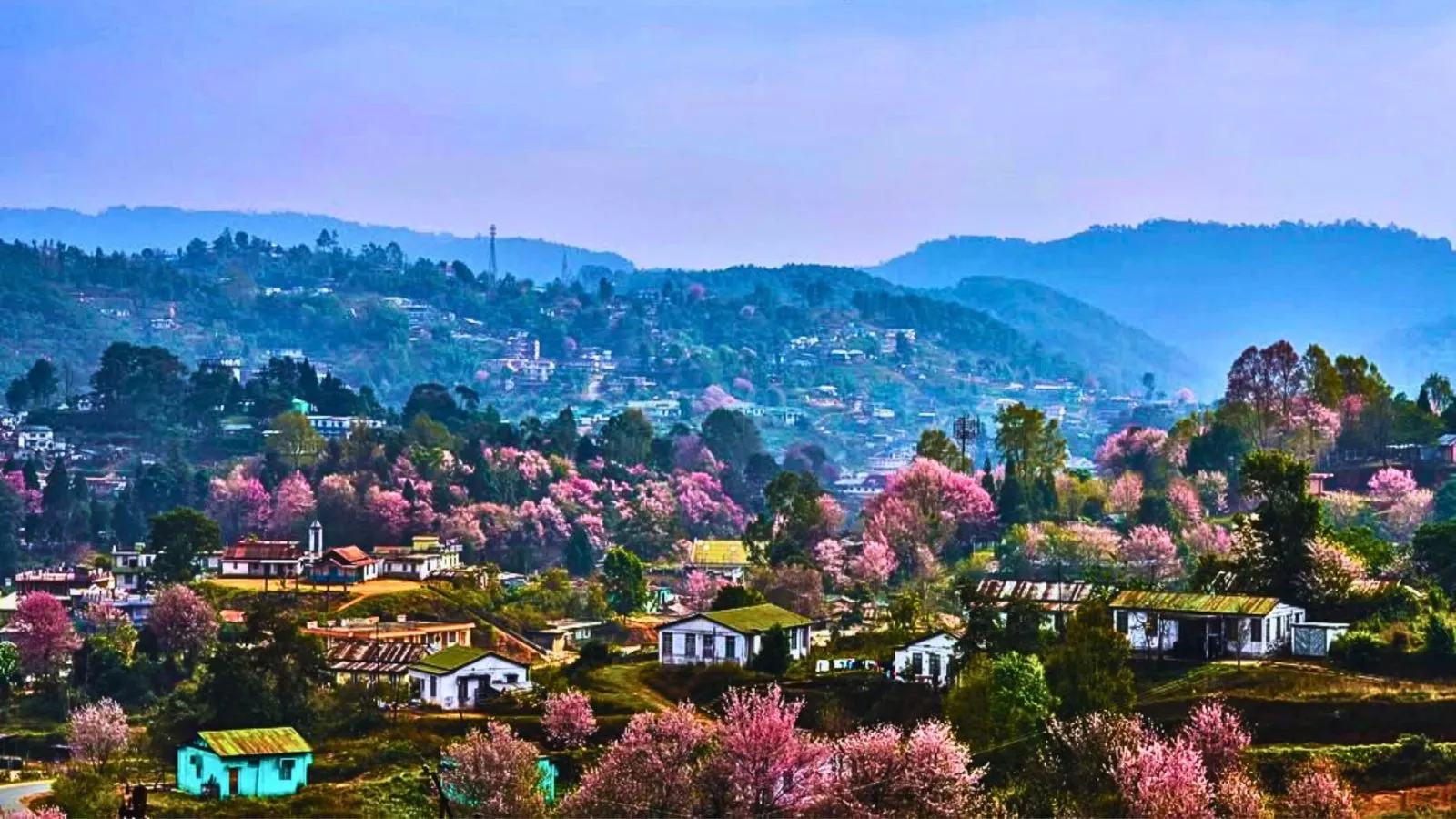
Best Time to Visit Shillong Meghalaya: Season, Rainfall & Local Events
Plan the best time to visit Shillong with season-wise weather, cherry blossom timing, monsoon travel tips, and month-by-month guidance for Meghalaya trips.
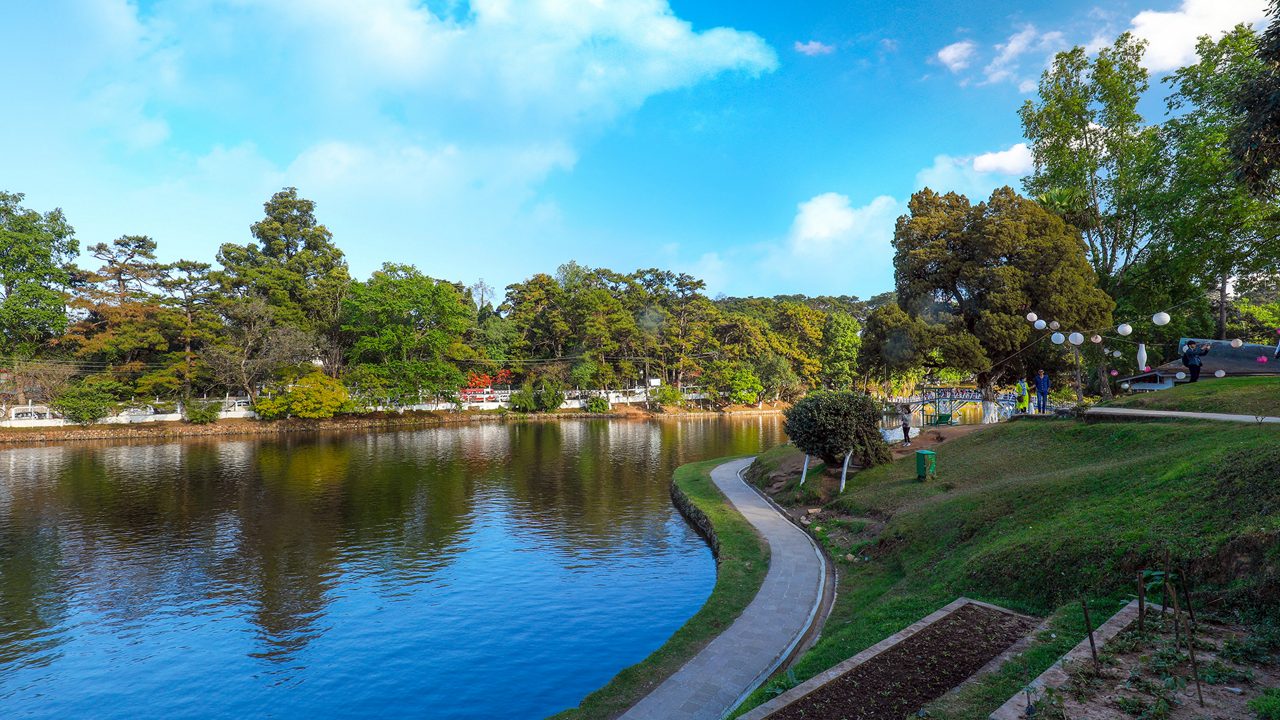
Ward’s Lake Shillong: Timings, Boating & Visitor Tips
Visit Ward's Lake Shillong - the heart of the city. Boating, timing, entry fee, history, how to reach & best time to visit this beautiful artificial lake.
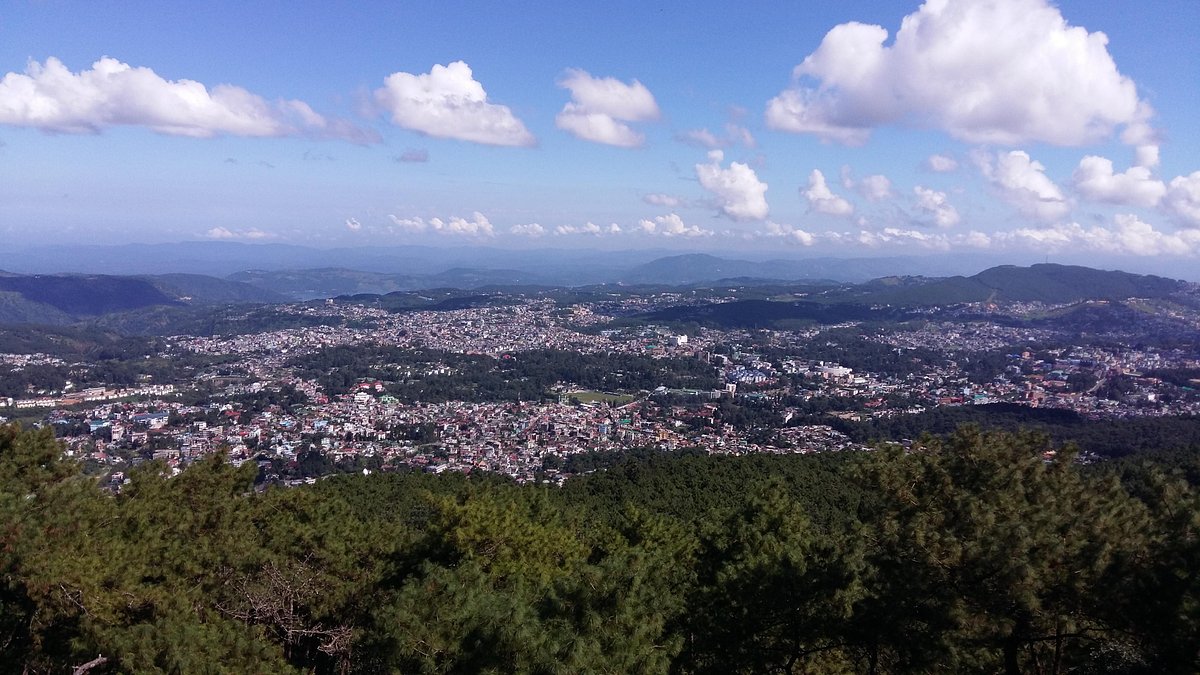
Shillong Peak: Highest Point Meghalaya
Visit Shillong Peak, Meghalaya's highest point. Enjoy panoramic views, weather, timings, entry fee & travel tips.
Never Miss an Adventure
Get the latest trekking guides, travel tips, and exclusive offers delivered straight to your inbox.
