
Bhutan in Monsoon: Weather, Road Conditions & Itinerary Ideas
Rohit Verma
December 25, 2025
Visit Bhutan in monsoon (June-September). Discover lush landscapes, fewer crowds, festivals & practical tips for rainy season travel in the Dragon Kingdom.
The Magic of Bhutan's Green Season
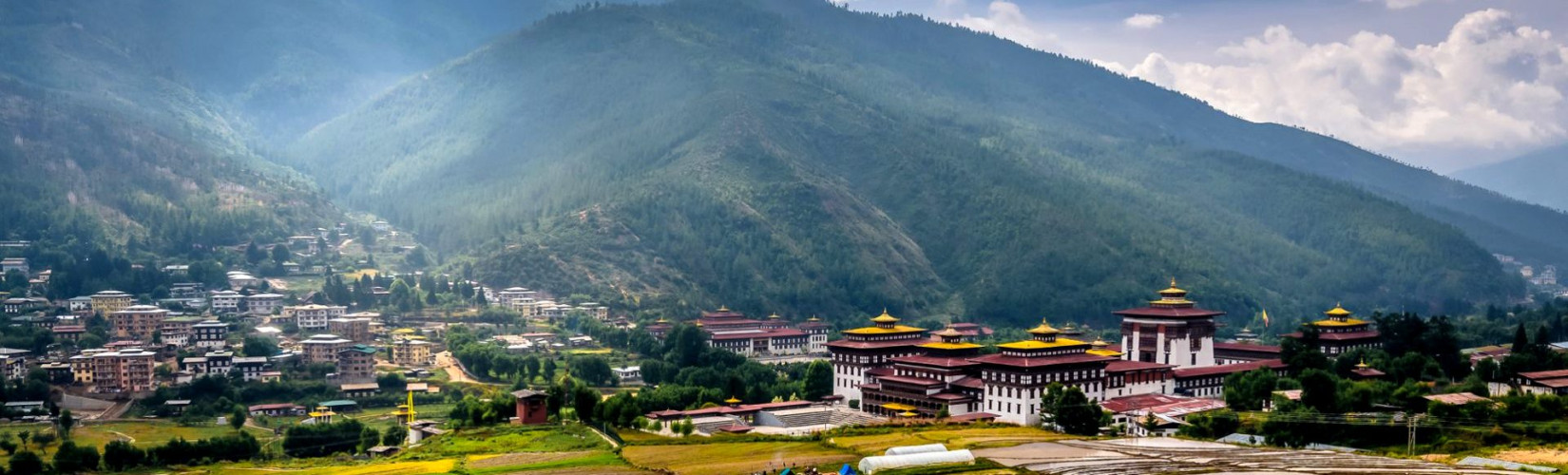
Bhutan in monsoon transforms into an emerald paradise, where relentless rainfall paints the Himalayan kingdom in shades of green that defy description. While many travelers avoid this period, those who embrace the rainy season discover a mystical version of the Dragon Kingdom - mist-shrouded valleys, terraced rice paddies glowing vibrant green, and waterfalls cascading down every mountainside. The monsoon months (June-September) reveal Bhutan's most lush and alive incarnation, offering experiences impossible during drier seasons.
What makes monsoon travel special isn't just the dramatic landscape transformation. It's the absence of crowds that defines peak season, the cultural festivals that defy rain, and the intimate atmosphere that permeates monasteries and temples when tourist numbers drop. This guide explores why Bhutan's monsoon might actually be its best-kept secret, helping you decide if the rainy season aligns with your travel aspirations and what to expect if it does.
Monsoon in Bhutan: An Overview
Bhutan's monsoon, driven by the southwest monsoon winds from the Bay of Bengal, typically spans from June to September. The kingdom receives approximately 60-70% of its annual rainfall during these months, creating the dramatic greening that characterizes the season. However, Bhutan's mountainous terrain creates significant microclimate variations - some valleys receive torrential downpours while others experience more moderate rainfall.
The monsoon progresses through distinct phases. June marks onset with increasing humidity and initial showers. July and August bring peak rainfall - the wettest months when rain can fall continuously for days. September signals retreat as showers become less frequent and less intense, with October marking transition to crisp autumn days. Understanding this progression helps plan activities around rainfall patterns.
Temperature during monsoon remains pleasantly warm compared to winter. Daytime highs typically reach 25-28°C in valleys like Thimphu and Paro, while nights cool to 15-18°C. Higher elevations naturally run cooler. The combination of warmth, humidity, and rain creates Bhutan's distinctive monsoon atmosphere - damp but never uncomfortable, especially compared to Indian plains' summer heat.
Regional Variations
Bhutan's terrain creates dramatic rainfall differences across regions. Southern Bhutan bordering India receives the heaviest rainfall - areas like Samdrup Jongkhar and Phuentsholing can experience tropical conditions with truly torrential rain. Central valleys (Thimphu, Paro, Punakha) get substantial but more moderate rainfall. Western Bhutan and higher northern areas receive less overall precipitation, making them relatively better monsoon destinations.
This variation means strategic itinerary planning can significantly improve your monsoon experience. Focusing on western and central valleys while minimizing time in southern regions reduces exposure to the heaviest rain. Internal flights to places like Bumthang can bypass difficult road sections that become problematic during peak monsoon.
| Month | Rainfall | Temperature | Travel Conditions |
|---|---|---|---|
| June | Moderate increasing | Warm (24-28°C) | Good, occasional showers |
| July | Heavy, peak | Warm (25-28°C) | Challenging, continuous rain |
| August | Heavy, peak | Warm (25-28°C) | Challenging, continuous rain |
| September | Moderate decreasing | Pleasant (23-26°C) | Improving, scattered showers |
Pros and Cons of Monsoon Travel
Deciding whether to visit Bhutan during monsoon requires weighing clear advantages against equally real challenges. Being honest about both helps make informed decisions aligned with your travel style and priorities.
Advantages of Monsoon Travel
Dramatic Landscapes: There's no denying Bhutan looks spectacular during monsoon. Every possible shade of green blankets the valleys - rice terraces glow neon green, forests become impossibly lush, and wildflowers burst forth in meadows. Waterfalls appear everywhere, cascading down cliffs that remain dry other months. The fresh, washed-clean atmosphere creates incredibly clear air quality between showers.
Fewer Crowds: This is monsoon travel's biggest advantage. Major sites like Tiger's Nest monastery see a fraction of usual visitors. Restaurants have tables available. Hotels offer better rates. Your guide can spend longer at each stop without feeling pressured by crowds. The experience feels more intimate and authentic - you're exploring Bhutan with curious travelers rather than fighting through tourist groups.
Cost Savings: Many hotels and tour operators offer off-peak rates during monsoon months. While Bhutan's daily tariff system limits discount flexibility, some operators provide better inclusions or upgraded accommodations to attract monsoon visitors. Domestic flights may also have better availability and pricing.
Cultural Authenticity: With fewer tourists around, monsoon visitors experience Bhutan closer to how locals live it. Monks at monasteries have more time for conversation. Markets bustle with locals rather than tour groups. Restaurants serve Bhutanese families alongside travelers. The rainy season aligns with agricultural cycles, so you witness rice planting and other farming activities that define valley life.
Challenges of Monsoon Travel
Rainfall: This is the obvious one. July and August can see rain falling continuously for days. Outdoor activities require rain contingency plans. Photography becomes challenging with gray skies and moisture. Clothes never fully dry. Some travelers find persistent rain depressing or frustrating, especially if hoping for mountain views.
Limited Mountain Views: Those iconic Bhutan postcard images of snow-capped peaks rising above valleys? Rare during monsoon. Clouds and mist often obscure high mountains completely. Sometimes views clear briefly after rain, creating magical moments, but you cannot count on consistent mountain visibility. If seeing Himalayan peaks is essential, consider shoulder seasons instead.
Road Conditions: Bhutan's mountain roads become challenging during heavy rain. Landslides occasionally block routes, causing detours or delays. Some high passes receive fog that reduces visibility to near zero. Journeys between towns take longer than usual. While main roads generally remain passable, conditions can be nerve-wracking for those uncomfortable with mountain driving in wet weather.
Limited Trekking: High-altitude treks become difficult or dangerous during monsoon. Trails turn muddy and slippery. Leeches appear in forest sections. River crossings swell. Bridge conditions deteriorate. Most trekking companies suspend high-altitude expeditions during peak monsoon months. However, lower elevation day hikes and valley walks remain feasible with proper preparation.
Who Should Visit in Monsoon?
Monsoon travel suits specific traveler types perfectly. Photographers chasing dramatic weather and moody atmospheres love the cloud play and light quality. Culture-focused travelers prioritize monasteries, festivals, and local experiences over mountain views. Repeat visitors who've seen Bhutan in other seasons want to experience its green transformation. Budget-conscious travelers appreciate better rates and smaller crowds.
Who might prefer other seasons? First-time visitors with limited time who want guaranteed mountain views and clear weather. Serious trekkers whose primary goal is high-altitude hiking. Travelers seeking beach-like relaxation or who get frustrated by rain. Those with very tight itineraries where weather delays could significantly impact planned activities.
Best Places to Visit During Monsoon
Strategic destination selection can dramatically improve your monsoon experience. Some places handle rain better than others, and a few actually become more magical during wet weather.
Thimphu
Bhutan's capital handles monsoon beautifully with numerous indoor attractions and paved streets that drain well. The massive Buddha Dordenma statue looks especially dramatic emerging from mist. Thimphu's weekend market operates rain or shine, offering covered sections perfect for monsoon browsing. The city's museums - Textile Museum, Folk Heritage Museum, National Library - provide excellent rainy day options. Plus, Thimphu's restaurant scene means you're never far from hot tea and warm meals when showers intensify.
Paro Valley
Despite Tiger's Nest being an exposed hike, Paro valley offers substantial monsoon appeal. The valley floor receives less rain than surrounding areas. Paro town has excellent cafes and restaurants for cozy rainy afternoons. Many monasteries - Kyichu Lhakhang, Drukgyel Dzong - have covered sections and roofing that make rain manageable. Rice paddies surrounding Paro turn spectacularly green, perfect for photography even in overcast conditions. Paro's airport also means you can fly in without weather-dependent mountain passes.
Punakha
Punakha's lower elevation means warmer temperatures during monsoon - genuinely pleasant rather than cool. The magnificent Punakha Dzong, arguably Bhutan's most beautiful building, sits at river confluence and looks stunning surrounded by mist and rising water levels. The dzong's expansive covered courtyards provide hours of exploration regardless of rain. Punakha also offers riverside resorts where monsoon rain creates perfect ambiances for hot stone baths and spa treatments.
Bumthang
Central Bhutan's cultural heartland receives less rainfall than western regions, making it monsoon-friendly. The four Bumthang valleys contain sacred sites enough to occupy days - Jakar Dzong, Jambay Lhakhang, Kurje Lhakhang, and numerous smaller temples. Bumthang's significance in Bhutanese Buddhism means monastery visits provide deep cultural immersion regardless of weather. Domestic flights from Paro to Bumthang avoid potentially difficult road conditions over high passes.
Places to Approach Carefully
Southern Bhutan (Samdrup Jongkhar, Phuentsholing, Gelephu) receives extremely heavy monsoon rainfall. Only include these areas if necessary for entry/exit and plan minimal time there. High-altitude treks in regions like Gasa or Laya become hazardous during monsoon - postpone these adventures. Some remote eastern regions have roads that become particularly landslide-prone during heavy rain - check current conditions before including these in itineraries.
Things to Do During Monsoon
Monsoon doesn't mean activities stop - it means adjusting your approach and focusing on experiences that work beautifully with rain rather than against it.
Monastery and Dzong Visits
This is monsoon's silver lining - you'll often have major religious sites largely to yourself. Spend quality time at Punakha Dzong exploring its courtyards and temples without crowds. Visit Thimphu's Trashi Chhoe Dzong when government offices are closed and it's peaceful. Attend morning chants at Paro's temples. Many monasteries have covered areas and enclosed temples where rain doesn't matter. The atmospheric lighting during overcast monsoon days actually makes for excellent interior photography.
Cultural Experiences
Monsoon coincides with summer break from school, meaning young monks are often at monasteries where they can practice English with visitors and share insights into monastic life. Traditional hot stone bath experiences feel incredibly luxurious when rain falls outside. Archery competitions (Bhutan's national sport) continue in light rain, and watching determined archers compete in wet conditions reveals cultural resilience. Cooking classes learning momo preparation or ema datshi cooking work perfectly indoors.
Museum and Cultural Center Exploration
Thimphu's museums deserve dedicated time. The Textile Museum showcases Bhutan's weaving traditions with excellent exhibits. The Folk Heritage Museum preserves traditional Bhutanese household life in an historic home. The National Library houses ancient Buddhist texts. The Simply Bhutan museum provides interactive cultural experiences. All of these offer hours of engaging indoor exploration completely weather-proof.
Spa and Wellness
What better time for Bhutan's famous hot stone baths than during cool rain? Many higher-end hotels offer traditional outdoor baths where the contrast between hot water and cool falling rain creates magical experiences. Indoor massage, traditional medicine consultations, and meditation retreats provide alternative ways to experience Bhutan's wellness traditions when weather limits outdoor activities.
Nature Walks and Valley Exploration
Not all outdoor activities stop during monsoon - you just need proper gear and realistic expectations. Short valley walks between showers reveal waterfalls, wildflowers, and vibrant greenery impossible other seasons. Bird watching remains productive - many species are actually more active during light rain. Photography focusing on macro shots (raindrops on leaves, mushrooms, moss) rather than grand landscapes works beautifully in overcast conditions.
Monsoon Activity Guide
| Activity | Monsoon Suitability | Best Locations |
|---|---|---|
| Monastery visits | Excellent - indoor focus | Thimphu, Punakha, Bumthang |
| High-altitude trekking | Not recommended | N/A |
| Valley day hikes | Good with proper gear | Paro, Punakha valleys |
| Museum exploration | Excellent - indoor | Thimphu especially |
| Hot stone baths | Perfect - atmospheric | Punakha, Paro resorts |
| Cultural festivals | Excellent - seasonal timing | Various locations |
| Mountain photography | Poor - obscured views | Any location |
| Macro photography | Excellent - details, light | Any valley |
Packing for Monsoon in Bhutan
Proper packing makes the difference between miserable and enjoyable monsoon travel. Focus on waterproofing, layering, and quick-dry materials.
Clothing Essentials
- Rain Jacket: Quality waterproof jacket (not just water-resistant) with hood is non-negotiable. Breathable fabric like Gore-Tex prevents interior condensation during activity.
- Quick-dry Pants: Avoid denim - it stays wet forever. Synthetic hiking pants or travel trousers dry overnight. Convertible pants (zip-offs) work well for temperature variations.
- Layers: Moisture-wicking base layers (merino wool or synthetic) pull sweat away from skin. Fleece jacket provides warmth for cooler evenings. Layering allows adjustment to changing conditions.
- Undergarments: Bring more than you think you need - things don't dry well in humidity. Merino underwear resists odor and dries relatively quickly.
- Comfortable Walking Shoes: Waterproof hiking boots are ideal. Otherwise, bring shoes that dry quickly and pack a second pair to rotate while one dries. Avoid canvas sneakers that stay wet.
Essential Gear
- Compact Umbrella: Small, sturdy umbrella for city exploration and light rain. Much easier than constantly jacketing up for quick showers.
- Rain Cover for Daypack: Waterproof cover keeps contents dry during sudden downpours. Alternatively, line pack with plastic bags.
- Packing Cubes/Ziplocks: Organize contents in waterproof bags. Keeps dry things dry if something gets wet inside pack.
- Trekking Poles: Provide stability on muddy, slippery trails. Optional but helpful for hikers.
- Headlamp/Flashlight: Power cuts increase during monsoon storms. Good for monastery visits too.
Toiletries and Health
- Insect Repellent: Mosquitoes increase during monsoon, especially in lower valleys like Punakha. DEET-based repellent works best.
- Hand Sanitizer: Always useful, but especially during monsoon when everything's damp and waterborne germs spread.
- Basic First Aid: Blister treatment (feet stay wet), antidiarrheal medication, motion sickness tablets for winding roads.
- Lip Balm & Sunscreen: Cloudy doesn't mean UV-free. Higher elevations still require sun protection.
Electronics Protection
- Waterproof Cases/Pouches: Phones and cameras need serious protection. Waterproof dry bags work great for all electronics.
- Silica Gel Packets: Throw a few in camera bags to absorb moisture and prevent fungus in lenses.
- Universal Travel Adapter: Bhutan uses Indian-style plugs (round pins). Surge protector is wise during monsoon electrical fluctuations.
Monsoon Festivals and Events
Contrary to assumptions, Bhutan's cultural calendar doesn't pause for monsoon. Several important festivals (tsechus) occur during rainy months, offering unique opportunities to witness traditions that continue regardless of weather.
Thimphu Tshechu (September)
Held annually at Tashichho Dzong, Thimphu Tshechu is one of Bhutan's largest festivals. Taking place over several days in September (exact dates follow lunar calendar), it features masked cham dances, religious ceremonies, and community gathering. While outdoor aspects proceed rain or shine, covered areas provide shelter during downpours. The festival's spiritual significance remains powerful regardless of weather, and the rain actually adds atmospheric intensity to the mystical masked dances.
Haa Tshechu (Summer)
The Haa Valley summer festival often coincides with monsoon onset. This smaller, more intimate tshechu offers authentic cultural experiences without the massive crowds of Paro or Thimphu festivals. Haa's remote location means fewer tourists generally, making monsoon timing even quieter. The dramatic Haa valley looks spectacular in lush monsoon greenery, though road access from Paro requires crossing a high pass that can experience fog and occasional closures.
Nimalung Tshechu (June/July)
Held in Bumthang's Chumey valley, Nimalung Tshechu is one of Bhutan's most important religious festivals. Coinciding with early monsoon, it features elaborate cham dances and ceremonial mask performances. Bumthang's relatively lower rainfall makes it one of the more comfortable monsoon festival locations. The festival's sacred significance draws participants from across Bhutan, creating genuine community celebration rather than tourist spectacle.
Ordinary Season Festivals
Beyond major tsechus, smaller local festivals occur throughout summer months. These commemorate local deities, mark agricultural cycles, or celebrate community events. While difficult to predict precisely in advance, your guide may know of upcoming events during your visit. These smaller festivals offer incredibly authentic experiences where you're often the only foreigner present, witnessing traditions unchanged for centuries.
Practical Tips for Monsoon Travel
Building Flexibility into Itineraries
Don't overschedule. Build buffer days for weather delays. Keep activities in each location varied (mix indoor/outdoor options) so you can adjust based on conditions. Have Plan B alternatives for major outdoor activities. Most importantly, maintain realistic expectations - some things simply won't be possible during heavy rain periods.
Working with Guides
Experienced Bhutanese guides understand monsoon patterns and can adjust daily plans intelligently. Trust their judgment about road conditions and activity feasibility. They know which temples have good covered areas, which restaurants offer cozy atmospheres, and which activities work in light rain versus which require rescheduling. Good guides transform challenging monsoon conditions into memorable experiences.
Transportation Considerations
Domestic flights (Paro to Bumthang or Yongphulla) bypass difficult road sections and save hours of potentially uncomfortable driving. However, these flights are weather-dependent and frequently cancel during poor conditions. Book flights early in itineraries so if they cancel, you have buffer days for road travel as backup. Always carry motion sickness medication - winding wet roads increase nausea risk.
Accommodation Strategy
Choose accommodations with good indoor common areas - cozy lounges, covered terraces, or restaurants where you can spend rainy evenings comfortably. Resorts with spa facilities offer activities when weather limits exploration. Hotels in town centers provide walking access to restaurants and shops without needing transport. Read reviews specifically mentioning monsoon experiences or weatherproofing.
Is Monsoon Travel Worth It?
The honest answer depends entirely on your travel priorities and personality. If you need guaranteed mountain views, dislike rain, or have limited time with fixed plans, monsoon might not be ideal. But if you prioritize cultural immersion, fewer crowds, lower costs, and don't mind adapting plans to weather, monsoon reveals a Bhutan most travelers never see.
There's something magical about Bhutan in the rain - the way mist clings to mountainsides, the intensity of green that saturates every view, the coziness of tea shop interiors when storms pass through, and the sense that you're experiencing the country closer to how locals actually live it rather than how guidebooks present it. The monsoon season is Bhutan unfiltered, unvarnished, and utterly authentic.
Ultimately, monsoon travel rewards flexibility and cultural curiosity over rigid sightseeing lists. Come prepared with proper gear, realistic expectations, and willingness to adapt plans based on conditions. Do those things, and the Dragon Kingdom's rainy season might just deliver your most memorable travel experiences - not despite the rain, but because of it.
For more information on timing your Bhutan visit, check our comprehensive guide on best time to visit Bhutan, or compare with other seasons like Bhutan in April (spring) and Bhutan in December (winter) to make the best choice for your priorities.
Location
Frequently Asked Questions
Q1.Is it safe to visit Bhutan in monsoon?
Q2.What is the best month to visit Bhutan?
Q3.How much does it rain in Bhutan during monsoon?
Q4.Are roads open during monsoon in Bhutan?
Q5.Can we trek in Bhutan during monsoon?
Q6.Is it worth visiting Bhutan in rainy season?
Q7.What should I pack for Bhutan in monsoon?
Q8.Are flights to Bhutan affected during monsoon?
Q9.Are hotels cheaper in Bhutan during monsoon?
Q10.Is Bhutan crowded during monsoon?
Recommended For You
Backpacking Bhutan: Budget Planning, Route & Permit Details
Complete backpacking Bhutan guide: visa requirements, daily fee, budget tips, best season, trekking, cultural sites & 7-day itinerary for the Land of the Thunder Dragon.
Bhutan Villages: Cultural Routes and Travel Tips
Explore Bhutan villages with route-aware planning, cultural sensitivity, and practical tips for meaningful slow-travel experiences.
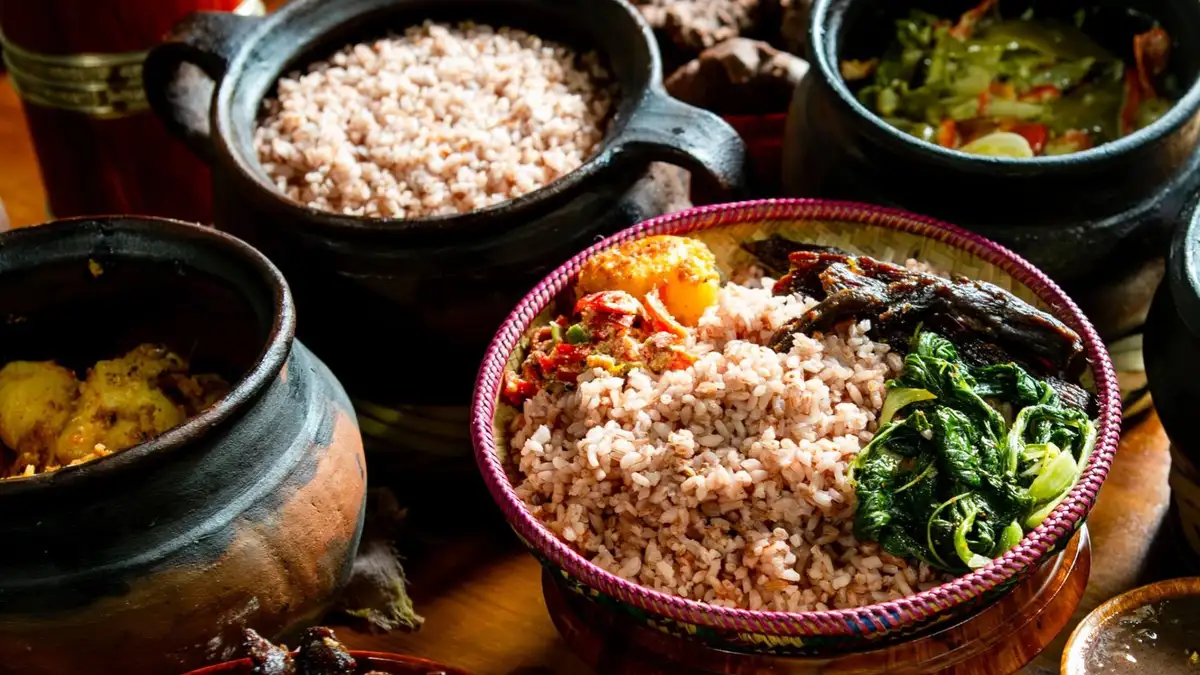
Bhutan Street Food: Local Flavors and Tasting Tips
Bhutan street food guide with practical tasting order, hygiene checks, budget pacing, and cultural etiquette for smarter local food exploration.
Never Miss an Adventure
Get the latest trekking guides, travel tips, and exclusive offers delivered straight to your inbox.
