
Camping in Meghalaya: Best Campsites, Cost & Seasonal Tips

Ananya Sharma
February 19, 2026
Experience camping in Meghalaya's abode of clouds. Discover top campsites, best seasons, costs, and essential tips for riverside, forest, and luxury camping experiences.
Camping in the Abode of Clouds
Welcome to Meghalaya, the "abode of clouds" and one of India's most spectacular camping destinations. Nestled in Northeast India, this magical state offers camping experiences that transform ordinary trips into extraordinary adventures. Imagine waking up to misty mornings, surrounded by lush green valleys, pristine rivers, and living root bridges that seem straight out of a fantasy world.
Camping in Meghalaya isn't just about spending a night in a tent. It's about immersing yourself in nature's grandeur, experiencing unique Khasi culture, and creating memories that last a lifetime. From riverside camping along the crystal-clear Umngot River to luxury glamping in Cherrapunji's rain-soaked valleys, Meghalaya offers diverse camping experiences for every type of traveler.
Whether you're a solo backpacker seeking solitude, a couple looking for romantic stargazing spots, or a family wanting to introduce children to the wonders of nature, Meghalaya's camping landscape has something special for everyone. The state's unique geography, blessed with some of the world's highest rainfall regions, creates an ecosystem unlike anywhere else on Earth.
This comprehensive guide will help you plan the perfect camping adventure in Meghalaya, covering everything from the best camping regions and seasons to practical tips, costs, and safety guidelines. Let's embark on this journey to discover why camping in Meghalaya should be on every outdoor enthusiast's bucket list.
Best Camping Regions in Meghalaya
Cherrapunji (Sohra) - The Wettest Paradise
Cherrapunji, locally known as Sohra, holds the record for being one of the wettest places on Earth. But don't let that discourage you - camping here during the right season offers breathtaking views of rolling green hills, majestic waterfalls, and dramatic cloud formations. The region's unique topography creates natural campsites with panoramic valley views that will leave you spellbound.
Campsites here range from basic setups to luxury tents with modern amenities. Popular camping spots near Cherrapunji include areas close to Nohkalikai Falls, Seven Sisters Falls, and the legendary living root bridges. The misty atmosphere and frequent rainbows make it a photographer's paradise, especially during early morning hours when clouds dance through the valleys.
For more detailed information about visiting this region during the wet season, check out our guide on Meghalaya in monsoon. It provides valuable insights into how to make the most of your trip even during heavy rainfall periods.
Shillong Outskirts - Scotland of the East
The areas surrounding Shillong, Meghalaya's capital, offer excellent camping opportunities for those who want to combine outdoor adventure with easy access to urban amenities. The Shillong plateau features numerous camping sites that provide stunning views of the surrounding hills and valleys.
Popular camping locations near Shillong include Umiam Lake areas, Shillong Peak vicinity, and Laitlum Canyons. These sites are perfect for first-time campers, families with children, or anyone who prefers having backup options close by. The weather here is generally more predictable compared to other regions, making it ideal for year-round camping.
The area around Ward's Lake and Police Bazar offers organized camping experiences with good facilities. Many operators here provide guided treks, bonfire evenings, and authentic Khasi cuisine experiences that enhance your camping adventure.
Dawki and Umngot River - Crystal Clear Waters
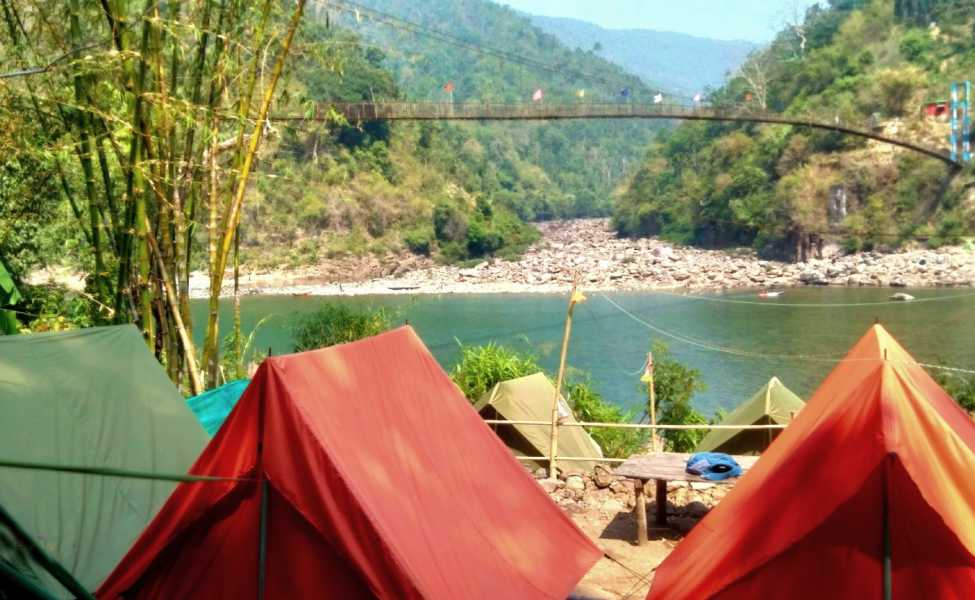
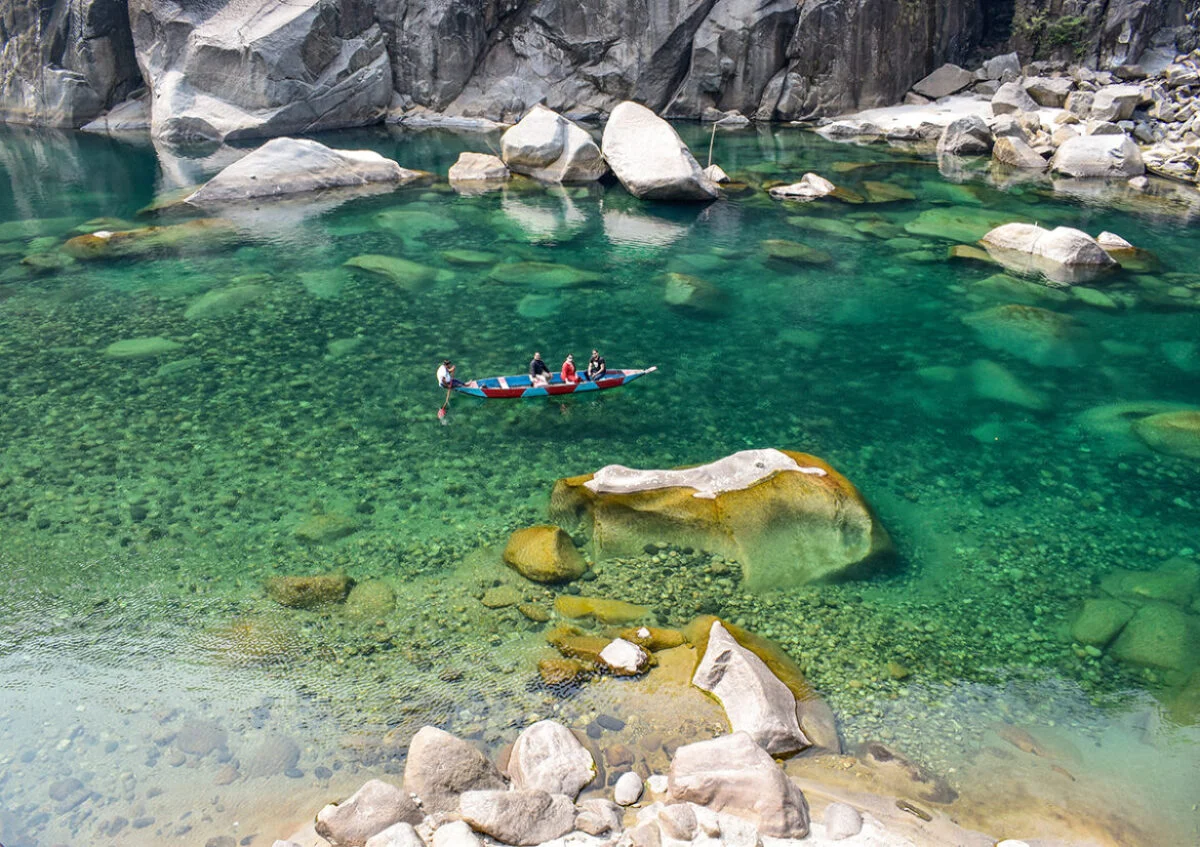
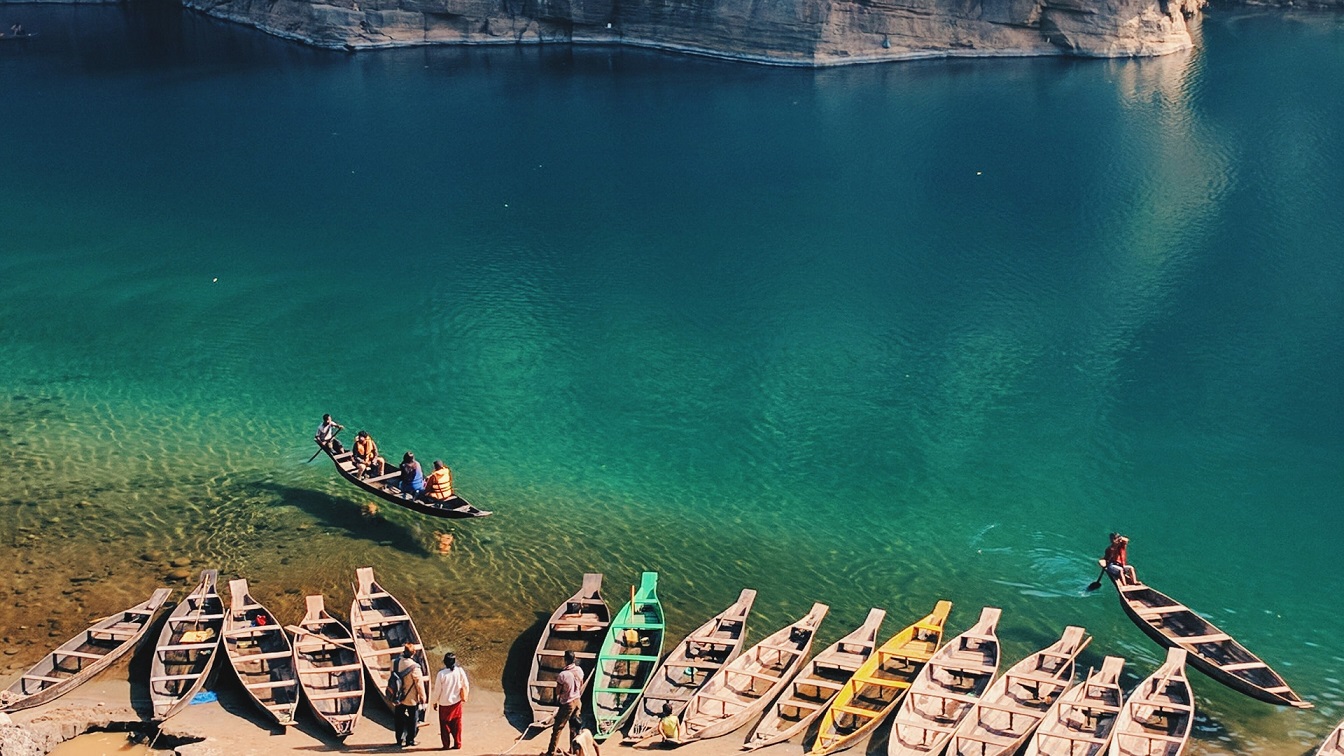
Dawki, located near the Bangladesh border, is famous for the incredibly clear Umngot River. Camping here is a unique experience where you can fall asleep to the gentle sounds of the river and wake up to mist rising off the crystal-clear water. The riverside camps offer opportunities for boating, kayaking, and swimming in some of the cleanest river water you'll ever encounter.
The camping infrastructure here has developed significantly in recent years, with options ranging from basic tents on the riverbank to luxury glamping setups with attached bathrooms and gourmet meals. The famous Dawki Bridge offers a spectacular backdrop for camping photos, especially during sunset when the sky turns brilliant shades of orange and pink.
For specific information about reaching this beautiful region, read our detailed guide on how to reach Dawki. It covers all transportation options, route recommendations, and travel tips to help you plan your journey smoothly.
Jaintia Hills - Off the Beaten Path
For adventurous souls seeking less crowded camping experiences, Jaintia Hills offers pristine natural beauty and cultural authenticity. This region is home to fascinating limestone caves, sacred groves, and traditional Khasi villages that have preserved their way of life for centuries.
Camping in Jaintia Hills often includes visits to places like Nartiang Monoliths, Tyrshi Falls, and the mysterious caves of Syndai. The campsites here tend to be more basic, focusing on nature immersion rather than luxury. This is perfect for travelers who want to disconnect from modern life and connect with Meghalaya's raw natural beauty.
The region also offers opportunities to experience local festivals, traditional music, and Khasi hospitality up close. Many campsites here are community-run, ensuring your tourism dollars directly benefit local residents.
West Khasi Hills - Hidden Gem
The West Khasi Hills region is gaining popularity among serious camping enthusiasts who want to explore Meghalaya beyond the usual tourist circuits. This area offers some of the most spectacular landscapes in the state, including the impressive Nongkhnum River Island, often described as the largest river island in Meghalaya.
Camping here requires more planning and often involves hiring local guides, but the rewards are incredible views, complete solitude, and encounters with rare flora and fauna. The region is also home to several living root bridges that are less visited than those in Cherrapunji, offering a more intimate experience with these marvels of bio-engineering.
Types of Camping Experiences
Riverside Camping
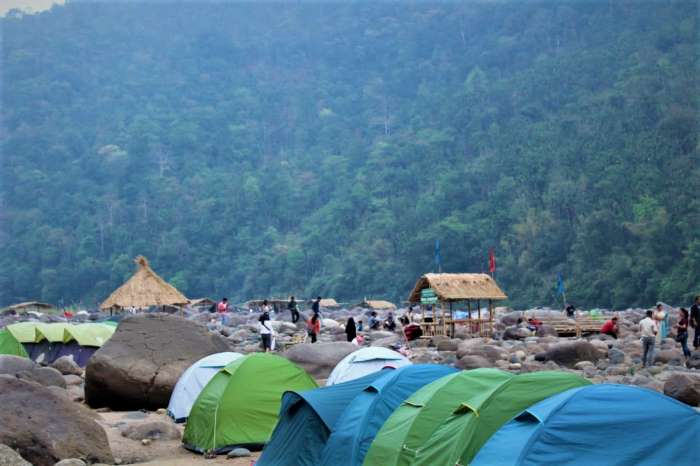
Riverside camping is one of Meghalaya's most sought-after experiences. Imagine pitching your tent right next to a gurgling stream or the mighty Umngot River, falling asleep to the soothing sounds of water, and waking up to a misty morning panorama. Popular riverside camping locations include Dawki, Mawlynnong, and various spots along the Kynshi River.
Riverside camps offer the perfect combination of relaxation and adventure. During the day, you can swim, fish, kayak, or simply lounge by the water. As night falls, most campsites organize bonfires where you can stargaze, share stories, and enjoy local Khasi cuisine prepared over open fires. The reflection of moonlight on the water creates an almost magical atmosphere that must be experienced to be truly appreciated.
Forest Camping
For those who want to truly immerse themselves in nature, forest camping in Meghalaya's sacred groves and protected forests offers an unparalleled experience. These campsites are often located deep within lush green forests, surrounded by exotic birds, butterflies, and sometimes even rare wildlife sightings.
The Mawphlang Sacred Forest is one such location where camping allows you to connect with both nature and Khasi spiritual traditions. These forests have been preserved for centuries by local communities who believe they are inhabited by spirits. Camping here is often accompanied by guided walks where local guides share stories about the forest's ecological and cultural significance.
Forest camping requires more preparation and respect for local customs. Most operators provide eco-friendly tents and emphasize sustainable practices to minimize environmental impact. The experience of waking up to bird calls and the fresh scent of pine and damp earth is something that city dwellers particularly cherish.
Cave Camping Areas
Meghalaya is home to some of India's most extensive cave systems, and for adventurous campers, cave camping offers a unique experience. While you typically don't sleep inside the caves (unless you're an experienced spelunker with proper equipment), camping near cave entrances allows you to explore these mysterious formations by day and camp under the stars by night.
Popular cave camping regions include areas around Mawsmai Cave, Krem Mawmluh, and the extensive cave systems in Jaintia Hills. These locations often require hiring local guides who know the cave systems intimately. The experience of emerging from dark, mysterious caves into bright sunlight and green valleys is particularly striking.
Luxury Glamping
For travelers who want to experience Meghalaya's natural beauty without sacrificing comfort, luxury glamping options are rapidly expanding across the state. These sites feature large, comfortable tents (often with proper beds), attached bathrooms with running water, excellent meal service, and sometimes even WiFi connectivity.
Glamping sites are particularly popular in Cherrapunji and Dawki regions. They offer all the scenic advantages of camping - great views, fresh air, nature sounds - with amenities that rival decent hotels. Many glamping operators also organize special experiences like private dining by waterfalls, yoga sessions at sunrise, and guided nature walks with expert naturalists.
This style of camping is perfect for honeymoon couples, families with elderly members, or anyone who wants to experience outdoor living with a touch of luxury. Prices are higher than basic camping, but many travelers find the comfort worth the extra cost.
Village Homestay Camping
One of the most authentic ways to experience Meghalaya is through village homestay camping. This typically involves staying in traditional Khasi houses or camping in village grounds with full community interaction. The famous village of Mawlynnong, known as Asia's cleanest village, offers such experiences where visitors can camp in designated areas and experience local life firsthand.
These camping experiences often include meals prepared by local families using traditional recipes and ingredients sourced from nearby gardens. You might participate in daily activities, learn about Khasi culture, and witness traditional practices that have been maintained for generations. The warmth and hospitality of Meghalaya's rural communities make these experiences particularly memorable.
Village camping also supports sustainable tourism by ensuring your spending directly benefits local communities rather than large corporations. Many villages use camping revenue to fund community development projects, education, and conservation efforts.
Best Time for Camping
Winter Season (October to March) - Ideal Camping Weather
Winter is undoubtedly the best time for camping in Meghalaya, offering clear skies, pleasant temperatures, and minimal rainfall. From October to March, the weather is ideal for outdoor activities, with daytime temperatures ranging from 15°C to 25°C and cooler nights that are perfect for cozy campfires.
October and November are particularly beautiful as the monsoon has just ended, leaving everything lush and green while the skies have cleared. December and January can get quite cold at night, especially in higher altitude areas, so proper warm clothing is essential. February and March start seeing warmer days but still offer excellent camping conditions.
This season is also ideal for trekking, caving, and other adventure activities that might be difficult during monsoon. Most campsites operate at full capacity during these months, so advance booking is recommended, especially for weekends and holiday periods.
Summer Season (April to June) - Pleasant Escape
Summer in Meghalaya offers a pleasant respite from the scorching heat that plagues most of India during these months. Temperatures remain moderate, rarely exceeding 30°C, making it comfortable for camping and outdoor activities. The region is less crowded during this period, which means you might have campsites more to yourself.
April and May are excellent months for camping as the landscape is still green from winter moisture, and rainfall is relatively infrequent. June starts becoming more unpredictable as the monsoon approaches, so weather forecasts become more important for trip planning.
Summer is also a great time for bird watching, as many migratory species can be spotted in the forests and wetlands. The skies are generally clear, offering excellent stargazing opportunities at higher altitude campsites.
| Season | Temperature Range | Rainfall | Best For |
|---|---|---|---|
| Winter (Oct-Mar) | 10°C - 25°C | Minimal | Ideal camping conditions, trekking, clear views |
| Summer (Apr-Jun) | 18°C - 30°C | Occasional | Less crowds, bird watching, pleasant days |
| Monsoon (Jul-Sep) | 15°C - 23°C | Heavy | Lush landscapes, waterfalls, adventurous travelers |
Monsoon Season (July to September) - Challenging but Rewarding
The monsoon season in Meghalaya is intense, with Cherrapunji and Mawsynram receiving some of the highest rainfall on Earth. While camping during this period presents significant challenges, it also offers rewards for adventurous travelers willing to brave the rain. The waterfalls are at their spectacular best, and the entire region transforms into an emerald paradise.
If you're planning monsoon camping, be prepared for wet conditions, potential travel disruptions, and limited outdoor activities. However, the dramatic cloud formations, rainbows, and the sheer power of nature during storms can be mesmerizing. Many campsites remain open during monsoon but with modified operations and safety protocols.
Essential monsoon camping gear includes high-quality waterproof tents, rain flies, quick-dry clothing, waterproof bags for electronics, and proper footwear with excellent grip. Always check weather forecasts and road conditions before embarking on monsoon camping trips.
For more specific information about visiting during this period, our detailed guide on best time to visit Meghalaya provides month-by-month breakdowns and recommendations.
Top Camping Sites
Mawlynnong Village Camping
Mawlynnong, known as Asia's cleanest village, offers a unique camping experience that combines natural beauty with remarkable community organization. The village's commitment to cleanliness and environmental conservation is evident in every aspect of life here, including how they manage tourism and camping.
Camping here typically involves staying in designated areas within or near the village, often in traditional bamboo structures or modern tents set up by local families. The village is famous for its living root bridge, sky walk, and the extraordinary cleanliness that has earned it international recognition. Camping here supports the community's sustainable tourism initiatives.
During your stay, you can participate in village cleanliness activities, learn about traditional Khasi agricultural practices, and enjoy meals prepared with organic ingredients from local gardens. The villagers' warmth and commitment to sustainable living make this a truly inspiring camping destination.
Dawki Riverside Camps
The Dawki region offers some of Meghalaya's most picturesque camping experiences, with several campsites lining the banks of the crystal-clear Umngot River. These camps range from basic setups where you pitch your own tent to luxury accommodations with all modern amenities.
Popular Dawki camping experiences include overnight stays in floating tents, beach camping along the riverbank, and luxury glamping setups with panoramic river views. Most campsites here offer boating experiences, snorkeling in the incredibly clear water, and fishing expeditions. The famous Dawki Bridge provides a spectacular backdrop, especially during sunset photography sessions.
The area around Dawki also offers opportunities to explore nearby caves, visit the Indo-Bangladesh border, and experience the unique culture of the region's Khasi and Jaintia communities. Many campsites organize bonfire evenings with local music and traditional Khasi cuisine.
Cherrapunji Valley Camps
The Cherrapunji valley region offers camping experiences with some of the most dramatic views in all of Meghalaya. Campsites here are often perched on ridge tops overlooking deep valleys, with panoramic views of waterfalls, rolling hills, and the ever-present cloud formations that give the region its name.
Popular camping locations include areas near Nohkalikai Falls (India's tallest plunge waterfall), Seven Sisters Falls, and the various living root bridges that make this region famous. The campsites range from basic to luxury, with many offering guided treks to nearby attractions.
Camping here during the right season offers spectacular sunrise and sunset views as clouds move through the valleys below. The frequent rainbows that appear in the misty valleys add to the magical atmosphere. Many campsites offer local Khasi cuisine experiences and cultural performances that help visitors connect with the region's rich traditions.
Shillong Peak Sites
The areas around Shillong Peak and Laitlum Canyons offer camping experiences that combine easy accessibility with spectacular views. These sites are particularly popular among those who want to experience camping without venturing too far from urban amenities.
Campsites here often provide stunning views of Shillong city, the surrounding hills, and on clear days, even the plains of Bangladesh. Laitlum Canyons, in particular, offer some of the most dramatic landscapes in Meghalaya, with deep gorges and rolling green hills extending as far as the eye can see.
These camping locations are perfect for weekend getaways from Guwahati or Shillong, offering a quick escape into nature without extensive travel. Many operators here provide camping equipment rental, making it convenient for those who don't want to carry their own gear.
Sacred Forest Camping
Camping near or within Meghalaya's sacred forests offers a unique opportunity to experience both natural beauty and spiritual significance. The Mawphlang Sacred Forest is one such location where camping is permitted in designated areas, allowing visitors to immerse themselves in these ancient groves that have been preserved by local communities for centuries.
These forests are considered sacred by the Khasi people, who believe they are inhabited by spirits. Camping here is often accompanied by guided walks where local guides share stories about the forest's significance, point out medicinal plants, and explain the conservation traditions that have kept these forests intact.
The experience of camping in or near a sacred forest is deeply moving, offering a connection to both nature and ancient cultural traditions. The sounds of the forest at night, the fresh scent of pine and damp earth, and the knowledge that you're in a place that has been revered for generations create a profound camping experience.
Camping with Trekking
David Scott Trail Camping
The David Scott Trail, named after a British administrator who developed this route for horse carts, offers one of Meghalaya's most rewarding trekking and camping combinations. This historic trail winds through stunning landscapes, including Khasi villages, sacred groves, river valleys, and remote hamlets.
Camping along this trail typically involves multi-day treks with overnight stops at designated camping spots. The trail offers a perfect blend of natural beauty, cultural experiences, and moderate physical challenge that makes it suitable for most reasonably fit individuals. The trail passes through areas of incredible biodiversity, offering opportunities to spot rare birds, butterflies, and plants.
Most operators who organize David Scott treks provide all camping equipment, meals, and local guides who know the trail intimately. The experience of camping in remote Khasi villages, sharing meals with locals, and walking through landscapes that have changed little in centuries is truly unforgettable.
Root Bridge Trek Camping
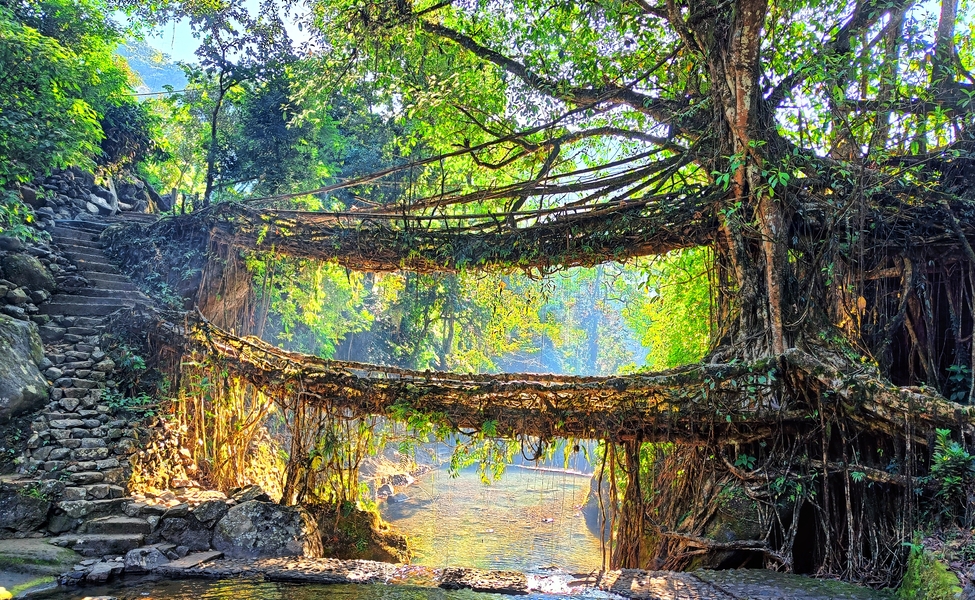
Meghalaya's famous living root bridges offer excellent opportunities for combining trekking with camping. These marvelos of bio-engineering, created by training aerial roots of rubber fig trees across rivers, can be visited as part of multi-day camping treks through the Khasi Hills.
Popular root bridge camping circuits include visits to the famous Double Decker Root Bridge near Nongriat, the impressive single-span root bridges near Mawlynnong, and several lesser-known bridges in more remote areas. Camping near these bridges allows you to explore them early morning or late evening when day trippers have left, giving you a more intimate experience.
These treks often involve steep climbs down into valleys and stays in basic village homestays or tents. The physical effort is rewarded by incredible views, unique cultural experiences, and the privilege of seeing these remarkable bridges that continue to grow stronger with time.
Kyllang Rock Camping
Kyllang Rock, a massive dome-shaped granite formation near Shillong, offers unique camping and trekking opportunities. The trek to the top provides spectacular 360-degree views of the surrounding hills and valleys, making it a rewarding camping destination.
Camping near Kyllang Rock typically involves trekking during the day and setting up camp at designated sites near the base. The region offers excellent opportunities for rock climbing, bouldering, and bird watching. The unique geological formations and panoramic views make this a popular destination for photographers and adventure enthusiasts.
The area around Kyllang Rock is also rich in Khasi folklore, with local guides often sharing stories about the rock's significance in local culture and traditions. Camping here combines physical challenge, natural beauty, and cultural learning in one comprehensive experience.
Nongkhnum Island Camps
Nongkhnum Island, often described as the largest river island in Meghalaya, offers remote camping experiences for true adventure enthusiasts. Located in the West Khasi Hills, reaching the island requires careful planning and local guides, but the reward is one of the most pristine camping environments in the state.
Camping on Nongkhnum Island involves stunning river views, complete isolation from modern distractions, and opportunities to explore sandy beaches, rocky outcrops, and the surrounding countryside. The island is accessible only by boat, adding to the sense of adventure and remoteness.
Facilities here are very basic, typically requiring you to carry all camping equipment and supplies. This is camping in its truest form - no WiFi, no cell phone signals, just you, nature, and your companions. The starry nights here are particularly spectacular, far from any light pollution.
Multi-Day Trek Options
For serious outdoor enthusiasts, Meghalaya offers several multi-day trekking options that combine camping with exploration of remote regions. These treks typically traverse varied landscapes including forests, rivers, villages, and hills, offering a comprehensive experience of Meghalaya's natural diversity.
Popular multi-day trek routes include circuits through the West Khasi Hills, explorations of the Jaintia Hills region, and combination trips that include multiple living root bridges. These treks require good physical fitness, proper equipment, and experienced local guides.
The rewards of multi-day trekking in Meghalaya are immense - you'll see parts of the state that few tourists visit, experience genuine Khasi hospitality in remote villages, and develop a deep connection with the landscape. Each day brings new landscapes, new challenges, and new discoveries that make multi-day camping treks truly transformative experiences.
Cost & Booking Information
Luxury Tent Prices
Luxury camping in Meghalaya typically costs between INR 3,500 to INR 8,000 per person per night, depending on location, inclusions, and season. These luxury camps feature large comfortable tents with proper beds, high-quality bedding, attached bathrooms with running water, and often electricity or solar power.
The price usually includes all meals prepared by professional cooks, often featuring both local Khasi specialties and familiar Indian and continental dishes. Many luxury camps also include activities like guided treks, bonfire evenings, cultural performances, and nature walks with expert guides.
Popular luxury camping locations like Cherrapunji and Dawki command higher prices, especially during peak season (October to March) and weekends. Advance booking is essential, often several weeks or even months ahead for popular dates. The higher cost provides significantly more comfort and convenience, making luxury camping particularly suitable for families, honeymoon couples, or anyone who wants to experience nature without roughing it.
Budget Camping Costs
For budget travelers, Meghalaya offers camping options starting from around INR 800 to INR 2,000 per person per night. These budget camps typically provide basic tents, sometimes with shared bathroom facilities and simple meals included. The exact price depends on location, facilities, and whether you bring your own equipment or rent from the operator.
Backpackers and experienced campers often find the best deals by negotiating directly with local guides or village communities who offer camping on their property. These arrangements may be basic but often provide the most authentic experiences and direct support to local communities.
Budget camping in places like Mawlynnong village areas, basic campsites near Dawki, and community-run setups in the Khasi Hills offer excellent value for money. The trade-off is fewer amenities - you might need to carry your own sleeping bag, use shared facilities, and be prepared for more basic conditions.
| Camping Type | Price Range (Per Night) | What's Typically Included |
|---|---|---|
| Budget Camping | INR 800 - INR 2,000 | Basic tent, shared facilities, sometimes meals |
| Standard Camping | INR 2,000 - INR 4,000 | Better tents, attached or nearby bathrooms, meals included |
| Deluxe Camping | INR 4,000 - INR 6,000 | Quality tents, proper bedding, good bathrooms, guided activities |
| Luxury Glamping | INR 6,000 - INR 8,000+ | Premium tents, excellent bedding, ensuite bathrooms, curated experiences |
Package Options
Many camping operators in Meghalaya offer package deals that combine multiple nights of camping with activities, transfers, and meals. These packages can be more economical than booking individual components separately and ensure a well-organized experience without logistical worries.
Typical packages might include 2-3 nights of camping in different locations, transfers from Shillong or Guwahati, all meals, guided treks to living root bridges, caving expeditions, and cultural experiences. Prices for such comprehensive packages typically range from INR 10,000 to INR 25,000 per person for a 3-4 day experience, depending on the inclusions and level of comfort.
Group packages for 4-6 people often work out more economical per person, making camping a great option for friend groups or extended families traveling together. Many operators offer custom itineraries that can be tailored to your interests, fitness level, and budget.
Advance Booking
Booking advance is crucial for camping in Meghalaya, especially during peak season (October to March) and popular destinations like Dawki, Cherrapunji, and Mawlynnong. The best campsites and operators get booked months ahead, particularly for weekends and holiday periods.
For luxury glamping and popular sites, booking 2-3 months in advance is recommended, especially if you're traveling during December or January, which are peak tourist months. For budget camping and less popular locations, booking 2-4 weeks ahead is usually sufficient.
When booking, confirm all details in writing - exact location, what's included, cancellation policies, weather contingency plans, and emergency contact information. Reputable operators will provide clear confirmation and be responsive to questions before you book.
Inclusions
When comparing camping options, pay careful attention to what's included in the quoted price. Budget operators might quote a low rate but then charge extra for meals, activities, equipment rental, and transfers, which can significantly increase the total cost.
Standard inclusions to look for include: accommodation in tents (check sleeping arrangements), all meals (usually breakfast, lunch, dinner, and evening tea/snacks), basic camping equipment (if you don't have your own), local guide services, and sometimes activities like bonfires and cultural performances.
Items typically not included unless specified: personal equipment (sleeping bags, backpacks), alcoholic beverages, personal expenses, tips for guides and staff, and travel to/from the campsite. Clarify all these details before booking to avoid surprises later.
Essential Tips & Guidelines
Weather Preparedness
Meghalaya's weather can change rapidly, and being prepared for changing conditions is crucial for a safe and enjoyable camping experience. Even during the dry season, sudden rain showers are common, especially in Cherrapunji and other high rainfall areas.
Always carry high-quality rain gear including a waterproof jacket with a hood, rain pants, and a rain cover for your backpack. A good quality tent with a proper rain fly is essential - test it before your trip to ensure there are no leaks. For camping during monsoon, consider bringing a small tarp that can be used to create additional sheltered space.
Layer your clothing to adapt to changing temperatures. Mornings and evenings can be quite cool, especially in higher altitude areas, while midday might be warm. Quick-dry synthetic fabrics are preferable to cotton, which stays wet once it gets wet. Don't forget warm clothing for sleeping - nights can get surprisingly cold even during warmer months.
Packing Essentials
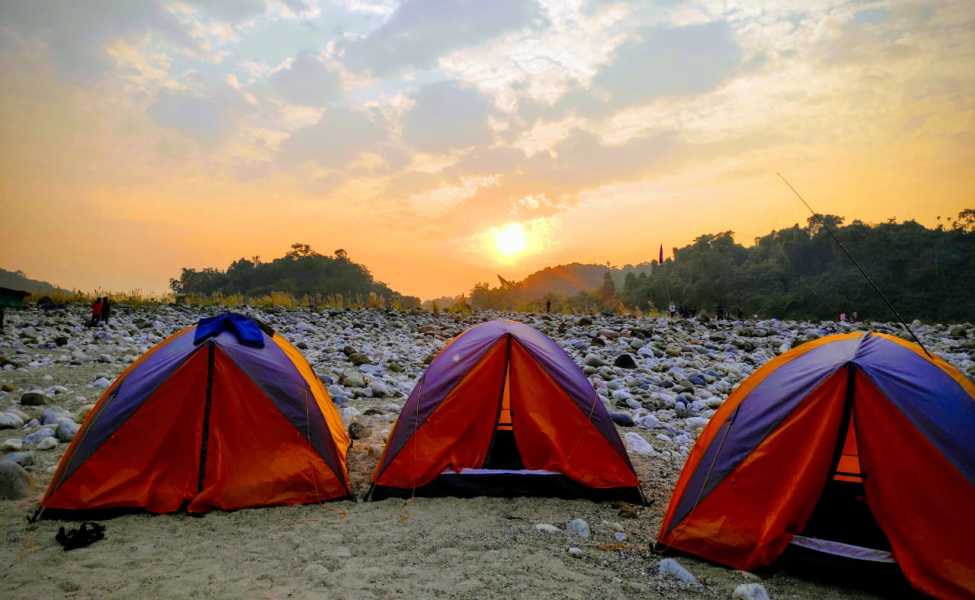
Packing smart for camping in Meghalaya means balancing preparedness with keeping your load manageable. Essential items include a good quality tent (or confirm one is provided), sleeping bag rated for expected temperatures, sleeping pad for insulation, and a comfortable backpack to carry everything.
Clothing should include quick-dry pants and shirts, a warm layer (fleece or light down jacket), rain gear, extra socks (wool or synthetic, not cotton), comfortable broken-in hiking shoes, and sandals for wearing around camp. Don't forget personal items like sunscreen, insect repellent, personal medications, and a basic first aid kit.
Useful extras include a headlamp or flashlight (with extra batteries), power bank for charging devices, camera for capturing the stunning scenery, water bottles or a hydration system, and purification tablets or a filter (though most camps provide drinking water). A small camping stove and cookware might be useful if you plan to prepare some of your own meals.
Local Customs Respect
Meghalaya has a rich cultural heritage, and respecting local customs is crucial for responsible tourism. The Khasi people are matrilineal, with descent and inheritance traced through the mother's line - this is unique in India and worth learning about before your visit.
When visiting villages or sacred sites, dress modestly - shoulders and knees should be covered, especially when visiting religious or sacred places. Always ask permission before photographing people, religious ceremonies, or sacred sites. Many locals are happy to be photographed, but asking first is respectful.
The state has a strong tradition of conservation, embodied in the sacred groves that have been protected for centuries. Respect these traditions by not removing anything from forests, following designated trails, and avoiding disturbance to wildlife. The Khasi concept of "tipkur tipkuri" (mutual respect) guides social interactions - be polite, patient, and respectful in your dealings with locals.
Eco-Friendly Practices
Responsible camping in Meghalaya means minimizing your environmental impact and supporting sustainable tourism practices. The principle of "leave no trace" is crucial - everything you bring into a campsite should either leave with you or be properly disposed of.
Avoid single-use plastics whenever possible. Bring a reusable water bottle and shopping bag. Many camps in Meghalaya are moving towards plastic-free operations - support these efforts by not bringing disposable plastics. Properly segregate waste and ensure biodegradable waste is composted if facilities exist.
Use biodegradable soap and toothpaste, and wash at least 200 feet away from water sources to avoid contamination. Respect wildlife by observing from a distance, not feeding animals, and properly storing food to avoid attracting animals to campsites. Choose campsites that use renewable energy, practice water conservation, and support local conservation efforts.
Guide Recommendations
Hiring a local guide can significantly enhance your camping experience in Meghalaya. Good guides bring the landscape to life with stories about local history, culture, flora, and fauna that you would otherwise miss. They also know the best photography spots, safest routes, and can help with language barriers in remote villages.
When hiring guides, look for someone certified by the Meghalaya Tourism Department or with strong recommendations from previous travelers. A good guide should have extensive knowledge of the area, proper training in first aid and emergency response, and excellent communication skills.
Guide fees typically range from INR 1,500 to INR 3,000 per day, depending on the complexity of the trek and the guide's experience. This might seem expensive, but the value they add to your experience is usually worth it. For multi-day treks, negotiate an all-inclusive rate that covers the guide's services, food, and accommodation.
Safety Considerations
While Meghalaya is generally safe for camping, basic safety precautions are important. Weather is probably the biggest hazard - heavy rain can cause flash floods in valleys and make trails extremely slippery. Never cross fast-flowing streams during or immediately after heavy rain, and always check weather forecasts before starting treks.
Wildlife encounters are rare but possible - maintain safe distances from any animals you encounter, store food properly to avoid attracting animals to your campsite, and know what to do in case of snake encounters (they do exist in Meghalaya's forests). Basic first aid knowledge and a well-stocked first aid kit are essential.
Always let someone know your itinerary - where you're planning to camp, when you expect to return, and emergency contact information for your camp operator or guide. Cell phone coverage is unreliable in remote areas, so don't depend on being able to call for help in an emergency. Carry a basic emergency kit including a whistle, mirror for signaling, and a spare flashlight.
Planning Your Meghalaya Camping Adventure
Camping in Meghalaya offers an incredible opportunity to experience one of India's most unique and beautiful regions in an intimate, immersive way. From the misty valleys of Cherrapunji to the crystal-clear waters of Dawki, from living root bridges to sacred forests, Meghalaya's camping landscape is as diverse as it is spectacular.
The key to a successful camping trip is proper planning - choose the right region and season for your interests and fitness level, pack appropriately for rapidly changing weather conditions, respect local customs and environment, and work with reputable operators who prioritize safety and sustainability.
Whether you're a seasoned outdoor enthusiast looking for challenging multi-day treks or a family wanting to introduce children to the wonders of nature, Meghalaya has camping experiences that will create lifelong memories. The warmth of Khasi hospitality, the breathtaking natural beauty, and the unique cultural experiences make camping in Meghalaya truly special.
So pack your bags, prepare your tent, and get ready for an adventure in the abode of clouds. The misty mountains, living bridges, and welcoming communities of Meghalaya are waiting to share their secrets with you. Happy camping!
Location
Frequently Asked Questions
Q1.Is camping allowed in Meghalaya?
Q2.What is the best time for camping in Meghalaya?
Q3.Where are the best camping sites in Meghalaya?
Q4.Are there luxury camping options in Meghalaya?
Q5.What should I carry for camping in Meghalaya?
Q6.How much does camping cost in Meghalaya?
Q7.Is Meghalaya safe for camping?
Q8.Do I need permits for camping in Meghalaya?
Recommended For You
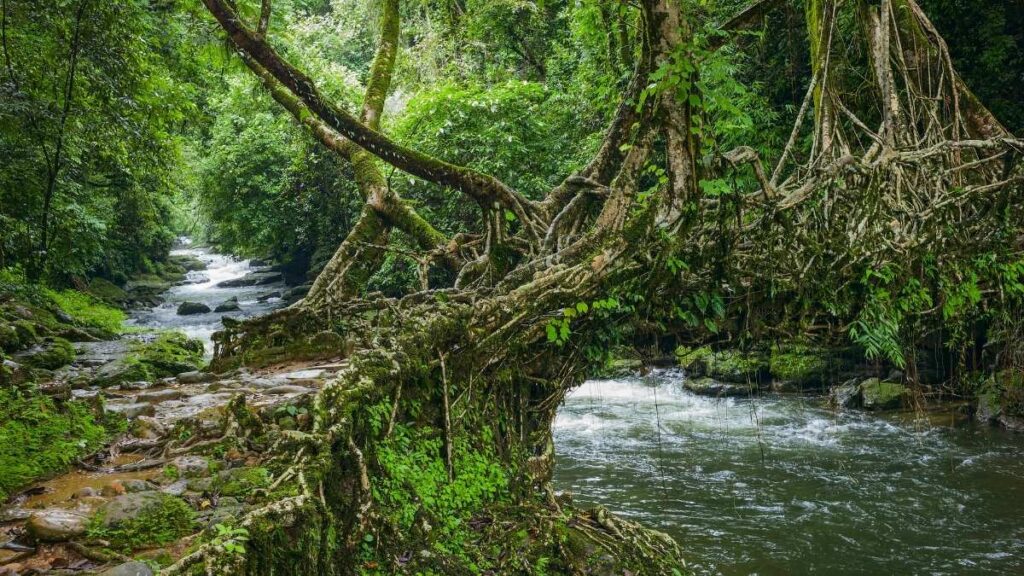
Living Root Bridges Meghalaya: Trek Routes, Villages & Local Tips
Discover Meghalaya's incredible living root bridges - nature's bioengineering marvel grown by the Khasi tribes. Complete trekking guide to the Double Decker Root Bridge in Nongriat, best time to visit, how to reach, difficulty level, and photography tips.
How to Reach Dawki Meghalaya: Route Options & Travel Planner
Use this route guide to reach Dawki from Shillong or Guwahati with practical transfer, timing, and transport tips.
Trekking In Shillong: Routes Trails And Difficulty
Plan trekking in Shillong with trail comparisons, season advice, David Scott details, root-bridge prep, and practical safety tips for Meghalaya routes.
Never Miss an Adventure
Get the latest trekking guides, travel tips, and exclusive offers delivered straight to your inbox.
