
Chumathang Hot Spring Ladakh: Route, Stay & Best Time to Visit

Ananya Sharma
February 8, 2026
Discover Chumathang Hot Spring in Ladakh with medicinal sulfur water, health benefits, how to reach from Leh, best time to visit, accommodation options, and travel tips.
The Medicinal Wonder of Ladakh's Cold Desert
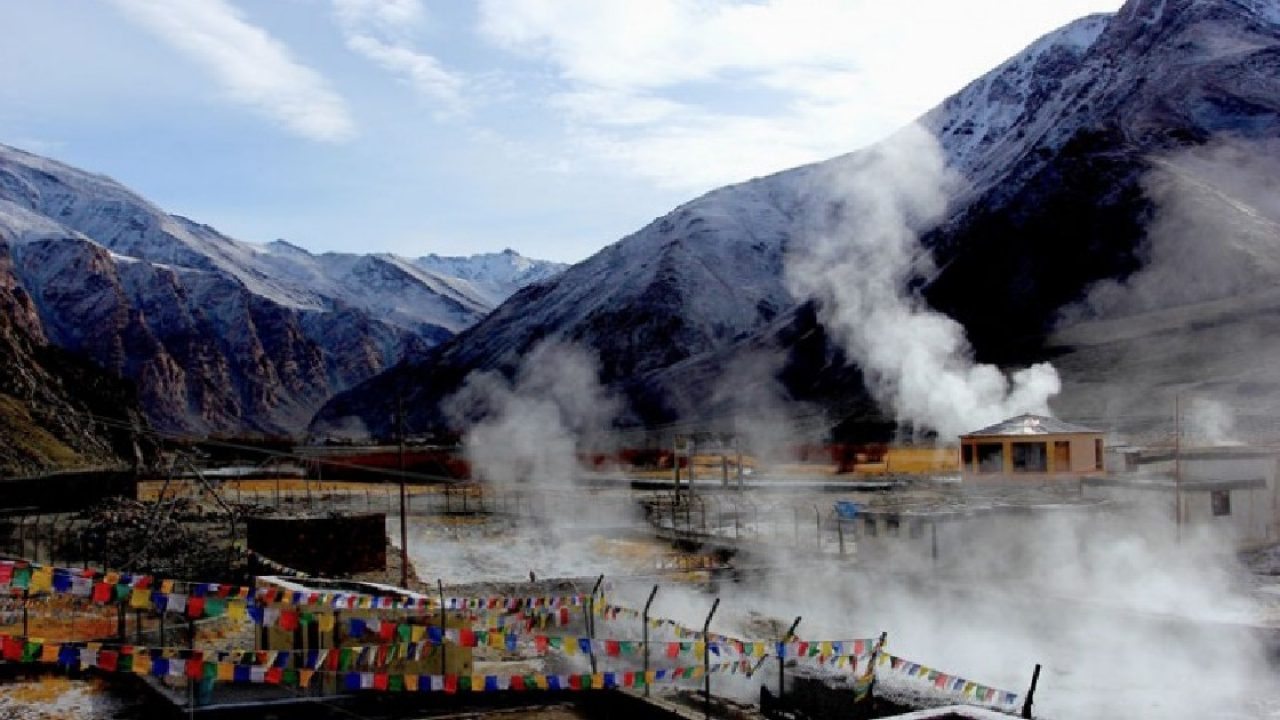
Hidden in the remote landscapes of Ladakh along the banks of the Indus River lies Chumathang Hot Spring, a natural wonder that seems almost magical in this cold desert region. While most travelers associate Ladakh with freezing temperatures, snow-capped peaks, and glacial lakes, Chumathang offers a completely different experience—naturally heated sulfur-rich water emerging from the earth's depths, creating pools of warmth in one of India's coldest regions.
This geothermal marvel has been known for generations among locals for its therapeutic properties. The hot springs at Chumathang have served as a natural healing center where people from across Ladakh and beyond come to seek relief from various ailments. What makes these springs particularly special is their high sulfur content and mineral richness, believed to treat conditions ranging from arthritis and joint pain to skin disorders and respiratory problems.
Unlike more commercialized hot spring destinations in India, Chumathang retains an authentic, rustic character. The facilities are basic, the landscape is raw and untamed, and the experience feels deeply connected to local traditions. For travelers willing to venture off the typical tourist trail, Chumathang offers not just physical wellness but also a unique cultural experience in the heart of Ladakh's breathtaking Changthang region.
About Chumathang Hot Springs
Chumathang Hot Spring is located approximately 140 kilometers southeast of Leh, situated in a dramatic valley where the Indus River flows. The springs emerge from deep within the earth, heated by geothermal activity far below the surface. This natural phenomenon occurs due to Ladakh's location in a geologically active zone where tectonic plates create fractures allowing heated water to rise to the surface.
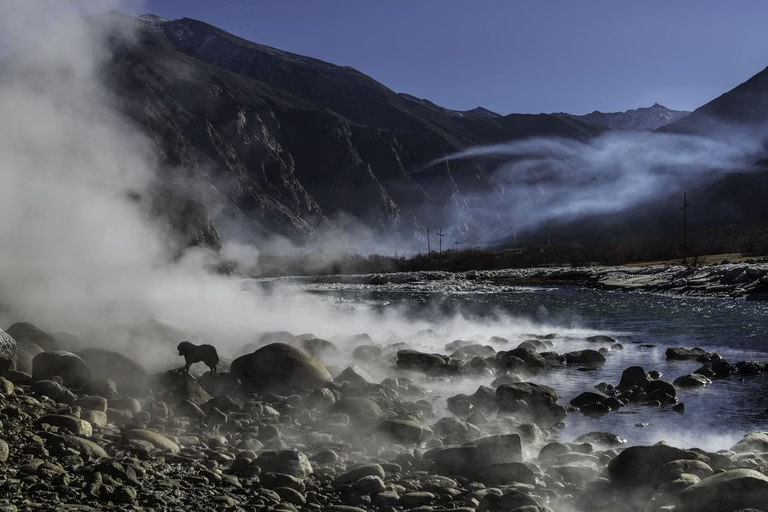
The water temperature at Chumathang varies between 40°C to 60°C (104°F to 140°F), depending on the specific pool and seasonal conditions. What's remarkable is that these springs remain accessible and functional even during Ladakh's harsh winters when temperatures plunge well below freezing. The contrast between sub-zero air temperatures and the steaming hot spring pools creates an almost otherworldly experience.
The sulfur content in Chumathang's water is what gives it both its distinctive smell and its medicinal properties. Sulfur has long been used in traditional medicine systems for its anti-inflammatory and antimicrobial properties. Combined with other minerals dissolved from deep rock layers, the water at Chumathang creates a natural therapeutic solution that cannot be replicated artificially.
Traditionally, these hot springs have been used by local Ladakhi people for centuries. Elders speak of how generations would make pilgrimages to Chumathang, especially during winter months, to treat rheumatism, arthritis, and other age-related conditions. The springs were particularly important in a region where modern medical facilities were scarce and traditional healing methods formed the backbone of healthcare.
Health Benefits of Chumathang Waters
The therapeutic value of Chumathang Hot Spring extends beyond simple relaxation. The mineral-rich, sulfur-infused water offers multiple health benefits that have drawn visitors for generations:
Relief from Joint Pain and Arthritis: The warm water improves blood circulation to affected joints, while sulfur compounds help reduce inflammation. Many visitors report significant relief from arthritis symptoms after soaking in the pools. The heat also helps relax tense muscles around joints, providing additional comfort for those with chronic pain conditions.
Skin Conditions and Ailments: Sulfur has been used traditionally to treat various skin conditions including eczema, psoriasis, and fungal infections. The mineral content can help cleanse pores and promote skin healing. However, those with sensitive skin should consult a healthcare provider before prolonged exposure to sulfur-rich water.
Circulation Benefits: The combination of hot water and minerals stimulates blood flow throughout the body. Improved circulation can help with various conditions including muscle recovery, fatigue reduction, and overall cardiovascular health. The heat causes blood vessels to dilate, improving oxygen and nutrient delivery to tissues.
Stress Relief and Relaxation: Beyond physical ailments, soaking in hot springs provides significant mental health benefits. The warm water promotes muscle relaxation and helps reduce stress hormones. Many visitors find the experience deeply calming, especially when combined with the peaceful natural surroundings of Chumathang's valley setting.
Respiratory Condition Relief: The steam rising from the hot springs, combined with the mineral-rich air around them, can benefit people with certain respiratory conditions. The warm, moist air helps open airways and may provide relief for those with congestion or chronic respiratory issues.
Traditional Healing Practices: Local practitioners often recommend specific soaking durations and frequencies for different conditions. Some suggest morning soaks for maximum benefit, while others recommend particular sequences of hot and cold exposure. These traditional practices, passed down through generations, add cultural depth to the therapeutic experience.
It's important to note that while hot spring therapy can complement medical treatment, it should not replace professional healthcare advice. People with serious medical conditions should consult their doctors before planning hot spring treatments.
Best Time to Visit
Choosing when to visit Chumathang Hot Spring depends on your priorities and tolerance for challenging travel conditions:
Summer (June to September): This is the most accessible period for visiting Chumathang. Roads from Leh are generally in better condition, and the journey is more comfortable. The weather is pleasant during the day, though nights remain cold even in summer. This is also when accommodation options in the region are more likely to be operational. However, summer is also when the area sees more travelers, so you might not have complete privacy at the hot springs.
Winter (October to April): Winter visits offer a unique and dramatic experience—soaking in steaming hot water while surrounded by snow is unforgettable. The therapeutic effects feel more intense when contrasted with freezing air temperatures. However, reaching Chumathang becomes significantly more challenging in winter. Road conditions can be difficult, and some sections may be temporarily closed due to snow. Only experienced winter drivers or those arranged with specialized local operators should attempt winter visits.
Spring and Autumn (May and October): These shoulder months offer a compromise between accessibility and crowd levels. May sees the region beginning to wake up from winter, while October offers crisp weather and fewer visitors before the harsh winter sets in. Both months provide excellent photography opportunities with either spring blossoms or autumn colors contrasting against the stark landscape.
For those planning a broader Ladakh itinerary, check best time to visit Ladakh to coordinate your Chumathang visit with other destinations. Many travelers combine Chumathang with a Leh to Tso Moriri bike trip since the hot spring lies along a common route to Tso Moriri Lake.
How to Reach from Leh
Reaching Chumathang from Leh requires planning but is relatively straightforward during the accessible season:
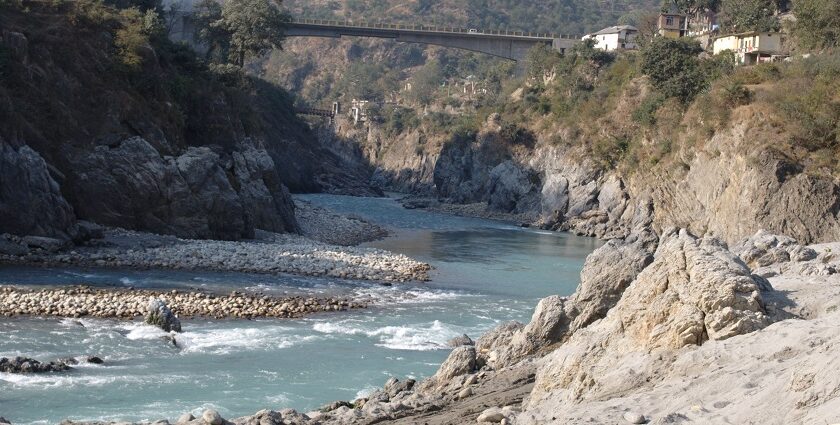
Distance and Route: Chumathang is approximately 140 kilometers from Leh, connected via the Leh-Manali highway route. The journey typically takes 4-5 hours by road, depending on road conditions and stops. The route follows the Indus River for much of the way, offering spectacular scenery throughout the drive. You'll pass through dramatic mountain landscapes, traditional Ladakhi villages, and possibly spot wildlife along the way.
By Road: The most common way to reach Chumathang is by hiring a private taxi from Leh. This gives you flexibility with timing and allows for stops at scenic points or other attractions along the way. The road is mostly paved but can have rough patches, especially after winter or during monsoon when sections may be damaged. Driving yourself is possible but not recommended unless you have experience with high-altitude mountain roads.
By Bus: Public bus connectivity to Chumathang is extremely limited. There may be occasional buses serving the broader region, but they don't run on reliable schedules and are not recommended for travelers with specific timing needs. If you're on a tight budget, check in Leh about shared taxis that might be going toward the region, though these also run irregularly.
Taxi/Private Vehicle: This is the recommended option for most travelers. Taxis can be arranged through travel agents in Leh or your hotel. Costs vary by season and vehicle type, but expect to pay between ₹8,000-12,000 for a round trip in a standard taxi. Some travelers choose to combine Chumathang with visits to other attractions like Tso Moriri Lake, making the journey more cost-effective.
Road Conditions: The road from Leh to Chumathang traverses high mountain terrain with several passes and sections along river valleys. Conditions are generally best from June to September. In winter, snow can make parts of the road treacherous or temporarily impassable. Always check current road conditions before departure, especially if traveling in shoulder seasons. Carry emergency supplies including warm clothing, food, and water regardless of season.
The journey to Chumathang is part of the experience. The changing landscapes—from the green valley around Leh to the more arid, dramatic mountains of Changthang—provide excellent photography opportunities and a gradual transition into the remote beauty that makes Ladakh special.
What to Expect at the Hot Springs
Visiting Chumathang Hot Spring requires adjusting expectations away from luxury spa experiences toward authentic, rustic wellness:
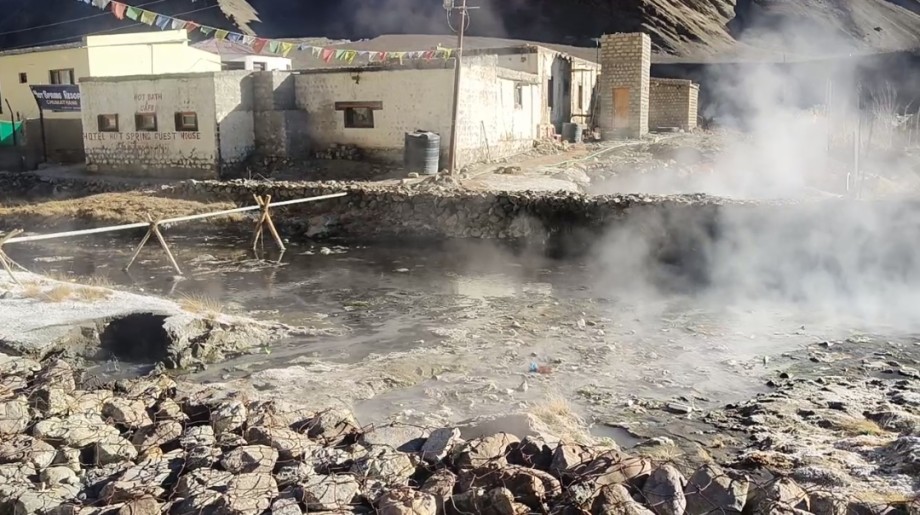
Natural Pool Setup: The hot springs consist of several natural pools where the hot water emerges and collects. Some pools have been reinforced with basic stone or concrete lining to make them more usable, but don't expect tiled, temperature-controlled Jacuzzis. The pools vary in size and temperature, allowing visitors to choose what feels comfortable. The largest pool is communal, while smaller, more private pools might be available depending on current conditions.
Separate Bathing Areas: Respect for local customs is important at Chumathang. Separate areas or times are generally designated for men and women. This follows both local cultural norms and practical considerations for privacy. Follow the guidance of local attendants or signage regarding which areas to use. Some days may be designated specifically for women or for local community use.
Basic Facilities: Facilities at Chumathang are minimal. There may be basic changing rooms or screened areas, but don't expect Western-style amenities. Simple toilets might be available but conditions are primitive. Come prepared with your own towels, toiletries, and a change of clothes. There's typically no shower facility for rinsing after your soak—most visitors simply towel off and change.
Local Management: The hot springs are managed by local community members who maintain basic facilities and collect any applicable fees. Entry charges are generally modest (around ₹50-100 per person) but go toward maintaining the site and supporting the community. Be respectful to staff and follow any instructions they provide. Tipping is not expected but appreciated for good service.
The Soaking Experience: Start with shorter soaks of 10-15 minutes to see how your body responds to the hot water and sulfur content. The heat can be intense initially, so enter gradually. Many visitors find alternating between hot pool and cooling breaks creates a more pleasant experience. Stay hydrated— the heat can be dehydrating, especially at altitude. Listen to your body and don't overdo it; 30-45 minutes total soaking time is usually sufficient.
What to Carry: Pack swimwear, a quick-dry towel, flip-flops or water shoes (rocks can be slippery), a change of comfortable clothes, toiletries, and a plastic bag for wet items. Sunscreen is important even in cooler weather due to high-altitude UV exposure. Consider carrying a small bottle of water to stay hydrated during your soak.
Nearby Attractions
Chumathang lies in a region rich with natural and cultural attractions, making it worth combining with other destinations:
Tso Moriri Lake: Approximately 70 kilometers beyond Chumathang, Tso Moriri is one of Ladakh's most spectacular high-altitude lakes. Its deep blue waters surrounded by snow-capped mountains create a stunning landscape. The lake is part of a wetland reserve and home to various bird species including migratory ducks and the rare black-necked crane. Many travelers combine Chumathang Hot Spring with a visit to Tso Moriri, often staying overnight in the village of Korzok near the lake.
Mahe Bridge: Located on the route between Chumathang and Tso Moriri, Mahe Bridge is a scenic spot where the road crosses a river tributary. The bridge area offers beautiful views and is a popular photography stop. The landscape around Mahe is particularly dramatic, with colorful rock formations and stark mountains typical of the Changthang region.
Puga Hot Springs: Further into the Changthang region near Tso Moriri, Puga is another hot spring area with even more dramatic geothermal activity including sulfur deposits and steam vents. Puga is more remote and less developed than Chumathang, appealing to travelers seeking even more offbeat experiences. The sulfur formations around Puga create an almost lunar landscape that fascinates geology enthusiasts.
Nomadic Camps: The Changthang region is home to nomadic herders who move with their yak and pashmina goat herds. Some camps offer homestay experiences where visitors can learn about traditional nomadic life. These cultural exchanges provide insight into how people have adapted to thrive in one of India's harshest environments. The pashmina wool produced here is among the finest in the world.
Surrounding Landscapes: Simply the drive between Leh and Chumathang offers rewards. The Indus River valley, dramatic rock formations in hues of red and brown, high mountain passes, and vast open spaces create constantly changing scenery. Keep an eye out for wildlife including marmots, blue sheep, and various bird species. The area is particularly beautiful during golden hour when the light transforms the landscape.
For those interested in exploring more hot springs in Ladakh, the Panamik Hot Springs in Nubra Valley offer another thermal experience in a different part of Ladakh. Additionally, Zongo Hot Springs provides yet another option for hot spring enthusiasts exploring the region's geothermal wonders.
Travel Tips & Accommodation
Proper planning ensures a safe and enjoyable visit to Chumathang:
Accommodation Options: Staying options near Chumathang are basic. There are a few homestays and guesthouses in the Chumathang village area, offering simple rooms with shared facilities. These provide an authentic experience and a chance to interact with local families. More comfortable options are available if you continue toward Tso Moriri and stay in Korzok, where several camps and guesthouses operate during tourist season. Alternatively, some travelers do a very long day trip from Leh, though this minimizes time at the springs and involves significant driving.
What to Pack: Bring swimwear you don't mind exposing to sulfur (it can have a strong smell), a good towel, toiletries, moisturizer (hot springs can dry skin), and comfortable clothes for before and after. Even in summer, temperatures can drop significantly in the evening, so carry warm layers. Sun protection is crucial at high altitude. If staying overnight, a flashlight or headlamp is useful as power cuts are common.
Altitude Considerations: Chumathang is at high altitude, though slightly lower than Leh. If coming directly from lower elevations, give yourself time to acclimatize before attempting strenuous activities. Hot soaks can sometimes exacerbate altitude symptoms, so listen to your body. Stay well hydrated and avoid alcohol before or after using the hot springs.
Respect Local Customs: Ladakh is culturally conservative. Dress modestly, especially when moving between pools and changing areas. Ask permission before photographing people. Follow local guidance about appropriate behavior at the springs. Many local visitors come for genuine therapeutic purposes—respect their space and the sacred nature some attribute to these healing waters.
Photography Etiquette: Landscape photography is generally welcome, but avoid photographing people bathing without explicit permission. Some areas near the springs may be considered sacred or private—be attentive to signage and local guidance. Early morning and late evening provide the best light and fewer crowds for photography.
Food Options: Dining options are very limited near Chumathang. Most homestays offer basic meals—usually simple Ladakhi fare like thukpa (noodle soup), momos, and tea. If you have dietary restrictions or preferences, carry snacks from Leh. There are no restaurants in the immediate vicinity of the hot springs. Korzok has slightly more options if you're continuing onward.
Payment and Connectivity: Digital payments may not work reliably. Carry sufficient cash in smaller denominations. Mobile connectivity is limited and often non-existent in this region. Let someone know your travel plans before leaving Leh as communication en route may be impossible. Download offline maps and carry physical directions.
Medical Considerations: If you have heart conditions, high blood pressure, are pregnant, or have other health concerns, consult a doctor before using hot springs, especially at altitude. The heat can affect blood pressure and heart rate. People with open wounds or infections should avoid hot springs due to bacterial risk. If you feel dizzy, nauseous, or unwell during your soak, exit immediately and cool down.
The Spiritual Dimension
Beyond physical healing, Chumathang Hot Spring holds significance in local spiritual traditions. Many Ladakhi people view natural hot springs as sacred gifts from the earth, imbued with purifying properties that cleanse both body and spirit. This spiritual dimension adds depth to the visitor experience, transforming a simple soak into something more meaningful.
Some visitors come to Chumathang not just for physical ailments but seeking mental and emotional healing. The combination of warm water, stunning natural surroundings, and the quiet of this remote location creates an environment conducive to reflection and inner peace. Whether you approach it from a spiritual perspective or simply as a natural wonder, the hot springs offer a space to disconnect from daily stress and reconnect with nature's healing power.
Conservation and Responsible Tourism
As Chumathang gains popularity among travelers, conservation becomes increasingly important. The ecosystem around hot springs is fragile, and increased footfall can impact both the natural environment and local community. Responsible visitors follow leave-no-trace principles, avoiding littering and respecting the site's natural state.
Support the local community by staying in homestays, purchasing local products when available, and respecting cultural norms. The small entry fee collected at Chumathang helps maintain facilities—pay it willingly and don't attempt to bypass it. Consider visiting during shoulder seasons to distribute the tourism impact more evenly throughout the year.
The hot springs themselves face pressure from overuse. Be mindful of how long you soak if others are waiting. Use water responsibly—don't waste this precious resource. Report any maintenance issues to local managers so they can address problems promptly.
By visiting Chumathang respectfully, you help ensure that this natural wonder remains available for both future travelers and the local communities who have valued it for generations. The hot springs are not just a tourist attraction but a living part of Ladakh's cultural and ecological heritage.
Planning Your Chumathang Visit
Creating a well-structured itinerary helps maximize your Chumathang experience. For a comprehensive visit, plan at least two days—one day for travel from Leh and enjoying the hot springs, and a second day to explore nearby attractions like Tso Moriri Lake or the scenic drives around the region. This pace allows you to truly experience rather than merely check boxes.
Many travelers successfully combine Chumathang with other Ladakh destinations in a longer itinerary. The hot springs work particularly well when positioned between Leh and Tso Moriri, breaking what would otherwise be a very long journey. Alternatively, some visitors make a special healing-focused trip, spending several days using the springs regularly while staying in a local homestay.
Whatever approach you choose, build flexibility into your plans. Mountain weather can change quickly, and road conditions may affect timing. Having buffer days in your itinerary reduces stress and allows you to adapt to conditions without sacrificing your core experiences.
Chumathang Hot Spring represents the best of authentic Ladakh—natural wonder, cultural richness, therapeutic tradition, and breathtaking landscapes all combined. It offers not just relief from physical ailments but also a space to slow down, reflect, and connect with one of India's most extraordinary regions. For travelers willing to venture beyond the usual tourist circuit, Chumathang provides rewards that last long after the journey ends, leaving both body and spirit renewed by the healing waters of this magical place.
Location
Frequently Asked Questions
Q1.Where is Chumathang Hot Spring located?
Q2.How far is Chumathang from Leh?
Q3.What is special about Chumathang hot springs?
Q4.What are the health benefits of Chumathang?
Q5.Can we bathe in Chumathang hot springs?
Q6.How to reach Chumathang from Leh?
Q7.Are there accommodations at Chumathang?
Q8.Is Chumathang open in winter?
Recommended For You
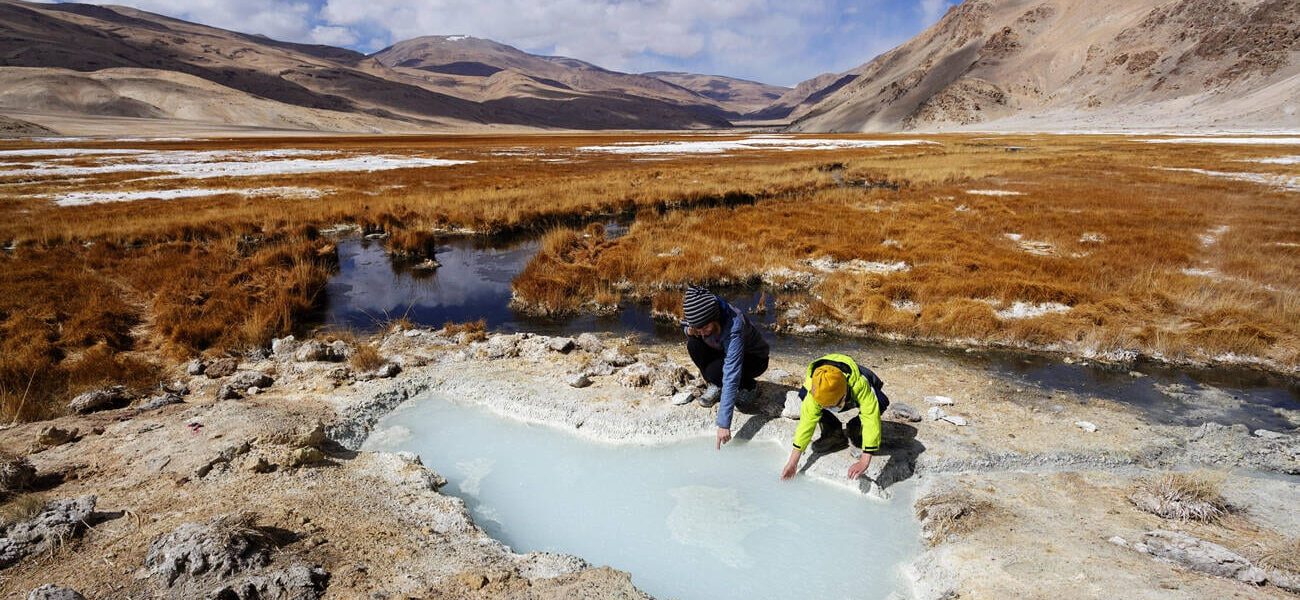
Zongo Hot Springs Ladakh: Route, Best Season & Safety Checklist
Plan a safe Zongo Hot Springs Ladakh trip with route ideas, season guidance, altitude precautions, and offbeat itinerary tips for this remote thermal springs experience.
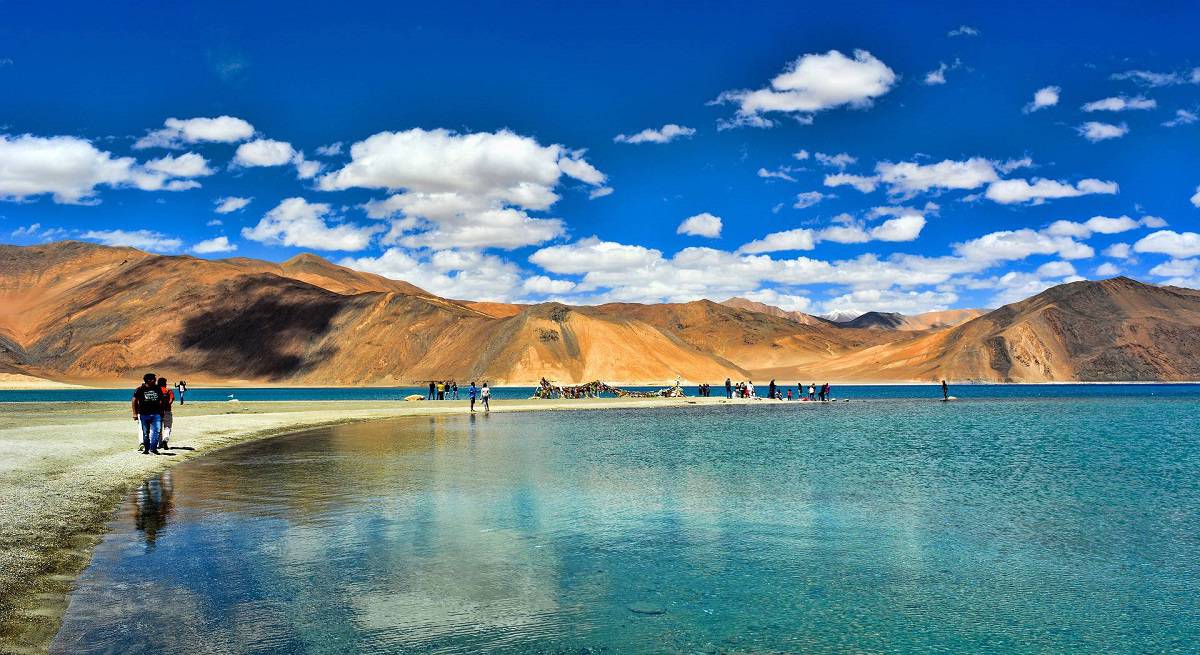
Pangong Lake Ladakh: Best Time, Permit Rules & Stay Options
Complete Pangong Lake guide: best time to visit, permits, how to reach from Leh, stay options & travel tips.
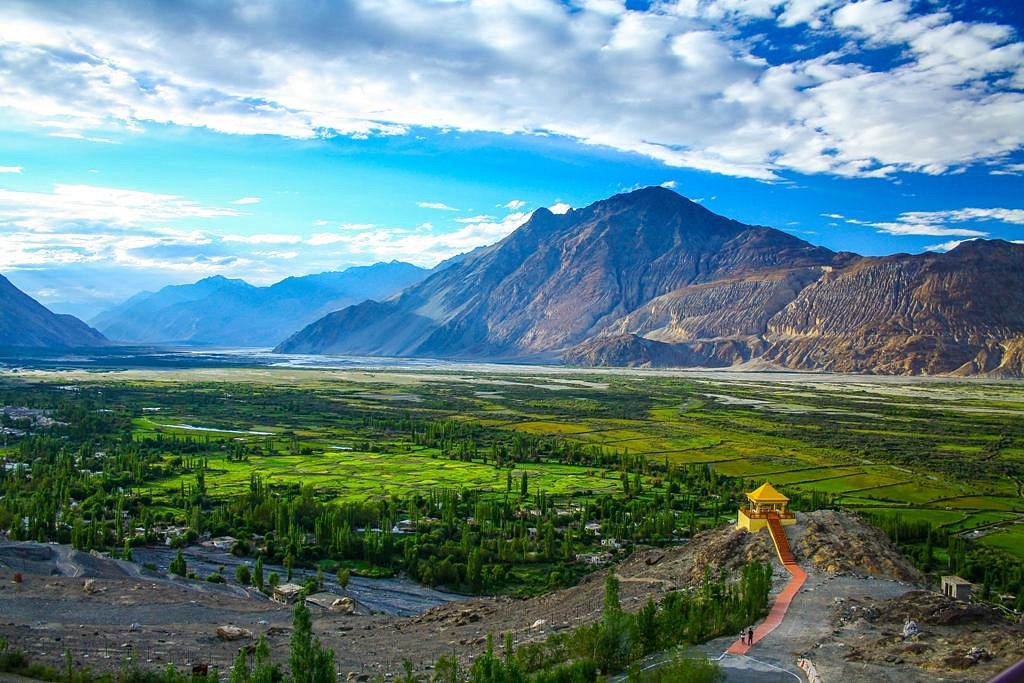
Nubra Valley Ladakh: Itinerary, Permits, Route & Stay Options
Plan your Nubra Valley Ladakh trip with route strategy, acclimatization tips, season guidance, and practical budget planning.
Never Miss an Adventure
Get the latest trekking guides, travel tips, and exclusive offers delivered straight to your inbox.
