
Paro Tshechu Festival: Dates, Guide & Tips
Neha Kapoor
November 21, 2025
Paro Tshechu Festival Bhutan: dates, Thongdrel unveiling, mask dances, schedule, how to reach & travel guide. Complete festival guide.
Paro Tshechu Festival: Complete Bhutan Festival Guide
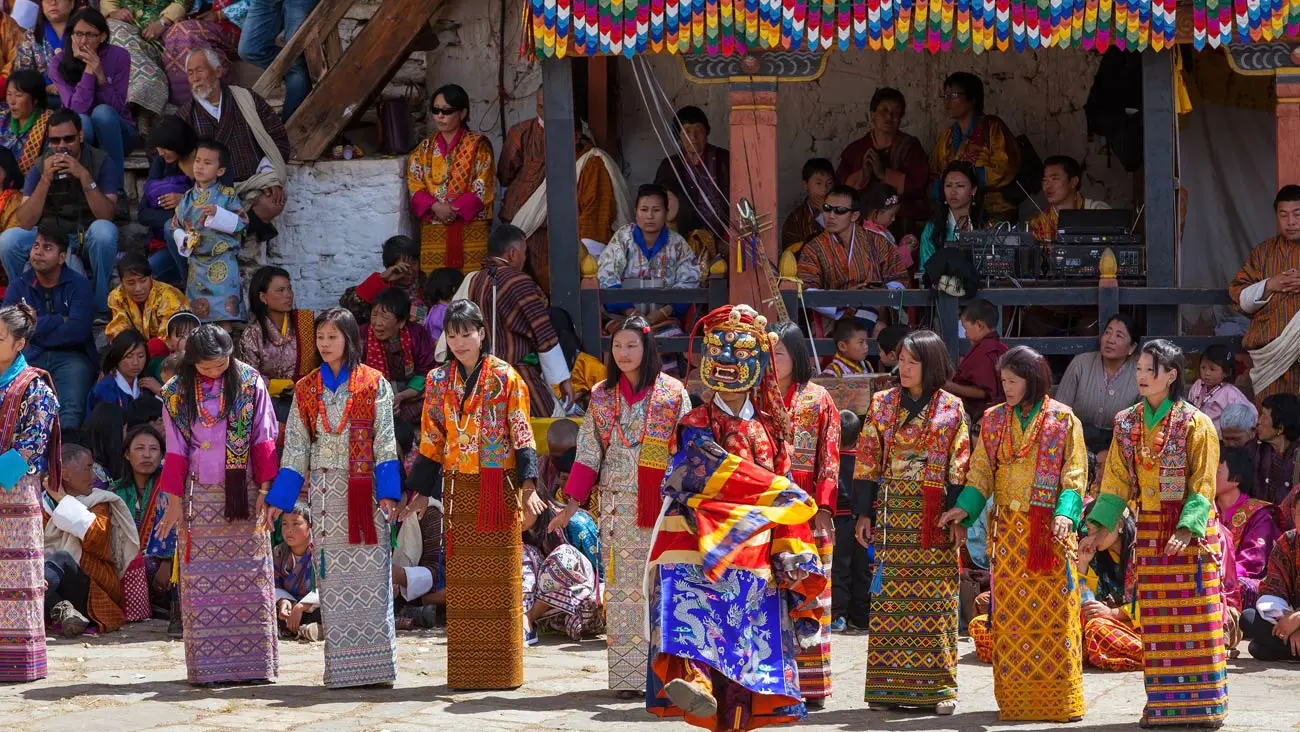
Paro Tshechu is one of Bhutan's most important annual religious festivals, celebrated with sacred mask dances, monastery rituals, and large community gatherings. Held in Paro's dzong and monastery setting, it attracts both local devotees and international travelers who want to experience Bhutanese culture beyond scenic routes.
Unlike commercial music festivals, Tshechu is deeply spiritual. Visitors should approach it with respect, patience, and cultural awareness. For better Bhutan planning, combine this with thimphu bhutan, punakha bhutan, and things to do in paro bhutan.
Why Paro Tshechu Is Special
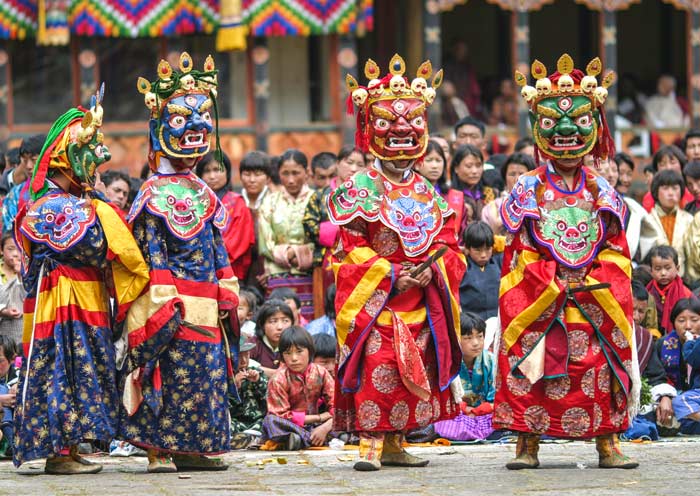
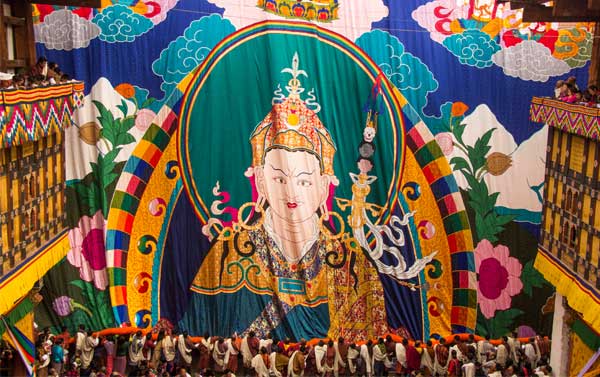
The festival preserves ritual performance traditions where masked dances (cham) communicate spiritual teachings and moral symbolism. It is also a major social gathering where families travel in traditional dress and communities reconnect. The final-day unfurling of sacred thangka (thongdrel) is especially significant for devotees.
For travelers, the experience is not only visual. It is an entry into Bhutan's living religious culture.
Best Time and Festival Planning
Festival dates vary each year based on lunar calendar cycles, so check official timing well in advance. Accommodation in Paro fills quickly during Tshechu days. Arrive early, ideally 1-2 days before core events, to avoid last-minute logistics stress.
How to Experience It Properly
- Reach venue early for respectful viewing spots
- Dress modestly and avoid disruptive movement
- Observe rituals before taking close photographs
- Plan one full-day focus, not rushed half-day drop-in
- Use local guides for symbolic interpretation
Route and Itinerary Tips
Paro Tshechu works best in a Bhutan circuit where festival days are not overloaded with long-distance transfers. Keep celebration days local and schedule intercity movement before or after major rituals. For extended planning, use treks bhutan and bumthang bhutan on separate route blocks.
Common Mistakes to Avoid
- Treating Tshechu as only a photography event.
- Arriving late and missing key ritual sections.
- Ignoring cultural etiquette in religious spaces.
- Planning no stay buffer around festival dates.
- Overpacking same day with long transfers.
Paro Tshechu is best experienced slowly, with respect for ritual context and community significance.
Deep Cultural Planning for Paro Tshechu
Paro Tshechu is best approached as a sacred public event, not as a conventional spectator festival. The performances are ritual forms with theological and cultural meaning, and their sequence matters. Visitors who arrive with only camera goals often miss the interpretive depth. A better approach is to spend the first session watching without heavy filming, then capture visuals in later sessions once you understand movement flow and symbolic segments.
Talk to local guides or hosts about dance meanings before main events. Even short explanations can transform your experience. Understanding the role of protector deities, moral stories, and blessing rituals helps you read the festival with context instead of treating it as costume spectacle.
2-Day Tshechu Itinerary Model
Day one: venue orientation, early-seat strategy, and first ritual block observation. Day two: focused documentation, local-market interaction, and one monastery-context stop nearby. Keep evenings light to preserve energy for early starts. This is especially important at altitude, where fatigue can accumulate faster than expected.
If your Bhutan itinerary includes multiple dzong festivals, avoid back-to-back transfer-heavy days. Keep one buffer day between major events for adaptation, rest, and route reliability.
Dress, Conduct, and Field Etiquette
Modest attire is essential. Choose clothing that respects local expectations and allows comfortable full-day seated observation. Keep movement minimal during ritual blocks and avoid crossing active viewing lines. If photographing, avoid flash and maintain respectful distance from monks and elders.
Public-sharing captions should remain accurate and respectful. Avoid sensational framing of sacred practices. Responsible storytelling improves cultural trust and reader understanding.
Final Practical Notes
Book stays and local transport early during Tshechu period. Keep cash buffer, warm layers, and hydration essentials. High-demand windows can affect both availability and transit timing, so route flexibility is important. A careful plan turns Paro Tshechu from a crowded event into one of the most meaningful cultural experiences in Bhutan.
Location
Frequently Asked Questions
Q1.When is Paro Tshechu in 2026?
Q2.Where is Paro Tshechu celebrated?
Q3.How long does Paro Tshechu last?
Q4.What happens during Paro Tshechu?
Q5.What is Thongdrel in Paro Tshechu?
Q6.How do I reach Paro for the festival?
Q7.What should I wear to Paro Tshechu?
Q8.Do I need tickets for Paro Tshechu?
Recommended For You
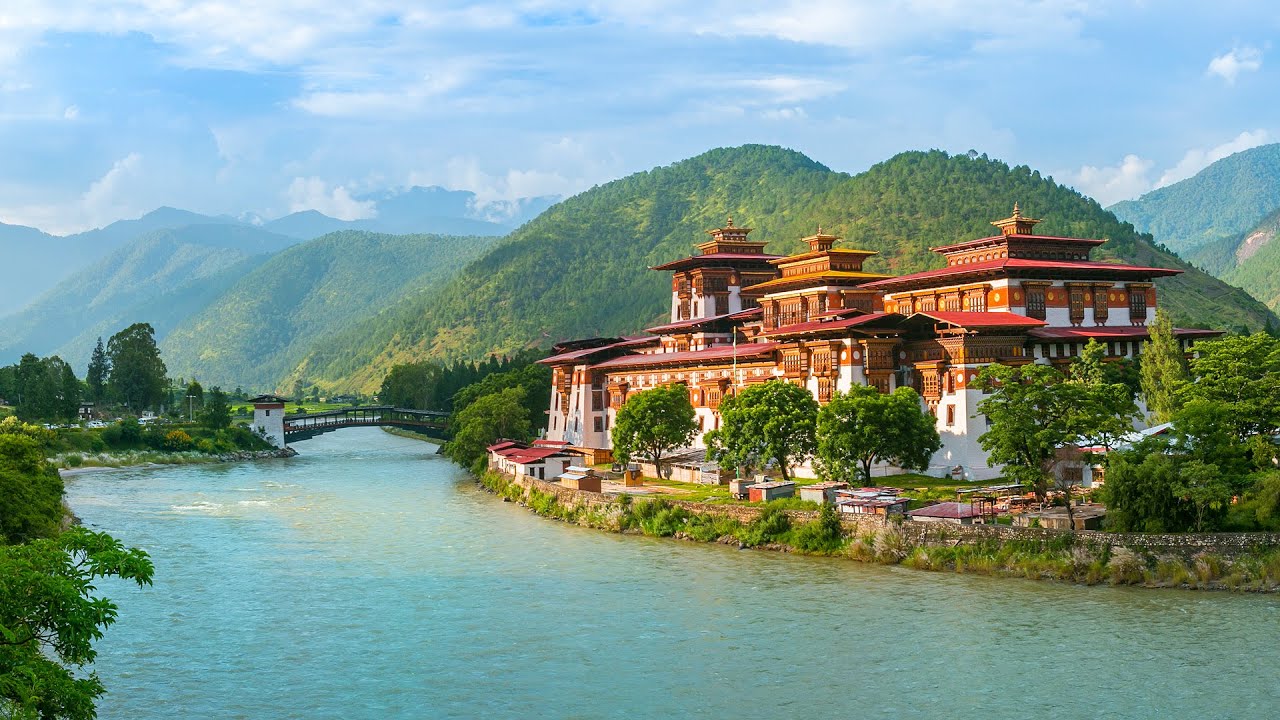
Best Time to Visit Bhutan: Season Guide and Travel Tips
Plan your Bhutan trip with season-wise timing, route strategy, and practical travel tips for smoother and more meaningful journeys.
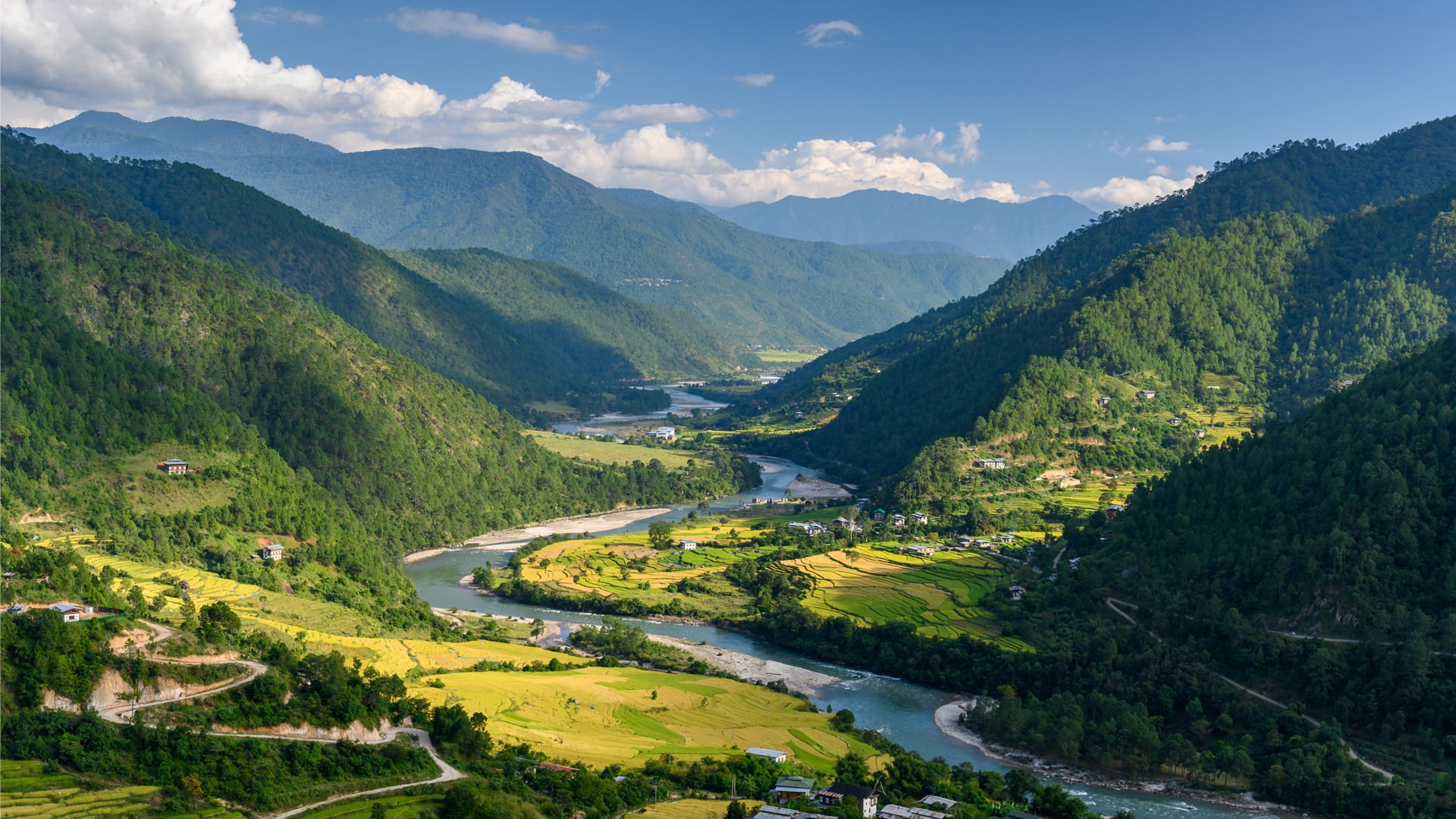
Punakha Bhutan: Dzong, Suspension Bridge & Valley Highlights
Plan Punakha Bhutan with Dzong, suspension bridge, temple stops, best season tips, and practical route planning for a smooth valley trip.
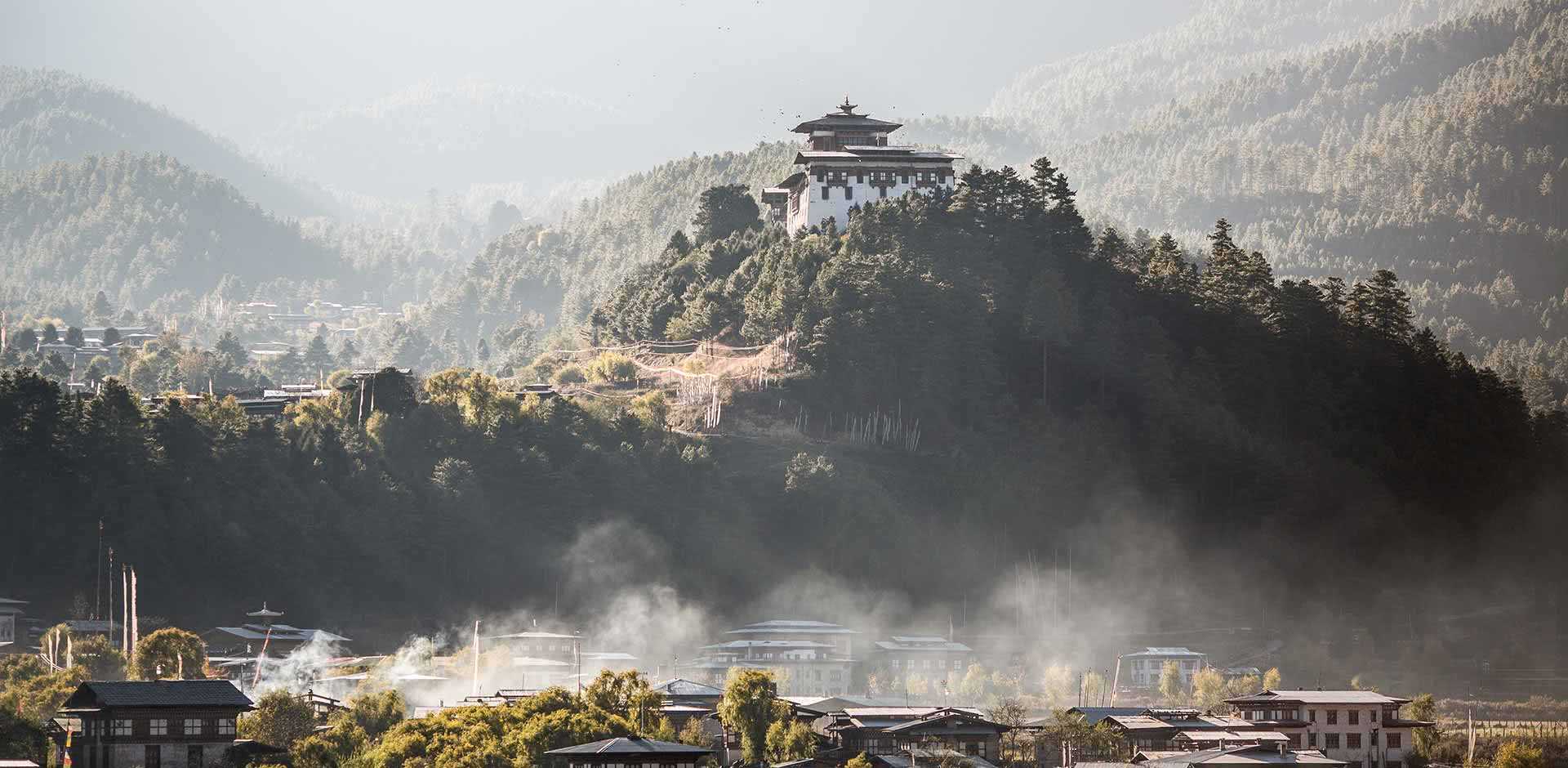
Bumthang Bhutan: Sacred Valleys, Temples & Route Planning
Discover Bumthang Bhutan with sacred temples, festival highlights, trekking options, and practical travel tips for a well-planned valley itinerary.
Never Miss an Adventure
Get the latest trekking guides, travel tips, and exclusive offers delivered straight to your inbox.
