

Heritage
Best Photography Spots in Jaipur: Capture the Pink City
Rahul Garg
February 20, 2026
10 min read3,363 views
Discover the best photography spots in Jaipur from Hawa Mahal to hidden gems. Capture stunning shots of Pink City's architecture, streets & culture.
Introduction: Discovering Jaipur Through Your Lens
Jaipur, the majestic capital of Rajasthan, affectionately known as the Pink City, offers photographers an incredible canvas of colors, architecture, and vibrant street life. Founded in 1727 by Maharaja Sawai Jai Singh II, this city seamlessly blends ancient heritage with modern urban life, creating endless opportunities for capturing stunning photographs. From the intricate honeycomb façade of Hawa Mahal to the bustling bazaars filled with traditional crafts, Jaipur photography spots cater to every photographer's vision.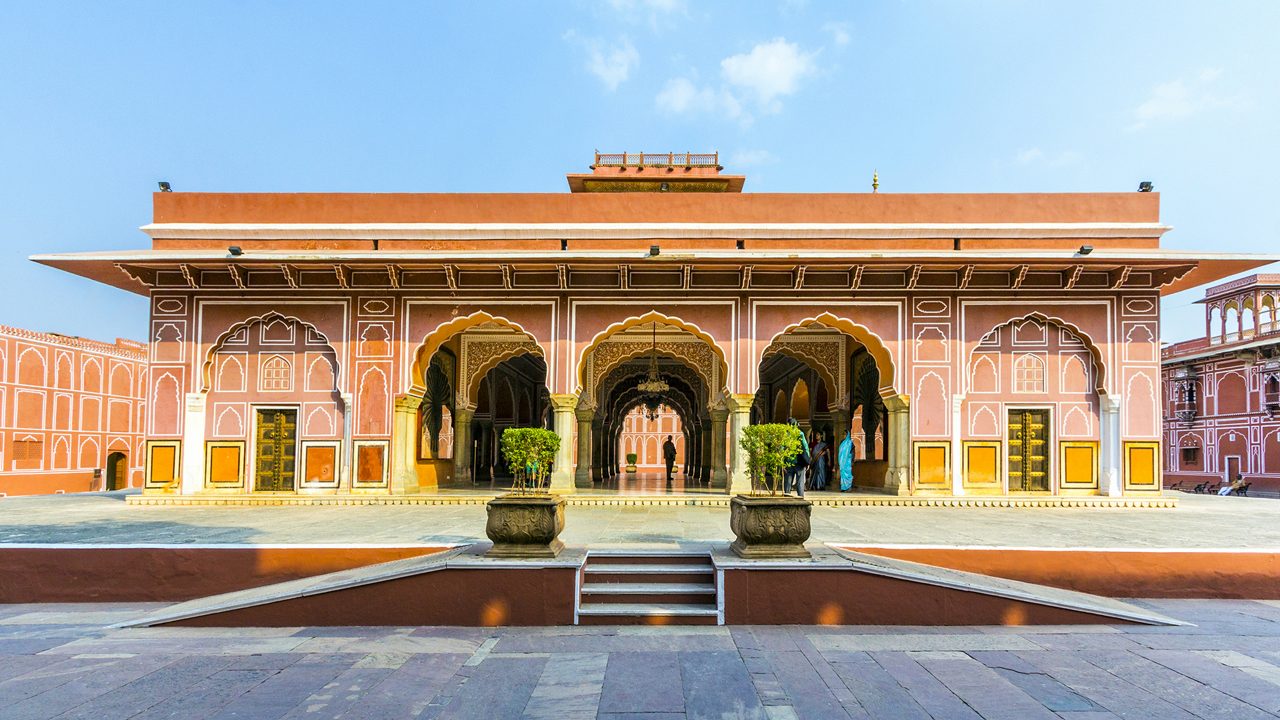 The city gets its distinctive pink hue from the terracotta-colored sandstone used in its construction, which was painted pink in 1876 to welcome the Prince of Wales. This unique color palette creates a warm, golden glow during sunrise and sunset, offering photographers magical lighting conditions that transform ordinary scenes into extraordinary captures. The best time for photography in Jaipur is during the winter months (October to March), when the weather is pleasant, and the soft winter light enhances the architectural beauty of monuments.
Hawa Mahal: The Iconic Honeycomb Palace
No photography tour of Jaipur is complete without capturing Hawa Mahal, the Palace of Winds, which is arguably the most photographed monument in the city. This stunning five-story palace, built in 1799 by Maharaja Sawai Pratap Singh, features 953 small windows decorated with intricate latticework, creating a mesmerizing honeycomb pattern that's a paradise for architectural photographers. The best time to photograph Hawa Mahal is during the early morning hours (6-7 AM), when the soft golden light illuminates its pink and red sandstone façade.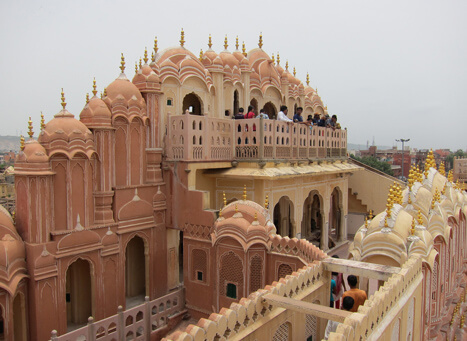 For the classic shot, position yourself across the street in the market area to capture the entire palace in all its glory. However, don't stop there—walk around to the side streets to capture interesting angles that show the palace rising above the busy markets below. The contrast between the ancient architecture and modern city life creates powerful storytelling images. If you can access the rooftop of a nearby building, you'll get a bird's-eye view of the palace that few tourists capture.
Inside Hawa Mahal, the narrow corridors and dimly lit chambers present challenges for photographers but also offer opportunities for creative compositions. For those interested in exploring more of Jaipur's spiritual side, our Govind Dev Ji Temple Jaipur guide showcases another important cultural site in the city. Use a wide-angle lens to capture the intricate jharokhas from inside, or focus on the geometric patterns created by the latticework. The light filtering through these small windows creates beautiful patterns on the floors—perfect for abstract photography.
For the classic shot, position yourself across the street in the market area to capture the entire palace in all its glory. However, don't stop there—walk around to the side streets to capture interesting angles that show the palace rising above the busy markets below. The contrast between the ancient architecture and modern city life creates powerful storytelling images. If you can access the rooftop of a nearby building, you'll get a bird's-eye view of the palace that few tourists capture.
Inside Hawa Mahal, the narrow corridors and dimly lit chambers present challenges for photographers but also offer opportunities for creative compositions. For those interested in exploring more of Jaipur's spiritual side, our Govind Dev Ji Temple Jaipur guide showcases another important cultural site in the city. Use a wide-angle lens to capture the intricate jharokhas from inside, or focus on the geometric patterns created by the latticework. The light filtering through these small windows creates beautiful patterns on the floors—perfect for abstract photography.
Amber Fort: Majestic Fortifications and Reflections
Located 11 kilometers from Jaipur's city center, Amber Fort (Amer Fort) is a sprawling masterpiece of Rajput architecture that offers photographers a diverse range of subjects—from grand fortifications and intricate mirror work to sweeping views of Maota Lake below. Built in the 16th century by Raja Man Singh I, this UNESCO World Heritage Site is a photographer's paradise where every corner reveals a new composition.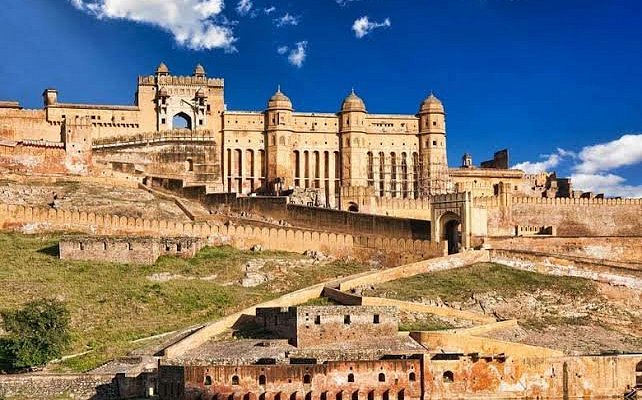 The most iconic photograph of Amber Fort is the reflection of its majestic walls in Maota Lake, best captured from the gardens across the water. Arrive early in the morning (before 8 AM) to avoid crowds and capture the reflection in calm water. As the sun rises, the fort's sandstone walls glow in warm hues, creating a breathtaking scene. Use a polarizing filter to reduce glare on the water and enhance the colors.
Inside the fort, don't miss the Sheesh Mahal (Mirror Palace), where thousands of tiny mirrors create a dazzling display. This presents technical challenges due to low light, but the results are worth it. Use a fast lens (f/2.8 or wider) and steady your camera against a wall or pillar. The Diwan-e-Aam and Diwan-e-Khas offer magnificent architectural details—marble pillars, frescoes, and intricate carvings that look stunning through a telephoto lens.
The most iconic photograph of Amber Fort is the reflection of its majestic walls in Maota Lake, best captured from the gardens across the water. Arrive early in the morning (before 8 AM) to avoid crowds and capture the reflection in calm water. As the sun rises, the fort's sandstone walls glow in warm hues, creating a breathtaking scene. Use a polarizing filter to reduce glare on the water and enhance the colors.
Inside the fort, don't miss the Sheesh Mahal (Mirror Palace), where thousands of tiny mirrors create a dazzling display. This presents technical challenges due to low light, but the results are worth it. Use a fast lens (f/2.8 or wider) and steady your camera against a wall or pillar. The Diwan-e-Aam and Diwan-e-Khas offer magnificent architectural details—marble pillars, frescoes, and intricate carvings that look stunning through a telephoto lens.
City Palace: Royal Grandeur and Architectural Details
The City Palace complex, located in the heart of Jaipur, is a magnificent blend of Rajasthani and Mughal architecture that offers photographers an abundance of subjects. Built by Maharaja Sawai Jai Singh II between 1729 and 1732, this sprawling palace complex still serves as the residence of the royal family of Jaipur. The contrast between the ancient architecture and the modern city beyond its walls creates fascinating visual narratives.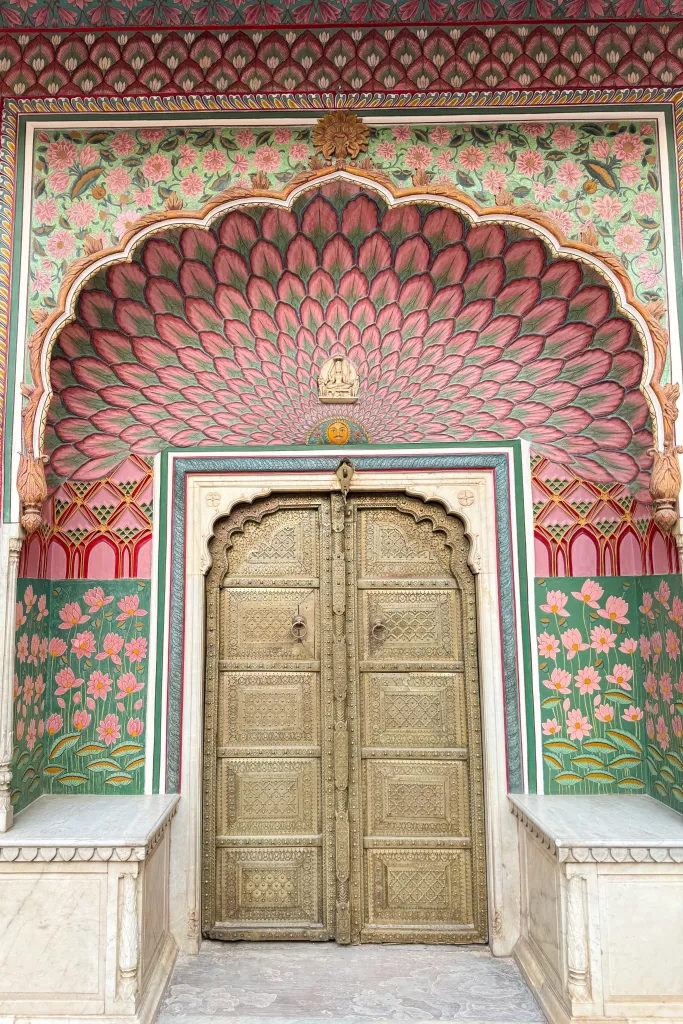 The most photographed section of City Palace is the Mubarak Mahal, which now houses the Maharaja Sawai Man Singh II Museum. Its beautiful façade, with elaborate arches and balconies, makes for stunning wide-angle shots. The Pitam Niwas Chowk (Peacock Courtyard) features four magnificent gateways, each representing a different season and decorated with symbols relevant to that season. These gates provide endless opportunities for detail shots—focus on the peacock motifs of the Mor Gate or the lotus flowers of the Lotus Gate.
The Chandra Mahal, the current residence of the royal family, offers seven stories of architectural brilliance. From the gardens below, capture the symmetry of the palace against the blue sky. The Diwan-e-Khas houses two enormous silver vessels, which hold the Guinness World Record for being the largest silver objects in the world. These vessels make for fascinating photographs that tell stories of royal traditions.
The most photographed section of City Palace is the Mubarak Mahal, which now houses the Maharaja Sawai Man Singh II Museum. Its beautiful façade, with elaborate arches and balconies, makes for stunning wide-angle shots. The Pitam Niwas Chowk (Peacock Courtyard) features four magnificent gateways, each representing a different season and decorated with symbols relevant to that season. These gates provide endless opportunities for detail shots—focus on the peacock motifs of the Mor Gate or the lotus flowers of the Lotus Gate.
The Chandra Mahal, the current residence of the royal family, offers seven stories of architectural brilliance. From the gardens below, capture the symmetry of the palace against the blue sky. The Diwan-e-Khas houses two enormous silver vessels, which hold the Guinness World Record for being the largest silver objects in the world. These vessels make for fascinating photographs that tell stories of royal traditions.
Jantar Mantar: Astronomical Instruments as Art
Jantar Mantar, an astronomical observatory built in 1734 by Maharaja Sawai Jai Singh II, is one of Jaipur's most unique photography spots. For a comprehensive guide to this UNESCO World Heritage Site, check out our Jantar Mantar Jaipur guide. This UNESCO World Heritage Site houses the world's largest sundial and 18 other astronomical instruments, each a masterpiece of architectural and scientific achievement. The combination of geometric forms, massive scale, and minimalist design makes Jantar Mantar a paradise for photographers.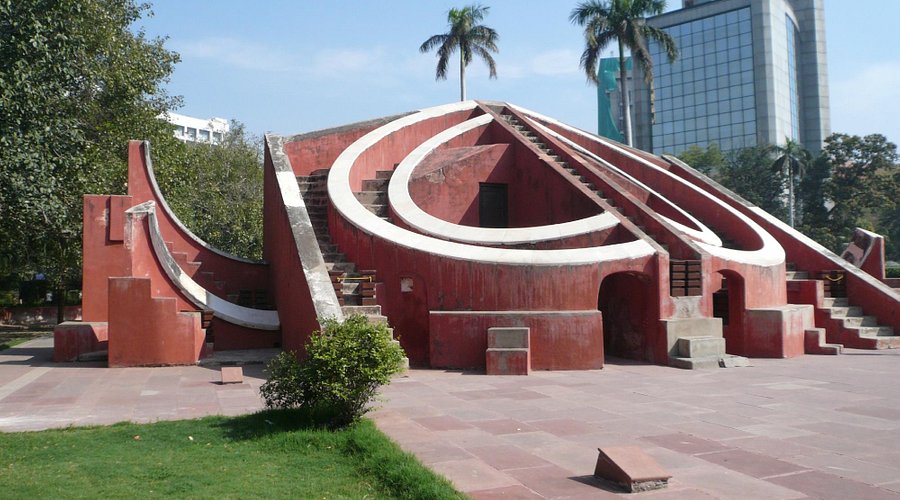 The Samrat Yantra (Supreme Instrument), the world's largest sundial standing 27 meters tall, is the centerpiece of the observatory. Its enormous triangular gnomon creates dramatic shadows that change throughout the day. Use a wide-angle lens to capture the full scale of the instrument, or a telephoto lens to focus on interesting details where the curved surfaces meet the stone platform. The symmetry of this structure is perfect for minimalist compositions.
The Ram Yantra, consisting of two large cylindrical buildings with open tops, offers incredible opportunities for playing with light and shadow. Inside these structures, the interplay of sunlight through the openings creates geometric patterns on the floor. The Jai Prakash Yantra, with its hollowed-out hemispheres, looks stunning from above—climb to the viewing platform for a bird's-eye view.
The Samrat Yantra (Supreme Instrument), the world's largest sundial standing 27 meters tall, is the centerpiece of the observatory. Its enormous triangular gnomon creates dramatic shadows that change throughout the day. Use a wide-angle lens to capture the full scale of the instrument, or a telephoto lens to focus on interesting details where the curved surfaces meet the stone platform. The symmetry of this structure is perfect for minimalist compositions.
The Ram Yantra, consisting of two large cylindrical buildings with open tops, offers incredible opportunities for playing with light and shadow. Inside these structures, the interplay of sunlight through the openings creates geometric patterns on the floor. The Jai Prakash Yantra, with its hollowed-out hemispheres, looks stunning from above—climb to the viewing platform for a bird's-eye view.
Nahargarh Fort: Sunset Views Over the Pink City
Perched on the edge of the Aravalli hills, Nahargarh Fort offers the most panoramic views of Jaipur and is undoubtedly the best spot for sunset photography in the city. Built in 1734 by Maharaja Sawai Jai Singh II as a retreat, the fort's name means "abode of tigers," and its rugged location provides photographers with sweeping vistas of the Pink City spreading out below.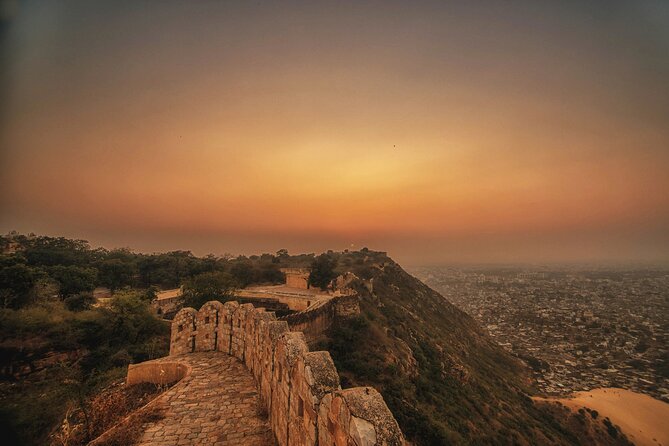 The most popular photography spot at Nahargarh Fort is the viewpoint near the Madhavendra Bhawan. From here, you can see the entire cityscape, with the City Palace, Jantar Mantar, and Hawa Mahal clearly visible on the horizon. Arrive at least an hour before sunset to capture the city in daylight, the golden hour, the sunset itself, and finally the blue hour when the city lights begin to twinkle below.
The architecture of Nahargarh Fort itself is photographically interesting. The Madhavendra Bhawan features a series of suites for the royal ladies, each connected by corridors and adorned with beautiful frescoes. The zigzag layout of these rooms creates interesting geometric patterns perfect for architectural photography.
The most popular photography spot at Nahargarh Fort is the viewpoint near the Madhavendra Bhawan. From here, you can see the entire cityscape, with the City Palace, Jantar Mantar, and Hawa Mahal clearly visible on the horizon. Arrive at least an hour before sunset to capture the city in daylight, the golden hour, the sunset itself, and finally the blue hour when the city lights begin to twinkle below.
The architecture of Nahargarh Fort itself is photographically interesting. The Madhavendra Bhawan features a series of suites for the royal ladies, each connected by corridors and adorned with beautiful frescoes. The zigzag layout of these rooms creates interesting geometric patterns perfect for architectural photography.
Johari Bazaar: Colors and Crafts of the Old City
For photographers interested in street photography, cultural documentation, and capturing the vibrancy of everyday life, Johari Bazaar is an absolute must-visit. This bustling market, located in the heart of the old city, is Jaipur's oldest and most famous jewelry market, but it offers much more than just gems and jewels.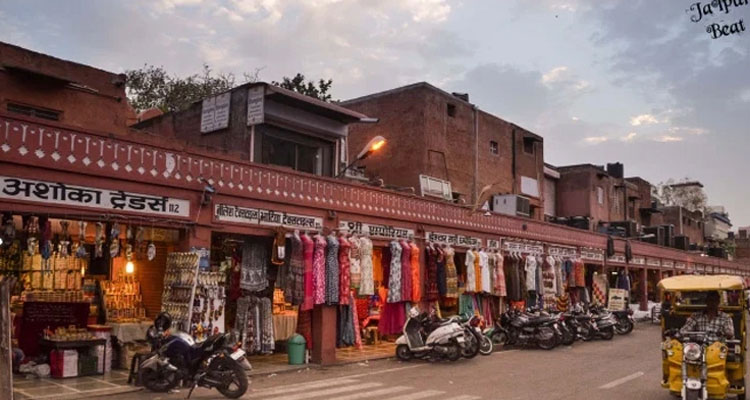 The best time to photograph Johari Bazaar is in the morning when the light is soft and the market is just coming to life. Arrive around 9-10 AM to capture shopkeepers opening their shutters, arranging their wares, and starting their day. The golden light filtering through the narrow lanes creates beautiful, dappled lighting that adds depth to your images.
The bazaar is famous for its textiles, particularly bandhani, leheriya, and sarees in every color imaginable. Capture the displays of fabrics hanging outside shops—the layers of colorful textiles create beautiful abstract patterns. The jewelry shops offer opportunities to capture artisans at work, crafting delicate pieces using traditional techniques.
The best time to photograph Johari Bazaar is in the morning when the light is soft and the market is just coming to life. Arrive around 9-10 AM to capture shopkeepers opening their shutters, arranging their wares, and starting their day. The golden light filtering through the narrow lanes creates beautiful, dappled lighting that adds depth to your images.
The bazaar is famous for its textiles, particularly bandhani, leheriya, and sarees in every color imaginable. Capture the displays of fabrics hanging outside shops—the layers of colorful textiles create beautiful abstract patterns. The jewelry shops offer opportunities to capture artisans at work, crafting delicate pieces using traditional techniques.
Panna Meena ka Kund: Ancient Stepwell Geometry
Hidden away near Amber Fort, Panna Meena ka Kund is a 16th-century stepwell that showcases the genius of ancient Indian water conservation architecture. This eight-story deep stepwell features 3,500 steps arranged in symmetrical patterns on three sides, with a series of platforms and galleries on the fourth side.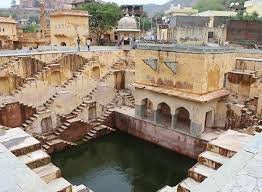 The best approach to photographing Panna Meena ka Kund is from the opposite side, using a wide-angle lens to capture the descending flights of stairs creating a V-shape. Arrive between 10 AM and 2 PM when sunlight directly illuminates the steps, creating dramatic shadows that emphasize the geometric patterns.
For creative shots, focus on the abstract patterns created by the stairs. Use a telephoto lens to isolate sections of the stepwell, creating compositions that play with the repetition of lines and shapes. The double symmetry of the design makes for stunning minimalist images.
The best approach to photographing Panna Meena ka Kund is from the opposite side, using a wide-angle lens to capture the descending flights of stairs creating a V-shape. Arrive between 10 AM and 2 PM when sunlight directly illuminates the steps, creating dramatic shadows that emphasize the geometric patterns.
For creative shots, focus on the abstract patterns created by the stairs. Use a telephoto lens to isolate sections of the stepwell, creating compositions that play with the repetition of lines and shapes. The double symmetry of the design makes for stunning minimalist images.
Best Time for Photography in Jaipur
The winter months (October to March) offer the most pleasant weather for photography in Jaipur, with clear skies, comfortable temperatures, and soft, golden light. The winter light has a clarity and crispness that enhances the architectural details of monuments and brings out the rich colors of the Pink City.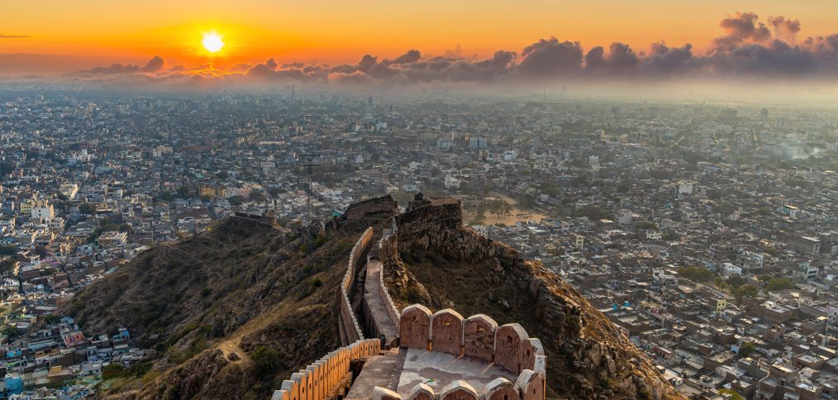 For outdoor architectural photography, the golden hours—shortly after sunrise and shortly before sunset—provide the most magical light. During these times, the low-angle sun creates long, dramatic shadows and bathes the sandstone monuments in warm, golden hues. The golden hour typically lasts about 30-60 minutes, so plan to arrive at your location early.
Essential Photography Gear for Jaipur
A versatile camera setup is ideal for photographing Jaipur. A 24-70mm f/2.8 lens would be your primary workhorse, covering most situations from wide architectural shots to medium telephoto street photography. For architectural details and street photography, a 70-200mm f/2.8 telephoto zoom is invaluable. A polarizing filter is essential for photography in Jaipur's bright sunlight. It will help reduce glare on reflective surfaces, deepen blue skies, and enhance the colors of the sandstone monuments. Don't forget spare batteries and memory cards—the combination of hot weather and lots of shooting can drain batteries quickly.Photography Etiquette and Permissions
Always ask for permission before photographing people, especially women, the elderly, and those performing religious ceremonies. A simple gesture with your camera and a respectful question is usually sufficient. If someone declines, respect their wishes and move on. In temples and religious sites, be especially mindful of photography rules. Many temples prohibit photography inside the inner sanctums where rituals are performed. Look for signage indicating where photography is allowed or prohibited, and when in doubt, ask a priest or temple official.
Conclusion: Capturing the Soul of the Pink City
As your photographic journey through Jaipur comes to an end, you'll carry home not just images but memories of a city that engages all your senses. The Pink City's beauty lies not just in its magnificent monuments but in the details—the intricate carving on a temple column, the weathered face of a craftsman, the vibrant colors of a textile market. Plan your itinerary to include a mix of iconic locations and offbeat experiences. Visit Hawa Mahal at dawn, explore the bazaars in the morning light, capture the sunset from Nahargarh Fort, and return to your favorite locations at different times to see how the changing light transforms them. For those interested in exploring Rajasthan's rich heritage, our facts about Rajasthan guide offers excellent insights into the state's history and culture, and the golden ramparts of Amber Fort remain one of the most rewarding sunrise photography locations in the region.Location
Frequently Asked Questions
Q1.What is the best time of year for photography in Jaipur?
The best time for photography in Jaipur is during the winter months from October to March when the weather is pleasant, skies are clear, and the light is soft and golden. This period offers ideal conditions for outdoor architectural photography with comfortable temperatures allowing you to explore for extended periods. The winter light has a special clarity that enhances the pink sandstone monuments. Early morning (6-8 AM) and late afternoon (4-6 PM) during these months provide the most magical lighting conditions.
Q2.Do I need a permit for photography at Jaipur monuments?
Most monuments in Jaipur, including Hawa Mahal, Amber Fort, City Palace, and Jantar Mantar, allow photography for personal use without a special permit. However, some locations may charge a separate camera fee, especially for professional equipment with interchangeable lenses. Tripods and commercial photography may require additional permissions or fees. Always check at the ticket counter and ask about photography rules. Inside museums and certain areas of temples, photography may be restricted, so look for signage or ask officials.
Q3.Where can I capture the best sunrise and sunset photos in Jaipur?
For sunrise photography, Hawa Mahal offers stunning shots as the first light illuminates its honeycomb façade. Nahargarh Fort is the undisputed best location for sunset photography, offering panoramic views of the entire Pink City as it transitions from day to night. The reflection of Amber Fort in Maota Lake is magical during both sunrise and sunset. Jantar Mantar provides interesting geometric compositions with long shadows during golden hour. Arrive 30-45 minutes early to set up and capture the changing light.
Q4.Is it safe to do street photography in Jaipur markets?
Yes, street photography in Jaipur markets is generally safe, but it requires cultural sensitivity and respect. Always ask for permission before photographing people, especially women and shopkeepers. A smile and respectful gesture go a long way. Some vendors may expect payment for photographs of them or their goods. Be aware of your surroundings, don't block pathways while shooting, and be patient rather than intrusive. The best approach is to spend time in an area, make connections, and photograph naturally as situations unfold.
Q5.How many days do I need for photography in Jaipur?
Plan at least 3-4 days for comprehensive photography coverage of Jaipur. Day 1 can cover Hawa Mahal, City Palace, and Jantar Mantar in the old city. Day 2 visit Amber Fort and Panna Meena ka Kund stepwell. Day 3 explore the bazaars for street photography in the morning and head to Nahargarh Fort for sunset. This pace allows you to work with good light and not feel rushed.
Recommended For You

Culture
50 Amazing Facts About Rajasthan India
Discover 50 fascinating facts about Rajasthan: history, culture, forts, palaces & geography. Unknown stories about India's royal state.
Jan 19Read More

Heritage
Gangaur Ghat Udaipur: Evening Views, Boating & Photo Spots
Discover Gangaur Ghat Udaipur on Lake Pichola with history, festival connection, boating tips, best time to visit, and nearby attractions.
Feb 20Read More

Shopping
Shopping in Jaipur: Johari, Bapu & Tripolia Bazaar Picks
Explore shopping in Jaipur. Johari Bazaar, textiles, handicrafts, jewellery & what to buy with bargaining tips & location guide.
Dec 20Read More
Never Miss an Adventure
Get the latest trekking guides, travel tips, and exclusive offers delivered straight to your inbox.
