
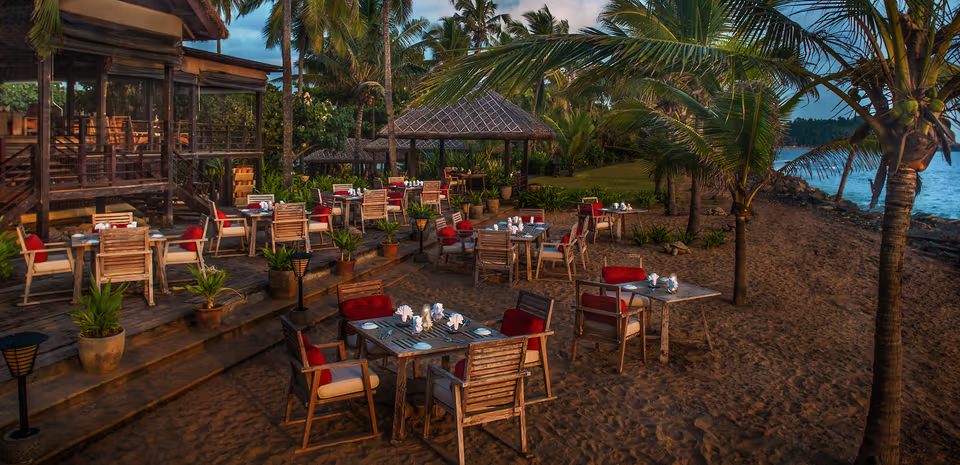
Places to Eat in Kerala: Seafood, Sadya Meals & Local Restaurants

Neha Kapoor
December 6, 2025
Discover the best places to eat in Kerala with sadhya, seafood, city-wise restaurant tips, tea-shop snacks, and practical food planning for every traveler.
Introduction: Why Kerala Is One of India’s Most Rewarding Food Destinations
If you are searching for the best places to eat in Kerala, the key is to think beyond a single restaurant list. Kerala is a long coastal state with strong regional food identities, so your dining plan should include city restaurants, coastal seafood spots, traditional mess-style eateries, tea shop snack counters, and heritage kitchens known for seasonal recipes. Food in Kerala is deeply tied to coconut, pepper, curry leaves, tamarind, kokum in some belts, rice, tapioca, banana, and fresh catch from the Arabian Sea. The result is a cuisine that feels layered, balanced, and highly place-specific.
A useful Kerala food guide starts with understanding local meal rhythms. Breakfast is often substantial with appam, puttu, idiyappam, or dosa variants. Lunch can be the biggest meal, especially if you want to try a proper banana leaf sadhya. Evening is ideal for tea-time snacks and coastal grills, while dinner can range from light stew combinations to rich Malabar biryani and roast dishes depending on the region. Use this guide with Kerala in March, spice plantations in Kerala, and famous food in Kerala for better trip planning.
Kerala Sadhya: The Essential Dining Experience
No list of places to eat in Kerala is complete without sadhya. This classic vegetarian feast is served on a banana leaf and is built around sequence, contrast, and balance. You may find compact daily versions in many towns, while festive or wedding-style sadhyas can include 20 to 28 components. If your trip includes festival periods, weekend lunch windows, or temple-town circuits, reserve in advance where possible because popular sadhya venues fill quickly.
A typical sadhya plate can include parippu, ghee, sambar, rasam, olan, avial, kalan, thoran, kichadi, pachadi, pickles, pappadam, banana chips, and one or more payasam servings. The joy of sadhya is not only quantity; it is the structure of flavors moving from mild and creamy to tangy, earthy, and sweet. Even regular weekday sadhyas can offer very good quality if you choose high-turnover traditional eateries.
- Best time to eat sadhya: Lunch, usually 12:00 PM to 3:00 PM.
- How to order smartly: Ask if there is a mini and full version.
- Vegetarian travelers: Kerala has strong vegetarian lunch ecosystems in major towns.
- Non-vegetarian travelers: Pair one sadhya meal with one seafood or Malabar meal on the same day.
For first-time visitors, one dedicated sadhya meal in Kochi, Thiruvananthapuram, or Thrissur gives an authentic baseline for understanding broader Kerala cuisine.
Traditional Kerala Dishes You Should Prioritize
Kerala cuisine is not one uniform style. Central Kerala, Malabar North, and Travancore South all have distinct textures and spice patterns. To cover Kerala properly, build meals around signature combinations rather than random ordering. This gives you a better understanding of local technique and ingredients.
Breakfast classics: Appam with vegetable or chicken stew, puttu with kadala curry, idiyappam with egg roast, pathiri with curries in Malabar areas, and dosa variants with coconut chutney and sambar. These are widely available and often among the most reliable meals for travelers.
Main-course staples: Meen curry (fish curry) in multiple regional styles, karimeen pollichathu wrapped and roasted, Kerala-style prawn roast, crab masala, beef ularthiyathu in non-vegetarian circuits, and tapioca pairings in coastal and midland belts. Vegetarian mains include olan, avial, theeyal, and kalan.
Rice and bread pairings: Matta rice is common in full meals. For evening dining, try Kerala porotta with roast or curry side dishes, especially in highway town restaurants and busy market neighborhoods.
Instead of chasing too many dishes in one sitting, follow a simple strategy: one breakfast specialty, one balanced lunch thali or sadhya-style meal, one evening snack block, and one signature dinner dish.
Where to Eat by City and Region in Kerala
Travelers often search for one statewide restaurant list, but Kerala works better when planned city by city. Each major destination has strengths that align with different food goals.
Kochi (Ernakulam-Fort Kochi Belt)
Kochi is one of the easiest places to start your Kerala food journey because it has heritage restaurants, modern dining rooms, seafood specialists, and casual local spots. Fort Kochi and Mattancherry areas are good for coastal flavors and fusion menus, while Ernakulam side has broader city options for family dining and late evening meals.
Thiruvananthapuram
The state capital is excellent for traditional meals, controlled spice profiles, and old-school establishments that serve dependable Kerala lunch combinations. It is ideal for travelers who want less experimentation and more consistency.
Kozhikode (Calicut) and Malabar Region
If your priority is Malabar biryani, rich seafood gravies, and snack culture, Kozhikode is a top food city in Kerala. Tea shops, evening counters, and bakery-style snack points add strong local character beyond full-service restaurants.
Alappuzha and Kumarakom Backwaters
Backwater routes are best for fresh fish lunches, toddy shop style pairings in permitted contexts, and relaxed daytime dining with local catch. Menus can be seasonal depending on weather and fish availability.
Munnar, Wayanad, and Highland Routes
Hill regions combine Kerala staples with plantation-linked produce and mild climate comfort food. Use these regions for breakfast depth and simpler dinners after long activity days.
For destination mapping alongside food stops, pair this with hill stations in Kerala and offbeat places in Kerala.
Seafood in Kerala: What to Try and How to Choose Well
Kerala’s seafood identity is a major reason the state ranks high in food travel searches. The best places to eat in Kerala for seafood are not always premium venues; often, mid-range coastal kitchens and high-turnover local restaurants deliver fresher cooking and cleaner flavors. Focus on daily catch, ask for preparation style, and avoid overcomplicating your order.
- Karimeen (pearl spot): Commonly served as pollichathu or pan-fried styles.
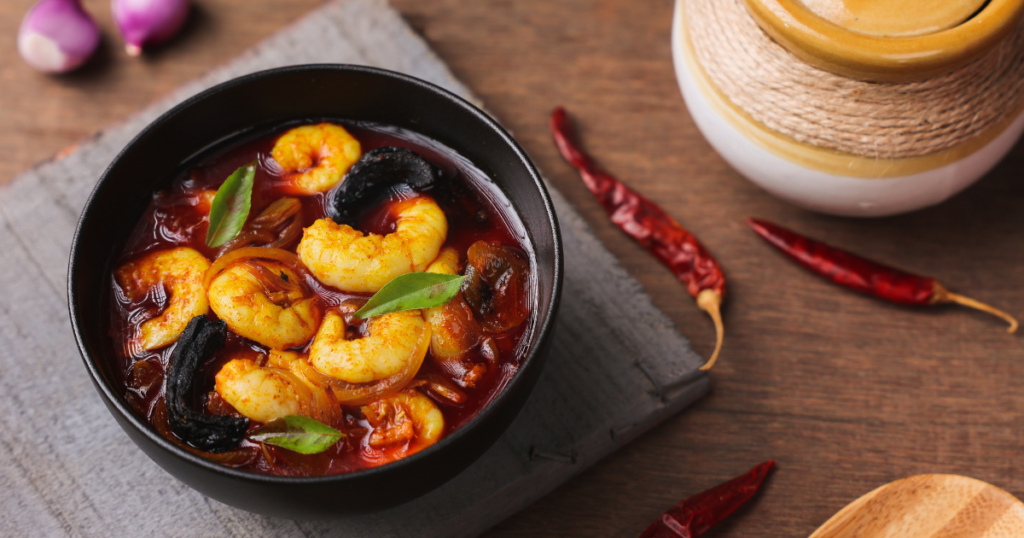
- Prawns (chemmeen): Roast, curry, or coconut-based gravies.
- Crab (njandu): Masala-forward and best for slow meals.
- Mussels: Popular in selected coastal zones and season-dependent.
- Fish molee/mappas: Mild coconut milk styles for lighter spice preference.
Practical tip: Ask what arrived fresh that day and select from that shortlist. This is usually more reliable than ordering from the entire printed menu.
Budget tip: Lunch seafood is often better value than late-night premium ordering, especially in tourist-heavy neighborhoods.
Kerala Street Food and Tea Shop Snack Culture
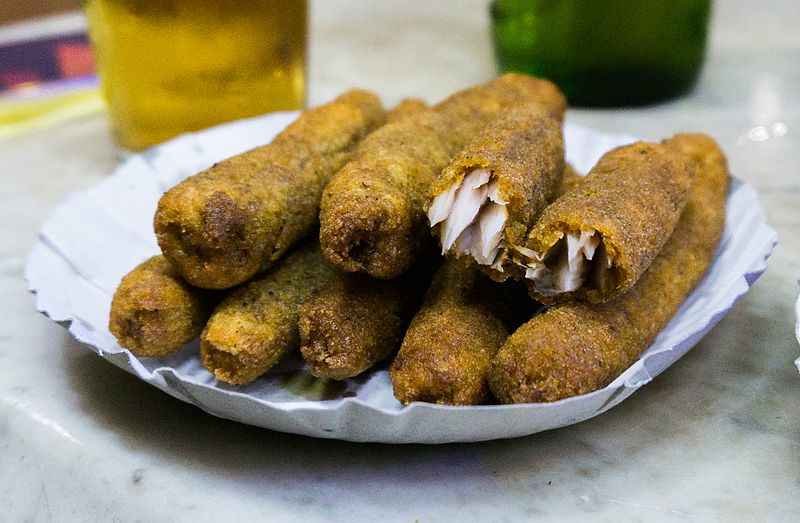
Street food in Kerala is less about chaotic mega-markets and more about tea shop ecosystems, neighborhood counters, and bakery-snack circuits. These are ideal for evening breaks between sightseeing and dinner. You will find regional favorites that are affordable, flavorful, and easy to sample across districts.
- Pazhampori: Banana fritters, best with evening tea.
- Parippu vada: Lentil fritter with crisp texture.
- Uzhunnu vada: Soft-centered urad fritter variant.
- Unniyappam: Sweet fried snack, often festival-linked.
- Banana chips and tapioca chips: Essential take-home snack category.
- Kallummakkaya items in some belts: Mussel-based specialties.
High-footfall tea points are typically safer for freshness. If you want authentic snack tasting, do two short sessions in different neighborhoods rather than one large order in a single stop.
Ayurveda-Friendly and Satvik Eating in Kerala
Kerala is widely associated with wellness travel, and many visitors look for lighter, satvik, or ayurveda-aligned food choices. While not every restaurant follows formal ayurvedic principles, several retreats, wellness properties, and specialty kitchens offer gentle spice meals, steamed preparations, medicated-ingredient broths in curated programs, and digestive-friendly menu design.
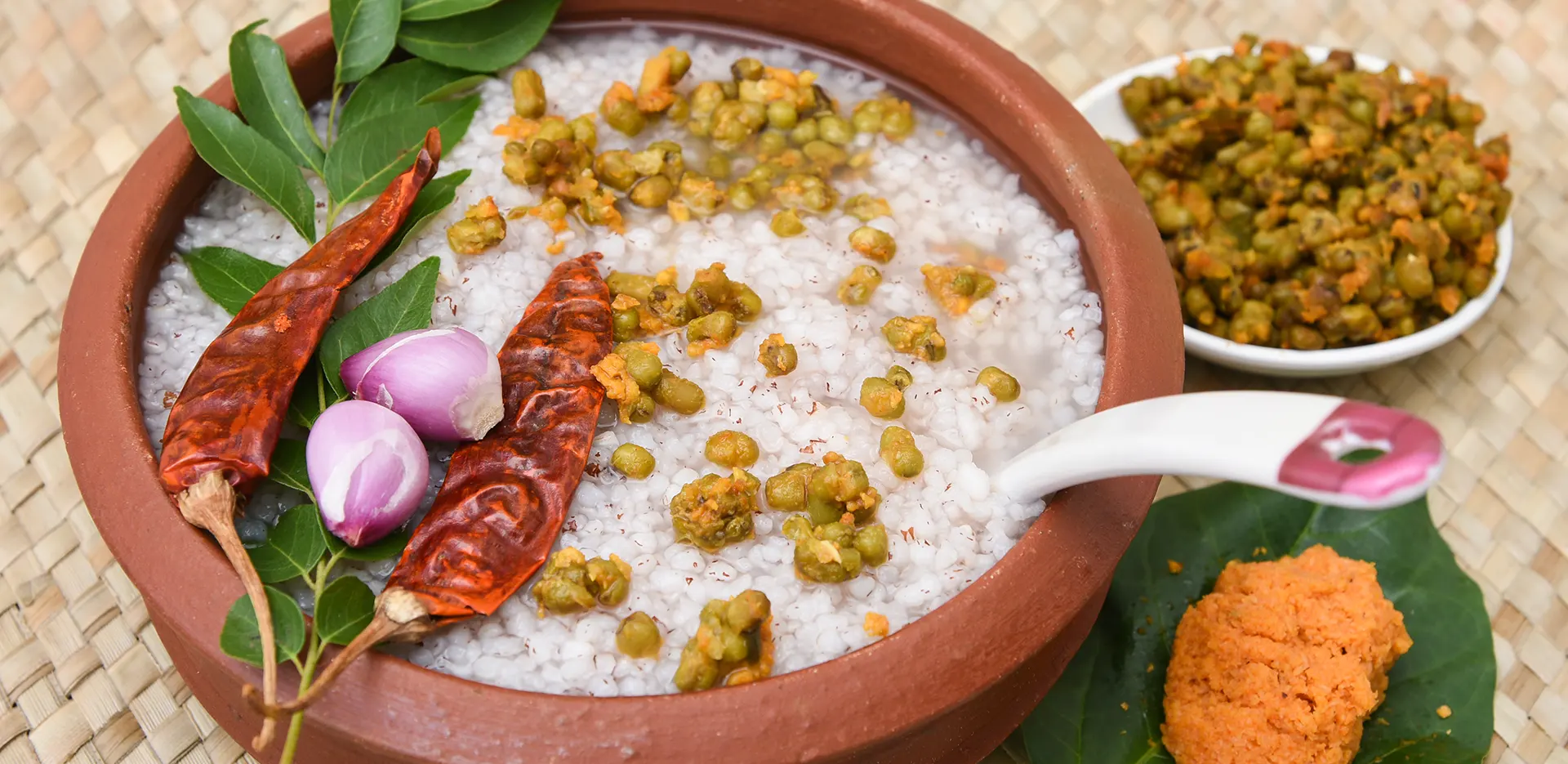
If you are on a treatment schedule, keep meals simple: rice gruel types, lightly cooked vegetables, cumin-ginger-forward soups, and controlled oil usage where prescribed. Outside formal retreats, you can still follow a practical wellness pattern by choosing steamed breakfasts, coconut-based mild curries, and early dinners. Kerala’s traditional cuisine naturally supports this approach because many recipes are balanced around digestibility and seasonal produce.
Kerala Sweets and Desserts Worth Trying
A strong food route in Kerala should end with local sweets, not generic dessert menus. Payasam is the anchor category, but the state also offers diverse festive and home-style sweet options depending on district and season.
- Ada pradhaman: Rich jaggery-coconut milk dessert, deeply traditional.
- Palada payasam: Milk-based, smoother texture, widely loved.
- Parippu payasam: Lentil-jaggery profile with roasted depth.
- Unniyappam: Snack-dessert crossover for tea time.
- Halwa variants in select towns: Popular in market areas.
If you are buying sweets to carry home, choose reputable, high-turnover stores and request same-day packed products for better shelf quality.
Sample 2-Day Food Plan for Kerala Travelers
Day 1 (Kochi style): Appam and stew breakfast, sadhya lunch, evening tea snack session, seafood dinner with one signature fish preparation.
Day 2 (Malabar or capital route): Puttu-kadala breakfast, traditional rice meal lunch, local snack circuit in evening, biryani or roast-led dinner depending on city.
This format gives culinary depth without overloading your schedule and works for most first-time visitors.
Mistakes to Avoid When Planning Places to Eat in Kerala
- Trying only hotel buffet food and missing local establishments.
- Skipping lunch-focused specialties like sadhya.
- Ordering seafood without checking daily fresh options.
- Ignoring regional differences between Malabar, Kochi belt, and Travancore.
- Overeating at tea time and missing planned dinner specialties.
- Not keeping backup options during peak holiday travel periods.
A simple regional strategy helps: one heritage meal, one seafood meal, one snack-focused session, and one wellness-friendly meal while in Kerala.
Final Take: How to Build the Best Kerala Food Experience
The best places to eat in Kerala are discovered through balance, not a single list. Prioritize one proper sadhya, one serious seafood meal, one city-specific signature dish, and one evening tea snack trail. Plan by region and meal timing, and you will experience Kerala cuisine as locals do: seasonal, layered, and deeply connected to place. For broader travel context, continue with tea plantations in Kerala, spice markets of Kerala, and Varkala beach guide.
Travelers often pair this with Famous Food in Kerala for a fuller itinerary. If you're extending this trip, Kerala in March is worth adding to your plan. It also helps to read up on Spice Plantations in Kerala before you finalize your plans. Many visitors combine this with Tea Plantations in Kerala while in the region.
Location
Frequently Asked Questions
Q1.What are the best places to eat in Kerala?
Q2.Where can I try authentic Kerala sadhya?
Q3.Which Kerala city is best for food lovers?
Q4.What is famous food in Kerala?
Q5.Is vegetarian food easy to find in Kerala?
Q6.What is the average dining budget in Kerala?
Q7.What are must-try Kerala seafood dishes?
Q8.When is the best time of day for Kerala food experiences?
Recommended For You
Spice Markets in Kerala: What to Buy, Prices & Best Towns
Complete guide to Kerala spice markets featuring best shopping destinations, must-buy spices, price guide, quality identification tips, and packaging advice.
Tea Plantations in Kerala: Munnar Estate Visits, Timings & Photo Spots
Explore Kerala's tea plantations in Munnar. Guide to tea gardens, plantation tours, Tata Tea Museum & best places to experience Kerala's tea estates with tasting sessions.

Offbeat Places in Kerala: Hidden Gems for Unique Travel Experiences
Discover Kerala's hidden gems beyond tourist trails. Explore Vagamon, Silent Valley, Gavi, Munroe Island & more with this comprehensive guide to offbeat places in Kerala.
Never Miss an Adventure
Get the latest trekking guides, travel tips, and exclusive offers delivered straight to your inbox.
