
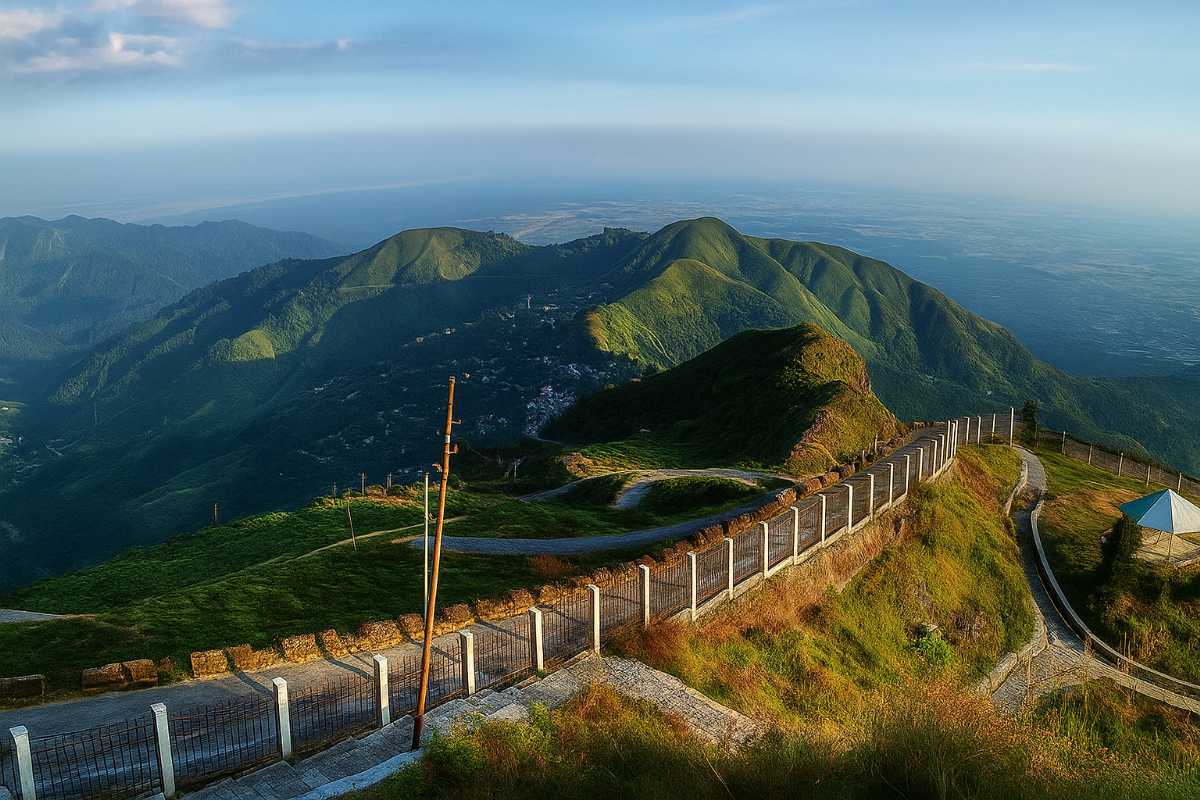
Places to Visit in Dispur: Capital Highlights, Temples & City Spots

Rohit Verma
December 2, 2025
Explore top places to visit in Dispur with temples, museums, tea markets, parks and nearby Guwahati attractions in this complete capital city guide.
Introduction to Dispur, Assam’s Capital Hub
Dispur is the capital of Assam and one of India’s smallest capital cities by geographic spread. Functionally, it is closely tied to Guwahati, and for travelers this creates an advantage: you get administrative and cultural landmarks in Dispur while having easy access to Guwahati’s larger temple, museum, riverfront, and market circuits. Many visitors skip Dispur assuming it has limited sightseeing, but that often happens because they do not plan it as a capital-zone experience. With the right itinerary, Dispur offers spiritual sites, public institutions, tea-trade context, and convenient links to nearby attractions.
A practical approach is to treat Dispur and Guwahati as a combined destination cluster over two to three days. Start with core capital-area points, then extend to river islands, temple hills, and food trails nearby. For broader planning, keep places to visit in Guwahati handy. If temple visits are your priority, include Kamakhya Temple Guwahati Assam, and for meal planning between sightseeing slots, use places to eat in Guwahati.
Temples and Spiritual Sites Around Dispur
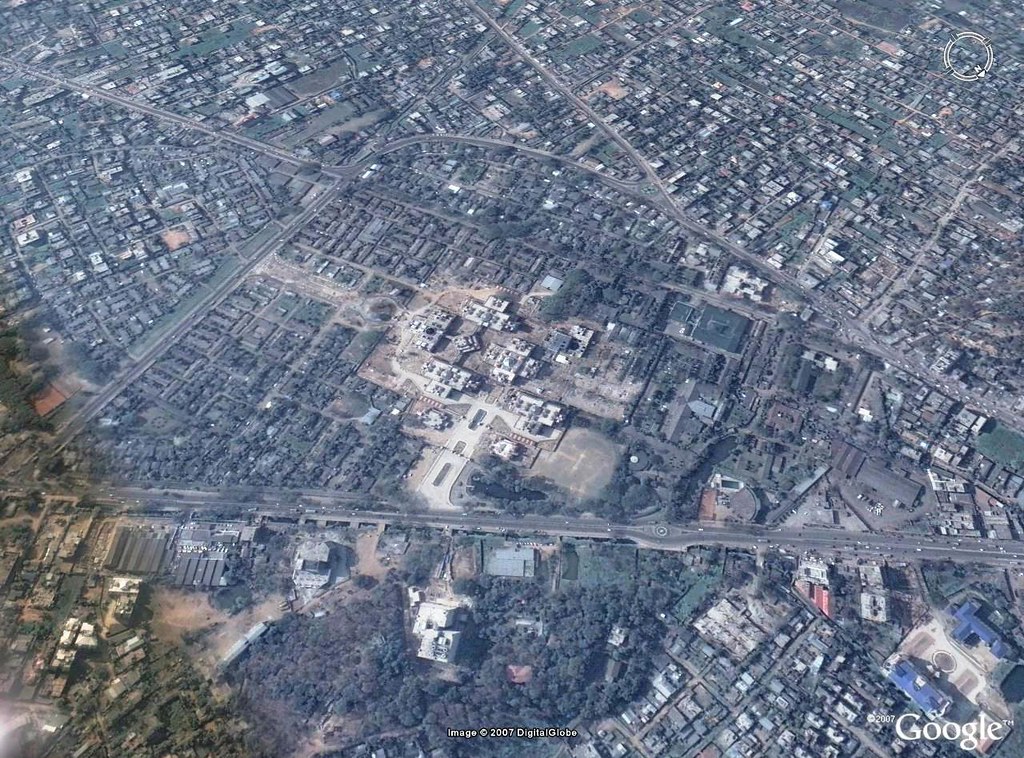
Religious landmarks are among the strongest reasons to base in Dispur. While several key temples are technically in Guwahati or nearby neighborhoods, access from Dispur is straightforward and usually quick outside peak traffic windows. This makes it possible to cover multiple spiritual sites in a single day without long transit fatigue.
Kamakhya Temple and the Nilachal Circuit
Kamakhya Temple is one of the most important Shakti Peethas in India and a major anchor for spiritual tourism in Assam. From Dispur, it is a manageable drive and can be combined with viewpoints and local market stops. Start early to avoid queues, especially during festival periods. Modest clothing, hydration, and patient timing are essential for a comfortable visit.
Basistha, Navagraha, and Other Temple Stops
Basistha Temple, Navagraha Temple, and riverside Shiva shrines form a practical temple circuit for those who want variety in architecture and setting. Some sites are serene and less crowded in the morning, making them ideal for slower cultural exploration. If your schedule is tight, prioritize two major sites and leave room for unplanned local recommendations.
Museums and Cultural Centers
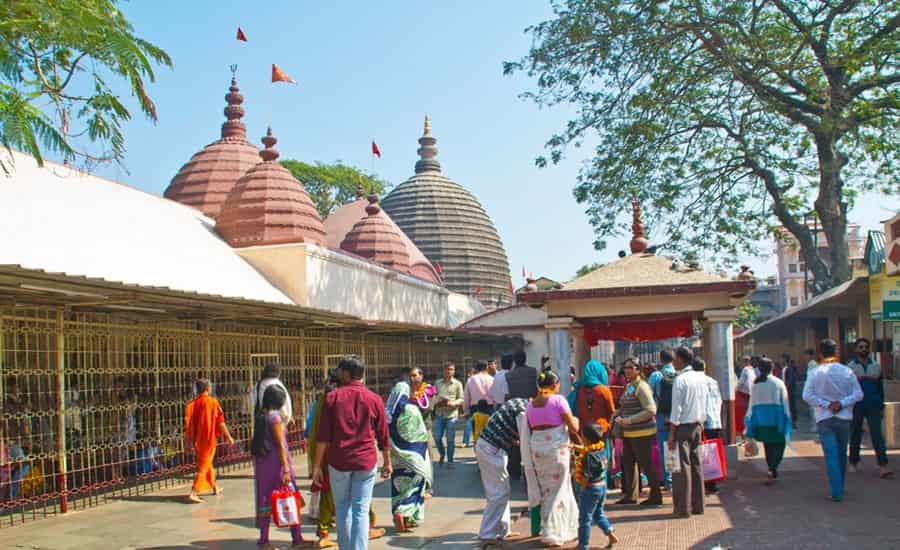
The Dispur-Guwahati belt has strong cultural institutions that explain Assam’s social and historical layers. A museum and culture-focused half-day can balance your itinerary if you already have temple and market visits planned.
Assam State Museum and Kalakshetra
The Assam State Museum offers insights into regional history, sculpture, textiles, and archaeological references useful for understanding the broader Northeast context. Srimanta Sankardev Kalakshetra adds a performance-and-heritage dimension through exhibitions and occasional cultural programming. If you are traveling with children or educational groups, these stops are especially valuable.
Science and Family-Friendly Spaces
The Regional Science Centre and planetarium options in the wider city are practical additions for mixed-age groups. They provide interactive learning breaks between religious and market-heavy itineraries. Keep these visits flexible since show timings and ticket counters can vary by day.
Tea Auction and Market Experiences
Assam’s tea identity is not limited to plantations; trade systems are equally important. The Guwahati Tea Auction ecosystem, accessible from Dispur, gives a practical lens into how tea moves from estates to buyers at scale. While formal auction access is not always open for casual tourists, nearby tea centers and specialty outlets still let you engage with grades, regional profiles, and purchase options.
Where to Explore Tea and Local Shopping
In and around the capital zone, market circuits include daily-use bazaars and larger commercial pockets where you can buy Assam tea, local textiles, and handcrafted products. Fancy Bazaar and Pan Bazaar routes are commonly included in city plans because they combine shopping, food, and local street energy in one movement-friendly stretch.
When buying tea, compare freshness, leaf grade, and packaging date. If you are carrying tea for long onward travel, prioritize sealed packs and keep them dry.
Parks, Recreation, and Riverfront Time
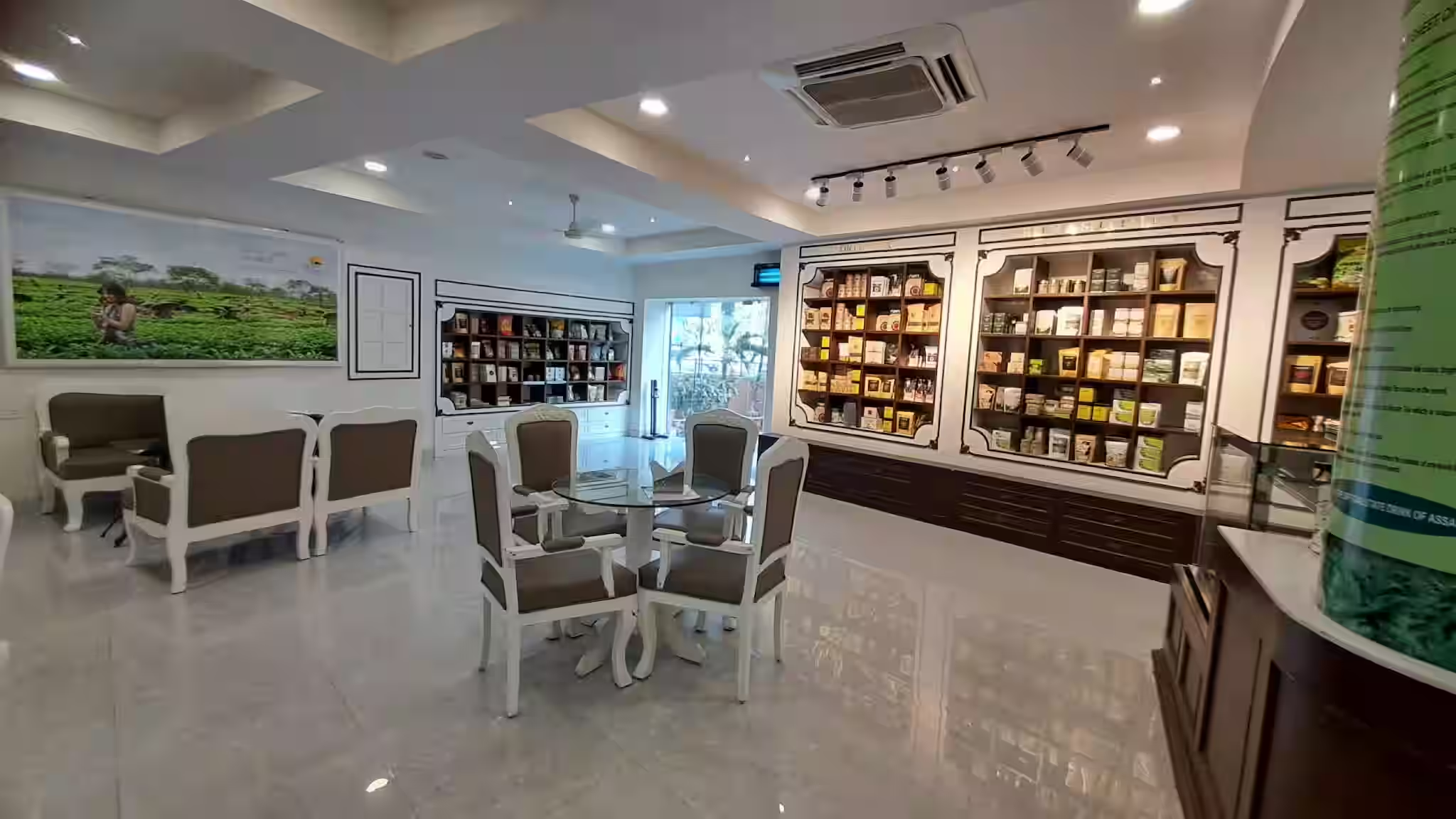
Capital travel can feel schedule-heavy, so adding park and waterfront breaks improves overall pacing. Dispur’s access to Guwahati-side green zones makes this easy. Dighalipukhuri, Nehru Park, and riverside stretches along the Brahmaputra are good options for evenings when you want low-effort sightseeing.
Best Time for Outdoor Stops
Early mornings and late afternoons work best, especially in warmer months. During monsoon, keep buffer time because rain can quickly change outdoor plans. If you are with family, choose one major attraction and one open-space stop rather than stacking too many points in a single afternoon.
Nearby Guwahati Attractions You Can Pair with Dispur
One of the best things about visiting Dispur is how easily you can combine it with high-value Guwahati attractions. This is particularly useful for first-time Assam travelers who want a complete yet manageable itinerary. Popular combinations include Kamakhya Temple + riverfront, museum + market walk, or zoo + evening food trail.
Depending on your interests, add Umananda Island ferry access, city temple loops, or shopping-dining circuits before returning to your base. The short Dispur-to-Guwahati distance gives flexibility that many larger Indian capitals do not offer.
Food and Shopping Around Dispur
Travel in Assam feels incomplete without food exploration. Near Dispur and throughout Guwahati, you can try Assamese thali meals, fish-based curries, bamboo shoot preparations, and tea-forward snack pairings. Use trusted local spots for authenticity and hygiene consistency. If you prefer curated options, review this list of places to eat in Guwahati before your city day starts.
For shopping, Assamese silk, local tea, and handcrafted souvenirs are top picks. Keep one evening solely for food and market walking so your daytime cultural itinerary remains relaxed.
Best Time to Visit Dispur
| Season | Months | Travel Conditions | Recommended For |
|---|---|---|---|
| Winter | Nov to Feb | Cool, comfortable weather | Sightseeing, temples, walking tours |
| Spring | Mar to Apr | Pleasant to warm days | City exploration, shopping, museum visits |
| Monsoon | May to Sep | Frequent rain and humidity | Green landscapes, slower budget travel |
| Post-Monsoon | Oct | Cleaner skies, moderate humidity | Balanced city itinerary with day trips |
Most travelers prefer October to February for easy mobility and comfort. Festival windows may increase crowds, so book stays and transport early in peak periods.
How to Reach Dispur and Move Locally
Dispur is integrated with Guwahati’s transport system, so reaching it is straightforward through Guwahati airport, rail terminals, and road networks. From the airport, taxis and app-based transport provide direct access to the capital area. Within the city, autos and cabs are practical for short hops, while full-day cabs are better for temple and museum combinations.
If you are planning a temple-heavy itinerary, start early to avoid traffic around key junctions. Keep digital payments and some cash ready for smaller local transactions.
Suggested Two-Day Dispur + Guwahati Flow
Day 1 can focus on Dispur core plus one major temple and one museum/cultural stop. Day 2 can include Guwahati attractions, riverfront, and dedicated food-shopping hours. This split helps avoid rushed commuting and gives enough flexibility for weather or queue changes. The capital cluster rewards practical pacing more than checklist speed.
Dispur may look compact on the map, but its location at the center of Assam’s administrative and cultural network makes it a meaningful stop. Plan it thoughtfully, pair it with nearby attractions, and you will get one of the most efficient and rewarding city experiences in Northeast India.
Location
Frequently Asked Questions
Q1.How many days are needed for Dispur sightseeing?
Q2.What is Dispur famous for?
Q3.What is the best time to visit Dispur?
Q4.Is Dispur worth visiting for tourists?
Q5.How far is Dispur from Guwahati city areas?
Q6.What are the key attractions near Dispur?
Q7.Is Dispur safe for travelers?
Q8.Can Dispur and Guwahati be covered in one trip?
Recommended For You
Shopping in Guwahati: Assam Silk, Tea, Handicrafts & Top Markets
Discover shopping in Guwahati with our guide to Assam silk, Muga and Pat silk, handicrafts, tea, bamboo products, and traditional markets.
Temples in Guwahati: 15 Sacred Sites
Explore 15 famous temples in Guwahati, Assam. From Kamakhya to Umananda, discover Shakti Peeth & spiritual heritage.
Best Time to Visit Guwahati: Month-Wise Weather & Festival Season
Plan the best time to visit Guwahati with season-wise weather, temple timing, festival windows, and practical monthly travel tips for a smooth Assam trip.
Never Miss an Adventure
Get the latest trekking guides, travel tips, and exclusive offers delivered straight to your inbox.
