

Places to Visit in Srinagar: The Venice of the East
Rohit Verma
August 15, 2026
A complete guide to the best places to visit in Srinagar. Discover Dal Lake, the Mughal Gardens, the historic Old City, and the largest tulip garden in Asia.
Introduction
Srinagar, the summer capital of Jammu and Kashmir, is a city of unparalleled romantic beauty and deep historical resonance. Set against the backdrop of the snow-capped Pir Panjal mountains and centered around the iconic Dal Lake, the city has long been celebrated as the 'Venice of the East' and a crown jewel of the Himalayas. Its landscape is defined by a network of lakes, winding rivers, and terraced gardens laid out by Mughal emperors who sought refuge from the searing heat of the Indian plains. However, Srinagar is not just about natural beauty; it is a vibrant cultural hub with a rich tapestry of Sufi shrines, ancient wooden architecture, bustling floating markets, and a distinctive cuisine. Planning a trip here requires prioritizing from a wealth of options, whether you are seeking peaceful houseboat stays or diving into the historic Old City. For an overview of the most favorable weather conditions for your trip, check out our guide on the best time to visit Srinagar.

Dal Lake: The Heart of Srinagar
Dal Lake is undeniably the focal point of Srinagar. Covering an area of 18 square kilometers, it is a massive urban lake that functions as an entire aquatic neighborhood. The lake is famously lined with hundreds of intricately carved cedar-wood houseboats, which were originally built by the British who were not allowed to buy land in the valley. Staying on a houseboat offers a unique, tranquil experience, waking up to the mist rising off the water and the distant sound of temple bells and azan.
Navigating the lake requires a shikara, a traditional wooden gondola with a canopy. A shikara ride is not just a tourist activity; it's the primary mode of transport for the lake's residents. Gliding through the water, you will pass floating post offices, aquatic lotus gardens, and the famous floating vegetable markets that convene at the crack of dawn. Engaging in this early morning market is a photographer's dream. For detailed tips on booking houseboats and avoiding common scams, read our Srinagar Dal Lake shikara guide.
The Mughal Gardens: Nishat, Shalimar, and Chashme Shahi
The Mughal emperors were deeply enamored with the Kashmir valley, treating it as their personal retreat. To mimic the Islamic concept of paradise, they built terraced gardens (Bagh) featuring flowing water channels, cascading fountains, and perfectly manicured flowerbeds, all set against the Dal Lake. The three most prominent gardens are Nishat Bagh, Shalimar Bagh, and Chashme Shahi.
Nishat Bagh (Garden of Joy) is the largest, boasting 12 terraces representing the zodiac signs. It offers the most spectacular, uninterrupted view of the lake. Shalimar Bagh, built by Emperor Jahangir for his wife Nur Jahan, is the most famous, characterized by its exquisite black marble pavilion, the Diwan-e-Khas. Chashme Shahi is the smallest but is renowned for a natural spring whose water is believed to have medicinal properties. Visiting these gardens during the spring and autumn months reveals them at their absolute best, bursting with color and life.
Shankaracharya Temple
Overlooking the city from the summit of the Takht-e-Suleiman hill is the ancient Shankaracharya Temple. Dedicated to Lord Shiva, the temple dates back to 200 BC, though the current structure is believed to have been built in the 9th century AD. It is named after the great philosopher Adi Shankaracharya, who is said to have visited and meditated here. The ascent to the temple involves a steep climb of about 243 stone steps. Because it is an active security zone, cameras and mobile phones are strictly prohibited and must be left at the security checkpoint at the base. The effort of the climb is rewarded with a 360-degree panoramic view of the entire Srinagar city, the sprawling Dal Lake, the winding Jhelum river, and the surrounding mountain ranges. You can learn more about its historical significance in our dedicated article on the Shankaracharya Temple in Kashmir.
The Old City (Downtown) and Hazratbal Shrine
To truly understand the soul of Srinagar, one must venture into the Downtown area, known locally as Shehr-e-Khaas. This densely populated maze of narrow alleys is a living museum of Kashmiri wooden architecture, featuring houses with cantilevered balconies (dub) and intricate lattice woodwork (pinjra kari). The centerpiece of the Old City is the Jamia Masjid. Built in 1394, it is a magnificent example of Indo-Saracenic architecture, featuring a massive courtyard and 378 soaring wooden pillars made from single trunks of Deodar trees. It can accommodate over 30,000 worshippers at a time and provides a stark, peaceful contrast to the chaotic streets outside.
On the northern shores of Dal Lake lies the pristine, white marble Hazratbal Shrine. It is the holiest Islamic shrine in Kashmir, revered because it is believed to house the Moi-e-Muqqadas, a relic consisting of a hair of the Prophet Muhammad. The shrine is unique in Kashmir for its dome structure—most traditional Kashmiri mosques have pagoda-like roofs. The area around the shrine is vibrant, filled with local street food vendors selling Nadru Monje (fried lotus stems) and traditional flatbreads.
Indira Gandhi Memorial Tulip Garden
If you are visiting Srinagar between late March and late April, the Indira Gandhi Memorial Tulip Garden is an absolute must-visit. Situated at the foothills of the Zabarwan Range, it is the largest tulip garden in Asia. Spread over 30 hectares, the garden bursts into a spectacular display of color with over 1.5 million tulips in dozens of varieties blooming simultaneously. The sheer scale of the planting, arranged in sweeping, colorful ribbons against the green mountains, is a sight to behold. The blooming season is short, typically lasting only three to four weeks, and culminates in a major festival celebrating the arrival of spring. To time your visit perfectly for this breathtaking event, consult our Tulip Festivals Kashmir guide.
Zero Bridge and the Jhelum Riverfront
For a more relaxed evening stroll, head to the Jhelum Riverfront and the historic Zero Bridge. Originally built in the 1950s, this wooden arch bridge was recently restored and pedestrianized. It has become a popular spot for locals and tourists to gather, sip Kashmiri Kahwa (saffron-infused green tea), and watch the sun set over the Jhelum river. The surrounding riverfront area has been redeveloped with walking paths and traditional heritage streetlights, making it a safe and picturesque location for an evening walk. You can dive deeper into its history in our Zero Bridge Srinagar overview.
Wildlife and Nature: Salim Ali National Park
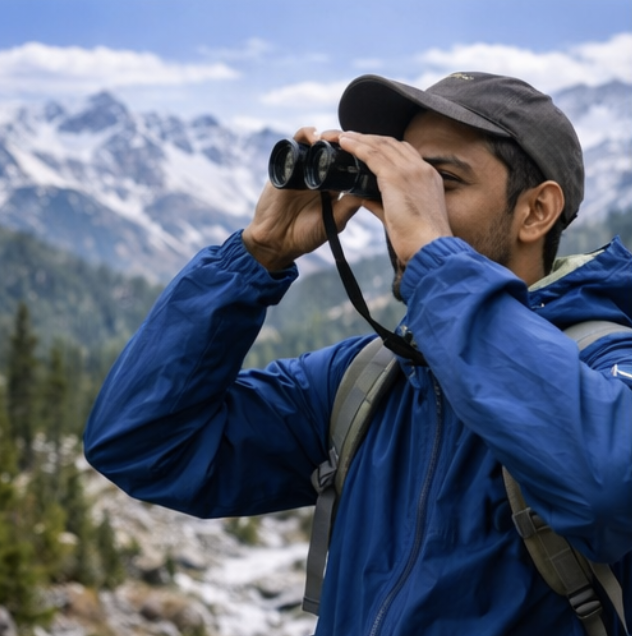
While most visitors focus on the lakes and gardens, Srinagar also offers opportunities for nature enthusiasts. Located just on the outskirts of the city, the Salim Ali National Park (named after the famous Indian ornithologist) is a significant wildlife sanctuary. Covering a modest 9 square kilometers, the park is primarily a wetland ecosystem, making it a critical habitat for migratory birds. Visitors can spot species such as the endangered Hangul (Kashmiri stag), Himalayan black bear, and numerous waterfowl species. It provides a quiet retreat from the busy city center. For specific bird-watching trails and seasons, refer to our guide on the Salim Ali National Park Srinagar.
Conclusion
Srinagar is a city that engages all the senses. It is a place where you can spend the morning haggling on a floating vegetable market, the afternoon tracing the steps of Mughal emperors in terraced gardens, and the evening listening to Sufi chants echoing through the wooden architecture of the Old City. Whether you are using it as a base to explore greater Kashmir or spending a week immersing yourself in its rich local culture, Srinagar offers an experience that is both profoundly relaxing and culturally enriching.
Location
Frequently Asked Questions
Q1.How many days are enough for Srinagar?
Q2.Are mobile phones allowed at Shankaracharya Temple?
Q3.When is the Tulip Garden open?
Q4.Is it safe to visit the Downtown/Old City area?
Q5.How do I book a houseboat on Dal Lake?
Recommended For You

Tulip Festival Kashmir: Dates, Ticket Info & Best Photo Hours
Plan Tulip Festival Kashmir with likely dates, tickets, timing strategy, peak bloom tips, route planning, and nearby Srinagar attractions for a smooth spring visit.

Zero Bridge Srinagar: History, Walk Route & Best Visiting Hours
Discover Zero Bridge Srinagar – the historic wooden bridge over Jhelum River. History, architecture, best time to visit, nearby attractions & complete travel guide.

Salim Ali National Park Srinagar: Birdwatching, Timings & Access
Explore Salim Ali National Park Srinagar for birdwatching, habitat trails, and practical visitor planning tips.
Never Miss an Adventure
Get the latest trekking guides, travel tips, and exclusive offers delivered straight to your inbox.
