
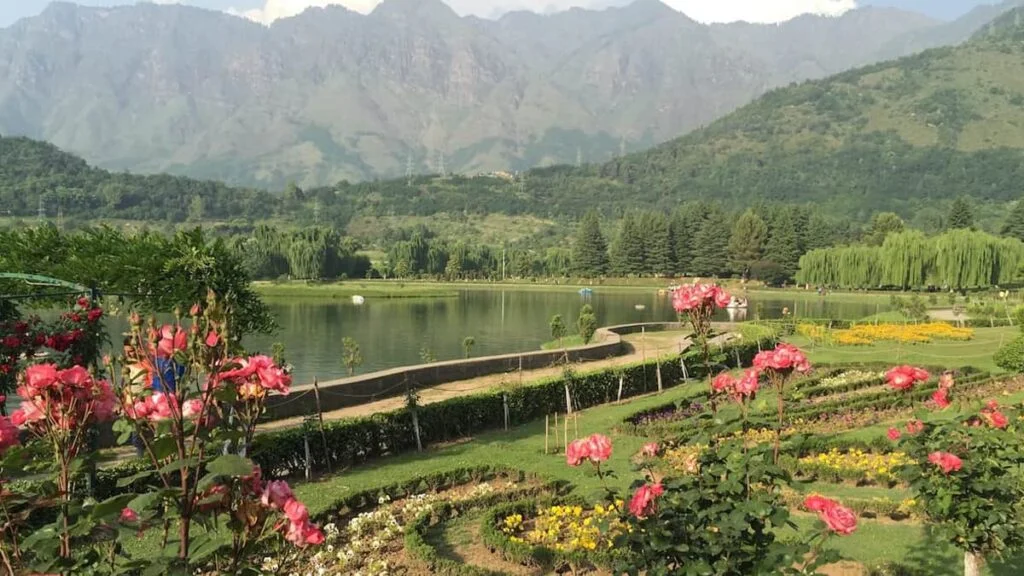
Salim Ali National Park Srinagar: Birdwatching, Timings & Access
Rohit Verma
February 18, 2026
Explore Salim Ali National Park Srinagar for birdwatching, habitat trails, and practical visitor planning tips.
Salim Ali National Park Srinagar: Birdwatching and Visitor Planning Guide
Salim Ali National Park Srinagar is one of the most accessible nature spaces for travelers who want birding and habitat observation without leaving the city region. It is not a large wilderness expedition zone, but that is exactly why it works so well for half-day wildlife sessions. You can combine it with Srinagar sightseeing, lake routes, and garden visits while still getting meaningful ecological exposure.
Named after Dr. Salim Ali, the park has long been associated with avian diversity and wetland-edge ecology. If your focus is quiet observation and photography rather than checklist tourism, this park can deliver strong value. For a wider Kashmir nature route, pair it with dachigam-national-park, guide-to-dal-lake, and botanical-garden-kashmir.
Why This Park Is Worth Visiting
Many visitors expect wildlife only in remote reserves, but Salim Ali National Park shows how urban-edge habitats can still support biodiversity if protected well. Its blend of tree cover, open patches, and wetland influence creates a useful birding environment, especially in early-day light windows.
The park is particularly good for:
- Travelers with limited time in Srinagar.
- Beginner birdwatchers learning field observation habits.
- Photographers looking for controlled short sessions.
- Families who want a nature stop without heavy trekking.
Because the park is manageable in scale, quality depends on timing and behavior more than distance covered.
Birding and Habitat Experience
Species visibility changes with season and weather, so expectations should stay flexible. Some days are active and rewarding, while others require patience. The best method is to move slowly, pause at habitat transitions, and scan for movement instead of walking continuously.
| Observation Focus | What You Can Expect | Best Method |
|---|---|---|
| Morning bird activity | Higher call and movement rate | Start early and keep noise low |
| Wetland-edge behavior | Seasonal variability in sightings | Wait at stable vantage points |
| Photography opportunities | Good light in first hours | Prepare camera before entering active zones |
Birdwatching success here comes from repeated focused sessions, not rapid trail coverage.
Best Time to Visit Salim Ali National Park
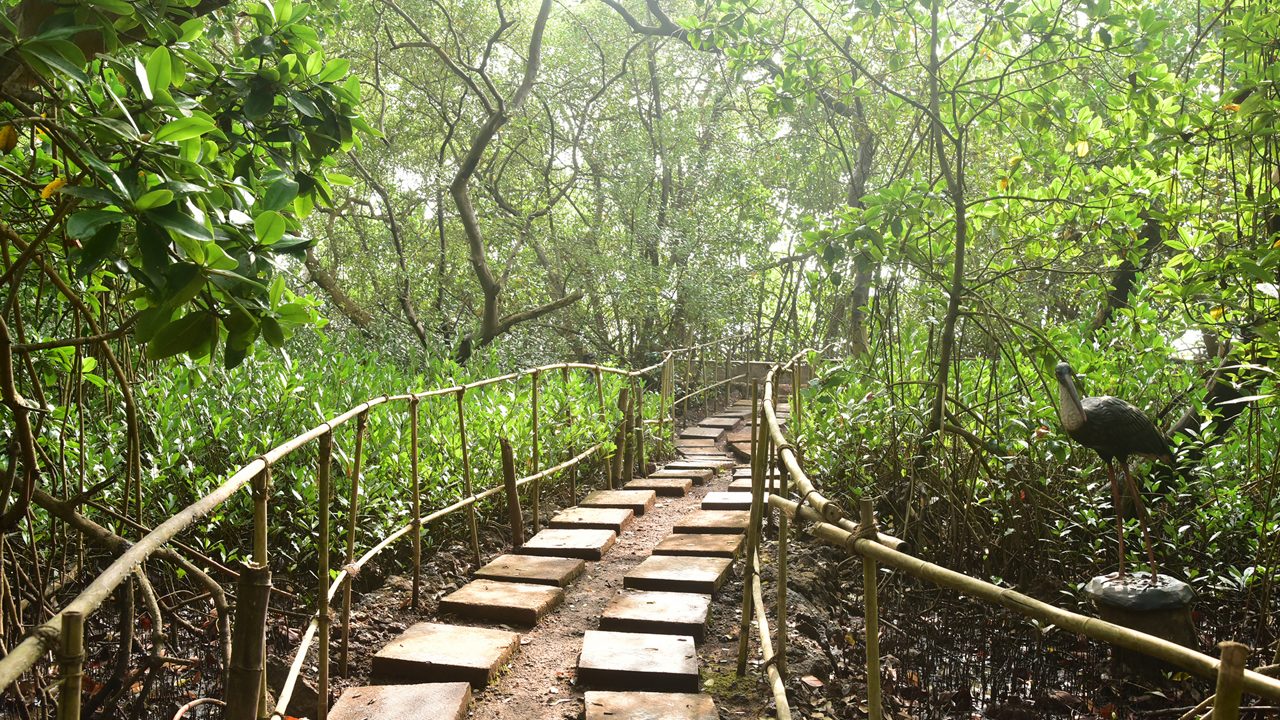
The strongest visits are usually early morning when temperatures are cooler and activity windows are better. Seasonal transitions can affect what you observe, so if birding is your main goal, keep one backup morning in your itinerary in case of poor weather on day one.
In general, mild-weather months offer more comfortable walks and better consistency for nature sessions. Rain-heavy or fog-heavy conditions can reduce visibility, so build flexibility instead of fixed minute-level scheduling.
Visitor Information and On-Ground Planning
Timings, entry process, and local rules may change, so confirm at the latest local source before starting your day. Keep basic ID, water, and minimal gear ready. Over-carrying equipment often slows movement and reduces observation quality.
Recommended visit format:
- Arrival in early slot before crowd buildup.
- 90 to 150 minutes of slow, focused movement.
- Short rest and review of sightings.
- Optional second pass if activity remains high.
This structure works for both casual travelers and serious birding beginners.
How to Reach
The park is reachable from Srinagar city by local road transport, but city traffic can still affect timing. Plan departure with buffer and avoid late starts if birdwatching is your priority. It pairs well with nearby city attractions in a half-day or full-day flexible plan.
Transport options include taxi and app-based local movement where available. Always keep return planning clear before entering the park area.
Nearby Attractions You Can Combine
After your birding session, you can continue to nearby cultural or scenic points like hari-parbat-fort-srinagar and zero-bridge-srinagar. The best approach is one wildlife stop plus one or two light city stops, not an overpacked route.
If you are doing a longer Kashmir nature circuit, combine urban wildlife days with larger parks on separate dates so each experience remains meaningful.
Responsible Birding and Photography Tips
- Wear muted colors and avoid sudden movement.
- Do not use repeated playback calls.
- Respect restricted zones and local instructions.
- Keep distance from nesting or resting birds.
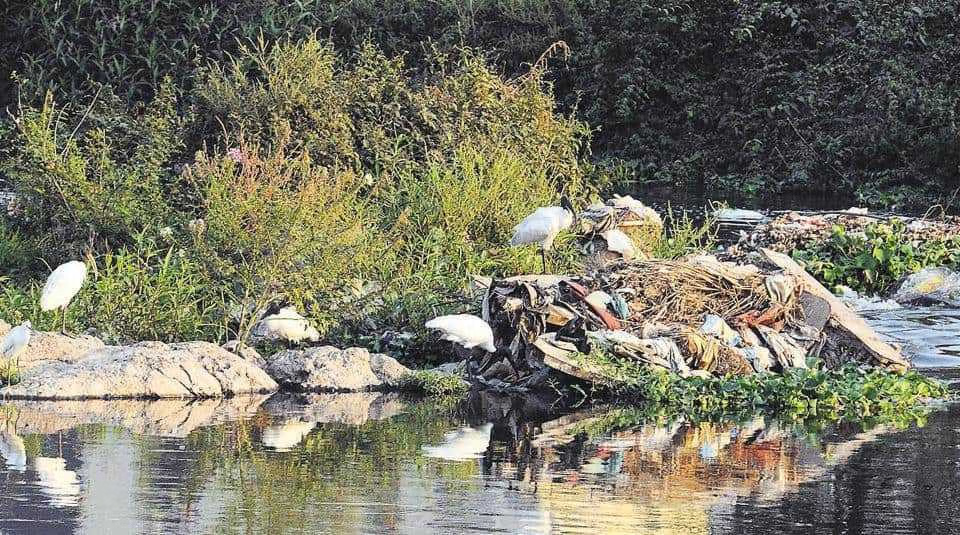
- Carry out all waste and avoid plastic litter.
Good ethics are not optional in wildlife spaces. They protect habitat health and improve long-term access quality for all visitors.
Practical Session Planning
If birdwatching is your main objective, keep two short sessions instead of one long continuous walk. An early session followed by a short break and second pass often gives better sightings because activity shifts with light and temperature. This is especially useful when you are traveling with both photographers and casual visitors in the same group.
Also keep a simple species log with time and location notes. Even basic notes help you understand which habitat edges were most productive and make your next visit much more efficient.
Field Behavior for Better Sightings
One of the easiest upgrades for birdwatchers is reducing unnecessary movement. Pause at likely activity zones for longer instead of changing spots every few minutes. Keep phone sounds off, avoid loud conversations, and maintain a steady observation rhythm. These basics improve both bird visibility and photography success.
For first-time visitors, hiring a local naturalist or guide for one focused session can significantly improve species interpretation and help you understand how the park changes by season.
Final Takeaway
Salim Ali National Park Srinagar is a high-value short wildlife stop when planned with the right expectations. Start early, move quietly, and keep your itinerary flexible around weather and bird activity. With this approach, even a compact 2-hour session can add real ecological depth to your Srinagar trip.
Location
Frequently Asked Questions
Q1.Where is Salim Ali National Park located?
Q2.What is the park famous for?
Q3.When is the best time to visit the park?
Q4.Is Salim Ali National Park good for photography?
Q5.Can families visit this park?
Q6.Do I need binoculars for the visit?
Q7.How much time is needed for a visit?
Q8.Can I combine this with other Srinagar attractions?
Recommended For You
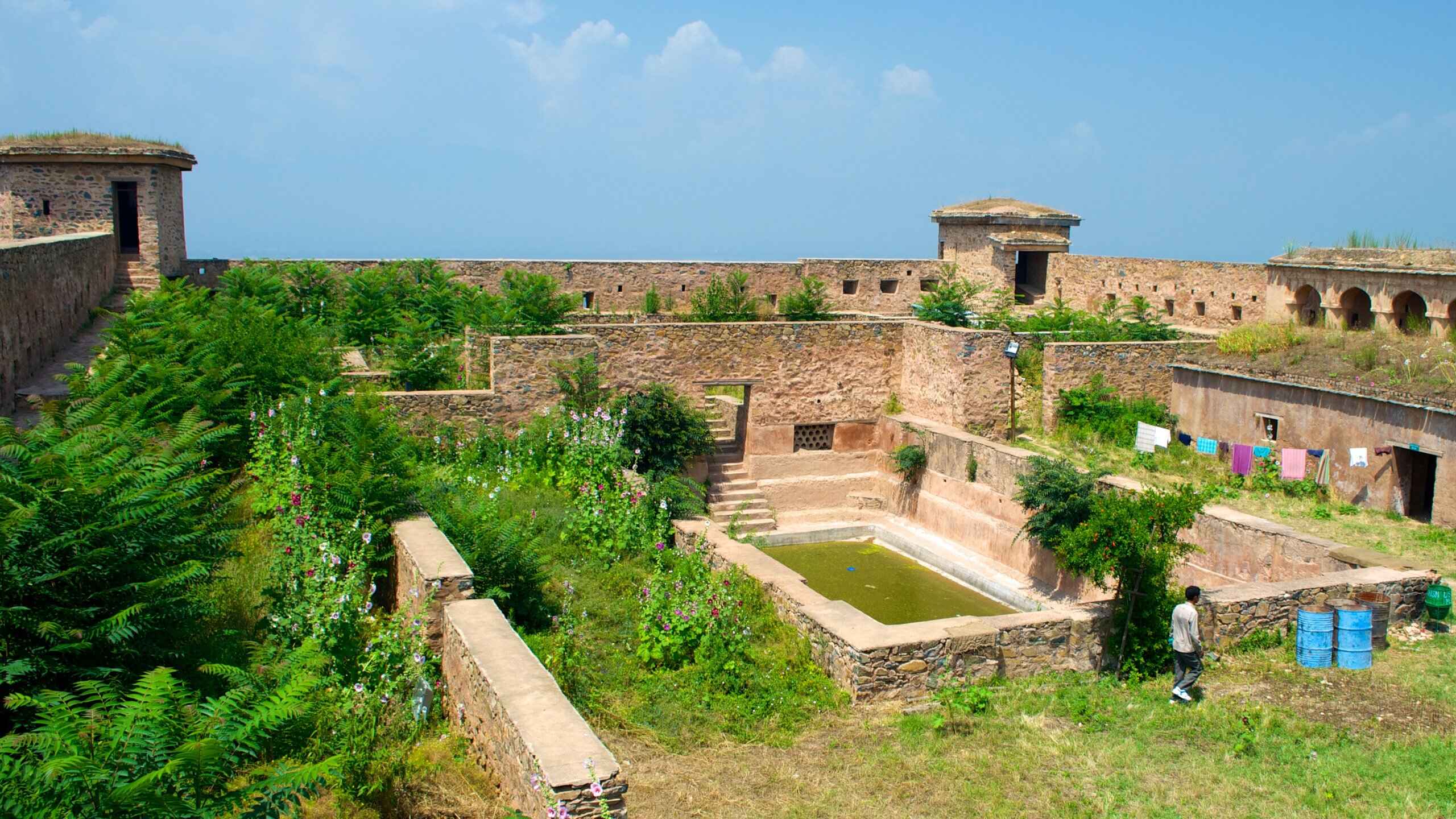
Hari Parbat Fort Srinagar: History, Timings & Access Info
Visit Hari Parbat Fort in Srinagar! Discover history, timings, how to reach, Shankaracharya Temple, and complete travel guide to this hilltop fort.
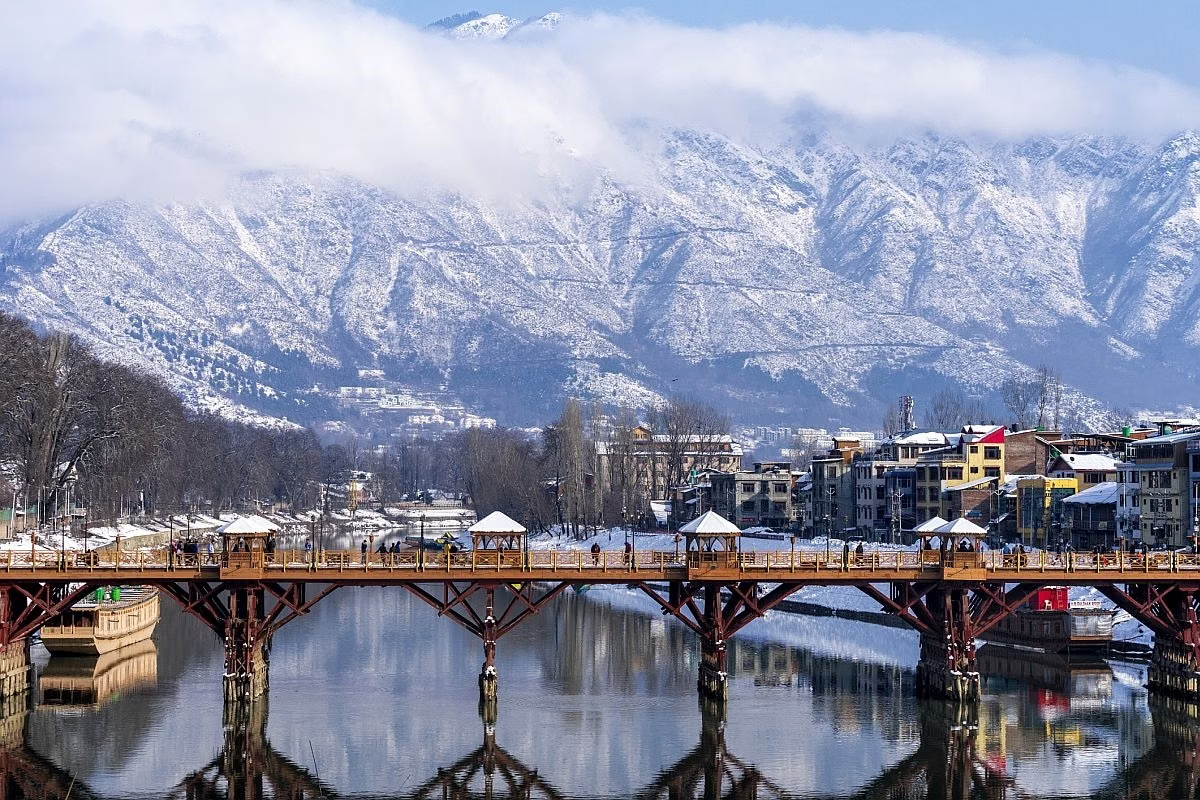
Zero Bridge Srinagar: History, Walk Route & Best Visiting Hours
Discover Zero Bridge Srinagar – the historic wooden bridge over Jhelum River. History, architecture, best time to visit, nearby attractions & complete travel guide.
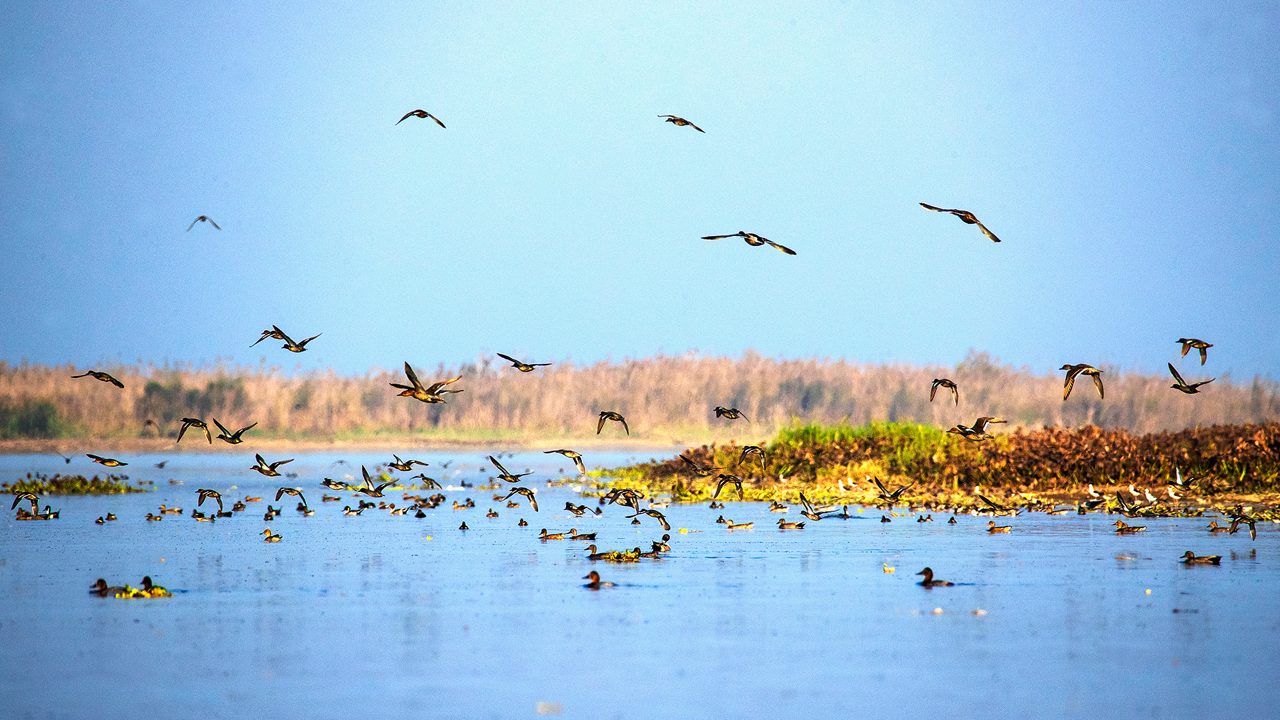
Harike Bird Sanctuary Amritsar: Timings, Bird Species & Boat Rides
Explore Harike Bird Sanctuary, Punjab's largest wetland and a Ramsar site. Home to 360+ bird species, rare Indus River Dolphins, and spectacular winter migrations near Amritsar.
Never Miss an Adventure
Get the latest trekking guides, travel tips, and exclusive offers delivered straight to your inbox.
