
Places to Visit in Karjat: Weekend Treks, Waterfalls & Farm Stays

Ananya Sharma
December 9, 2025
Plan places to visit in Karjat with forts, caves, trekking routes, temples, resort options, and practical one-day or two-day weekend travel strategy.
Introduction: Why Karjat Works as a Mumbai-Pune Weekend Escape
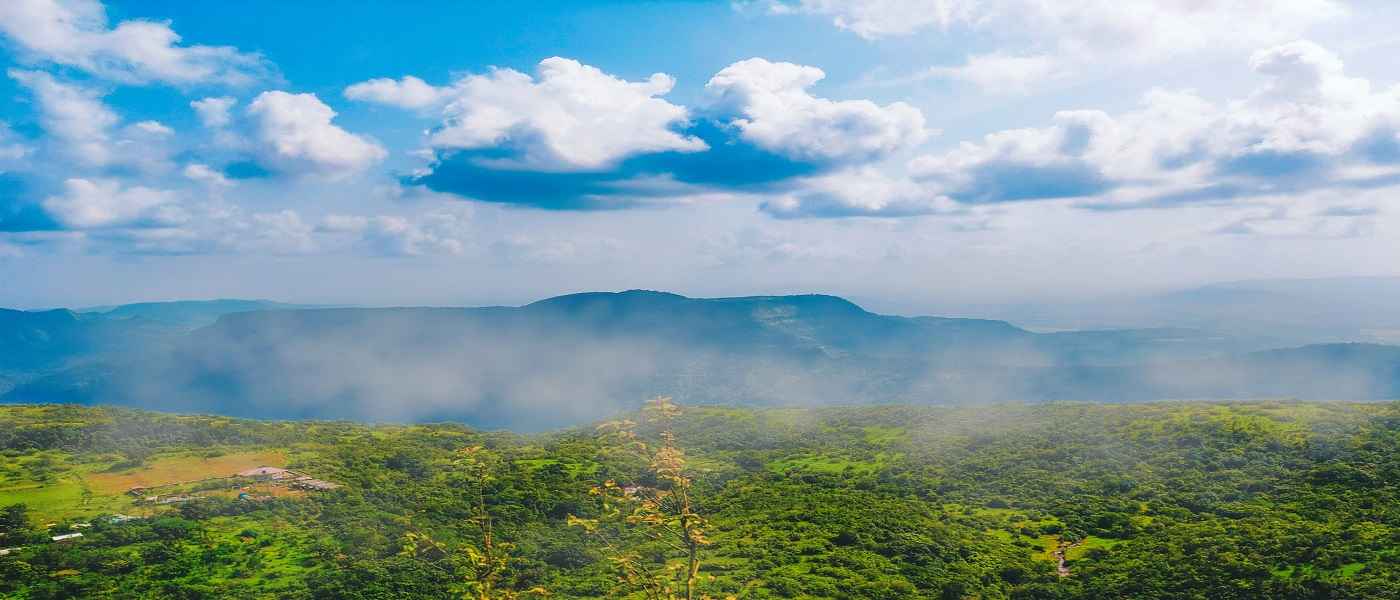
Karjat is one of the most practical weekend destinations for travelers coming from Mumbai and Pune. Located in Maharashtra's Raigad belt and framed by the Sahyadri ranges, Karjat is known for a compact mix of trekking forts, rock-cut caves, waterfalls, riverside pockets, and resort stays. If you are searching for places to visit in Karjat, the key is not collecting a long checklist but matching attractions to your travel style: adventure, family relaxation, spirituality, or a balance of all three.
Karjat sightseeing is highly season-sensitive. Monsoon transforms the region into a lush green landscape with active waterfalls and dramatic valley views, while winter offers clearer trails and easier outdoor movement. This guide gives you a structure that works for one-day and two-day plans, including route logic, time blocks, and practical safety tips. For bigger regional planning, pair this with Mumbai travel guide and places to visit near Pune.
Quick Planning Snapshot
| Item | Recommendation |
|---|---|
| Ideal trip length | 1 to 2 days |
| Best season | June to February (monsoon + post-monsoon + winter) |
| Best for | Trekking, nature stays, monsoon drives, short breaks |
| Travel base | Karjat town / resort cluster zones |
| Transport style | Train + local cab or self-drive weekend trip |
1. Forts and Historical Sites in Karjat
Forts are among the biggest reasons people travel to Karjat. The terrain around Karjat connects naturally with the larger Sahyadri fort network, so your experience combines moderate trekking with strong historical character and panoramic valley views.
Kothaligad (Peth Fort)
Kothaligad is one of the most popular Karjat trekking places because it is relatively approachable for beginners with basic fitness. The iconic chimney-like internal rock-cut section near the top gives this fort a distinctive identity. Most travelers choose early starts to avoid midday heat and to get cleaner visibility from the summit.
- Difficulty: Easy to moderate (depends on season and trail condition).
- Why visit: Signature fort shape, rewarding view-to-effort ratio.
- Best timing: Morning ascent, especially in warmer months.
Rajmachi Axis (Karjat-side access context)
Rajmachi-linked routes are known among trekking communities and often planned as longer adventure sessions. If your group includes first-time trekkers, do not overestimate pace. Weather, mud, and trail slipperiness can significantly change difficulty during monsoon. Keep a realistic turnaround time and avoid pushing late descents.
For travelers exploring nearby hill circuits, you can also align this with Lonavala and Khandala planning.
2. Dams, Rivers, and Water-Body Experiences
Karjat is often associated with river and dam-side visual landscapes, especially during monsoon and immediately after it. The Ulhas valley zone, seasonal streams, and smaller water pockets create multiple low-pressure sightseeing options for travelers who prefer scenic halts over long treks.
Ulhas Valley Belt
The Ulhas-connected valley stretches are ideal for slow drives, photography breaks, and short nature pauses. Instead of treating this as a single point attraction, think of it as a scenic travel corridor where changing weather and cloud movement are part of the experience.
Kondhane and Nearby Water Edges
Water-associated stops near trekking bases are popular for quick cooling breaks and picnic-style sessions, but safety is critical in monsoon months. Fast currents, loose rocks, and slippery surfaces are common. Never step into unknown-depth water zones without local confirmation.
- Best use: Short scenic breaks between major activities.
- Ideal travelers: Families, couples, mixed-age groups.
- Caution: Monsoon beauty comes with real terrain risk.
3. Caves and Ancient Heritage Sites
Kondana (Kondhane) Caves
Kondana Caves are one of the most culturally significant places to visit in Karjat and are frequently included in history-plus-trek itineraries. The cave group is associated with early Buddhist rock-cut heritage and is accessed via a trail segment, which makes the visit both historical and physically engaging. If your trip objective includes architecture and cultural depth, this site deserves priority.
Because access involves movement through natural terrain, weather and footwear matter. During peak monsoon, trails can turn slippery quickly. Start early, carry water, and avoid rushing on descent. The cave complex is best experienced with enough time to observe structure details rather than treating it as a fast photo stop.
- Why visit: Ancient cave architecture with trekking component.
- Recommended duration: 2 to 3 hours including approach.
- Best season: Post-monsoon and winter for safer footing.
4. Trekking and Adventure in Karjat
Karjat has built a strong weekend reputation around beginner-to-moderate trekking, waterfall rappelling sessions in season, and nature-camp formats. The region is close enough for short escapes but rugged enough to feel like a real outdoors break.
Popular Adventure Blocks
- Fort treks: Kothaligad and connected Sahyadri routes.
- Monsoon action: Waterfall-side adventure programs (operator quality varies).
- Camping: Weekend camps near village and valley belts.
- Trail walks: Short guided nature walks for families and mixed groups.
Adventure Planning Rules That Actually Help
- Choose activity level based on least experienced member of your group.
- Start early to avoid heat stress and late descents.
- Use certified operators for technical activities.
- Carry traction-friendly shoes, hydration, and rain layers in monsoon.
- Keep one backup non-adventure plan for heavy rain days.
If your group is combining multiple hill circuits, references like Lonavala travel guide and forts in Lonavala help in trip sequencing.
5. Temples and Spiritual Stops
Kondeshwar Temple Zone
Kondeshwar Temple is a high-value spiritual-nature stop in many Karjat itineraries. Travelers visit for the temple atmosphere, surrounding greenery, and calm setting compared with busier urban temple circuits. It works well as a reset point between physical activities and can be included in family-friendly plans with limited trekking.
Bahiri Cave and Devotional Trek Context
Bahiri-related routes are more demanding and are usually preferred by experienced trekkers or spiritually motivated adventure groups. If your group is mixed fitness, treat this as optional and avoid pressure-based decisions. In Karjat, safe pacing is more important than completing every known route.
- Best for: Travelers seeking spiritual plus natural settings.
- Duration: 45 minutes to half-day depending route.
- Advice: Prioritize daylight movement and local route guidance.
6. Recreation, Resorts, and Relaxed Weekend Plans
Not every Karjat itinerary needs heavy trekking. Resorts, farm stays, day-out properties, and pool-based recreation are major reasons families and corporate groups choose this destination. If your goal is recovery rather than adventure, Karjat gives enough variety for a low-effort weekend.
What Works in a Relaxation-Focused Karjat Trip
- One scenic outing in the morning, resort downtime in afternoon.
- Short sunset nature walk instead of high-intensity trek.
- Local Maharashtrian meals and early dinner rhythm.
- Simple itinerary with fewer transfers and more on-property time.
This style is ideal for families with kids, senior travelers, and groups that prefer comfort with a nature backdrop.
7. One-Day and Two-Day Itinerary Framework
| Duration | Recommended Flow |
|---|---|
| 1 Day | Early start, one trek or cave site, scenic water-body halt, evening return |
| 2 Days | Day 1 trek + resort check-in, Day 2 temple/scenic loop + relaxed lunch + return |
If rain is heavy, pivot to shorter trail segments and controlled sightseeing blocks. Avoid risky waterfall exposure when conditions are uncertain. A flexible plan is the difference between a memorable trip and a rescue-heavy day.
8. Best Time to Visit Karjat
The best time to visit Karjat depends on your purpose. For lush greenery, waterfalls, and dramatic visuals, monsoon months are unmatched but demand higher caution. For clearer skies, easier trail movement, and family comfort, post-monsoon and winter are better. Summer can still work for resort stays, but outdoor slots should be limited to early morning and late evening.
- Monsoon: Strong scenery, high caution requirement.
- Post-monsoon: Balanced weather and clean visibility.
- Winter: Comfortable for treks and day trips.
- Summer: Good for staycations, not ideal for long midday hikes.
9. How to Reach Karjat from Mumbai and Pune
Karjat is one of the easiest weekend destinations from both Mumbai and Pune thanks to rail and road connectivity. Many travelers use Karjat railway station as the base, then switch to local autos or cabs for attraction movement. Self-drive travelers usually prefer early departures to avoid peak congestion windows.
- From Mumbai: Frequent train and road options; common weekend route.
- From Pune: Road-first approach is popular for short breaks.
- Local movement: Cabs/auto + short walking/trekking segments.
Check live traffic conditions before departure, especially during long weekends and monsoon surges.
10. Common Mistakes to Avoid in Karjat
- Stacking multiple treks and cave routes in one tight day.
- Underestimating monsoon trail risk and river flow changes.
- Starting late and descending after dark without proper gear.
- Choosing unverified operators for technical adventure activities.
- Skipping hydration and footwear planning for wet terrain.
Karjat rewards controlled ambition. A focused, realistic route plan gives better safety, better photos, and better overall trip quality.
11. Budget and Practical Packing List
Karjat can be done on budget, mid-range, or premium depending stay choice and activity type. Train plus basic local transport keeps costs low, while resort-led plans increase spend but reduce planning stress.
- Budget day trip: INR 1,200 to 2,200 per person.
- Mid-range weekend: INR 3,500 to 7,000 per person.
- Premium resort weekend: INR 8,500+ per person.
Carry essentials: trekking shoes, rain layer, power bank, basic first aid, hydration support, quick-dry clothes, and offline maps for low-network zones.
Conclusion
The best places to visit in Karjat are not isolated attractions; they are part of a weekend ecosystem built around forts, caves, green valleys, spiritual spots, and easy resort downtime. Whether you want a trek-heavy plan or a relaxed family break, Karjat adapts well if your itinerary is season-aware and realistically paced.
Plan one core adventure, one scenic block, and one comfort block. That structure delivers the strongest Karjat experience without unnecessary stress.
Location
Frequently Asked Questions
Q1.Is Karjat worth visiting for a weekend trip?
Q2.How far is Karjat from Mumbai?
Q3.What is Karjat famous for?
Q4.Which fort trek is best for beginners in Karjat?
Q5.What adventure activities can I do in Karjat?
Q6.Are there good resorts in Karjat for families?
Q7.How to reach Karjat from Mumbai or Pune?
Q8.Is Karjat safe for families and first-time travelers?
Recommended For You
Forts in Lonavala: Trek Difficulty, Routes & Best Season
Explore the best forts in Lonavala with route difficulty, seasonal tips, transport planning, and safe one-day/two-day trekking options.
Lonavala and Khandala: Best Time, Places & Itinerary
Complete guide to Lonavala and Khandala with best season, top attractions, things to do, transport options, stay tips, and a practical one-day itinerary.
Lohagad Fort Lonavala: Trek Guide & Tips
Complete trek guide to Lohagad Fort near Lonavala. Discover history, architecture, trek difficulty, best time to visit, how to reach from Mumbai/Pune, and practical trekking tips.
Never Miss an Adventure
Get the latest trekking guides, travel tips, and exclusive offers delivered straight to your inbox.
