
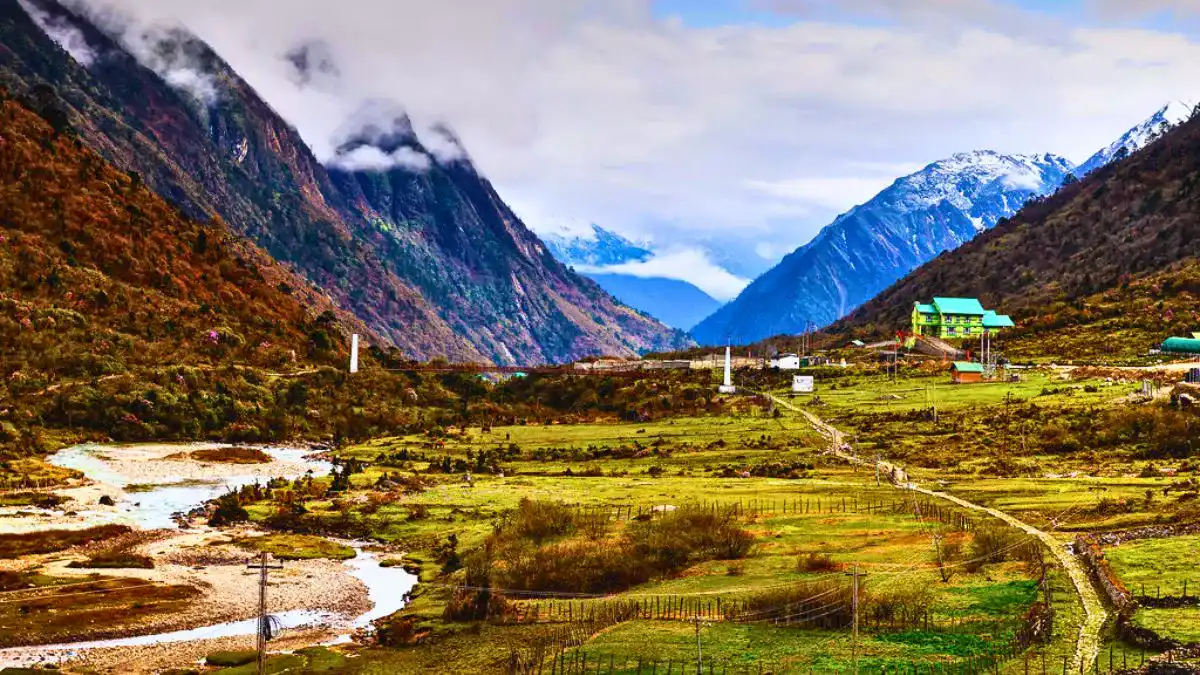
Places to Visit in Lachen Sikkim: Lakes, Monasteries & Routes

Rohan Malhotra
February 6, 2026
Explore the best places to visit in Lachen, Sikkim including Gurudongmar Lake routes, Chopta Valley, Thangu, permits, altitude tips, and season planning.
Introduction: Lachen, the Gateway to Extreme North Sikkim
Lachen is one of the most important base villages for travelers exploring North Sikkim's high-altitude landscapes. If you are searching for places to visit Lachen, you are likely planning a Gurudongmar-bound route, and that means your itinerary must balance sightseeing with altitude-aware pacing. Lachen is not a regular hill station. It is a high Himalayan settlement where weather shifts quickly, road conditions can change, and planning quality directly affects trip comfort.
The destination is known for its strategic location, local Lachenpa culture, and access to dramatic sectors like Thangu Valley, Chopta stretches, and Gurudongmar Lake. Many travelers rush this circuit and end up fatigued. A better approach is to treat Lachen as both a sightseeing base and acclimatization point, especially if your route includes very high-altitude stops.
This guide covers the best places around Lachen, route logic, permit basics, safety considerations, and practical timing so you can travel with confidence.
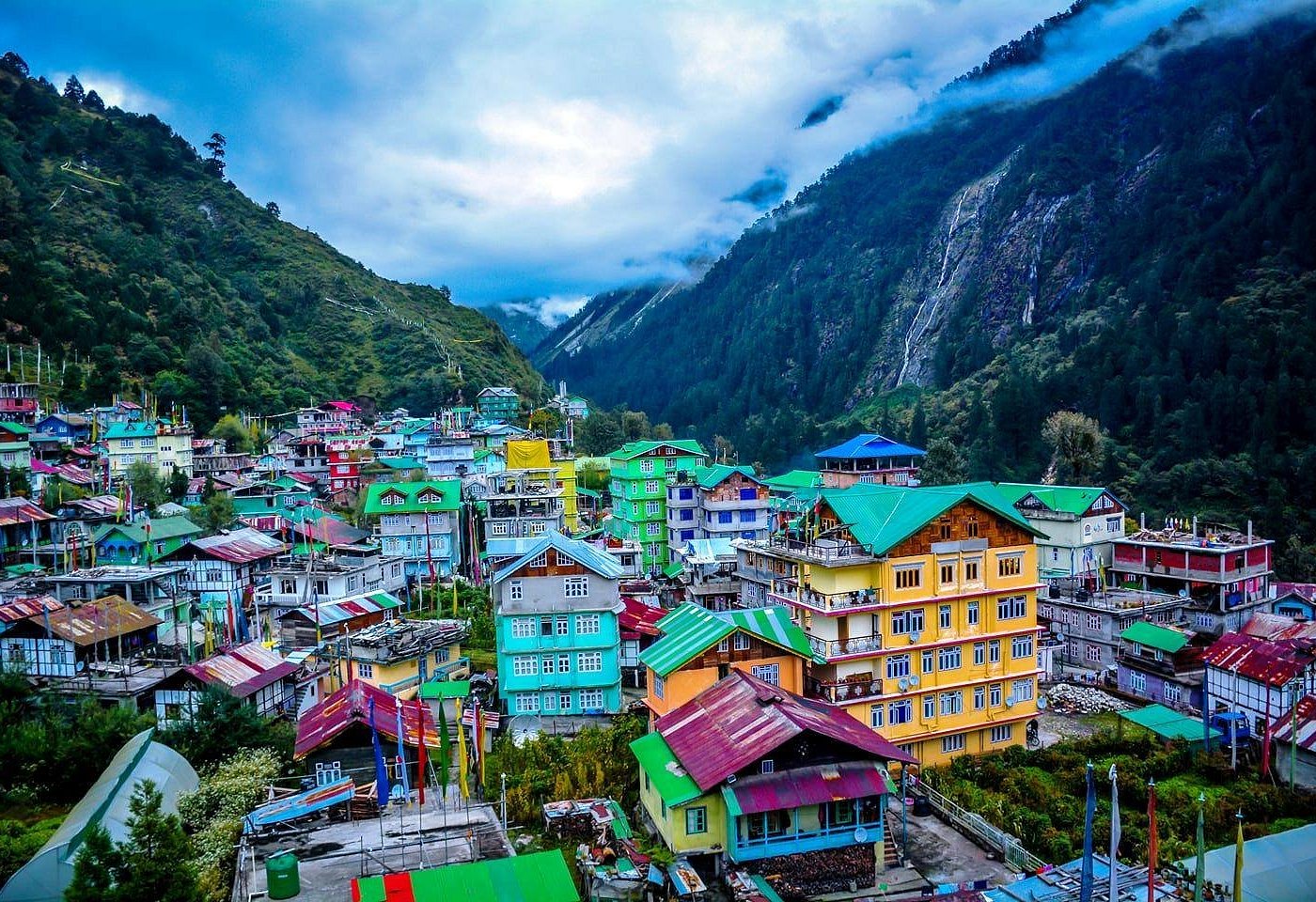
Lachen at a Glance
| Planning Factor | Quick Insight |
|---|---|
| Altitude (approx.) | About 9,000 to 9,600 ft range by location in and around Lachen |
| Main travel purpose | Base for Gurudongmar Lake and high North Sikkim sectors |
| Best trip length | 2 to 3 nights in wider North Sikkim plan |
| Best season | March to June and September to November |
| Key caution | Altitude stress and weather-linked road delays |
1) Gurudongmar Lake (From Lachen Base)
Gurudongmar Lake is the headline attraction linked with Lachen itineraries. It is one of the highest lake destinations in the region and is visited as a long early-morning excursion from Lachen. This is not a casual day outing. The route is rugged in sections, temperatures can be harsh, and oxygen levels are lower at higher points.
Why this destination is special
- Sacred significance in regional spiritual narratives.
- High-altitude lake scenery with dramatic mountain frames.
- Distinct landscape transition from village terrain to cold desert-like stretches.
Planning essentials
- Start very early from Lachen to use stable weather windows.
- Carry layered clothing, hydration, and basic medicines.
- Avoid overexertion at high altitude and keep stop duration controlled.
- Follow driver and local advisories without exceptions.
This segment should be treated as the most physically sensitive part of your North Sikkim trip.
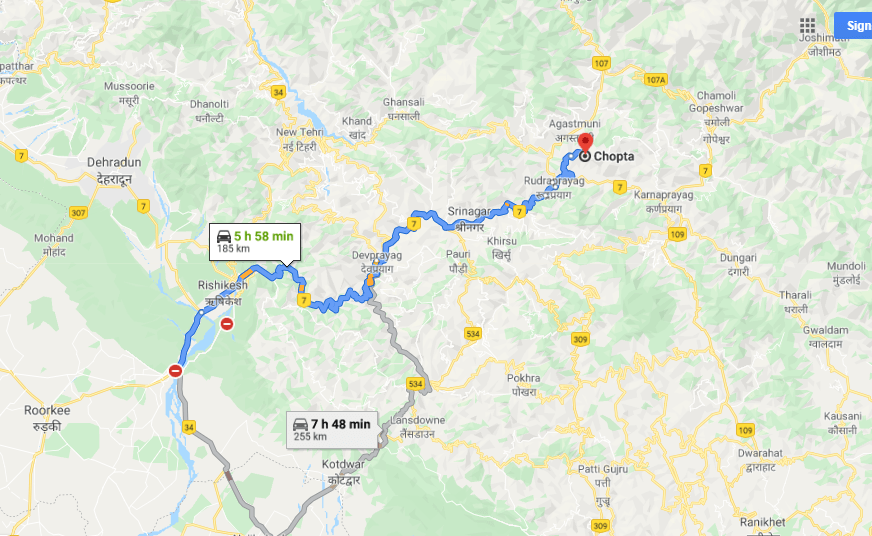
2) Chopta Valley: Alpine Transition Zone
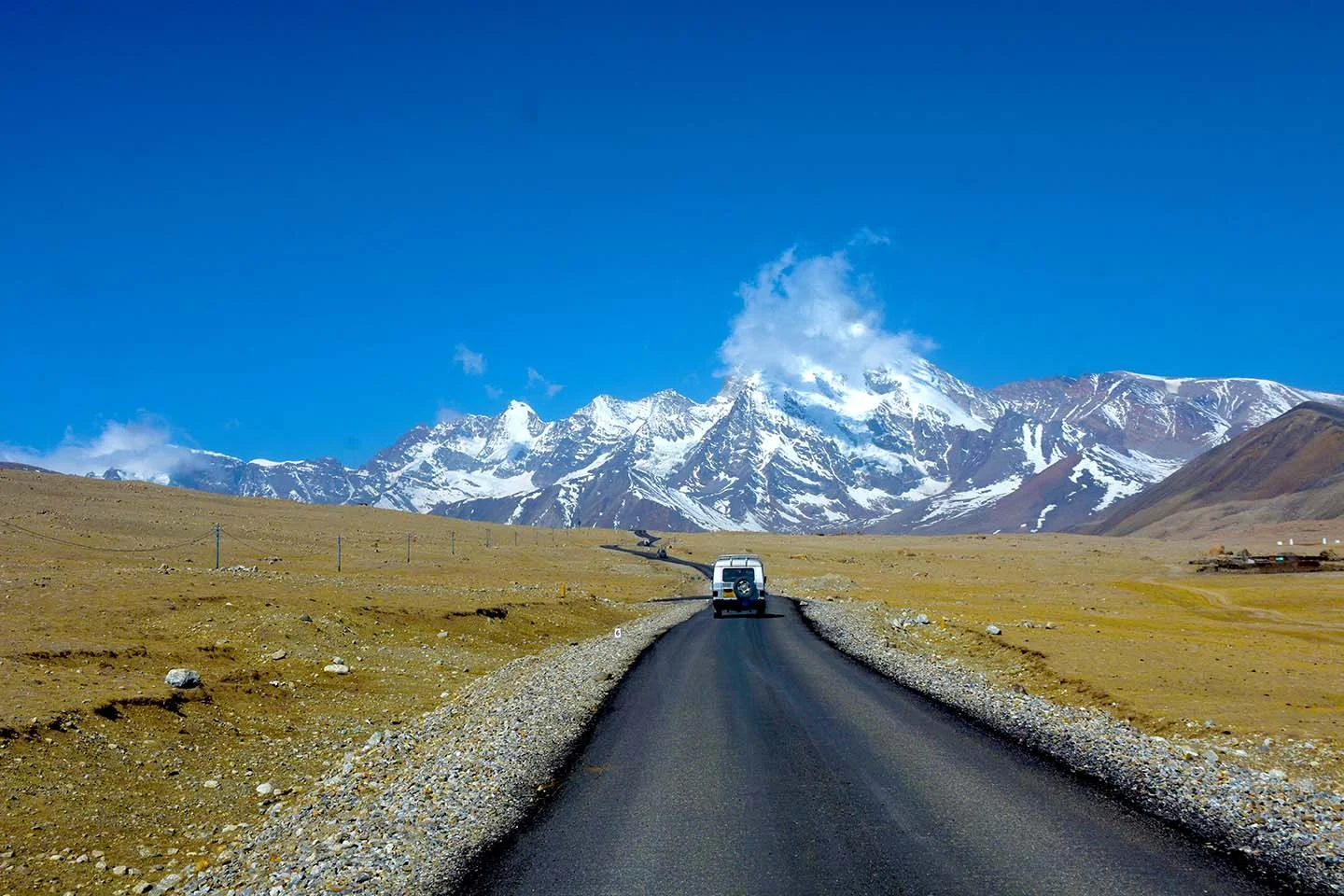
Chopta Valley is often approached as an en-route highlight on the Gurudongmar side circuit. The area offers open mountain landscapes, seasonal snow influence, and strong photography value. In flower and clear-sky windows, this stretch can be one of the most visually rewarding parts of the Lachen route.
What to expect at Chopta
- Wide valley visuals and wind-exposed terrain.
- Rapid weather variation and cold conditions.
- Excellent landscape photography potential.
Because road and stop permissions can vary by season and conditions, treat Chopta as a dynamic stop, not a fixed-duration halt.
3) Thangu Village and High-Altitude Route Pause
Thangu is an important high-route settlement often used as a transition point while moving toward upper sections from Lachen. It is useful for understanding how the landscape and weather intensify beyond regular village zones. During suitable seasons, this area offers striking views of wide valley terrain and mountain ridgelines.
Why Thangu matters in your itinerary
- It helps pace the journey before higher-altitude movement.
- Provides a practical refresh and observation stop.
- Adds cultural context to life in extreme-weather mountain regions.
Travelers should avoid long unnecessary exposure in very cold windows and stay aligned with trip operator timing.
4) Lachen Town and Monastery Experience
Lachen is more than a transit halt. The village itself offers a meaningful cultural layer through traditional homes, mountain community life, and monastery spaces. A short evening or next-morning walk inside the village gives a better sense of North Sikkim travel beyond checklist sightseeing.
How to use your Lachen town time
- Keep one slow walk session before or after your high-route day.
- Visit monastery and nearby viewpoints respectfully.
- Use this phase to rest and recover instead of over-activity.
Travelers who rush straight through Lachen often miss the human and cultural side of the route.
5) Singhik Viewpoint (On Broader North Sikkim Route)
Singhik viewpoint is commonly included on broader movement between Gangtok and North Sikkim sectors. It is known for mountain views and valley panoramas in clear weather. This stop is useful as a visual break in long road travel and works well for itinerary pacing.
Best use of Singhik in a Lachen plan
- Short photography stop on transfer day.
- Weather-dependent mountain visibility check.
- Buffer segment before longer drive hours.
Keep this as a flexible stop because cloud cover can shift fast in mountain corridors.
6) Wildlife, Landscape, and Seasonal Nature
The wider Lachen region belongs to a sensitive Himalayan ecosystem where flora and fauna vary sharply by altitude and season. You may encounter high-altitude birdlife, yak grazing zones, alpine plant stretches, and stark terrain transitions within the same travel day.
Nature-aware travel tips
- Avoid littering and plastic-heavy day movement.
- Do not leave marked roads or advised stop zones.
- Respect local ecosystem restrictions and military-adjacent rules.
Responsible behavior is essential because these landscapes are ecologically fragile and logistically remote.
Permits for Lachen and North Sikkim
Lachen routes generally require protected-area permissions handled through authorized tour operators or approved channels. Permit rules can vary by nationality category, current advisories, and route clearance status. Do not assume last-minute self-arrangement on arrival day.
Permit planning checklist
- Carry required ID documents and photographs.
- Share details with your operator in advance.
- Keep print and digital copies of travel documents.
- Track route-specific updates before departure from Gangtok.
Permit readiness is one of the biggest determinants of smooth North Sikkim travel.
Best Time to Visit Lachen
| Season | Travel Character | Recommendation |
|---|---|---|
| March to June | Clearer weather windows, active mountain routes | Preferred for first-time travelers |
| July to August | Monsoon influence and road uncertainty in sections | Travel possible with strong buffers |
| September to November | Good visibility and stable exploration windows | Excellent for scenic travel |
| December to February | Cold and harsh, with tougher conditions in upper sectors | Only for prepared winter travelers |
For broader mountain-season comparison, you can also read best time to visit Tawang.
How to Reach Lachen
From Gangtok
The most common route to Lachen starts from Gangtok by road. Travel duration depends on weather, road status, and stop patterns. Start early and keep realistic transfer expectations.
Transport mode
Most travelers use shared or private vehicles arranged through operators. Self-driving in these sectors is less common for tourists due to permits, road complexity, and route advisories.
Road reality
- Mountain drives are long and can feel tiring.
- Network availability may be inconsistent in sections.
- Keep essential medicines and emergency contacts accessible.
If you are extending your trip from East Sikkim side first, compare with places to visit Nathang Valley before planning route order.
Suggested 3-Day Lachen Route Structure
| Day | Focus | Plan |
|---|---|---|
| Day 1 | Approach and settle | Gangtok to Lachen transfer, rest, acclimatization walk |
| Day 2 | High-altitude circuit | Early Gurudongmar route with Chopta/Thangu segments |
| Day 3 | Return and onward link | Move toward Gangtok or combine with nearby Sikkim circuit |
This format keeps altitude stress manageable while preserving experience depth.
Altitude and AMS Awareness
Acute mountain stress can affect even fit travelers when routes climb quickly. Lachen-side plans that include higher sectors need disciplined pacing. Watch for headache, unusual fatigue, breath discomfort, and dizziness.
Risk reduction basics
- Hydrate steadily, avoid overexertion, and keep warm.
- Do not sprint or climb aggressively at high stops.
- Listen to local guidance if symptoms appear.
- Prioritize descent and safety over itinerary completion.
Altitude awareness is non-negotiable in this circuit.
What to Pack for Lachen and Gurudongmar Route
- Thermal inner layers and an insulated outer jacket.
- Gloves, wool cap, and spare socks for cold wind conditions.
- Sunscreen, sunglasses, and lip balm for high-altitude exposure.
- Personal medication kit including altitude and cold support.
- Portable snacks and hydration support for long drive windows.
Packing right is as important as route planning in North Sikkim. Keep weight manageable but do not compromise on cold-weather protection and personal essentials. For trip sequencing, many travelers combine Lachen with places to visit in Gangtok before moving deeper into North Sikkim circuits.
Common Mistakes to Avoid
- Treating Lachen as a casual low-altitude town.
- Planning no buffer for weather and road delays.
- Ignoring permit timelines and document readiness.
- Overpacking same-day sightseeing with long transfers.
- Skipping acclimatization rest before high-route movement.
Conclusion
Lachen is one of the most important base destinations for exploring extreme North Sikkim landscapes. From Gurudongmar-linked high routes to Chopta and Thangu stretches, the region offers some of the most dramatic mountain experiences in the eastern Himalayas when planned correctly.
Travel slower, keep altitude safety central, and use Lachen as a real base rather than a rushed transit halt. With practical pacing and permit-ready planning, your Lachen trip can be both safe and unforgettable.
If this is your first North Sikkim journey, keep one additional weather buffer and avoid stacking long transfer days back to back. A slightly slower itinerary gives better acclimatization, clearer decision-making in changing conditions, and a more enjoyable mountain experience overall. Always keep emergency contacts and document copies accessible during long mountain drives.
Location
Frequently Asked Questions
Q1.What is the best time to visit Lachen?
Q2.How many days are needed for a Lachen trip?
Q3.Is Lachen safe for family travelers?
Q4.What is special about Gurudongmar Lake from Lachen route?
Q5.How far is Chopta Valley from Lachen circuit routes?
Q6.Can Gurudongmar be visited in winter?
Q7.What permits are required for Lachen travel?
Q8.Is altitude sickness a concern in Lachen itineraries?
Recommended For You
Places to Visit in Kovalam Kerala: Beaches, Lighthouse & Day Trips
Discover places to visit in Kovalam Kerala with beach-by-beach planning, lighthouse views, activities, wellness options, and practical travel tips.

Best Places to Visit in Hyderabad: Heritage Sites, Food & City Icons
Discover the best places to visit in Hyderabad including Charminar, Golconda Fort, Ramoji Film City, Salar Jung Museum, and practical itinerary tips.
15 Best Places to Visit in Gangtok: Monasteries, Lakes & Ropeways
Explore the best places to visit in Gangtok including Tsomgo Lake, Nathula Pass, Rumtek Monastery, MG Marg, and practical permit-aware travel tips.
Never Miss an Adventure
Get the latest trekking guides, travel tips, and exclusive offers delivered straight to your inbox.
