
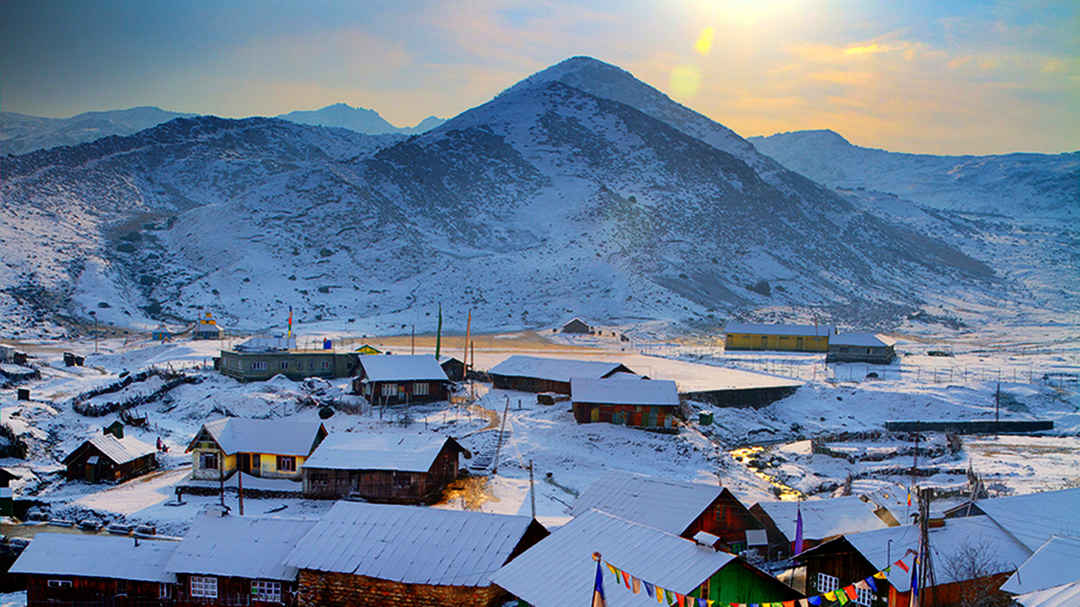
Nathang Valley Sikkim: Himalayan Paradise
Rohit Verma
December 27, 2025
Discover Nathang Valley in Sikkim: Old Baba Mandir, Himalayan views, snow experiences, and complete travel guide.
Places to Visit in Nathang Valley: Complete High-Altitude Guide
Nathang Valley is one of East Sikkim’s most striking high-altitude destinations, known for vast open landscapes, extreme weather mood shifts, and strategic Silk Route heritage. Travelers usually search this keyword for two reasons: they want to know what exactly to see in and around Nathang, and they need route and season clarity before committing.
This guide provides both. It combines attraction planning with practical movement logic so you can avoid rushed high-altitude travel mistakes. For broader Sikkim mapping, pair this with Sikkim travel guide and things to do in Sikkim.
Why Nathang Valley Is Special
Nathang sits at high elevation with dramatic terrain and low settlement density, giving it a remote, cinematic character. Weather can move from clear blue to dense cloud quickly, which changes visibility and route decisions in real time. This unpredictability is part of the valley’s appeal, but it demands disciplined planning.
The area is best approached as a landscape experience, not a city-style attraction checklist. Keep your pace slower and include acclimatization awareness.
Top Places to Visit in Nathang Valley
Old Baba Mandir zone
A key spiritual and cultural point in the route network. The location is often included in Nathang circuits and offers strong mountain atmosphere in clear weather.
Nathang Valley viewpoints
The valley itself is the attraction. Wide-angle viewpoints and ridge lines are best experienced during morning clarity windows.
Silk Route stretches
Historic route sections around Nathang add narrative depth to the trip and are excellent for photography if weather is stable.
Local monastery and village patches
Small cultural stops offer insight into mountain living patterns and local rhythm beyond pure landscape tourism.
Best Time to Visit Nathang Valley
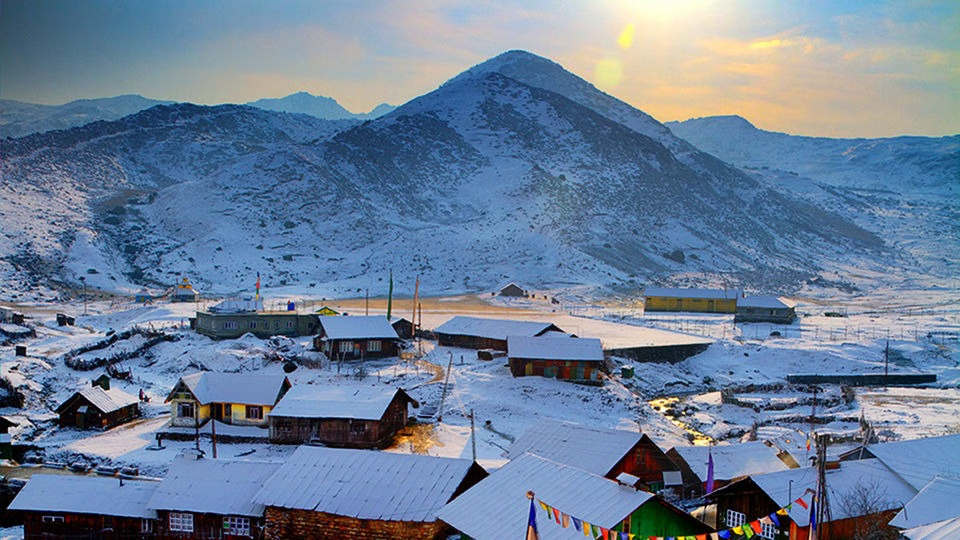
Spring and autumn: generally better for visibility and comfortable exploration. Winter: snow possibility and dramatic visuals, but colder and more demanding conditions. Monsoon: lush but cloud-heavy, with possible route disruptions.
Your month choice should depend on priority: clear views, snow mood, or low-crowd travel.
How to Plan a Nathang Valley Day
Start early from your base, keep key points grouped by route sequence, and avoid overpacking distant stops. High-altitude roads consume more time than map distance suggests. A focused itinerary with fewer points gives better outcomes than aggressive multi-stop plans.
If you are combining lakes and waterfalls in your Sikkim arc, use Sikkim lakes and Sikkim waterfalls for route balancing.
Stay and Meal Practicalities
Accommodation in and around Nathang is generally basic mountain format. Confirm heating, hot-water timing, and meal windows in advance. Food options are functional and weather-dependent, so keep simple nutrition planning and carry light snacks.
Digital connectivity can be unstable; keep offline maps and cash backup ready.
Altitude and Safety Tips
- Keep the first high-altitude day light and hydrated.
- Avoid very late route returns in low-visibility weather.
- Carry layered thermal clothing and wind protection.
- Monitor energy levels; do not push long walks if breathless.
- Listen to local driver advice on road and weather timing.
Photography Planning
Nathang rewards early and late light. Morning gives cleaner horizon definition; evening creates dramatic color gradients if clouds cooperate. Keep batteries warm and protected because cold temperatures reduce performance quickly.
Wide-angle landscape shots and minimal-composition frames work especially well here.
Final Verdict
The best places to visit in Nathang Valley are not isolated monuments but a combination of viewpoints, route heritage, and mountain atmosphere. Plan with weather buffers, altitude awareness, and realistic stop counts, and you will get a richer, safer experience.
For deeper spiritual-cultural additions in Sikkim, combine this route with Pemayangtse Monastery and Namchi Market in a wider itinerary.
Detailed Itinerary Optimization
A stronger trip comes from sequencing, not just destination count. Keep each day focused on one core movement axis and one flexible backup option. For example, in mountain routes, start with viewpoint windows in the morning and keep denser transfers for later only if weather remains stable. This pattern protects both safety and travel satisfaction while reducing rushed decision-making.
Meal and rest planning also influence experience quality more than most travelers expect. Schedule one stable meal stop and one lighter break in every active day. Hydration and temperature management are especially important in high-altitude or coastal humidity conditions. These small decisions improve energy, photography outcomes, and your ability to adapt when plans shift.
Accommodation selection should be based on route logic, not only visuals. A scenic stay that adds two hours of daily commute can reduce overall trip quality. Prioritize location, access reliability, and essential comfort features. If remote work or calls are needed, confirm network consistency before booking. For family travel, check meal timing and heating or cooling support in advance.
When weather uncertainty is high, build a layered plan: primary route, secondary route, and local fallback loop. This avoids day loss and keeps momentum during unpredictable windows. Keep offline maps, cash backup, and emergency essentials ready. Experienced travelers treat these as standard planning, not optional extras.
If you are extending the journey, useful related reading includes sikkim travel guide, things to do in sikkim, lakes sikkim, waterfalls sikkim.
Local Culture and Responsible Travel
Respect for local culture improves both safety and hospitality outcomes. Dress appropriately in spiritual spaces, ask before close-up photography, and avoid high-noise behavior in quiet settlements. In sensitive ecological zones, follow no-litter discipline and avoid single-use plastics where possible. Responsible behavior helps preserve destinations and keeps local communities supportive of tourism.
Support local businesses where feasible: guides, homestays, regional eateries, and small handicraft sellers. This gives your trip stronger local value and often produces better insight than standardized tourist circuits. Authentic recommendations usually come from people who live in the destination, so leave time for conversation and flexible discovery.
Finally, maintain realistic pace. High-output itineraries look impressive on paper but often reduce enjoyment in real conditions. A good trip is not measured by maximum check-ins, but by quality of experience, safety, and meaningful memory retention. Plan smart, stay flexible, and let the destination unfold with its natural rhythm.
Detailed Itinerary Optimization
A stronger trip comes from sequencing, not just destination count. Keep each day focused on one core movement axis and one flexible backup option. For example, in mountain routes, start with viewpoint windows in the morning and keep denser transfers for later only if weather remains stable. This pattern protects both safety and travel satisfaction while reducing rushed decision-making.
Meal and rest planning also influence experience quality more than most travelers expect. Schedule one stable meal stop and one lighter break in every active day. Hydration and temperature management are especially important in high-altitude or coastal humidity conditions. These small decisions improve energy, photography outcomes, and your ability to adapt when plans shift.
Accommodation selection should be based on route logic, not only visuals. A scenic stay that adds two hours of daily commute can reduce overall trip quality. Prioritize location, access reliability, and essential comfort features. If remote work or calls are needed, confirm network consistency before booking. For family travel, check meal timing and heating or cooling support in advance.
When weather uncertainty is high, build a layered plan: primary route, secondary route, and local fallback loop. This avoids day loss and keeps momentum during unpredictable windows. Keep offline maps, cash backup, and emergency essentials ready. Experienced travelers treat these as standard planning, not optional extras.
If you are extending the journey, useful related reading includes sikkim travel guide, things to do in sikkim, lakes sikkim, waterfalls sikkim.
Local Culture and Responsible Travel
Respect for local culture improves both safety and hospitality outcomes. Dress appropriately in spiritual spaces, ask before close-up photography, and avoid high-noise behavior in quiet settlements. In sensitive ecological zones, follow no-litter discipline and avoid single-use plastics where possible. Responsible behavior helps preserve destinations and keeps local communities supportive of tourism.
Support local businesses where feasible: guides, homestays, regional eateries, and small handicraft sellers. This gives your trip stronger local value and often produces better insight than standardized tourist circuits. Authentic recommendations usually come from people who live in the destination, so leave time for conversation and flexible discovery.
Finally, maintain realistic pace. High-output itineraries look impressive on paper but often reduce enjoyment in real conditions. A good trip is not measured by maximum check-ins, but by quality of experience, safety, and meaningful memory retention. Plan smart, stay flexible, and let the destination unfold with its natural rhythm.
Location
Frequently Asked Questions
Q1.How many days needed for Nathang Valley?
Q2.What is the altitude of Nathang Valley?
Q3.Best time to visit Nathang Valley?
Q4.What are the main attractions in Nathang Valley?
Q5.Nathang Valley to Gangtok distance?
Q6.Is Nathang Valley safe for tourists?
Q7.Can we visit Nathang Valley in December?
Q8.Where to stay in Nathang Valley?
Q9.What is special about Old Baba Mandir?
Recommended For You
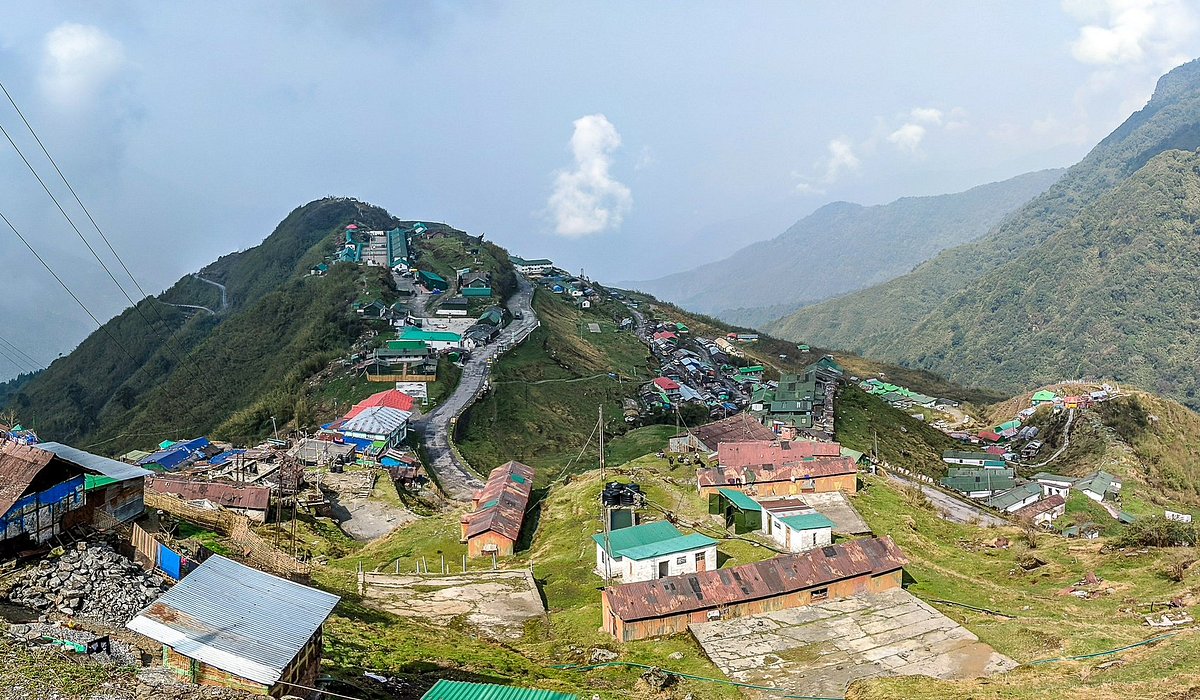
Top 25 Things to Do in Sikkim: Monasteries, Lakes & Adventure Picks
Discover the best things to do in Sikkim from Tsomgo Lake to Nathula Pass. Complete travel guide with trekking, monasteries, and adventure activities.

Namchi Market Sikkim: Shopping Guide & Attractions
Explore Namchi Market in Sikkim. Local shopping, handicrafts, food, nearby attractions & complete travel guide.
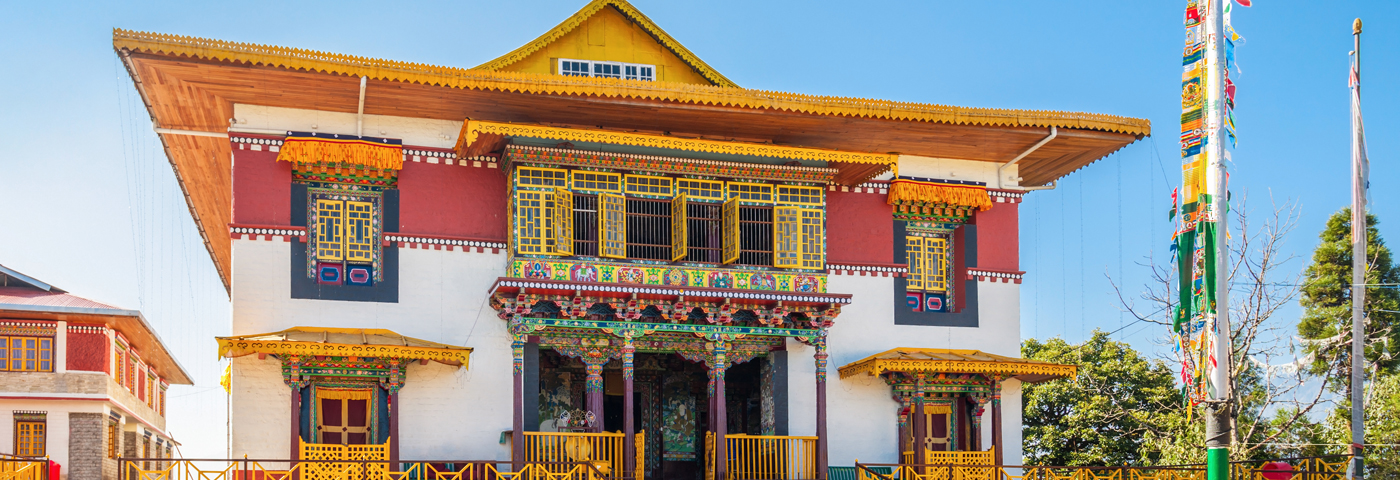
Pemayangtse Monastery Sikkim: Route, Timings & Monastic Highlights
Plan your Pemayangtse Monastery Sikkim visit with route guidance, best-season timing, etiquette tips, and practical West Sikkim itinerary combinations.
Never Miss an Adventure
Get the latest trekking guides, travel tips, and exclusive offers delivered straight to your inbox.
