
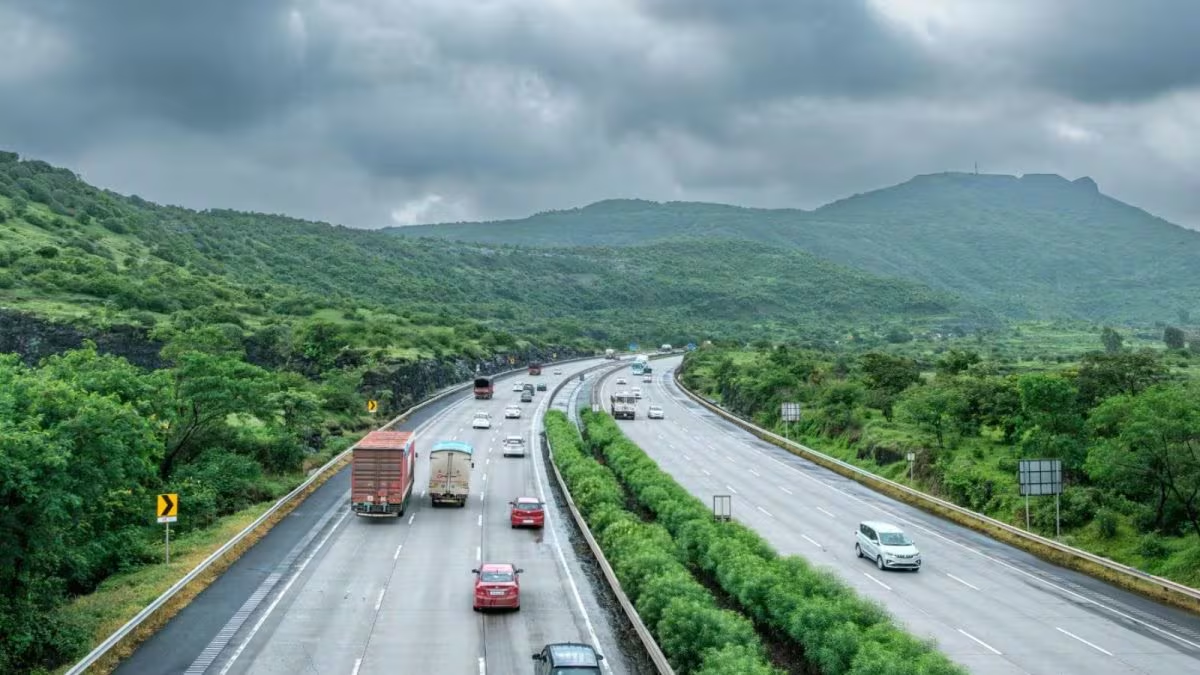
Pune Mumbai Expressway Traffic: Updates and Travel Tips

Rohit Verma
February 18, 2026
Plan Pune Mumbai Expressway traffic smarter with timing strategy, weather tips, and safety-first route planning.
Pune Mumbai Expressway Traffic: Practical Planning Guide for Smoother Travel
The Pune-Mumbai Expressway is one of the most important intercity corridors in India, and traffic behavior on this route changes quickly based on day, weather, incidents, and seasonal travel demand. Many delays happen not because the route is always congested, but because drivers enter at the wrong time window without enough buffer. A smart plan can reduce stress significantly, even on high-demand days.
This guide focuses on practical decision-making: when to leave, where congestion usually builds, what to do during monsoon, and how to handle unexpected slowdowns without unsafe maneuvers. For incident-specific context, check Mumbai Pune expressway traffic block updates and align your trip with downstream plans such as places to visit near Pune or city-side schedules.
How Traffic Typically Behaves on This Corridor
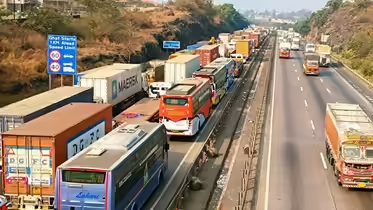
Traffic on this expressway follows predictable demand cycles, but small disruptions can amplify delays quickly. Weekend departures, return windows, and long-holiday traffic are the most sensitive phases. Monsoon days introduce visibility and speed variation, and even minor lane disturbances can create long queues around dense sections.
| Travel Window | Common Pattern | Recommended Action |
|---|---|---|
| Weekday early hours | More stable flow | Best for predictable trip timing |
| Friday evening / Sunday evening | High outbound or return demand | Keep additional buffer and fixed break plan |
| Holiday migration periods | Volatile speed and queue pockets | Avoid rigid arrival commitments |
| Active monsoon windows | Lower speeds, heavier caution zones | Prioritize safety over time recovery |
Understanding these windows is more useful than checking one-time travel estimates in isolation.
Departure Timing Strategy That Works
Most lost time comes from entering right before peak compression rather than during visible congestion. If you must travel on a heavy day, either leave clearly before the wave builds or wait until post-peak easing starts. Middle-window departures are where uncertainty is highest. Build at least one flexible checkpoint into your itinerary so late arrival does not trigger risky driving behavior.
If your plan includes same-day meetings or events in Mumbai, avoid zero-buffer scheduling. Keep an alternate arrival scenario and communicate it early.
Pre-Drive Checklist Before Entering Expressway
- Check live map conditions and one secondary source.
- Refuel before entering to avoid unnecessary stops.
- Carry water, light food, and basic medicines.
- Verify FASTag and payment readiness.
- Keep emergency contacts and charging backup.
This five-minute checklist prevents most avoidable on-road stress points.
Monsoon Driving: Risk Control, Not Speed Recovery
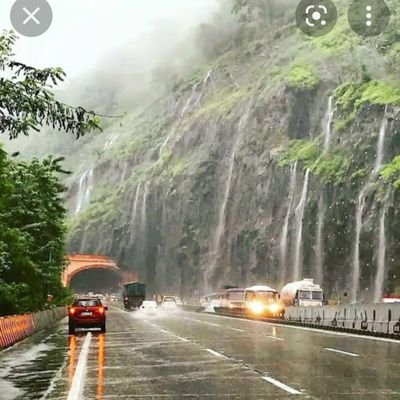
In monsoon, traffic discipline matters more than route speed. Visibility, standing water, spray, and braking-distance changes can make aggressive lane behavior dangerous. Keep wider following distance, smoother throttle/brake transitions, and stable lane choice. Sudden acceleration to recover a few minutes often increases risk without meaningful time gain.
If rain intensity rises sharply, reduce pace early and stay predictable for other vehicles. Night plus rain requires even higher caution because glare and fatigue compound decision errors.
What to Do During Unexpected Traffic Halts
When traffic stops due to incident response or temporary block, the best strategy is calm lane discipline. Avoid shoulder misuse unless explicitly directed by authorities. Frequent lane switching in static queues usually increases risk and rarely saves real time.
Use official guidance and verified navigation updates instead of rumor-based diversions. Random detours can place you on weaker local roads with slower recovery. Stay in vehicle-safe posture, monitor fuel, and keep communication open with your destination.
Intercity Trip Planning Beyond Traffic
Traffic planning should align with what happens after arrival. If you are entering Mumbai for sightseeing or overnight stays, map your onward segment through places to visit in Mumbai. If returning same day or continuing to Pune circuit points, use places to visit in Pune for realistic sequencing. Overpacked plans force rushed decisions on the highway and increase fatigue.
For leisure travelers, breaking the journey with a structured halt near scenic corridors like Lonavala and Khandala can improve comfort, provided stop timing is planned before peak phases.
Safety Habits That Save More Time in the Long Run
- Drive rested; fatigue adds silent delay through poor decisions.
- Keep lane discipline and predictable signaling.
- Avoid harsh speed swings in mixed flow.
- Plan one hydration break for long runs.
- Do not convert schedule pressure into driving aggression.
These habits reduce incident risk, and lower incident risk is the most effective time-saving strategy on busy expressways.
When to Delay the Trip Instead of Forcing It
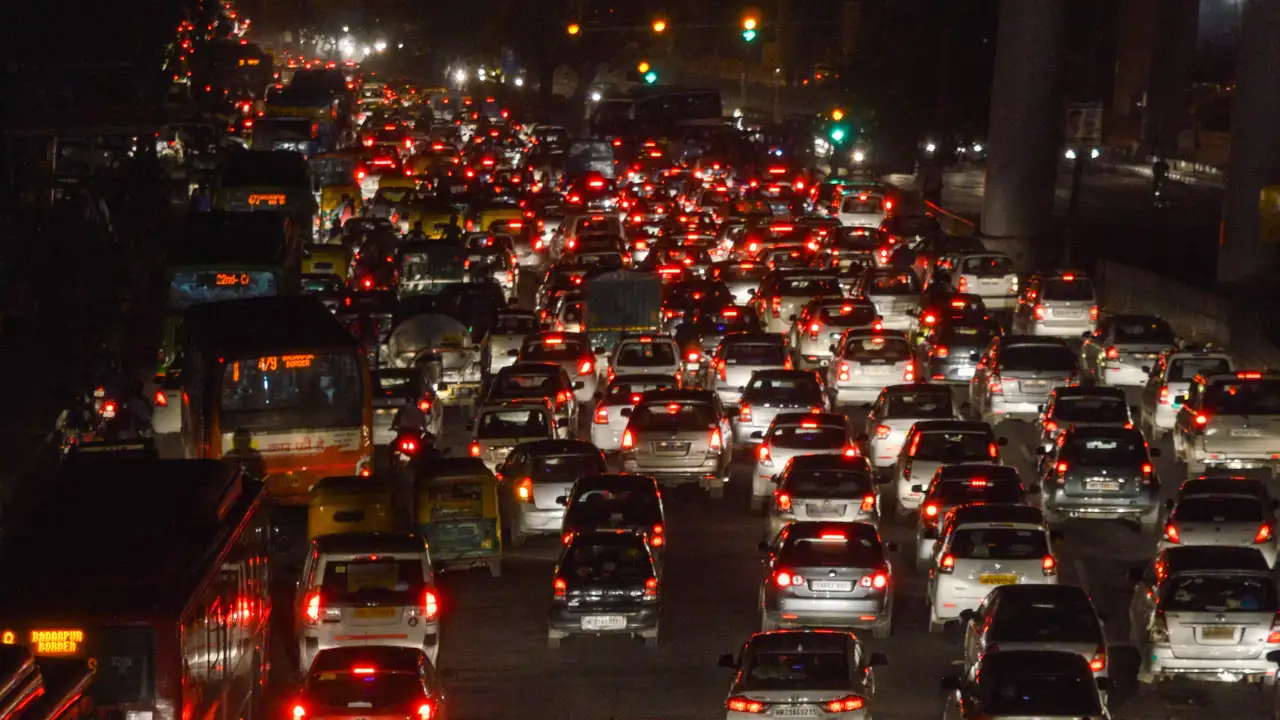
Sometimes the safest and fastest choice is to postpone departure by a few hours. If heavy rain warnings, known maintenance closures, or high-volume holiday movement are active, delaying travel can avoid long stress cycles and reduce fatigue risk. This is especially important for family trips and single-driver plans. A short delay at origin is often better than several hours of unstable traffic with weather uncertainty.
If delay is not possible, tighten your risk controls: shorter driving blocks, fixed break points, and no schedule pressure at arrival. Practical flexibility is a core part of expressway safety planning.
Emergency Response Mindset
If an incident happens near your lane, your priority is controlled response, not quick escape. Slow down smoothly, follow official diversion signals, and avoid crowding emergency access paths. Keep your hazard awareness high and avoid phone distraction while movement resumes. Drivers who stay calm during recovery phases help traffic normalize faster and reduce secondary incident risk. A disciplined response culture is essential on high-speed corridors like this one.
Final Driver Checklist
Before starting, verify weather radar, fuel range, and rest readiness for all drivers. During the trip, prioritize lane consistency, measured overtakes, and timely breaks instead of speed recovery attempts. This final checklist reduces risk and improves arrival predictability, especially during weekends and monsoon windows.
If travel urgency is high, reduce pressure by informing stakeholders early about flexible ETA windows. Clear communication prevents risky driving decisions and improves safety outcomes.
Conclusion
Pune Mumbai Expressway traffic is manageable when timing, weather awareness, and safety discipline are treated as one system. Choose departure windows carefully, keep buffers realistic, and respond calmly to disruptions. Consistent, defensive planning will always outperform aggressive attempts to recover time on-road.
Location
Frequently Asked Questions
Q1.When is Pune Mumbai Expressway most crowded?
Q2.How can I avoid peak traffic?
Q3.Is monsoon travel safe on the expressway?
Q4.Should I drive at night to save time?
Q5.Are live traffic apps reliable?
Q6.How much buffer should I keep?
Q7.What is most important for safety?
Q8.Can route changes help significantly?
Recommended For You
New Year Party in Mumbai: Best Events, Cruises & Club Nights
Plan New Year party Mumbai with Gateway celebrations, clubs, rooftop events, cruise options, safety tips, and practical 31st December transport planning.
New Year Party Pune: Koregaon Park Events and Parties
Plan New Year party Pune with Koregaon Park and Viman Nagar events, ticket ranges, hotel galas, transport tips, and safe 31st December planning today.
Places to Visit in Pune: Forts, Museums, Cafes & Weekend Spots
Explore top places to visit in Pune including Shaniwar Wada, Aga Khan Palace, temples, museums, gardens, and nearby hill getaways.
Never Miss an Adventure
Get the latest trekking guides, travel tips, and exclusive offers delivered straight to your inbox.
