
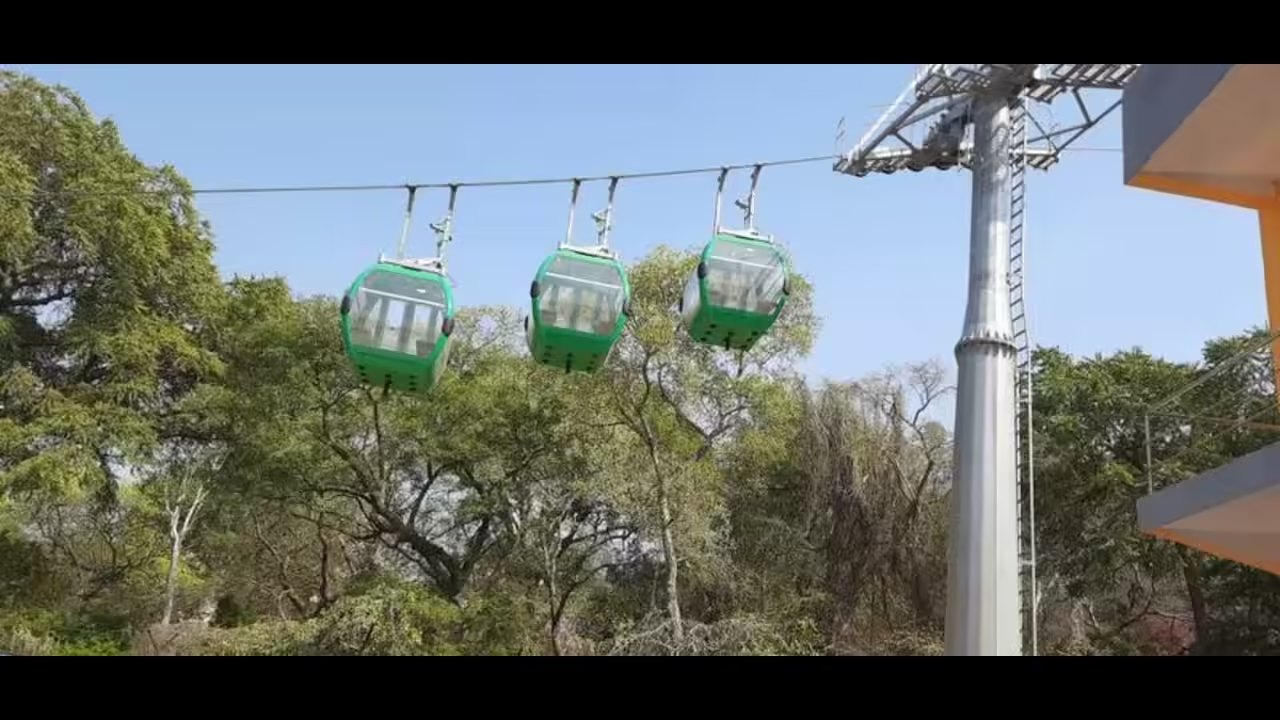
Radha Rani Ropeway Barsana: Timings, Ticket Price & Access
Ananya Sharma
January 12, 2026
Complete Radha Rani Ropeway guide: ticket prices (₹50-60 one way), timings (8 AM-6 PM), route from Mathura, temple history, best time to visit & travel tips for Barsana pilgrimage.
Introduction: Ropeway to Divinity
Nestled in sacred hills of Barsana, birthplace of Radha Rani, lies a unique spiritual attraction that combines devotion with adventure - Radha Rani Ropeway. Barsana holds immense religious significance as village where Radha, eternal consort of Lord Krishna, is believed to have been born. For centuries, devotees have climbed arduous steps to reach Radha Rani Temple atop Brahmagiri Hill, but ropeway has made this journey more accessible while offering breathtaking views of Braj region.
For those interested in exploring more sacred sites, check out 12 Jyotirlingas in India. And if you love temple architecture, Laxmi Narayan Temple is another must-visit destination.
The ropeway experience transforms what was once a physically challenging pilgrimage into an enjoyable aerial journey. As you ascend in comfortable cable cars, you'll witness panoramic views of surrounding countryside, temple spires, and lush greenery that characterizes this holy land. Whether you're a devoted pilgrim seeking blessings or a curious traveler interested in India's religious tourism, Radha Rani Ropeway offers something truly special.
About Radha Rani Ropeway
The Radha Rani Ropeway, also known as Mansi Ganga Ropeway in some references, was constructed to provide easy access to famous Radha Rani Temple perched atop Brahmagiri Hill. Before ropeway's construction, devotees had to climb approximately 200 steep steps to reach temple - a journey that proved difficult for elderly pilgrims, children and those with physical limitations.
The ropeway system features modern cable cars that glide smoothly over sacred landscape, offering visitors a comfortable and safe mode of transportation. Operating under strict safety protocols, ropeway can accommodate multiple passengers per cabin, ensuring that families and groups can travel together. The journey typically takes about 10-15 minutes each way, covering a distance that would otherwise require a strenuous 30-40 minute climb.
From a technical standpoint, ropeway represents an impressive engineering achievement in a region known for its religious significance rather than technological advancement. The cable car system is maintained by experienced professionals who conduct regular safety checks and maintenance routines. Multiple backup systems are in place to ensure passenger safety, including emergency braking mechanisms and rescue operations.
Ropeway Route & Experience
The ropeway journey begins at base station located near Mansi Ganga Kund, a sacred pond where devotees traditionally perform ritual ablutions before temple visits. From here, cable cars ascend gradually toward summit, offering passengers spectacular views of surrounding Braj countryside.
As your cabin climbs higher, you'll see entire Barsana village spread out below you like a sacred map. The red sandstone architecture of temple complex becomes increasingly visible, and you can spot other important religious landmarks including Maan Mandir and various smaller shrines dotting hillsides.
The Aerial Journey
The ride itself is gentle and smooth, suitable for all age groups. Each cable car seats 4-6 passengers comfortably, making it perfect for families. The large glass windows provide excellent visibility for photography and observation. The journey takes approximately 10-15 minutes depending on weather conditions and passenger load.
One of most magical aspects of ropeway ride is witnessing sunrise or sunset from above. Early morning visitors describe seeing mist lift from valleys as first rays of sunlight illuminate temple spires. Evening rides offer equally stunning views as golden light bathes entire region in warm hues.
Photography Opportunities
The ropeway offers exceptional photography opportunities. The elevated vantage point allows you to capture unique perspectives of temple complex and surrounding landscape. Professional photographers and casual visitors alike appreciate ability to frame shots that combine religious architecture with natural beauty.
Be mindful of cable car's movement when taking photos. Use faster shutter speeds to avoid blur, and if possible, visit during golden hours (shortly after sunrise or before sunset) for most dramatic lighting conditions.
Radha Rani Temple
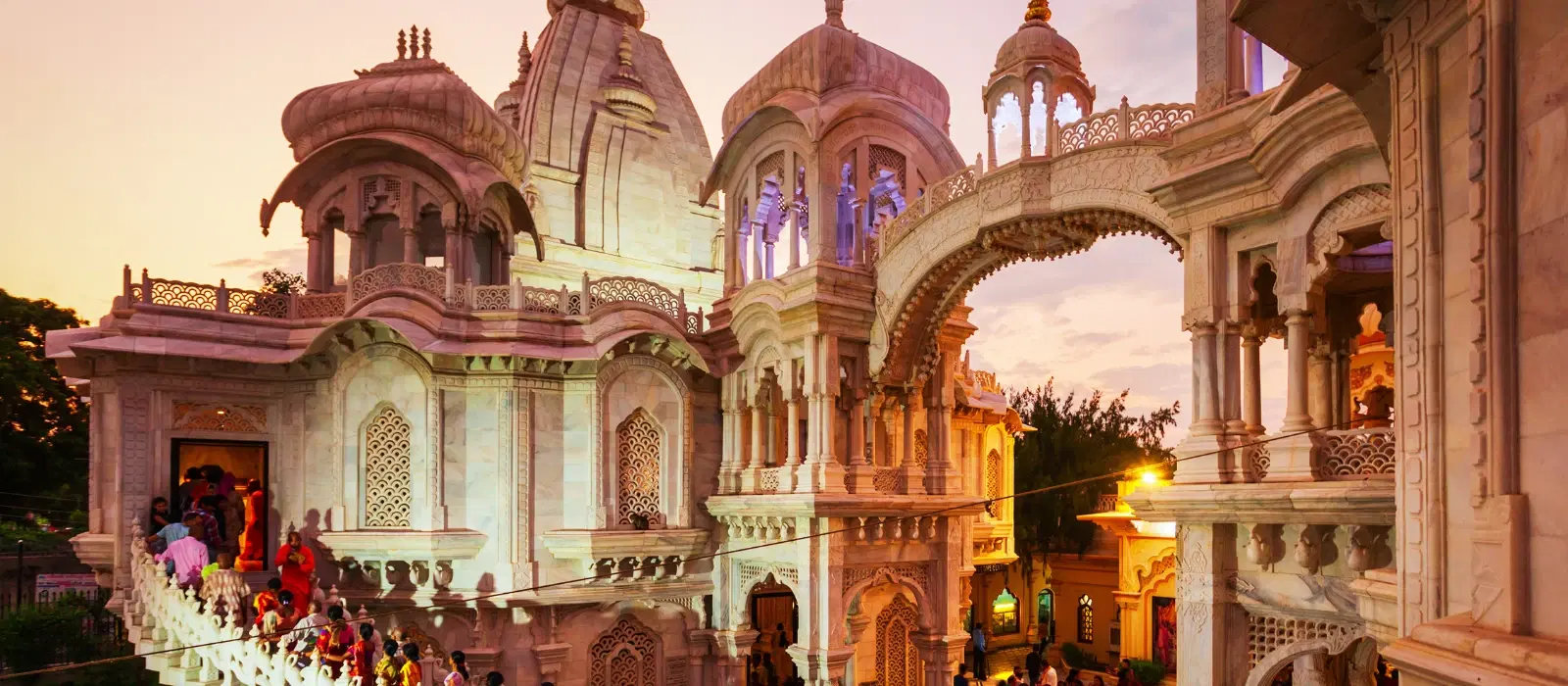
At summit of Brahmagiri Hill stands magnificent Radha Rani Temple, dedicated to Radha, beloved consort of Lord Krishna. The temple's architecture follows traditional North Indian style with its towering spire (shikhara) reaching toward heavens. The main deity here is Radha Rani, depicted in various forms throughout temple complex.
According to Hindu mythology, Barsana is one of most significant places in Braj region. It's believed to be birthplace of Radha, who spent her childhood here before moving to Vrindavan to be with Krishna. The temple complex includes several smaller shrines dedicated to various deities associated with Krishna's leelas (divine plays).
Religious Significance
The Radha Rani Temple holds special importance during festivals, particularly Radha Ashtami, which celebrates Radha's birth with great pomp and ceremony. Thousands of devotees gather during this time, and temple becomes a hub of religious activities, special prayers, and cultural programs.
Holi celebrations in Barsana are legendary, with famous Lathmar Holi taking place here. During this unique tradition, women playfully beat men with sticks, reenacting playful interactions between Radha and Krishna's gopis (milkmaids). The temple becomes especially vibrant during this festival, with colors, music, and devotion filling air.
Temple Rituals
Devotees visiting Radha Rani Temple can participate in various rituals. The morning aarti (prayer ceremony) is particularly soulful, with priests chanting ancient hymns while lamps are offered to deity. The prasad (blessed food) distributed to visitors is considered sacred and is often taken home as blessings.
The temple also houses several smaller shrines dedicated to various forms of Radha and Krishna. Each shrine has its own significance and draws devotees with specific prayers and wishes. The peaceful atmosphere on hilltop creates an ideal environment for meditation and spiritual reflection.
Timings & Tickets
Understanding ropeway's operating schedule and ticket prices is essential for planning your visit effectively. The ropeway operates throughout year, though timings may vary seasonally and during special religious festivals.
Ropeway Operating Hours
The Radha Rani Ropeway typically operates from morning until evening, with regular departures throughout day. Standard operating hours are generally 8:00 AM to 6:00 PM, though these may extend during peak festival seasons and shorten during winter months with shorter daylight hours.
During major festivals like Radha Ashtami and Holi, ropeway may operate extended hours to accommodate increased number of devotees. It's advisable to arrive early during these periods, as queues can be quite long. The ropeway staff manages crowd control efficiently, but peak seasons inevitably mean longer waiting times.
Ticket Prices
Ticket prices for Radha Rani Ropeway are reasonable, making it accessible to most visitors. As of current rates, one-way tickets cost approximately ₹50-60 for adults, while round-trip tickets are priced around ₹100-120. Children below a certain height (typically under 3 feet) may be eligible for free or discounted tickets.
Combo tickets that include both ropeway access and special darshan passes are sometimes available, especially during festival seasons. These packages can offer better value if you're planning a comprehensive temple visit. Payment is generally accepted in cash and through some digital payment methods, though it's wise to carry sufficient cash.
Online Booking
While online booking systems are developing in many Indian tourist attractions, Radha Rani Ropeway primarily operates on a first-come, first-served basis. Some local tour operators may offer advance booking packages that include ropeway tickets along with temple visits and local sightseeing.
For peak festival seasons, consider arriving early in day or a day before your planned visit to secure tickets. The ropeway staff can accommodate a significant number of visitors per hour, but extreme crowd surges during major religious festivals may still result in waiting periods.
Best Time to Visit
Choosing right time to visit Radha Rani Ropeway can significantly enhance your experience. The Braj region experiences distinct seasons, each offering unique advantages for temple visits and ropeway rides.
Winter Months (October-March)
The winter months from October through March are generally considered best time to visit Barsana and Radha Rani Ropeway. The weather is pleasant with cool temperatures, making outdoor portions of your visit comfortable. The clear skies during these months offer excellent visibility for enjoying ropeway views.
Particularly, months of November and February are ideal as they're just before major festivals - Radha Ashtami in November and Holi in March. Visiting during these times allows you to witness temple in its full festive glory while avoiding extreme crowds of festival days themselves.
Festival Seasons
If experiencing vibrant religious festivals is your priority, then planning your visit during Radha Ashtami (typically in September-November) or Holi (March) is essential. These festivals transform Barsana into a hub of celebration, music, and devotion. The ropeway becomes especially significant during these times, ferrying thousands of devotees to hilltop temple.
Be prepared for larger crowds during festival periods. The atmosphere is electric with devotional songs, special ceremonies, and overall energy of collective worship. While queues are longer, experiencing these festivals is worth additional planning required.
Time of Day
Regardless of season, time of day you choose for your ropeway ride matters significantly. Early morning rides (8:00-10:00 AM) offer clearest views and are typically less crowded. The soft morning light creates beautiful photography conditions.
Sunset rides (4:00-6:00 PM) are equally magical, though they attract more visitors. Watching sun set over Braj countryside from ropeway is a spiritual experience in itself. The temple illuminated in evening light offers a completely different perspective from daytime visits.
How to Reach
Barsana is well-connected to major cities in Uttar Pradesh, making it accessible by various modes of transportation. The most common approach is via Mathura, which serves as primary gateway to Braj region.
From Mathura to Barsana
Barsana is located approximately 50 kilometers from Mathura, making it an easy day trip or overnight excursion from this holy city. The journey by road typically takes 1-1.5 hours depending on traffic and road conditions. State transport buses and private taxis are readily available from Mathura's bus stand.
The route from Mathura to Barsana passes through heart of Braj region, offering glimpses of rural Uttar Pradesh and smaller temples along way. The road is generally in good condition, though it may become congested during festival seasons when devotees flock to area.
From Vrindavan
Vrindavan, another important pilgrimage site associated with Lord Krishna's life, is about 40 kilometers from Barsana. Many pilgrims visiting Braj region combine both destinations in their itinerary. Shared taxis and buses operate between Vrindavan and Barsana.
The combined visit to Vrindavan and Barsana provides a comprehensive understanding of Krishna-Radha narrative that defines this region. While Vrindavan focuses on Krishna's childhood leelas, Barsana celebrates Radha's life and their divine love story.
From Delhi
Delhi is approximately 160 kilometers from Barsana. The most convenient way to reach from Delhi is by train to Mathura followed by road transport to Barsana. Several trains operate between Delhi and Mathura, including Taj Express and other passenger services.
Alternatively, direct road travel from Delhi takes approximately 4-5 hours depending on traffic conditions. Hiring a private taxi or cab from Delhi to Barsana is also an option, though this is considerably more expensive than public transportation.
Local Transport in Barsana
Once in Barsana, local transportation options include auto-rickshaws and cycle rickshaws for shorter distances. The ropeway base station is within walking distance from main market area, though autos can be useful if you're carrying luggage or traveling with elderly family members.
Parking is available near ropeway base station, though it can fill up quickly during festivals. Arriving early on festival days will help secure parking space and reduce stress of navigating crowded conditions.
Travel Tips & Guidelines
Proper preparation and awareness of local customs can significantly enhance your visit to Radha Rani Ropeway and temple. These practical tips will help ensure a smooth and spiritually fulfilling experience.
Dress Code Recommendations
When visiting religious sites in Braj region, modest and respectful dress is appreciated. For both men and women, clothing that covers shoulders and knees is appropriate. Traditional Indian attire like salwar kameez for women and kurta pajama for men is well-suited to temple visits.
Remove footwear before entering temple premises - shoe racks are provided at ropeway base station and temple entrance. During winter months (November-February), carry warm clothing as hilltop can be considerably cooler and windier than base.
What to Carry
Essential items for your ropeway and temple visit include a small bag for personal belongings, water bottles (especially important during summer months), and any medications you regularly take. Photography enthusiasts should bring their cameras, but remember to respect rules about photography inside temple.
During festival seasons, consider carrying a light scarf or handkerchief to protect yourself from colored powder during Holi celebrations. A change of clothes is also wise if you plan to participate in color-play festivities.
Queuing Tips
Patience is key when visiting popular religious attractions. During peak seasons and festivals, queues for both ropeway and temple darshan can extend to several hours. Arriving early in morning significantly reduces your waiting time.
The ropeway system processes passengers efficiently, but crowd surges during festivals inevitably create delays. Use waiting time productively - observe other devotees, listen to devotional songs that may be playing, and maintain a positive, patient mindset that aligns with spiritual nature of your visit.
Photography Guidelines
Photography is generally permitted in ropeway cabins and around temple exterior. However, restrictions may apply to photography inside main sanctum sanctorum where deity is present. Always look for signage or ask temple staff if unsure.
When photographing other people, especially during religious ceremonies, seek permission first. Many devotees are on private spiritual journeys and may prefer not to be photographed. Respect their privacy while capturing your memories of this sacred place.
Nearby Attractions
The Braj region offers numerous other attractions that can be combined with your Radha Rani Ropeway visit. The Mansi Ganga Kund, where devotees take ritual baths, is located at base of ropeway and holds religious importance.
Other notable sites in Barsana include various smaller temples and ashrams associated with Krishna-Radha leelas. The Maan Mandir, dedicated to Radha's father, is another important temple in village that pilgrims typically visit along with main Radha Rani Temple.
Combined Pilgrimage Itineraries
Many visitors combine their Barsana visit with other important Braj region destinations. A popular pilgrimage route includes Mathura (Krishna's birthplace), Vrindavan (where Krishna spent his childhood), Gokul (Krishna's foster home), and Barsana (Radha's birthplace).
These four destinations form core of Braj circuit and provide a comprehensive experience of divine love story of Radha and Krishna. Each location offers unique temples, festivals, and spiritual atmosphere that together create a complete pilgrimage experience.
Accommodation Options
Barsana offers various accommodation options ranging from basic dharamshalas (pilgrim guesthouses) to mid-range hotels. During non-festival periods, finding accommodation is relatively easy. However, during major festivals like Radha Ashtami and Holi, advance booking becomes essential.
Many devotees prefer to stay in Mathura, which offers more diverse accommodation options and better connectivity. Day trips to Barsana from Mathura are common and allow you to experience city's vibrant atmosphere while returning to comfortable lodging each evening.
The Radha Rani Ropeway offers more than just a convenient mode of transportation - it's a journey through faith, culture, and breathtaking natural beauty. Whether you're climbing for devotion, seeking spiritual peace, or simply exploring India's rich religious tourism landscape, this aerial pilgrimage provides an experience that lingers in memory long after you return home.
Location
Frequently Asked Questions
Q1.Where is Radha Rani Ropeway located?
Q2.What are Radha Rani Ropeway timings?
Q3.What is ticket price for Radha Rani Ropeway?
Q4.Is ropeway safe for children and elderly?
Q5.What is length of Radha Rani Ropeway?
Q6.What is special about Radha Rani Temple Barsana?
Q7.How to reach Barsana from Mathura?
Q8.What is best time to visit Barsana?
Recommended For You
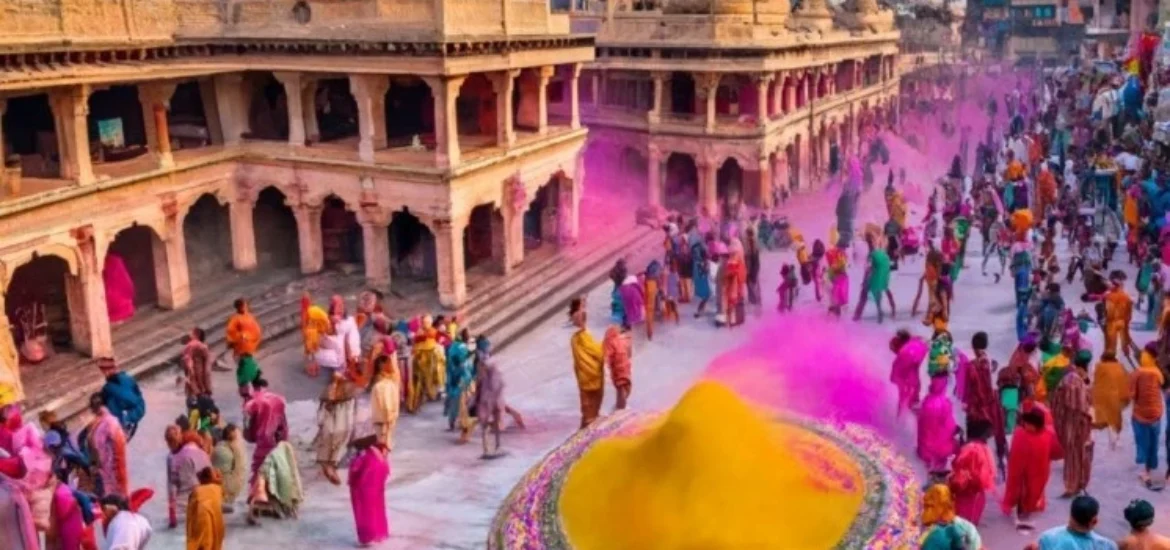
Holi in Mathura: Dates, Temple Events & Celebration Zones
Experience authentic Holi celebrations in Mathura, Lord Krishna's birthplace. Discover Krishna Janmabhoomi Temple events, unique traditions like Phoolon Ki Holi, Braj region celebrations, dates, and complete travel guide.
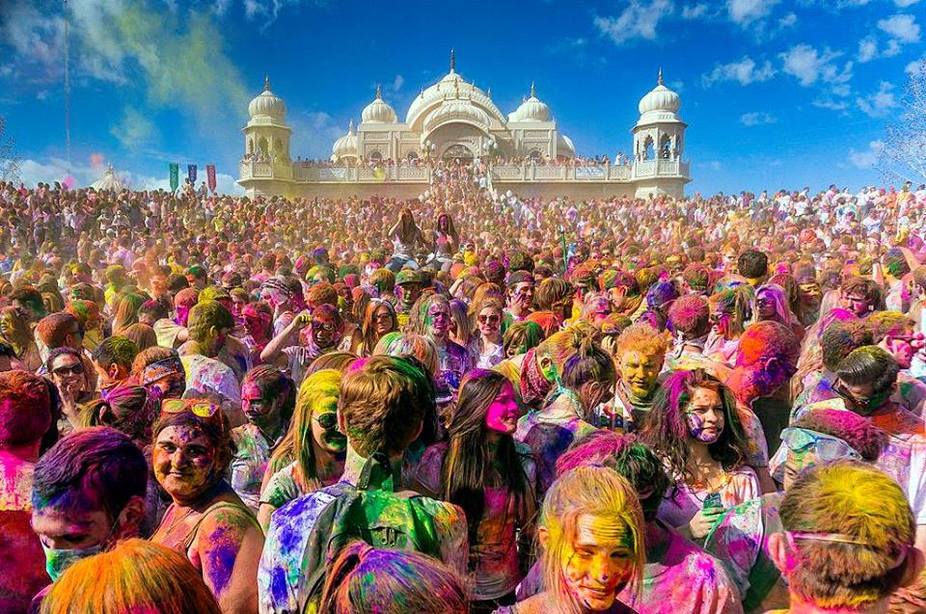
Lathmar Holi in Barsana: Experience the Unique Playful Tradition
Experience Lathmar Holi in Barsana - the unique tradition where women chase men with sticks! Discover legend, dates, tips, celebrations & complete guide for 2026.
Places to Visit in Mathura in One Day: Temple Route & Timings
Plan a complete Mathura one-day trip with Krishna Janmasthan, Vishram Ghat, Dwarkadhish, Vrindavan temples, and Prem Mandir in a practical time-based route.
Never Miss an Adventure
Get the latest trekking guides, travel tips, and exclusive offers delivered straight to your inbox.
