
Heritage
Rajghat Delhi: Timings, History & How to Reach

Ananya Sharma
November 20, 2025
15 min read1,851 views
Visit Rajghat Delhi - Mahatma Gandhi's memorial on Yamuna River banks. Open 6:30 AM-6:00 PM, free entry. History, timings & how to reach guide.
A Sacred Memorial to the Father of the Nation
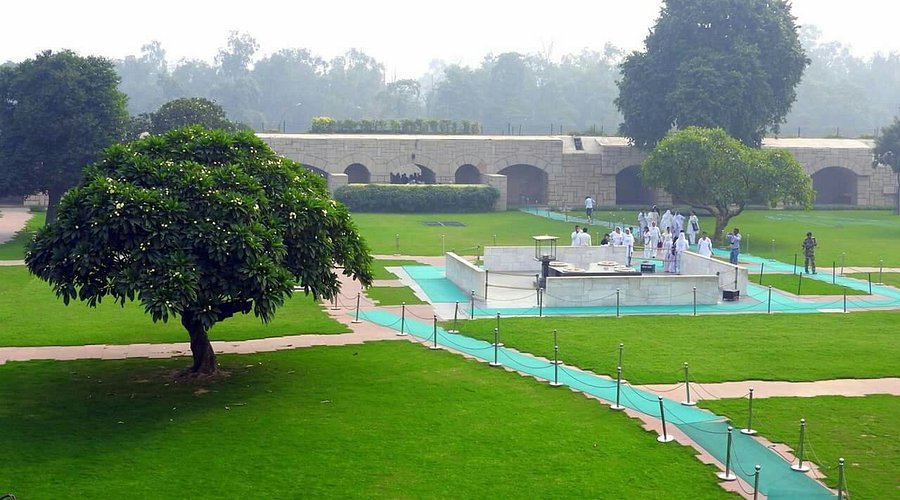
Rajghat Delhi stands as one of India's most revered sites, located on the banks of the Yamuna River. This serene memorial marks the spot where Mahatma Gandhi, the father of our nation, was cremated on January 31, 1948. For visitors to Delhi, paying respects at Rajghat is not just a tourist activity—it's a pilgrimage to the soul of India's freedom struggle.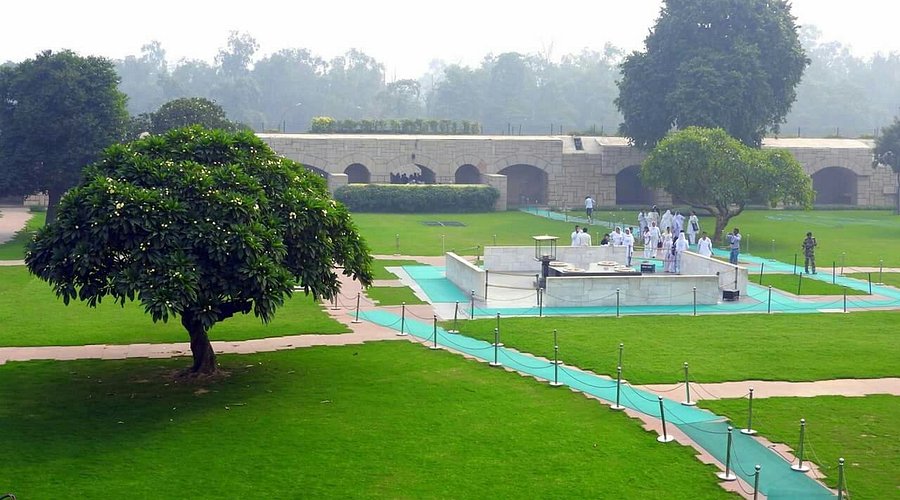 The memorial's simple yet powerful design reflects Gandhi ji's philosophy of simplicity and peace. As you walk through the well-maintained gardens toward the black stone platform, you'll notice the profound silence that envelops this sacred ground. This silence speaks volumes about the man who led India to independence through non-violence.
Foreign dignitaries from around the world, including heads of state and celebrities, visit Rajghat to pay their respects. It's here that visitors truly understand why Gandhi ji remains relevant decades after his death—his message of truth, non-violence, and peace continues to inspire millions.
The memorial's simple yet powerful design reflects Gandhi ji's philosophy of simplicity and peace. As you walk through the well-maintained gardens toward the black stone platform, you'll notice the profound silence that envelops this sacred ground. This silence speaks volumes about the man who led India to independence through non-violence.
Foreign dignitaries from around the world, including heads of state and celebrities, visit Rajghat to pay their respects. It's here that visitors truly understand why Gandhi ji remains relevant decades after his death—his message of truth, non-violence, and peace continues to inspire millions.
The Historical Significance of Rajghat
Gandhi's Last Journey
The story of Rajghat begins with the tragic events of January 30, 1948. Mahatma Gandhi was walking to his evening prayer meeting at Birla House in New Delhi when he was assassinated by Nathuram Godse. His final words, reportedly "Hey Ram" (Oh God), echoed his lifelong devotion to truth and spiritual principles.| Date | Historical Event |
|---|---|
| January 30, 1948 | Gandhi assassinated at Birla House |
| January 31, 1948 | Cremation at Rajghat with full state honors |
| 1950s | Memorial construction begins |
| 1951 | Memorial opens to public |
| 1969 | Inspection by Queen Elizabeth II |
| January 30 & 31 | Martyr's Day observances |
Construction and Design Philosophy
The memorial we see today was designed by Vanu G. Bhuta, a renowned architect known for his innovative approach to design. Construction began in the early 1950s, and the memorial was inaugurated in 1951, just three years after Gandhi's passing. Vanu Bhuta's design philosophy was deeply connected to Gandhi ji's life principles. Instead of grand monuments or elaborate statues, he chose a simple square platform of black marble. This design choice reflected Gandhi's own commitment to simplicity and his rejection of ostentatious display. The memorial is surrounded by acres of well-maintained gardens, designed to create a peaceful atmosphere for reflection and contemplation. Stone pathways lead visitors to the main platform, allowing for a gradual approach that builds reverence.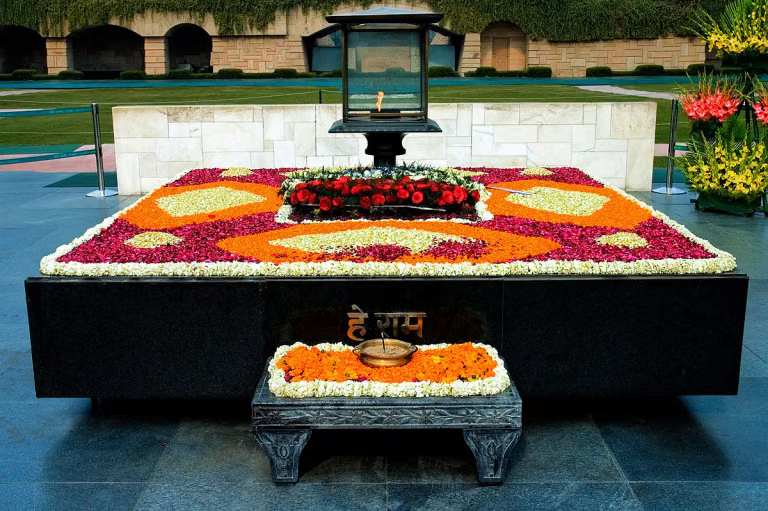
Architectural Features of Rajghat
The Memorial Platform
The centerpiece of Rajghat is the simple yet imposing black marble platform where Gandhi's cremation took place. The platform is a square of polished black stone, measuring approximately 12 feet on each side, raised slightly above ground level. At the center of this platform burns the eternal flame, a symbol that Gandhi's light continues to guide the nation. The platform is designed for visitors to walk around it and pay respects without obstructing others' views or blocking access. What makes this simple structure so powerful is its restraint. There are no ornate carvings, no statues, and no elaborate decorations—just the pure geometry of a square platform. This minimalism was intentional, reflecting Gandhi's belief that truth and simplicity are more powerful than grand displays.The Eternal Flame
The eternal flame at Rajghat burns continuously, day and night, symbolizing the immortality of Gandhi's spirit and message. The flame was lit on the anniversary of Gandhi's death—January 30, 1969—and has not been extinguished since. This flame represents Gandhi's enduring influence on India and the world. For visitors, watching the flame dance in the gentle breeze while listening to the Yamuna flowing nearby is a meditative experience. The flame is visible from various points in the memorial, creating a constant reminder of the man who taught that truth alone triumphs.Inscriptions and Symbolism
Rajghat features several inscriptions that carry profound meaning. The most prominent is the Devanagari script "He Ram," which translates to "Oh Ram" or "Oh God." These were reportedly Gandhi's last words, expressing complete surrender to the divine. Another inscription reads, "Hey Ram," repeated in several places around the memorial. These words encapsulate Gandhi's spiritual journey and his ultimate acceptance of death as part of a larger divine plan. Additionally, there are plaques commemorating other national leaders who were cremated nearby. These include Jawaharlal Nehru, Indira Gandhi, Rajiv Gandhi, and others who followed in Gandhi ji's footsteps. This creates a continuum of leadership and sacrifice at Rajghat.Gardens and Surroundings
The memorial complex is set within expansive gardens that provide a serene environment for contemplation and reflection. The gardens were designed to be peaceful yet functional, accommodating thousands of visitors without feeling crowded.Landscape Design
The gardens feature well-manicured lawns with pathways that guide visitors through the complex. The planting includes trees that were significant in Gandhi ji's life, such as neem, which he often used for prayer and meditation. Flower beds are maintained year-round, providing color and fragrance that enhance the meditative atmosphere. During spring and winter, seasonal flowers bloom, adding natural beauty to the memorial. The gardens are designed to be inclusive—accessible to people of all ages and abilities.The Yamuna River
Rajghat's location along the Yamuna River adds to its spiritual significance. The river is considered sacred in Hindu tradition, and its presence creates a natural boundary for the memorial. Visitors can see the river flowing gently in the background, adding to the tranquility. The river also has historical importance—it was along these banks that Delhi was founded, and many of the city's temples and ghats were established. Today, the Yamuna serves as a reminder of Delhi's ancient heritage alongside its modern identity.Timings and Entry Information
Opening Hours
Rajghat is open every day of the year, from sunrise to sunset. This schedule reflects the open, accessible nature of the memorial—there are no closing days, no ticket counters, and no restrictions on when you can visit.| Detail | Information |
|---|---|
| Opening Time | 6:30 AM to 6:00 PM (all days) |
| Best Visiting Hours | Early morning (6:30-8 AM) or late afternoon (4-6 PM) |
| Special Days | Open on Gandhi Jayanti (Oct 2) and Martyr's Day (Jan 30) |
| Security Check | Baggage check required at entrance |
| Dress Code | Modest, respectful attire recommended |
Entry Fee
One of the most appealing aspects of Rajghat Delhi is that entry is completely free. There is no ticket charge, no photography fee, and no parking fee for the designated parking areas. This accessibility is in keeping with Gandhi ji's philosophy—his memorial should be open to all, regardless of their ability to pay. However, there are some facilities around Rajghat that may have charges. The Gandhi Museum, located nearby, has a nominal entry fee. Visitors planning to explore both the memorial and museum should carry some cash for museum entry.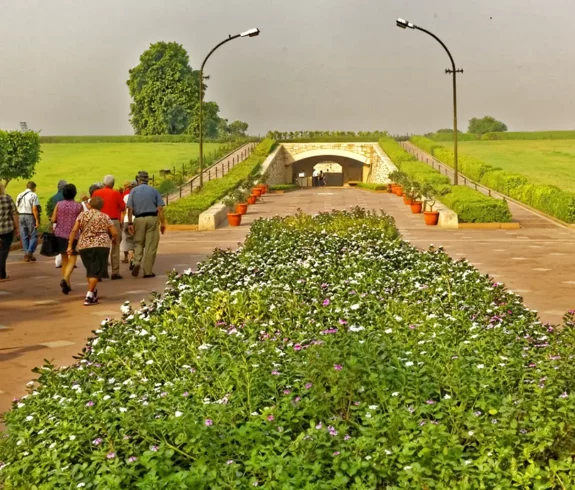
Best Time to Visit Rajghat
Seasonal Considerations
Delhi's extreme climate variations mean that timing your visit carefully can significantly impact your experience. Understanding the seasons will help you plan better. Winter (October to March): This is widely considered the best time to visit Rajghat. The weather is pleasant, with daytime temperatures ranging from 20°C to 25°C. The cool, crisp mornings are ideal for peaceful walks around the gardens, and winter light creates beautiful photography opportunities. Summer (April to June): Summer in Delhi is harsh, with temperatures regularly exceeding 40°C. Visiting during midday hours is not recommended. If you must visit in summer, plan to arrive very early in the morning (around 6:30 AM) when the complex opens, or late afternoon (after 4 PM) when the heat begins to subside. Monsoon (July to September): The monsoon brings relief from the heat but also humidity. The gardens can get muddy after rain, and walking paths may be slippery. However, if you enjoy dramatic skies and lush greenery, monsoon visits offer unique photographic opportunities.Special Occasions
Certain days of the year hold particular significance for visiting Rajghat. These are the times when the memorial is especially crowded with ceremonies and commemorative events. October 2 - Gandhi Jayanti: Gandhi's birthday is celebrated across India, and Rajghat is the center of Delhi's observances. Thousands gather for prayer meetings, floral tributes, and cultural programs. The memorial is decorated with flowers, and the atmosphere is particularly charged with patriotism. January 30 - Martyr's Day: This marks the anniversary of Gandhi's assassination. The President of India, Prime Minister, and other dignitaries pay homage at Rajghat. An all-religion prayer meeting is typically held, and the eternal flame receives special attention. Republic Day (January 26) and Independence Day (August 15): While not directly related to Gandhi, these national holidays often see increased visitors at Rajghat, with people coming to pay respects before participating in celebrations elsewhere.How to Reach Rajghat
By Metro - The Most Convenient Option
The Delhi Metro is the most efficient way to reach Rajghat. The nearest metro station is Delhi Gate on the Violet Line. From there, you have several options:| Transport Mode | Details |
|---|---|
| From Delhi Gate Station | Auto-rickshaw (10-15 min) or taxi |
| Walking | Approximately 20-25 minutes |
| Cost | Metro ₹30-50 + Auto ₹80-150 |
By Road
If you're driving or taking a taxi, Rajghat is easily accessible via Ring Road and Mahatma Gandhi Marg. The memorial has its own parking area where vehicles can be parked for a nominal fee.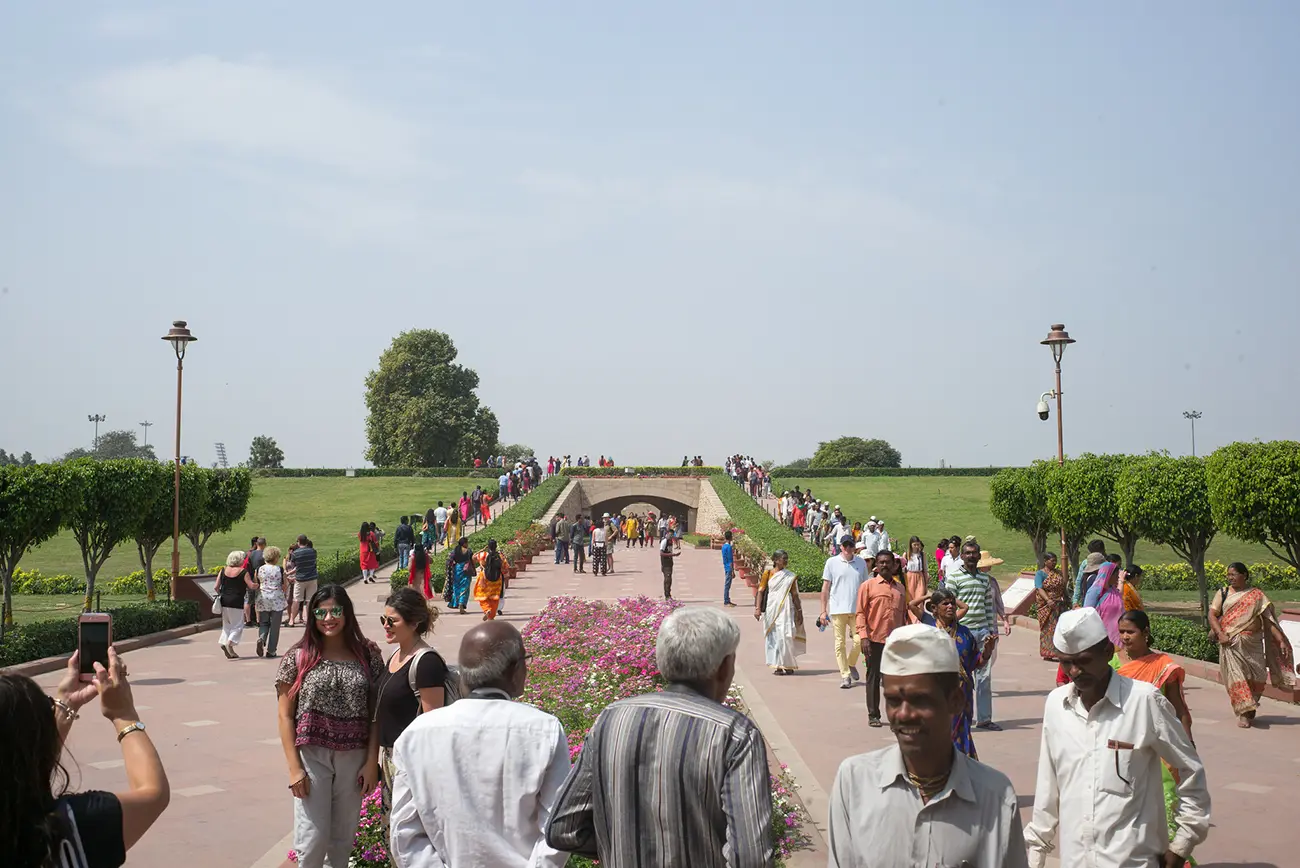 From Connaught Place: Approximately 4 kilometers, about 15-20 minutes by car depending on traffic.
From New Delhi Railway Station: Around 7 kilometers, about 25-30 minutes by car.
From Indira Gandhi International Airport: Approximately 18 kilometers, about 45-60 minutes depending on traffic conditions.
Parking: Limited but available. Fee ranges from ₹20-50 per vehicle. Parking can fill up during special occasions.
From Connaught Place: Approximately 4 kilometers, about 15-20 minutes by car depending on traffic.
From New Delhi Railway Station: Around 7 kilometers, about 25-30 minutes by car.
From Indira Gandhi International Airport: Approximately 18 kilometers, about 45-60 minutes depending on traffic conditions.
Parking: Limited but available. Fee ranges from ₹20-50 per vehicle. Parking can fill up during special occasions.
By Bus
Several Delhi Transport Corporation (DTC) buses serve the area. Routes 502, 505, and 540 pass near Rajghat. These buses connect Rajghat to various parts of Delhi. The bus stops are within walking distance, making this a budget-friendly option. However, buses can be crowded, and during peak hours, they may not stop at all designated stops due to traffic.Nearby Attractions and Museums
National Gandhi Museum
Located just 500 meters from Rajghat, the National Gandhi Museum is a must-visit for those interested in Gandhi ji's life and work. The museum houses an extensive collection of photographs, letters, and personal items belonging to the Mahatma. The museum's collection includes Gandhi's personal belongings, such as his walking stick, spectacles, and spinning wheel. Photographs document key moments of the freedom struggle, and letters reveal Gandhi's thoughts on various issues. The museum also has a library with books on and by Gandhi ji. Timings: 10 AM to 5 PM (Tuesday to Sunday), Closed on Monday and national holidays Entry Fee: Nominal charge for adults, free for children under 15Other Memorials in the Area
Rajghat is part of a larger memorial complex that includes cremation sites of other national leaders. These additional memorials offer visitors a more comprehensive understanding of India's leadership history. Vijay Ghat: The cremation site of Lal Bahadur Shastri, India's second Prime Minister. Located nearby, it features a similar simple design with an eternal flame. Shakti Sthal: Memorial to Indira Gandhi, located a short distance away. The name means "Place of Power," reflecting her strong leadership. Santivana Sthal: Memorial to Rajiv Gandhi, Gandhi's grandson who also served as Prime Minister. Exploring these memorials provides context for Rajghat—you'll see how India has honored its leaders across generations, all in this sacred area along the Yamuna.Visitor Tips and Guidelines
Respectful Behavior
Visiting Rajghat requires a mindset of respect and contemplation. The memorial is not a tourist attraction for entertainment—it's a sacred space for reflection.- Maintain Silence: The memorial is a place for quiet reflection. Keep your voice down, avoid loud conversations, and switch mobile phones to silent mode.
- Dress Modestly: Wear clothing that covers shoulders and knees. Avoid shorts, sleeveless tops, or revealing clothing. This is a sign of respect for both the memorial and local cultural norms.
- Remove Footwear: Before entering the memorial platform area, remove your footwear. There are designated areas where you can leave shoes.
- No Photography on Platform: Photography is allowed in the gardens, but refrain from taking photos directly on or very close to the memorial platform. This maintains the sanctity of the cremation site.
Photography Guidelines
While Rajghat is photogenic, there are guidelines to follow for respectful photography. Best Spots: The main approach paths offer excellent angles for photographing the memorial with the gardens in foreground. The eternal flame creates a focal point for your shots. Time of Day: Early morning (6:30-8 AM) offers soft light and fewer crowds. Late afternoon (4-6 PM) provides golden hour lighting that's perfect for silhouette shots against the sky. Equipment: A standard camera or smartphone is sufficient. Tripods may be restricted near the memorial platform, but you can use them in the outer gardens. What to Capture: The simplicity of the memorial, the eternal flame, the gardens, and the Yamuna River in the background—all these elements tell the story of Rajghat.Historical Events at Rajghat
Foreign Dignitary Visits
Over the decades, Rajghat has hosted numerous world leaders, each leaving their mark on the memorial's guest book. These visits demonstrate Gandhi ji's global influence and the respect he commands internationally.| Dignitary | Country | Year |
|---|---|---|
| Queen Elizabeth II | United Kingdom | 1961 |
| Dwight D. Eisenhower | United States | 1959 |
| Martin Luther King Jr. | United States | 1959 |
| Nelson Mandela | South Africa | 1990 |
| Barack Obama | United States | 2010 |
Political Significance
Rajghat serves as a powerful symbol in Indian politics. Political leaders of all parties visit here, especially during times of national importance or when seeking to invoke Gandhi ji's legacy. The memorial is often used as a backdrop for political announcements and press conferences. Its presence in Delhi's landscape serves as a constant reminder of the values that shaped India's freedom movement.Preservation and Maintenance
The memorial is maintained by the Rajghat Samadhi Committee, which falls under the Ministry of Urban Development. Ongoing efforts ensure that the gardens remain pristine and the memorial's structural integrity is preserved. Recent initiatives include water conservation measures, pathway improvements, and better signage for visitors. The eternal flame is carefully maintained, with backup systems ensuring it never extinguishes. As visitors, we have a role in preservation. Following guidelines, disposing of waste properly, and respecting the sanctity of the space helps maintain Rajghat for future generations. The memorial is not just a historical site—it's a living tribute to Gandhi ji's enduring legacy.Planning Your Visit
Suggested Itineraries
Quick Visit (1-2 Hours): Arrive early morning, spend time at the memorial platform, walk through the gardens, and visit the Gandhi Museum nearby. This gives you a comprehensive understanding of Gandhi ji's life. Half-Day Tour: Combine Rajghat with India Gate in the morning, visit Rajghat mid-day, and end at the National Gandhi Museum. This route covers Delhi's key memorial sites. Full Heritage Day: Start at Qutub Minar in early morning, proceed to Siri Fort, visit Rajghat for reflection, and end at the Red Fort area in the evening. This showcases Delhi's different historical layers.Conclusion: A Pilgrimage of Peace and Reflection
Rajghat Delhi is more than a monument—it's a spiritual experience that connects visitors with the soul of modern India. Standing before the simple black marble platform, watching the eternal flame, and walking through the peaceful gardens, you'll feel the weight of history and the power of Gandhi ji's message. Whether you're a history enthusiast, a political science student, or simply someone seeking quiet reflection, Rajghat offers something profound. It's a reminder that simplicity, truth, and non-violence are values worth emulating. The memorial's location along the Yamuna River, its accessibility, and its free entry make it an essential stop for any Delhi itinerary. More than just ticking off a tourist attraction, visiting Rajghat is an opportunity to connect with the principles that shaped a nation. Combine it with the Nehru Memorial Museum and Library for a fuller picture of independent India's founding generation.Location
Frequently Asked Questions
Q1.What are Rajghat Delhi timings?
Rajghat is open every day from 6:30 AM to 6:00 PM, all year round. The memorial operates on natural time (sunrise to sunset), so closing hours vary slightly based on the season. Gates typically close around 5:30 PM in winter and 6:00 PM in summer. Best visiting hours are early morning (6:30-8 AM) or late afternoon (4-6 PM) for peaceful experience.
Q2.Is there an entry fee for Rajghat?
No, Rajghat has no entry fee. The memorial is completely free to visit for everyone. There are no photography charges either. However, the nearby National Gandhi Museum has a nominal entry fee. You only need to go through a security check at the entrance.
Q3.Where is Rajghat located in Delhi?
Rajghat is located on the banks of the Yamuna River in New Delhi, near the Ring Road area. The exact coordinates are 28.6408°N, 77.2495°E. It's approximately 4 kilometers from Connaught Place and 7 kilometers from New Delhi Railway Station.
Q4.What is the significance of Rajghat?
Rajghat is the cremation site of Mahatma Gandhi, the Father of the Nation. He was cremated here on January 31, 1948. The memorial marks the spot where Gandhi ji's final rites were performed and houses an eternal flame symbolizing his enduring message of truth, non-violence, and peace. It's a place of national pilgrimage and international importance.
Q5.When was Rajghat built?
Rajghat memorial was designed by architect Vanu G. Bhuta and was inaugurated in 1951, three years after Gandhi's death. Construction began in the early 1950s. The design philosophy reflected Gandhi's simplicity—a simple black marble platform without elaborate decorations, surrounded by peaceful gardens.
Q6.Which is the nearest metro station to Rajghat?
The nearest metro station to Rajghat is Delhi Gate on the Violet Line. From Delhi Gate station, you can take an auto-rickshaw (10-15 minutes) or taxi. Alternatively, you can walk from India Gate in approximately 20-25 minutes. The metro ride costs around ₹30-50, and auto-rickshaw costs ₹80-150.
Q7.How do I reach Rajghat from New Delhi Railway Station?
From New Delhi Railway Station to Rajghat is approximately 7 kilometers, taking 25-30 minutes by car depending on traffic. You can also take a taxi or auto-rickshaw. Alternatively, use the Delhi Metro—take the Yellow Line to Rajiv Chowk, transfer to Violet Line, and get off at Delhi Gate station.
Q8.Is photography allowed at Rajghat?
Yes, photography is allowed in the gardens and from a distance. However, photography is not permitted directly on or very close to the memorial platform area out of respect. Visitors should maintain silence and avoid using flash near the eternal flame. The memorial and gardens offer excellent photography opportunities, especially during early morning or late afternoon golden hours.
Recommended For You
Heritage
India Gate Delhi: Best Time, Nearby Spots & Night Visit Details
Visit India Gate Delhi with this complete guide covering history, architecture, timings, evening experience, nearby attractions, and practical travel tips.
Nov 30Read More
Heritage
Nehru Memorial Museum Delhi: Teen Murti Visit, Timings & Galleries
Visit Nehru Memorial Museum & Library (Teen Murti Bhavan). History, timings, entry fee, exhibitions & how to reach. Delhi's heritage.
Feb 18Read More
Heritage
Qutub Minar Delhi: Complete Guide to UNESCO World Heritage Site
Explore Qutub Minar Delhi - tallest brick minaret & UNESCO site. Discover 800 years of Islamic architecture, the mysterious Iron Pillar & Delhi heritage.
Nov 24Read More
Never Miss an Adventure
Get the latest trekking guides, travel tips, and exclusive offers delivered straight to your inbox.
