
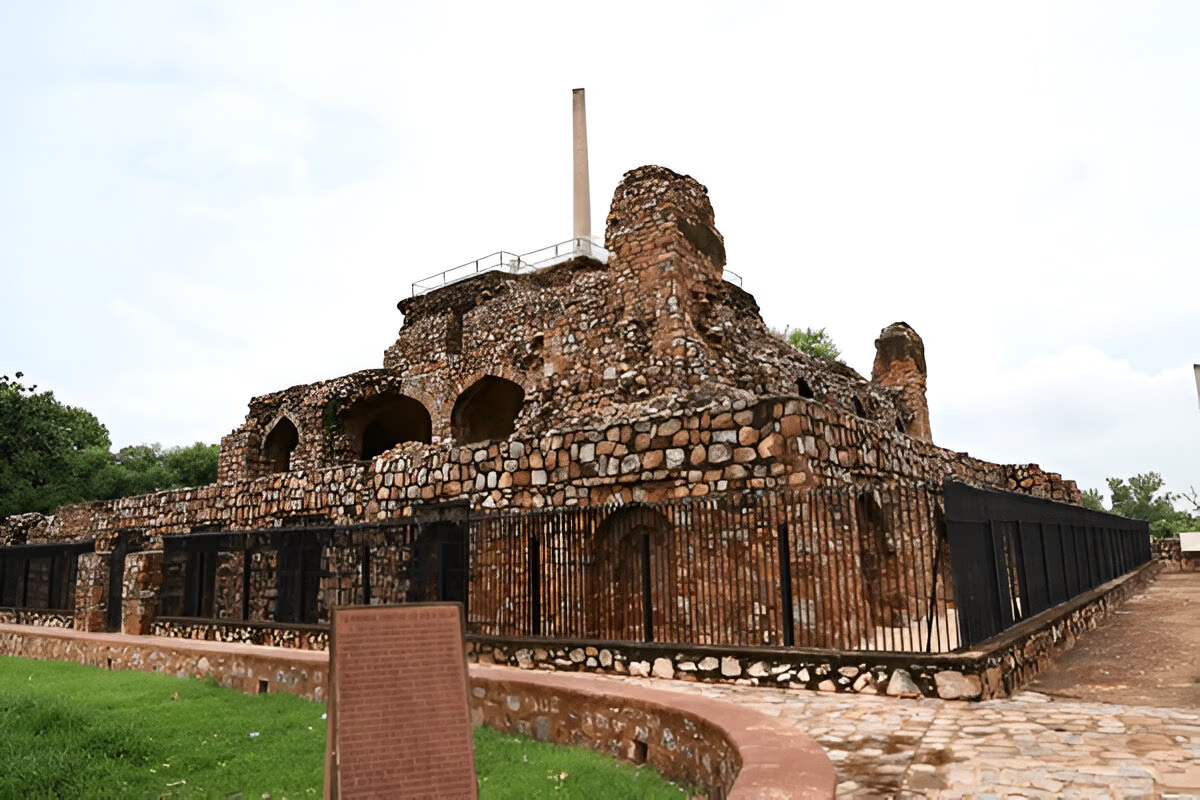
Siri Fort Delhi: History, Location, Entry & Visitor Information

Ananya Sharma
February 18, 2026
Plan Siri Fort Delhi with heritage context, auditorium booking basics, and practical event-day access tips.
Siri Fort Delhi: History Context and Auditorium Visit Planning
Siri Fort in Delhi carries two identities for modern travelers: a medieval historical zone tied to Delhi’s layered fort-city evolution, and a contemporary cultural hub through the well-known auditorium complex. Many visitors search for events, booking, and access details, but the experience becomes stronger when you understand both historical context and present-day cultural use together.
This guide helps you plan Siri Fort as a practical city stop, whether your focus is heritage, events, or both. You can pair it with nearby anchors like India Gate, reflection-oriented stops such as Gurudwara Bangla Sahib Delhi, and flexible city connectors like Khan Market Delhi.
Historical Relevance of Siri Fort
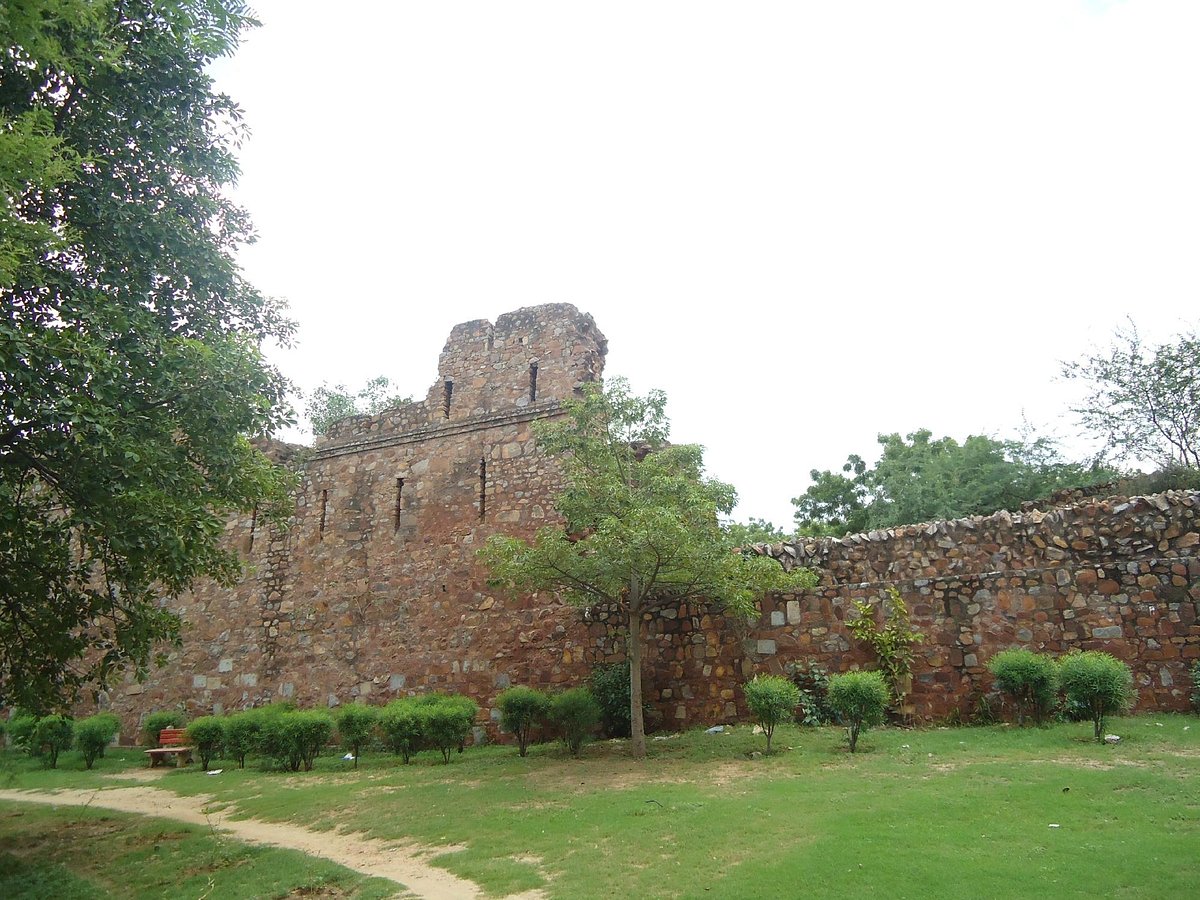
Siri was one of the historical city-fort layers in Delhi’s medieval development. While much of the original fort-city fabric evolved over time, the historical identity still contributes to place memory in the area. For heritage travelers, this context matters because Delhi is best understood as a sequence of city layers rather than isolated monuments.
Even if your main plan is an auditorium event, spending a few minutes with this historical frame improves the cultural meaning of the visit.
Siri Fort Auditorium: Why It Remains Popular
The auditorium has long served as an important cultural venue for performances, screenings, and public events. Visitors choose it for central connectivity, recognizable reputation, and frequent programming. The quality of your visit usually depends on pre-event planning more than on-site improvisation.
| Planning Area | What to Check | Practical Tip |
|---|---|---|
| Event Confirmation | Date, time, and hall details | Recheck same-day status |
| Arrival Timing | Traffic and queue variation | Reach early with 20-30 min buffer |
| Exit Strategy | Post-event transport flow | Keep backup ride options ready |
Simple checks prevent most event-day disruptions.
Booking and Ticket Planning Basics
Ticketing patterns vary by organizer and event type, so always validate booking source, seat category, and entry conditions in advance. Avoid last-minute assumptions about offline counters or on-spot availability, especially for high-demand events.
If traveling in groups, assign one person to booking verification and another to route coordination. This reduces confusion at entry and improves overall flow.
How to Reach Siri Fort Efficiently
Siri Fort is reachable by road and metro-linked routes with short last-mile transit. The biggest planning risk is peak-hour traffic in surrounding corridors. Keep arrival buffers realistic, especially on weekdays and event evenings. If you are combining multiple Delhi stops, avoid long cross-city jumps before your event slot.
For daytime heritage extensions, you can add Lotus Temple or places to visit Delhi references as separate blocks with enough travel margin.
Facilities, Comfort, and Event-Day Preparation
Preparation quality affects comfort. Carry digital tickets, ID where required, and essential hydration for pre-entry waiting. For longer programs, keep transport and meal planning aligned with event end time to avoid stress after exit.
- Arrive early for smooth security and seating.
- Carry light essentials only.
- Confirm hall and seat details before entering.
- Keep phone charging and navigation ready for return.
These basics are enough for most event scenarios.
Heritage + Culture Combo Itinerary
A practical half-day format is one historical stop in daylight, one meal break, then Siri Fort event attendance. This keeps energy balanced and avoids rushing between distant points. Travelers who overpack pre-event itineraries often arrive late and miss the best part of programs.
Quality sequencing gives better outcomes than high stop count, especially in Delhi traffic conditions.
Visitor Etiquette and Practical Conduct
Respect venue norms: quiet entry movement, seat discipline, and non-disruptive phone use during programs. For heritage areas nearby, follow preservation guidelines and avoid littering or unauthorized access. Combined respect for culture and heritage improves the experience for everyone.
If visiting with children, brief them on venue behavior in advance to reduce on-site friction.

Event-Day Workflow That Actually Works
To avoid last-minute stress, define an event-day workflow: ticket check, travel start time, arrival buffer, seat confirmation, and post-event return plan. Most delays happen because visitors skip one of these steps. A checklist keeps decisions simple even in busy evening traffic.
If your event starts in peak hours, add at least 30 minutes beyond map estimates. Delhi traffic variability can be significant, and buffer time protects your entry experience.
Combining Culture with Nearby City Stops
Siri Fort works best when paired with one nearby low-intensity stop, not a long multi-point itinerary. For example, a short heritage visit in the afternoon followed by an evening program creates a balanced day. Avoid high-movement plans that leave you tired before the main event.
If traveling as a group, set one regroup point and one backup transport option before the program ends. This small coordination step reduces confusion and improves overall trip quality.
Final Event-Visit Note
Use a single confirmation routine before departure: ticket, venue timing, transport plan, and return option. This keeps the Siri Fort visit predictable and stress-free, especially for evening programs.
If combining with nearby city stops, keep at least one open buffer hour before the event slot.
Final Scheduling Advice
If attending an evening event, keep afternoon plans intentionally light. Overloaded pre-event itineraries often cause late arrival and reduce overall experience quality.
Use one fixed departure alarm and one transport backup to keep timing predictable in peak traffic conditions.
Final Logistics Tip
Check the exact hall and gate details before leaving for the venue. This prevents last-minute confusion and helps you enter on time during crowded event windows.
Extra Planning Buffer
If your event starts in prime evening hours, add a deliberate pre-arrival margin and keep one alternate route open in navigation. This protects your schedule when traffic clusters form near major intersections.
When traveling with groups, share ticket screenshots in advance and set a clear regroup point outside the venue gate. These small steps reduce delays and keep entry smooth.
Note
Arrive early.
Conclusion
Siri Fort Delhi is most rewarding when planned as both a historical context point and a practical cultural venue stop. Confirm event details early, keep traffic buffers, and route intelligently with nearby landmarks. With this approach, your visit remains smooth, timely, and meaningful.
Location
Frequently Asked Questions
Q1.Where is Siri Fort located?
Q2.How much time is enough?
Q3.Is it suitable for families?
Q4.Can I combine with other attractions?
Q5.Best time to visit?
Q6.Is this a full-day attraction?
Q7.Do I need a guide?
Q8.Is photography allowed?
Recommended For You
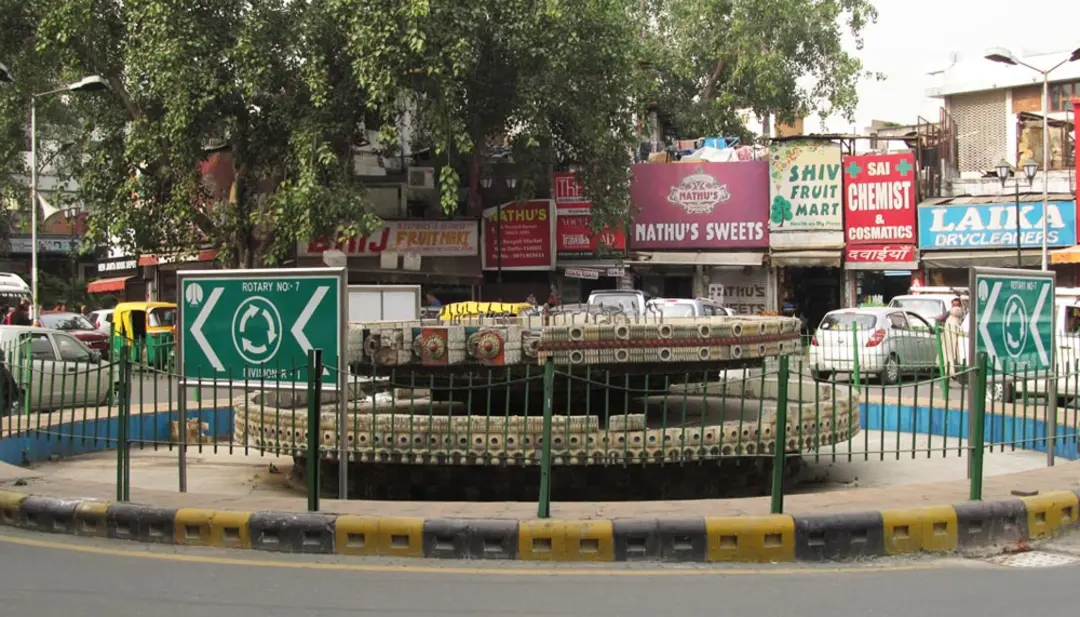
Bengali Market Delhi: Food Guide, Timing and Tips Now
Explore Bengali Market Delhi with timing strategy, food-route planning, and practical tips for a smoother and tastier city stop.
Khan Market Delhi: Best Restaurants, Cafes & Shopping Picks
Explore Khan Market Delhi with practical tips on restaurants, cafes, bookstores, shopping, timings, metro access, parking, and nearby attractions.
Sarojini Nagar Market Delhi: Best Lanes, Price Range & Shopping Tips
Sarojini Nagar Market Delhi - Complete shopping guide with timings, nearest metro, bargaining tips & best buys. Export surplus clothes, shoes & accessories.
Never Miss an Adventure
Get the latest trekking guides, travel tips, and exclusive offers delivered straight to your inbox.
